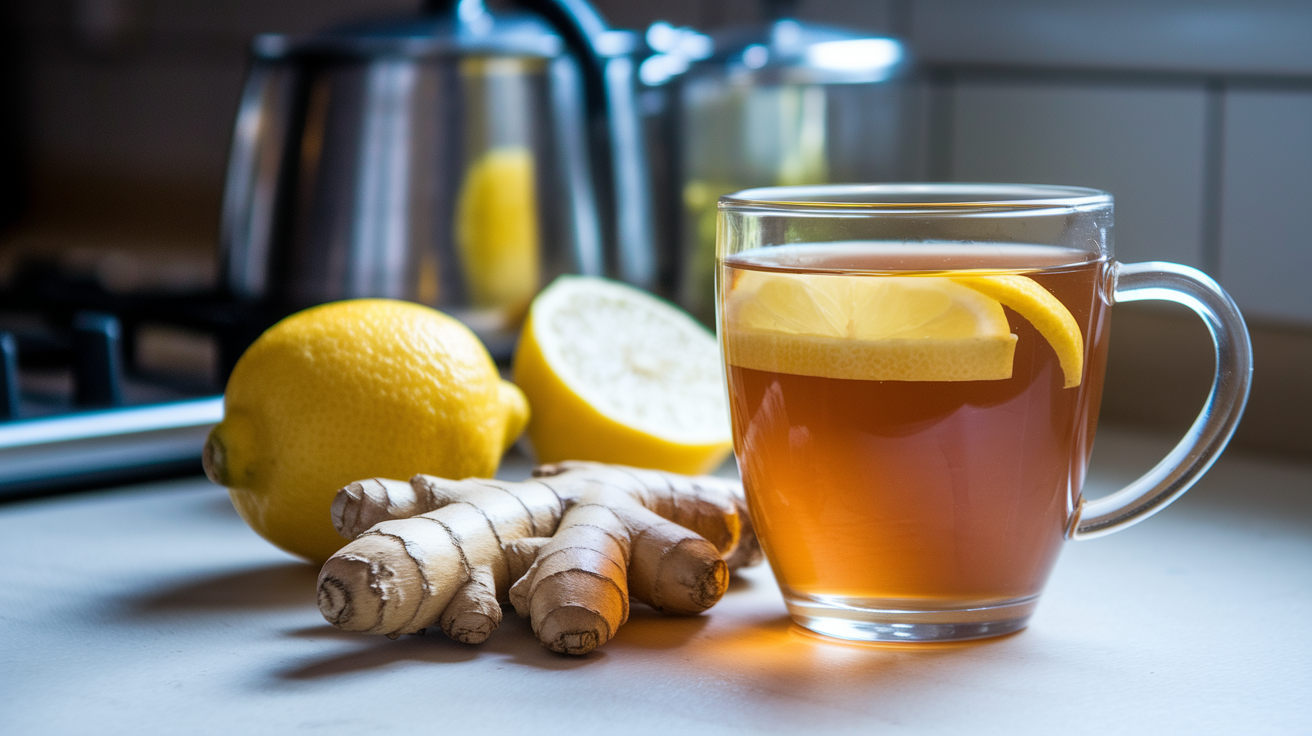
Tired of feeling like a balloon after a meal?
You’re not imagining it.
Indigestion and bloating can make your belly tight, noisy, and downright uncomfortable.
The good news: fast relief is often in your kitchen — ginger, peppermint, baking soda, warm lemon water, or a short walk can help within minutes.
This post shows the best home remedies that work, simple steps to try right now, what to track, and when to see a clinician.
Fast-Acting Home Relief Options for Indigestion and Bloating
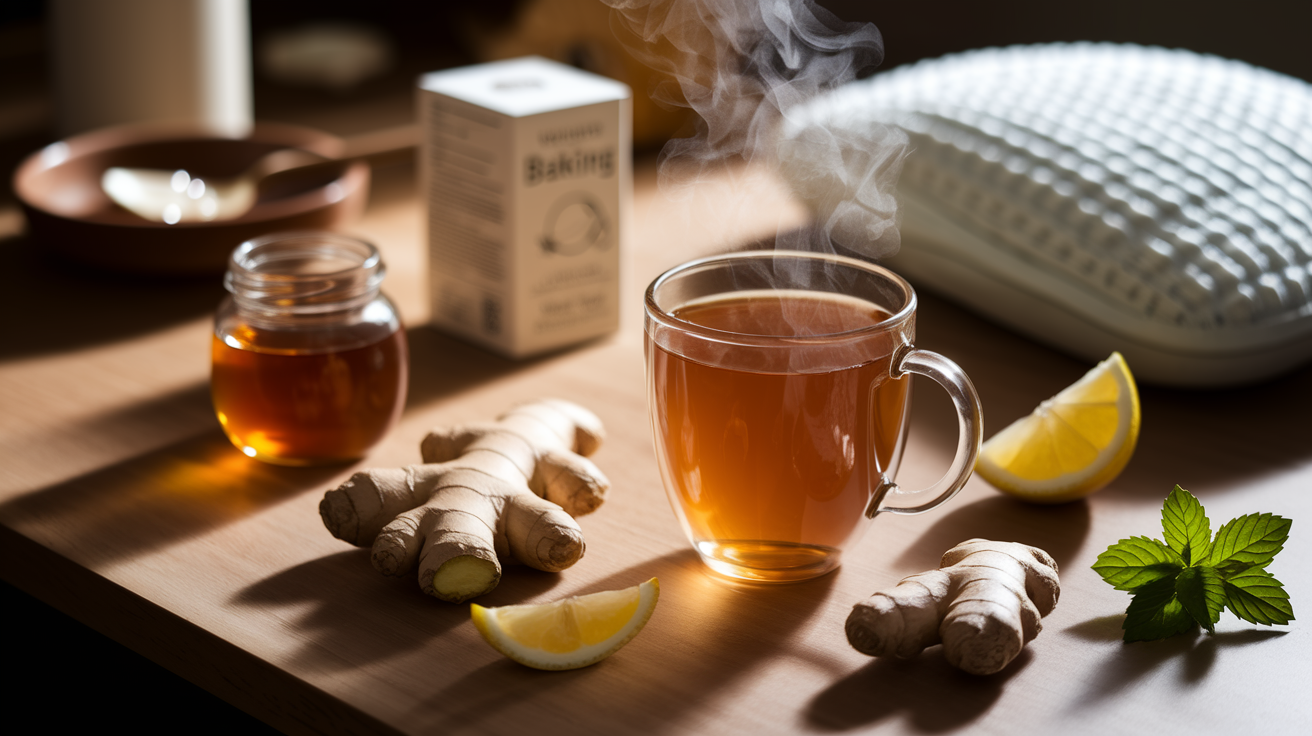
Indigestion and bloating are two of the most common digestive complaints. They can show up suddenly after a meal, build slowly over the afternoon, or settle in overnight when your gut’s working through the day’s food.
The good news? Many effective remedies are already in your kitchen or within reach. You don’t always need a pharmacy run to get relief from abdominal fullness, uncomfortable gas, or that tight, nauseous feeling that shows up after overeating or a heavy meal.
Here are the best home remedies for indigestion and bloating that can offer quick, natural relief:
- Ginger tea – Stimulates digestive juices, absorbs excess stomach acid, and helps your stomach empty faster.
- Peppermint tea – Relaxes the smooth muscles in your digestive tract, reducing cramping and gas buildup.
- Fennel seeds – Contains natural oils that prevent and release intestinal gas while stimulating gastric juices.
- Apple cider vinegar – May support low stomach acid levels and reduce nausea when diluted in water.
- Baking soda – Acts as a quick home antacid by neutralizing stomach acid (½ teaspoon in 4 ounces warm water).
- Chamomile tea – Soothes inflammation and reduces spasms in the digestive tract.
- Warm water with lemon – Stimulates digestion and encourages motility, especially helpful first thing in the morning.
- Gentle movement – A slow walk or simple stretches can shift gas pockets and ease abdominal pressure.
- Heating pad – Relaxes stomach muscles and reduces cramping. Use warm, not hot, to avoid skin damage.
- Carbonated water – May help some people burp and release pressure, though it can worsen symptoms for others.
If you need immediate relief, reach for ginger tea, peppermint tea, baking soda, or a short walk. These tend to act the fastest. A heating pad and a shift in posture (sitting upright or lying on your left side) can also help within minutes.
Understanding Indigestion, Bloating, and Common Digestive Triggers
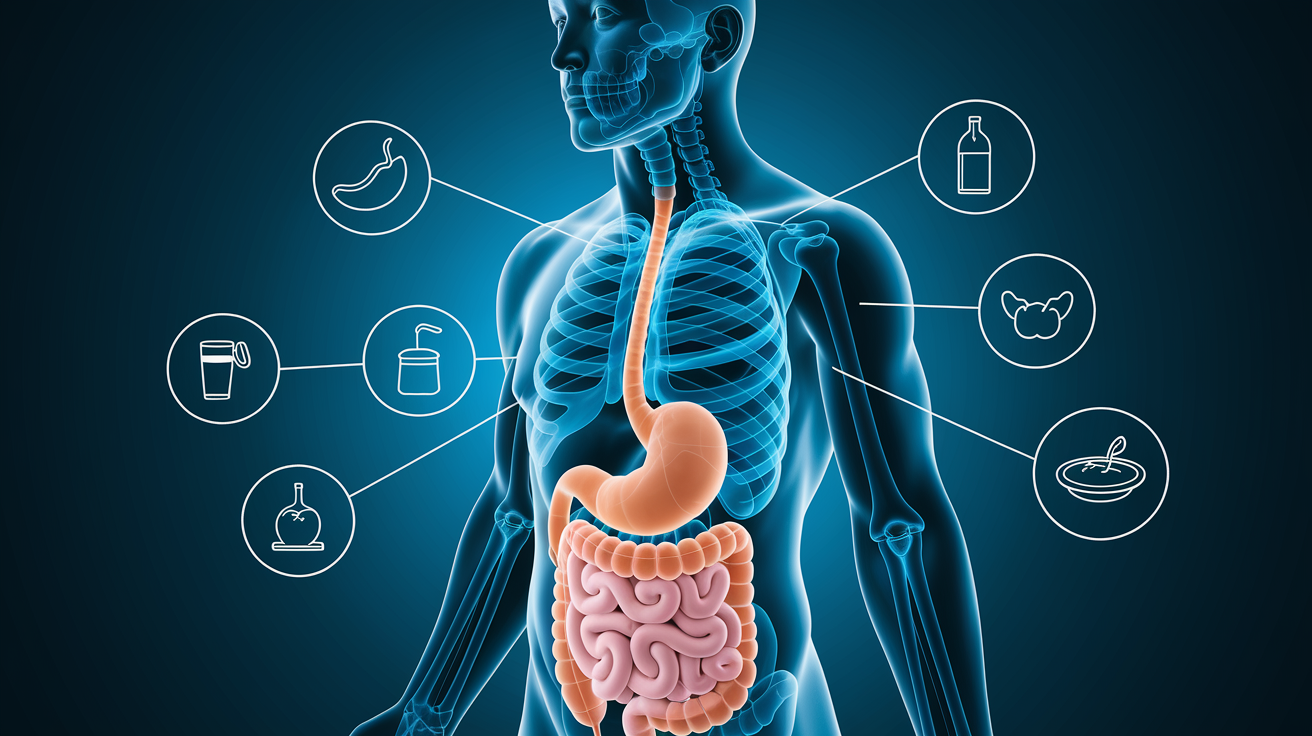
Indigestion and bloating happen when your digestive system slows down, when gas builds up faster than it can move through, or when the lining of your stomach or intestines becomes irritated. Indigestion often feels like burning, fullness, or nausea in your upper abdomen. Bloating shows up as tightness, visible swelling, or trapped gas that won’t move.
Both symptoms are heavily influenced by what you eat, how you eat, and what’s happening in the rest of your life. Eating too quickly, overeating, or eating greasy or spicy foods can overwhelm your stomach’s ability to break down food smoothly. Dehydration slows gut motility. Stress can trigger gut sensitivity or shift the way your stomach contracts.
Common triggers include:
- Overeating or eating too quickly
- Greasy, fried, or spicy foods
- Carbonated drinks and excess caffeine or alcohol
- Eating under stress or while distracted
- Low water intake or skipping meals and then eating large portions
Once you know your patterns, you can adjust meals, prep, and timing to reduce how often symptoms show up.
Ginger-Based Home Remedies for Digestive Relief
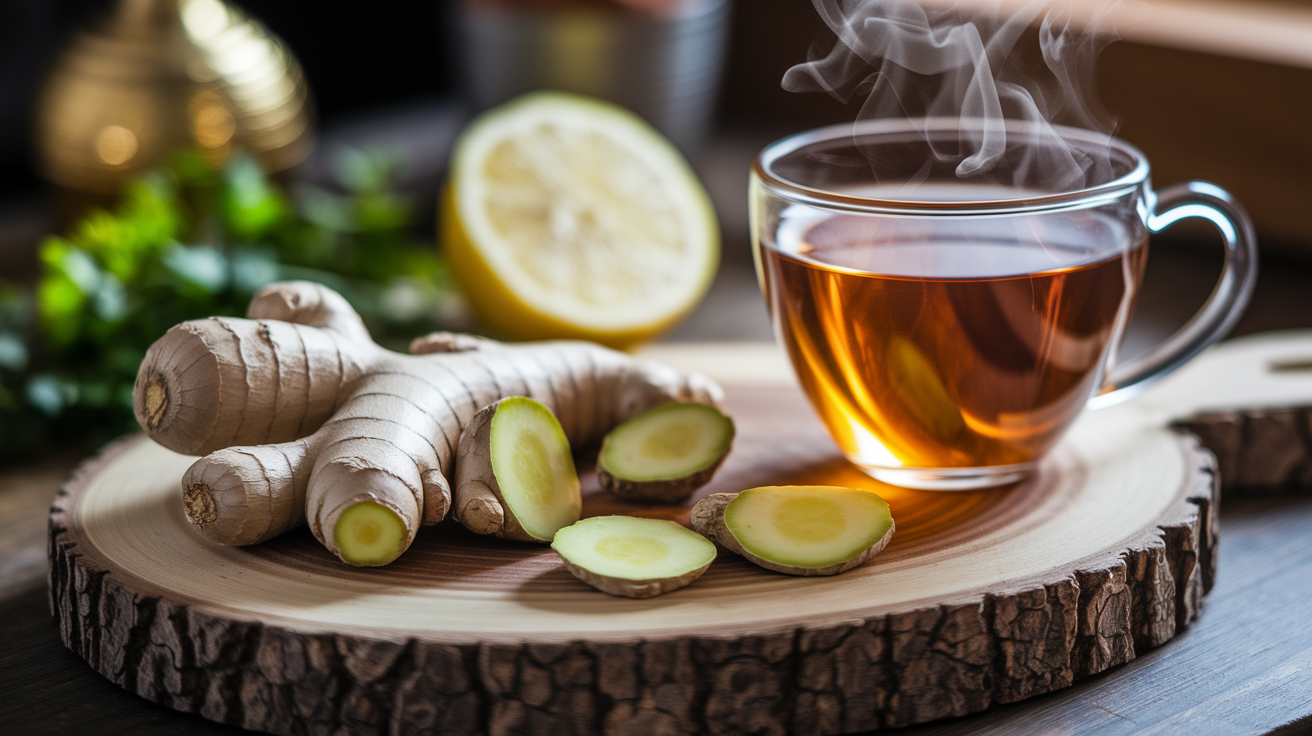
Ginger is one of the most studied and widely used natural remedies for digestive discomfort. It contains compounds called gingerols and shogaols that reduce inflammation in the gut, stimulate the release of digestive enzymes, and speed up the rate at which your stomach empties into the small intestine. That process is called gastric motility. When your stomach empties faster, you’re less likely to feel bloated, nauseous, or overly full.
How to Prepare Ginger for Digestive Relief
Fresh ginger tea: Crush or slice a small piece of fresh ginger (about the size of your thumb), place it in a mug, and pour boiling water over it. Steep for 5 to 6 minutes, then remove the ginger. Add 1 teaspoon of lemon juice and 1 teaspoon of honey if you want to soften the sharpness and make it easier to drink.
Ginger chews or candies: These work well when you’re on the go or don’t have access to hot water. Chew them slowly after a meal or at the first sign of nausea.
Ginger supplements: Available as capsules or powders. Follow the product label and consult a clinician if you’re on blood-thinning medication, as ginger can have a mild anticoagulant effect.
Ginger works best when taken right after a meal or at symptom onset. It’s generally safe in small, food-based amounts. If you’re pregnant, ask your doctor before using ginger regularly, especially in supplement form.
Herbal Teas and Carminative Herbs That Soothe Bloating
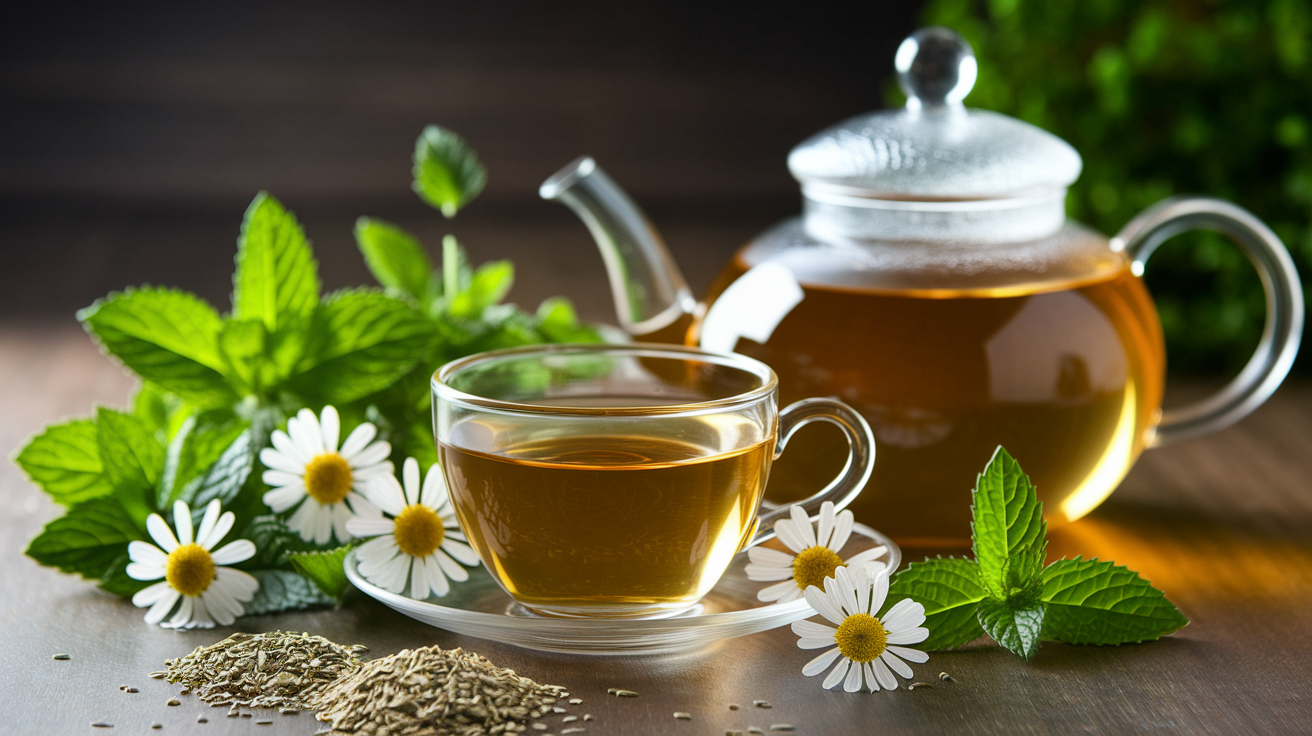
Carminative herbs are plants that help reduce gas formation and ease cramping by relaxing the muscles of the digestive tract. These herbs have been used for centuries across cultures, and several have solid modern evidence backing their use for mild to moderate bloating and indigestion.
- Peppermint – Relaxes the smooth muscle lining your intestines and stomach, which can reduce cramping and help gas move through more easily.
- Chamomile – Contains anti-inflammatory compounds that soothe the digestive tract and reduce spasms, especially helpful for stress-related stomach upset.
- Fennel seeds – Rich in volatile oils like fenchone, estragole, and trans-anethole that prevent gas buildup and stimulate the release of gastric juices.
- Anise – Works similarly to fennel but has a mild laxative effect, so it’s best avoided if you already have loose stools or diarrhea.
Preparation Tips for Herbal Teas
For peppermint tea, use 1 teaspoon of dried peppermint leaves or 1 tea bag in 1 cup of boiling water. Steep for 10 minutes, then remove the leaves or bag. Drink it warm. You can add a teaspoon of honey if you prefer a sweeter taste.
For chamomile or fennel tea, steep 1 teaspoon of dried flowers or seeds in boiling water for 4 to 6 minutes. Strain and drink after meals or whenever bloating starts to build.
Peppermint can relax the valve between your stomach and esophagus, so avoid it if you have GERD or frequent heartburn. Anise should be skipped if you tend toward diarrhea, as it can speed things up further.
Kitchen Ingredients That Provide Natural Digestive Relief
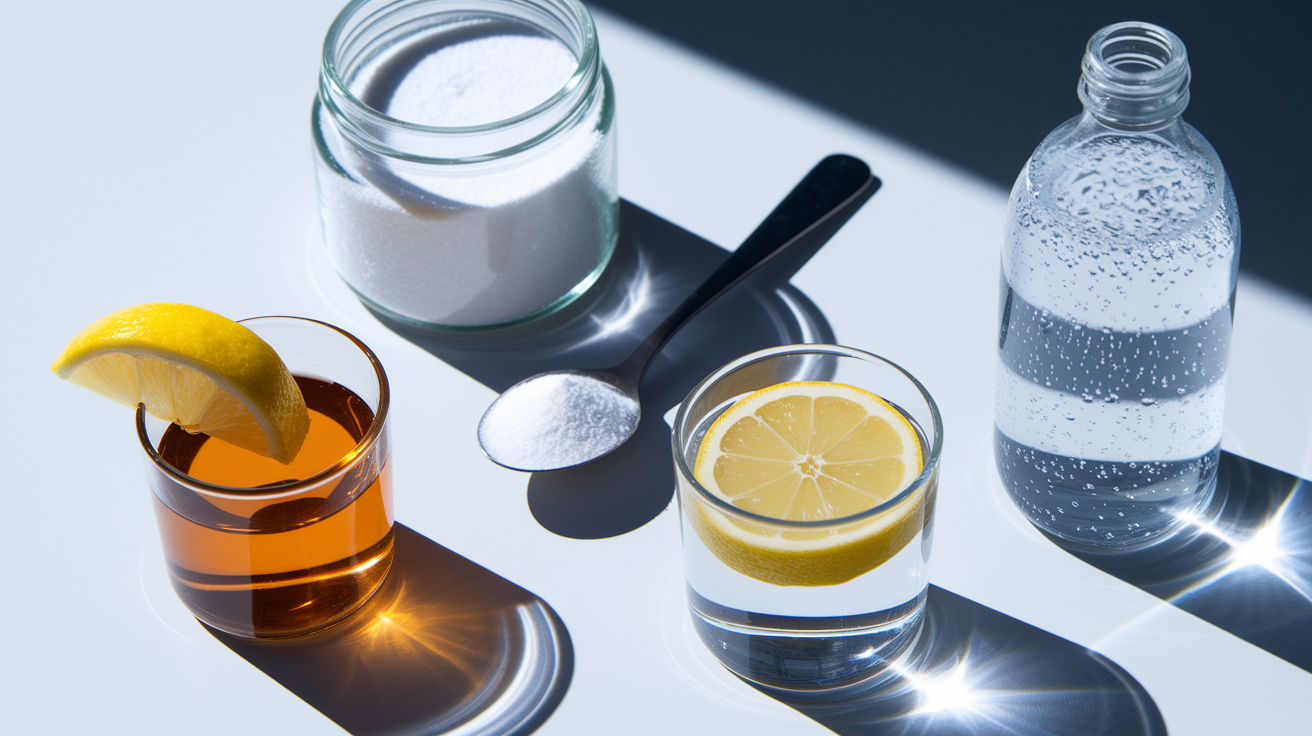
You don’t always need specialty herbs or supplements. A few simple pantry staples can shift stomach acid levels, soothe irritation, and help digestion move along more smoothly.
Your stomach operates best within a specific pH range. When acid is too low, food ferments and creates gas. When acid is too high or refluxes upward, you feel burning and nausea. Adjusting acidity with mild, safe household ingredients can bring quick relief for many people.
Apple cider vinegar (ACV): Mix 1 teaspoon to 1 tablespoon of ACV in a glass of water and drink it before or with meals. The acetic acid may support digestion if your stomach acid is low. Rinse your mouth with plain water afterward to protect your tooth enamel. ACV is also available in pill or gummy form. Follow the label if you go that route.
Baking soda (sodium bicarbonate): This acts as a fast-acting home antacid. Mix ½ teaspoon of baking soda into 4 ounces (about 120 mL) of warm water and drink it slowly. It neutralizes stomach acid within minutes, but use it sparingly. Regular use can throw off your body’s electrolyte balance.
| Ingredient | How It Works | How to Use |
|---|---|---|
| Apple cider vinegar | May increase stomach acidity and support low-acid digestion | 1 tsp to 1 tbsp diluted in 1 glass of water before meals |
| Baking soda | Neutralizes excess stomach acid quickly | ½ tsp in 4 oz warm water; sip slowly |
| Warm water with lemon | Stimulates digestive enzymes and motility | Juice of ½ lemon in 1 cup warm water, first thing in the morning |
| Carbonated water | May promote burping and release trapped gas | Sip slowly; stop if bloating worsens |
These remedies work best when used at the right time. ACV and warm lemon water are most helpful before meals. Baking soda is for acute relief when acid reflux or heartburn is active. Carbonated water is a trial-and-error option. It helps some people release gas but makes others feel worse.
Probiotics, Enzymes, and Gut-Health Support for Ongoing Bloating
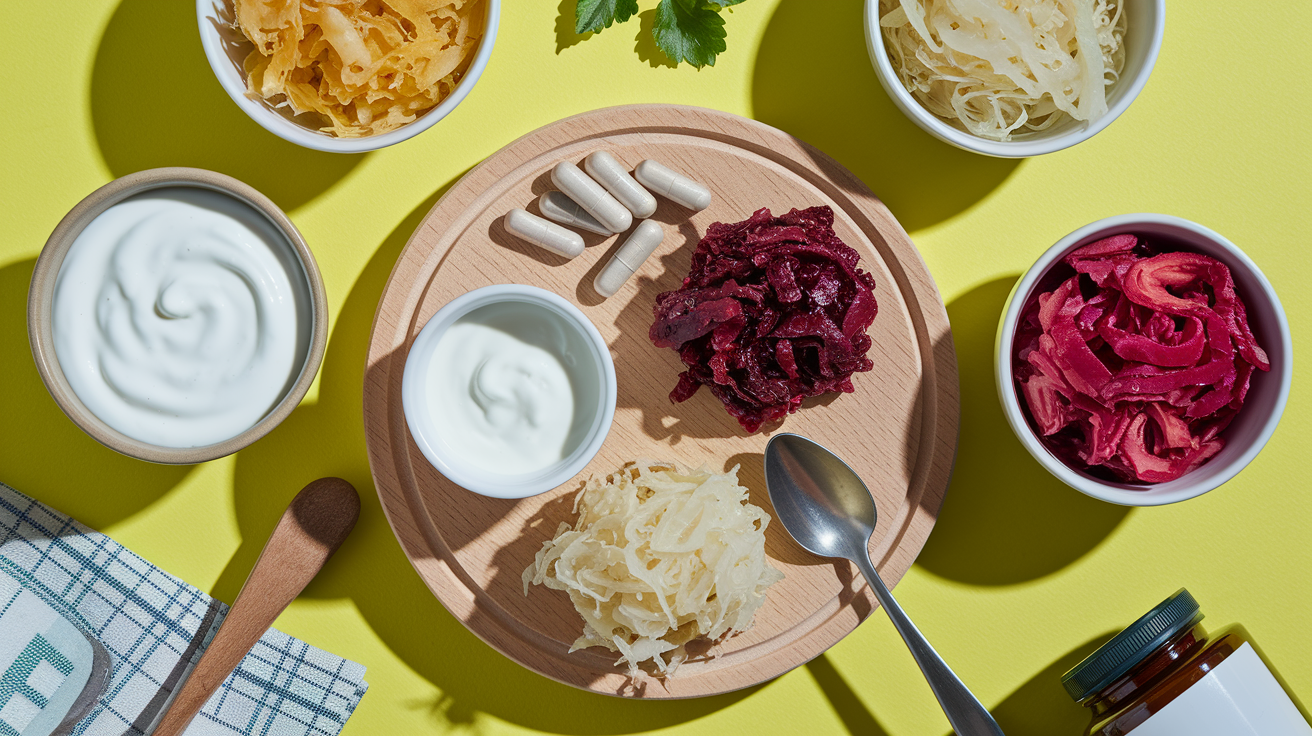
If bloating happens regularly, especially after meals or certain foods, you may benefit from supporting your gut bacteria or digestive enzyme activity. Probiotics are live beneficial bacteria that help maintain a balanced gut environment, reduce gas production, and support regular bowel movements. They’re found in fermented foods like yogurt, kefir, sauerkraut, kimchi, and miso.
Digestive enzymes help break down proteins, fats, and carbohydrates more efficiently. Some people produce fewer enzymes naturally, or certain foods (like beans, dairy, or raw vegetables) may overwhelm their system. Enzyme supplements are available over the counter and can be taken with meals.
Probiotic-rich foods to try:
- Yogurt with live cultures – Look for labels that say “live and active cultures.” Eat a small serving daily.
- Fermented vegetables – Sauerkraut, kimchi, and pickles made with brine (not vinegar) offer natural probiotics.
- Probiotic supplements – Useful if you don’t eat fermented foods regularly. Consult a clinician to choose a strain that matches your symptoms (some are better for diarrhea, others for constipation or IBS).
Probiotics and enzymes are most helpful for people with irritable bowel syndrome (IBS), lactose intolerance, or recurrent bloating tied to specific meals. They work over days to weeks, not immediately, so they’re a longer-term strategy rather than acute relief.
Lifestyle Habits That Prevent Indigestion and Reduce Bloating Episodes

The way you eat matters as much as what you eat. Eating slowly gives your stomach time to signal fullness before you’ve overeaten. Chewing thoroughly breaks food into smaller pieces, making it easier for digestive enzymes to do their job. Drinking enough water throughout the day keeps stool soft and supports smooth gut motility.
Habits that reduce recurrent symptoms:
- Eat smaller, more frequent meals – Large meals stretch your stomach and slow emptying, leading to fullness and gas.
- Sit upright during and after meals – Slouching compresses your digestive organs and slows motility.
- Drink water between meals, not during – Sipping water with food can dilute stomach acid. Hydrate well before and after eating.
- Take a short walk after eating – Even 10 minutes of gentle movement helps shift gas and encourages digestion.
- Practice mindful eating – Turn off screens, slow down, and notice when you’re comfortably full rather than stuffed.
These habits are especially useful if your bloating shows up in patterns. After lunch at your desk, after rushing through breakfast, or after eating while stressed. Small shifts in timing and posture can make a noticeable difference within a few days.
When Indigestion and Bloating Need Medical Attention

Most indigestion and bloating resolve with rest, hydration, and the remedies listed in this article. But persistent, severe, or worsening symptoms can signal conditions like gastroesophageal reflux disease (GERD), peptic ulcers, gallbladder inflammation, infections, or food intolerances that need professional evaluation and treatment.
Seek medical care if you notice:
- Frequent or persistent vomiting or diarrhea lasting more than a day or two
- Inability to pass gas or have a bowel movement
- Blood in your stool or vomit, or black, tarry stools
- A visible lump or hard mass in your abdomen
- Unintended weight loss, fever, or severe fatigue alongside digestive symptoms
- Chest pain, upper abdominal pain that radiates to your neck, jaw, or arm, or shortness of breath (these can signal heart issues, not just indigestion)
If home remedies don’t bring relief within a few days, or if symptoms keep returning, track what you’re eating, when symptoms show up, and how severe they are on a 0 to 10 scale. Bring that information to your doctor. It’ll help narrow down whether you need tests, medication, dietary changes, or referral to a gastroenterologist.
Final Words
When indigestion or bloating hits, try quick home steps to ease it—ginger, peppermint, baking soda, warm water, gentle movement, or a heating pad.
We covered why this happens, pantry fixes like apple cider vinegar and lemon water, herbal teas, probiotics, and simple habits that cut down repeat episodes.
Try a couple of low-risk options, track what helps, and get care if red flags appear. The best home remedies for indigestion and bloating to try first are ginger tea, peppermint, baking soda, and posture shifts. You’ll likely feel better with small changes.
FAQ
Q: What clears indigestion and bloating fast?
A: The fastest ways to clear indigestion and bloating are sipping ginger or peppermint tea, ½ tsp baking soda in 4 oz warm water, warm lemon water, gentle walking, or a heating pad; see clinician if symptoms are severe or persistent.
Comments are closed