
Is your worry about every ache and flutter running your life more than any real illness would?
This kind of health worry can feel like a smoke alarm that’s stuck on high, every small sound becomes a siren.
You’re not imagining how scary it feels, and it’s not a character flaw.
The good news is there are calm, practical steps you can try today to lower the volume, stop the checking loop, and take back your days.
Read on for quick tools, tracking tips, and clear signs for when to get help.
Immediate Relief When Health Anxiety Feels Overwhelming

Health anxiety can feel like you’re trapped in a nightmare you can’t escape. Every twinge, flutter, or ache becomes proof that something’s catastrophically wrong. Your heart pounds. Your mind sprints through worst-case scenarios. And suddenly you’re certain something terrible is happening inside your body. You’re not imagining how intense this fear feels, and you’re not overreacting to nothing.
What makes health anxiety feel so convincing is how your brain processes normal body sensations. When anxiety spikes, your nervous system amplifies every signal. A random muscle twitch becomes a sign of neurological disease. Indigestion turns into heart trouble. Your brain misreads safe signals as dangerous ones, and the fear response kicks in hard. This isn’t weakness. It’s your threat detection system stuck on high alert, scanning constantly for danger that isn’t actually there.
You can take steps right now to lower the temperature. These won’t fix everything instantly, but they can help you step back from the edge when panic is rising.
5-4-3-2-1 grounding: Name 5 things you see, 4 you can touch, 3 you hear, 2 you smell, and 1 you taste. This pulls your attention out of your head and back into the room.
Box breathing for 3 minutes: Inhale for 4 counts, hold for 4, exhale for 4, hold for 4. Repeat until your heart rate starts to settle.
Sensory reset: Hold an ice cube, splash cold water on your face, or press your feet firmly into the floor. Physical sensation interrupts the mental spiral.
Break the reassurance loop: If you’re about to Google symptoms, check your pulse again, or ask someone “Does this look normal,” pause for 15 minutes first. Set a timer. Let the urge sit.
Recognizing the Symptoms of Health Anxiety Clearly
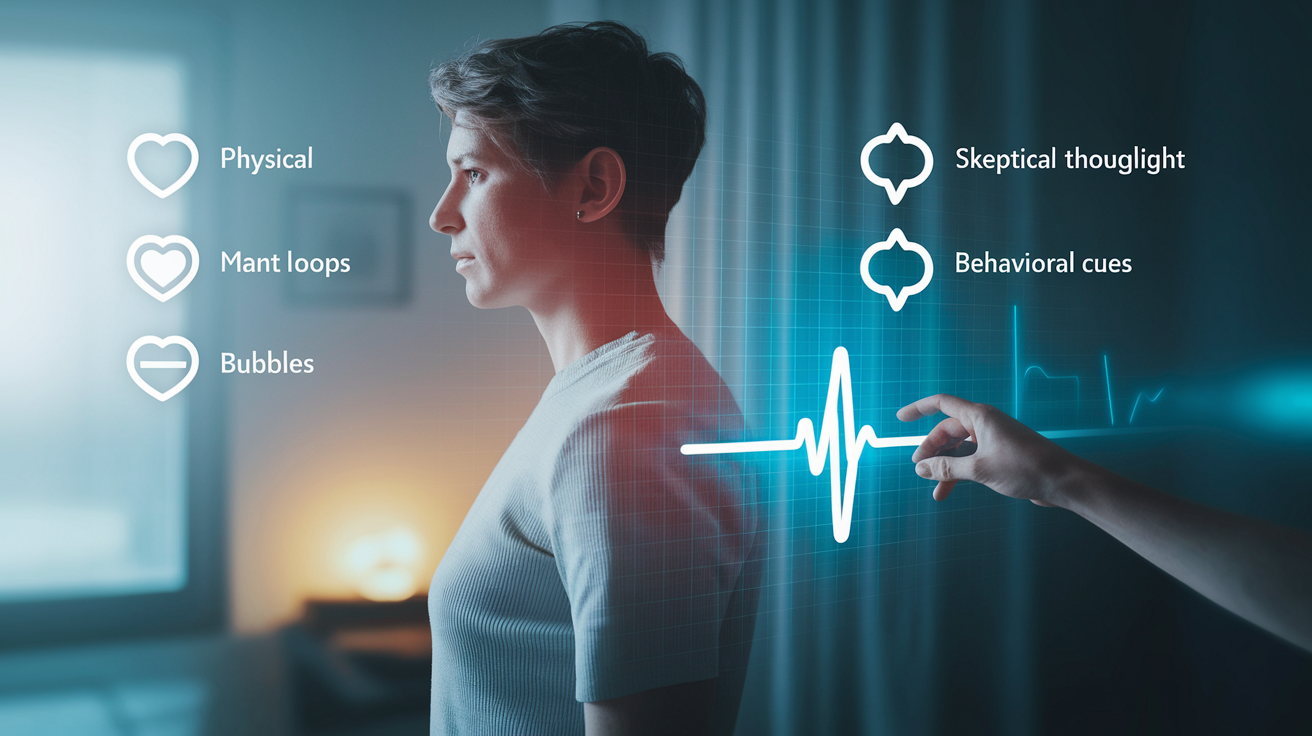
Health anxiety shows up in three overlapping ways: how your body feels, what your mind does, and how you behave. Physically, you might notice chest tightness, rapid heartbeat, shallow breathing, stomach upset, dizziness, or muscle tension. These are real sensations. But they’re driven by anxiety itself, not the diseases you’re worried about.
Mentally, your thoughts get stuck in loops. You imagine devastating diagnoses. Replay worst-case scenarios. And feel certain that something serious is being missed. Emotionally, the fear can be constant and exhausting.
The difference between health anxiety and a medical emergency comes down to pattern and persistence. A heart attack doesn’t come and go based on whether you’re distracted. Real neurological symptoms don’t disappear when you’re watching a movie. Health anxiety symptoms shift, move around, and often ease when your mind is occupied. If you’ve had multiple negative tests and doctors have ruled out serious conditions, but the fear remains intense, that pattern points to anxiety rather than undiagnosed illness.
Common signs include:
Persistent worry about having a serious illness, even after reassurance or negative test results
Frequent body checking. Taking your pulse, examining your skin, pressing on areas to see if they hurt
Repeated online symptom searches that leave you more frightened than before
Avoidance of medical appointments because the fear of bad news feels unbearable, or excessive appointments seeking reassurance
Difficulty concentrating at work or enjoying activities because health fears dominate your thoughts
Physical symptoms that spike during stressful periods and ease when you’re distracted or calm
What Causes Health Anxiety to Spiral
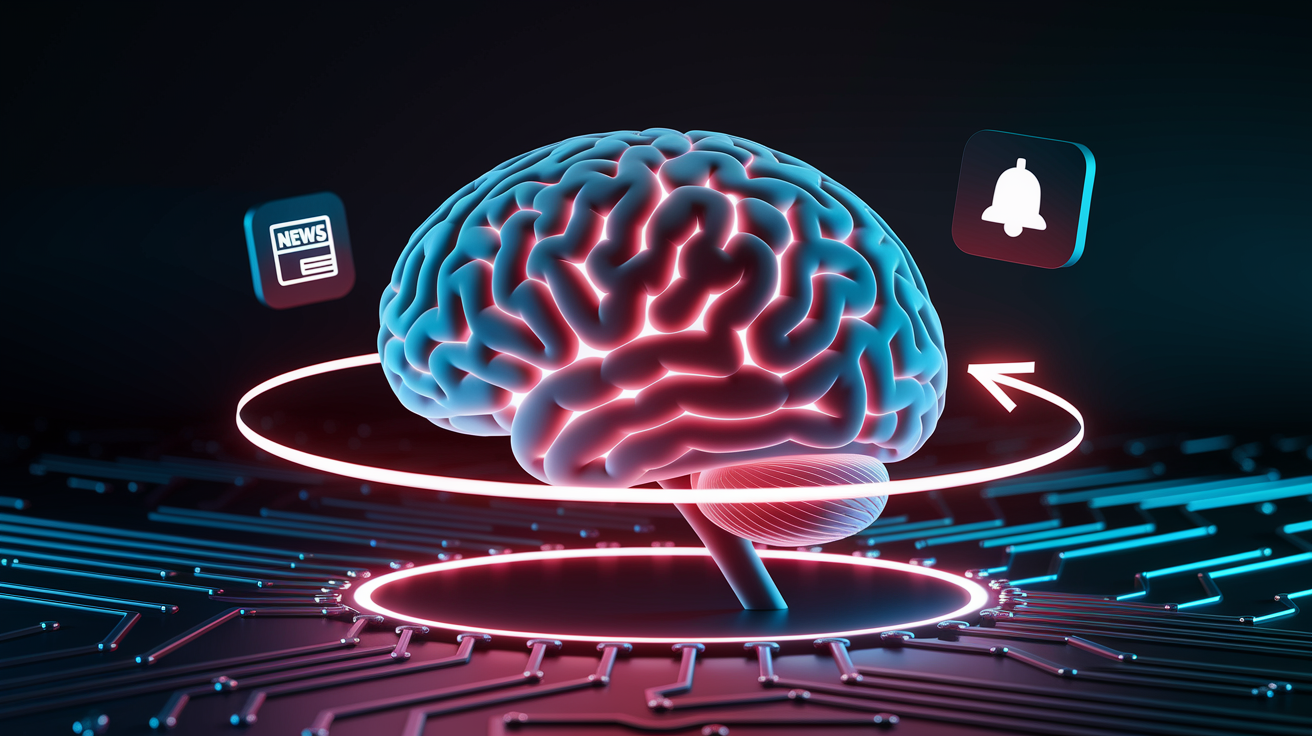
Health anxiety doesn’t usually come from nowhere. For some people, there’s a biological piece. Anxiety can run in families, and some brains are wired to be more sensitive to threat signals. Your nervous system might have a lower threshold for alarm, meaning normal body sensations get flagged as dangerous more easily.
There’s also a cognitive pattern at play. If you’ve learned to interpret ambiguity as danger, if uncertainty feels intolerable, or if you’ve been taught that bodies are fragile and require constant vigilance, those beliefs become a lens that distorts every sensation.
Personality traits can set the stage. Perfectionism, a strong need for control, and difficulty tolerating uncertainty all increase vulnerability to health anxiety. Past experiences matter too. A serious illness in your family, a medical scare you went through, or even hearing frightening health stories during childhood can leave an imprint. If someone close to you was diagnosed late, or if you witnessed a sudden medical crisis, your brain might have decided that constant checking is the only way to stay safe. Trauma and loss can wire in hypervigilance that doesn’t easily switch off.
Triggers are what turn background worry into a full spiral. A news story about a rare disease. A friend’s cancer diagnosis. A celebrity health scare. Any of these can set off weeks of fear. Physical sensations are powerful triggers too. A skipped heartbeat, a headache that lasts longer than usual, or unexplained fatigue can launch an urgent need to find explanations. Online symptom searches make it worse. Search engines surface worst-case results, and reading about rare conditions makes you scan your body for matching signs.
Once the cycle starts, reassurance seeking, body checking, and avoidance behaviors keep it going. Each check gives momentary relief but strengthens the belief that constant vigilance is necessary.
Proven Coping Strategies for Daily Life
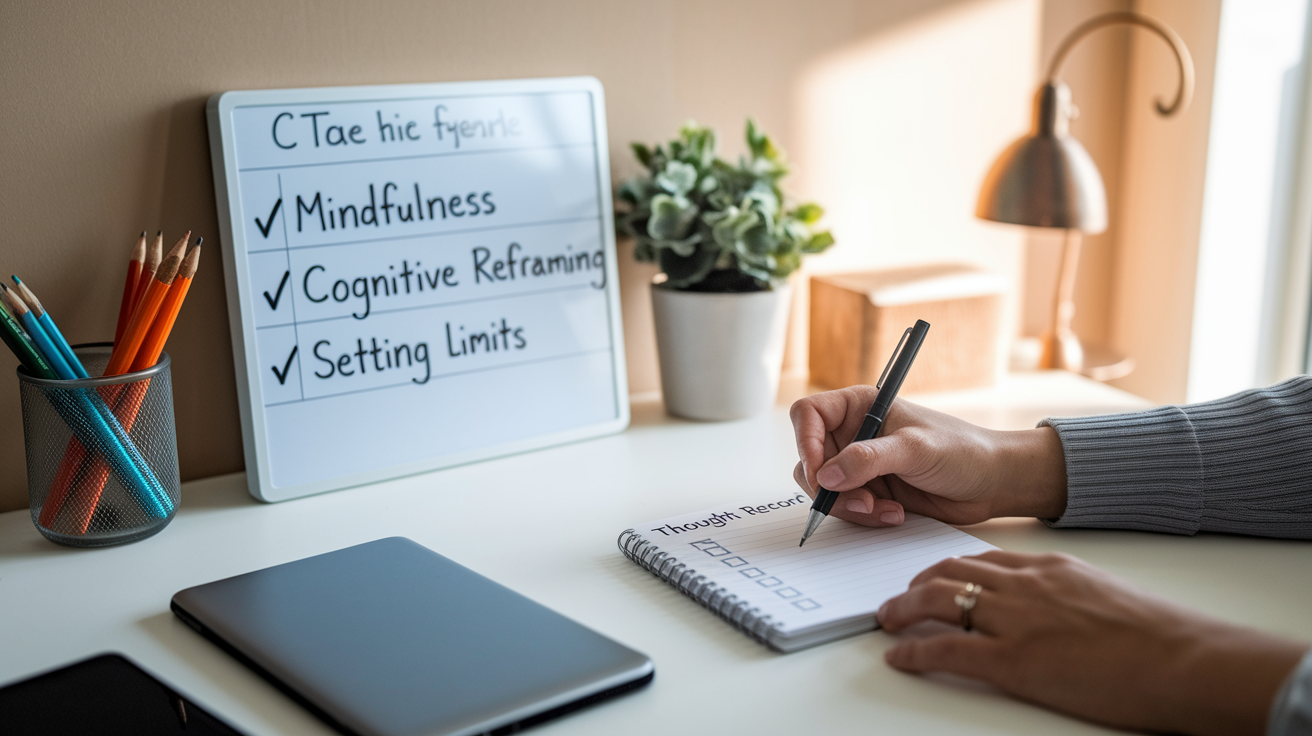
Mindfulness approaches help you change your relationship with uncomfortable body sensations. Instead of treating every twinge as a crisis signal, mindfulness teaches you to notice sensations without immediately interpreting or reacting to them. You can practice body scan meditations where you slowly move attention through your body, observing tension, warmth, tingling, or pressure without labeling sensations as dangerous. The goal isn’t to make sensations go away. It’s to learn that you can feel something uncomfortable without needing to investigate, fix, or figure it out immediately. Even 5 minutes of this practice daily can reduce the urgency you feel when a new sensation pops up.
Cognitive reframing means catching catastrophic thoughts and testing them against evidence. When your mind says “This headache means a brain tumor,” pause and ask what else could explain it. Did you sleep poorly? Skip water today? Spend hours staring at a screen? Write down the thought, rate how strongly you believe it, then list three more likely explanations. Re-rate your belief in the catastrophe after considering alternatives. This isn’t about dismissing real symptoms. It’s about noticing when your mind jumps to the least likely, most terrifying explanation first and offering it other options.
Setting limits on body checking and symptom monitoring is one of the most effective behavioral strategies. And it’s also one of the hardest. Start by tracking how often you check. Count pulse checks, mirror inspections, pressing on areas that worry you, or Googling symptoms. Pick your most frequent checking behavior and cut it by half over two weeks. If you check your pulse 20 times a day, aim for 10, then 5. Replace the checking with a brief grounding exercise or a few minutes of an activity that requires focus. The goal is to prove to your brain that you can tolerate not knowing for longer stretches and that nothing catastrophic happens when you resist the urge.
Long term lifestyle habits reduce overall anxiety sensitivity. Regular movement helps regulate your nervous system. Even gentle walking for 20 minutes. Prioritize consistent sleep, aiming for 7 to 8 hours, because sleep deprivation amplifies threat detection. Limit caffeine if you notice it triggers physical sensations you misinterpret. Eating balanced meals at predictable times stabilizes blood sugar and reduces dizziness, shakiness, and irritability that can feel like warning signs. Build in daily activities that hold your attention. Reading, cooking, puzzles, time with people who feel safe. Give your mind places to go other than symptom scanning.
Techniques to Interrupt the Spiral in the Moment
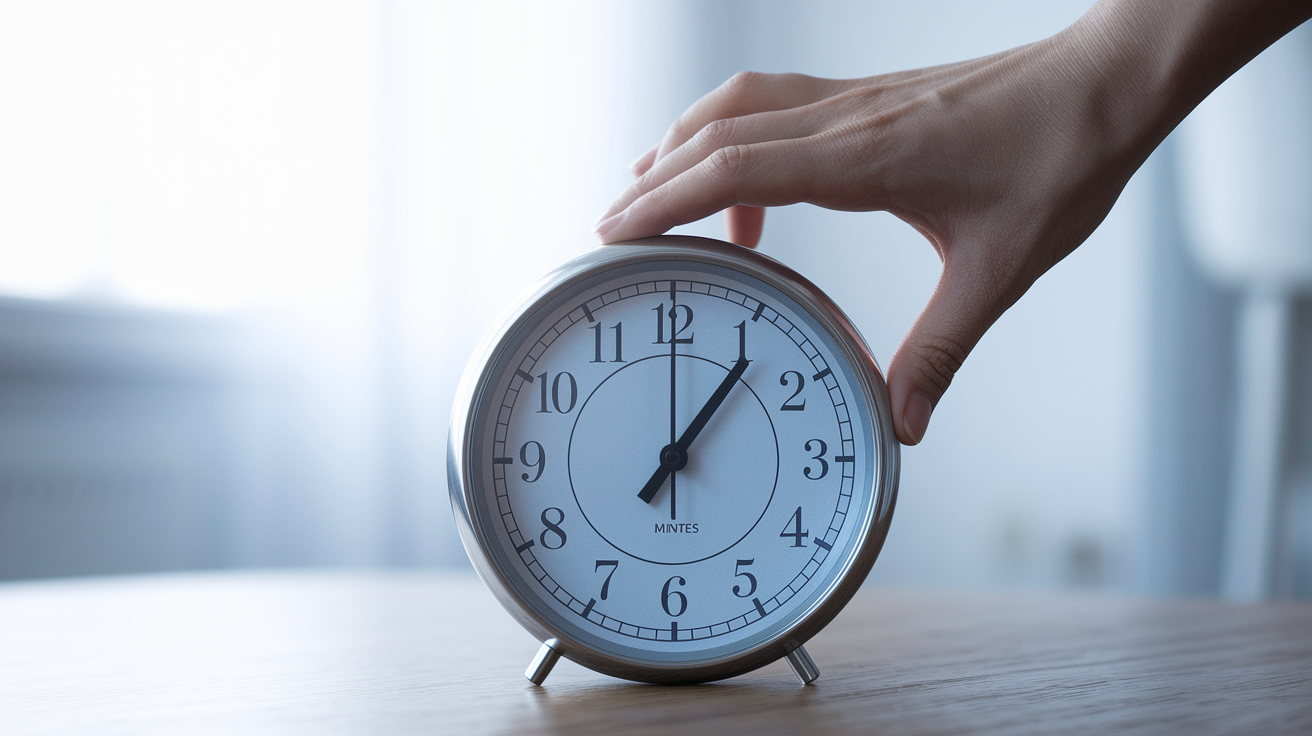
When you catch yourself in the middle of a health anxiety spiral, a fast pattern interrupt can stop the escalation before it locks in. These aren’t long term fixes. They’re emergency brakes.
Label the thought out loud: Say “I’m having the thought that this headache is dangerous” instead of “This headache is dangerous.” Adding that distance reminds your brain that thoughts are events, not facts.
Set a 10 minute delay rule: When the urge to Google, check, or seek reassurance hits, tell yourself “I’ll do that in 10 minutes.” Set a timer. Often the urgency fades before the timer goes off.
Opposite action: If anxiety is telling you to lie down and monitor your heartbeat, stand up and do 10 jumping jacks instead. If it says “Go to the ER,” take a short walk around the block first. Opposite action interrupts the brain’s automatic obey the fear response.
Ask the useful question: Instead of “What if this is serious?” ask “What would I do right now if I trusted that I was safe?” Then do that thing.
Use the 90 second rule: Emotions and physical anxiety sensations peak and begin to subside within about 90 seconds if you don’t feed them with more catastrophic thoughts. Ride the wave. Count breaths. Let it crest and pass.
Real Examples of What Recovery Can Look Like
Recovery from health anxiety doesn’t mean you never worry about your health again. It means the worry stops running your life. People describe recovery as the point where they can feel a strange sensation, notice it, and then move on without spending the next two hours researching and catastrophizing. You build the ability to tolerate uncertainty. You trust that your body can handle normal discomfort without constant supervision.
Recovery is gradual and often uneven. You’ll have good weeks and hard weeks. Progress might look like going three days without Googling symptoms when you used to search multiple times a day. It might mean visiting your doctor once every few months for routine care instead of weekly for reassurance. It could be noticing a headache and deciding to drink water and take a break from your screen instead of spiraling into fear. These are real, meaningful wins.
A 30 year old who used to check her pulse 40 times a day worked with a therapist using cognitive behavioral therapy and gradually reduced checking to fewer than 5 times daily over 12 weeks. She reported that her constant background dread dropped significantly, and she was able to focus at work again.
A 45 year old who avoided doctors for two years out of fear completed a 10 week exposure program and reconnected with his primary care provider. His panic around medical appointments dropped from an 8 out of 10 to a 3 out of 10 within three months.
A 35 year old combined an SSRI (started at 50 mg sertraline) with 16 sessions of CBT. Her health fears decreased by about 60% over six months, and she returned to full time work after months of partial leave.
When to Seek Professional Support

You should consider therapy if health anxiety is interfering with daily life in ways you can’t manage alone. Red flags include repeated emergency room visits despite reassurance, inability to work or care for yourself for more than a couple of weeks, relationships suffering because of constant reassurance seeking, or feeling trapped in checking and monitoring behaviors you can’t break on your own. If the fear occupies hours of your day most days, or if you’ve been stuck in this pattern for six months or longer without improvement, it’s time to reach out.
Treatment options are well established. Cognitive behavioral therapy, particularly with exposure and response prevention, is the first line approach. CBT helps you identify and challenge catastrophic thoughts, test out what happens when you resist checking and reassurance, and gradually face feared situations (like reading health news or skipping a doctor visit) without spiraling. Medication, typically SSRIs or SNRIs, can be helpful alongside therapy, especially if anxiety is severe. Many people benefit from a combination. Support groups, whether in person or online, offer connection with others who understand the specific grip of health anxiety.
When you start therapy, expect an initial assessment where you’ll describe your symptoms, checking behaviors, and how long this has been going on. A good therapist will work with you to set specific, measurable goals. Like reducing body checking by 50% or limiting symptom searches to once a day for 10 minutes. Sessions typically happen weekly, and you’ll have daily homework: thought records, exposure exercises, practicing delay techniques. Meaningful improvement often shows up within 8 to 12 weeks, though deeper change and relapse prevention take several months. If you’re not seeing progress after a couple of months, talk to your therapist about adjusting the approach or considering medication.
Helpful Support and Resource Directory
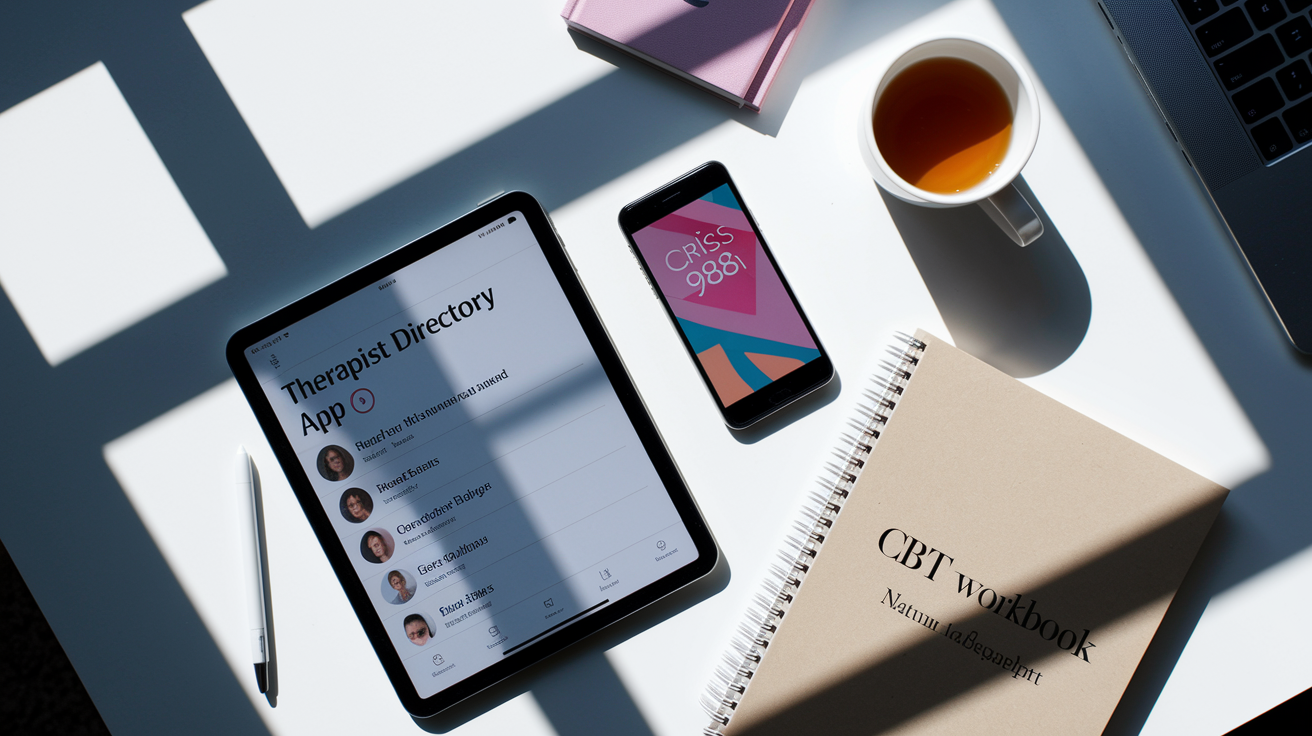
Finding the right help can feel overwhelming, but there are clear pathways. Look for therapists who specialize in anxiety disorders and list CBT or exposure therapy in their training. Teletherapy platforms make access easier and often cost less than in person sessions. Sliding scale community clinics and university training programs offer affordable options.
Therapist search: Use directories like Psychology Today or the Association for Behavioral and Cognitive Therapies and filter for “health anxiety,” “illness anxiety disorder,” or “CBT.”
Crisis support: National Suicide Prevention Lifeline at 988 or Crisis Text Line (text HOME to 741741) for urgent emotional support.
Online CBT programs: Structured self help programs designed for health anxiety, typically $50 to $300 for a full course.
Apps: Mindfulness and anxiety management tools with free and premium tiers. Look for apps that include CBT exercises and exposure tracking.
Books: “When Panic Attacks” by David Burns and “The Anxiety and Worry Workbook” by David Clark and Aaron Beck offer practical CBT exercises you can start today.
Peer support communities: Online forums and support groups (search for health anxiety support groups) where people share strategies and encouragement. But set time limits to avoid reassurance seeking loops.
Final Words
You learned quick grounding moves to calm a panic attack, clear signs to watch for, and why the fear feels so convincing. You also got daily coping tools, short interruptions for spirals, real recovery examples, and a simple resource list.
If thoughts like health anxiety ruining my life are crowding you, try tracking patterns, use the minute-by-minute techniques, and consider talking with a clinician. Small steps add up. There’s reason to hope — you can get steadier and more in control with time and support.
FAQ
Q: How do I stop health anxiety from ruining my life? How to get over health anxiety?
A: Stopping health anxiety and getting better starts with small, consistent steps: limit checking and online searches, practice grounding and paced breathing, track triggers, try cognitive-behavioral therapy, and reach out if it disrupts daily life.
Q: What not to say to a hypochondriac?
A: To someone with health anxiety, avoid dismissive phrases that belittle their fear. Instead say you hear them, offer calm support, and suggest practical help like checking symptoms together or contacting a clinician if needed.
Q: What are the physical symptoms of severe health anxiety?
A: The physical symptoms of severe health anxiety include chest tightness, heart racing, shortness of breath, dizziness, trembling, nausea, stomach pain, and numbness or tingling; these can feel intense and alarming.
Comments are closed