
Feel like your head is wrapped in cotton every morning?
Morning brain fog is one of the most common and frustrating parts of chronic fatigue, but it often has clear, fixable causes.
This piece explains what that heavy, slow thinking feels like, why poor sleep, low blood sugar, dehydration, hormones, and stress all chip away at morning clarity, and which safe steps can help right away and over time.
You’ll get simple morning fixes, tracking tips for your doctor, and clear red flags for when to seek help.
Key Factors Behind Morning Mental Cloudiness and Persistent Fatigue

Morning brain fog is that thick, slow feeling when your brain just won’t turn on, even 30 minutes after you’ve crawled out of bed. You can’t find words. You forget why you walked into a room. You read the same sentence three times and still don’t absorb it. When you’re dealing with chronic fatigue, that fog doesn’t lift in an hour. It sticks.
What’s happening is usually a combo of overnight chaos and what your body’s missing first thing. If your REM and slow-wave sleep got chopped up, your brain didn’t finish its nightly cleanup. Low-grade inflammation, common with chronic fatigue, slows neuron communication. Your circadian rhythm might be off, so cortisol (which normally peaks in the morning to wake you up) shows up late or barely shows at all. And after 7 to 9 hours without food or water, your blood glucose and hydration are lower than your brain wants.
Your brain runs on glucose. Overnight fasting drains those stores, especially if you ate dinner early or skipped it. Dehydration cuts blood volume and slows nutrient delivery. If chronic stress has flattened your cortisol curve, you lose that natural morning boost. These things interact. One fix won’t do it.
Common reasons you wake up foggy:
- Sleep debt. Even one or two nights of short or broken sleep can drop your cognitive speed by 20 to 30 percent the next morning.
- Late eating. Heavy meals within 2 to 3 hours of bedtime mess with digestion and deep sleep, leaving you groggier.
- Dehydration. You lose about 1 to 2 cups of water overnight through breathing and skin. Starting dehydrated slows brain function, measurably.
- Chronic stress. High evening cortisol flattens the morning peak, killing the natural wake signal.
- Inconsistent wake times. Shifting your alarm by more than 30 minutes daily confuses your circadian system and delays full alertness.
Sleep-Related Causes That Intensify Morning Fog

When REM and deep sleep get interrupted, your brain doesn’t consolidate memories or clear waste efficiently. REM handles emotional regulation and problem-solving. Slow-wave sleep handles physical repair and memory filing. Miss enough of either and you wake up disconnected, like your thoughts are moving through mud. Even if you slept seven hours, poor sleep architecture leaves you flat.
Circadian misalignment is big here. Your internal clock controls when cortisol rises, body temperature climbs, melatonin drops. All signals that help you feel alert. Late-night screen exposure, especially blue light, delays melatonin and shifts your rhythm later. Your body thinks 7 a.m. is still nighttime. Irregular sleep schedules do the same. If your wake time bounces around by an hour or more daily, your circadian system never settles. Morning fog becomes default.
Sleep disorders make it worse without you knowing. Obstructive sleep apnea causes repeated oxygen drops and brief wake-ups you don’t remember, fragmenting sleep and cutting REM. Insomnia shortens total sleep time and spikes stress hormones. Both dull morning clarity. Restless legs syndrome and periodic limb movement disorder disrupt deep sleep silently. If you snore loudly, wake gasping, or feel unrefreshed after a full night, consider a sleep study.
Hormonal and Stress-Related Contributors

Cortisol usually peaks about 30 to 60 minutes after you wake. It’s called the cortisol awakening response, and it’s what makes you feel alert and ready. Chronic stress flattens or delays this curve. When cortisol stays high at night because your stress response is stuck on, the morning peak gets blunted. You wake up feeling halfway asleep.
High evening stress also wrecks sleep architecture. Elevated cortisol and adrenaline keep you in lighter sleep stages, cutting into the deep and REM cycles your brain needs. You might fall asleep eventually, but the quality is low. The restorative work doesn’t get done. Over time this creates a loop. Poor sleep worsens stress, which further degrades sleep, which makes morning fog worse.
Other hormones matter too. Low thyroid slows metabolism and energy production. Mornings feel especially sluggish. Fluctuations in estrogen and progesterone (common during cycles, perimenopause, or hormonal conditions) disrupt sleep and mood, worsening morning clarity. Insulin resistance or blood sugar swings affect how well your brain fuels itself after fasting overnight. When multiple hormonal systems are out of sync, morning brain fog becomes persistent and hard to explain with sleep alone.
Dietary and Hydration Factors Affecting Morning Clarity

Your brain depends on glucose. After 8 to 12 hours without food, blood sugar dips. For most people this isn’t dangerous, but it leaves cognitive function slower and hazier until you eat. If you ate a late, heavy meal the night before, your body might still be digesting instead of resting. That disrupts sleep quality and leaves you foggy despite technically sleeping enough. If you skipped dinner or ate very early, you might wake with low blood sugar and feel shaky, irritable, unable to focus.
Dehydration is quiet but measurable. You lose roughly 1 to 2 cups of water overnight through breathing and sweat. Even mild dehydration (as little as 1 to 2 percent of body weight) reduces cognitive performance, slows reaction time, worsens mood. Your blood becomes slightly thicker, nutrient delivery slows, your brain notices. Starting the day already behind on fluids makes that morning fog linger.
Common dietary triggers:
- High-sugar or high-carb dinners. These spike blood sugar, then drop it overnight, leaving you sluggish in the morning.
- Alcohol in the evening. Disrupts REM sleep and dehydrates you. Both cloud morning thinking.
- Large meals close to bedtime. Delay digestion, reduce sleep quality, can cause morning bloating and mental slowness.
- Skipping breakfast or delaying it too long. Extends fasting and keeps blood sugar low, limiting brain fuel and prolonging fog.
Medical Conditions That May Cause Persistent Morning Brain Fog
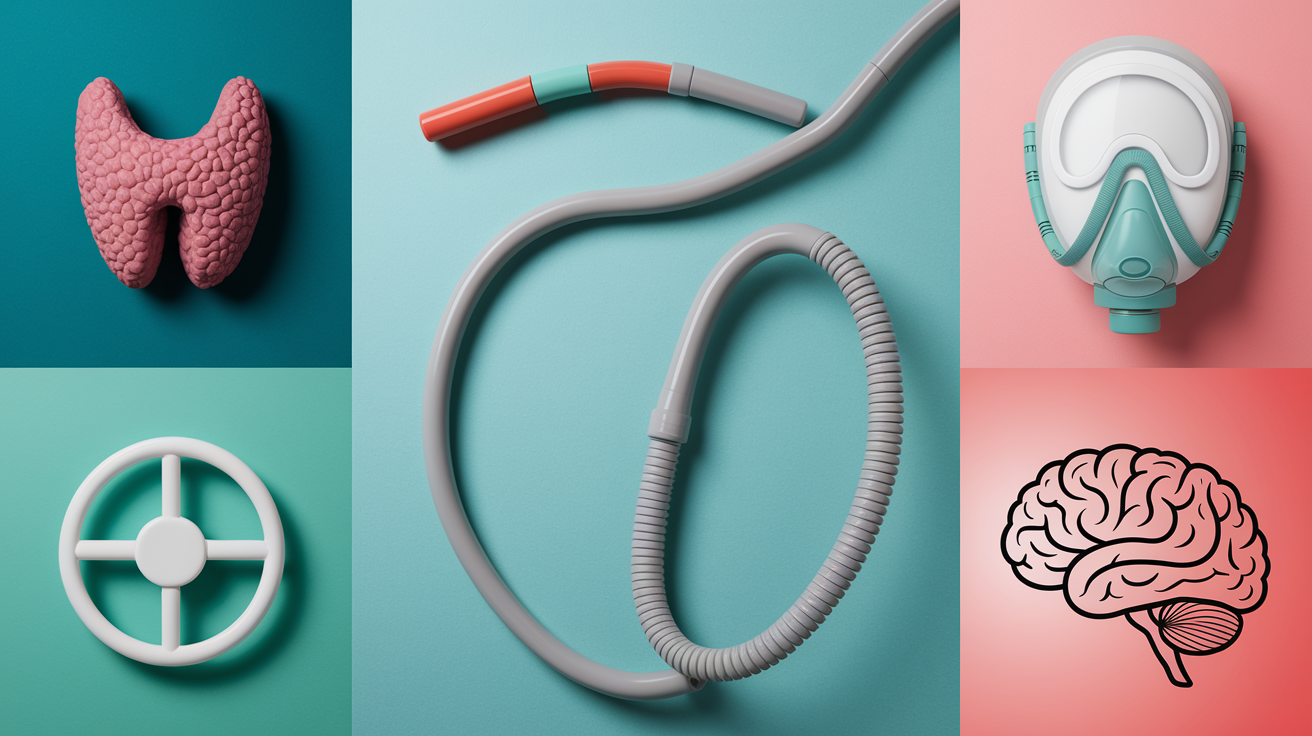
When morning brain fog lasts longer than a few weeks despite good sleep habits, or when it’s severe enough to interfere with work or daily tasks, consider medical causes. Symptoms that suggest something beyond lifestyle include unintentional weight changes, new shortness of breath, severe daytime sleepiness, or worsening memory problems. Get evaluated.
Hypothyroidism slows down your entire metabolism, including the brain. People describe feeling like they’re moving through thick air. Poor concentration, slow thinking, profound morning fatigue that doesn’t improve with rest. A simple TSH blood test (often with free T4) screens for this. Typical reference ranges run about 0.4 to 4.0 mIU/L, though symptoms can appear even within “normal” ranges for some people.
Iron-deficiency anemia limits how much oxygen your red blood cells carry to your brain and muscles. Even without full anemia, low ferritin (your body’s iron storage protein) causes fatigue, brain fog, poor concentration. Ferritin below 30 to 50 ng/mL often correlates with symptoms. Many people feel better once levels rise above 50 to 70 ng/mL. A complete blood count (CBC) and ferritin test are standard first steps.
Obstructive sleep apnea causes repeated brief pauses in breathing during sleep, dropping oxygen levels and fragmenting sleep architecture without you fully waking. The result is poor-quality rest and morning headaches, grogginess, cognitive slowness. It’s common, affecting roughly 10 to 30 percent of adults, and often missed because the person sleeping doesn’t remember the interruptions. Loud snoring, gasping during sleep, or severe daytime sleepiness are red flags. A home sleep test or in-lab polysomnography can diagnose it. CPAP therapy often resolves morning fog within weeks.
Practical Morning Strategies to Reduce Brain Fog Quickly

When you wake up foggy, a few immediate steps can help your brain come online faster. These aren’t cures. But they work with your body’s natural alertness systems to speed up the transition from sleep to clarity.
Light is one of the fastest signals. Get 10 to 30 minutes of bright light within the first hour of waking. Ideally natural sunlight, or a 5,000 to 10,000 lux light therapy box if it’s still dark. This suppresses lingering melatonin and jump-starts your cortisol curve. Movement helps too. Five to 10 minutes of light activity like walking, stretching, or a few bodyweight exercises increases blood flow and oxygen delivery to your brain. Hydration matters immediately. Drink 1 to 2 cups (250 to 500 mL) of water right after waking. It rehydrates your blood and can improve focus within 15 to 20 minutes.
Quick steps to try this week:
- Drink 1 to 2 cups of water within 10 minutes of waking to offset overnight fluid loss and improve blood flow.
- Get outside or near a bright window for 10 to 15 minutes as soon as possible after your alarm goes off.
- Eat a balanced breakfast with 20 to 30 grams of protein to stabilize blood sugar and provide steady fuel. Examples: eggs, Greek yogurt, or a protein smoothie.
- Limit caffeine to one morning dose (about 100 to 200 mg, roughly 1 to 2 cups of coffee) and avoid it after 2 p.m. to protect tonight’s sleep.
- Move gently for 5 to 10 minutes. Walk around the block, do light stretches, or follow a short yoga flow to increase circulation.
- Avoid screens for the first 15 to 30 minutes if possible. Let your brain wake naturally before adding stimulation and decision fatigue.
Long-Term Lifestyle Adjustments for Chronic Fatigue Relief

Stabilizing your daily rhythm is the foundation. Keep your wake time consistent within 15 to 30 minutes every day, including weekends. This trains your circadian system to expect alertness at the same time, strengthening the cortisol awakening response and improving morning clarity over 2 to 4 weeks. Pair it with a regular bedtime routine. Same wind-down activities, same dim lighting, same sequence. Your brain learns the transition to sleep.
Regular physical activity reduces systemic inflammation and improves sleep quality. Both directly affect morning brain fog. Aim for at least 150 minutes per week of moderate exercise (brisk walking, cycling, swimming), or about 20 to 30 minutes most days. If you have post-exertional malaise (common in chronic fatigue syndrome), start with 5 to 10 minutes of very gentle movement and increase by no more than 10 percent per week. The goal is consistent, sustainable activity. Not intensity.
Nutrition patterns that support energy regulation include balanced meals with protein, healthy fats, and fiber at each eating session to prevent blood sugar swings. Reducing processed sugars and refined carbs limits the glucose spikes and crashes that worsen afternoon and next-morning fog. An anti-inflammatory eating pattern (plenty of vegetables, fruits, whole grains, fatty fish, nuts, seeds) can improve cognitive clarity and energy over 4 to 8 weeks. Timing matters too. Avoid large meals within 2 to 3 hours of bedtime, and don’t skip breakfast if morning fog is a problem.
Supplements Commonly Used for Morning Clarity Support

Several supplements have evidence supporting their role in reducing fatigue and improving cognitive function, especially when underlying deficiencies exist. They’re not substitutes for sleep, hydration, or medical evaluation. But they can fill specific gaps when used appropriately.
B vitamins (especially B12, B6, and folate) are essential for energy metabolism and neurotransmitter production. People with low B12 levels (common in vegetarians, older adults, and those with digestive conditions) often report brain fog and fatigue that improve with supplementation. Typical doses range from 500 to 1,000 mcg daily for B12. Magnesium supports sleep quality and muscle relaxation. Doses of 200 to 400 mg at night (forms like glycinate or threonate) may improve next-day alertness by deepening sleep. Omega-3 fatty acids (EPA and DHA) support brain cell communication and reduce inflammation. A daily dose of about 1,000 mg combined EPA+DHA is commonly used for cognitive support.
| Supplement | Purpose | Evidence Type |
|---|---|---|
| Vitamin B12 (methylcobalamin) | Energy production, neurotransmitter synthesis; helpful when deficiency confirmed | Strong clinical evidence for deficiency-related fatigue; 500 to 1,000 mcg daily common dose |
| Magnesium (glycinate or threonate) | Sleep quality, muscle relaxation, nervous system regulation | Moderate evidence for sleep improvement; 200 to 400 mg at bedtime typical |
| Omega-3 (EPA+DHA) | Brain cell membrane health, anti-inflammatory support, cognitive function | Moderate-to-strong evidence for cognitive and mood support; about 1,000 mg/day combined EPA+DHA |
| Vitamin D | Immune function, mood regulation, energy; deficiency linked to fatigue | Strong evidence when deficiency present (below 30 ng/mL); 1,000 to 2,000 IU daily maintenance dose |
Always check labs before starting supplements for deficiencies (ferritin, B12, vitamin D, magnesium), and discuss dosing with a clinician, especially if you take other medications or have kidney or liver conditions.
When Morning Fog Signals a Need for Medical Evaluation

If morning brain fog persists for more than 4 to 6 weeks despite improving sleep habits, hydration, and nutrition, talk to a healthcare provider. Persistent or worsening symptoms suggest something beyond simple sleep debt or dehydration. Red flags include cognitive decline that interferes with work or daily tasks, new memory problems, unexplained weight loss or gain, severe daytime sleepiness (falling asleep during conversations or while driving), mood changes like new depression or anxiety, or any neurological symptoms like numbness, weakness, or vision changes.
Your clinician will likely start with a detailed history (sleep patterns, stress, diet, medications, family history) and basic lab work. Complete blood count (CBC) to check for anemia, thyroid panel (TSH and free T4) to rule out hypothyroidism, ferritin to assess iron stores, vitamin B12 and vitamin D levels, and a metabolic panel to check blood sugar, kidney, and liver function. Depending on findings, they may order a sleep study (polysomnography) if sleep apnea is suspected, refer you to endocrinology for hormonal issues, or to neurology if cognitive symptoms are severe or progressive. Early evaluation helps catch treatable conditions (like thyroid dysfunction, sleep apnea, or nutrient deficiencies) before they worsen, and it provides clarity when symptoms are vague or overlapping.
Final Words
You’ve seen the main drivers: disrupted REM and deep sleep, circadian misalignment, hormones, low morning glucose, dehydration, inflammation, and some medical causes. You also got quick fixes (light, water, gentle movement, a small breakfast), longer-term habits, and supplement notes.
Try the practical steps and track timing, severity, triggers, and what helps for a couple of weeks.
If things stay the same or get worse, bring your notes to a clinician to explore morning brain fog causes and remedies for chronic fatigue. There’s reason to hope — clearer mornings are possible.
FAQ
Q: How to get rid of brain fog in the morning?
A: To get rid of brain fog in the morning, start with water, bright light, a protein-rich snack, 5–10 minutes of movement, and consistent sleep timing; track triggers like late eating or poor sleep.
Q: What blood test is done for brain fog?
A: The blood tests often done for brain fog include CBC (complete blood count for anemia), TSH (thyroid), B12, ferritin (iron stores), basic metabolic panel (glucose/electrolytes), vitamin D, and CRP (inflammation).
Q: Can autoimmune disease cause brain fog?
A: Autoimmune disease can cause brain fog through inflammation, thyroid dysfunction, or nervous system effects; discuss testing with your clinician if you also have persistent fatigue, joint pain, or unusual symptoms.
Q: How to refresh tired brain?
A: To refresh a tired brain, hydrate, get bright light, do 5–10 minutes of brisk movement, try longer-exhale breathing, eat a small protein-plus-carb snack, or take a short 10–20 minute nap.
Comments are closed