Ever get hit with a wave of anxiety right before a big meeting or during a packed commute when you can’t step away?
Your chest tightens, thoughts start racing, and you need something that works fast and without explanation.
This post shows simple, portable techniques including breathing, grounding, quick muscle releases, and micro-movements that work in 30 seconds to three minutes.
You’ll learn how to practice them so they become automatic, what to track for your clinician, and when to get evaluated if symptoms persist or worsen.
Fast-Acting Anxiety Prevention Techniques for Busy Adults
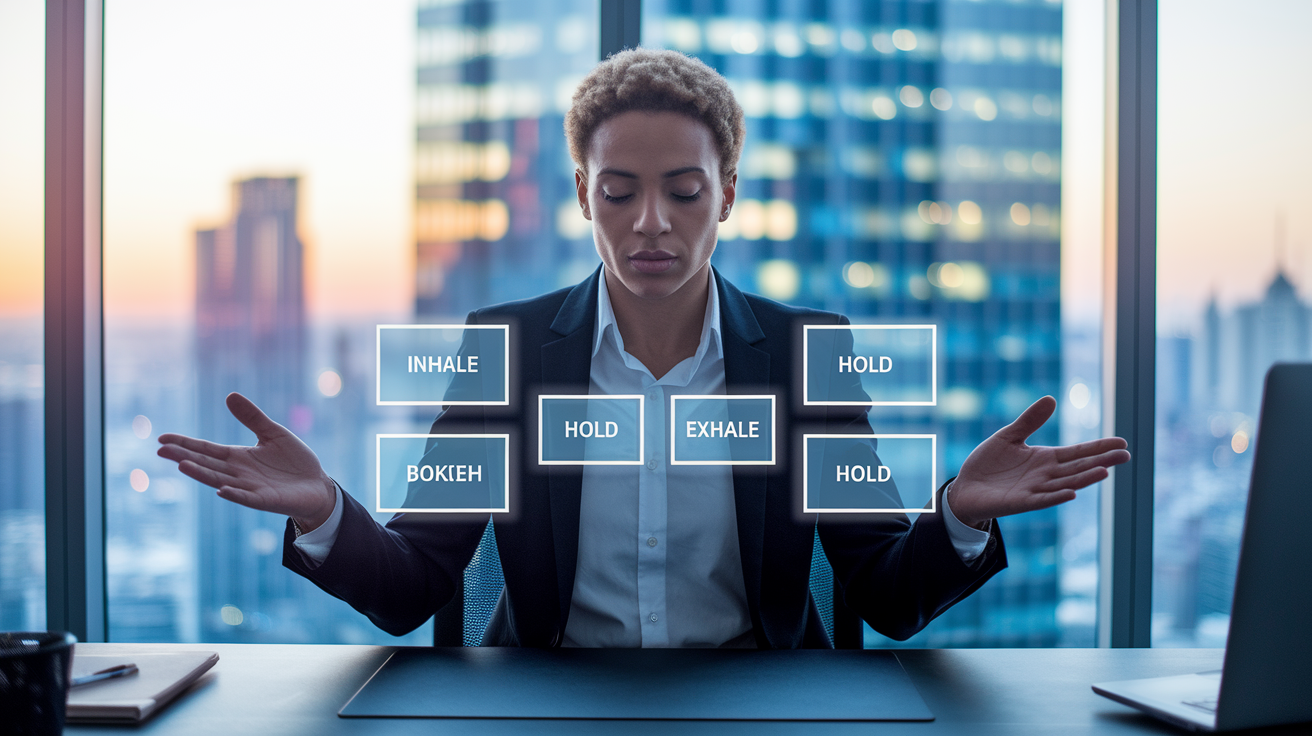
Sudden anxiety prevention techniques work because they stop the spiral before it takes over. Your chest tightens, your thoughts start racing during a deadline or a packed commute, and you need something that works in under two minutes without having to explain yourself. These techniques are invisible, portable, and built for the exact moments when stepping away isn’t realistic.
Each category hits a different piece of the sudden anxiety response. Breathing slows your heart rate and tells your nervous system you’re safe. Grounding pulls your attention away from racing thoughts and drops you into the present through your senses. Isometric releases dump the physical tension collecting in your jaw, fists, or shoulders. Micro-movement breaks reset your posture and circulation when you’ve been stuck in fight-or-flight too long.
Quick anti-anxiety techniques that work in 30 seconds to three minutes:
- Box breathing – four-part inhale, hold, exhale, hold cycle that stabilizes your breathing rhythm
- 4-7-8 breathing – longer exhale pattern that flips on the calming branch of your nervous system
- Sensory anchor – cold water, textured object, or personal scent you keep handy for instant grounding
- Isometric release – intentional muscle clench followed by full release to dump built-up tension
- 5-4-3-2-1 grounding – quick sensory checklist that redirects attention in under a minute
- Micro-movement breaks – standing, stretching, or walking for one to three minutes to reset
These work in meetings, on transit, in open offices, and during virtual calls because they look normal. Rolling your shoulders back, planting your feet flat, sipping cold water, or stepping into a hallway for two minutes of slow breathing doesn’t announce anything. You’re just resetting. The key is practicing two or three of these enough that you can use them without thinking when the first flutter starts.
Grounding Techniques for Sudden Anxiety in Tight Schedules
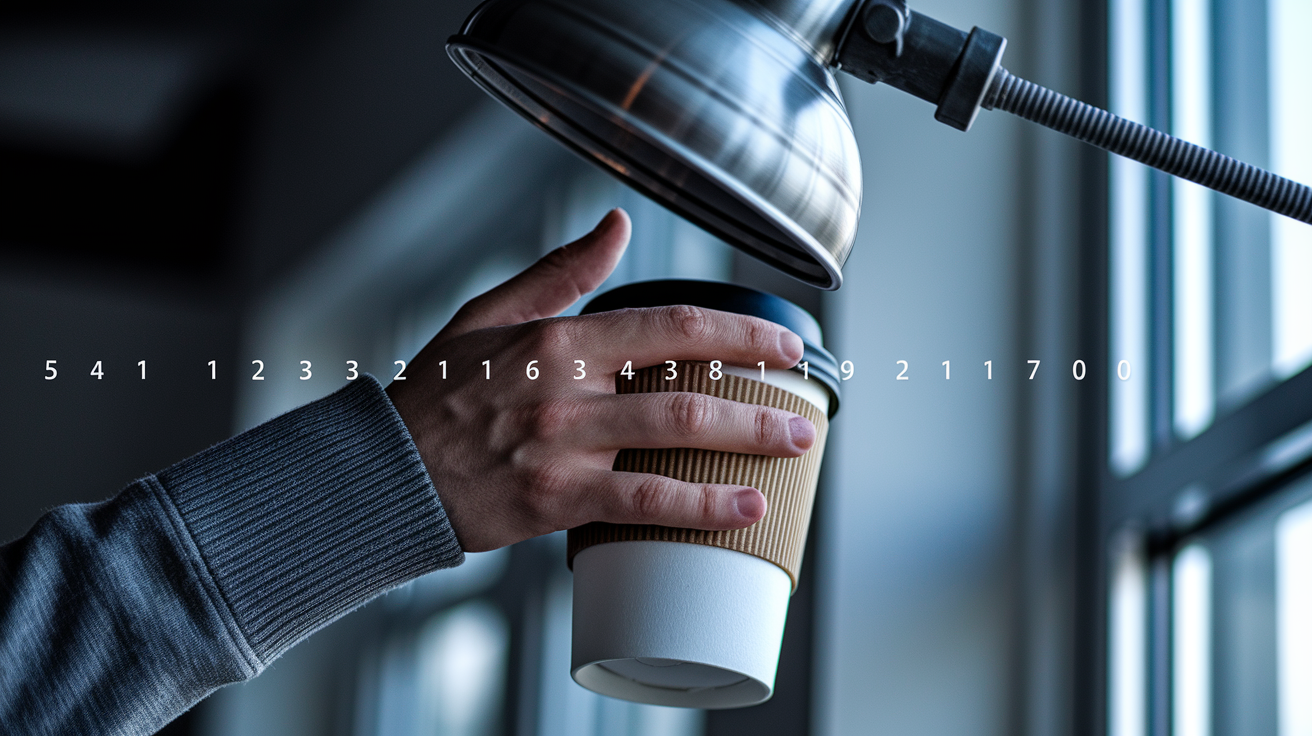
Grounding techniques work by shifting your brain’s focus from internal alarm signals to external sensory input. When your body’s stuck in a stress response, your thoughts loop on worst-case scenarios and your nervous system stays revved. Deliberate sensory attention interrupts that. It’s hard to stay fully panicked when you’re actively cataloging the texture of your sleeve or counting overhead lights.
The 5-4-3-2-1 grounding method is the most portable because it requires nothing but your senses. You can do it standing in line, sitting at your desk, or waiting for a meeting to start. Takes 30 to 90 seconds.
- Name 5 things you can see – desk lamp, coffee cup, window frame, colleague’s jacket, ceiling tile.
- Name 4 things you can touch – chair fabric, phone case, shirt collar, pen grip.
- Name 3 things you can hear – keyboard clicks, distant conversation, air conditioning hum.
- Name 2 things you can smell – coffee, lotion, fresh air from an open window, or skip this if nothing’s obvious.
- Name 1 thing you can taste, or take one slow breath – mint from earlier, or just one full inhale and exhale.
Sensory grounding objects can live in your pocket, bag, or desk drawer. A smooth stone, textured coin, piece of velvet, or keychain with ridges all work. Hold it for 15 to 30 seconds and focus on the temperature, weight, texture. Cold water does the same thing. Sip it slowly for 5 to 10 seconds and notice the coolness moving down your throat. If you keep a small roller of peppermint or lavender oil in your bag, one or two deep inhales can ground you through scent without anyone noticing.
Breathing Techniques That Prevent Sudden Anxiety Spikes
Breathing exercises work because they directly reverse the shallow, rapid breathing pattern that fuels panic. When you’re anxious, your breath moves high into your chest, your shoulders rise, and your exhales get short. That signals danger to your nervous system, which sends more adrenaline. Structured breathing breaks the loop by slowing your heart rate and telling your body you’re safe enough to take a full breath.
Box Breathing Steps
Box breathing is a four-count pattern that creates rhythm and predictability. Inhale through your nose for four seconds, hold for four, exhale through your mouth for four, hold for four. Repeat that cycle four to six times, about 60 to 90 seconds total.
This works right before a meeting, during a commute, or in any moment when you need to reset quickly without drawing attention. You can do it sitting at your desk, standing in an elevator, or waiting at a stoplight. The equal counts make it easy to remember, and the held pauses give your nervous system time to register that you’re in control of your breath.
4-7-8 Breathing
The 4-7-8 pattern uses a longer exhale to activate your parasympathetic nervous system more directly. Inhale through your nose for four seconds, hold for seven, exhale slowly through your mouth for eight. Repeat three to four times, about 60 to 120 seconds.
The extended exhale is what matters. It drops your heart rate faster than even breathing and counters the short, shallow breaths that make dizziness and muscle tension worse. This works well when you feel physical symptoms starting—chest tightness, racing heart, or that wired feeling in your limbs. It’s slightly less discreet than box breathing because the long exhale is more noticeable, so save it for moments when you have a little privacy or can turn away briefly.
Box breathing’s better for high-pressure environments where you need to stay engaged. The 4-7-8 pattern’s better when you’re alone or transitioning between tasks and you want a stronger down-shift. Both work. Pick the one that feels easier to remember in the moment and use it consistently.
Mini Progressive Muscle Relaxation for Busy Adults
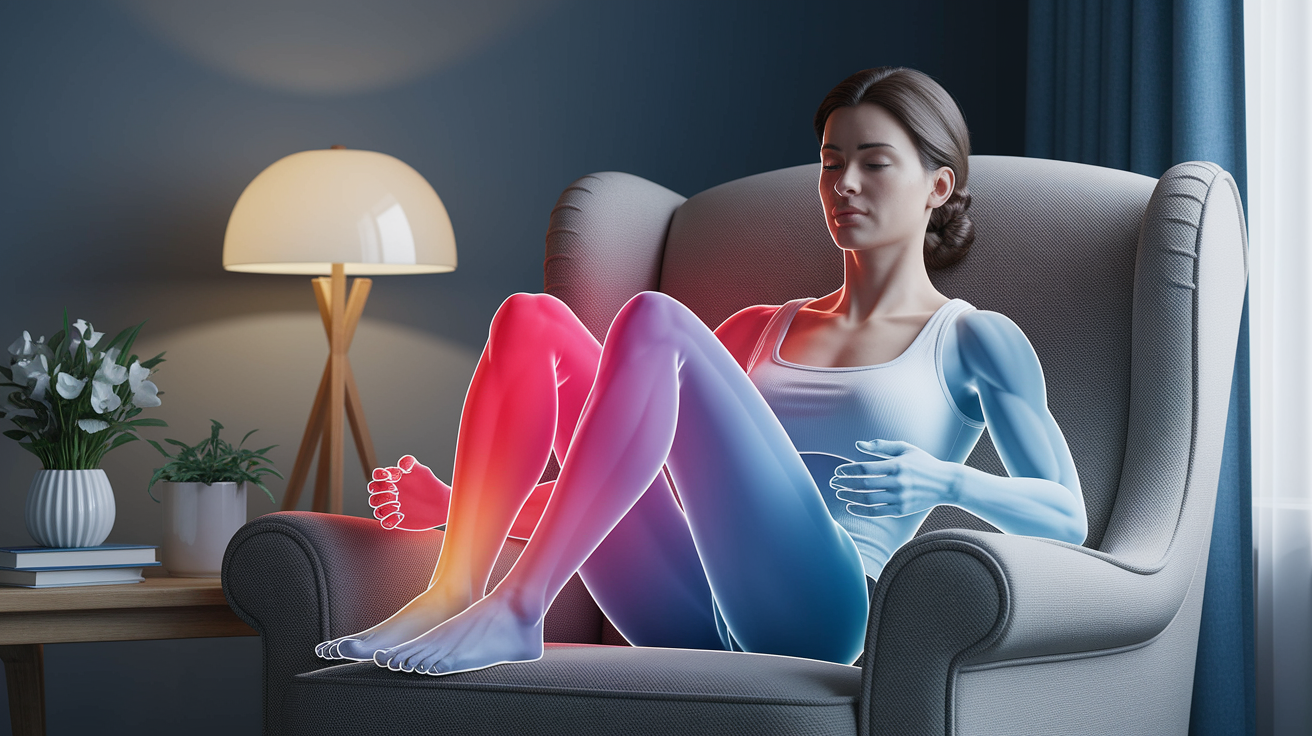
Sudden anxiety often shows up as physical tension first. Tight jaw, clenched fists, locked shoulders, shallow breathing. Progressive muscle relaxation works by deliberately tensing and then releasing each major muscle group, which teaches your body the difference between holding tension and letting it go. The mini version takes about five minutes and can be done sitting at your desk or lying down during a lunch break.
- Feet – curl your toes tightly for 5 seconds, release for 10
- Calves – point your toes or flex your feet to tighten your calves for 5 seconds, release for 10
- Thighs – squeeze your thighs together or press your knees apart for 5 seconds, release for 10
- Abdomen – pull your belly button toward your spine for 5 seconds, release for 10
- Shoulders – raise your shoulders toward your ears for 5 seconds, drop and release for 10
- Face – scrunch your face (squeeze eyes, wrinkle nose, clench jaw) for 5 seconds, release for 10
The full sequence gives you about 90 seconds of active tensing and three minutes of release time. You’ll feel the difference most in your shoulders and jaw, the two places busy adults hold the most chronic tension.
If you don’t have five minutes, use the bracing-release technique for acute tension. Clench your fists as hard as you can for 5 to 10 seconds, then release completely and let your hands go limp for another 10. Repeat two or three times. Total time is 30 to 60 seconds, and it works well when you feel a sudden spike of frustration or overwhelm and need to discharge it physically without moving much.
Quick Cognitive Techniques to Stop Anxiety Escalation

Anxious thoughts escalate quickly because your brain treats the thought itself as evidence of danger. One worried thought triggers another, and within 60 seconds you’re three steps deep into a scenario that hasn’t happened. Cognitive reframing works by interrupting that chain early, labeling what’s happening, and inserting a small pause before your next action.
The rapid cognitive check takes 60 to 90 seconds and gives you just enough distance to choose what happens next.
- Label the emotion – say it out loud or in your head: “I’m anxious,” “I’m overwhelmed,” “I’m frustrated.”
- Rate the intensity – pick a number from 1 to 10 to describe how strong it feels right now.
- Identify one piece of evidence for and against the anxious thought – “Evidence for: this deadline’s tight. Evidence against: I’ve hit tight deadlines before and it worked out.”
- Choose one small action – breathing, stepping outside for two minutes, postponing the thought to later, or continuing your task.
This doesn’t solve the stressor, but it keeps you from spiraling while you’re still in the middle of it. Naming and rating the feeling creates a tiny bit of separation. Checking the evidence reminds you that your anxious prediction isn’t the only possible outcome.
Quick self-talk scripts can be as simple as one sentence repeated twice. “This is uncomfortable, and I can handle uncomfortable.” Or “I’ve felt this before and it passed.” Or “I don’t have to solve this right now.” Pair that with a 10-second visualization of yourself finishing the task, walking out of the building at the end of the day, or sitting somewhere calm. The image doesn’t have to be detailed. Just picture one moment of relief or completion, take two slow breaths, and return to what you were doing.
Daily Micro-Habits That Prevent Sudden Anxiety
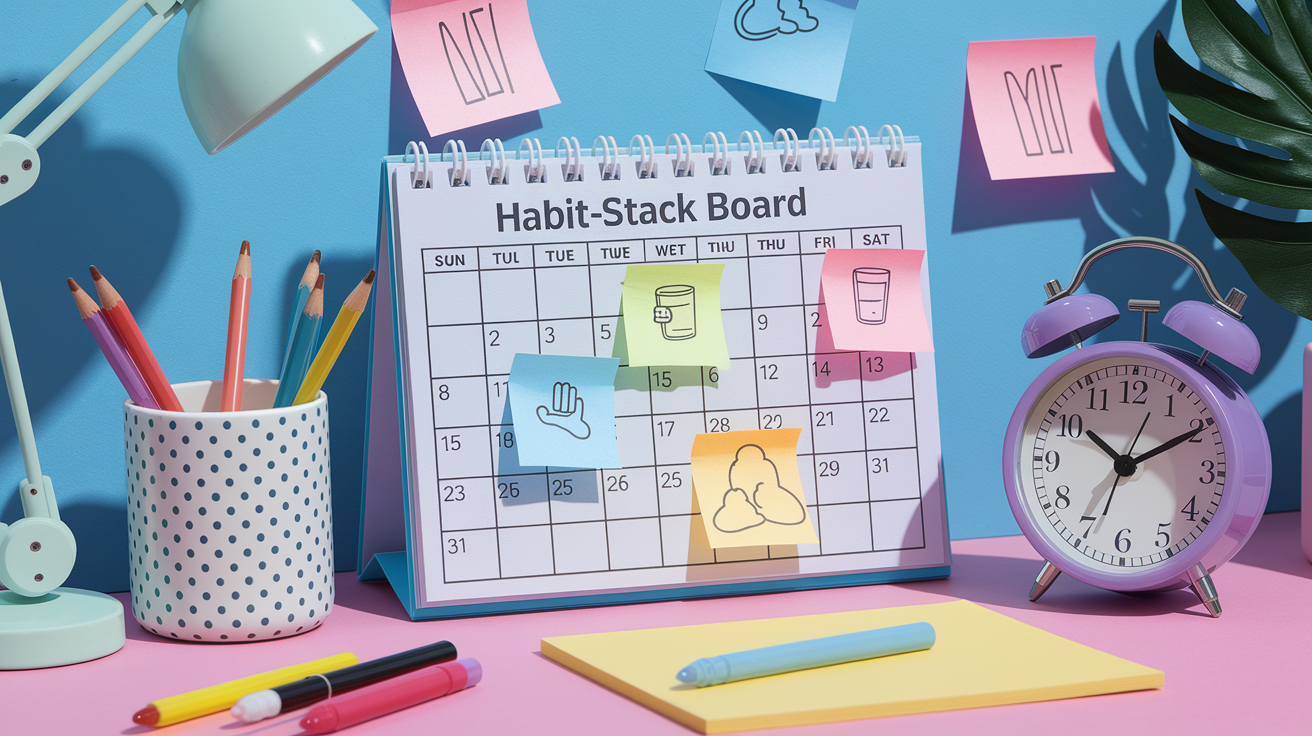
Preventative mental health habits work because they reduce baseline stress, which means fewer sudden spikes. When you’re already running on four hours of sleep, skipping meals, and drinking coffee all day, your nervous system’s primed to overreact to small stressors. Micro-habits don’t require overhauls. They’re small, repeated actions that stabilize your system enough to handle normal pressure without tipping into panic.
Habit stacking means attaching a two-minute calming action to something you already do every day. Right after you sit down at your desk in the morning, do three slow breaths before opening email. Right after lunch, take a two-minute walk or do one round of shoulder rolls. Right before bed, do the 5-4-3-2-1 grounding sequence while brushing your teeth. The trigger is the existing habit. The new behavior is the brief reset.
Morning routines don’t have to be long. A five-minute sequence that includes drinking a glass of water, two minutes of stretching, and one minute of intentional breathing sets a calmer tone for the day. Afternoon routines help when energy crashes or stress peaks. A three-minute walk, a healthy snack, and 60 seconds of box breathing between meetings can prevent the late-day spiral that leads to evening anxiety.
Daily prevention checklist:
- Sleep – aim for 6 to 8 hours most nights, keep a consistent wake time even on weekends
- Movement – 10 to 20 minutes of moderate activity daily, or three short bursts of 2 to 5 minutes (stairs, walking, stretching)
- Hydration – target 6 to 8 cups of water per day, dehydration worsens physical anxiety symptoms
- Caffeine – keep intake under 200 to 300 mg per day if you’re sensitive, avoid caffeine after 2 PM if it disrupts sleep
- Micro-tools – use breathing, grounding, or movement resets 2 to 4 times daily as prevention, not just during spikes
- Longer techniques – schedule one five to ten-minute session daily for progressive relaxation, worry time, or meditation
Busy-Adult Lifestyle Triggers That Lead to Sudden Anxiety
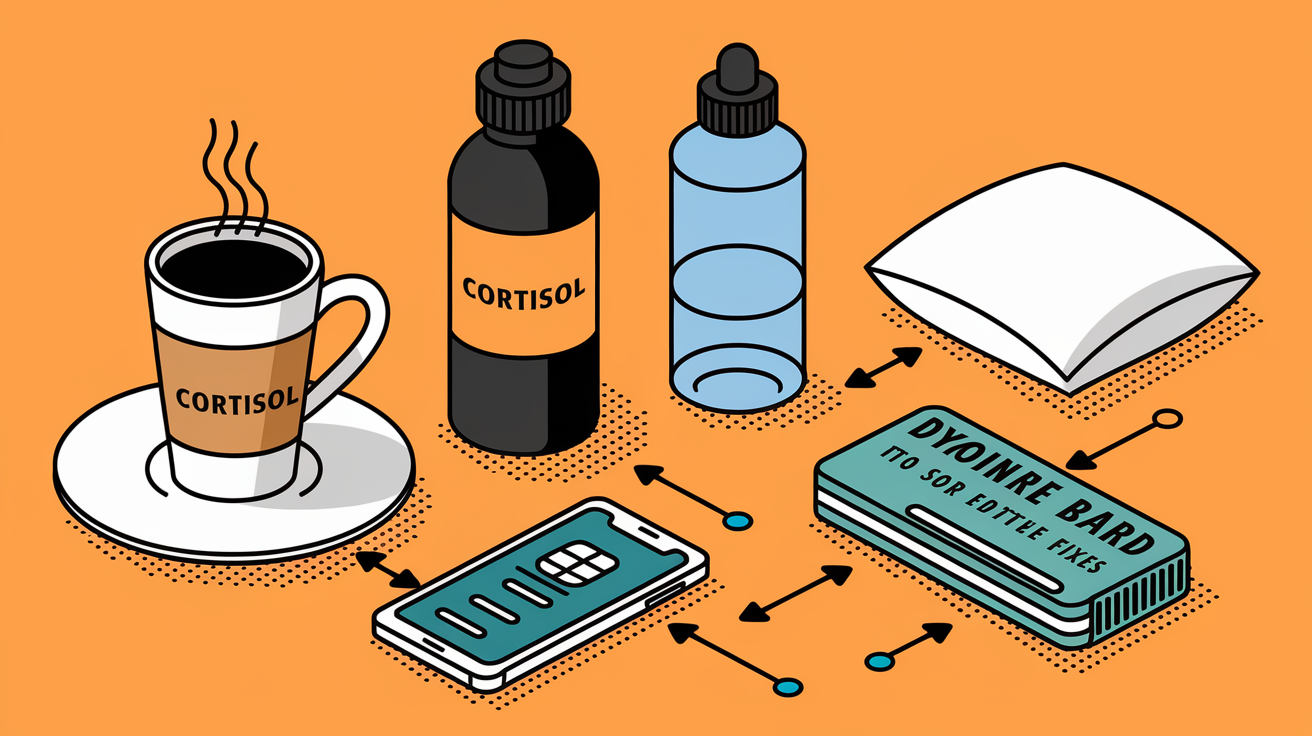
Physical contributors to sudden anxiety are often the easiest to modify and the most commonly ignored. Caffeine, blood sugar swings, dehydration, and poor sleep all amplify your stress response. When your body’s already unstable, even a minor stressor (unexpected email, delayed train, last-minute request) can trigger a full anxiety spike.
Caffeine raises cortisol and keeps your nervous system in a heightened state. If you’re drinking multiple cups on an empty stomach or late in the afternoon, you’re essentially dosing yourself with a substance that mimics the physical sensations of anxiety. Faster heart rate, jitteriness, trouble concentrating. Cutting back doesn’t mean quitting. It means knowing your threshold and staying under it. For most people, that’s around 200 to 300 mg per day, roughly two to three cups of coffee.
| Trigger | What Happens | Quick Fix |
|---|---|---|
| Too much caffeine | Raises cortisol, increases heart rate, disrupts sleep, worsens jitteriness | Switch one coffee to green tea or decaf, stop caffeine intake after 2 PM |
| Dehydration | Causes dizziness, fatigue, headache, irritability, worsens physical anxiety symptoms | Drink a glass of water first thing in the morning and one between meals, aim for 6 to 8 cups daily |
| Low blood sugar | Triggers shakiness, brain fog, irritability, and a stress response that feels like anxiety | Eat a balanced snack every 3 to 4 hours, pair protein or fat with carbs to stabilize energy |
| Poor or inconsistent sleep | Reduces emotional regulation, increases cortisol, makes small stressors feel overwhelming | Set a consistent bedtime, limit screens 30 to 60 minutes before sleep, avoid heavy meals and caffeine near bedtime |
Quick Anxiety Prevention Tools for Work, Meetings, and Commutes
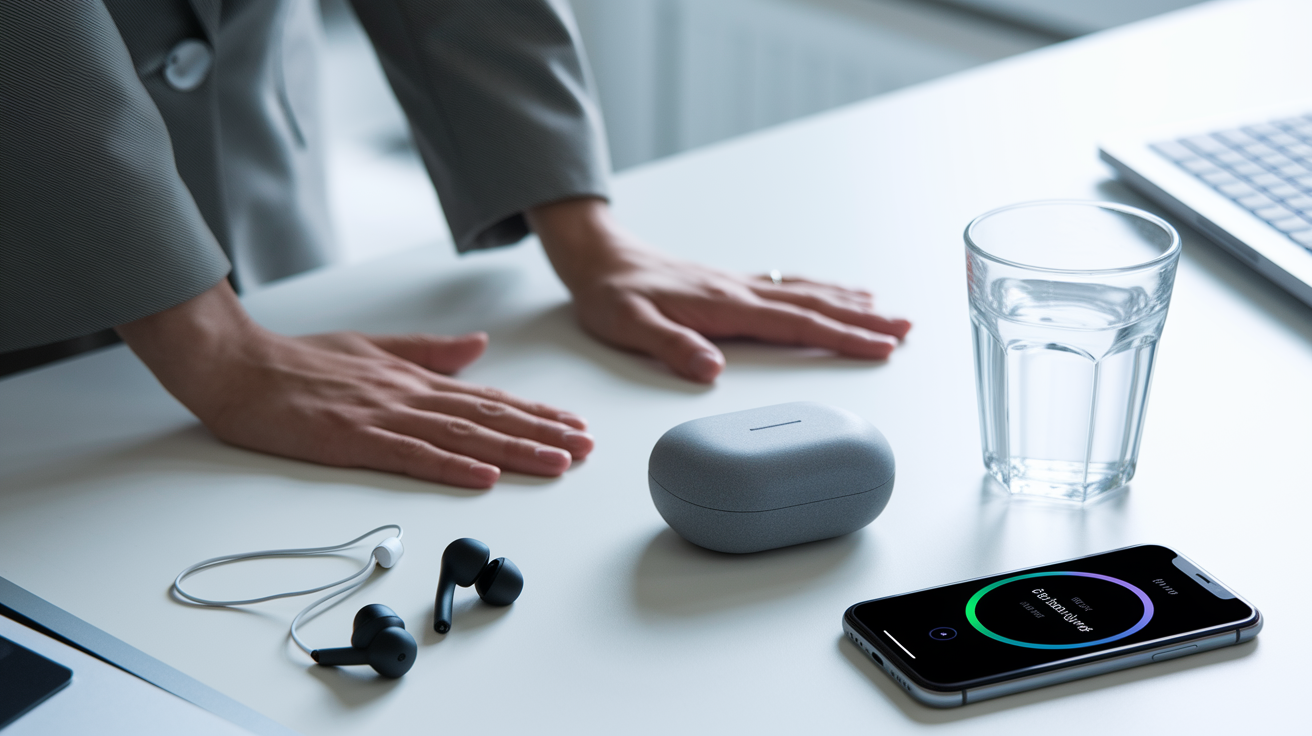
Workplace anxiety prevention requires tools that don’t interrupt workflow or draw attention. You can’t step out of a video call to do ten minutes of meditation, but you can use a 30-second reset that looks like adjusting your posture or taking a sip of water. The challenge in restricted environments is finding techniques that are effective and invisible.
Desk-friendly strategies that work in 30 to 90 seconds:
- Feet grounding – sit up straight, plant both feet flat on the floor, press your feet into the ground for 10 seconds, then release and take three slow breaths
- Shoulder reset – roll your shoulders back twice, drop them down away from your ears, then do two deep belly breaths
- Cold water or ice – keep a water bottle at your desk, take three slow sips of cold water and focus on the temperature and sensation
- Textured object – keep a smooth stone, ridged coin, or small stress ball in your drawer, hold it for 20 seconds and notice texture, weight, temperature
- Guided breathing via earbuds – if you work remotely or have noise-canceling headphones, play a 2 to 3-minute breathing track during a task transition
Commuting anxiety solutions often require grounding or breathing because movement’s limited. On a crowded train or bus, use the 5-4-3-2-1 grounding method silently while standing or sitting. If you’re driving, do box breathing at stoplights or use a short guided breathing audio during your commute. If you walk or bike, use that time for intentional slow breathing or a quick body scan. Notice your feet hitting the ground, your shoulders, your breath.
Virtual meeting tactics work best right before or during a call. Before the meeting starts, do one round of 4-7-8 breathing with your camera off. During the meeting, if you feel a spike, mute yourself briefly and do three slow belly breaths, or use the feet-grounding technique while still appearing engaged. Keep a glass of water on camera so taking a sip looks natural and gives you a brief sensory reset.
Tracking and Trigger Identification for Preventing Sudden Anxiety
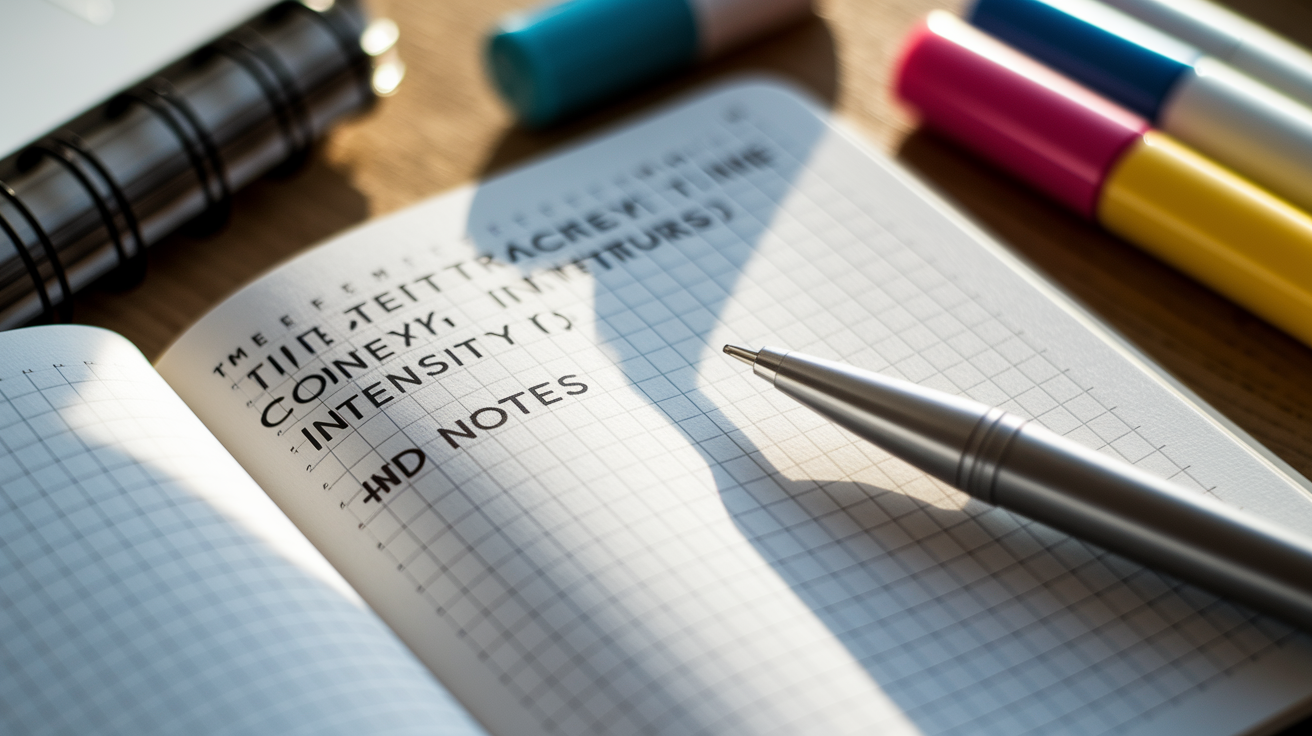
Trigger identification helps you move from reactive to proactive. When you log your anxiety episodes for one to two weeks, patterns emerge. You’ll notice that spikes happen at the same time of day, after the same type of interaction, or when you’ve skipped a meal or slept poorly. Once you know your triggers, you can add a small prevention step right before the known stressor instead of managing the spike after it’s already started.
Track for 7 to 14 days using three simple data points per entry:
- Time and context – when did it happen, where were you, what were you doing
- Trigger or situation – what happened right before (tight deadline, skipped breakfast, difficult conversation, too much caffeine, poor sleep the night before)
- Intensity – rate it 1 to 10 so you can see which situations cause mild discomfort versus full spikes
- What helped or what you tried – note if you used breathing, grounding, movement, or nothing, and whether it reduced intensity
If a specific trigger shows up more than three times in one week, that’s your signal to add a proactive countermeasure. For example, if anxiety spikes every time you open your inbox first thing in the morning, start the day with two minutes of breathing or a short walk before you sit down. If it happens during afternoon meetings, do a grounding exercise or eat a small snack 15 minutes before the meeting starts.
Building a simple anxiety prevention emergency kit means keeping one or two grounding tools accessible at all times. In your work bag: a textured object, small roller of peppermint or lavender oil, pack of sugar-free gum, and a printed card with your two preferred breathing patterns written out. At your desk: water bottle, stress ball, and headphones for a quick guided breathing track. In your car: favorite calming playlist, small snack, and a note reminding you of your go-to 60-second reset. When sudden anxiety hits, you won’t have to think. You’ll just reach for what works.
Final Words
When sudden anxiety shows up during a workday, this article gave fast, discreet options: breathing patterns, sensory grounding, mini muscle releases, quick cognitive checks, micro-movements, and daily micro-habits.
It also covered workplace and commute-friendly tools and a simple tracking plan to spot patterns. Short, 30–120 second choices let you interrupt escalation without pausing your schedule.
Use these sudden anxiety prevention techniques for busy adults to build small habits, feel more in control, and get back to your day, one calm moment at a time.
FAQ
Q: How can I stop sudden anxiety fast when I’m busy?
A: Stopping sudden anxiety fast when you’re busy means using 30–120 second interruptors like box breathing, a sensory anchor, isometric release, or a quick micro-movement to break the body’s escalation and calm you down.
Q: What quick grounding techniques work on the go?
A: Quick grounding techniques that work on the go include the 5‑4‑3‑2‑1 sensory check, a cold sip or textured object as an anchor, and one slow, focused breath to shift attention back to the present.
Q: Which breathing exercises help sudden anxiety and when should I use box breathing versus 4‑7‑8?
A: Breathing exercises that help sudden anxiety include box breathing for steady, discreet calm in meetings or commutes, and 4‑7‑8 breathing for stronger agitation or to slow racing breath before sleep or during breaks.
Q: What’s a mini progressive muscle relaxation I can do at my desk?
A: A mini progressive muscle relaxation at your desk is tensing each group (feet→calves→thighs→abdomen→shoulders→face) for about 5 seconds, then releasing for 10 seconds, totaling around five minutes; a 30–60s isometric alternative works in emergencies.
Q: What quick cognitive tricks stop anxiety from escalating?
A: Quick cognitive tricks that stop anxiety escalate are labeling the emotion, rating intensity 1–10, checking one piece of evidence for/against the thought, and choosing one small action to regain control.
Q: Which daily micro-habits reduce the chance of sudden anxiety spikes?
A: Daily micro-habits that reduce sudden anxiety include 6–8 hours sleep, short movement bursts (2–5 minutes several times daily), staying hydrated, balanced snacks, and limiting caffeine if sensitive.
Q: What common lifestyle triggers lead to sudden anxiety and what are fast fixes?
A: Common lifestyle triggers that lead to sudden anxiety are too much caffeine, dehydration, low blood sugar, and poor sleep; fast fixes include water, a protein snack, brief movement, and reducing late caffeine intake.
Q: What discreet tools can I use during meetings or commutes to prevent anxiety?
A: Discreet tools for meetings or commutes include seated grounding (press feet into floor), shoulder rolls, textured object or stress ring, guided breathing through earbuds, a sip of cold water, or a subtle scent inhaler.
Q: How should I track anxiety to identify triggers and plan prevention?
A: Tracking anxiety to identify triggers means logging for 7–14 days: time, context/trigger, intensity 1–10, what helped, and frequency; if a trigger appears more than three times weekly, add a proactive countermeasure.
Q: When should I seek urgent help or professional care for sudden anxiety?
A: You should seek urgent help if anxiety comes with chest pain, fainting, severe shortness of breath, confusion, or thoughts of harming yourself. For frequent or worsening episodes, see a clinician to evaluate causes and options.
Comments are closed