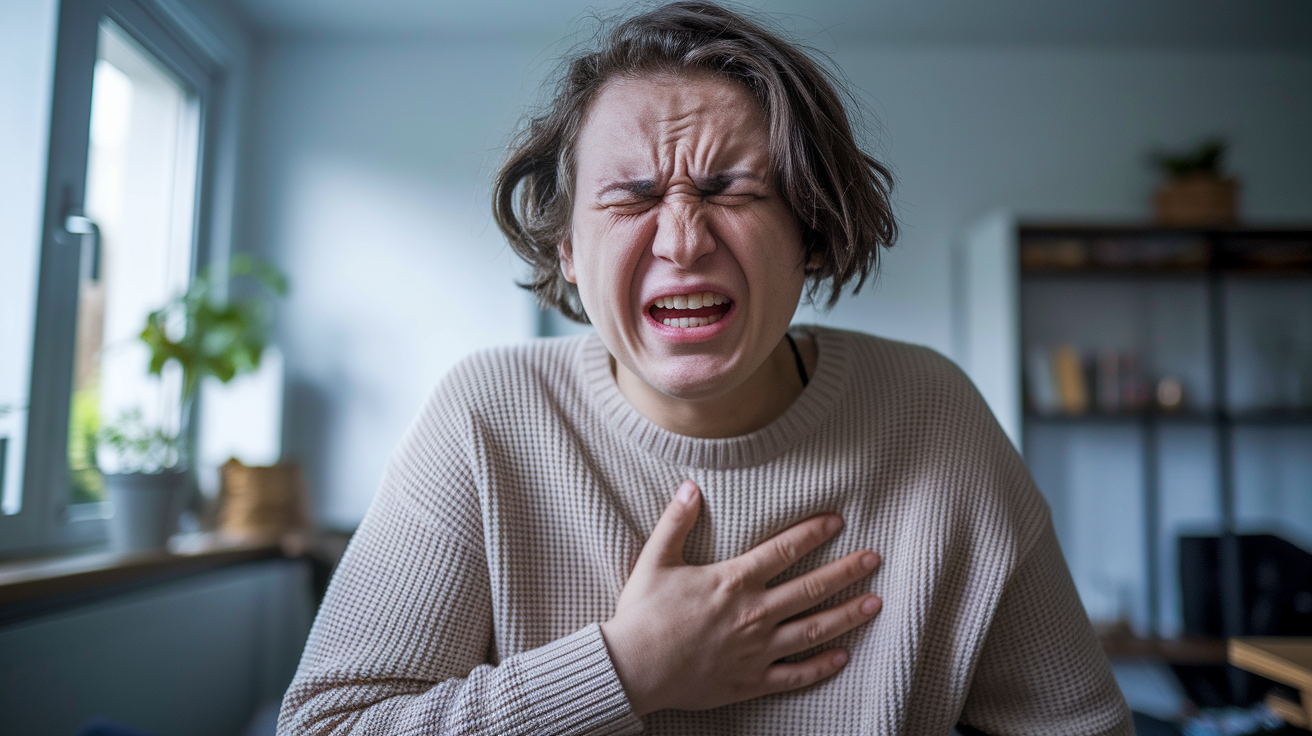
Have you ever felt your heart pounding, couldn’t catch your breath, and thought you were having a heart attack—only to find out it was an anxiety attack?
You’re not alone, and those sensations are real and scary.
This post explains the physical signs—heart racing, chest tightness, shortness of breath, sweating, dizziness—and the emotional signs like intense fear, derealization, or the thought “I’m losing control.”
You’ll get clear, low-risk steps to try now, what to track for a clinic visit, and simple red flags that mean seek urgent care.
Immediate Breakdown of Sudden Anxiety Attack Symptoms
If you’re searching for sudden anxiety attack symptoms because something just happened to your body that felt terrifying and out of control, you’re in the right place. A sudden anxiety attack (often called a panic attack) comes on fast, peaks quickly, and produces intense physical and emotional symptoms that can feel like a medical emergency, even when they’re not.
The hallmark timing pattern: these episodes reach peak intensity within about 10 minutes. That rapid climb is one of the key markers that helps distinguish a panic attack from other forms of anxiety.
Here’s what a sudden anxiety attack can feel like:
- Rapid, pounding heartbeat or heart palpitations (the feeling that your heart is skipping, fluttering, or racing)
- Chest pain or chest tightness, often sharp or stabbing and localized to the mid-chest
- Shortness of breath or the sensation that you can’t get enough air, even when breathing quickly
- Sweating, especially cold sweats on your palms, forehead, or back
- Trembling, shaking, or muscle tension throughout your body
- Dizziness, lightheadedness, or feeling like you might faint
- Nausea, stomach churning, or a “dropping” sensation in your gut
- Numbness or tingling in your hands, feet, face, or lips
- Hot flashes or sudden chills
- Feeling detached from yourself (depersonalization) or from your surroundings (derealization)
- Intense fear or sense of impending doom. A feeling that something terrible is about to happen
- Fear of dying or losing control
- Fear that you’re “going crazy” or that something is fundamentally wrong with your mind
- Urgent need to escape or get out of wherever you are
- Intrusive, racing “what if” thoughts that loop and escalate
Most sudden anxiety attacks last between 5 and 20 minutes, though some can stretch to 30 minutes. After the peak passes, you may feel drained, shaky, exhausted, or emotionally wrung out for hours. Up to 11% of people experience a panic attack in a given year. If this just happened to you, you’re not alone and you’re not imagining it.
Why Your Body Feels This Way During an Anxiety Attack
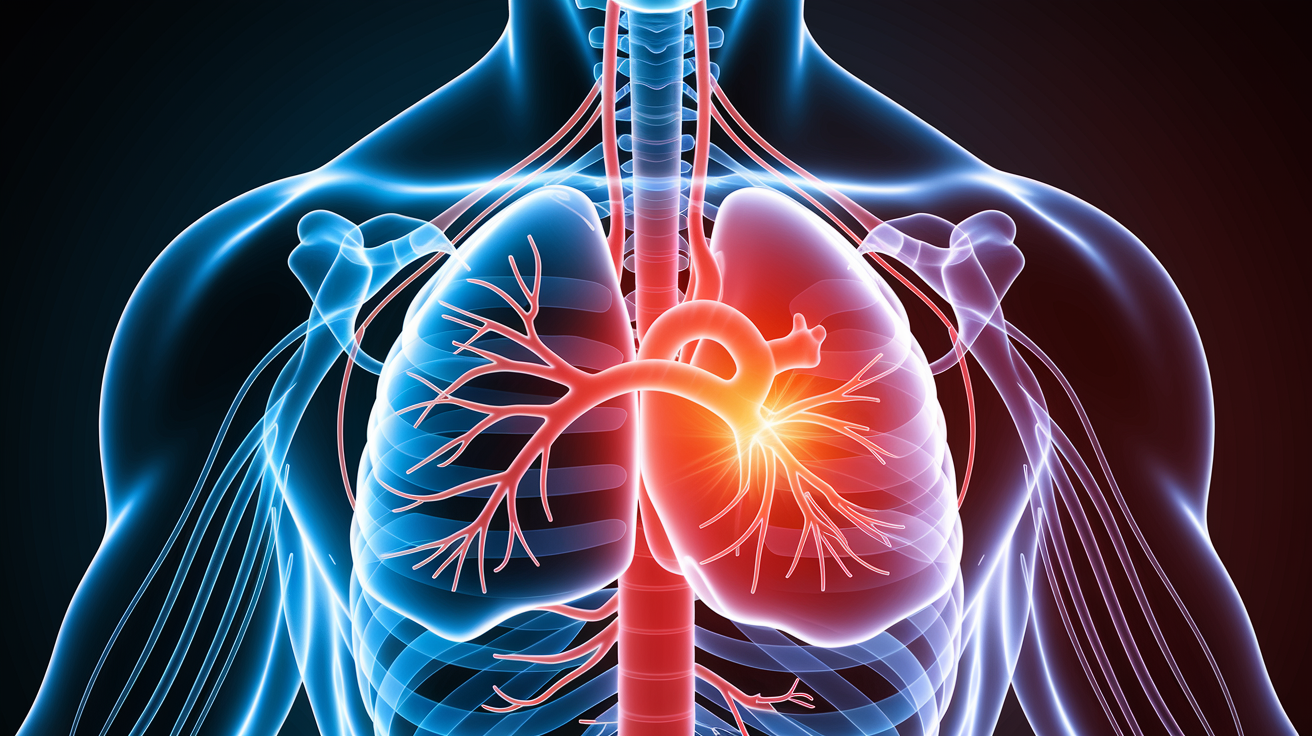
Your body’s reaction during a sudden anxiety attack isn’t random. It’s your nervous system’s fight-or-flight response firing at full strength, a survival mechanism designed to protect you from immediate danger. When your brain perceives a threat (real or imagined, or sometimes no clear threat at all), it floods your system with adrenaline and other stress hormones. Your heart rate spikes. Your breathing quickens. Blood flow shifts away from digestion and toward your large muscles to prepare you to run or fight.
That adrenaline surge is why your heart pounds, why you sweat, and why your muscles tense. Rapid breathing causes you to blow off carbon dioxide faster than usual, which changes the balance of gases in your blood and can create dizziness, tingling in your hands and feet, and a lightheaded feeling. Blood flow redistribution can cause nausea or stomach upset. Muscle tension, especially in your chest and throat, can make it feel hard to breathe or swallow.
These reactions are intense, uncomfortable, and convincing. But they are not dangerous. Your body is doing exactly what it’s wired to do when it believes you’re in danger. The problem is that the alarm system is firing when there’s no actual emergency, and the sensations themselves can feel so alarming that they feed the fear and keep the cycle running for a few more minutes.
Emotional and Cognitive Sudden Anxiety Attack Symptoms
Physical sensations get most of the attention during a panic attack, but the emotional and mental experience is just as real and often just as distressing.
Emotionally, you may feel overwhelming fear, dread, or terror. A sense that something catastrophic is happening or about to happen, even if you can’t name what it is. You might fear that you’re dying, that you’re having a heart attack or stroke, or that you’re losing your mind. You might feel an urgent need to escape wherever you are, or a fear that you’re losing control of your body or your thoughts.
Common cognitive and emotional markers include:
- Racing, intrusive thoughts that loop and escalate (“What if I collapse?” “What if this never stops?” “What if I’m seriously ill?”)
- Sense of impending doom or catastrophe with no clear reason
- Derealization. Feeling like the world around you is unreal, foggy, distant, or dreamlike
- Depersonalization. Feeling detached from yourself, like you’re watching yourself from the outside or like your body doesn’t belong to you
- Fear of going “crazy” or permanently losing mental stability
These symptoms can be as frightening as the physical ones. They often make people reluctant to tell others what’s happening because the experience feels impossible to explain or embarrassing to admit.
Onset and Duration Patterns in Sudden Anxiety Attacks
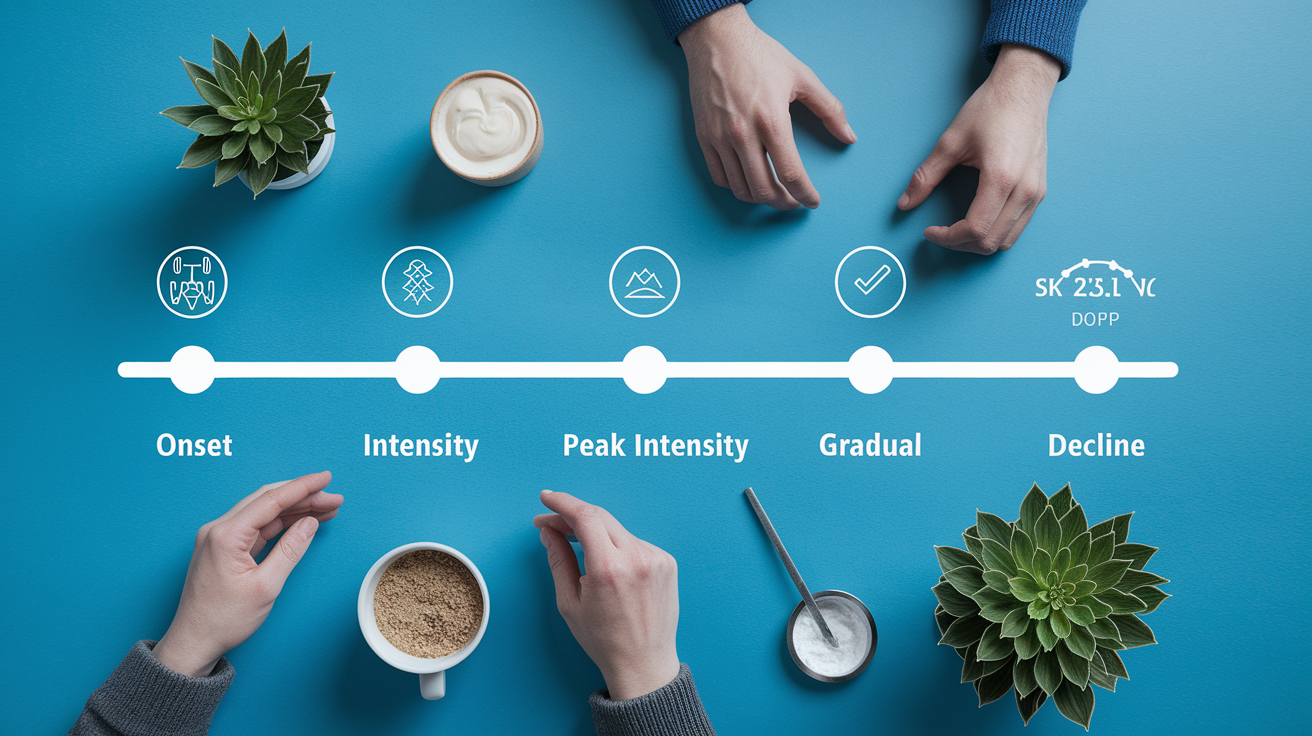
Understanding the timeline of a sudden anxiety attack can help you recognize one when it’s happening and reassure you that the intensity won’t last.
Most panic attacks come on suddenly, within seconds to a couple of minutes, and reach peak intensity within about 10 minutes. That rapid escalation is a hallmark feature. Some people notice a small build-up (a flash of worry, a physical trigger like feeling too warm), but many report that the attack seems to come out of nowhere, even during calm or routine moments like sitting at your desk, driving, or lying in bed.
| Stage | Typical Timing | What You May Feel |
|---|---|---|
| Onset | 0–2 minutes | Sudden awareness of rapid heartbeat, shortness of breath, rising fear, or physical discomfort |
| Peak intensity | 5–10 minutes | Maximum physical symptoms, overwhelming fear, sense of doom, most intense distress |
| Gradual decline | 10–20 minutes | Symptoms begin to ease, breathing steadies, heart rate slows, fear starts to lift |
| Residual effects | Minutes to hours | Fatigue, shakiness, emotional drain, mild nausea, headache, or lingering unease |
Distinguishing Sudden Anxiety Attack Symptoms from Heart Attack Symptoms
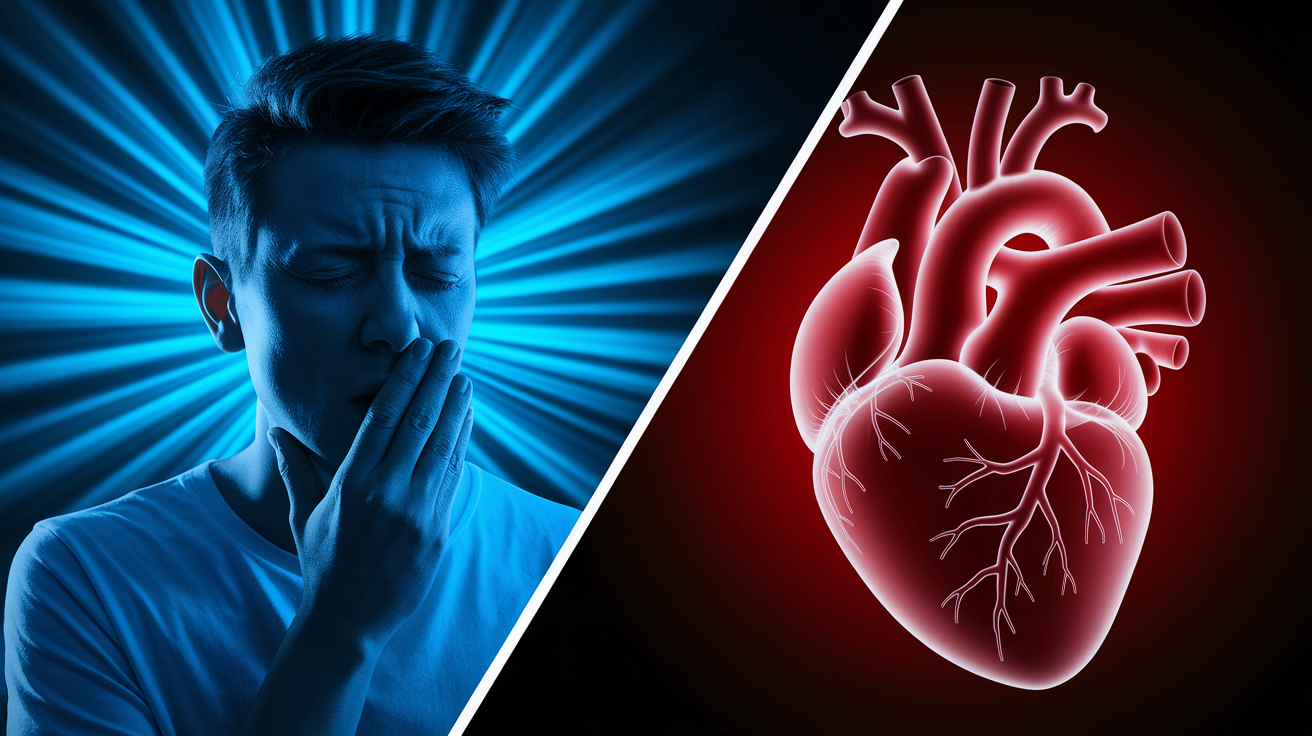
One of the most common fears during a sudden anxiety attack is “Am I having a heart attack?” That fear makes sense. Chest pain, shortness of breath, and heart palpitations occur in both conditions, and the physical sensations of a panic attack can be genuinely convincing.
Here are some patterns that can help you tell the difference. But remember: if you’re unsure, always seek emergency medical evaluation. It’s better to check and find out it’s anxiety than to ignore a cardiac emergency.
| Panic Attack Feature | Heart Attack Feature |
|---|---|
| Sudden onset, peaks within ~10 minutes | Often gradual onset, symptoms build over minutes to hours |
| Chest pain is often sharp, stabbing, or localized to mid-chest | Chest pain typically feels like pressure, squeezing, or heaviness; may radiate to left arm, jaw, neck, or back |
| Pain may shift or move around the chest | Pain is often persistent and stays in one area or spreads predictably |
| Accompanied by intense fear, sense of doom, emotional distress | May include nausea, sweating, weakness, but less intense emotional fear component |
| Symptoms often improve with calming techniques, breathing exercises, or grounding | Symptoms do not improve with calming techniques and may worsen |
| No other cardiac risk factors or warning signs (though they can co-occur) | More common with risk factors: older age, high blood pressure, diabetes, smoking, family history |
If chest pain is severe, crushing, radiating to your arm or jaw, or accompanied by fainting, severe shortness of breath, or weakness, treat it as a possible heart attack and seek emergency care immediately. If symptoms are new, unexplained, or you simply can’t tell the difference, get medical evaluation. Many people with panic attacks visit the emergency department during their first episode. That’s completely appropriate when chest pain and breathing trouble are involved.
Immediate Coping Techniques for Sudden Anxiety Attack Symptoms
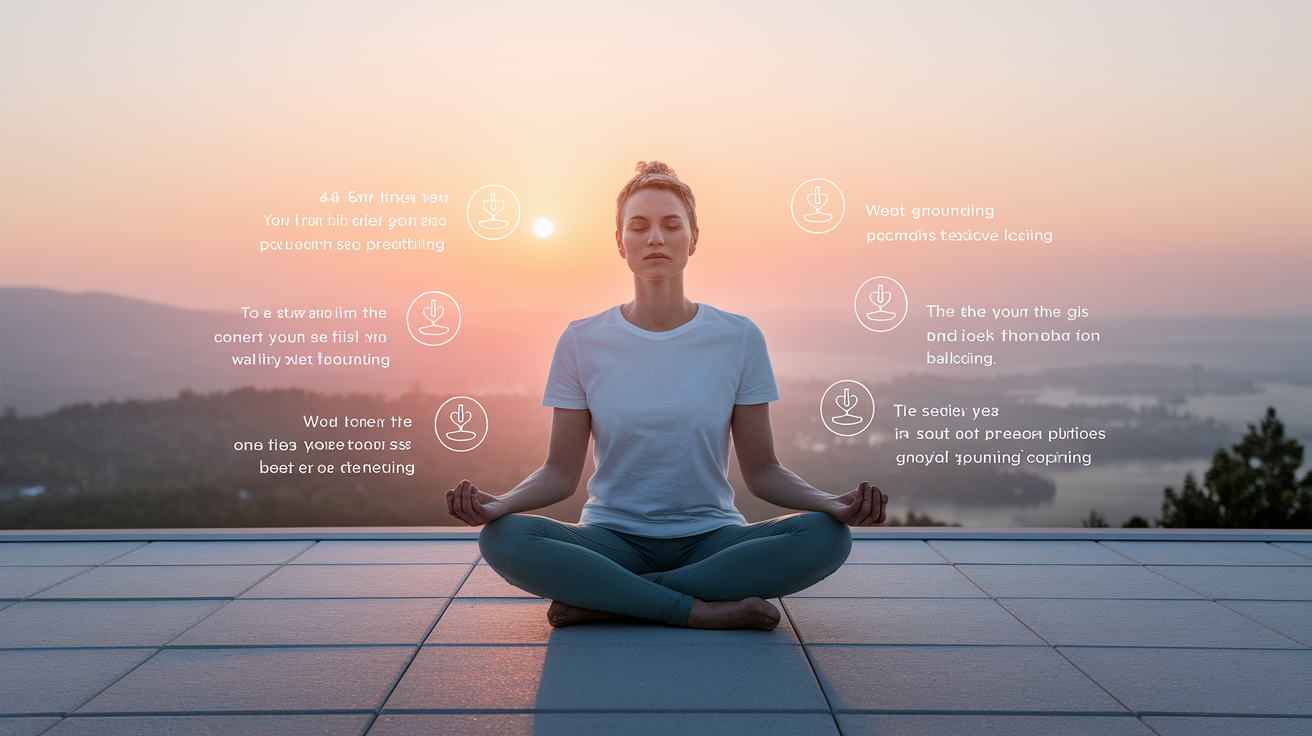
When you’re in the middle of a sudden anxiety attack, your goal is simple: interrupt the escalation, steady your breathing, and ride it out. These techniques won’t make the attack vanish instantly, but they can shorten the peak, reduce intensity, and help you feel more in control.
Breathing Reset
Rapid, shallow breathing feeds the panic cycle by lowering carbon dioxide levels and increasing lightheadedness and tingling. Slowing your breath down helps reverse that.
Try this pattern: inhale slowly through your nose for 4 seconds, hold for 4 seconds, exhale slowly through your mouth for 6 seconds, then pause for 2 seconds before the next inhale. The key is making your exhale longer than your inhale. Repeat this cycle until your breathing steadies. If counting feels hard, just focus on slow, deep breaths and emphasize the exhale.
Grounding with the Senses
Panic pulls you into your head and into catastrophic thoughts. Grounding pulls you back into the present moment and your immediate surroundings.
Use the 5-4-3-2-1 method: name 5 things you can see around you, 4 things you can physically touch, 3 things you can hear, 2 things you can smell, and 1 thing you can taste. Go slowly. Describe each one in detail if you can. This interrupts racing thoughts and shifts your attention outward.
Movement and Muscle Release
Adrenaline creates muscle tension and a wired, jittery feeling. Gentle movement can help discharge some of that energy.
Stand up, stretch, shake out your hands, roll your shoulders, or take a short slow walk if you’re able. Intentionally relax your jaw, drop your shoulders, and unclench your hands. Even small muscle releases can signal to your nervous system that the threat has passed.
These simple interventions won’t cure panic attacks, but they can help you get through the acute phase with less distress and a little more agency. Remind yourself: this will pass. Most attacks last 5 to 20 minutes.
When Sudden Anxiety Attack Symptoms Require Emergency Help
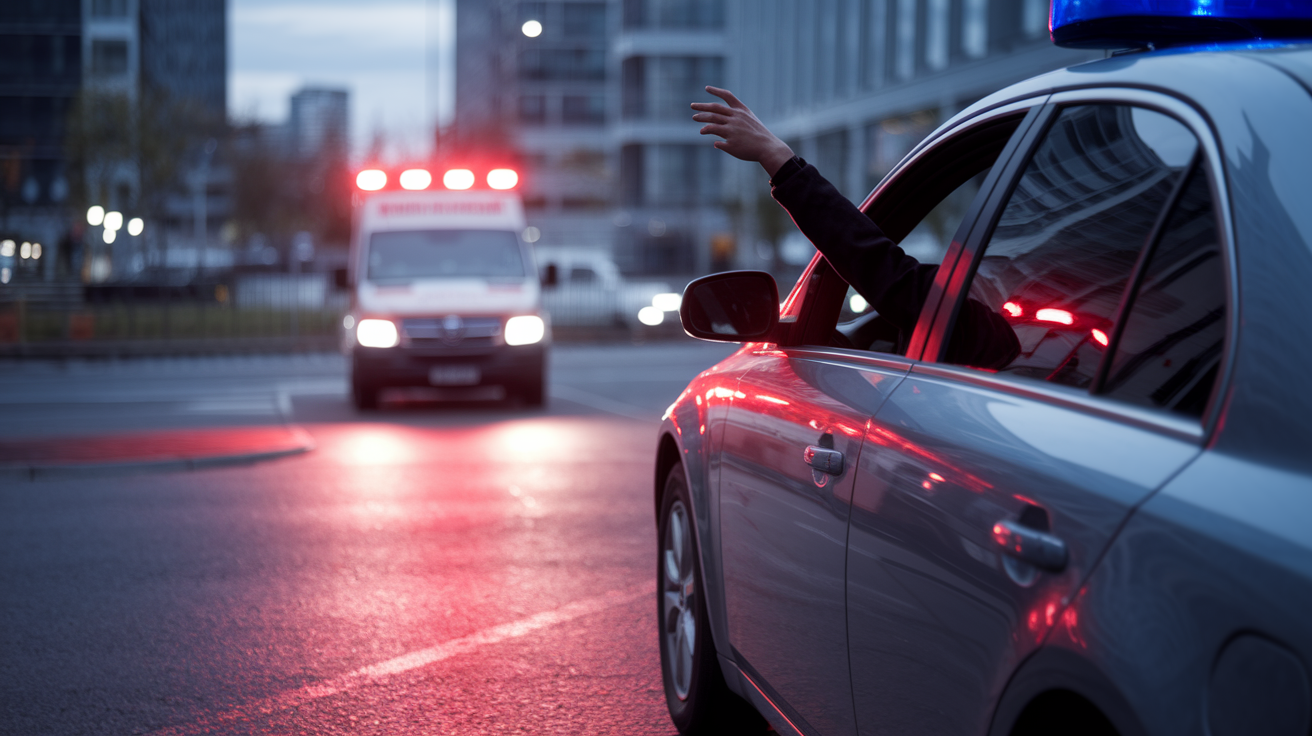
Sometimes what feels like a panic attack is actually a medical emergency, or a panic attack happens alongside another health issue. Knowing when to seek immediate help can be life-saving.
If you have chest pain or pressure that feels crushing, lasts more than a few minutes, or radiates to your left arm, jaw, neck, or back, treat it as a possible heart attack and call emergency services. The same goes if you faint, lose consciousness, have sudden severe shortness of breath that doesn’t improve, collapse, or experience slurred speech or one-sided weakness.
Seek emergency medical care now if:
- Chest pain is severe, persistent, or different from previous anxiety-related chest discomfort
- You faint, nearly faint, or lose consciousness
- You have sudden, severe shortness of breath that feels different or doesn’t ease with breathing techniques
- You experience confusion, inability to speak clearly, or numbness on one side of your body
- Symptoms occur while driving or during another activity that creates immediate danger
- This is your first episode of these symptoms and you have no prior history of panic attacks
- You are unsure whether symptoms are cardiac or anxiety-related. When in doubt, seek evaluation
If symptoms persist well beyond 30 minutes, worsen despite coping attempts, or you feel genuinely unsafe, it’s appropriate to go to an emergency department or call for help. Many people with their first panic attack seek emergency care. That’s a reasonable and often necessary step to rule out medical causes.
Common Triggers Behind Sudden Anxiety Attack Symptoms
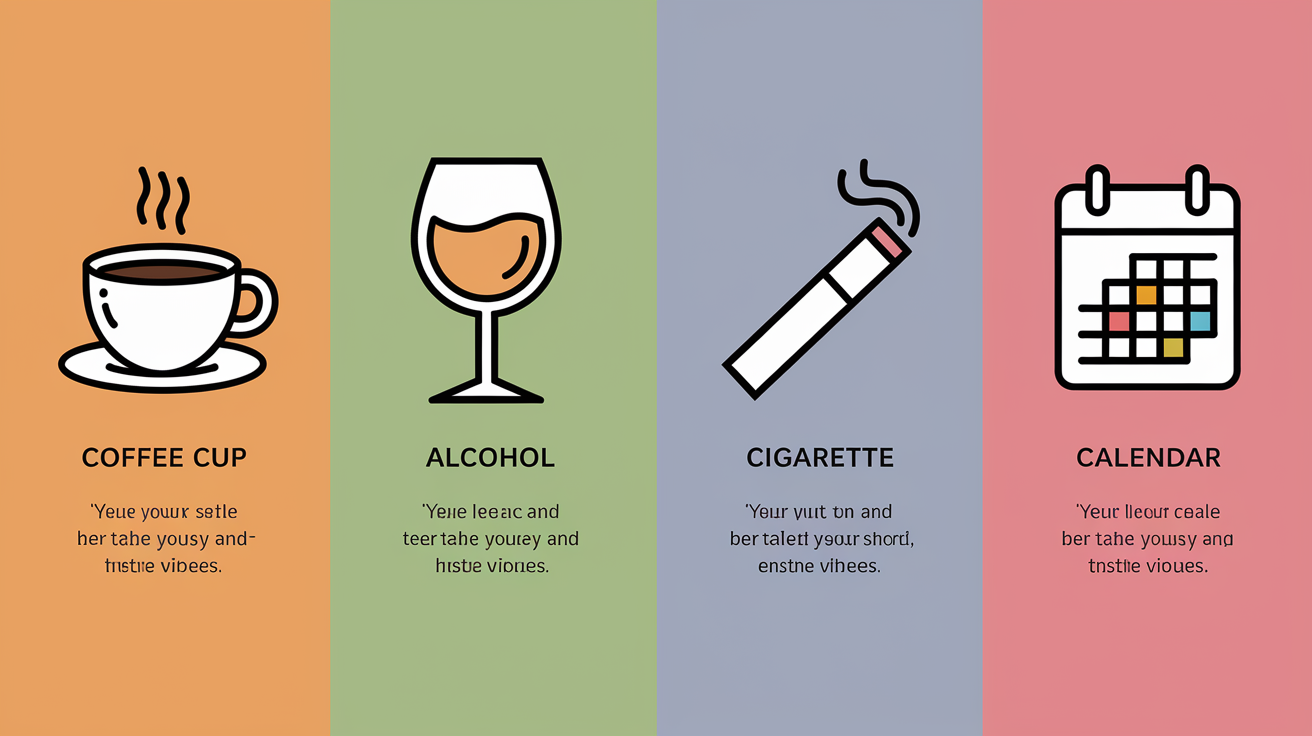
Some panic attacks seem to come out of nowhere. But many have identifiable triggers: substances, situations, stress patterns, or physiological states that lower your threshold or set off the alarm system.
Common triggers include:
- Caffeine, especially on an empty stomach or in large amounts. It can mimic or amplify the physical sensations of anxiety (rapid heartbeat, jitteriness, shallow breathing)
- Alcohol, particularly during withdrawal or hangover phases when your nervous system is recovering and more reactive
- Nicotine and other stimulants, which increase heart rate and can trigger or worsen panic symptoms
- Stress buildup from work, relationships, financial pressure, or major life changes. Chronic stress primes your nervous system to overreact
- Hormonal shifts, especially around menstrual cycles, pregnancy, postpartum, or perimenopause
- Lack of sleep or poor sleep quality, which lowers your ability to regulate stress and increases physical and emotional reactivity
- Intense physical sensations from exercise, heat, or dehydration that your brain misinterprets as danger
Some people also experience panic attacks as part of post-traumatic stress responses, triggered by reminders of past trauma. And for some, attacks occur without any clear or predictable trigger at all. This is common and doesn’t mean you’re doing anything wrong.
Post-Attack Symptoms and Recovery After Sudden Anxiety Episodes
After a sudden anxiety attack ends, you don’t just bounce back to normal. Your body and mind have been through an intense stress event, and you’ll likely feel the aftermath for a while.
Common post-attack symptoms include deep fatigue or exhaustion, shakiness or trembling that lingers, emotional sensitivity or feeling raw, headaches, mild nausea or stomach upset, muscle soreness (especially in your chest, shoulders, and neck from prolonged tension), and difficulty sleeping that night. Some people feel emotionally drained or “hangover-like” for hours or even into the next day.
This isn’t weakness. Your nervous system just ran a full-body emergency drill. It flooded you with adrenaline, spiked your heart rate, tensed your muscles, and kept your brain on high alert. Recovery takes time. Rest, hydrate, eat something gentle if you can, and give yourself permission to move slowly for the rest of the day.
Longer-Term Treatment Options for Reducing Sudden Anxiety Attack Symptoms
If you’ve had one panic attack, it doesn’t automatically mean you need treatment. But if attacks are happening more than once, if you’re starting to fear having another one, or if you’re avoiding places or activities because of that fear, professional care can make a significant difference.
Cognitive Behavioral Therapy (CBT) is the gold-standard treatment for panic disorder. CBT helps you identify and challenge the catastrophic thoughts that fuel panic (like “I’m dying” or “I’m losing control”). It includes exposure techniques where you gradually face avoided situations and learn to tolerate the physical sensations of anxiety without escalating into full panic. Another approach, called interoceptive exposure, involves intentionally creating mild panic-like sensations (like spinning to create dizziness or breathing through a straw to create shortness of breath) in a safe setting, so your brain learns these sensations aren’t dangerous. Acceptance and Commitment Therapy (ACT) is another evidence-based option that focuses on accepting anxiety rather than fighting it.
Medications can be helpful, especially when panic attacks are frequent or severe. Selective serotonin reuptake inhibitors (SSRIs) are the first-line daily medication for panic disorder. They take a few weeks to work but can significantly reduce the frequency and intensity of attacks. Benzodiazepines (like lorazepam or alprazolam) work quickly and can relieve acute panic, but they carry a risk of dependence and are typically used short-term or only as needed. Beta-blockers may be prescribed for situational use (like before a presentation) to reduce physical symptoms like rapid heartbeat, though they don’t treat the underlying anxiety.
Lifestyle changes matter more than most people realize. Aim for at least 30 minutes of moderate exercise most days. Regular physical activity reduces baseline anxiety and improves stress resilience. Prioritize 7 to 9 hours of sleep each night. Poor sleep is one of the strongest predictors of next-day anxiety. Limit or eliminate caffeine and other stimulants, and avoid using alcohol to cope with anxiety. It can worsen rebound panic and disrupt sleep. Daily mindfulness or meditation practice, even 10 minutes a day, has been shown to reduce panic frequency and intensity.
With appropriate treatment (therapy, medication when needed, and lifestyle adjustments), roughly 60% of people with anxiety disorders experience a significant reduction in symptoms. Panic attacks are highly treatable. Many people go on to live without them or with only occasional, manageable episodes.
Final Words
When a sudden anxiety attack hits, this post gave a fast, scannable checklist of physical and emotional signs, timing, common triggers, and how to tell panic from heart problems.
You also learned why your body reacts (adrenaline and breathing changes), quick steps to try now (breathing reset, grounding, gentle movement), what to track, red flags, and longer-term paths like therapy (CBT) or meds. If you notice sudden anxiety attack symptoms, try the coping steps, note patterns, and check with a clinician if symptoms are severe or new. Better control is possible.
FAQ
Q: Why do I get sudden anxiety attacks for no reason?
A: Sudden anxiety attacks for no reason happen because your body’s stress response can turn on unexpectedly—adrenaline, breathing changes, caffeine, sleep loss, hormones, meds, or an anxiety tendency; sometimes there’s no clear trigger.
Q: How to calm a panic attack?
A: To calm a panic attack, slow your breathing (inhale 4, hold 4, exhale 6, pause 2), ground with 5‑4‑3‑2‑1, sit and sip water, and call emergency help for chest pressure, fainting, or severe breathlessness.
Q: What does severe anxiety look like?
A: Severe anxiety looks like intense, ongoing worry that disrupts daily life—frequent panic attacks, sleeplessness, muscle tension, avoidance, intrusive thoughts, trouble concentrating, and strong physical symptoms like a racing heart or dizziness.
Q: Why shouldn’t you fear panic attacks?
A: You shouldn’t fear panic attacks because they usually are not physically harmful; fear makes symptoms worse. Learning coping skills and getting professional help can reduce attacks and rebuild your confidence.
Comments are closed