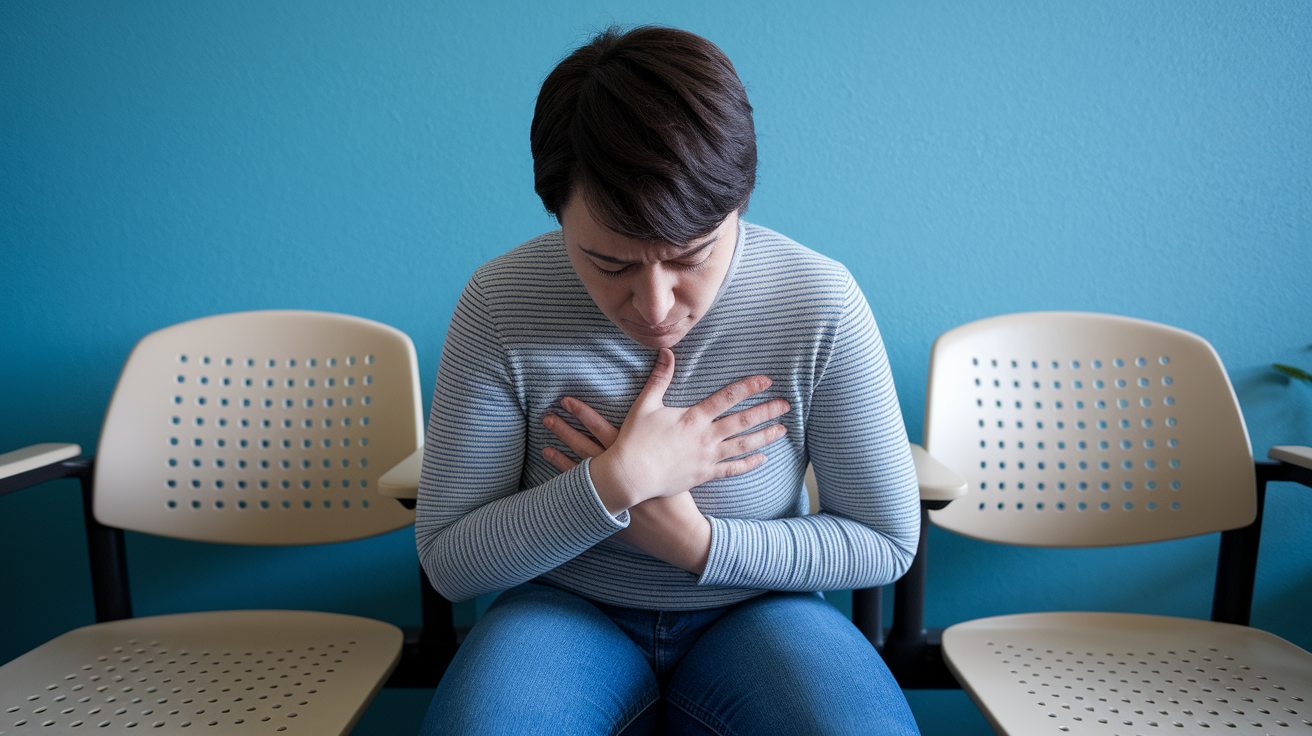
What if that sudden wave of terror isn’t just stress but the start of an anxiety disorder?
Sudden-onset anxiety often hits within minutes and brings a pounding heart, shortness of breath, dizziness, and the sense that you’re losing control.
This can feel terrifying, but knowing the typical symptoms and how diagnosis works gives you clear next steps.
Here you’ll get practical signs to watch, simple things to try now, what to track for a clinician, and when to seek urgent care.
Short version: learn the pattern, reduce panic’s power, and know when to get help.
Understanding Sudden-Onset Anxiety and Key Symptoms
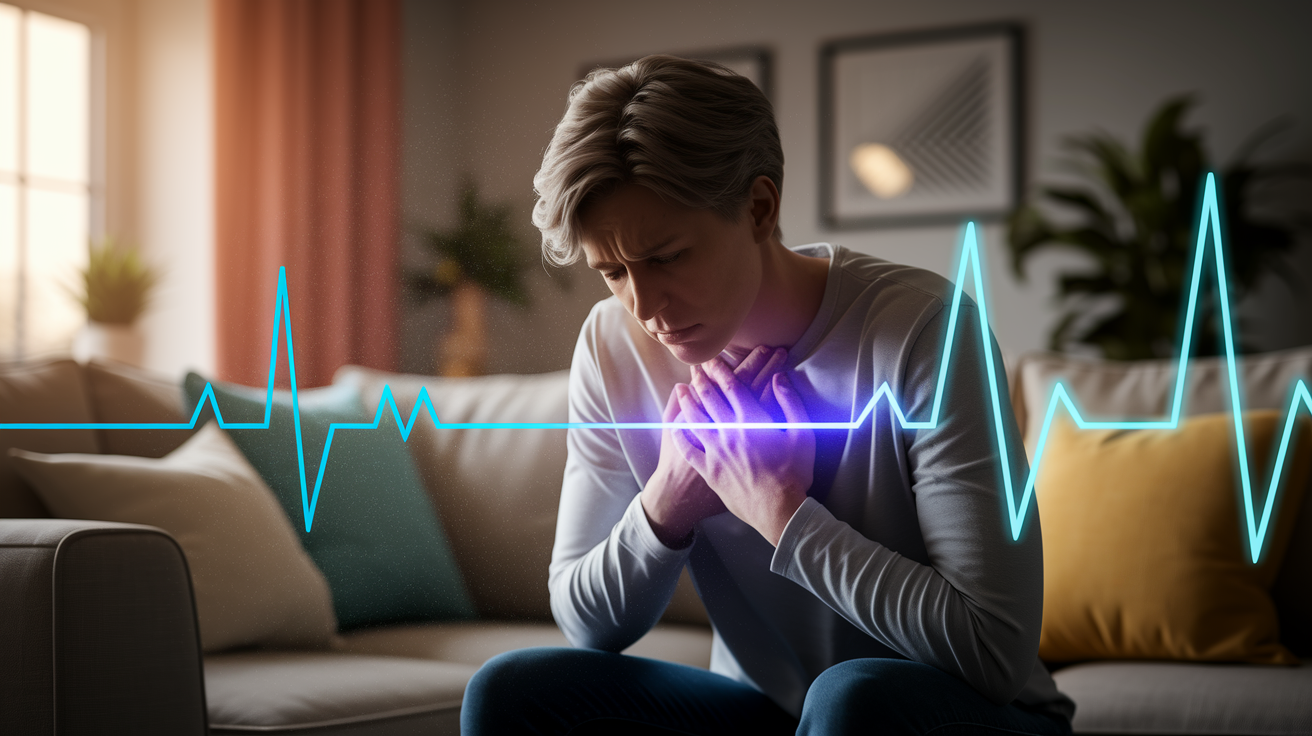
Sudden-onset anxiety is when intense fear or discomfort slams into you fast, usually within minutes, and catches you completely off guard. It’s not the slow buildup of everyday stress. This one hits hard and brings physical sensations that can feel genuinely scary. The experience looks a lot like what clinicians call a panic attack, but it might also be the start of an anxiety disorder, especially if these episodes keep happening or you start worrying constantly about when the next one’s coming.
Your body’s stress response goes into overdrive during sudden-onset anxiety. It dumps adrenaline and other stress hormones into your system to prep you for danger, whether that danger’s real or imagined. This ancient survival wiring works great when you need to dodge a car. But when it fires without an obvious threat? You get flooded with uncomfortable symptoms that can feel like something’s seriously wrong with your heart, lungs, or nervous system. People often say it feels like they’re losing control, going crazy, or about to die, even though the episode itself isn’t medically dangerous.
Recognizing the pattern helps. Sudden-onset anxiety usually peaks around 10 minutes in and lasts anywhere from 5 to 20 minutes, though some effects can hang around afterward. Here’s what people typically experience:
- Racing or pounding heart – like your heart’s trying to beat out of your chest
- Shortness of breath or rapid breathing – you can’t seem to get enough air
- Chest tightness or pain – pressure or discomfort that can look a lot like heart trouble
- Dizziness or lightheadedness – feeling unsteady, faint, or disconnected from everything around you
- Trembling, shaking, or muscle tension – hands, legs, sometimes your whole body
- Nausea or churning stomach – a “knot” feeling, queasiness, upset stomach
- Numbness, tingling, or “pins and needles” – often in your hands, feet, or face
Diagnostic Criteria and How Sudden-Onset Anxiety Is Evaluated

Clinicians don’t diagnose anxiety disorders from one symptom or one rough day. They rely on structured interviews, detailed symptom histories, and criteria from the DSM-5 (the standard manual for mental health conditions). If sudden-onset anxiety episodes are happening a lot, they’re unpredictable, or they’re making you constantly worried about future attacks, the clinician might evaluate for panic disorder. If you’ve got persistent, lower-grade anxiety most days for months, they may look at generalized anxiety disorder. The process always starts with documenting what you feel, when it happens, how long it lasts, and what it’s doing to your daily life.
Before confirming an anxiety disorder, healthcare providers rule out medical conditions that look like sudden anxiety. Thyroid problems, heart arrhythmias, asthma, low blood sugar, certain medications, even too much caffeine can all produce symptoms that feel like a panic attack. That’s why a thorough evaluation often includes basic lab work, a medication review, and sometimes an EKG or other tests depending on your symptoms and health history.
Once medical causes are excluded, the clinician builds a clearer picture by asking about triggers, family history, substance use, past trauma, and whether symptoms are messing with work, relationships, or sleep. They might use screening questionnaires to measure symptom severity and check for overlapping conditions like depression or PTSD. The goal is understanding the full pattern, not just the scariest moments.
Here are the typical steps in a diagnostic evaluation:
- Symptom history and timeline – detailed discussion of when episodes started, how often they happen, duration, intensity
- Physical examination – checking heart rate, blood pressure, breathing patterns, general health markers
- Laboratory tests – blood work to check thyroid function, blood sugar, electrolytes, sometimes cardiac markers
- Medication and substance review – looking at prescription drugs, over-the-counter supplements, caffeine, nicotine, alcohol, recreational substances
- Differential diagnosis and psychological assessment – distinguishing panic disorder from other anxiety disorders, medical conditions, or trauma-related conditions
Common Triggers and Underlying Causes

Sudden-onset anxiety can be triggered by identifiable stressors or seemingly pop up out of nowhere. Common external triggers include high-pressure situations like exams, work deadlines, conflict, public speaking, or crowded spaces. Life changes (moving, starting a new job, relationship struggles, financial pressure, caregiving demands) can lower your threshold and make episodes more likely. Trauma reminders, even subtle ones, can flip the switch on your body’s alarm system without you consciously realizing it.
Internal triggers matter just as much. Sleep deprivation, skipping meals, dehydration, hormonal shifts (especially the week before a period or during perimenopause), excessive caffeine intake, nicotine use, and certain medications or withdrawal from substances can all prime your nervous system for a sudden anxiety spike. A 2022 meta-analysis in General Hospital Psychiatry found that large daily caffeine intake can actually induce panic attacks and anxiety in susceptible people. In some cases, especially with panic disorder, episodes show up during calm moments (even during sleep) with no obvious trigger at all. That’s one reason they feel so confusing and frightening.
When Sudden-Onset Anxiety Indicates a More Serious Condition

Isolated anxiety episodes happen to lots of people and don’t always mean you have a disorder. But when sudden-onset anxiety keeps coming back, happens without clear triggers, or creates constant worry about the next attack, it might point to panic disorder. If episodes come with persistent, uncontrollable worry about everyday concerns lasting months, generalized anxiety disorder becomes a possibility. Red flags include severe chest pain that doesn’t ease, fainting or near-fainting, difficulty breathing that gets worse, or symptoms so intense they stop you from working, driving, or leaving the house.
Sudden-onset anxiety can also look like or coexist with serious medical conditions. Heart arrhythmias, pulmonary embolism, hyperthyroidism, and blood sugar crashes can all show up with rapid-onset fear, chest discomfort, and breathing trouble. If you experience new or worsening symptoms (especially sudden severe chest pain, loss of consciousness, confusion, or thoughts of self-harm) seek emergency care. Early evaluation matters, both to rule out urgent medical causes and to get access to effective treatment before anxiety starts narrowing your life.
Evidence-Based Treatment Approaches

Sudden-onset anxiety and panic disorder respond well to a combination of therapeutic, medical, and lifestyle interventions. Cognitive behavioral therapy (CBT) is the most researched and effective psychotherapy for panic and anxiety disorders. CBT helps you identify and change thought patterns that fuel anxiety, challenge catastrophic beliefs about symptoms, and gradually face feared situations in a controlled way. Many people see measurable improvement within weeks to a few months of structured therapy. Exposure therapy, part of CBT, reduces the fear-of-fear cycle by teaching your nervous system that the physical sensations of anxiety are uncomfortable but not dangerous.
Medications are often used alongside therapy or when symptoms are severe. Antidepressants, particularly SSRIs, are commonly prescribed and can be just as effective for anxiety as they are for depression, though they usually take several weeks to show benefit. Benzodiazepines work fast (within minutes) and can provide acute relief during a panic attack, but they carry a risk of dependence. Clinicians usually limit prescriptions and recommend as-needed use rather than daily dosing. Beta-blockers like propranolol reduce physical symptoms such as rapid heart rate and sweating but have less effect on the psychological parts of anxiety.
Here are the main treatment categories:
- Cognitive behavioral therapy (CBT) – structured sessions to change anxious thinking and avoidance behaviors
- Antidepressants (SSRIs or SNRIs) – typically taken daily, benefits build over weeks
- Benzodiazepines – fast-acting for acute episodes, used cautiously due to dependence risk
- Breathing and relaxation techniques – slow, paced breathing, progressive muscle relaxation, grounding exercises to calm the nervous system
- Lifestyle modifications – regular exercise, balanced meals, reduced caffeine, improved sleep hygiene, social support
Final Words
You now know what sudden-onset anxiety can feel like: chest tightness, dizziness, shortness of breath, trembling, and a racing heart. These symptoms tend to come on fast and peak within minutes.
We also covered how clinicians evaluate symptoms, common triggers, red flags that need prompt care, and evidence-based treatments like therapy, meds, breathing, and lifestyle changes.
Track timing, severity, and what helps you feel better so you can share clear notes with your clinician, which makes sudden-onset anxiety disorder symptoms diagnosis easier. You don’t have to face it alone. Small steps and the right care often bring real relief.
FAQ
Q: Why did I get anxiety disorder out of nowhere?
A: Getting an anxiety disorder out of nowhere can happen because sudden stress, sleep loss, stimulants, hormones, medication, or an underlying medical issue can trigger symptoms; sometimes no clear cause appears. Track patterns and seek help if it persists.
Q: How is GAD officially diagnosed?
A: Generalized anxiety disorder is diagnosed when excessive, hard-to-control worry occurs most days for at least six months, plus several symptoms (restlessness, fatigue, poor concentration, irritability, muscle tension, sleep issues) and causes life interference.
Q: What anxiety disorder has the earliest onset?
A: The anxiety disorders with the earliest onset are separation anxiety and specific phobias, which often start in childhood; social anxiety typically appears in early teens, while panic disorder usually begins later in adolescence or adulthood.
Q: What does sudden onset anxiety feel like?
A: Sudden-onset anxiety feels like a rapid surge of fear with heart racing, chest tightness, shortness of breath, dizziness, trembling, nausea, and a sense of losing control or detachment; symptoms often peak within minutes.
Comments are closed