
You might think tightening your muscles is the last thing to do before bed.
But progressive muscle relaxation, a simple routine of tensing then letting go, can quiet your body’s grip and the mind’s worry.
It slows the heart, deepens the out-breath, and nudges your nervous system toward rest.
In this post I’ll explain why PMR often helps insomnia, how a 10–20 minute practice can shorten time to sleep, what to try tonight, and when it’s worth checking in with a clinician.
How PMR Reduces Tension and Improves Sleep Onset

Progressive muscle relaxation breaks the cycle of physical tension that keeps your body stuck in wakefulness. When you tense and release each muscle group, you’re not just stretching. You’re triggering a real physiological shift. Your heart rate drops. Blood pressure comes down. Your nervous system moves out of fight-or-flight mode and into something calmer, more parasympathetic. This is the relaxation response, and it works against the physical markers of stress that block sleep: tight shoulders, clenched jaw, fast pulse, shallow breathing.
PMR helps insomnia by reducing pre-sleep arousal, that state where your body and mind are too revved up to let go. Focusing on the tension and release cycle lowers cortisol and adrenaline levels. Intentionally releasing tension improves circulation and tells your brain it’s safe to rest. A lot of people find they fall asleep faster once the body stops gripping onto defensive tension.
The mental shift matters just as much. Insomnia often brings racing thoughts, worry loops, mental chatter that keeps you awake even when you’re exhausted. When you practice PMR, your attention moves from those worries to the sensations in your body: the tightness in your fists, the release in your calves, the warmth spreading through your arms. This redirection quiets the mental noise and makes space for sleep to arrive on its own.
Research-Based PMR Outcomes for People With Insomnia

Clinical studies show that progressive muscle relaxation produces real improvements in sleep quality and how quickly you fall asleep. Trials with people experiencing chronic insomnia have documented reductions in sleep onset time, often by 15 to 30 minutes per night after consistent practice. Sleep diaries and actigraphy data confirm these changes: PMR leads to faster transitions from wakefulness to sleep and higher overall sleep satisfaction.
Research also points to changes deeper in the sleep cycle itself. PMR may increase the amount of time spent in slow-wave sleep, the restorative stage where physical repair and immune function happen. Studies involving people with chronic disease and elite athletes have found improvements in sleep efficiency, meaning more of the time in bed is actually spent asleep rather than tossing or worrying. The physiological relaxation response during PMR sessions follows a linear pattern. The longer and more consistently you practice, the stronger the calming effect becomes.
Documented outcomes from PMR practice for insomnia include:
- Decreased sleep latency (time to fall asleep)
- Improved sleep efficiency (percentage of time in bed actually asleep)
- Increases in slow-wave, restorative sleep
- Reduced number of nighttime awakenings
- Improved subjective sense of restfulness upon waking
- Better morning alertness and daytime energy
Step-by-Step PMR Technique for Better Sleep
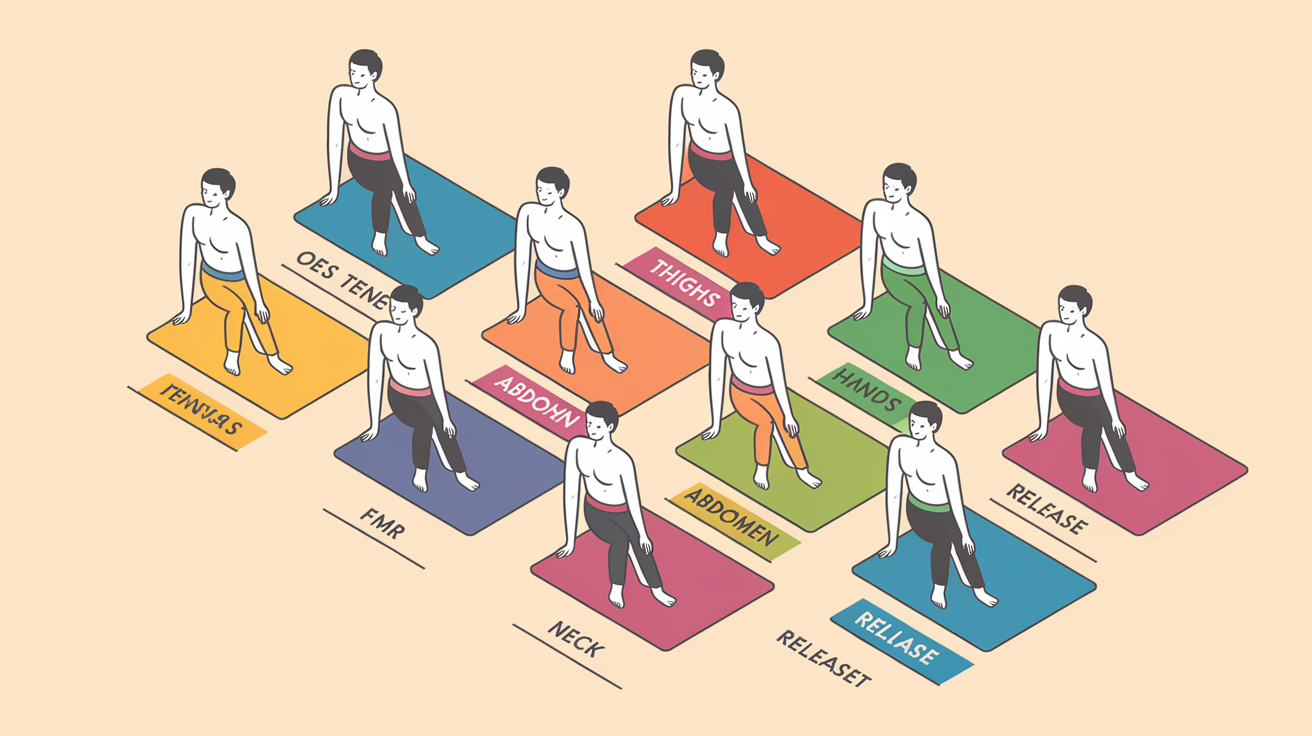
A full progressive muscle relaxation session for sleep takes 10 to 20 minutes and can be done lying in bed or sitting in a comfortable chair. The goal is to move through your body in a deliberate sequence, tensing and releasing each muscle group while keeping your breathing slow and steady.
- Find a quiet, dimly lit space where you won’t be interrupted. Lie on your back or sit with your feet flat on the floor.
- Close your eyes and take three slow, full breaths. In through your nose, out through your mouth.
- Start with your feet. Curl your toes tightly, hold for 5 to 10 seconds, then release completely and notice the difference.
- Move to your calves and lower legs. Flex your feet toward your shins, tense the muscles, hold, then let go.
- Tense your thighs and hips by squeezing your legs together or pressing them into the surface beneath you. Hold, then release.
- Tighten your abdomen as if bracing for impact. Hold the tension, then let your belly soften completely.
- Tense your hands by making tight fists. Hold, then open your fingers and feel the warmth spread through your palms.
- Flex your arms by bending at the elbows and tightening your biceps. Hold, then let your arms fall heavy and loose.
- Lift your shoulders toward your ears and squeeze. Hold the tension in your shoulders and neck, then drop them down and feel the release.
- Finish with your face. Scrunch your forehead, squeeze your eyes shut, clench your jaw. Hold for a few seconds, then let every muscle in your face go slack.
After you’ve worked through all the muscle groups, take a slow mental scan from your toes to the top of your head. Notice any spots that still feel tight and repeat the tension and release cycle there if needed.
Using Breathing Cues to Improve Sleep Through PMR
The rhythm of your breath anchors the entire progressive muscle relaxation process and deepens the relaxation response. Inhale slowly and fully through your nose as you tense each muscle group, letting the breath fill your lungs and create a sense of gathering energy. Then, as you release the tension, exhale slowly and completely, imagining the stress leaving your body with the outbreath. This pairing of breath and movement trains your nervous system to associate the exhale with letting go, which is exactly the state you need to fall asleep.
Muscle Group Order and Tension and Release Timing in PMR for Insomnia
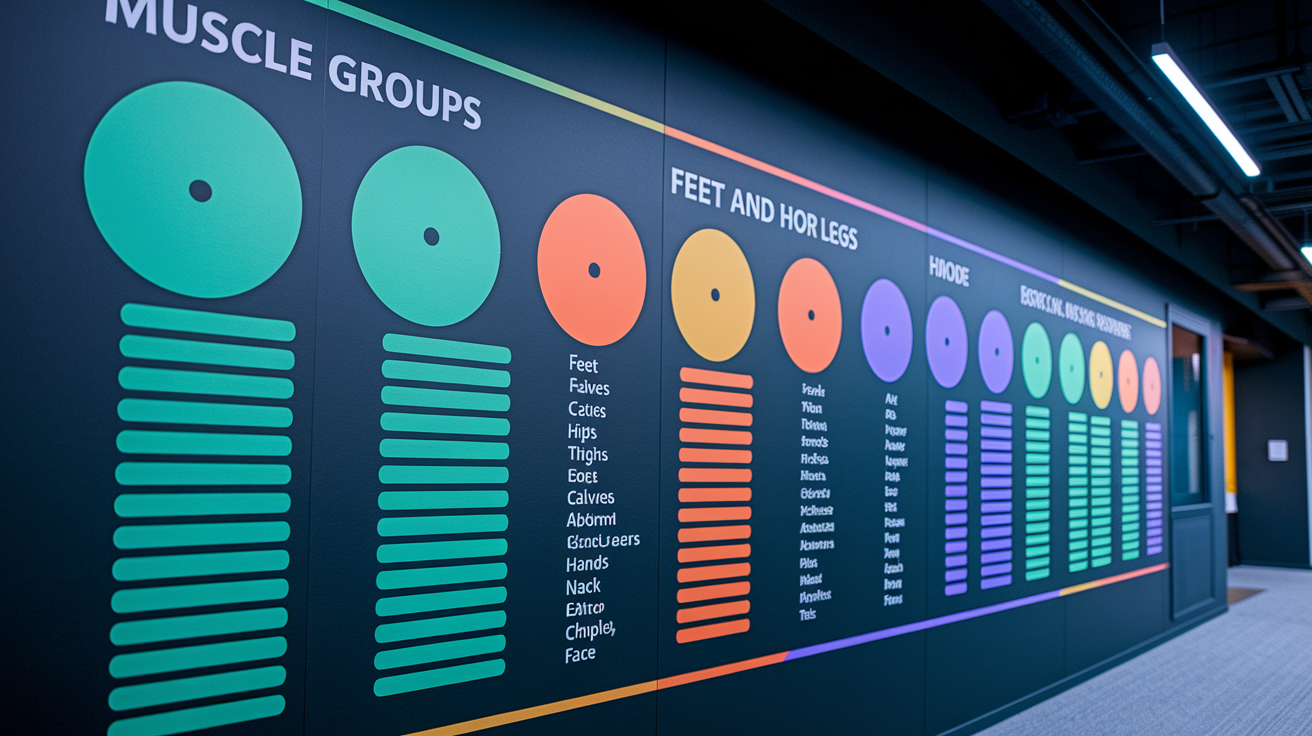
Most progressive muscle relaxation scripts follow a feet-to-head or head-to-toe sequence. Starting at your feet and working upward is common because it mirrors the way tension often accumulates in the body: lower back, shoulders, neck, jaw. The key is to work through each area systematically without skipping or rushing. If a particular muscle group feels especially tight or stubborn, repeat the tense, hold, and release cycle two or three times in that area before moving on.
The standard hold time for each muscle group is 5 to 10 seconds of tension, followed by at least 15 to 20 seconds of noticing the release. That rest period is where the learning happens. You’re training your body to recognize what relaxation actually feels like compared to tension.
| Muscle Group | Typical Hold Time |
|---|---|
| Feet and toes | 5–10 seconds |
| Calves and lower legs | 5–10 seconds |
| Thighs and hips | 5–10 seconds |
| Abdomen and lower back | 5–10 seconds |
| Hands and forearms | 5–10 seconds |
| Upper arms and shoulders | 5–10 seconds |
| Neck, jaw, and face | 5–10 seconds |
PMR Practice Timing and Frequency for Insomnia Improvement
For best results with insomnia, practice progressive muscle relaxation at the same time each night as part of your wind-down routine. Most people find that doing a 10 to 20 minute session about 30 minutes before bed works well. This gives your body time to settle into the relaxation state before you actually try to sleep, and it creates a predictable signal that rest is coming.
Immediate relief is common. Many people notice a sense of physical calm and mental quiet after just one session. But the real improvements in sleep onset and sleep quality build over time with consistent practice. Doing PMR nightly, or at least five nights a week, helps retrain your nervous system to release tension more easily and fall asleep faster. If nightly bedtime practice feels like too much, you can also use shorter PMR sessions during the day, during a lunch break or after a stressful meeting, to keep overall tension levels lower, which makes it easier to relax at night.
Troubleshooting Common PMR Challenges That Affect Sleep
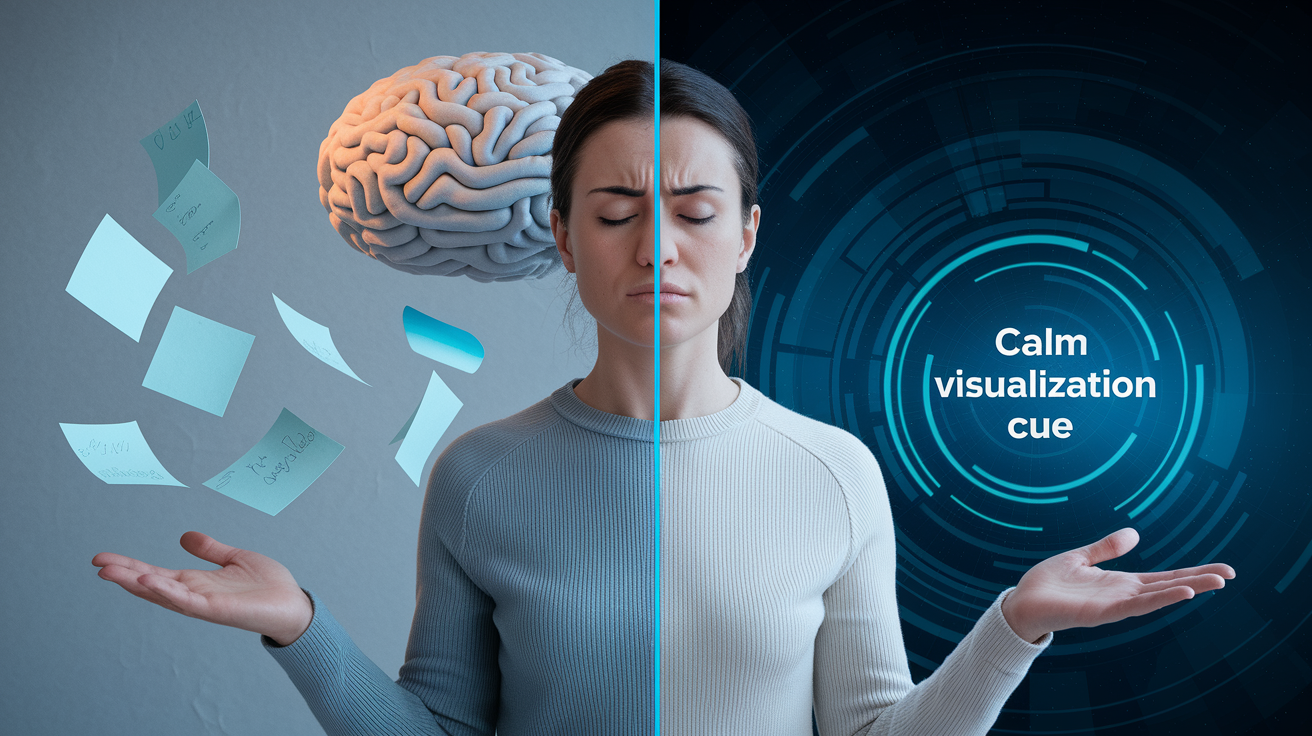
It’s normal to run into a few bumps when you start using progressive muscle relaxation for insomnia. The technique is simple, but it takes a little practice to make it feel natural and effective.
Wandering mind during PMR: If your thoughts keep drifting to your to-do list or worries, gently guide your attention back to the muscle group you’re working on. Focus on the physical sensations: tightness, warmth, heaviness. Using a guided PMR recording can help keep you on track.
Impatience or frustration when relaxation doesn’t happen right away: Relaxation is a skill, not a switch. It’s okay if the first few sessions feel awkward or don’t produce deep calm. Consistency builds the response. Stick with it for at least a week before deciding it’s not working.
Lingering tension in certain areas even after releasing: Some muscle groups hold chronic tension: shoulders, jaw, lower back. If you still feel tightness after one cycle, repeat the tense, hold, and release pattern two or three more times in that spot. You can also hold the tension a bit longer, up to 10 seconds, to create a stronger contrast with the release.
Difficulty knowing if you’re doing it “right”: There’s no perfect way. If you’re alternating tension and release and paying attention to the difference, you’re doing it right. The goal is awareness and gradual softening, not performance.
Falling asleep before finishing the full sequence: That’s actually a good sign. It means your body is relaxing enough to let go into sleep. If it happens regularly, consider doing PMR already in bed so you can simply stay there when sleep arrives.
Special Considerations: PMR for Different Types of Insomnia

Progressive muscle relaxation helps both chronic insomnia and shorter-term sleep disruptions, but the way you use it may vary. For chronic insomnia, especially when it’s tied to long-standing anxiety or stress, PMR works best as a nightly practice over weeks and months. The goal is to build a new default response where your body knows how to release tension rather than hold it. For acute insomnia, triggered by a specific stressor, travel, schedule change, or illness, PMR can offer faster relief because the nervous system hasn’t yet locked into a rigid pattern of sleeplessness.
Older adults, teens, and shift workers each face unique sleep challenges, but PMR adapts well to all three groups. Older adults may need to skip or modify muscle groups affected by arthritis, injury, or chronic pain. Tense gently or simply focus on the breath and mental imagery of release. Teens and college students often benefit from shorter, 5 to 10 minute PMR sessions that fit into packed schedules and address performance anxiety or social stress. Shift workers can use PMR to help the body wind down during unconventional sleep windows, signaling rest even when it’s daylight outside.
For people dealing with PTSD-related insomnia, PMR can be helpful but may need to be introduced carefully. The focus on bodily sensations can sometimes trigger hypervigilance or flashbacks. Starting with very short sessions, keeping eyes open if that feels safer, and working with a trauma-informed therapist to adapt the technique can make PMR a useful tool rather than an overwhelming one. The U.S. Department of Veterans Affairs recommends PMR as part of a broader sleep-improvement plan for veterans, often combined with cognitive strategies and environmental adjustments.
Integrating PMR into a Full Sleep Hygiene Routine
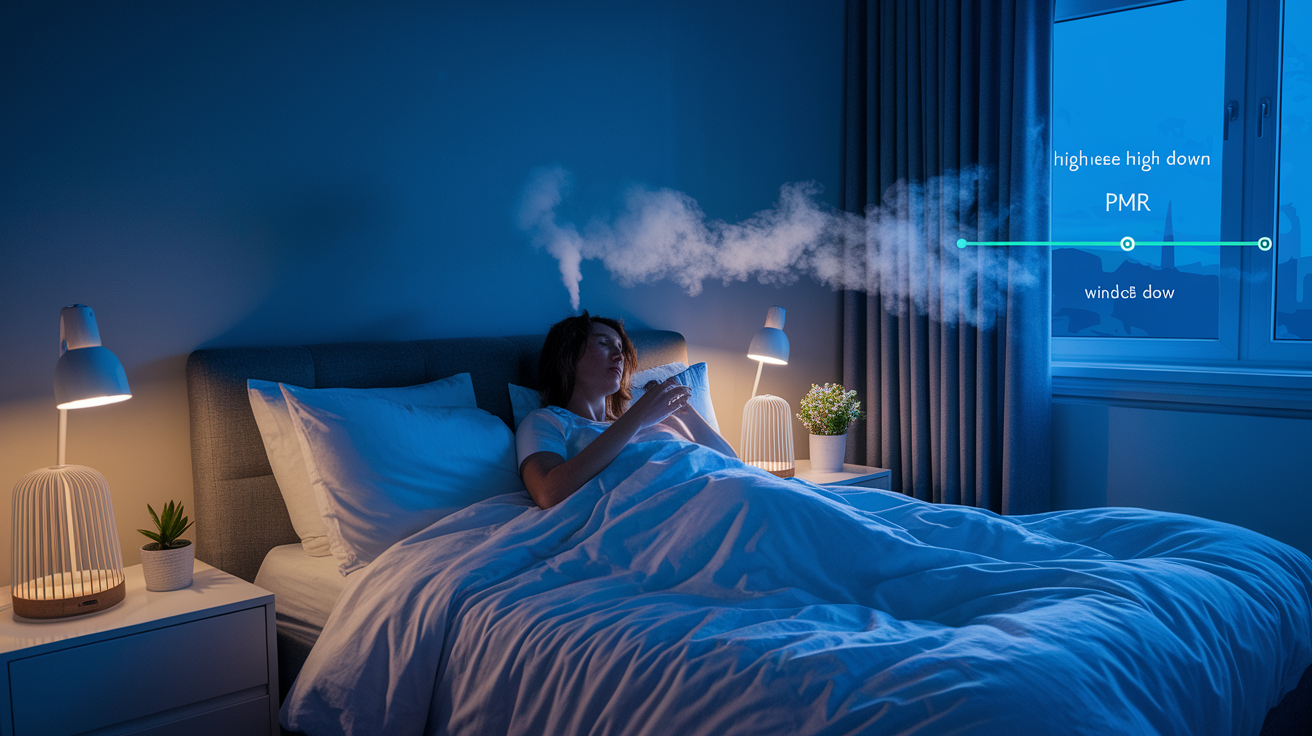
Progressive muscle relaxation works best when it’s part of a consistent, multi-layered approach to sleep. Think of PMR as one strong pillar in a structure that also includes a regular sleep schedule, a cool and dark bedroom, limited screen time before bed, and mindful eating and caffeine habits. When you pair PMR with other calming practices, like a few minutes of slow breathing, a warm shower, or gentle stretching, you create a powerful wind-down ritual that signals to your entire system that it’s time to rest.
Ways to integrate PMR into your nightly routine:
- Do a 10 minute PMR session right after dimming the lights and turning off screens, then move directly into bed.
- Combine PMR with aromatherapy by diffusing lavender or chamomile in your bedroom while you practice.
- Pair PMR with a short body-scan meditation or a few minutes of diaphragmatic breathing to deepen the relaxation response.
- Use a guided PMR recording through a sleep app so you don’t have to think about the sequence and can simply follow along.
- Track your sleep onset time and quality in a simple journal to notice patterns and improvements over time, which helps reinforce the practice.
Final Words
Start practicing PMR: it reduces muscle tension, slows your heart rate, and downshifts the nervous system. This post showed the tension then release steps, the evidence for shorter sleep latency, timing and muscle order, and ways to troubleshoot if your mind wanders.
Make it practical: try 10-20 minutes at bedtime, track what changes, and fold PMR into your bedtime routine. Keep practicing, and you may notice for yourself how progressive muscle relaxation helps insomnia.
FAQ
Q: Can progressive muscle relaxation help you sleep? / Does PMR work for sleep?
A: Progressive muscle relaxation can help sleep. By tensing then releasing muscle groups, it lowers heart rate, eases physical tension, and shifts attention away from worries—often shortening time to fall asleep with practice.
Q: What is the 15 minute rule for insomniacs?
A: The 15 minute rule tells insomniacs to leave bed after about 15 minutes awake, do a quiet low-stim activity, then return only when sleepy to rebuild the bed-sleep connection.
Q: Can muscle relaxers help insomnia?
A: Muscle relaxers may help sleep if muscle pain or spasms are keeping you awake, but they’re not a first-line insomnia treatment; discuss benefits, side effects, and safer options with your clinician.
Comments are closed