Think it’s just stress?
If your body suddenly moves from wired to wiped out, don’t assume it’s only a bad week.
Sudden hormone changes can cause night sweats, quick weight shifts, mood swings, irregular periods, trouble sleeping, acne, and low sex drive, often several at once.
You’re not imagining it.
This post lays out the common signs to watch for, easy first steps to try, simple things to track for your clinician, and clear red flags that mean you should get checked.
Key Symptoms of Sudden Hormone Changes
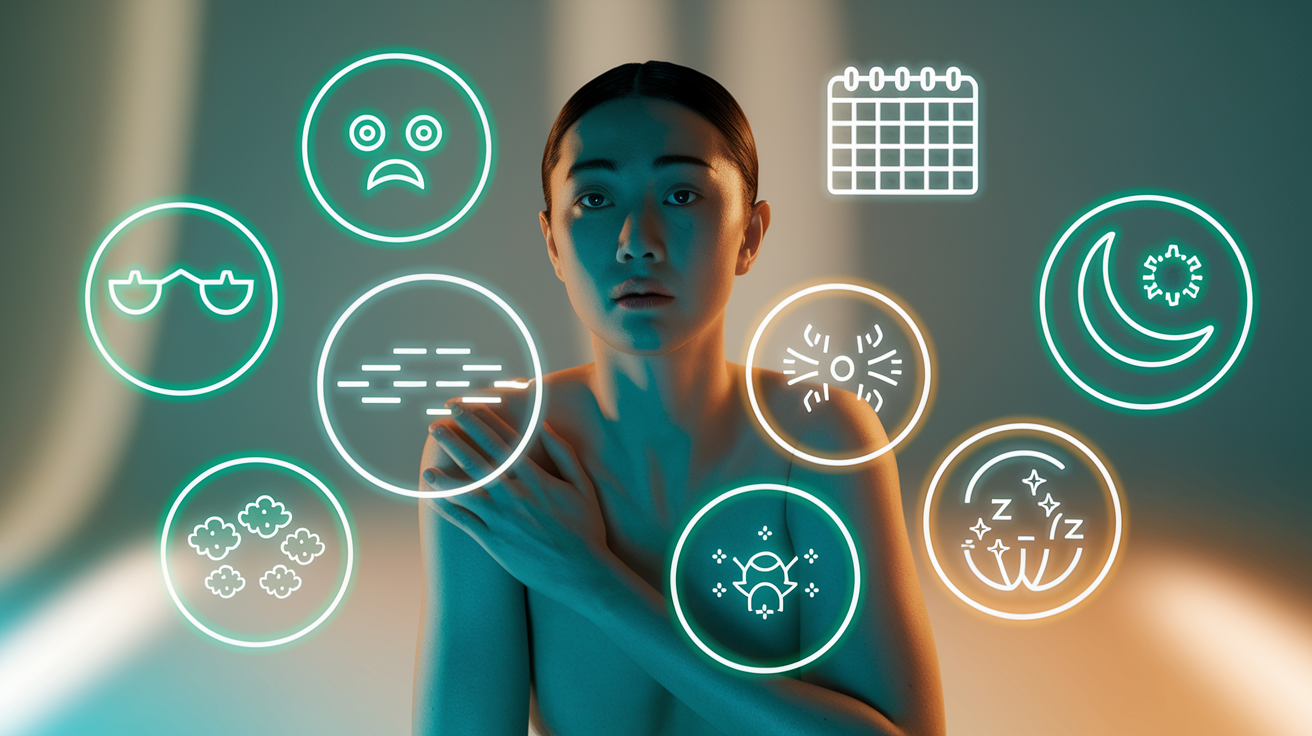
Sudden hormone shifts usually show up as a bunch of physical and emotional changes that hit faster than your normal ups and downs. Instead of gradual changes over months, you might see multiple symptoms land within a week or two. That’s what makes sudden hormone changes feel different from regular stress or a bad week.
When hormones drop or spike quickly, your body reacts across several systems. You might wake up with night sweats, feel irritable by mid-morning, and notice your skin breaking out by evening. All new, all at once. These overlapping changes usually point to something hormonal instead of one isolated thing.
The most common symptoms include:
- Quick, unexplained weight changes (gain or loss) happening over days to weeks
- Mood swings, irritability, or persistent anxiety that’s not tied to anything specific
- Irregular periods (skipped cycles, bleeding between periods, sudden heavy flow)
- Persistent fatigue that doesn’t get better with rest
- Sleep problems (trouble falling asleep, staying asleep, or waking up drenched in sweat)
- Adult acne or sudden skin dryness outside your normal pattern
- Changes in sex drive, vaginal dryness, or painful sex that appear out of nowhere
Not everyone gets all of these at once. You might notice just two or three. But if they show up suddenly and stick around for more than a few days, they often share a hormonal root. Tracking when they started and how bad they feel helps you tell the difference between normal fluctuation and something worth checking out.
How Symptoms Differ by Age and Life Stage

Hormone shifts look different depending on where you are in life. Teenagers in puberty deal with rapid swings in estrogen, progesterone, and testosterone. That means acne flares, mood swings, irregular cycles, and serious fatigue. For teens, these changes are expected but can still feel overwhelming when they pile up during exam weeks or sports seasons.
Adults in their reproductive years might notice sudden symptoms after starting or stopping hormonal birth control, during pregnancy, or postpartum. Pregnancy brings massive surges in estrogen and progesterone, then a sharp drop after delivery. That can trigger mood changes, hair loss, and exhaustion. People using hormonal contraceptives sometimes see rapid mood shifts, breakthrough bleeding, or libido changes when switching types or stopping completely. Stress, illness, and extreme weight changes can also trigger sudden disruptions during these years.
People approaching perimenopause (typically in their forties) often get the most unpredictable sudden symptoms. Estrogen and progesterone levels start to swing wildly before settling into menopause. Hot flashes, night sweats, brain fog, heavy bleeding, and severe mood swings can appear and disappear without warning. For those in their fifties and beyond, menopause brings a final drop in reproductive hormones. Symptoms like vaginal dryness, bone density changes, and low libido become more persistent. Men going through age-related testosterone decline (andropause) might notice fatigue, reduced muscle mass, mood changes, and lower sex drive, though these shifts tend to happen more gradually than the swings seen in perimenopause.
Underlying Triggers of Sudden Hormonal Fluctuations

Sudden hormone changes don’t just appear. They have triggers, and knowing the common ones helps you figure out what’s going on. Chronic or acute stress is one of the most frequent causes. When your body senses ongoing pressure, it releases more cortisol, which can mess with estrogen, progesterone, and thyroid hormones. A stressful job change, family crisis, or major life event can tip things quickly.
Thyroid disorders (especially hyperthyroidism and hypothyroidism) often cause rapid symptom onset. Your thyroid controls metabolism, energy, and body temperature, so even a small shift can trigger fatigue, weight changes, temperature sensitivity, and mood problems. Polycystic ovary syndrome (PCOS) is another common endocrine condition behind sudden symptoms, particularly irregular periods, adult acne, excess hair growth, and trouble managing weight due to elevated androgens and insulin resistance.
Medication changes also play a big role. Starting, stopping, or adjusting doses of hormonal birth control, antidepressants, steroids, or cancer treatments can all create abrupt hormone shifts. Pregnancy and postpartum recovery bring some of the most dramatic hormone swings the body can go through. That’s why new parents often deal with mood changes, hair loss, and fatigue in the weeks after delivery. Lifestyle factors like extreme calorie restriction, overtraining, rapid weight loss, or significant weight gain can also disrupt the signals between your brain and endocrine glands. This leads to sudden menstrual changes, low libido, and energy crashes.
Indicators That Symptoms Are Becoming Severe
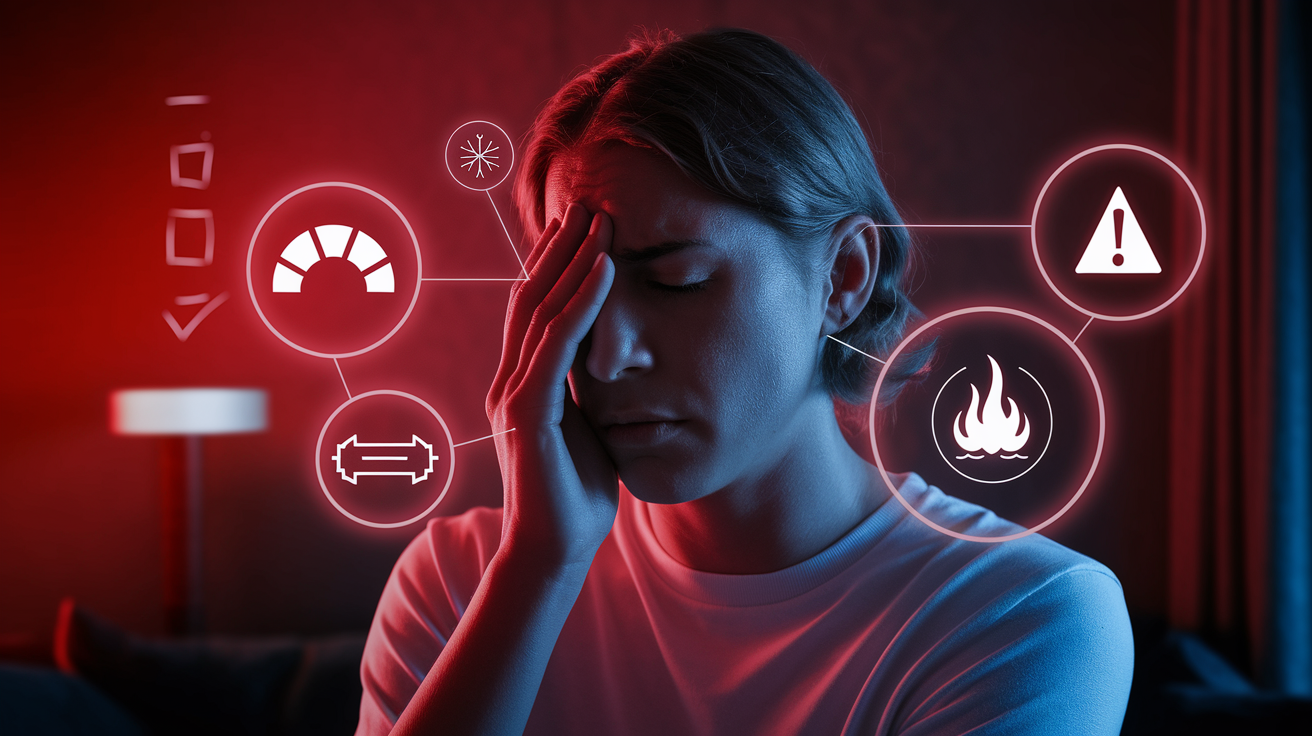
Some hormone-related symptoms cross a line from uncomfortable to concerning. When changes start messing with your ability to work, sleep, or take care of yourself, that’s a sign the imbalance is moving beyond mild. Severe fatigue that doesn’t improve with rest, dramatic weight loss or gain over a short period (like ten pounds in a few weeks without trying), and persistent depression or anxiety that makes daily tasks feel impossible all point to a hormonal issue that needs attention.
Physical symptoms can also get worse in ways that signal something more urgent. Sudden, severe hot flashes that wake you multiple times every night. Menstrual bleeding heavy enough to soak through protection in an hour. Fainting or dizziness. Severe headaches that don’t respond to usual pain relief. All red flags. When symptoms pile up or worsen quickly, your body’s usually telling you that the hormonal disruption is significant and shouldn’t be handled alone.
Watch for these escalation signs:
- Severe mood instability affecting relationships, work, or safety
- Persistent absence of menstrual periods for several months (when you’re not pregnant or in menopause)
- Sudden vision changes, severe headaches, or confusion
- Rapid, unintentional weight changes (more than 5 to 10% of body weight in a short time)
If you recognize two or more of these patterns, it’s time to move from tracking to getting care. Severe symptoms often mean the underlying cause (whether thyroid disease, PCOS, adrenal dysfunction, or something else) needs targeted medical treatment.
When to Seek Medical Care for Sudden Hormone Symptoms

You don’t need to wait until symptoms are unbearable to get help. If sudden hormone changes stick around for more than two weeks, don’t improve with basic self-care (better sleep, stress reduction, hydration), or start interfering with daily life, it makes sense to schedule an appointment. Bring a short list of what you’ve noticed: timing, frequency, severity. Include any patterns you’ve tracked, like symptoms that get worse at certain times of your cycle or after specific triggers.
Your primary care provider or a gynecologist can start the evaluation with a focused history and basic labs. Common tests include thyroid-stimulating hormone (TSH), estradiol, follicle-stimulating hormone (FSH), luteinizing hormone (LH), testosterone, and prolactin. If initial results point to an endocrine disorder like thyroid disease, PCOS, or adrenal dysfunction, you may be referred to an endocrinologist for more specialized care. Early evaluation often catches imbalances before they lead to complications like infertility, bone loss, or cardiovascular risk. Reaching out sooner rather than later can make treatment simpler and more effective.
Final Words
If you’re noticing sudden mood swings, sleep problems, hot flashes, or appetite shifts, this post named the common signs, showed how they vary by life stage, covered common triggers, and flagged when symptoms can be serious.
Try simple steps: track timing and severity, improve sleep and hydration, cut back on caffeine, and note what helps. If symptoms persist or worsen, see your clinician for basic labs.
A short symptom log helps you spot patterns and gives your clinician useful info. Addressing symptoms of sudden hormone changes often leads to clearer next steps and relief.
FAQ
Q: Why are my hormones changing all of a sudden?
A: Your hormones may be changing all of a sudden because of stress, poor sleep, medication or birth control shifts, pregnancy or postpartum changes, thyroid or adrenal issues, weight changes, or life-stage transitions like puberty or perimenopause.
Q: What do hormone surges feel like?
A: Hormone surges feel like sudden mood swings, hot flashes, heart racing, fatigue, headaches, breast tenderness, bloating, skin breakouts, appetite or libido shifts, and trouble sleeping.
Q: What are the 11 signs your hormones are out of whack?
A: The 11 signs your hormones are out of whack are mood swings, sudden weight change, irregular periods, extreme fatigue, sleep problems, acne, hot flashes, low libido, brain fog, hair changes, and digestive ups and downs.
Q: What does a sudden surge of estrogen feel like?
A: A sudden surge of estrogen feels like breast tenderness, bloating, heavy or irregular bleeding, mood swings, headaches or migraine triggers, water retention, and sometimes nausea or pelvic cramping.
Comments are closed