
What if the daily stress at work is quietly rewiring your hormones?
Stress doesn’t just live in your head.
It flips on the HPA axis (the brain-to-adrenal stress circuit) and pushes cortisol up and out of rhythm.
When that circuit stays on, cortisol flattens its normal day-night swing and pulls your thyroid, sex hormones, and blood sugar out of balance.
This article explains how that happens, common signs to watch for, easy low-risk steps to try now, and when to check in with a clinician.
How Stress Triggers Hormone Disruption Through the HPA Axis
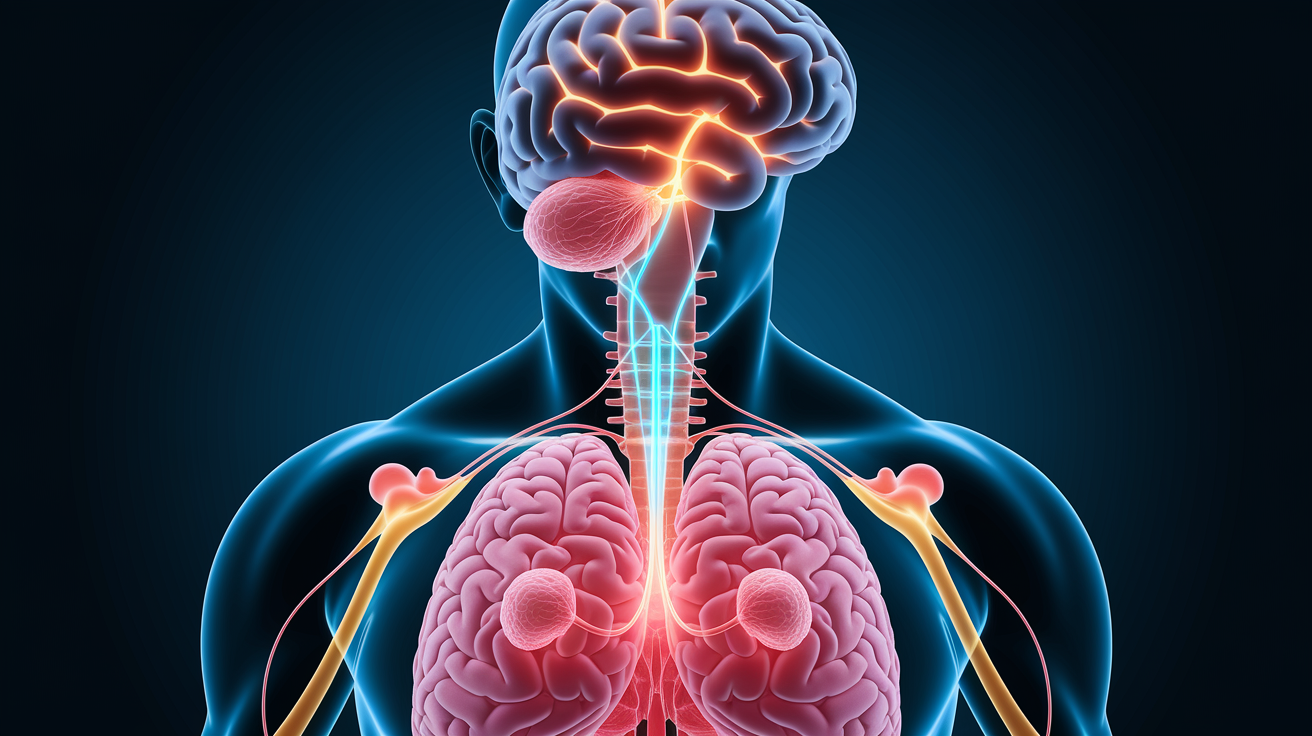
When you’re stressed, your body doesn’t just register it mentally. It kicks off a physical sequence.
The hypothalamus, sitting at the base of your brain, acts as command center. It senses worry, pressure, or threat and releases CRH (corticotropin-releasing hormone). That starts the chain reaction.
CRH moves to your pituitary gland, which then releases ACTH (adrenocorticotropic hormone) into your bloodstream. ACTH tells your adrenal glands (sitting on top of your kidneys) to pump out cortisol. During acute stress, cortisol rises fast, usually peaking around 20 to 30 minutes after the stressor hits. This is normal. Your heart rate climbs, glucose floods your bloodstream for quick energy, digestion slows. Once the stressor passes, cortisol drops back down, typically within an hour or two. That’s the HPA axis doing its job under acute stress.
Chronic stress is different. When stressors don’t let up (work pressure, money worries, relationship conflict, poor sleep, ongoing health concerns), the HPA axis stays switched on. You don’t get a clean spike and recovery. Instead, you see irregular cortisol patterns: flattened morning peaks, elevated nighttime levels, erratic surges throughout the day.
Chronic overactivation rewires your cortisol rhythm. Normally, cortisol follows a diurnal rhythm. It peaks early morning, around 6:00 to 8:00 AM, helping you wake up. Then it gradually declines through the day, hitting its lowest point near midnight. Weeks or months of stress flatten this curve. Cortisol stays higher at night when it should be low, or the morning rise gets blunted when you need it most. This irregular pattern doesn’t just mess with your energy. It sets off a cascade of hormonal disruptions downstream, interfering with your thyroid, reproductive system, metabolism, and more.
Diagram reference: A labeled flow diagram in this section shows the pathway: Hypothalamus (releases CRH) → Pituitary Gland (releases ACTH) → Adrenal Glands (release cortisol). Timing annotations mark the acute spike at 20 to 30 minutes and the diurnal peak at 06:00 to 08:00.
Cortisol’s Downstream Effects on Thyroid, Reproductive, and Metabolic Hormones

High cortisol doesn’t operate alone. It directly interferes with other hormone systems, starting with your thyroid.
Your thyroid gland produces T4 (thyroxine), which is mostly inactive until your body converts it to T3 (triiodothyronine), the active form. Cortisol blocks that conversion. At the same time, chronic stress can suppress TSH (thyroid-stimulating hormone), the signal from your pituitary that tells your thyroid to work. The result? A “low T3” pattern: normal or even normal-low TSH, normal T4, but low free T3. You feel tired, cold, sluggish, and foggy even though standard thyroid tests might look fine. This pattern confuses a lot of people and delays diagnosis.
Cortisol also suppresses your reproductive hormone axis. It reduces GnRH (gonadotropin-releasing hormone) pulses from the hypothalamus, which lowers LH (luteinizing hormone) and FSH (follicle-stimulating hormone) from the pituitary. Lower LH and FSH mean reduced estrogen and progesterone in women, and lower testosterone in men. In the second half of the menstrual cycle (the luteal phase), progesterone typically rises to prepare the uterine lining. When cortisol stays elevated, progesterone production drops, creating relative estrogen dominance. This imbalance disrupts mood (progesterone has natural calming effects), destabilizes the uterine lining, and can interfere with implantation and fertility.
On the metabolic side, cortisol tells your liver to produce more glucose through gluconeogenesis. It also makes your cells less responsive to insulin, pushing you toward insulin resistance. Over time, fasting glucose creeps up, and fat storage shifts toward your abdomen.
Specific hormonal disruptions caused by elevated cortisol:
- TSH suppression: Chronic stress lowers thyroid-stimulating hormone, reducing overall thyroid activity.
- Reduced T3 conversion: Cortisol blocks the enzyme that converts inactive T4 into active T3, even when T4 levels are normal.
- Estrogen and progesterone imbalance: Suppressed GnRH and LH lead to lower progesterone in the luteal phase, creating relative estrogen dominance.
- Testosterone changes: Men may see drops in free testosterone, women may experience changes in androgen ratios, affecting libido and energy.
- Insulin resistance: Cortisol antagonizes insulin action and promotes visceral fat accumulation, raising fasting glucose over time.
Common Symptoms of Stress-Induced Hormonal Imbalance

Hormonal shifts don’t announce themselves with a single, clear signal. They show up as a cluster of vague, overlapping symptoms that are easy to dismiss as “just stress” or “getting older.” But when stress disrupts your cortisol rhythm and pushes other hormones out of balance, your body sends real, measurable signals.
Physical symptoms often appear first. You might notice weight gain, especially around your midsection, even if your diet hasn’t changed. Fatigue becomes persistent. Not the tired-after-a-workout kind, but a heavy, unshakable exhaustion that doesn’t improve with rest. If you menstruate, your cycles may shift: longer, shorter, heavier, lighter, or skipped altogether. You might feel colder than usual, notice constipation, or see changes in your skin and hair. These are classic signs that your thyroid or metabolic hormones are struggling under cortisol’s influence.
Mood and behavior changes follow close behind. Sleep becomes fragmented. You might fall asleep easily but wake at 3:00 or 4:00 AM, mind racing, unable to settle back down. That’s often a cortisol spike at the wrong time. Irritability sharpens. Small frustrations feel massive. PMS symptoms intensify (more bloating, more mood swings, more pain). Libido drops, sometimes disappearing altogether. Brain fog makes it hard to focus or remember details. All of these reflect disrupted communication between your HPA axis, your thyroid, your reproductive system, and the parts of your brain that regulate mood and cognition.
Scientific Evidence Linking Stress to Hormone Irregularities

The connection between stress and hormonal disruption isn’t anecdotal. Decades of peer-reviewed research confirm that chronic stress produces measurable changes in cortisol patterns, thyroid function, reproductive hormones, and metabolic markers. Studies using salivary cortisol testing, blood draws, and urine metabolite analysis have shown that people under prolonged stress develop flattened diurnal cortisol rhythms, with higher-than-normal nighttime cortisol and blunted morning peaks. These irregular patterns correlate directly with symptoms like fatigue, cycle irregularities, and mood disturbances.
Biomarker studies make the mechanisms visible. Researchers have documented suppressed TSH and reduced T3 levels in individuals experiencing chronic work stress, even when T4 remains normal. Reproductive studies show that women under sustained stress have lower LH pulse frequency, reduced luteal-phase progesterone, and higher rates of anovulation (cycles without ovulation). Metabolic research links elevated cortisol to rising fasting glucose, increased waist circumference, and worsening insulin sensitivity. These aren’t subtle shifts. They’re quantifiable changes that appear in lab tests and clinical exams.
Four research-supported findings:
- Flattened diurnal cortisol rhythm: Chronic stress disrupts the normal morning peak and nighttime dip, keeping cortisol elevated when it should be low.
- Suppressed thyroid axis: Prolonged cortisol exposure lowers TSH responsiveness and reduces peripheral conversion of T4 to T3, producing low-T3 patterns with normal TSH and T4.
- Reproductive hormone suppression: Elevated cortisol reduces GnRH pulses, leading to lower LH, FSH, estrogen, and progesterone, which causes menstrual irregularities and ovulatory dysfunction.
- Insulin resistance progression: Sustained high cortisol stimulates gluconeogenesis and antagonizes insulin action, raising fasting glucose and promoting visceral fat storage.
Diagrammatic Breakdown of Stress-Hormone Pathways
Complex biological pathways make more sense when you can see them. Diagrams help you follow how one hormone triggers the next, where the breakdowns happen, and why certain symptoms appear together. In this article, three diagrams map the stress-hormone connection from initial trigger to downstream effects.
Three diagrams included in this article:
- HPA axis flow diagram: Shows the step-by-step sequence from perceived stress → hypothalamus (CRH release) → pituitary (ACTH release) → adrenal glands (cortisol release). Timing annotations mark the acute cortisol peak at 20 to 30 minutes after a stressor and the normal diurnal peak at 06:00 to 08:00 AM.
- Cortisol effects on thyroid, reproductive, and metabolic hormones: A branching diagram illustrating how elevated cortisol suppresses TSH, blocks T4-to-T3 conversion, reduces GnRH/LH/FSH signaling (lowering estrogen, progesterone, and testosterone), stimulates hepatic gluconeogenesis, and promotes insulin resistance and visceral fat accumulation.
- Feedback loop impairment diagram: Shows how chronic stress prevents the normal negative feedback that should turn off cortisol production, leading to sustained HPA activation and irregular hormone rhythms that perpetuate symptoms even after the original stressor resolves.
Evidence-Based Techniques to Reduce Stress and Stabilize Hormones

Lowering stress isn’t about eliminating all pressure from your life. It’s about giving your HPA axis a chance to reset and your other hormone systems room to recover. Research shows that consistent, targeted lifestyle interventions can regulate cortisol patterns, improve thyroid and reproductive hormone levels, and restore metabolic balance. These aren’t quick fixes, but they produce measurable results when practiced regularly over weeks to months.
Small, daily habits create the foundation. Sleep is non-negotiable. Aim for 7 to 9 hours per night, with consistent bed and wake times. Sleep deprivation raises cortisol as soon as the next evening and flattens your ability to recover from stress. Physical activity helps, but the type matters. When stress is high, intense cardio can spike cortisol further. Swap hard workouts for gentler movement: yoga, tai chi, walking, or light stretching. These activate your parasympathetic nervous system and support cortisol recovery.
Nutrition plays a direct role. Eat regular, balanced meals with protein, healthy fats, and low-glycemic carbohydrates to stabilize blood sugar and prevent cortisol-driven glucose spikes. Anti-inflammatory foods (leafy greens, oily fish, nuts, seeds, extra-virgin olive oil) support overall hormone production. Key micronutrients include vitamin D, magnesium, zinc, selenium, iodine, and B vitamins.
Six evidence-based stress-reduction techniques:
- Sleep hygiene: 7 to 9 hours nightly, consistent schedule, dark room, no screens 1 hour before bed, morning natural light exposure to regulate circadian rhythm.
- Mindfulness practice: 10 to 20 minutes daily of meditation, breathwork, or body-scan exercises. Structured 8-week programs show measurable reductions in cortisol and stress biomarkers.
- Nutrition adjustments: Anti-inflammatory Mediterranean-style diet with lean proteins, healthy fats (avocado, nuts, oily fish), whole grains, legumes, and colorful vegetables. Reduce refined sugar and processed carbohydrates to manage insulin.
- Gentle exercise: Replace high-intensity cardio with yoga, tai chi, walking, or light resistance training 5 days per week to lower cortisol without triggering additional stress responses.
- Breathwork and parasympathetic activation: Practice longer exhales (e.g., 4-count inhale, 6-count exhale) for 5 to 10 minutes to shift your nervous system out of fight-or-flight mode.
- Reduce stimulants: Limit caffeine, especially after noon, and avoid energy drinks. Chronic stimulant use keeps your HPA axis in overdrive and prevents cortisol recovery.
Final Words
We traced how stress sets off the HPA axis — hypothalamus to pituitary to adrenals — and how chronic activation skews cortisol rhythms.
Then we covered cortisol’s downstream effects on thyroid, reproductive, and metabolic hormones, common symptoms people notice, and the studies and diagrams that make the pathway clear.
If you’re wondering how stress causes irregular hormone shifts, remember: ongoing HPA activation disrupts cortisol timing, which can ripple through other hormones. Try small, steady steps—sleep, breathwork, gentle movement, fewer stimulants—and track changes. Many people see improvement.
FAQ
Q: Can stress cause hormonal shifts?
A: Stress can cause hormonal shifts by activating the HPA axis, raising cortisol, and disrupting thyroid, reproductive, and metabolic hormones; these changes often improve with stress reduction and consistent lifestyle steps.
Q: What herbs are good for hormonal imbalance?
A: Herbs that may help hormonal imbalance include chasteberry (cycle support), ashwagandha (stress and cortisol), maca (energy and libido), and black cohosh (menopause); evidence is limited, so check with your clinician first.
Q: Can too much progesterone cause brain fog?
A: Too much progesterone can cause brain fog, fatigue, and memory slowness for some people; hormonal supplements, pregnancy, or ovarian changes may raise levels—ask a clinician and track timing and associated symptoms.
Q: What fruits are good for hormonal imbalance?
A: Fruits that support hormonal balance include berries (antioxidants), citrus (vitamin C), apples (fiber), and avocado (healthy fats); eat them with protein or healthy fat to keep blood sugar steady.
Comments are closed