
Think eight hours in bed should mean you wake up refreshed?
But you keep rolling over feeling like you never slept.
You’re not imagining it.
Waking tired despite a full night often means your sleep is getting chopped up without you knowing, or a body problem is stealing energy while you rest.
This post explains common medical causes, from breathing pauses to hormone or iron issues, everyday habits that weaken sleep, simple tests and low-risk steps you can try now, and the signs that mean it’s time to see a clinician.
Why You Still Feel Exhausted Despite Sleeping: Quick Answer
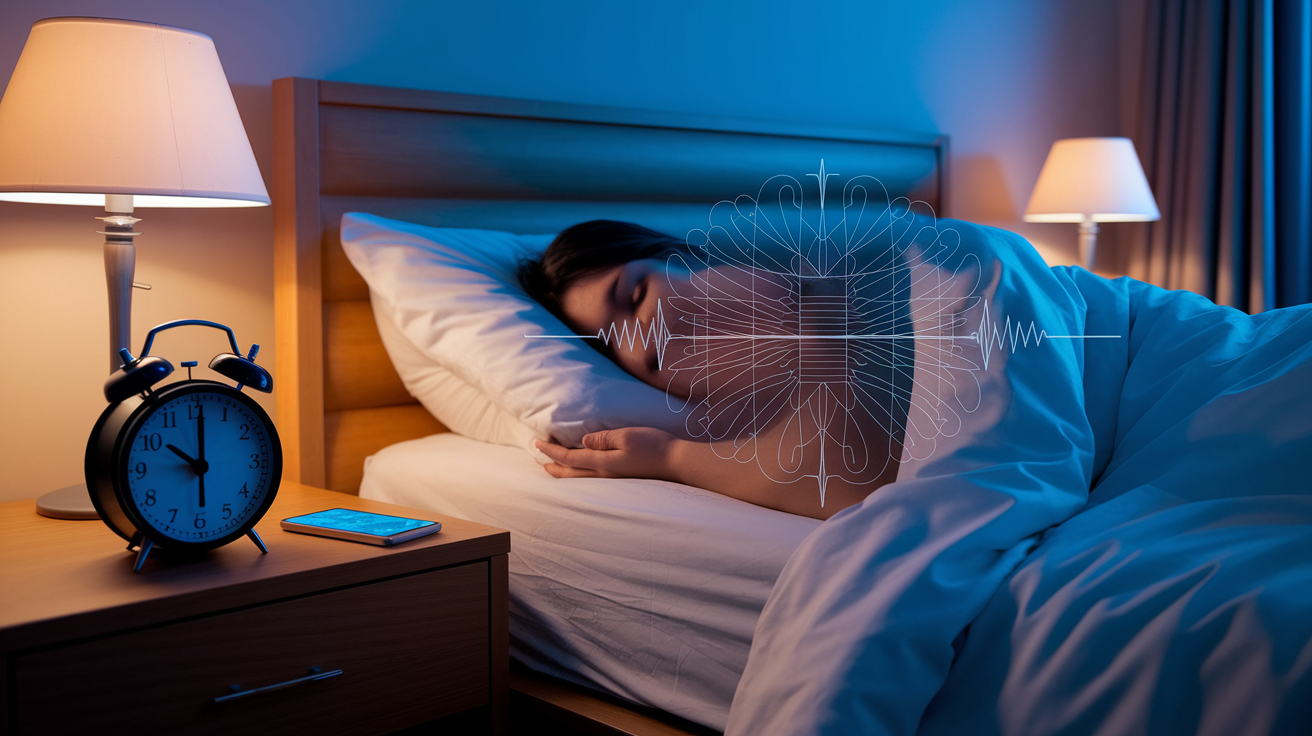
Waking up tired after 8 hours in bed usually means your sleep’s getting interrupted in ways you don’t notice, or something in your body isn’t working efficiently enough to restore energy overnight. Total hours matter, but so do uninterrupted cycles through deep and REM stages. When those get fragmented or cut short, you miss the restorative work your body needs.
The problem could be physical, medical, or both. Some causes stay hidden until you look for them. Breathing problems at night that wake you dozens of times without conscious awareness. Subtle hormonal shifts that drain baseline energy. Other causes show up in daily patterns, like caffeine timing or stress keeping your nervous system too activated to settle into deep rest.
Common reasons:
Obstructive sleep apnea. Repeated breathing pauses and oxygen drops fragment sleep and prevent deep-stage restoration.
Thyroid dysfunction. An underactive thyroid slows metabolism and can make every cell feel sluggish.
Iron or ferritin deficiency. Low iron stores reduce oxygen delivery and can trigger restless leg movements that disrupt sleep.
Vitamin B12 deficiency. Low B12 impairs energy production at a cellular level and can affect nerve and brain function.
Depression or anxiety. Both alter sleep architecture, reduce REM quality, and can cause early-morning awakenings or hypersomnia.
Chronic fatigue syndrome (CFS/ME). Profound, persistent exhaustion with post-exertional malaise and unrefreshing sleep lasting six months or longer.
Circadian rhythm disruption. Misaligned body-clock timing means you’re trying to sleep at the wrong phase, so rest feels shallow.
Start by keeping a two-week sleep diary. Track your bedtime, wake time, how you feel in the morning, and any patterns around meals, caffeine, stress, or nighttime awakenings. Notice if symptoms cluster after certain activities, foods, or during specific times in your menstrual cycle. That tracking creates useful information for a medical evaluation and helps you spot whether this is situational fatigue or something more persistent.
If you’ve been waking up exhausted for more than a few weeks despite good sleep hygiene, or if you snore loudly or gasp at night, it’s worth getting checked.
Identifying Whether Your Fatigue Is Temporary or Chronic

Temporary fatigue usually has a clear trigger. Travel across time zones, a week of late nights finishing a project, a cold that disrupted sleep, or an unusually stressful period. It improves within a few days to two weeks once you catch up on rest and return to your normal routine. You can still function, even if you need extra coffee or an earlier bedtime for a while.
Chronic fatigue persists for months, often six months or longer, and doesn’t improve with more sleep or a few good nights. It may worsen over time or fluctuate in intensity but never fully resolves.
Daily tasks that used to feel easy start requiring conscious effort or recovery time. Commuting, focusing through a meeting, grocery shopping. You might notice memory problems, difficulty finding words, or a sense that your brain’s running through fog.
Physical symptoms can accompany chronic fatigue. Muscle aches, joint pain without swelling, sore throat, tender lymph nodes, headaches that feel different from your usual pattern, or dizziness when you stand. If you also experience post-exertional malaise (where physical or mental activity leaves you feeling worse for 24 hours or more) that points toward a more serious underlying condition rather than simple sleep debt.
Signs your fatigue may be chronic:
Exhaustion lasting longer than three months despite adequate sleep hours and good sleep hygiene.
Waking up feeling just as tired as when you went to bed. Consistently.
Cognitive symptoms like trouble concentrating, memory lapses, or slow processing.
Physical activity (even light tasks) makes you feel worse the next day rather than energized.
Symptoms interfere with work, social life, or daily responsibilities in a measurable way.
Medical Conditions That Can Cause Morning Fatigue
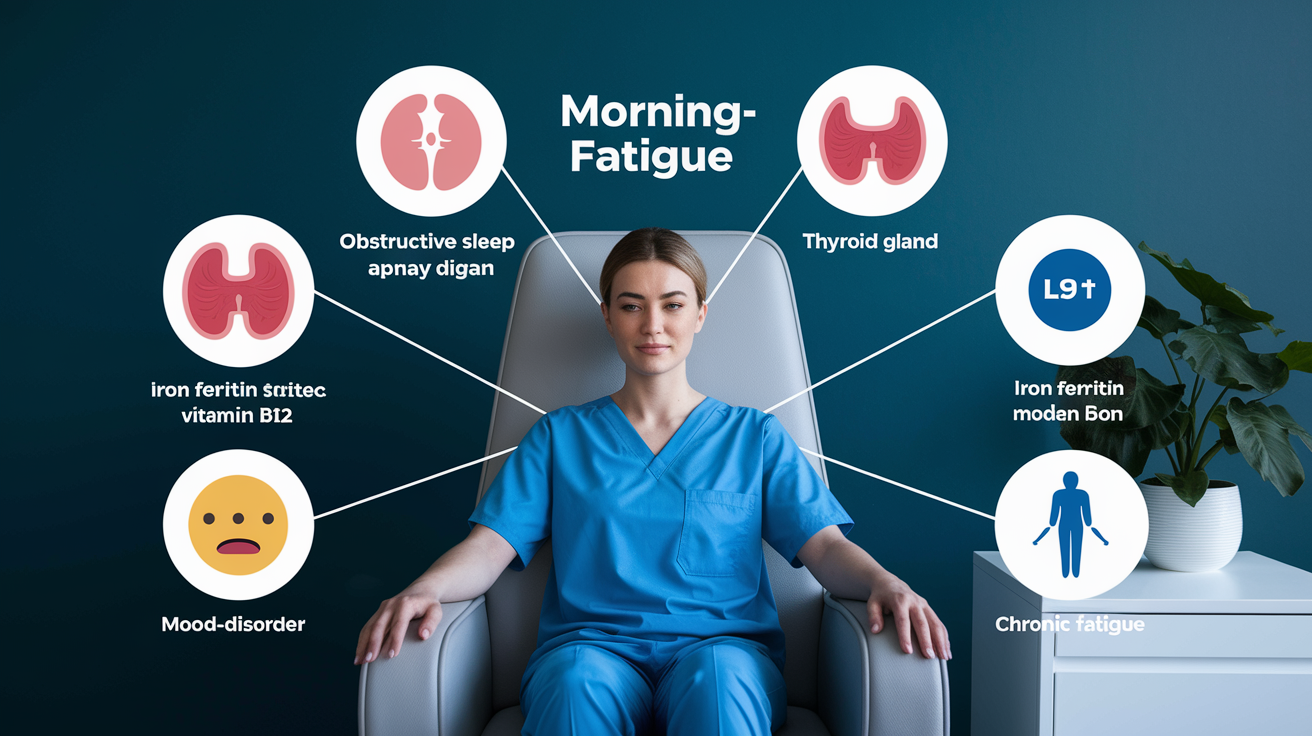
Several medical conditions disrupt the restorative processes that should happen during sleep, leaving you exhausted no matter how long you stay in bed. Some interfere with breathing or oxygen levels. Others alter hormone balance, nutrient transport, or the brain’s ability to cycle through sleep stages properly. Identifying the specific cause often requires targeted testing, but recognizing the patterns can point you and your doctor in the right direction.
Sleep Apnea
Obstructive sleep apnea happens when the airway collapses repeatedly during sleep, cutting off airflow and causing brief awakenings. Often dozens or hundreds of times per night. Awakenings you don’t consciously remember. Your oxygen level drops with each event, and your brain has to rouse you just enough to restart breathing. You never reach sustained deep sleep or REM, so you wake up feeling like you didn’t sleep at all.
Common signs include loud snoring, gasping or choking sounds at night, morning headaches, and severe daytime sleepiness.
Thyroid Imbalance
Hypothyroidism (an underactive thyroid gland) slows your metabolism and reduces the energy available to every cell in your body. Symptoms include feeling cold all the time, unexplained weight gain, constipation, dry skin, and profound fatigue that doesn’t improve with rest. Even mild thyroid dysfunction can interfere with sleep quality and leave you feeling drained in the morning. A simple blood test measuring TSH (thyroid-stimulating hormone) can detect it.
Iron or B12 Deficiency
Low iron or ferritin stores reduce your blood’s ability to carry oxygen, which means your muscles and brain don’t get the fuel they need to function efficiently. Symptoms include fatigue, pallor, shortness of breath with mild exertion, and sometimes restless leg sensations at night that fragment sleep.
Vitamin B12 deficiency causes similar exhaustion and can also produce neurological symptoms like tingling, memory problems, and balance issues. Both are diagnosed with blood tests and treated with supplementation or dietary changes.
Depression and Mood Disorders
Depression alters sleep architecture, often reducing REM sleep or causing early-morning awakenings and a long stretch of lying awake. Some people with depression sleep excessively but still wake up tired because the sleep quality is poor. Anxiety keeps the nervous system activated, making it hard to fall asleep or stay asleep, and increases muscle tension and heart rate during the night.
Both conditions are treatable and can dramatically improve energy once addressed.
Chronic Fatigue Syndrome (CFS)
Chronic fatigue syndrome, also called myalgic encephalomyelitis (ME/CFS), is a complex illness characterized by severe, persistent fatigue lasting at least six months that doesn’t improve with rest. A hallmark feature is post-exertional malaise. Physical or mental activity triggers a worsening of symptoms that can last days. Sleep is unrefreshing, cognitive function declines (often called “brain fog”), and many people experience orthostatic intolerance (dizziness or worsening symptoms when standing).
The cause isn’t fully understood, and diagnosis requires ruling out other medical conditions.
Lifestyle and Behavioral Factors That Reduce Sleep Quality

Even if you don’t have a diagnosed medical condition, daily habits and environmental factors can prevent your brain and body from completing the deep, restorative sleep cycles they need. These disruptions are often fixable once you identify the pattern, but they require consistency and sometimes uncomfortable changes to routines you’ve relied on for years.
Circadian rhythm misalignment is one of the most common issues. Your internal body clock expects sleep and wakefulness to happen at predictable times, controlled by light exposure, meal timing, and activity patterns. When you go to bed and wake at different times each day (sleeping in on weekends, working night shifts, or spending evenings in bright artificial light) your circadian system never settles into a stable rhythm. The result is shallow, fragmented sleep even when you’re in bed long enough.
Blue light from screens suppresses melatonin production, the hormone that signals your brain it’s time to sleep. Scrolling your phone or watching TV right up until bedtime keeps your brain in a more alert state and delays the onset of deep sleep.
Caffeine has a half-life of about five to six hours, meaning that afternoon coffee is still active in your system at bedtime, blocking adenosine receptors and preventing the natural sleep drive from building fully.
Common lifestyle disruptors:
Inconsistent sleep and wake times. Going to bed or waking up at different times each day prevents your circadian system from stabilizing.
Evening screen use and bright light exposure. Suppresses melatonin and keeps your brain in a wakeful state.
Caffeine after midday. Stays active for hours and blocks the neurochemical signals that help you fall into deep sleep.
Alcohol before bed. Fragments REM sleep and increases nighttime awakenings even though it may help you fall asleep initially.
Overtraining or intense evening exercise. Raises cortisol and core body temperature, making it harder to transition into rest mode.
Evidence‑Based Tests That Can Reveal the Root Cause

When fatigue persists despite reasonable sleep hygiene, targeted testing can identify underlying medical problems that aren’t obvious from symptoms alone. Your primary-care provider will usually start with a clinical history, a two-week sleep diary, and basic lab work to screen for the most common treatable causes. If initial tests are normal but symptoms continue, more specialized evaluation (like a sleep study or referral to a specialist) may be needed.
Blood tests can detect thyroid dysfunction, anemia, nutrient deficiencies, and metabolic problems. A sleep study measures brain waves, breathing patterns, oxygen levels, and body movements throughout the night to identify sleep-disordered breathing, periodic limb movements, or other disruptions you’re not aware of. Mental-health screening tools help identify depression or anxiety that may be interfering with sleep architecture.
| Test Name | What It Detects | When It’s Recommended |
|---|---|---|
| TSH (Thyroid-Stimulating Hormone) | Thyroid function; elevated TSH suggests hypothyroidism | Unexplained fatigue, weight gain, cold intolerance, or family history of thyroid disease |
| Complete Blood Count (CBC) and Ferritin | Anemia and iron stores; low hemoglobin or ferritin indicates deficiency | Fatigue with pallor, shortness of breath, restless legs, or heavy menstrual periods |
| Vitamin B12 and Vitamin D | B12 deficiency (neurological symptoms, fatigue); vitamin D insufficiency (muscle pain, low energy) | Persistent fatigue, cognitive fog, neuropathy, or limited sun exposure |
| Polysomnography (Sleep Study) | Sleep apnea, oxygen desaturations, periodic limb movements, sleep-stage disruption | Loud snoring, witnessed apneas, gasping at night, severe daytime sleepiness, or morning headaches |
| Depression and Anxiety Screening (PHQ-9, GAD-7) | Mood disorders that disrupt sleep architecture and daytime function | Low mood, anhedonia, excessive worry, early-morning awakenings, or hypersomnia |
When It’s Time to Seek Professional Evaluation

If you’ve been waking up exhausted for more than two to three weeks despite making reasonable changes to your sleep routine, it’s worth seeing your primary-care provider. Persistent fatigue that interferes with work, driving, or daily responsibilities isn’t something to wait out, especially if you notice other symptoms like snoring, morning headaches, mood changes, or unexplained weight shifts.
Some signs need more urgent attention. Loud snoring combined with gasping or choking sounds at night suggests obstructive sleep apnea, which increases the risk of high blood pressure, heart problems, and accidents from daytime sleepiness. Severe fatigue that makes it unsafe to drive or operate machinery requires immediate evaluation. Sudden onset of fatigue with chest pain, shortness of breath, or dizziness warrants emergency care to rule out cardiac or pulmonary problems.
Red flags that warrant prompt medical evaluation:
Fatigue lasting longer than four weeks with no clear cause or improvement from sleep-hygiene changes.
Loud, habitual snoring or witnessed breathing pauses during sleep.
Falling asleep unintentionally during the day. While driving, in meetings, or during conversations.
Morning headaches, especially if they improve as the day goes on.
Unexplained weight gain or loss, persistent low mood, or cognitive decline that’s getting worse.
Final Words
In the action, you learned common reasons sleep still feels unrefreshing: sleep apnea, thyroid or nutrient problems, mood disruption, circadian mismatch, and daily habits that fragment rest.
Try these now: track sleep timing, daytime symptoms, caffeine, and mood; keep a steady wake time; get morning light; cut screens an hour before bed.
If you’re still waking up tired despite 8 hours sleep chronic fatigue may be present. Small, steady changes plus a short symptom log make it easier to get help and feel better.
FAQ
Q: What mimics chronic fatigue syndrome?
A: Conditions that can mimic chronic fatigue syndrome include sleep apnea, hypothyroidism, iron or B12 deficiency, depression, autoimmune disease, Lyme or long COVID, and medication side effects.
Q: Can CFS go into remission?
A: Chronic fatigue syndrome can go into remission for some people; symptoms often wax and wane, with some achieving partial or full recovery while others have long-term fluctuating symptoms.
Q: What does CFS feel like?
A: Chronic fatigue syndrome feels like profound, disabling tiredness that doesn’t improve with sleep, often with post-exertional malaise (worsening after activity), brain fog, unrefreshing sleep, and muscle pain.
Q: What kind of doctor diagnoses chronic fatigue syndrome?
A: A primary care doctor usually starts the diagnosis for chronic fatigue syndrome, rules out other causes, and may refer you to specialists like infectious disease, rheumatology, neurology, or a fatigue clinic.
Comments are closed