
Ever wonder why a healthy meal leaves you bloated and uncomfortable?
It might be ingredients you never suspected—dairy, beans, carbonation, or sugar-free sweeteners.
This can feel confusing and worrying, but it’s common.
In this post we’ll point out surprising food triggers, explain how they cause bloating or indigestion, and give easy swaps, simple cooking tips, and tracking prompts so you can test what works for you.
You’ll also find clear red flags and what to bring to a doctor if symptoms persist.
The Most Common Food Triggers Behind Bloating and Indigestion
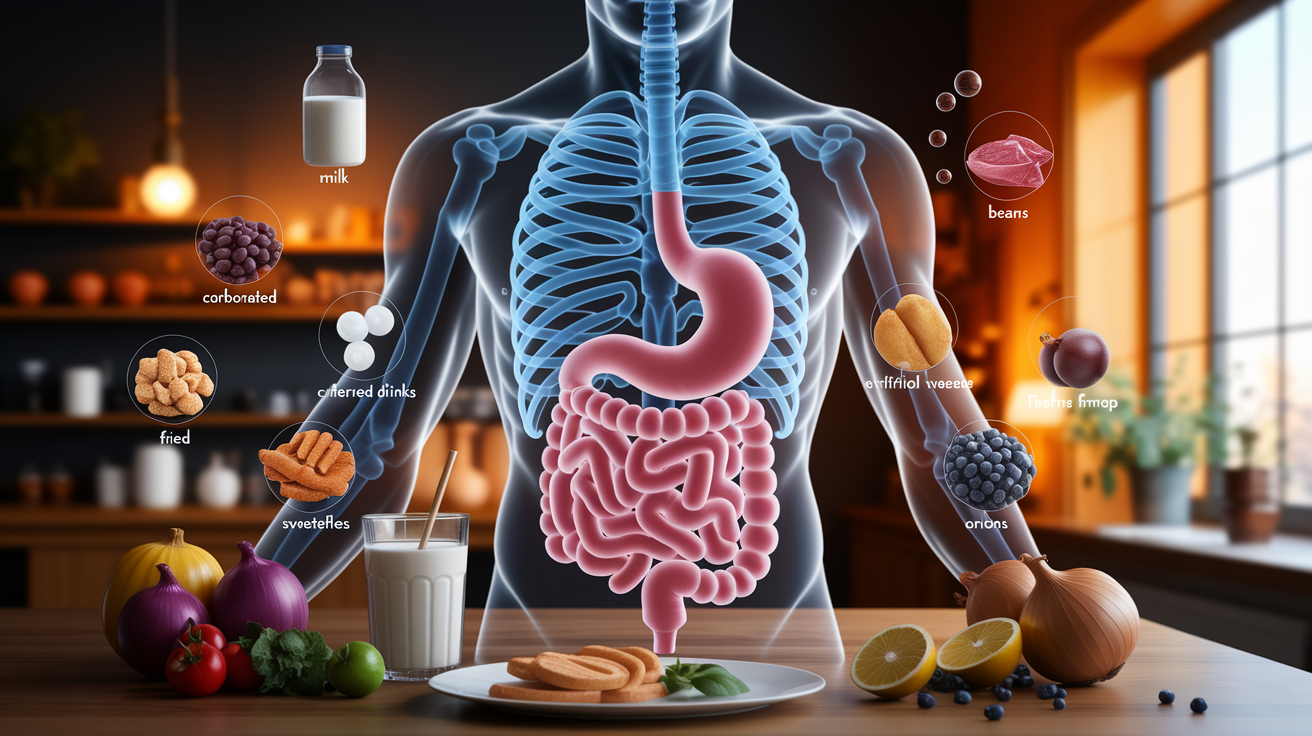
Some foods just wreck your stomach. It’s not random, your digestive system genuinely struggles to break down certain components, and that struggle shows up as bloating, gas, cramping, or heartburn. These symptoms pop up when foods introduce extra gas, slow your stomach down, pull water into your intestines, or ferment in ways your gut can’t manage cleanly.
Knowing which foods tend to cause trouble lets you make smarter swaps and adjust portions without turning your whole diet upside down.
Here are the usual suspects. Everyone’s tolerance is different, but these categories share common mechanisms that trigger abdominal fullness, belching, cramping, flatulence, and reflux for a lot of people.
Dairy products have lactose, a sugar that needs the enzyme lactase to digest. If you don’t make enough lactase, the lactose ferments in your colon and produces gas while pulling water into your intestines.
Beans and pulses contain oligosaccharides like raffinose and stachyose that your body can’t break down on its own. Gut bacteria ferment them instead, creating hydrogen, methane, and carbon dioxide.
Carbonated drinks dump CO2 straight into your stomach. A single 12-ounce can can leave you belching and visibly bloated.
Cruciferous vegetables like broccoli, cauliflower, cabbage, and Brussels sprouts pack raffinose and lots of insoluble fiber. Both promote gas during digestion.
High-fat and fried foods slow how quickly your stomach empties, leaving food sitting there longer. That creates fullness, nausea, and more risk of acid reflux.
Artificial sweeteners and sugar alcohols (sorbitol, xylitol, mannitol) found in sugar-free gum, mints, and diet products don’t absorb well. They pull water into your gut and ferment to produce gas.
High-FODMAP fruits such as apples, pears, mangoes, and watermelon contain excess fructose or polyols that can overwhelm your absorption capacity. You end up bloated with loose stools.
Onions, garlic, and leeks are loaded with fructans, which are fermentable carbs that feed gut bacteria and generate gas, especially raw or in big amounts.
Processed foods often carry high sodium, preservatives, and added sugars or syrups that promote water retention, irritate your gut lining, and speed up fermentation.
Why These Foods Cause Digestive Discomfort
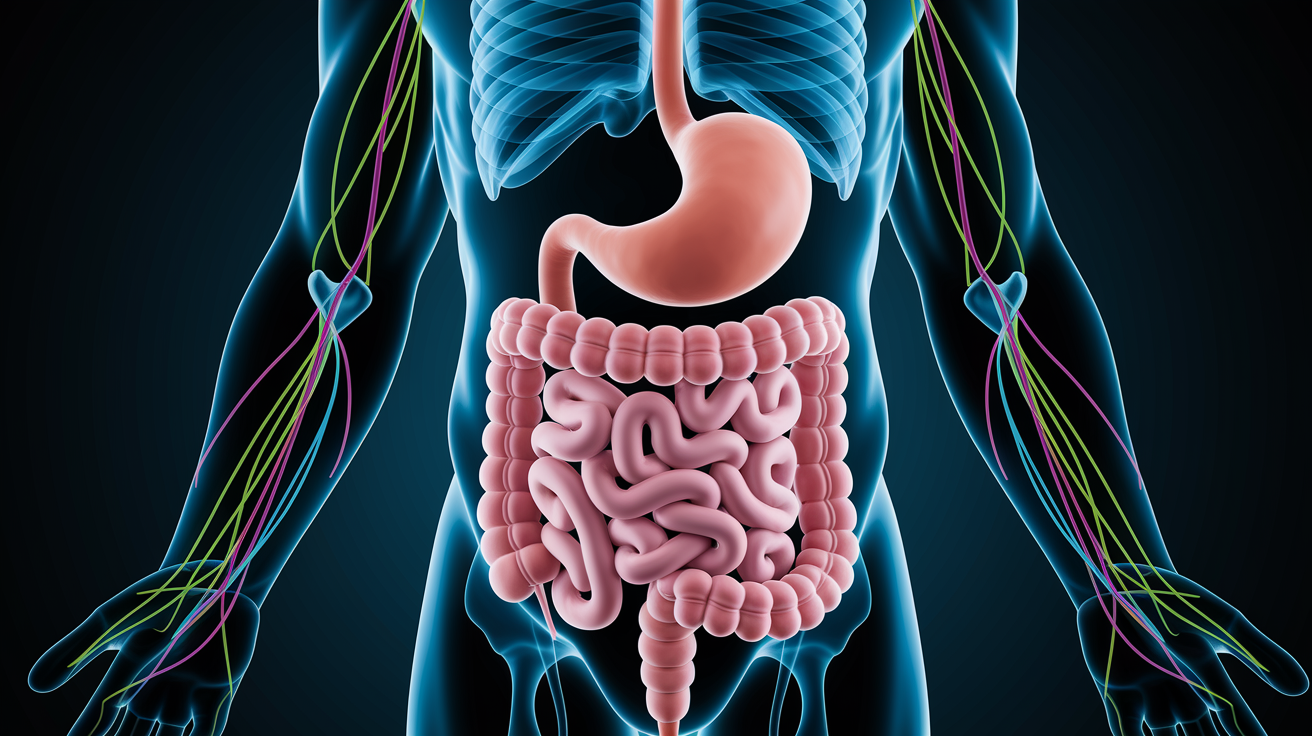
Bloating and indigestion come from a few overlapping processes. When you eat foods rich in fermentable carbohydrates (lactose, fructans, raffinose, polyols), your small intestine can’t fully digest or absorb them. Those undigested molecules travel to your colon, where bacteria ferment them into short-chain fatty acids and gases like hydrogen, methane, and carbon dioxide. That bacterial fermentation drives most of the bloating, cramping, and gas people feel after meals heavy in beans, garlic, or high-FODMAP fruits.
Fat slows gastric emptying by triggering hormones that delay stomach contractions. A high-fat meal can sit in your stomach for hours. You feel overfull, nauseous, and more prone to acid reflux as the lower esophageal sphincter relaxes under prolonged pressure. Carbonated drinks add gas from the outside, filling your stomach with CO2 that has to escape through belching or get pushed through your intestines. Even plain water drunk too fast or through a straw increases swallowed air, but carbonation makes it worse.
Sugar alcohols and excess fructose cause watery bloating and diarrhea through osmotic effects. These molecules pull water from surrounding tissues into the intestinal lumen by osmosis, increasing stool volume and speeding transit. The combo of water retention and bacterial fermentation creates that tight, distended belly and urgent bathroom trips that follow a sugar-free candy binge or a big serving of dried fruit.
Together, fermentation, delayed emptying, gas introduction, and osmotic pull account for most food-related digestive discomfort.
Identifying Personal Food Sensitivities

Not everyone reacts the same way. Lactose intolerance affects roughly 65 percent of people globally but varies widely by ancestry and age. Fructan sensitivity has no single diagnostic test, and plenty of people handle garlic-infused oil fine but can’t stomach raw garlic cloves. The only reliable way to identify your personal triggers is to track what you eat and how you feel afterward.
Start with a simple food and symptom diary for one to two weeks. Write down each meal, portion sizes, and any symptoms (bloating, gas, cramping, heartburn, diarrhea) that show up within a few hours. Note timing and severity on a 0 to 10 scale. Patterns show up fast. You might notice dairy at breakfast consistently causes gas by mid-morning, or a large bean salad at lunch leaves you uncomfortable by dinner.
If your diary reveals multiple suspects, try a structured elimination trial. Remove the top two or three trigger categories (dairy, beans, carbonated drinks, for example) for two to four weeks, then reintroduce them one at a time in small portions over three to five days each. Watch for symptom return. This stepwise approach clarifies whether the food itself is the problem or whether dose, preparation, or combination with other foods matters more.
A lot of people discover they tolerate half a cup of cooked lentils but not a full cup of kidney beans, or that lactose-free milk works fine while regular milk doesn’t. Precision beats blanket avoidance.
Digestive-Friendly Alternatives to Common Trigger Foods
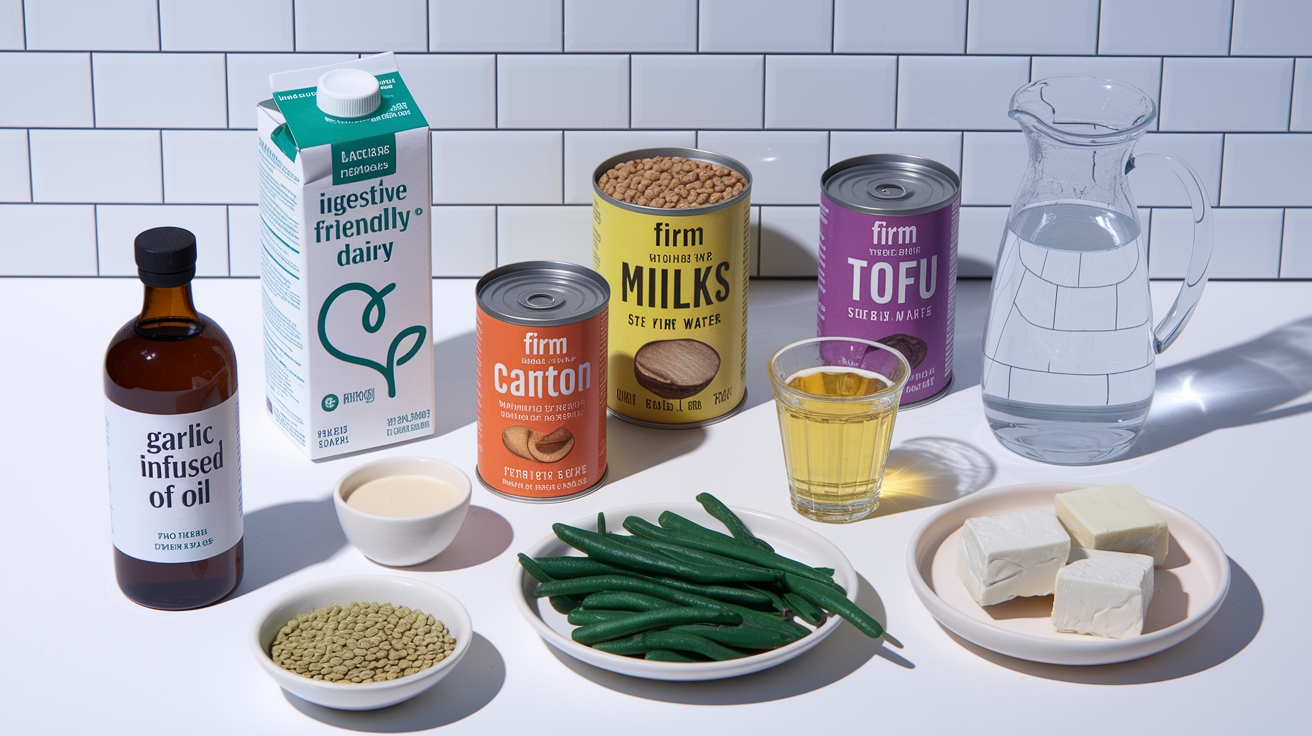
Swapping high-trigger foods for gentler options cuts symptoms without sacrificing nutrition or variety. The trick is matching the function (protein, calcium, flavor, crunch) while avoiding the problematic component.
Lactose-free dairy or fortified plant milks replace regular milk and give you calcium and vitamin D without lactose. Hard cheeses like cheddar and parmesan contain minimal lactose and often work fine even if you’re lactase deficient.
Canned, rinsed lentils or firm tofu deliver protein and fiber with fewer oligosaccharides than black beans or chickpeas. Rinsing canned beans under running water for 30 seconds removes some of the fermentable starches.
Still water, herbal teas, or diluted fruit juice eliminate the carbonation that causes belching and bloating. Peppermint or ginger tea may also calm your stomach.
Cooked zucchini, carrots, spinach, or green beans offer vitamins and minerals with less raffinose and insoluble fiber than raw broccoli or cauliflower. Cooking softens fiber and cuts gas production.
Low-FODMAP fruits like strawberries, blueberries, oranges, and bananas (ripe but not overripe) provide natural sweetness and fiber without excess fructose or polyols.
Garlic-infused oil or chives add flavor without the fructans found in whole garlic cloves. The flavor compounds in garlic are fat soluble, so infusing oil captures taste but leaves the fermentable carbs behind.
These swaps work best when portion sizes stay moderate. Even low-FODMAP foods can trigger symptoms in large amounts, and individual tolerance varies. Start with smaller servings and adjust based on your response.
Strategies to Reduce Bloating and Indigestion from Trigger Foods

Preparation and eating habits matter as much as food choice. Soaking dried beans overnight and discarding the soak water removes a portion of the raffinose and stachyose that cause gas. Rinsing canned beans under running water for 30 seconds further reduces fermentable starches. Cooking cruciferous vegetables until tender breaks down some of the indigestible fibers and makes them easier to process than raw florets.
Portion control helps too. Half a cup of cooked beans may sit fine, while a full cup triggers cramping.
Eating slowly and chewing thoroughly reduces the amount of air you swallow and gives your stomach time to signal fullness before you overeat. Aim to chew each bite 20 to 30 times, and put your fork down between bites. Avoid drinking through straws, chewing gum for extended periods, or talking while eating with your mouth full. All of those increase swallowed air.
Smaller, more frequent meals (four to six per day instead of two or three large ones) keep the digestive system from getting overwhelmed and reduce the risk of delayed gastric emptying.
Digestive enzyme supplements can bridge the gap for specific intolerances. Lactase tablets taken with dairy meals break down lactose before it reaches the colon. Alpha-galactosidase enzymes, sold over the counter, target the oligosaccharides in beans and cruciferous vegetables, reducing gas for many people. These aren’t cures, but they offer symptom relief when you want to eat a trigger food occasionally.
Staying hydrated (aim for six to eight cups of water daily) supports motility and prevents constipation, which can worsen bloating.
When Digestive Symptoms May Signal a Bigger Issue

Most bloating and indigestion resolve with dietary adjustments and portion control. But persistent, severe, or worsening symptoms can point to conditions that need medical evaluation. Chronic bloating that doesn’t improve after eliminating common triggers for four weeks may indicate irritable bowel syndrome, small intestinal bacterial overgrowth, celiac disease, or lactose intolerance that needs formal testing.
Red flags include unintentional weight loss, blood in your stool or vomit, severe abdominal pain that wakes you at night or doesn’t ease with bowel movements, persistent diarrhea or constipation lasting more than two weeks, fever, or symptoms that began suddenly and are getting worse. These warrant prompt medical attention and may require diagnostic workups such as lactose or fructose breath tests, celiac serology, stool studies, or imaging.
Even without red flags, ongoing discomfort that interferes with daily life, work, or sleep deserves professional review. A gastroenterologist or registered dietitian specializing in digestive health can guide structured elimination diets, interpret test results, and help distinguish between food intolerances, functional disorders, and inflammatory or structural conditions.
Self-diagnosis has limits. Persistent symptoms deserve a clear answer.
Final Words
You now have a clear list of common culprits and a simple explanation of why they cause gas, slow digestion, or pull water into your gut. That includes dairy, beans, carbonated drinks, cruciferous veggies, and processed foods.
Try tracking meals and symptoms, test swaps like lactose-free or cooked veg, and use small meals, slower eating, and hydration to ease symptoms.
If bloating is severe, causing weight loss, or long-lasting, check with your clinician.
Keep using these steps to spot which foods that cause bloating and indigestion affect you, and feel more in control.
FAQ
Q: What are the worst foods for gas and bloating?
A: The worst foods for gas and bloating are dairy (if lactose intolerant), beans, carbonated drinks, cruciferous vegetables, high-fat meals, artificial sweeteners, high‑FODMAP fruits, onions and garlic, and processed foods.
Q: Why am I constantly bloated and indigestion?
A: Constant bloating and indigestion often come from repeatedly eating trigger foods, swallowing air, slow digestion, lactose or FODMAP sensitivity, stress, or medication side effects, and track patterns to narrow the cause.
Q: What are the 6 worst foods for your gut?
A: The six worst foods for your gut are processed foods, high-fat fried items, artificial sweeteners, carbonated drinks, dairy (if lactose intolerant), and high‑FODMAP fruits, because they increase gas, slow digestion, or irritate.
Q: How to debloat your stomach quickly?
A: To debloat your stomach quickly, try sipping water, walking for 10 minutes, doing a gentle belly massage, avoiding carbonated drinks and new foods, and breathing slowly to help move trapped gas.
Comments are closed