
What if your “morning tired” isn’t just bad sleep but hormones talking?
Hormone shifts across your cycle, pregnancy, and menopause change how you sleep and whether you wake up clear or foggy.
In this post you’ll see why progesterone, estrogen, cortisol, and thyroid often steal your morning energy,
how the pattern looks in each life stage,
practical, low-risk things to try today,
what to track for a clinic visit,
and simple red flags that mean get checked.
How Hormonal Changes Cause Morning Fatigue in Women

Your hormones don’t just regulate your cycle. They control when you sleep, how deeply you sleep, and whether you can actually wake up feeling like a person. Even slight shifts can wreck the quality of your rest and leave you totally drained despite clocking a full night in bed. Progesterone, estrogen, cortisol, and thyroid hormone all have specific jobs when it comes to morning energy. When any of them go off track, mornings get a lot harder.
Progesterone is basically a natural sedative. It spikes during the second half of your cycle, peaks during pregnancy, and crashes during menopause. When it’s high, it makes you drowsy and can leave you struggling to feel awake even hours after you get up. Estrogen handles REM sleep, the phase where your brain processes emotions and locks in memories. When estrogen swings or drops, REM sleep gets choppy. You wake up foggy and physically wiped. These shifts mess with the structure of your sleep, not just the hours.
Cortisol is supposed to be your body’s alarm clock. It peaks within 30 to 60 minutes of waking and gives you the energy and focus to start the day. Chronic stress flips that timing. Cortisol stays high at night when you’re trying to sleep, then rises too late in the morning, so you feel sluggish and slow. Thyroid hormone sets your metabolic baseline for every cell, including your brain. When thyroid function dips, even a little, your body can’t make enough cellular energy. Persistent morning fatigue is often one of the first signs.
Key hormonal drivers of morning fatigue:
- Progesterone: Makes you sleepy and slows brain activity, especially during the luteal phase and early pregnancy.
- Estrogen decline: Breaks up REM sleep and disrupts the neurotransmitters that keep you alert.
- Cortisol dysregulation: When the morning peak comes too late, you feel unrested and slow.
- Thyroid dysfunction: Drops cellular energy production, making it harder to wake up fully.
Morning Fatigue Across the Menstrual Cycle Phases
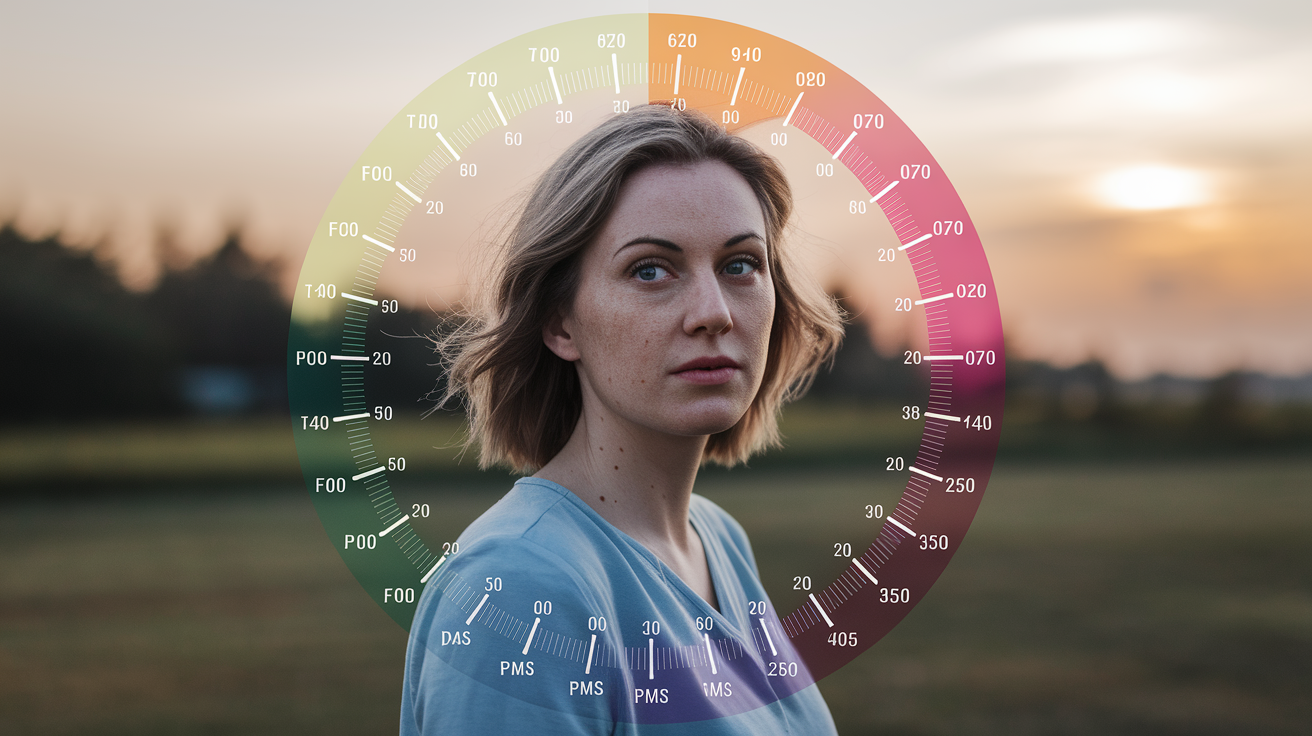
Morning fatigue doesn’t stay the same all month. Lots of people notice clear patterns tied to specific phases, with energy highest in the follicular phase (days 1–14) and lowest in the luteal phase (days 15–28). Tracking these patterns helps you tell the difference between normal hormonal shifts and something that needs attention.
During the follicular phase, estrogen climbs steadily and usually brings better mood, sharper thinking, and better sleep. Many people feel more energized in the mornings during this window. Around mid-cycle, estrogen peaks just before ovulation, which can briefly boost alertness and physical energy. But once you ovulate, progesterone starts climbing, and the change shows up fast.
The luteal phase is when morning fatigue becomes a problem. Progesterone hits its highest levels, and its sedating effects stick around into the morning, making it harder to feel fully awake. PMS adds another layer. Bloating, breast tenderness, headaches, and mood changes all mess with restful sleep, even if you’re getting enough hours. About 20% of menstruating people deal with significant fatigue and mood symptoms during the luteal phase. For those with PMDD, the impact on morning function can be severe.
Body temperature also rises slightly during the luteal phase because of progesterone. The increase is small, but it can fragment sleep by making it harder to stay cool and comfortable through the night. Poor sleep quality piles on top of progesterone’s direct sedative effects, leaving you groggy and slow to start the day.
Luteal Phase Mechanisms
Progesterone breaks down into allopregnanolone, which boosts GABA, a calming neurotransmitter that promotes relaxation and sleep. That’s great at bedtime, but it also cuts into morning alertness, especially if progesterone levels are still elevated when you wake. The combined effect is a sluggish, heavy feeling that can last well into late morning.
PMS symptoms disrupt sleep in multiple ways. Physical discomfort from cramps, headaches, or bloating can wake you during the night or keep you from reaching deep sleep. Mood symptoms like irritability, anxiety, or low mood increase nighttime awakenings and reduce overall sleep efficiency. Even if you spend eight hours in bed, you can wake feeling unrefreshed.
The slight rise in basal body temperature during the luteal phase can make your sleep environment feel warmer than usual. Since core body temperature needs to drop for deep sleep to happen, even a small thermal shift can break up your sleep cycles. Light sleepers or those already dealing with night sweats may notice this more, waking multiple times and losing restorative sleep.
Pregnancy-Related Causes of Morning Fatigue

Pregnancy brings some of the most intense hormonal surges your body can experience, and they hit hardest in the first trimester. Progesterone levels shoot up fast to support the developing pregnancy, often doubling or tripling within weeks. That surge protects the pregnancy but wrecks your energy. About 50–80% of pregnant people report severe, all-day fatigue during the first 12 weeks. Mornings are often the worst time, even after a full night of sleep.
The second trimester usually offers relief. Progesterone levels stabilize, nausea often improves, and many people feel their energy and function return. Morning alertness improves during this window, though it varies. The third trimester reverses the trend. Physical discomfort from the growing uterus, frequent nighttime urination, leg cramps, and trouble finding a comfortable sleeping position all break up sleep. Sleep-disordered breathing becomes more common, and REM sleep decreases. Estimates suggest 60–80% of people in late pregnancy deal with significant sleep disturbance, which translates directly into morning exhaustion.
Trimester-specific hormonal changes:
-
First trimester (weeks 1–12): Progesterone surges, causing persistent drowsiness, increased need for daytime naps, and trouble staying alert in the morning. Metabolic demands increase sharply, even before significant weight gain, adding to fatigue.
-
Second trimester (weeks 13–27): Progesterone stabilizes at a high plateau. Energy levels often improve, and morning fatigue commonly decreases. Many people describe this as the “honeymoon” trimester.
-
Third trimester (weeks 28–40): Physical discomfort, nocturia (nighttime urination), and sleep fragmentation return. Fatigue intensifies despite stable hormone levels because sleep quality drops significantly.
Menopause and Morning Fatigue Mechanisms

Menopause marks the permanent end of menstrual cycles, but the transition leading up to it, perimenopause, is where morning fatigue often becomes a daily struggle. Perimenopause typically begins in your 40s and lasts a median of four years, though it can stretch up to ten. During this time, estrogen levels swing unpredictably before eventually declining, and progesterone production drops sharply. These shifts destabilize sleep in ways that affect both falling asleep and staying asleep.
Estrogen helps regulate the sleep-wake cycle by influencing neurotransmitters like serotonin and orexin, which control alertness and mood. When estrogen swings erratically or falls too low, REM sleep becomes fragmented, and early-morning awakenings become common. Lots of people describe waking at 3 or 4 a.m., unable to fall back asleep, then starting the day already exhausted. Night sweats and hot flashes, reported by 50–80% of people during the menopausal transition, wake you drenched and overheated, disrupting deep sleep cycles and leaving you unrested by morning.
Cortisol patterns also become less predictable during perimenopause. Stress responses intensify, and the normal morning cortisol peak may flatten or shift later in the day. When cortisol doesn’t rise on time, you wake without the natural energy surge that helps you feel alert and ready to function. That delayed or blunted cortisol response contributes to the persistent grogginess many people describe as one of the most frustrating parts of perimenopausal fatigue.
Medical Red Flags That Could Signal a More Serious Issue

Hormonal fatigue is common, but persistent morning exhaustion can also point to underlying medical conditions that need evaluation and treatment. Iron-deficiency anemia is one of the most frequent causes, especially in people with heavy menstrual bleeding. Anemia reduces oxygen delivery to tissues, causing breathlessness with minimal exertion, pale skin, and a heavy, drained feeling that doesn’t improve with rest. Thyroid dysfunction is another common cause. Hypothyroidism slows your metabolic rate and often shows up with cold sensitivity, unexplained weight gain, constipation, and unrelenting morning tiredness.
Obstructive sleep apnea (OSA) becomes more common after menopause, with risk increasing two to three times compared with premenopausal rates. OSA causes repeated breathing pauses during the night, which fragment sleep and drop oxygen levels. You may not remember waking, but you wake feeling as tired as when you went to bed. Depression and anxiety disorders also cause persistent fatigue, often paired with trouble falling asleep, early-morning awakenings, loss of interest in daily activities, and feelings of hopelessness or worthlessness.
Medical red flags requiring evaluation:
- Severe fatigue lasting more than two weeks despite improved sleep hygiene
- Breathlessness, palpitations, dizziness, or fainting
- Heavy snoring with witnessed breathing pauses or choking sounds during sleep
- Unexplained weight changes, hair loss, or extreme cold sensitivity
- Persistent low mood, loss of interest, or suicidal thoughts
Evidence-Based Strategies to Improve Morning Energy

Improving morning energy starts with stabilizing the signals your body uses to regulate sleep and wakefulness. Research supports a combination of behavioral, nutritional, and environmental strategies that address the root causes of hormonal fatigue rather than covering up symptoms. These approaches work best when you layer them together and stick with them for several weeks.
Sleep hygiene forms the foundation. Keeping a consistent wake time, even on weekends, helps anchor your circadian rhythm and trains your body to release cortisol at the right time each morning. Avoiding screens for 60 minutes before bed cuts down on blue-light exposure, which suppresses melatonin and delays sleep onset. Keeping your bedroom cool, dark, and quiet supports the drop in core body temperature needed for deep sleep. For people dealing with night sweats, wearing breathable fabrics and using a fan or cooling pillow can reduce nighttime awakenings. Cognitive behavioral therapy for insomnia (CBT-I) is the evidence-based first-line treatment for chronic insomnia and has been shown to improve both sleep quality and daytime fatigue within two to eight weeks.
Nutrition plays a direct role in cellular energy production and blood sugar stability. Eating balanced meals every three to four hours prevents the energy crashes that make mornings harder. Protein intake should reach 1.0–1.2 grams per kilogram of body weight daily, spread throughout the day to support muscle repair and neurotransmitter production. Iron is essential for oxygen transport. During pregnancy, the recommended daily allowance is 27 milligrams of elemental iron, and therapeutic dosing for confirmed iron-deficiency anemia typically ranges from 60 to 120 milligrams daily under clinician guidance. Pairing iron-rich foods with vitamin C (for example, 100 milligrams from half a grapefruit) boosts absorption. Magnesium supports sleep quality, and vitamin B12 is critical for energy metabolism, with a pregnancy RDA of 2.6 micrograms per day.
Morning light exposure is one of the simplest and most effective circadian interventions. Getting daylight within 30 to 60 minutes of waking signals your brain to suppress melatonin and increase cortisol, sharpening morning alertness. Gentle morning movement, like a 20- to 30-minute walk, enhances the effect by increasing circulation and oxygen delivery to tissues. Limiting caffeine to less than 200 milligrams per day during pregnancy (roughly one 12-ounce brewed coffee) and avoiding it after noon in perimenopause reduces interference with nighttime sleep and prevents the afternoon crash that worsens next-day fatigue.
| Strategy | Mechanism of Action | Expected Benefit |
|---|---|---|
| Consistent sleep-wake schedule | Anchors circadian rhythm and stabilizes cortisol timing | Improved morning alertness within 1–2 weeks |
| Balanced nutrition with stable blood sugar | Prevents energy crashes and supports neurotransmitter production | Steadier energy throughout the day, reduced morning sluggishness |
| Gentle morning activity (20–30 minutes) | Increases circulation, oxygen delivery, and endorphin release | Faster wake-up, better mood, sustained energy into midday |
| Targeted supplementation (iron, B12, magnesium, vitamin D) | Corrects deficiencies that impair cellular energy and sleep quality | Improvement in 2–4 weeks for iron; faster for B12 and magnesium |
| Morning light exposure within 60 minutes of waking | Suppresses melatonin, triggers cortisol release, resets circadian clock | Sharper morning alertness and better nighttime sleep onset |
Final Words
Waking up tired, heavy, or foggy? The piece walked through how rising and falling hormones—progesterone, estrogen, cortisol, and thyroid shifts—can sap morning energy across the cycle, pregnancy, and menopause.
We also covered simple steps to try (sleep timing, morning light, iron and B support), what to track for your clinician, and clear red flags that need attention.
If you want a quick takeaway: morning fatigue in women cycle pregnancy menopause insights can help you spot patterns and pick safe next steps. There’s reason for hope.
FAQ
Q: Why am I so tired in the morning during menopause?
A: You’re tired in the morning during menopause because falling estrogen and unpredictable cortisol cause night sweats, sleep breaks, and poorer sleep quality, leaving you low on morning energy. See your clinician if symptoms are severe or sudden.
Q: Why am I so tired in the mornings during pregnancy?
A: You’re tired in the mornings during pregnancy because high progesterone and increased metabolic demands in early pregnancy make you sleepier, while later trimesters bring discomfort and sleep disruption. Talk with your clinician if fatigue is severe or interfering.
Q: Do you feel like you’re pregnant during menopause?
A: Feeling like you’re pregnant during menopause can happen because hormone shifts cause bloating, breast tenderness, and nausea that mimic pregnancy; if you’re still having periods, pregnancy is still possible. If unsure, test or see your clinician.
Q: At what age do you start feeling tired and old?
A: You may start feeling more tired or “old” at different ages; energy dips often show up in your 40s with hormonal shifts, but lifestyle, sleep, and health matter more than age. If sudden or severe, see your clinician.
Comments are closed