
What if saying “I’m tired” is the reason your doctor moves on too quickly?
Morning fatigue deserves a clear, specific report so your clinician can act.
This short guide shows exactly what to say and what to track, including when it started, how bad mornings feel on a 0–10 scale, what tasks you can’t manage, recent meds, and warning signs.
You’ll get sample phrases, a simple diary template, and quick steps to bring to your visit.
By the end, you’ll have a focused script that helps your clinician take morning exhaustion seriously and decide next steps.
Key Steps for Clearly Communicating Morning Fatigue During Your Clinician Visit

The first step in getting help for morning fatigue is presenting it as something that deserves investigation, not just a passing complaint. Clinicians prioritize symptoms that have lasted several weeks (typically 2 to 4 weeks of persistent low energy) and are messing with your daily life. When you report “I’ve been tired lately,” your provider might acknowledge it and move on. But when you say, “I’ve felt exhausted every morning for six weeks, and I can’t get through my morning routine without resting,” you’ve framed it clearly enough for action.
Start with the exact timeline. Instead of “for a while,” say “started mid-March, about six weeks ago” or “daily for the last four weeks.” Then describe the frequency: every single day? Five days a week? Only on workdays? Specify when it happens. “I wake at 6:30 a.m. and feel completely drained until around 10:00 a.m.” beats “I’m tired in the morning” every time. Use a numeric scale to show intensity. Clinicians rely on 0 to 10 ratings, where 0 means no fatigue and 10 means the worst exhaustion imaginable. Try something like “My energy is a 2 out of 10 when I wake up, and it stays around 3 or 4 until midday.” That gives your provider a measurable anchor.
Finally, describe what you can’t do because of morning fatigue. Functional impact matters more than vague feelings. If it takes you 30 extra minutes to get dressed, you skip breakfast because preparing it feels overwhelming, you can’t drive safely to work, or you’ve missed multiple workdays, state those specifics. Clinicians use functional decline as a signal that fatigue is significant, not just a nuisance.
Here are six concrete communication strategies to use:
- State your exact wake time and the duration of morning fatigue in minutes or hours. “I wake at 7:00 a.m. and feel exhausted for the first two to three hours.”
- Use a 0 to 10 energy scale and give both your morning low and afternoon peak. “I’m a 2 out of 10 in the morning and maybe a 5 by late afternoon.”
- Describe how many days per week symptoms occur. “Every single weekday for the past month” is clearer than “most days.”
- Give concrete examples of tasks you can’t complete. “I can’t shower without sitting down afterward” or “I’ve stopped making breakfast.”
- Note any concerning signs immediately: unintentional weight loss or gain, shortness of breath when climbing stairs, new or worsening pain, mood changes, or the feeling that basic self-care has become unmanageable.
- Mention recent medication changes or new supplements, even over-the-counter ones, and when you started them relative to fatigue onset.
Use this structure every time you talk about morning fatigue: duration, frequency, timing, intensity, and what you can’t do. Clinicians are trained to triage based on these five dimensions.
Using a Morning Fatigue Symptom Diary to Support Your Appointment
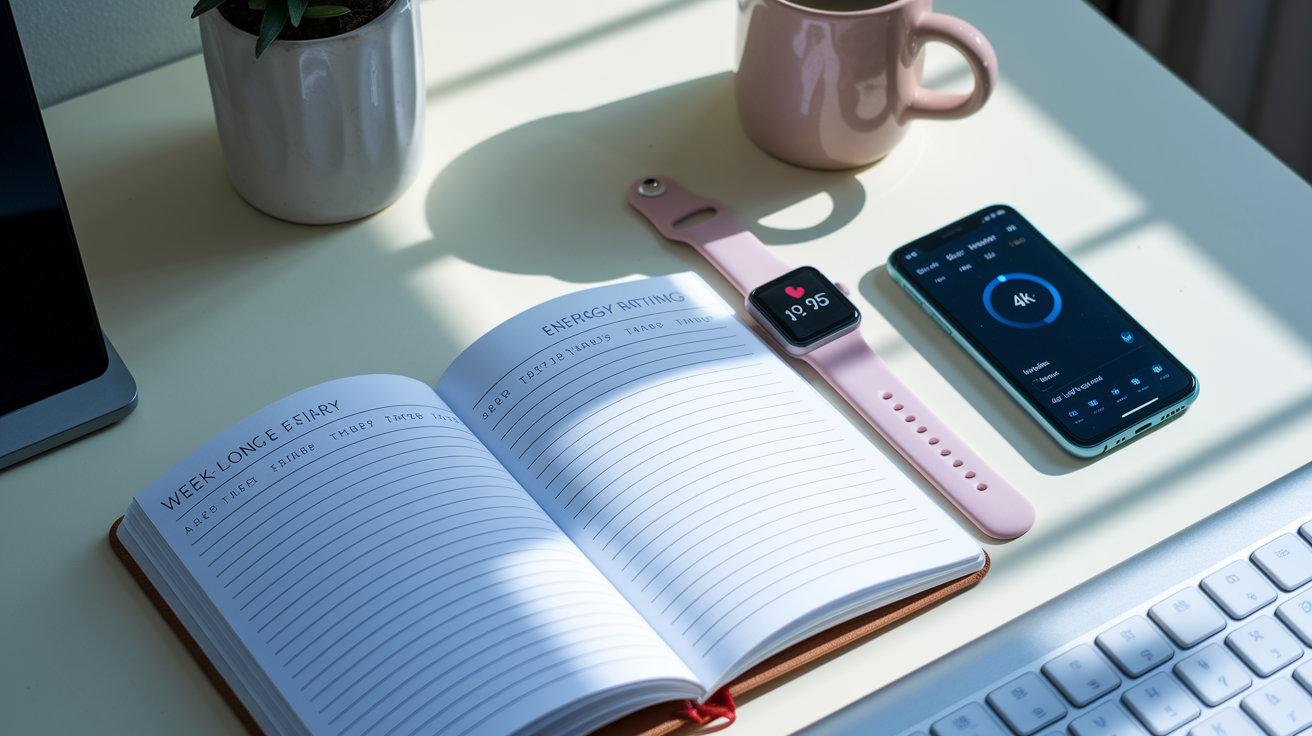
Subjective reports are valuable, but a short tracking period before your visit transforms your description into something clinicians can measure and act on. Keep a simple fatigue diary for one to four weeks, whatever timeline your appointment allows. Each day, record your bedtime, wake time, number of night awakenings, and whether you took any naps. In the morning, rate your energy on a 0 to 10 scale as soon as you wake and again one to two hours later. Note anything that might have influenced your sleep or fatigue: caffeine after 2:00 p.m., alcohol, a stressful event, skipped meals, or exercise timing.
Include objective measures when possible. If you use a wearable device or smartphone app, note your resting heart rate each morning. Weigh yourself weekly at the same time of day and record any changes, especially unintentional ones. Document medication timing, whether you take sedating drugs at night or stimulants in the morning, and list every supplement. Clinicians prefer numeric and time-stamped data because it shows patterns more clearly than memory alone. A diary that says “woke at 6:45 a.m., energy 2/10, needed 45-minute nap by 11:00 a.m., slept poorly with three awakenings” is far more useful than “I’m always tired in the morning.”
| Tracking Item | What to Record |
|---|---|
| Sleep | Bedtime, wake time, night awakenings, nap frequency and duration, sleep quality (refreshed vs unrefreshed) |
| Medications | All prescriptions, over-the-counter drugs, supplements, doses, timing (morning vs night), start dates, recent changes |
| Morning Energy Rating | 0 to 10 scale immediately on waking and again 1 to 2 hours later; note peak and lowest daily ratings |
| Triggers | Caffeine and alcohol timing/amounts, stressful events, exercise, meals skipped, menstrual cycle phase, work schedule |
What Clinicians Commonly Ask About Morning Fatigue Symptoms

Knowing the questions your clinician will ask helps you prepare accurate, focused answers and makes the visit more efficient. Providers typically start with a timeline question, “When did this begin?” Be ready with a specific week or month, not “a long time ago.” They’ll ask how long the fatigue lasts each morning: does it improve after an hour, persist all day, or vary unpredictably? They want to know whether you wake feeling unrefreshed even after sleeping seven to eight hours, which may suggest poor sleep quality, sleep apnea, or another sleep disorder.
Expect questions about naps. Clinicians often ask how frequently you nap, how long each nap lasts, and whether napping helps or leaves you feeling worse. They’ll ask about recent medication changes, including new prescriptions, dose adjustments, or discontinued drugs, because many medications (especially antihistamines, benzodiazepines, and opioids) cause or worsen fatigue. You’ll be asked about stress levels, major life changes, and symptoms of depression or anxiety, since mental health conditions frequently overlap with persistent fatigue. Activity level matters too. Providers want to know if you exercise, how much, and whether physical exertion worsens your fatigue or leaves you feeling better.
Here are eight common clinician questions to prepare for:
- “On a scale of 0 to 10, how would you rate your fatigue when you first wake up?”
- “Has your morning fatigue increased, decreased, or stayed the same over the past few weeks?”
- “What time do you typically wake, and how long does the fatigue last each morning?”
- “Do you wake up feeling rested, or do you still feel exhausted even after a full night’s sleep?”
- “How many days per week do you need to nap, and how long are your naps?”
- “Have you started any new medications, vitamins, or supplements in the past few months?”
- “Can you describe your sleep schedule: bedtime, wake time, and how many times you wake during the night?”
- “Are there activities you can no longer do in the morning because of fatigue, such as showering, getting dressed, or preparing meals?”
Explaining the Functional Impact of Morning Fatigue Clearly and Concisely

Clinicians assess severity partly by how fatigue limits your ability to perform daily tasks. Saying “I feel terrible” doesn’t carry the same weight as “I can no longer shower without sitting down afterward” or “I’ve called in sick to work four times this month because I couldn’t get out of bed.” Functional descriptions help providers decide whether to order tests, adjust medications, or refer you to a specialist.
Use these types of concrete examples when describing impact:
- Self-care tasks: “It takes me 30 extra minutes to get dressed because I have to rest between steps” or “I skip breakfast most days because I don’t have the energy to prepare it.”
- Work and commute: “I’ve missed two workdays per week for the past month” or “I can’t concentrate for more than 15 minutes in morning meetings.”
- Household responsibilities: “I used to walk my dog every morning; now I can’t manage it” or “Laundry and dishes pile up because I can’t start chores before noon.”
- Social and family roles: “I stopped attending my child’s morning drop-off because I can’t get myself ready in time” or “I’ve canceled plans with friends three weekends in a row.”
- Safety concerns: “I feel too foggy to drive safely in the morning” or “I’ve nearly fallen because my legs feel too weak to support me when I first stand.”
Functional impact gives your clinician a clear picture of urgency. If morning fatigue prevents basic self-care or creates safety risks, your provider is more likely to prioritize investigation and treatment. Keep your descriptions short, specific, and tied to real activities you used to do and can’t manage anymore.
Describing Morning Fatigue Severity Using Numeric and Standardized Tools
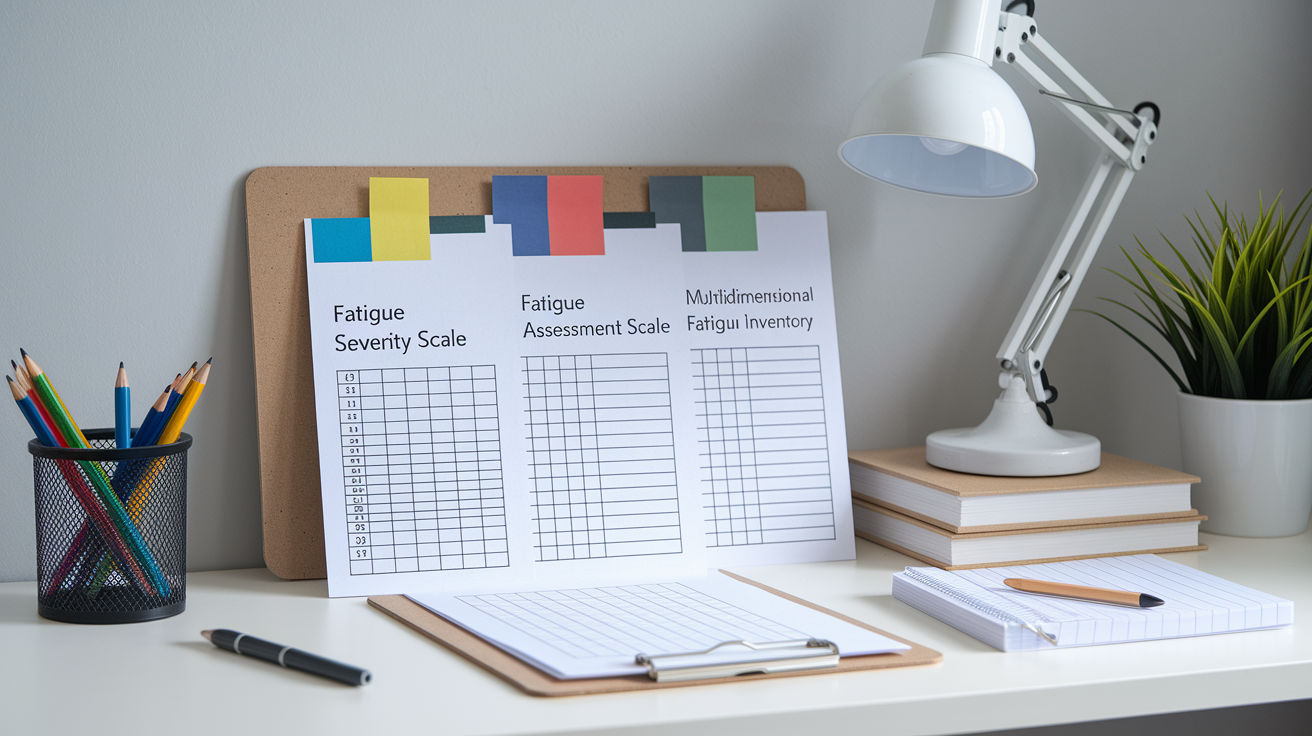
Many clinicians use formal fatigue scales to measure severity and track changes over time. The Fatigue Severity Scale is a 9-item questionnaire that asks about how fatigue affects motivation, exercise, physical function, and daily responsibilities. Higher scores indicate worse fatigue. The Fatigue Assessment Scale is a 10-item tool with response options ranging from “never” to “always,” covering both physical and mental exhaustion. The Multidimensional Fatigue Inventory is a 20-item scale that evaluates five dimensions: general fatigue, physical fatigue, reduced motivation, reduced activity, and mental fatigue. Some providers also use a simple fatigue numeric rating scale from 0 to 10, which you can apply yourself even if your clinician doesn’t formally administer a questionnaire.
Numeric ratings are especially helpful during short appointments. When you say, “My fatigue has been 7 to 9 out of 10 most mornings for the past three weeks,” your provider immediately understands both the intensity and the consistency. If you’ve been tracking your fatigue daily, you can report trends. “It started at 5 out of 10 six weeks ago and has climbed to 8 out of 10 in the last two weeks” signals worsening and may prompt more urgent evaluation.
Examples of Severity Language Clinicians Prefer
Here are sample phrases that translate your experience into clinical language:
- “My morning fatigue is usually 8 out of 10 when I wake and stays around 6 or 7 until late morning, even after coffee.”
- “Fatigue lasts about 90 minutes after waking, then improves slightly to a 4 or 5 out of 10 for the rest of the day.”
- “On most mornings I rate my exhaustion as severe. I would say 9 out of 10, and it prevents me from completing my usual morning routine.”
- “I’ve been tracking my energy for four weeks, and my morning rating has been 7 or higher every single day.”
Use numbers, durations, and frequencies together. This combination gives clinicians the data points they need to decide on next steps, whether that means ordering blood work, adjusting medications, or referring you for further evaluation.
Communicating Sleep Pattern Details and Night Symptoms That Affect Morning Fatigue

Morning fatigue often reflects what happened (or didn’t happen) during the night. Clinicians need to know your bedtime and wake time, how long it takes you to fall asleep, and how many times you wake during the night. If you wake frequently to urinate, experience leg cramps or restless sensations, or notice loud snoring or pauses in breathing, mention those symptoms specifically. Unrefreshing sleep despite spending seven to eight hours in bed is a red flag for sleep disorders such as obstructive sleep apnea or restless leg syndrome, both of which can be diagnosed and treated.
Note whether you feel physically comfortable during sleep (temperature, mattress quality, pain) and whether you use screens, caffeine, or alcohol close to bedtime. If you take medications at night, tell your clinician the exact timing and names, because some drugs interfere with sleep architecture even if they help you fall asleep initially. Naps are part of the sleep picture too. Daily naps longer than 30 to 90 minutes, or naps that leave you feeling groggier rather than refreshed, may suggest poor nighttime sleep quality or an underlying medical condition.
Key nighttime details to share:
- Your typical bedtime and wake time, including weekends, to show consistency or variability.
- How long it takes to fall asleep and whether you wake during the night. If so, how many times and for how long.
- Symptoms such as snoring, gasping, or breathing pauses that a partner may have noticed.
- Night sweats, frequent urination, or pain that interrupts sleep.
- Medication timing, especially sedatives, antihistamines, or anything taken within a few hours of bedtime.
If your clinician suspects a sleep disorder, they may refer you for a sleep study. Bringing detailed sleep logs makes that decision faster and more confident.
Discussing Medications, Supplements, and Lifestyle Factors that Influence Morning Fatigue

Many common medications contribute to morning fatigue, either by causing sedation that lingers after waking or by disrupting sleep quality. Antihistamines, even non-prescription allergy or cold medications, often cause next-day drowsiness. Hypnotics and sleep aids may help you fall asleep but can leave you feeling foggy in the morning. Opioids and benzodiazepines are well-known culprits for daytime sedation. Even medications not traditionally thought of as sedating (such as certain blood pressure drugs, muscle relaxants, or antidepressants) can affect energy levels.
Bring a complete medication list to your visit, including over-the-counter drugs, vitamins, herbal supplements, and anything you take irregularly. Note when you started each medication relative to when your morning fatigue began. If fatigue appeared or worsened within a few weeks of starting a new drug, mention that timing explicitly. Your clinician may adjust the dose, change the timing to evening instead of morning, or switch you to a different medication.
Lifestyle factors matter just as much. Caffeine consumed after early afternoon can interfere with deep sleep, even if you don’t feel wired at bedtime. Alcohol may help you fall asleep faster but fragments sleep and reduces sleep quality, leading to unrefreshing rest. Physical activity level influences both sleep and energy. Too little movement can worsen fatigue, while intense exercise late in the day may interfere with falling asleep. Stress, major life changes, irregular work schedules, and shift work all affect sleep and morning energy. Be ready to describe your typical day (work hours, commute, exercise habits, meal timing, screen use, and stress level) so your clinician can identify modifiable contributors.
When Morning Fatigue Requires Urgent Evaluation and How to Communicate These Red Flags

Most morning fatigue develops gradually and reflects lifestyle, sleep quality, or manageable medical conditions. But certain patterns and accompanying symptoms signal the need for prompt evaluation, sometimes the same day. Sudden, severe fatigue that appears over days rather than weeks (especially if it’s out of proportion to your activity level) warrants urgent attention. Fatigue accompanied by new shortness of breath, even with minimal exertion such as walking across a room or climbing a single flight of stairs, may indicate a cardiac or pulmonary problem and should be reported immediately.
Other red flags include chest pain, fainting or near-fainting, confusion or disorientation, significant unintentional weight loss or gain, and the inability to perform basic self-care tasks such as bathing or dressing. If morning fatigue has progressed to the point where you can’t safely stand, walk, or think clearly enough to manage daily responsibilities, don’t wait for a routine appointment. Contact your clinician’s office the same day, use a nurse triage line, or go to an urgent care center or emergency department if the office isn’t available.
Red flags to emphasize during your visit or to report immediately:
- Sudden onset of severe fatigue over a few days, especially if it’s rapidly worsening.
- Shortness of breath with minimal activity, such as walking one flight of stairs or getting dressed.
- Chest pain, pressure, or discomfort, whether at rest or with exertion.
- Fainting, near-fainting, or severe lightheadedness when standing in the morning.
- New confusion, disorientation, or difficulty thinking clearly.
- Significant unplanned weight loss or gain (typically more than 5 to 10 pounds over a few weeks).
- Inability to perform basic activities of daily living, such as showering, dressing, or preparing food, when you previously could.
When reporting red flags, state them early in the visit. Don’t wait until the end of the appointment. Lead with the most concerning symptom. “I’m here because I’ve had severe shortness of breath and fatigue for the past week, and I can barely walk to my car without needing to rest.” This ensures your clinician prioritizes the most urgent evaluation.
Preparing Effective Questions and Requests to Make the Most of Your Visit

Asking clear, targeted questions helps you leave the appointment with a plan rather than more uncertainty. Start by asking whether your fatigue could be related to a specific medical cause: “Could my symptoms be due to anemia, thyroid problems, or a vitamin deficiency?” This prompts your clinician to consider ordering basic blood work such as a complete blood count to check for anemia, a TSH test to evaluate thyroid function, or tests for vitamin B12 and vitamin D levels. If your fatigue is accompanied by snoring, gasping, or unrefreshing sleep, ask, “Should I be evaluated for sleep apnea or another sleep disorder?” This opens the door to a sleep study referral.
If you’ve already tried lifestyle changes (better sleep hygiene, regular exercise, reduced caffeine) and seen no improvement, say so and ask what the next step should be. Request a follow-up plan with a clear timeline: “If these blood tests come back normal, what do we try next, and when should I come back?” If you suspect a medication is contributing, ask directly: “Could any of my current medications be causing morning fatigue, and is there an alternative we could try?” Don’t assume your clinician will volunteer this information. Many providers respond better to specific questions than to open-ended concerns.
Here are six questions to consider asking:
- “Could my morning fatigue be caused by anemia, thyroid disease, or vitamin deficiencies, and should we run blood tests to check?”
- “Do my sleep symptoms suggest I need a referral for a sleep study?”
- “Could any of my medications or supplements be contributing to this fatigue?”
- “What lifestyle changes should I prioritize first: sleep schedule, exercise, diet, or stress management?”
- “If my symptoms don’t improve in the next few weeks, what’s the next step? Should I see a specialist or try a different treatment?”
- “Would it be helpful to see a therapist or counselor for cognitive behavioral therapy or stress management support?”
Bringing Data, Logs, and Visual Aids to Communicate Morning Fatigue Efficiently

A one-page summary of your symptom data is one of the most effective tools you can bring to a short appointment. Clinicians often have only 15 to 20 minutes per visit, so a concise, organized document helps you communicate faster and more clearly. Include a brief timeline: when symptoms started, how they’ve changed, and what you’ve already tried. List your medications with start dates and any recent changes. Attach a one to four week sleep and fatigue log showing daily wake times, energy ratings, naps, and triggers. If you use a symptom-tracking app or wearable device, export the data and bring a printed or digital copy your clinician can review during the visit.
Visual aids such as simple charts or tables make patterns easier to spot. A table showing your 0 to 10 morning energy rating each day for a month, alongside sleep hours and medication changes, tells a clearer story than verbal description alone. If you have prior lab results, imaging reports, or records from other providers, bring copies so your clinician has the full context. This is especially important if you’re seeing a new provider or if your symptoms began after a recent hospitalization, surgery, or major life event.
| Document Type | What to Highlight |
|---|---|
| Symptom log or diary | Daily wake time, morning energy rating (0 to 10), duration of fatigue, naps, sleep quality, triggers |
| Medication list | All prescriptions, over-the-counter drugs, supplements, doses, timing, start dates, recent changes |
| Prior test results | Recent blood work (CBC, TSH, vitamin levels), sleep study reports, imaging, or specialist notes |
Keep your summary to one or two pages. Clinicians appreciate brevity and organization. If your logs are longer, summarize the key trends on the first page and offer the full data as a reference if your provider wants more detail.
Final Words
Say when it started, how often, how long it lasts, and rate energy 0–10.
Bring a 1–4 week diary with sleep times, meds, naps, and triggers. Practice sample phrases and prepare key questions. Watch red flags and report them.
Use this guide to learn how to communicate morning fatigue symptoms to your clinician so the visit is focused. You’re giving your clinician practical, trackable information, and that helps you get useful next steps.
FAQ
Q: What are the 3, 4, and 5 P’s of fatigue?
A: The 3, 4, and 5 P’s of fatigue refer to a clinical way to organize causes: commonly Predisposing (risk), Precipitating (trigger), Perpetuating (keeps it going). Some add Protective (buffers) and Plan (assessment/treatment) or similar expansions.
Q: How do you talk to your doctor about fatigue?
A: Talking to your doctor about fatigue means giving a clear timeline (start date, note if ≥2–4 weeks), frequency, morning pattern, 0–10 severity, functional limits, meds, and what helps or worsens it; bring a symptom diary.
Comments are closed