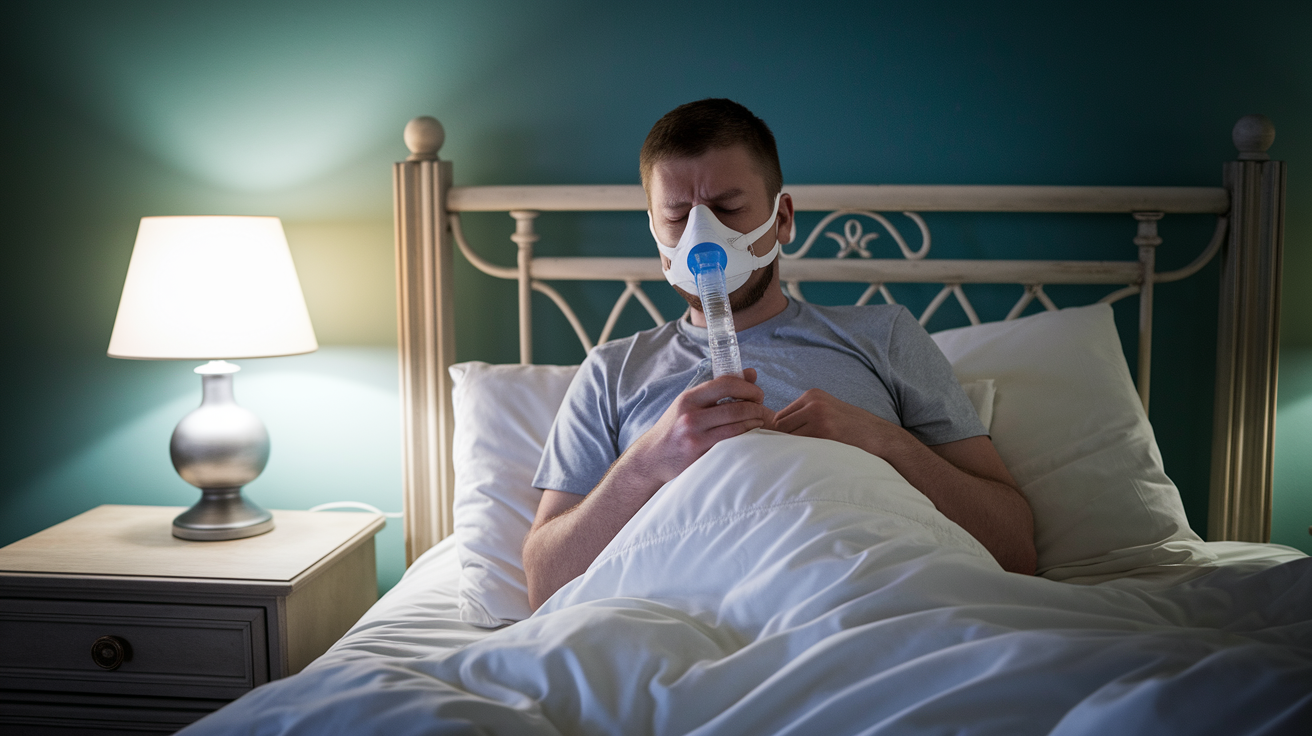
Could your crushing morning tiredness actually be sleep apnea?
You’re not imagining it.
Sleep apnea makes your airway block repeatedly during the night, waking you just enough to stop deep sleep.
You may spend eight hours in bed and still feel like you didn’t rest.
This post explains how apnea causes morning fatigue, the common clues to watch for, simple steps to try now, and when to get evaluated soon.
How Sleep Apnea Directly Leads to Morning Fatigue
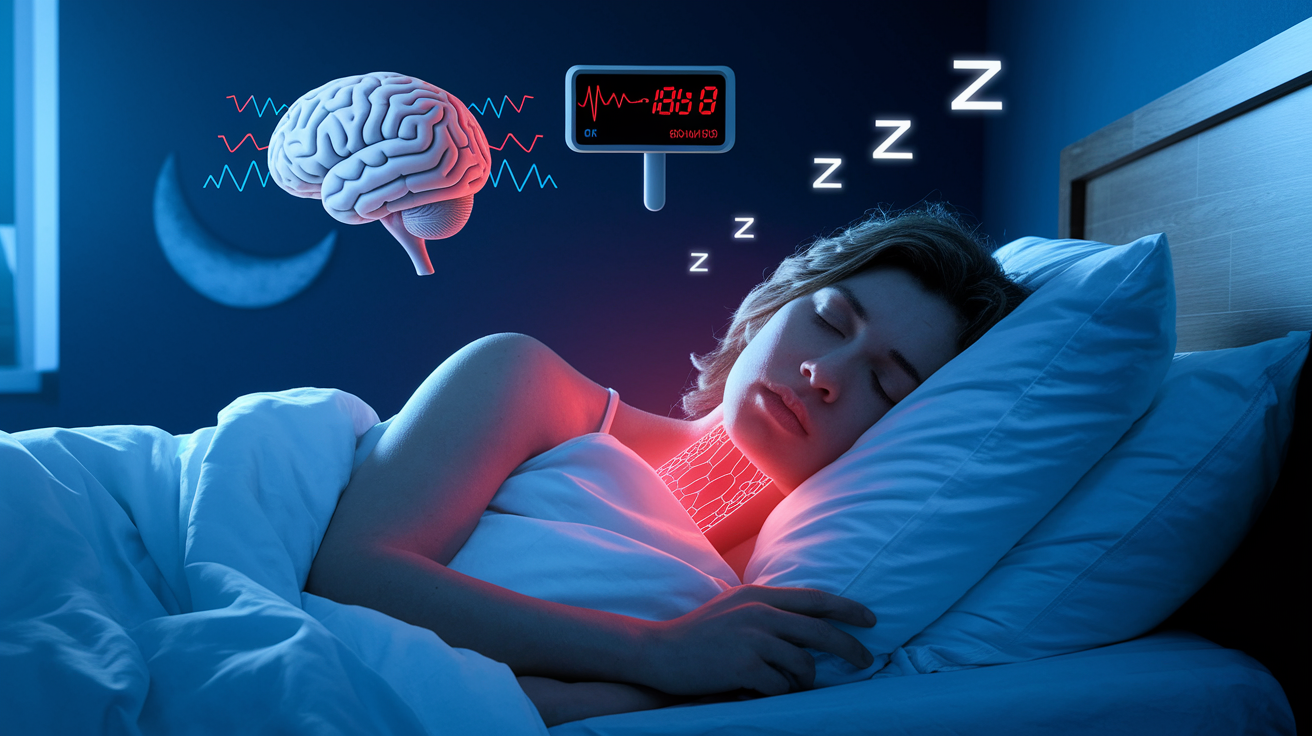
Yes, sleep apnea commonly causes morning fatigue. When you have sleep apnea, your upper airway collapses or gets blocked over and over during the night. Each time it happens, breathing stops for a few seconds up to a full minute. Your brain wakes you just enough to reopen the airway and restart breathing. These interruptions can happen dozens or hundreds of times per night. You can spend eight or nine hours in bed and still wake up exhausted.
The mechanism is pretty straightforward. During each breathing pause, your oxygen level drops and carbon dioxide builds up. Your body treats this like an emergency. The brain sends a jolt to wake you, tighten throat muscles, and restart breathing. You won’t remember these brief awakenings, but they yank you out of deep, restorative sleep stages over and over. Blood oxygen dips also trigger stress hormone surges that keep your body in fight-or-flight mode all night long.
Because your brain and body never get sustained time in deep or REM sleep, you wake up tired, groggy, and unrested. The fatigue is cumulative. Night after night of fragmented sleep and repeated oxygen drops leaves you feeling like you never truly slept. This pattern of interrupted breathing and chronic oxygen disruption is why morning fatigue is one of the most recognizable symptoms of untreated sleep apnea.
Key Symptoms That Suggest Morning Fatigue May Be Sleep Apnea
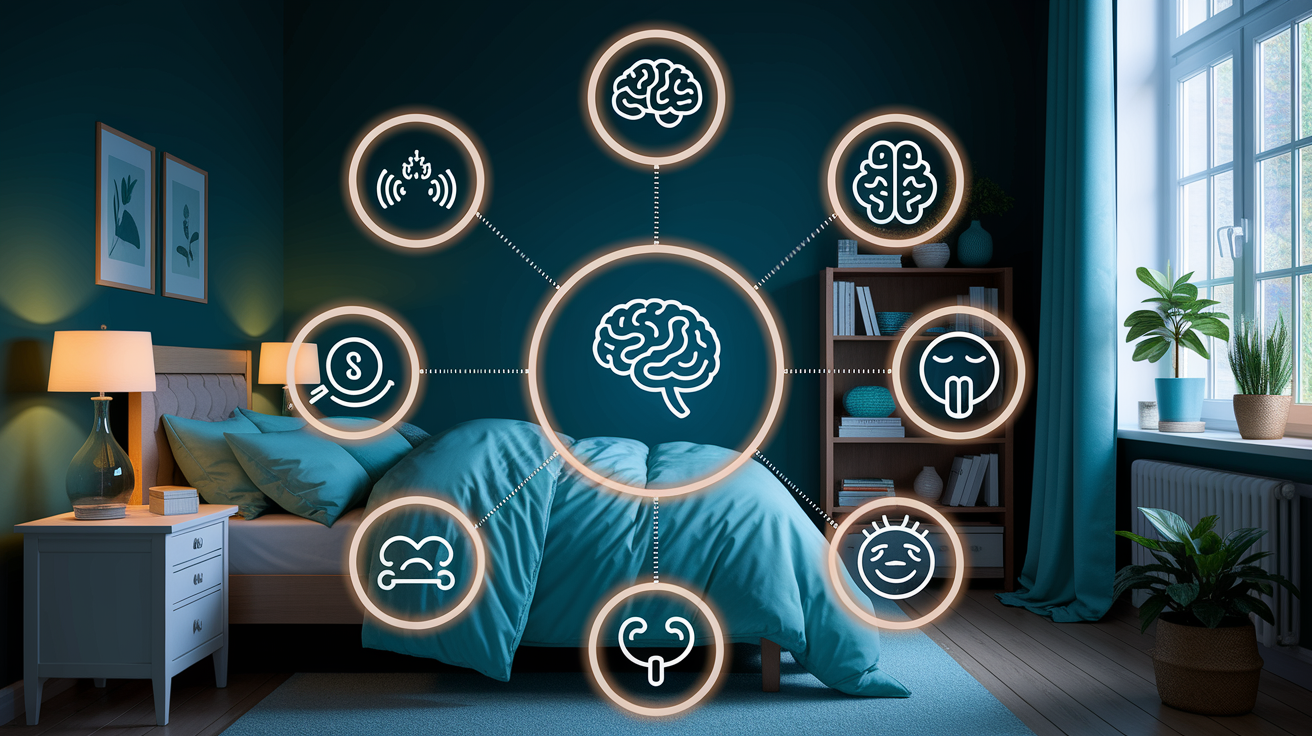
If you wake up exhausted and can’t figure out why, certain other symptoms often cluster around sleep apnea. Loud snoring is common, but it’s not the only clue. A lot of people with sleep apnea don’t realize their sleep is disrupted because the awakenings are so brief. Instead, they notice downstream effects during the day or hear about nighttime symptoms from a bed partner.
Here are six symptoms strongly associated with sleep apnea:
- Loud snoring, often with gasping, choking, or snorting sounds
- Witnessed pauses in breathing during sleep (someone sees you stop breathing)
- Morning headaches, especially a dull, pressure-like ache
- Difficulty concentrating, memory problems, or brain fog during the day
- Irritability, mood swings, or feelings of depression
- Dry mouth or sore throat when you wake up
If you recognize several of these symptoms along with persistent morning fatigue, it strengthens the possibility that sleep apnea is what’s causing it. The more symptoms you have, especially if a partner has noticed breathing pauses or choking sounds at night, the more likely a sleep evaluation will find apnea. No single symptom confirms sleep apnea on its own. But the combination creates a recognizable pattern that points toward disrupted nighttime breathing.
How Sleep Apnea Is Diagnosed When Morning Fatigue Is a Primary Complaint
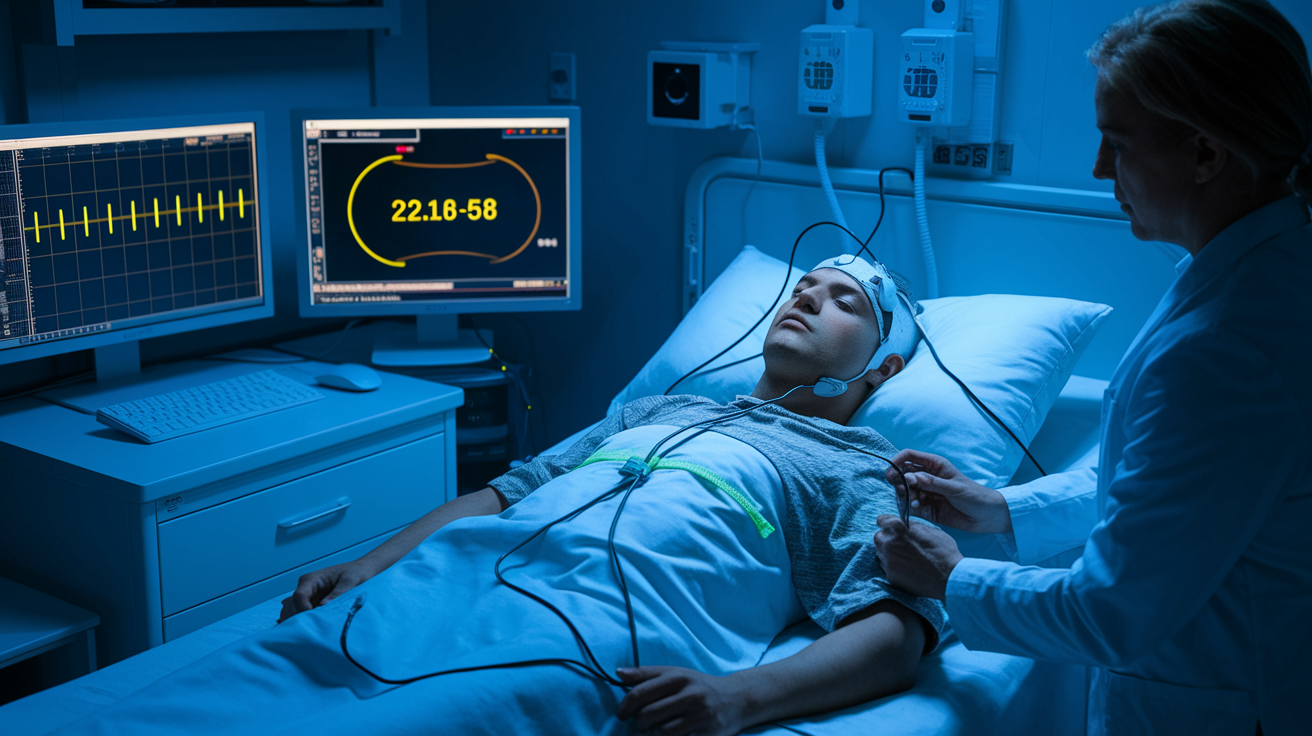
When morning fatigue is your main concern and you mention symptoms like snoring or witnessed breathing pauses, your doctor will usually recommend a sleep evaluation. That typically starts with a detailed sleep history, a physical exam of your airway, and questions about your sleep patterns. How you feel in the morning. How sleepy you are during the day. If the pattern suggests sleep apnea, the next step is objective testing to measure what happens while you sleep.
An overnight sleep study, also called polysomnography, is the standard way to diagnose sleep apnea. You spend the night in a sleep lab where sensors track your breathing, oxygen levels, heart rate, brain waves, and body movements. The test measures how many times per hour your breathing stops or becomes very shallow. That number is called the Apnea-Hypopnea Index, or AHI. An AHI of 5 to 15 events per hour is mild. 15 to 30 is moderate. Above 30 is severe. The study also shows how low your oxygen drops and how fragmented your sleep becomes.
For many people, a home sleep apnea test, or HSAT, is an easier option. You wear a portable monitor overnight in your own bed. It tracks breathing effort, airflow, oxygen levels, and sometimes heart rate. Home tests are convenient and less expensive, but they’re typically used only when obstructive sleep apnea is strongly suspected and there are no other major sleep disorders or health conditions complicating the picture. If results are unclear or if your symptoms suggest central sleep apnea or another sleep disorder, your doctor may still recommend an in-lab study for a more complete assessment.
Treatment Options That Reduce Morning Fatigue Caused by Sleep Apnea
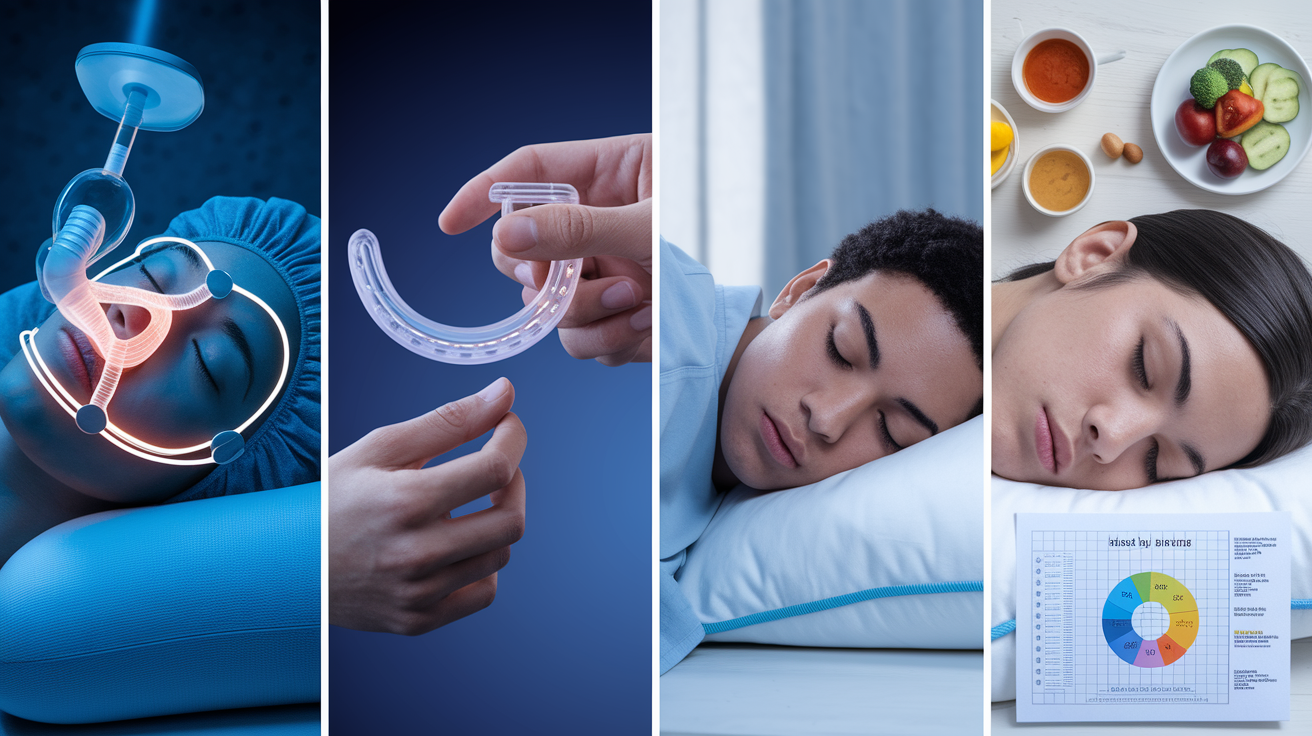
Once sleep apnea is confirmed, treatment focuses on keeping your airway open throughout the night so you can breathe normally and sleep deeply. The right treatment depends on the severity of your apnea, your anatomy, and what you’re able to use consistently. Most people see meaningful improvement in morning fatigue once their breathing is stabilized during sleep.
The most effective and widely used treatment is CPAP, or continuous positive airway pressure. You wear a mask over your nose or mouth while you sleep, and a machine delivers a steady stream of air that keeps your airway from collapsing. Many people report dramatic reductions in morning fatigue within the first few weeks of consistent CPAP use. Oral appliance therapy uses a custom-fitted dental device that gently moves your lower jaw forward to open the airway. It’s often used for mild to moderate apnea or when CPAP isn’t tolerated. Positional therapy helps if your apnea is worse when you sleep on your back. Weight loss and lifestyle changes can reduce apnea severity, especially in mild cases. Surgical options may be considered when there’s a clear structural cause, like very large tonsils or a severely deviated septum.
| Treatment | Primary Benefit | Typical Use Case |
|---|---|---|
| CPAP therapy | Eliminates apnea events and restores normal oxygen levels | Moderate to severe obstructive sleep apnea, first-line standard treatment |
| Oral appliance therapy | Keeps airway open by repositioning jaw | Mild to moderate apnea, CPAP intolerance, or patient preference |
| Positional therapy | Reduces back-sleep-related events | Position-dependent apnea (mainly occurs when sleeping on back) |
| Weight loss and lifestyle modification | Reduces airway pressure and event frequency | Mild apnea, overweight individuals, or as adjunct to other treatments |
Lifestyle Adjustments That Support Better Mornings for People With Sleep Apnea
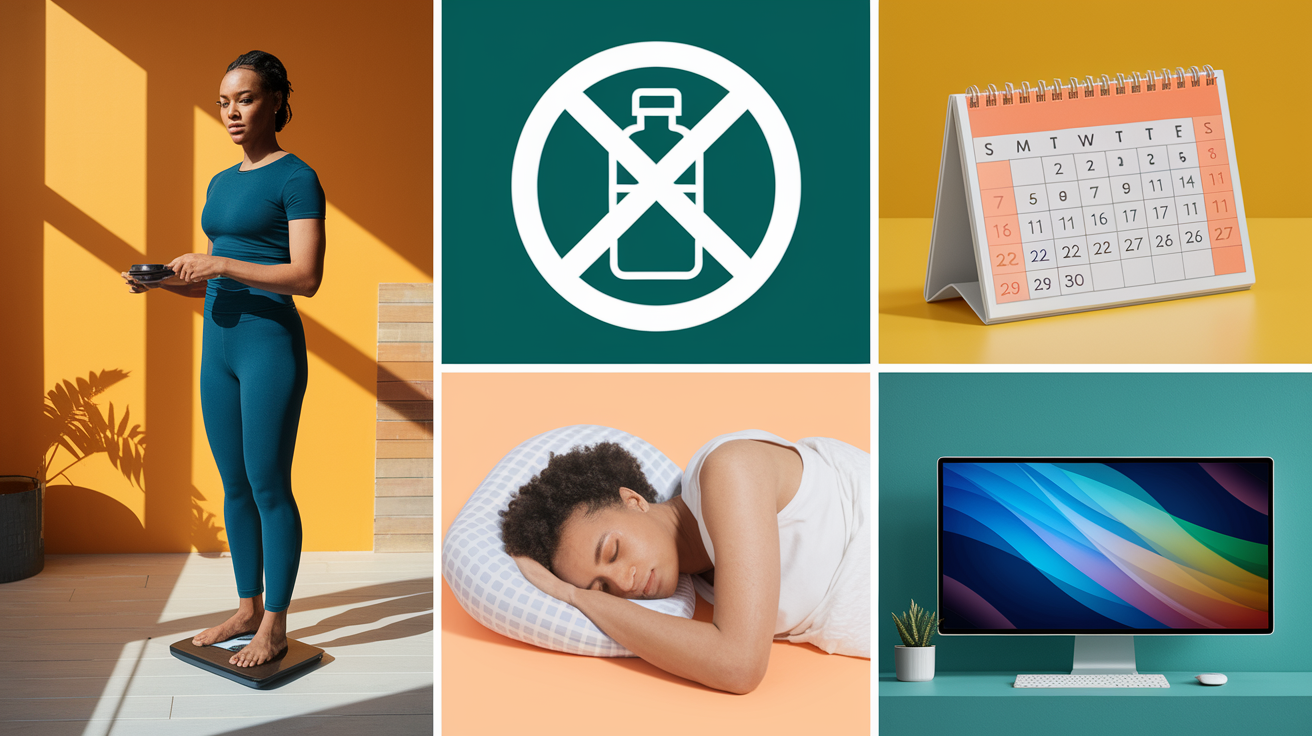
Lifestyle changes don’t replace medical treatment for sleep apnea, but they can make a real difference in how well your treatment works and how you feel in the morning. Even modest adjustments often reduce the severity of apnea and improve sleep quality. Think of these changes as supporting your airway and your overall sleep environment so your body has the best chance to rest deeply.
Here are five practical adjustments that improve sleep quality when you have sleep apnea:
- Lose weight if you’re overweight. Even 5 to 10 percent of your body weight can reduce airway obstruction.
- Avoid alcohol for at least three hours before bedtime. Alcohol relaxes throat muscles and worsens apnea.
- Sleep on your side instead of your back to keep your airway more open.
- Stick to a consistent sleep schedule. Go to bed and wake at the same time every day.
- Limit caffeine and screen time in the evening to support deeper, less fragmented sleep.
These steps work best when combined with your prescribed treatment, whether that’s CPAP, an oral appliance, or another approach. Side sleeping may reduce mild positional apnea, but it won’t eliminate severe apnea on its own. Weight loss can lower your AHI and may allow you to use a lower CPAP pressure, which some people find more comfortable. Avoiding alcohol and keeping a regular sleep routine help your nervous system settle into restorative sleep cycles. That supports the work your treatment is doing to keep your airway open all night.
Warning Signs That Morning Fatigue Requires Urgent Medical Attention

Most sleep apnea develops gradually and can be managed with standard evaluation and treatment. But certain symptoms suggest your apnea may be severe or causing immediate health risks. If you experience frequent choking or gasping episodes that wake you in a panic, if your partner reports very long pauses in your breathing, or if you’re so sleepy during the day that you’ve had near-misses while driving or have fallen asleep in dangerous situations, seek medical evaluation promptly. New or worsening chest pain, palpitations, severe shortness of breath, or fainting also warrant urgent attention, especially if you already know you have sleep apnea.
Severe, untreated sleep apnea puts strain on your heart and vascular system. Repeated oxygen drops and the surge of stress hormones with each apnea can raise blood pressure, increase the risk of arrhythmias, and contribute to heart disease and stroke over time. Morning headaches that are severe and persistent, extreme daytime lethargy that doesn’t improve with more time in bed, or sudden cognitive changes like confusion or memory loss may signal that your brain isn’t getting enough oxygen at night. Prompt diagnosis and treatment reduce these risks and can prevent long-term complications. If your symptoms feel severe or are getting worse quickly, don’t wait for a routine appointment. Call your doctor, visit an urgent care clinic, or go to the emergency department if you’re experiencing any combination of these warning signs.
Final Words
Sleep apnea often fragments sleep, lowers oxygen, and leaves you waking unrefreshed. Morning fatigue is a common sign, often with loud snoring, gasping, or daytime sleepiness.
You can act now: note when the tiredness happens, try steady sleep habits, avoid late alcohol, and bring a short symptom log to your clinician to discuss a sleep study or treatments like CPAP or an oral device.
If you’re still asking could sleep apnea cause morning fatigue and next steps, track timing, severity (0–10), and triggers for two weeks and share that at your visit. Many people feel better once treatment and small lifestyle changes are in place.
FAQ
Q: What does sleep apnea fatigue feel like?
A: The fatigue from sleep apnea feels like persistent, unrefreshed tiredness on waking—heavy eyelids, brain fog, slow thinking, yawning, and daytime sleepiness or naps despite a full night’s sleep, often with a morning headache.
Q: What is the 4% rule for sleep apnea?
A: The 4% rule for sleep apnea is a scoring threshold where a breathing event counts if oxygen falls by at least 4 percent; using 4% (versus 3%) typically records fewer events and can affect diagnosis.
Q: What is the pillow trick against sleep apnea?
A: The pillow trick against sleep apnea uses a wedge or specially shaped pillow to keep you side‑sleeping or with your head elevated, which can reduce airway collapse and help positional or mild obstructive apnea.
Q: What is the 21 day rule for CPAP?
A: The 21 day rule for CPAP says using CPAP nightly for about 21 days helps build tolerance and habit; many people need more time, so coordinate mask fit, ramp settings, and support with your clinician.
Comments are closed