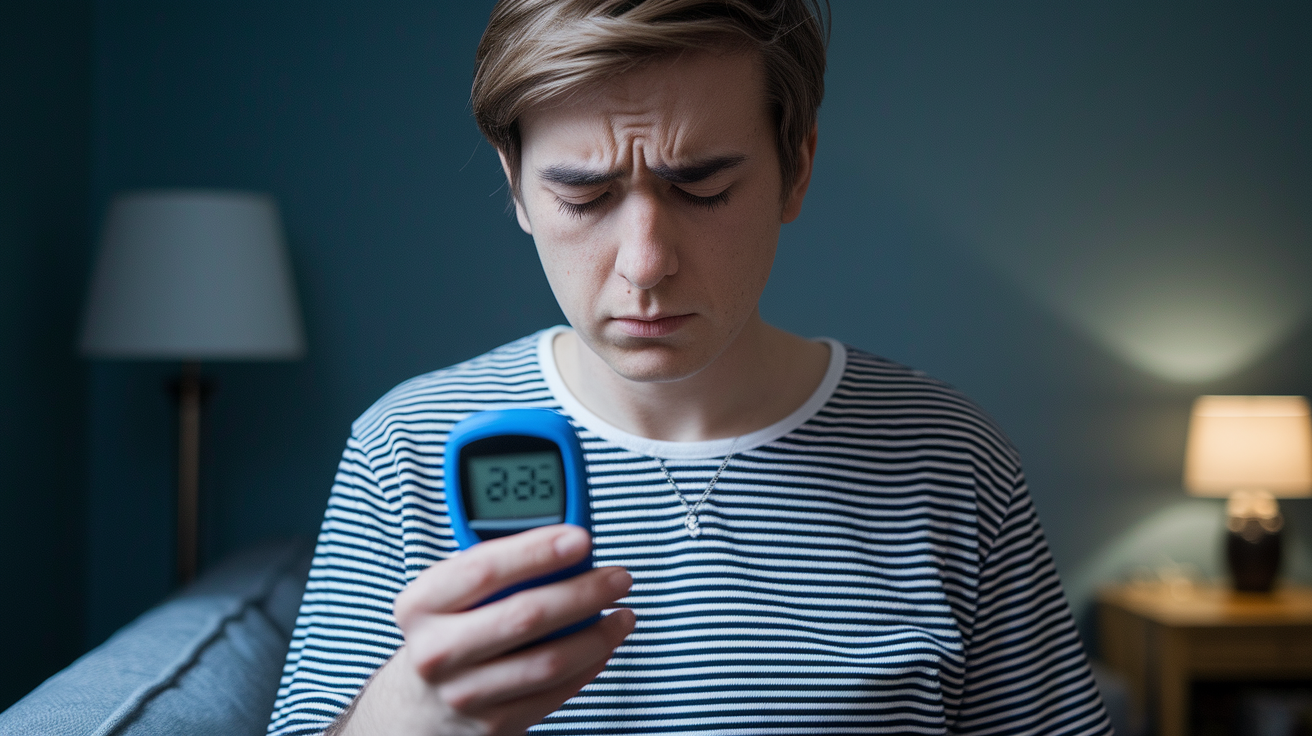
Could low blood sugar be why you wake up exhausted?
If you sleep eight hours and still feel wiped, morning lows in blood sugar can leave you shaky, foggy, and weak before breakfast.
This can feel scary, and you’re not imagining it.
In this post I’ll show the common signs, everyday triggers like skipping dinner or late exercise, simple low-risk steps to try (a bedtime snack, protein at breakfast, or checking levels), what to track for your clinician, and when to get urgent help.
How Morning Low Blood Sugar Leads to Fatigue

Your body runs on glucose. Your brain and muscles need it. After sleeping for eight to twelve hours without food, your blood sugar can naturally drop. If it falls below about 3.9 mmol/L (70 mg/dL), you’re in hypoglycemia territory. That dip can leave you waking up exhausted, shaky, unable to focus. And you haven’t even gotten out of bed yet.
When glucose runs low, your brain and muscles don’t have enough fuel to work right. Your brain uses roughly 20 percent of your body’s total energy, and it runs almost entirely on glucose. Low levels mean foggy thinking, memory problems, blurred vision, and a tired feeling that sticks around. Your muscles might feel weak or trembly because they’re also starved for fuel. Mismatched insulin timing, skipping dinner, or a late workout can all push your glucose down overnight and leave you feeling wiped when you wake.
Common symptoms of morning hypoglycemia:
- Extreme tiredness or trouble waking
- Shakiness or hand tremors
- Headache or grogginess
- Irritability or mood swings
- Hunger or nausea
- Lightheadedness or poor focus
Severity varies. Some people feel mildly off and bounce back after breakfast. Others wake with pounding hearts, sweats, or confusion. If you’re noticing a pattern (waking tired most mornings, needing to eat immediately, or feeling “back to normal” only after food), you might be dealing with recurring morning hypoglycemia. It’s not in your head. Worth tracking.
Main Causes of Morning Low Blood Sugar

Diet is often the issue. Skipping dinner, eating a very light or low-carb evening meal, or relying on simple sugars that burn off fast can all leave your glucose too low by morning. Long gaps between your last meal and breakfast (especially if you’re not fat-adapted) strain your body’s ability to keep glucose steady overnight. Low protein or fat at dinner can also mean your blood sugar crashes before dawn.
Lifestyle stuff adds to the risk. Drinking alcohol in the evening, especially without food, can block your liver from releasing glucose overnight. Late-night exercise increases insulin sensitivity and muscle glucose uptake, which can drop your blood sugar hours later while you sleep. Poor sleep, high stress, or erratic meal timing can all mess with the hormones that normally keep glucose stable (cortisol, glucagon, epinephrine).
For people on diabetes medications, insulin or sulfonylureas can cause overnight hypoglycemia if doses are too high, mistimed, or not adjusted for exercise or food. Medications like pentamidine have also been linked to low blood sugar. Even well-managed plans can create morning lows if evening insulin overlaps with fasting or if basal insulin is set too high. Anyone on these meds should work closely with their clinician to fine-tune timing and dosing.
Practical Strategies to Prevent Morning Fatigue from Low Blood Sugar

Stable overnight glucose starts with balanced evening nutrition. Eating a bedtime snack that includes protein, healthy fat, and a moderate amount of unprocessed carbs can help sustain glucose through the night. Think a handful of nuts with an apple, Greek yogurt with berries, or whole-grain toast with avocado. The goal is slow, steady fuel. Not a sugar spike followed by a crash.
Practical steps to reduce morning hypoglycemia:
- Eat a high-protein breakfast daily, preferably including animal protein
- Aim for 30 to 40 grams of protein at each main meal
- Include healthy fats with every meal (avocado, olive oil, nuts, oily fish, butter, or coconut milk)
- Fill half your plate with low-carb vegetables
- Choose unprocessed carbs and reduce portions to sustain energy until your next meal
- Limit or avoid alcohol, especially in the evening. If you drink, eat balanced meals before and after
- Avoid stimulants and simple sugars that can mess with glucose
Routine glucose monitoring helps you spot patterns. If you’re not using a continuous glucose monitor, check your blood sugar before bed, in the middle of the night, and first thing in the morning over several nights. This can be disruptive and exhausting, but it shows whether your glucose is dropping overnight and when. If you see a pattern (say, lows around 3 a.m. after evening workouts), you can adjust your bedtime snack, insulin dose (with clinician guidance), or exercise timing. Tracking what you eat, when you exercise, and how you feel in the morning creates useful information for a future appointment: “Here’s what I notice, here’s what I tried, and here’s what changed.”
Differences Between Diabetic and Non‑Diabetic Morning Hypoglycemia
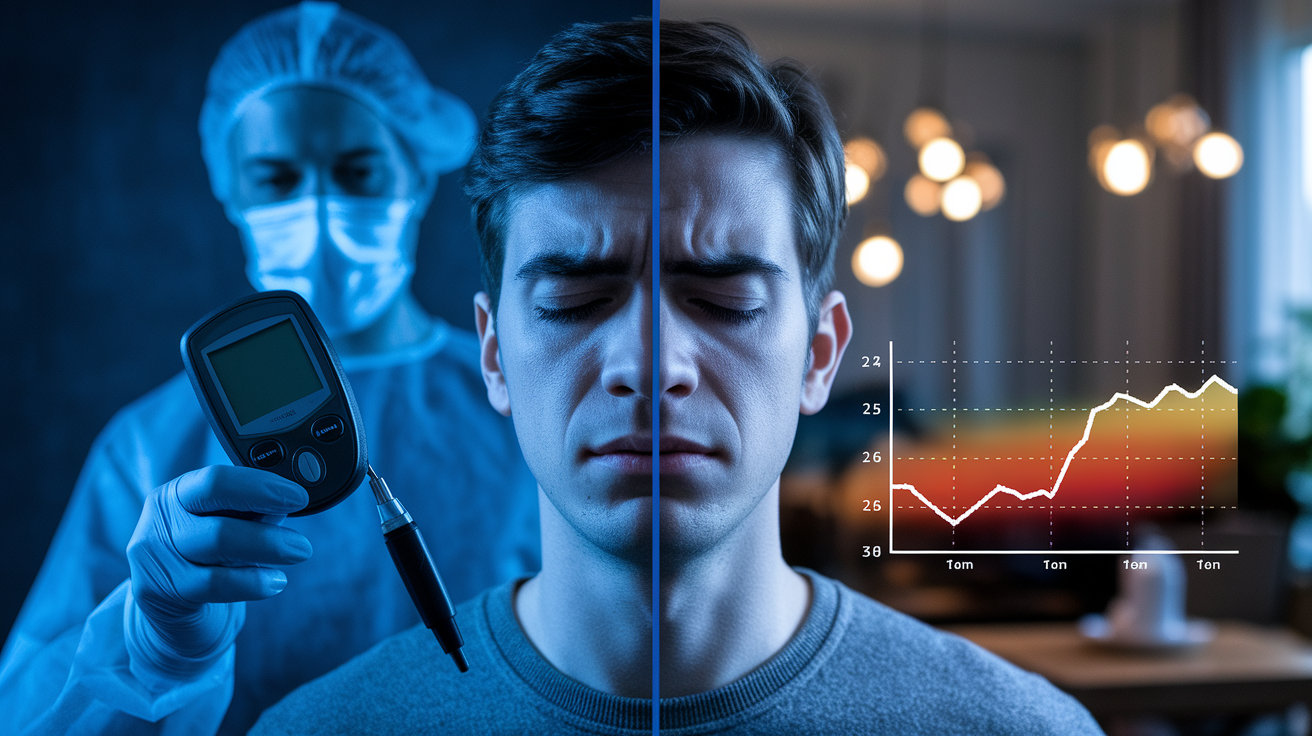
In people with diabetes (especially type 1, where the pancreas no longer makes insulin), morning hypoglycemia is often linked to exogenous insulin or meds like sulfonylureas. Excess circulating insulin relative to available glucose causes the drop. Exercise increases insulin sensitivity and muscle glucose uptake, which can lower blood sugar during and after activity. Mismatched basal or bedtime insulin doses, inconsistent evening meals, or skipped snacks all raise the risk. For diabetic individuals, prevention usually involves working with a healthcare provider to adjust medication timing and doses, maintaining consistent meal routines, and using tech like continuous glucose monitors to catch trends early.
Non-diabetic hypoglycemia is less common and often points to different mechanisms. Reactive hypoglycemia (symptoms within four hours after eating) can happen when your body releases too much insulin in response to a meal, causing a rebound drop. Fasting hypoglycemia, where glucose falls below 4.7 mmol/L (85 mg/dL) even within the reference range, may signal hormone imbalances, adrenal autoimmunity, impaired liver glucose release, or pancreatic alpha-cell depletion from repeated lows. Extreme dieting, very low carb intake without fat adaptation, pregnancy, or large tumors consuming glucose can also trigger morning lows in non-diabetic people. Treatment focuses on balanced, frequent meals with sufficient protein, fat, and fiber, rather than medication adjustments. Persistent non-diabetic hypoglycemia warrants medical evaluation to rule out underlying conditions like adrenal dysfunction, liver disease, or subtle endocrine disorders.
When Morning Low Blood Sugar Requires Medical Evaluation

Occasional morning tiredness is common. Recurring hypoglycemia that disrupts your mornings, makes you feel unsafe, or requires immediate eating to function is not normal and deserves professional attention. If you’re noticing a pattern (waking exhausted most days, needing to eat the moment you wake, or feeling shaky and confused before breakfast), it’s time to check in with a clinician. Low blood sugar can be serious. Prevention is safer than waiting for a severe episode.
Warning signs that need urgent evaluation:
- Fainting, loss of consciousness, or seizures
- Severe confusion or difficulty speaking
- Persistent hypoglycemia despite dietary changes
- Symptoms interfering with work, driving, or daily activities
Your clinician will likely start with fasting plasma glucose testing, ideally checked multiple times, since one-off readings can miss patterns. If you’re on diabetes medications, expect a medication review and possible dose or timing adjustments. If you’re not diabetic, testing may include hormone panels (cortisol, thyroid, insulin, glucagon), liver function tests, antibody screening for adrenal autoimmunity (such as 21-hydroxylase antibodies), or imaging if a structural cause is suspected. Bring your tracking notes: timing, severity (a 0 to 10 scale is fine), what you ate the night before, exercise, alcohol, and what made it better. A clear picture helps your clinician narrow the diagnosis and build a prevention plan that fits your life.
Final Words
Overnight drops in blood sugar often explain waking up groggy, shaky, or unusually tired.
You read why glucose matters for morning energy, common causes (missed dinner, late exercise, alcohol, or some meds), typical symptoms, and practical fixes like bedtime snacks, steady sleep, and pattern tracking.
Note the red flags: fainting, confusion, or frequent severe episodes — those need a clinician’s evaluation.
With gentle changes and clear tracking, low blood sugar morning fatigue symptoms and management may improve, and you’ll start waking with steadier energy.
FAQ
Q: How to stop waking up with low blood sugar?
A: To stop waking up with low blood sugar, try a small balanced bedtime snack (protein plus slow carbs), avoid late alcohol or heavy evening exercise, monitor overnight glucose, and review medication timing with your clinician.
Q: What is the 5 2 1 rule for hypoglycemia?
A: The 5 2 1 rule for hypoglycemia isn’t a widely recognized standard; the common approach is the 15-15 rule: eat 15 grams of fast carbs, wait 15 minutes, then recheck glucose—ask your clinician for guidance.
Q: Can GLP-1 cause low blood sugar?
A: GLP-1 medications rarely cause low blood sugar by themselves; the risk goes up if you also take insulin or sulfonylureas, skip meals, or drink alcohol—check with your prescriber before changing treatment.
Q: Can low blood sugar cause extreme fatigue?
A: Low blood sugar can cause extreme fatigue because the brain and muscles lack fuel, producing weakness, grogginess, and poor focus; if this happens often, track patterns and seek medical review.
Comments are closed