
What if your bloating isn’t just “one of those days” but a constant, day to day problem?
You’re not imagining it.
Everyday gas and a tight belly can come from food, habits, hormones, or a digestive issue.
This post lays out the most common causes, simple things to try now for quick relief, diet and habit changes that help over time, and easy tracking tips you can bring to a clinician.
You’ll also get clear warning signs for when to seek medical care.
Understanding Persistent Gas and Bloating
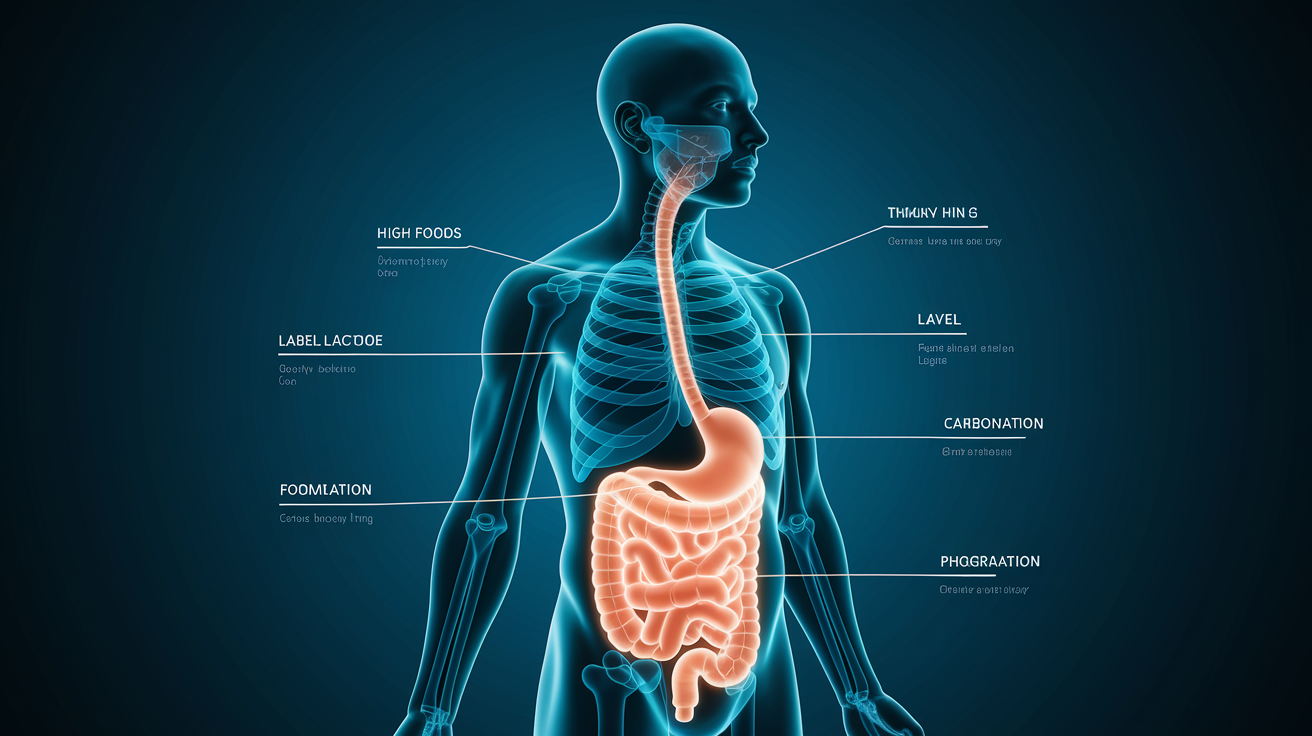
Gas and bloating are part of normal digestion. Your gut produces gas when bacteria break down food in your large intestine, and you swallow small amounts of air when you eat or drink. Most people pass gas 10 to 20 times a day without noticing. Bloating is the feeling that your abdomen’s fuller or tighter than usual, sometimes with visible swelling. When these sensations happen occasionally after a big meal or a fizzy drink, they’re usually nothing to worry about. But when gas and bloating show up every day or several times a week, it’s worth figuring out why.
Common dietary culprits include foods that ferment easily in your gut. High FODMAP foods (fermentable carbohydrates like onions, garlic, beans, apples, and wheat) can trigger excess gas in people with sensitive digestive systems. Dairy products cause bloating if you don’t produce enough lactase, the enzyme that breaks down milk sugar. Carbonated drinks introduce extra gas into your stomach. Sugar alcohols (found in sugar free gum and candies) pull water into your intestines and ferment, creating both gas and loose stools. Eating too quickly increases the amount of air you swallow, and habits like chewing gum, drinking through a straw, or talking while you eat can have the same effect.
Six everyday triggers that commonly contribute to persistent gas and bloating:
- Beans, lentils, broccoli, cauliflower, cabbage, and Brussels sprouts
- Dairy products when lactose intolerance is present
- Onions, garlic, and high fructose fruits like apples and pears
- Carbonated beverages and beer
- Artificial sweeteners such as sorbitol, mannitol, and xylitol
- Eating or drinking too quickly, leading to swallowed air
When diet alone doesn’t explain the pattern, consider functional digestive disorders and intolerances. IBS is a common reason for chronic bloating, often paired with cramping and changes in bowel habits. Small intestinal bacterial overgrowth (SIBO) happens when bacteria that normally live in your colon migrate up into your small intestine and ferment food earlier in the digestive process, producing excess gas. Gluten sensitivity or celiac disease can also cause persistent bloating, especially if it shows up after eating bread, pasta, or baked goods. Hormonal shifts, particularly in the week before a period, can slow digestion and increase water retention, making bloating worse. If your bloating comes with unintended weight loss, blood in your stool, severe pain, recurrent vomiting, or fever, it may signal a more serious condition like inflammatory bowel disease, bowel obstruction, or malabsorption. Get prompt medical evaluation.
Quick Relief Techniques for Gas and Bloating

When gas pain or bloating hits, you want relief now. Movement is one of the simplest ways to help trapped gas move through your intestines. A 10 to 15 minute walk, even if it’s just around your house or down the block, can ease pressure and encourage your gut to keep things moving. If walking isn’t an option, try lying on your back and gently pulling your knees to your chest, one at a time or both together. Hold for a few breaths before releasing.
Heat can calm cramping and relax tense abdominal muscles. A heating pad or hot water bottle placed on your belly for 15 to 20 minutes often brings noticeable relief. Sipping warm fluids like peppermint tea or plain warm water may also ease discomfort. Peppermint in particular has a mild muscle relaxing effect on the digestive tract. Gentle abdominal massage, moving your hand in a clockwise circle starting at your lower right side (where your small intestine meets your colon), can help guide gas along its natural path.
Five steps to try when you need immediate relief:
- Take a slow 10 minute walk to encourage gut movement and gas release.
- Apply a warm heating pad or hot water bottle to your abdomen for 15 to 20 minutes.
- Drink warm peppermint tea or plain warm water to relax digestive muscles.
- Lie on your back and pull your knees gently toward your chest, holding for 20 to 30 seconds.
- Massage your belly in a slow clockwise motion, starting from your lower right side.
Diet Adjustments That Reduce Gas
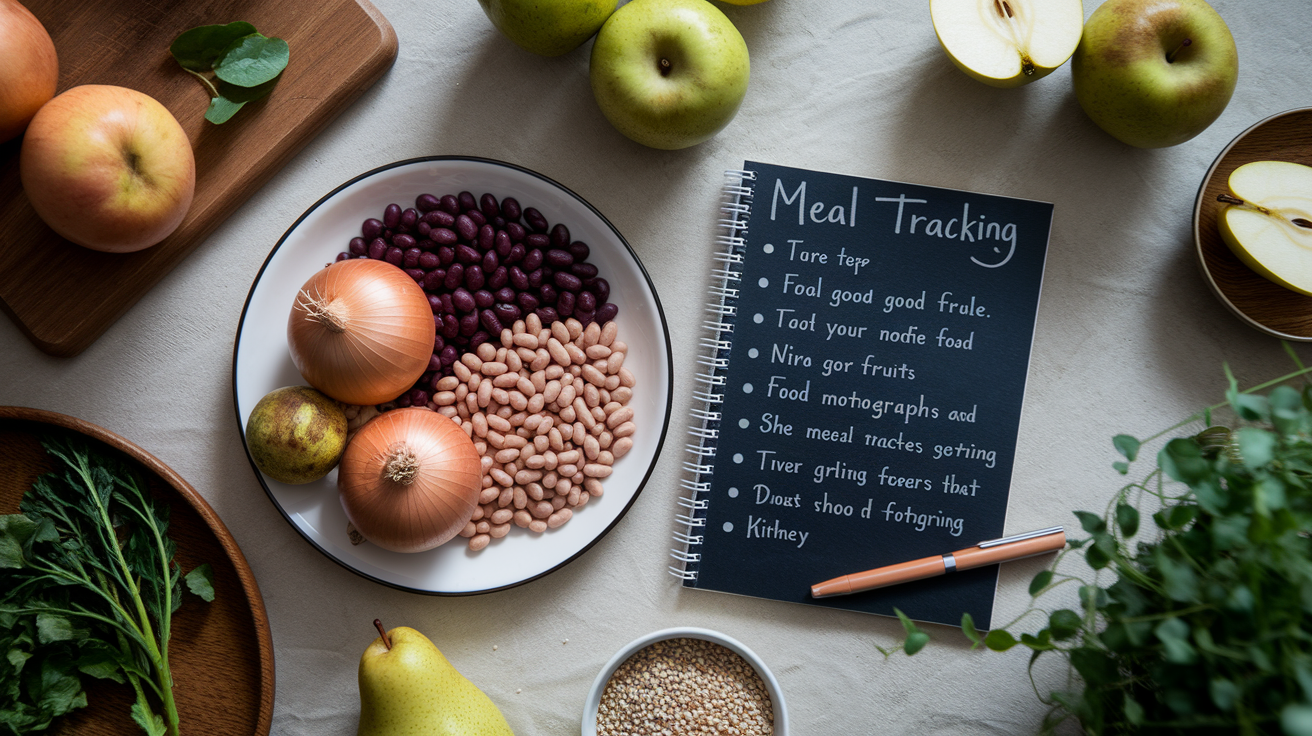
Food choices and eating habits are two of the most common and controllable causes of persistent gas and bloating. If you notice symptoms worsening after meals, start by tracking what you eat and when bloating appears. High FODMAP foods, those rich in fermentable carbohydrates, are frequent offenders. Onions and garlic show up in many recipes but can cause significant gas buildup in sensitive people. Beans, lentils, and chickpeas are nutrient dense but also highly fermentable. Apples, pears, watermelon, and stone fruits contain fructose and sorbitol, both of which can trigger bloating when your gut can’t absorb them efficiently. Wheat and rye contain fructans, another FODMAP that ferments easily.
Lactose intolerance is one of the most common food intolerances worldwide. If dairy products leave you gassy and uncomfortable within 30 minutes to a few hours, you may not be producing enough lactase enzyme. Gluten sensitivity or celiac disease can also cause bloating, cramping, and changes in bowel habits after eating bread, pasta, or baked goods. Even if testing for celiac disease is negative, some people experience real symptom improvement when they reduce or remove gluten.
Slowing down your eating pace is just as important as what you eat. When you eat quickly, you swallow more air. That air has to come out somehow, either as burping or as gas further down the line. Chew thoroughly, put your fork down between bites, and try to make meals last at least 15 to 20 minutes. Avoid drinking through straws, skip the chewing gum, and limit carbonated drinks. Each of these behaviors introduces extra air into your digestive system.
| Food Type | Gas Potential |
|---|---|
| Beans, lentils, chickpeas | High (fermentable carbohydrates and fiber) |
| Onions, garlic, leeks | High (fructans trigger bloating in many people) |
| Dairy products (milk, ice cream, soft cheese) | High if lactose intolerant |
| Carbonated drinks, beer, sparkling water | High (introduces gas directly into stomach) |
| Sugar free gum and candies (sorbitol, xylitol) | High (sugar alcohols ferment and pull water into gut) |
Over the Counter Options

Several over the counter products can provide symptom relief, though results vary depending on the cause of your gas and bloating. Simethicone is a common ingredient in products like Gas X and Mylanta. It works by breaking up gas bubbles in your stomach and intestines, making them easier to pass. It’s generally safe and can be used as needed, though it doesn’t address the underlying cause of gas production.
Digestive enzyme supplements can help if your bloating’s related to specific food intolerances. Lactase enzyme tablets or drops (like Lactaid) allow people with lactose intolerance to digest dairy with fewer symptoms. Alpha galactosidase products (like Beano) help break down the complex carbohydrates in beans and cruciferous vegetables before they reach your colon and ferment. These work best when taken just before eating the trigger food. Probiotics are live bacteria that may improve gut balance and reduce bloating over time, but effects depend on the strain and the individual. Look for products with Bifidobacterium or Lactobacillus strains and give them at least a few weeks to show benefit.
Quick look at common OTC options:
- Simethicone: Breaks up gas bubbles, safe for occasional or regular use, does not prevent gas formation.
- Digestive enzymes (lactase, alpha galactosidase): Helps digest specific trigger foods when taken before meals, reduces fermentation and gas production.
- Probiotics: May support long term gut health and reduce bloating, results vary by strain and individual response, allow several weeks for effect.
- Activated charcoal: Sometimes marketed for gas relief but not recommended for regular use, can interfere with nutrient absorption and medication effectiveness.
Lifestyle Habits That Improve Digestion
Long term relief from gas and bloating often comes down to steady daily habits that support your digestive system. Regular physical activity is one of the most effective ways to keep your gut moving. You don’t need intense workouts. Even 20 to 30 minutes of walking, cycling, stretching, or yoga most days of the week can improve bowel regularity and reduce the buildup of gas. Movement helps your intestines contract rhythmically, moving food and gas along more efficiently.
Hydration plays a quieter but equally important role. Water supports the breakdown of food, helps fiber do its job, and prevents constipation (a common contributor to bloating). Aim for steady fluid intake throughout the day rather than chugging large amounts at once. If you’re increasing fiber in your diet, increase water at the same time to avoid worsening bloating or constipation.
Stress and poor sleep can both worsen digestive symptoms. When you’re stressed or running on too little sleep, your nervous system becomes more reactive and your gut becomes more sensitive. You may notice bloating or cramping in response to foods that didn’t bother you before. Simple daily practices like a few minutes of slow breathing, a short walk outside, or a consistent bedtime routine can lower your baseline stress and give your gut a chance to settle. Eating at regular times also helps. Erratic meal timing can confuse your digestive rhythm and lead to irregular bowel habits, both of which contribute to gas and bloating.
When Symptoms Require Medical Evaluation

Most cases of gas and bloating improve with dietary changes and lifestyle adjustments, but persistent or worsening symptoms sometimes point to an underlying condition that needs medical attention. If you’ve tried eliminating common triggers, eating more slowly, staying active, and managing stress, and your bloating still shows up daily or interferes with your normal routine, it’s time to check in with a clinician. Bloating that doesn’t improve after several weeks of home management may be related to small intestinal bacterial overgrowth (SIBO), irritable bowel syndrome (IBS), celiac disease, inflammatory bowel disease, or another digestive disorder that benefits from targeted treatment.
Certain symptoms should prompt an earlier visit. These are signs that something more serious may be going on, and they shouldn’t be ignored or explained away as “just gas.” If your bloating’s paired with any of the following, reach out to a healthcare provider soon.
Watch for these red flags:
- Unintended weight loss of more than a few pounds over a short period, especially if you haven’t changed your diet or activity level.
- Blood in your stool, whether bright red or dark and tarry, or a positive result on a home stool test.
- Persistent or severe abdominal pain that doesn’t ease with passing gas or a bowel movement.
- Recurrent vomiting, especially if it’s severe, contains blood, or comes with an inability to keep food or fluids down.
- Fever, chills, or other signs of infection occurring alongside bloating and digestive symptoms.
Final Words
You read clear reasons for persistent gas and bloating, quick relief techniques, diet tweaks, over‑the‑counter options, daily habits that help, and the red flags that mean you should see a clinician.
Start with simple steps: walk after meals, apply heat, sip warm fluids, slow your eating, and note which foods trigger symptoms.
If you’re dealing with constant gas and bloating, track timing, severity, and what helps. Try the low‑risk strategies here, and check in with a clinician if symptoms are severe or don’t improve. Small changes often bring steady relief.
FAQ
Why am I so bloated and gassy all the time?
You may be bloated and gassy all the time due to swallowed air, high-FODMAP foods like beans or onions, lactose intolerance, constipation, hormonal shifts, or digestive conditions like IBS that affect how your gut processes food and gas.
How do I get rid of constant gas and bloating?
You can get rid of constant gas and bloating by walking to move gas through your intestines, applying gentle heat to your abdomen, drinking warm fluids like peppermint tea, and adjusting your diet to reduce trigger foods.
What can be mistaken for trapped gas?
Trapped gas can be mistaken for conditions like gallbladder issues, appendicitis, ovarian cysts, kidney stones, or heart-related chest pain, especially when the cramping or pressure feels severe or shows up in unexpected areas like the chest or ribs.
When should I be concerned about excessive gas?
You should be concerned about excessive gas if you also notice unexplained weight loss, rectal bleeding, persistent vomiting, fever, worsening abdominal pain, or bloating that doesn’t improve with diet changes, as these may signal a more serious condition.
Comments are closed