Think bloating is just gas and patience will fix it? Not always, and knowing why your stomach puffs up can stop the guessing.
Bloating feels tight, gassy, and often shows after meals, during your cycle, or when stress spikes.
This post breaks down the common triggers, like overeating, swallowed air, certain foods, slow digestion, and hormones, and gives simple, low-risk steps you can try now.
You’ll get what to try today, what to track for your clinician, and clear signs that mean you should get checked.
Key Reasons Your Stomach Feels Bloated Right Now
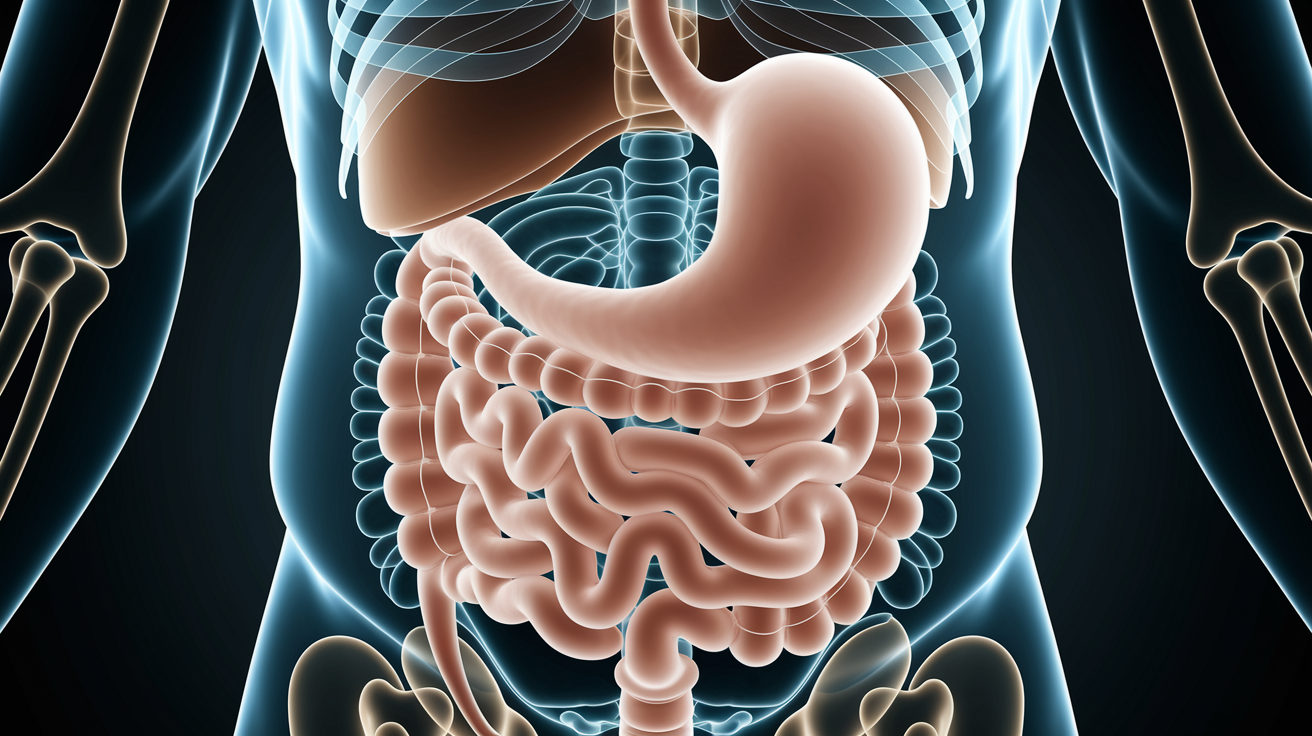
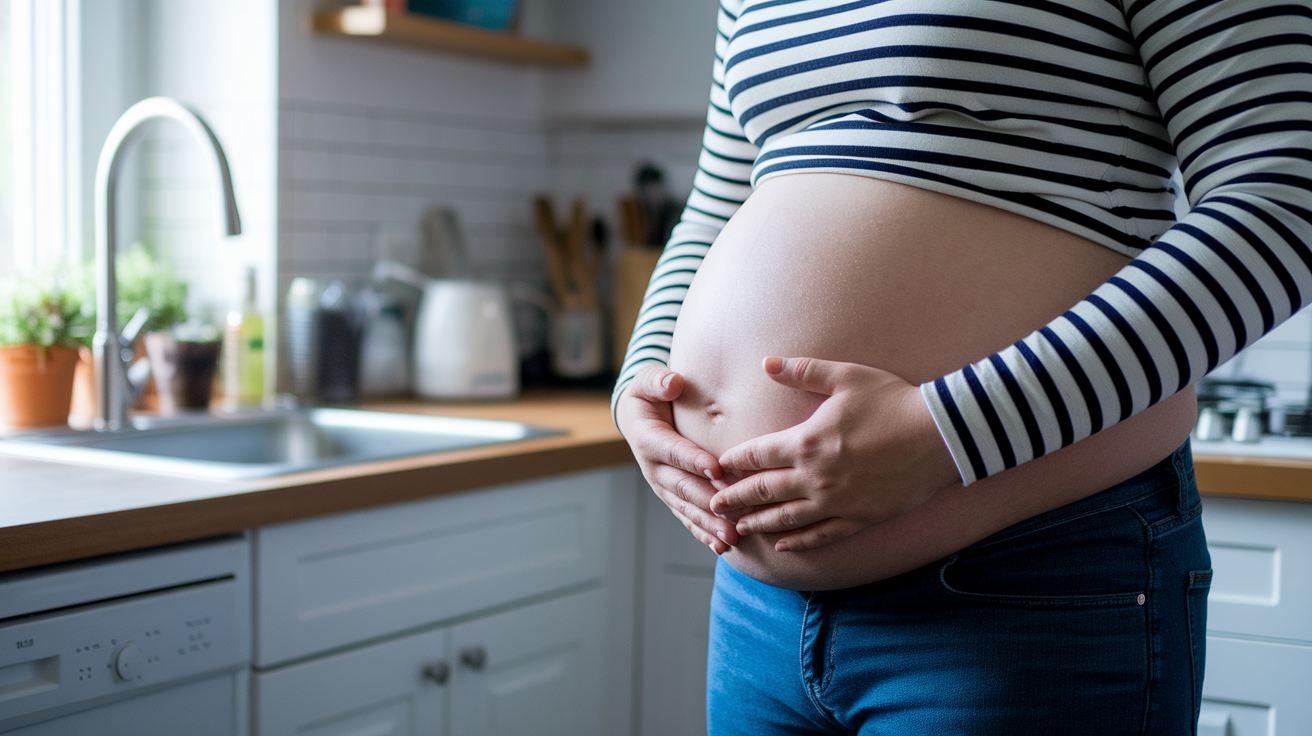
Bloating is that tight, swollen feeling in your belly. Sometimes you can see it. Your stomach puffs out enough that your jeans don’t button, or you look pregnant when you’re not. Between 10% and 25% of people deal with this on and off, and it can hit hard after eating or at certain points in your cycle.
Most of the time, it’s gas, food, or how fast your digestive system is moving. Eat too much or eat too fast? Your stomach stretches and everything slows down. That sluggishness traps gas and builds pressure. You also swallow extra air when you talk while chewing, pop gum, drink anything fizzy, or smoke. Your gut makes gas too, especially when bacteria break down foods that are tricky to digest or that your body can’t fully absorb.
Food sensitivities are huge for a lot of people. Can’t handle lactose or gluten? That undigested stuff reaches your colon, bacteria go to town on it, and you get gas bubbles. IBS brings bloating along with belly pain and bathroom changes. Celiac disease and GERD pile on that tight, swollen sensation too.
Quick causes you can spot right now:
- Overeating – you stretched your stomach and slowed everything down
- Eating too fast – more air swallowed, less chewing happening
- Swallowed air habits – talking mid-bite, chewing gum, straws, carbonated drinks
- Slow digestion – constipation or sluggish gut trapping gas
- Food intolerances – reacting to lactose, gluten, or ingredients your body can’t handle well
Digestive Triggers Behind Stomach Bloating
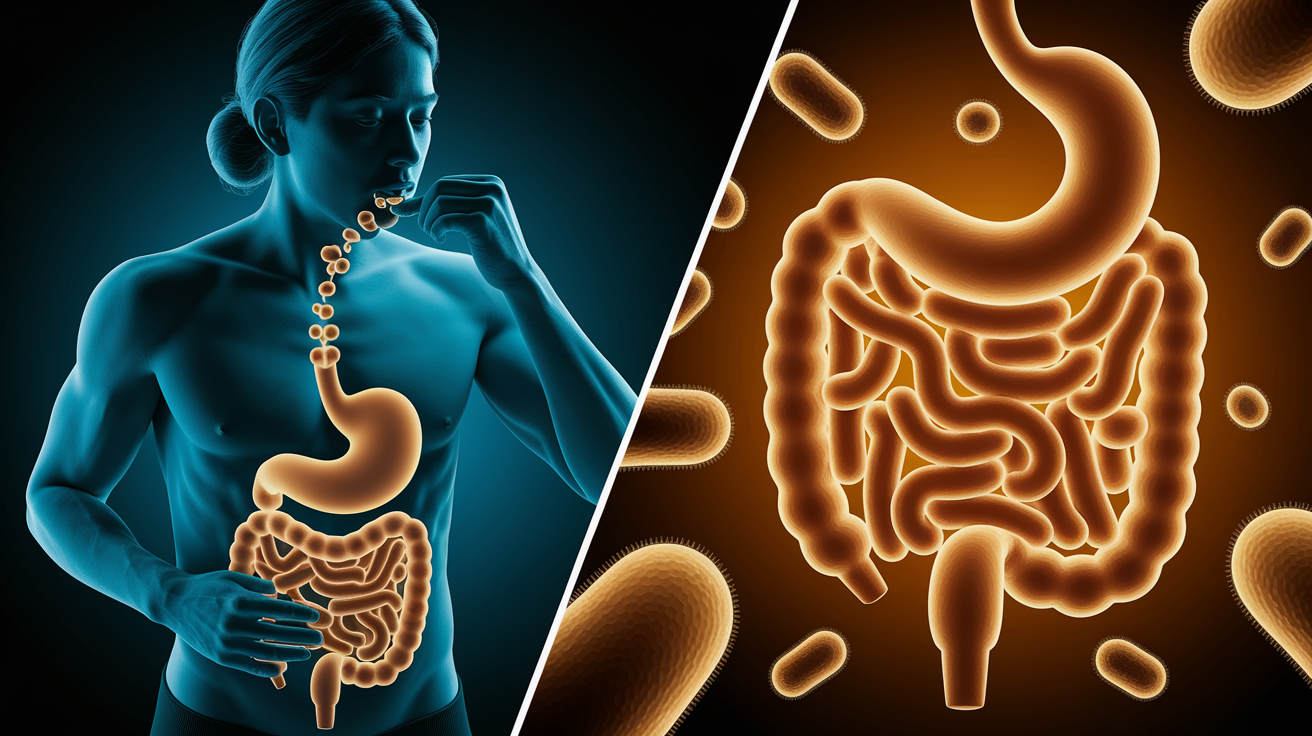
Gas gets into your gut two ways. You swallow it, or bacteria make it while breaking down what you ate. When digestion slows because of constipation, a bacterial imbalance, or a condition messing with how your intestines move, gas gets stuck. Stuck gas stretches your intestinal walls, and your nervous system reads that stretch as bloating. Some people’s guts are just more sensitive, so even normal gas feels bad.
Digestive disorders mess with how your GI tract moves and reacts. Constipation is one of the worst offenders. Stool moves slowly or sits there, trapping gas behind it and cranking up pressure all through your abdomen. GERD and acid reflux create upper belly bloating, plus burping, feeling full after tiny meals, and sometimes burning. IBS gets diagnosed after ruling other things out. It pairs bloating with recurring pain and stool changes, whether that’s constipation, diarrhea, or ping-ponging between both.
| Trigger | How It Causes Bloating |
|---|---|
| Gas from bacterial fermentation | Gut bacteria break down undigested food and produce gas that stretches intestines, creating pressure. |
| Constipation | Slow stool movement traps gas, raises abdominal pressure, and slows gut transit overall. |
| GERD and acid reflux | Stomach acid irritates the esophagus and upper stomach, leading to burping, early fullness, and upper belly bloating. |
| Gut bacteria imbalance | Overgrowth or imbalance in the small intestine (SIBO) causes too much gas and malabsorption. |
Eating Habits That Make Your Stomach More Bloated
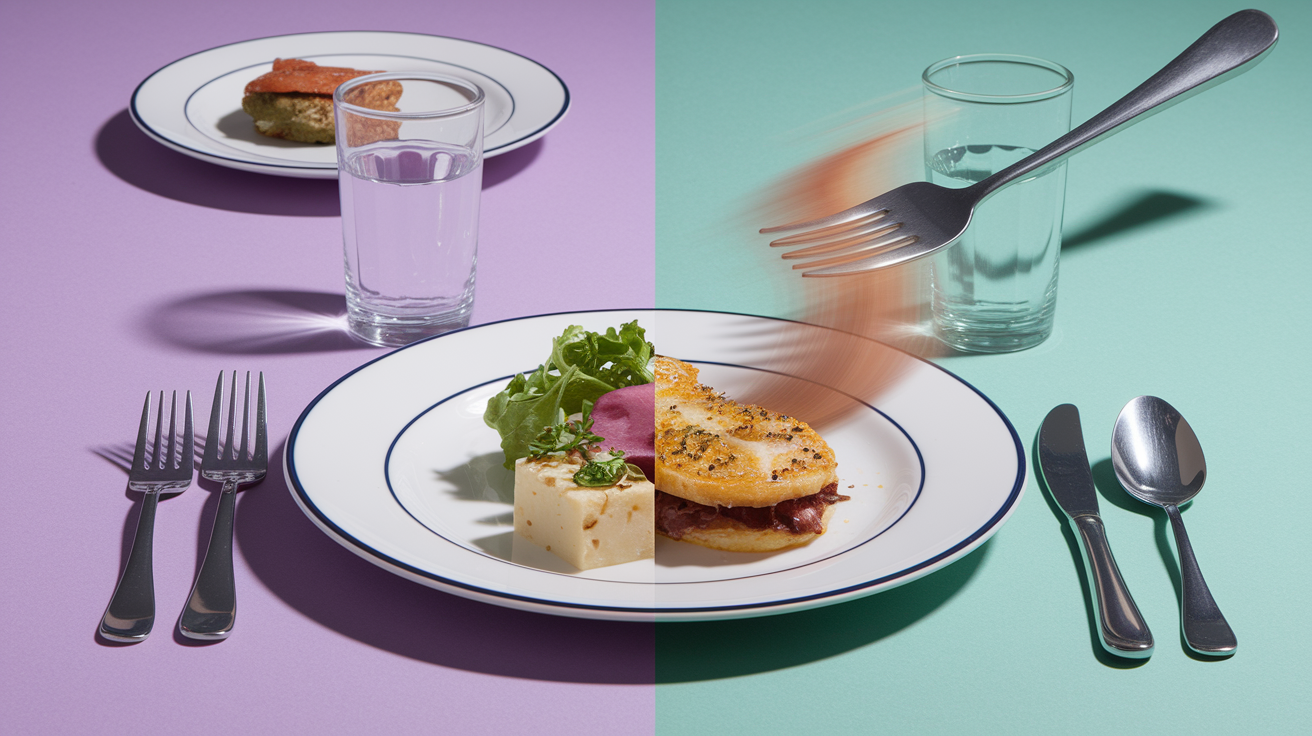
How you eat matters more than most people think. Eat fast? You swallow more air with every bite. That’s called aerophagia. Gum chewing and smoking do it too. Carbonated drinks pump gas straight into your stomach. Even talking while you eat sends more air down with your food. All that swallowed air has to go somewhere, and it shows up as bloating and odorless burps.
Big meals stretch your stomach and slow digestion. When your stomach’s too full, food sits there longer before moving into your small intestine. That delay gives gut bacteria more time to ferment whatever’s hanging around. Speed eating makes it worse because you don’t give your body time to register fullness, so you keep going past comfortable. Stretching plus sluggish transit? Perfect bloating setup.
Adjusting a few behaviors can cut bloating way down. Mindful eating works. Put your fork down between bites, chew completely, pause before grabbing seconds. That gives your digestive system time to catch up. Smaller portions more often keep your stomach from stretching too far at once. Slowing down also reduces how much air you’re swallowing per meal.
Changes that make a real difference:
- Smaller portions. Stop before you feel stuffed.
- Chew thoroughly and put your utensil down between bites.
- Don’t talk with food in your mouth.
- Cut back on carbonated drinks, especially during meals.
- Skip gum. It makes you swallow air over and over.
- Ditch straws. They pull extra air into your mouth with every sip.
Common Food Culprits Behind a Bloated Stomach
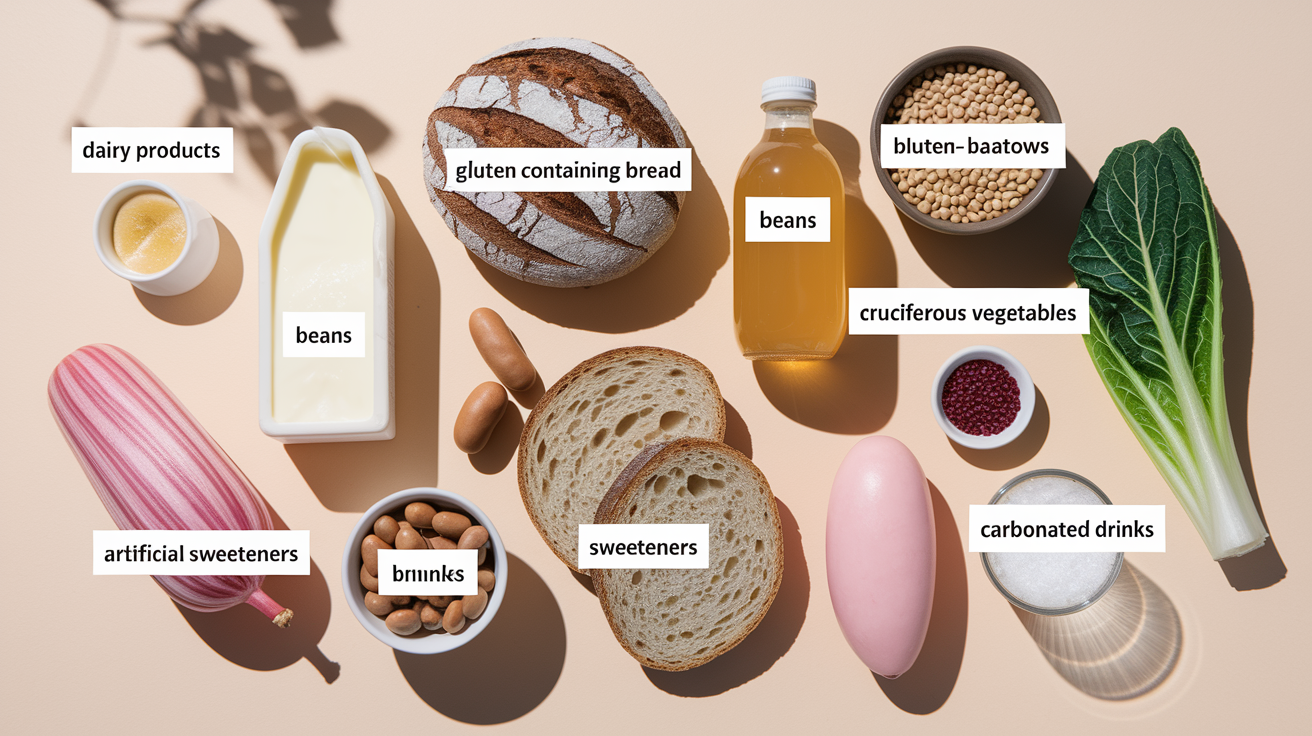
Some foods are harder to digest or trigger fermentation in your colon. Those are your main bloating offenders. Lactose and gluten are the big two. Lactose intolerant? Your small intestine can’t break down dairy sugar, so it travels to your colon where bacteria ferment it into gas. Gluten sensitivity works the same way. Undigested gluten reaches the colon, ferments, creates gas bubbles. Beans, lentils, and cruciferous veggies like broccoli, cauliflower, Brussels sprouts, and cabbage are classic triggers too. They’ve got complex carbs that gut bacteria love breaking down, and that breakdown produces a lot of gas.
Artificial sweeteners and sugar alcohols sneak up on you. Sorbitol and xylitol are in diet sodas, light juices, sugar-free gum, sweetener packets. Your body doesn’t absorb them well, so they create bloating. High-fructose corn syrup does the same thing. A food diary helps you track what you ate and when bloating hit. Keep it for a week or two. Write down meals, snacks, portion sizes, how you felt afterward. Patterns usually show up. Maybe bloating spikes after dairy, big fatty meals, or anything with sugar alcohols.
Foods known to create gas or intolerance bloating:
- Dairy products – undigested lactose ferments in the colon if you’re lactose intolerant.
- Gluten foods – wheat, barley, rye can trigger bloating with gluten sensitivity or celiac disease.
- Beans and legumes – lentils, chickpeas, black beans, pintos have complex sugars that produce gas.
- Cruciferous vegetables – broccoli, cauliflower, Brussels sprouts, cabbage, kale are tough to break down.
- Artificial sweeteners – sorbitol, xylitol, other sugar alcohols in diet products.
- High-fructose corn syrup – in tons of processed foods and drinks, poorly absorbed by some people.
- Carbonated beverages – soda and sparkling water introduce gas straight into your digestive tract.
- Certain fruits and vegetables – onions, garlic, apples, pears, stone fruits are high in fermentable carbs (FODMAPs).
Hormonal and Menstrual Reasons for Feeling Bloated
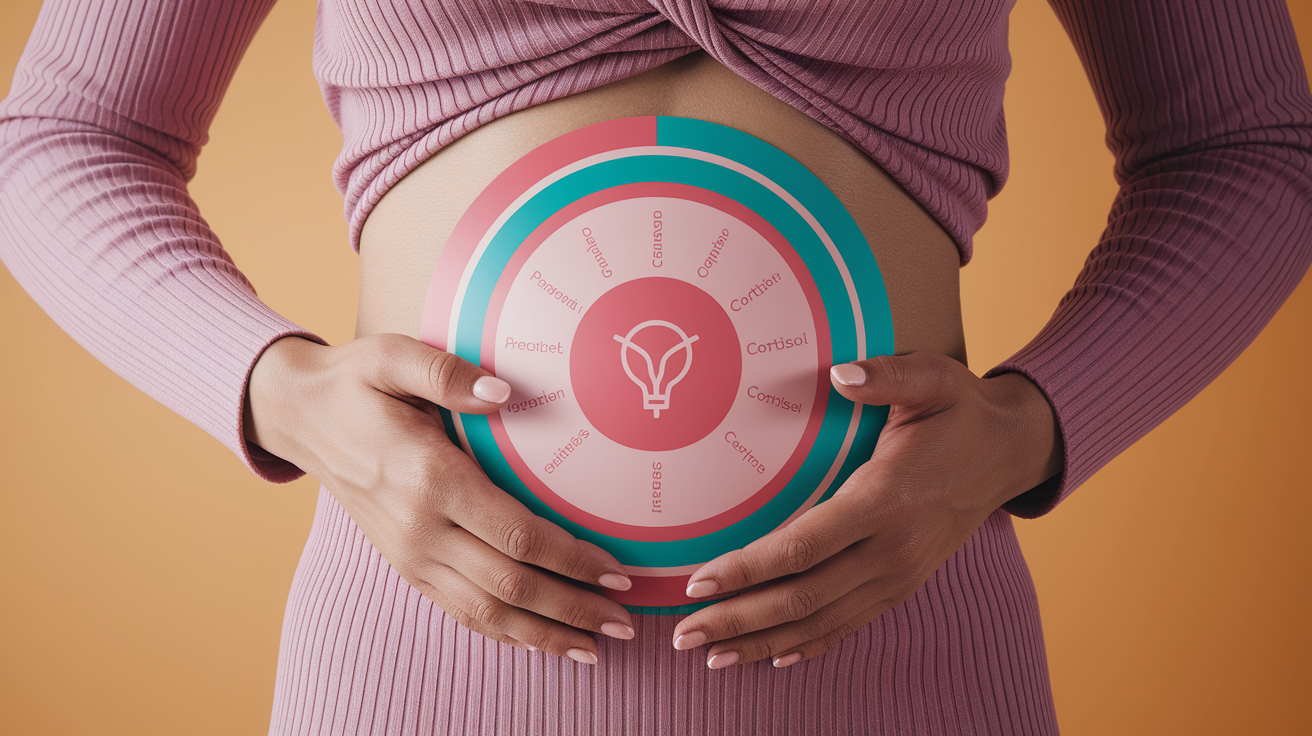
Hormonal shifts across your cycle can cause obvious bloating, especially in the days before your period. Second half of your cycle, progesterone rises and slows gut motility. That can lead to constipation. Meanwhile, a lot of women crave salty foods premenstrually, and salt increases water retention. Slower digestion plus fluid shifts? That’s the tight, swollen feeling that shows up like clockwork before menstruation. Tracking your cycle with a period app helps you see if bloating follows a monthly pattern.
Stress hormones like cortisol mess with your digestive system too. When cortisol stays high, gut motility and sensitivity change. Some people get constipated, others get diarrhea, many experience more bloating during stressful weeks. If bloating gets worse during high-stress times or lines up with your cycle, that timing is a useful clue. Exercise, cutting salt and caffeine, drinking plenty of water can help manage hormone-related bloating. It usually resolves on its own once your period starts.
Fast Ways to Reduce Stomach Bloating

Herbal teas and warmth are simple, low-risk tools that can ease bloating fast. Peppermint tea relaxes the smooth muscles in your stomach and intestines, helping trapped gas move through easier. Ginger tea does something similar and can calm nausea. Chamomile tea reduces inflammation and swelling in the digestive tract. The warmth itself promotes relaxation, which can lower stress-related gut tension.
Over-the-counter options work well when bloating ties to gas or stomach acid. Gas-X (simethicone) breaks up gas bubbles so they’re easier to pass. Pepto Bismol can settle an upset stomach and reduce gas. Tums and other antacids neutralize stomach acid, which helps if bloating comes with heartburn or reflux. These are safe for occasional use and usually provide relief within 30 minutes to an hour.
Walking or gentle movement helps stimulate digestion and encourages gas to move through instead of sitting in one spot. Even a slow 10-minute walk after eating can make a difference. Stretching, yoga poses that gently compress your belly, or lying on your left side can help shift trapped gas. Hydration supports everything. It keeps stool soft, helps food move through, prevents constipation-related bloating.
Fast steps you can try now:
- Drink a cup of peppermint, ginger, or chamomile tea while it’s warm.
- Put a heating pad or warm compress on your belly for 15 to 20 minutes.
- Take an over-the-counter anti-gas product like Gas-X, or an antacid if bloating comes with heartburn.
- Go for a slow walk, even just around your home or office, to get gut motility going.
- Drink a full glass of water and wait 5 to 10 minutes to see if you were actually thirsty instead of hungry.
When Bloating Might Signal a Bigger Issue

When bloating is new, won’t go away, or keeps getting worse over weeks, check in with a healthcare provider. Occasional bloating after a big meal is normal. Bloating that lasts weeks without a clear trigger, or bloating that keeps you from eating normal portions? Not normal. Patterns that include unexplained weight loss, blood in your stool, severe belly pain, fever, or persistent vomiting need prompt evaluation. These are red flags that something beyond diet or stress might be happening.
Underlying conditions often uncovered through testing include celiac disease, which needs a blood test and a biopsy of the small intestine for diagnosis. Small intestinal bacterial overgrowth (SIBO) can cause bloating, abdominal pain, and malabsorption. IBS gets diagnosed after other diseases are ruled out. It’s bloating with recurring pain and stool changes. GERD, inflammatory bowel disease (Crohn’s or ulcerative colitis), and other digestive disorders can show up with chronic bloating too. If you have pelvic pain, abnormal bleeding, or pain during sex along with bloating, a reproductive health clinician may evaluate for gynecologic causes.
Red flag symptoms:
- New, persistent bloating lasting weeks without improvement
- Unexplained weight loss
- Blood in your stool or black, tarry stools
- Severe or worsening abdominal pain
- Persistent vomiting or fever
- New constipation or diarrhea that doesn’t get better with basic changes
- Feeling full very quickly with meals on a regular basis (early satiety)
Long-Term Strategies to Prevent Stomach Bloating
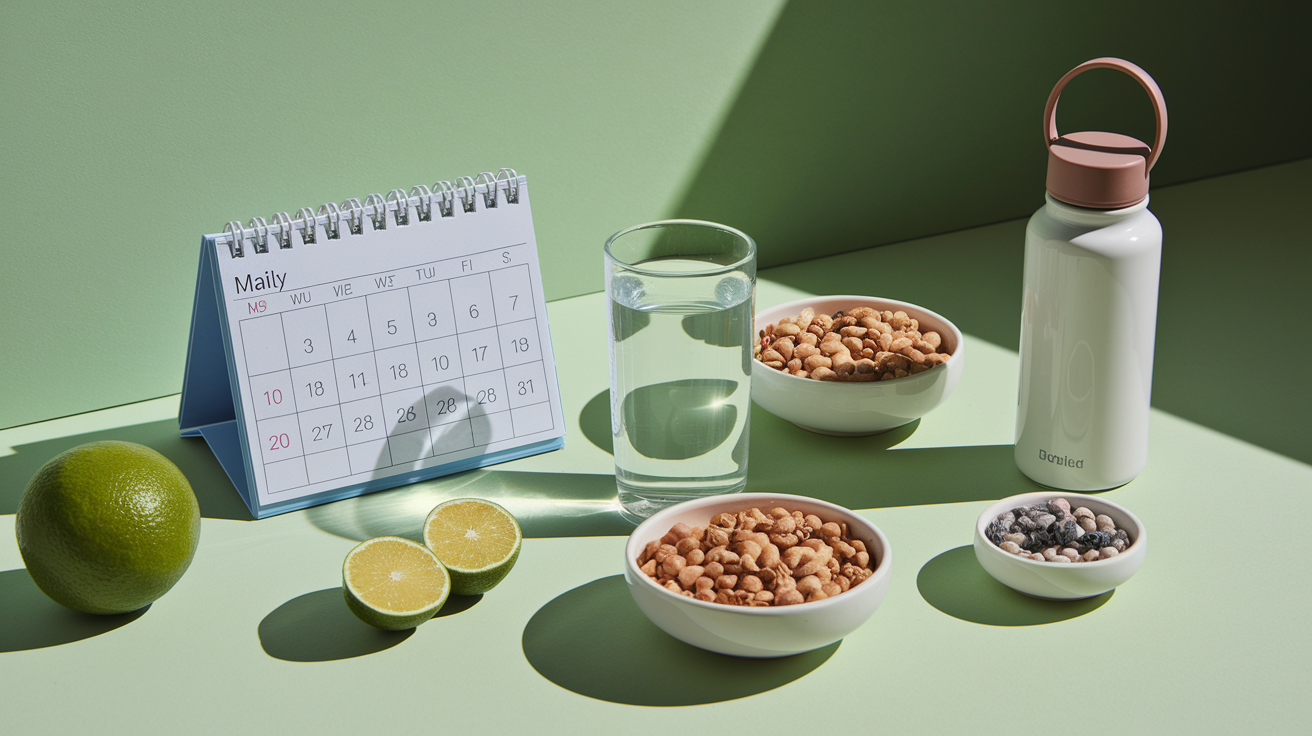
Slow, steady dietary adjustments work better than abrupt changes. Want to increase fiber to help with constipation? Add it gradually over a few weeks. Rapid increases actually worsen gas and bloating. A structured elimination diet, like the low-FODMAP plan, is more effective than randomly cutting out foods. Low-FODMAP removes high-fermentable carbs for a set period, then reintroduces them one at a time to identify specific triggers. Random avoidance often misses the actual problem and can make your diet unnecessarily restrictive.
Long-term tracking like keeping a food-and-symptom log for one to two weeks helps you catch patterns you’d otherwise miss. Write down what you ate, portion sizes, meal timing, how you felt two to four hours later. Note whether bloating lines up with dairy, high-fat meals, sugar alcohols, or large portions. If you suspect hormonal triggers, track your cycle alongside symptoms. The goal is gathering enough information that you can make informed changes or bring useful data to a clinician.
Movement, hydration, and consistent habits support gut health over time. Daily physical activity, even short walks, helps keep your digestive system moving. Staying hydrated prevents constipation, which is one of the biggest contributors to trapped gas. Eating at regular times, chewing thoroughly, avoiding behaviors that increase swallowed air (gum, straws, carbonated drinks) all reduce bloating risk. Probiotics may help some people, though responses vary by product and person. If you try a probiotic, use a reputable brand for a short trial and stop if symptoms worsen.
| Strategy | How It Helps | Timeframe |
|---|---|---|
| Gradual fiber increase from whole foods | Supports regular bowel movements and reduces constipation without sudden gas spikes. | 2 to 4 weeks to adjust |
| Structured elimination diet (e.g., low-FODMAP) | Identifies specific fermentable carb triggers through systematic removal and reintroduction. | 6 to 8 weeks for full cycle |
| Food and symptom log | Reveals patterns linking meals, portions, and timing to bloating episodes. | 1 to 2 weeks to detect trends |
| Daily movement and hydration | Keeps gut motility steady and prevents constipation-related gas buildup. | Ongoing daily habit |
Final Words
In the action: we walked through what bloating feels like and the most likely immediate causes, including overeating, swallowing air, gas from certain foods, and digestive sensitivities.
You also got practical tips: quick relief (tea, heat, a short walk), habit changes like slower eating and smaller portions, tracking, and clear red flags to watch.
If you’re still asking why my stomach is bloated, try a few low-risk fixes, keep a short food-and-symptom log, and see a clinician if it’s persistent — there’s a good chance of finding a helpful plan.
FAQ
Q: How do I get rid of bloating in my stomach?
A: Getting rid of bloating in your stomach often starts with small, low‑risk steps: sip water, walk for 10 minutes, avoid carbonated drinks and gum, try a warm compress or peppermint tea.
Q: What are 5 signs of bloating?
A: Five signs of bloating are visible belly swelling, a feeling of fullness or pressure, abdominal pain or tenderness, frequent burping or gas, and changes in bowel habits like constipation.
Q: How to get unbloated in 5 minutes?
A: You can get unbloated in five minutes by doing slow long‑exhale breaths, sipping warm water or peppermint tea, walking gently, and placing a warm compress on your belly.
Q: Should I be worried if my stomach is bloated?
A: You should be worried about bloating if it is severe, lasts for weeks, or comes with unexplained weight loss, blood in stool, high fever, repeated vomiting, or severe pain—seek medical care.
Comments are closed