
Think cutting out whole food groups will fix your bloating? Think again.
A food and symptom diary is the best way to find what’s really causing your bloating.
Instead of guessing, you record what you eat, when you eat it, and how you feel so patterns show up.
Consistent entries reveal hidden triggers, like a specific combo, timing, or stress, so you can test changes without unnecessary restriction.
This post shows exactly what to log, how to spot patterns, and when to bring your diary to a clinician.
Starting a Food and Symptom Diary

A food and symptom diary is your best bet for figuring out what’s actually causing your bloating. You’re not guessing or cutting out entire food groups. You’re recording what you eat, when you eat it, and how you feel after. Consistent tracking builds a dataset that shows your personal patterns, and most of those patterns are invisible in the moment because symptoms can pop up anywhere from 30 minutes to several hours later.
Start by picking a tracking format you’ll actually use every day. A paper notebook works fine if you like writing by hand. If your phone’s always with you, a notes app or symptom tracker might stick better. The tool doesn’t matter. Consistency does.
Each time you eat or drink anything, log these details:
Date and time of every meal, snack, and beverage
Exact foods and portion sizes (like “½ cup of chickpeas,” “two slices of sourdough bread,” “8 oz coffee with 2 tablespoons of whole milk”)
Preparation methods (fried, steamed, raw, grilled) and any added sauces, spices, or sweeteners
Symptom onset, type, location, and severity rated on a simple 0 to 10 scale
Bowel movement details (time, Bristol Stool Scale type, ease of passing)
Stress level (1 to 10 rating), sleep quality and duration, physical activity, menstrual cycle phase, hydration volumes, and any medications or supplements taken that day
Detailed entries make it way easier to spot which specific ingredient or combo is causing your bloating. A lot of people think they know their triggers but discover unexpected patterns once they start tracking honestly.
Understanding and Interpreting Your Tracking Data

After tracking for at least two weeks, review your diary once a week and look for repeated symptom clusters and timing patterns. If your bloating consistently shows up 1 to 2 hours after eating a specific food or meal type, that’s probably a trigger. For example, if you notice bloating, gas, and urgency every time you eat bread or pasta but not after rice or oats, wheat-containing foods are worth testing through elimination.
Look for timing patterns that reveal hidden connections. Afternoon bloating that always follows lunch might point to a midday culprit like onions in your salad, a carbonated drink, or a high-fat meal. Weekend constipation may signal lifestyle shifts like lower water intake or less movement. Symptoms that cluster around your menstrual cycle or spike on high-stress days tell you that hormonal and gut-brain factors are playing a role, even if food triggers are present.
Differentiate between direct food triggers and contributing lifestyle factors by checking overlap in your log. Bloating that worsens only when high-FODMAP foods are combined with poor sleep, dehydration, or high stress may require addressing multiple variables at once rather than eliminating the food forever.
Using Apps and Digital Tools for Easier Tracking

Digital symptom trackers can make logging faster, more accurate, and less prone to gaps. Apps automatically timestamp each entry, cutting down the chance of forgetting exact meal times or symptom onset. Many apps also include built-in symptom libraries and severity scales, so you can tap a few buttons instead of writing out full descriptions each time.
Good tracking apps offer features that improve pattern detection and make your diary more useful when you eventually share it with a clinician:
Automatic reminders to log meals and symptoms throughout the day
Photo logging so you can quickly snap a picture of your plate instead of typing every ingredient
Trend charts and visual summaries that highlight repeated symptom spikes after certain foods or meal times
Data export options that generate shareable PDF reports for doctor appointments or dietitian consultations
Pre-built templates for specific protocols like low-FODMAP elimination and reintroduction tracking
Even if you prefer a simple notebook, consider using a spreadsheet or notes app that lets you search past entries by keyword, filter by date range, or sort by symptom severity. The easier it is to review your data, the faster you’ll spot your personal triggers.
Implementing an Elimination Approach
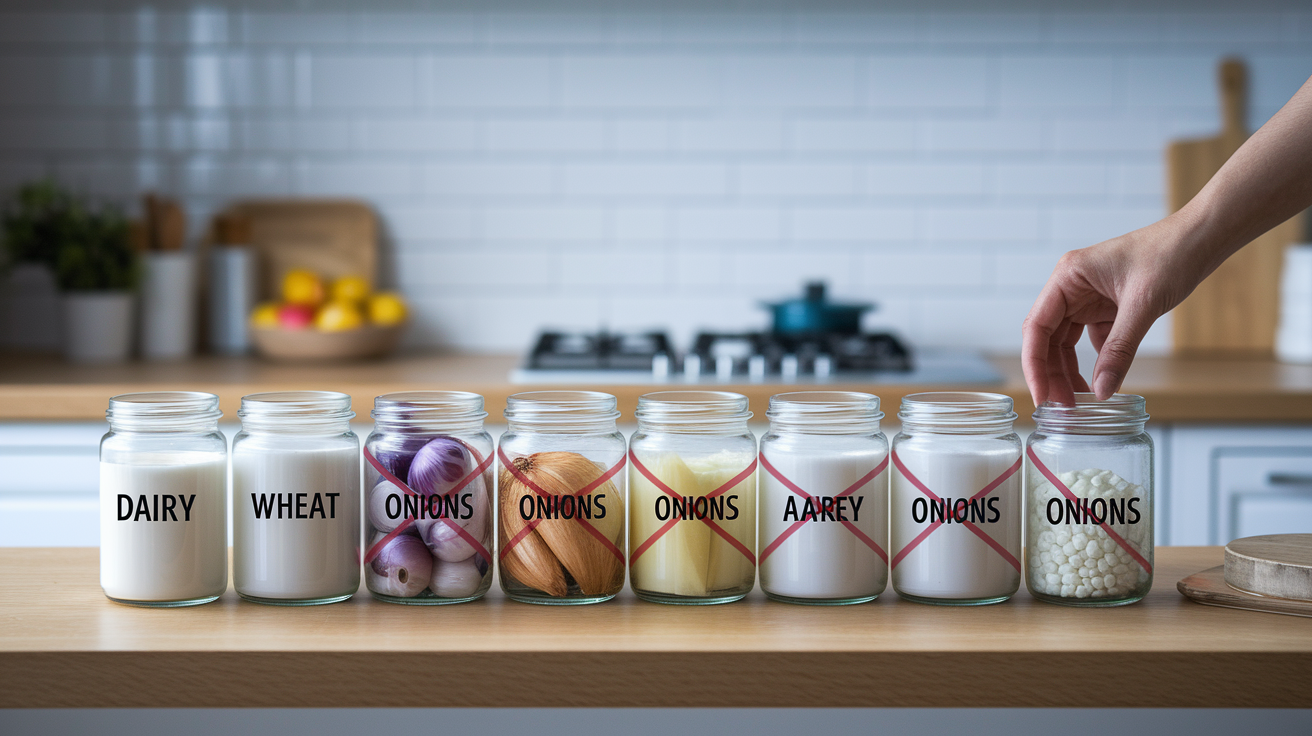
Once you’ve identified a few likely triggers from your diary, a structured elimination approach helps you test whether those foods are actually causing your bloating. Elimination diets require removing all suspected triggers for 2 to 6 weeks, then systematically reintroducing them one at a time to observe your body’s response. This process is way more accurate than casual avoidance or permanent restriction based on a hunch.
Start your elimination phase by removing only the specific foods or food groups flagged in your diary. If your log shows repeated symptoms after dairy, wheat, or high-FODMAP vegetables like onions and cauliflower, eliminate those while continuing to eat everything else normally. Track your symptoms daily during the elimination window. Many people notice symptom improvement within 1 to 2 weeks, but a full 4-week elimination gives your gut time to settle and provides clearer baseline data.
Avoid changing multiple variables at the same time during elimination. If you also start a new medication, drastically increase exercise, or travel during this phase, it becomes impossible to know whether symptom changes are due to food removal or something else. Keep the rest of your routine as stable as possible so you can attribute effects accurately.
Reintroduction Process
After your elimination period, reintroduce one food at a time in a controlled setting and wait 3 to 4 days before adding the next item back. Eat a normal portion of the test food, then log any symptoms that appear within the next 24 to 48 hours. If bloating, gas, diarrhea, or other symptoms return, you’ve confirmed a personal trigger. If nothing happens, that food is likely safe for you to continue eating.
Test each suspected trigger separately rather than combining them. For example, if you eliminated both dairy and wheat, reintroduce milk first and track for several days before reintroducing bread. This separation makes sure you can pinpoint exactly which food caused the reaction instead of guessing.
Common Bloating Triggers to Compare Against

Personal triggers vary widely, but certain foods and food groups show up repeatedly in bloating diaries and research studies. Comparing your log against this list can help you focus your elimination trials and speed up the process of narrowing down your specific culprits.
These foods are frequent bloating triggers for many people, but they’re not universal problems. Your diary may reveal that some of these foods are perfectly fine for you while others consistently cause symptoms:
High-FODMAP foods like onions, garlic, apples, pears, wheat, rye, legumes, cauliflower, and mushrooms
Dairy products containing lactose, especially milk, soft cheeses, and ice cream
Carbonated beverages including soda, sparkling water, and beer
Sugar alcohols found in sugar-free gum, mints, and low-calorie desserts (sorbitol, xylitol, mannitol)
High-fat meals that slow digestion and increase gas production
Beans and lentils due to fermentable fibers and resistant starches
Cruciferous vegetables like broccoli, cabbage, and Brussels sprouts
Artificial sweeteners including aspartame, sucralose, and acesulfame potassium
Some people also react to histamine-rich foods like aged cheese, cured meats, fermented foods, and alcohol, which can cause bloating along with flushing, headaches, or hives. If your symptoms cluster around these foods, consider tracking histamine intake as a separate variable in your diary.
When Tracking Isn’t Enough: Signs to Seek Medical Input

A food and symptom diary is a powerful self-advocacy tool, but it’s not a substitute for professional evaluation when your symptoms are severe, persistent, or accompanied by red-flag signs. If you’ve been tracking consistently for 2 to 4 weeks and still can’t identify clear patterns, or if your bloating is worsening despite dietary changes, it’s time to share your diary with a gastroenterologist or registered dietitian for targeted testing and guidance.
Certain symptoms require urgent medical assessment regardless of what your food diary reveals. These red flags indicate the possibility of an underlying medical condition that needs diagnosis and treatment beyond diet modification:
Unintended weight loss greater than 5% of your body weight in six months
Blood in your stool or black, tarry stools
Severe or worsening abdominal pain that doesn’t improve with bowel movements or position changes
Persistent vomiting or inability to keep food down
New symptoms starting after age 50, especially if you have a family history of colon cancer, inflammatory bowel disease, or celiac disease
Bring your structured tracking log to your appointment. Clinicians use food and symptom diaries to order appropriate tests, design safer elimination trials, and rule out conditions like celiac disease, lactose intolerance, small intestinal bacterial overgrowth (SIBO), gastroparesis, or inflammatory bowel disease before recommending long-term dietary changes.
Final Words
Start now: keep a food and symptom diary—note what you eat, portions, timing, bowel changes, stress, and sleep. Use an app or a small notebook and log each episode.
Look for repeat patterns, try elimination and reintroduction, and compare your notes to common triggers. Consistency makes your entries useful.
This step-by-step approach shows how to track bloating triggers and gives clear notes to share with a clinician if needed. If symptoms get worse or don’t improve, seek care. You’re taking practical steps toward clearer answers.
FAQ
Q: How to identify bloating triggers?
A: Identifying bloating triggers starts with a food and symptom diary: record foods, portions, timing, bowel habits, sleep, stress and symptoms for two to four weeks, then look for repeated patterns.
Q: What are the 7 F’s of abdominal distension?
A: The seven F’s of abdominal distension are fat, flatus (gas), fluid, feces (constipation), fetus (pregnancy), fibroid, and a mass or tumor.
Q: Does BV make you bloat?
A: Bacterial vaginosis can cause pelvic discomfort and sometimes mild bloating, but it more often causes abnormal discharge and odor; get evaluated if bloating is severe, persistent, or accompanied by fever.
Q: Can PPI help with bloating?
A: Proton pump inhibitors may ease bloating when acid reflux or stomach inflammation is the cause, but they often don’t help gas-related bloating; discuss risks and a trial with your clinician.
Comments are closed