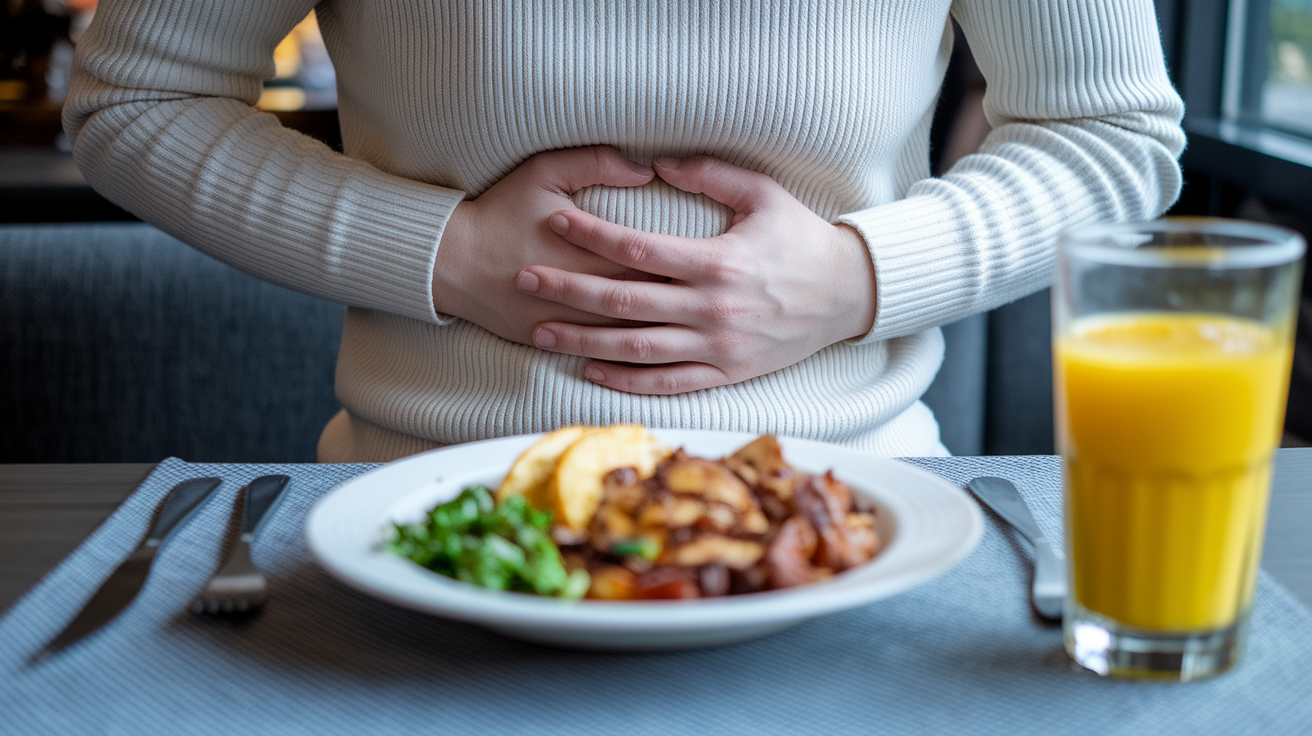
Ever finish a meal in five minutes and regret it inside half an hour?
If your upper stomach feels tight, bloated, or you get heartburn after a rushed meal, eating too fast is usually the culprit.
You swallow extra air, overload your stomach, and your fullness signals haven’t caught up.
This post explains why fast eating causes immediate indigestion, gives low-risk relief you can try now (short walk, warm sips, antacid), and shares simple pacing habits to prevent the next uncomfortable meal.
Why Fast Eating Triggers Immediate Indigestion Relief Needs
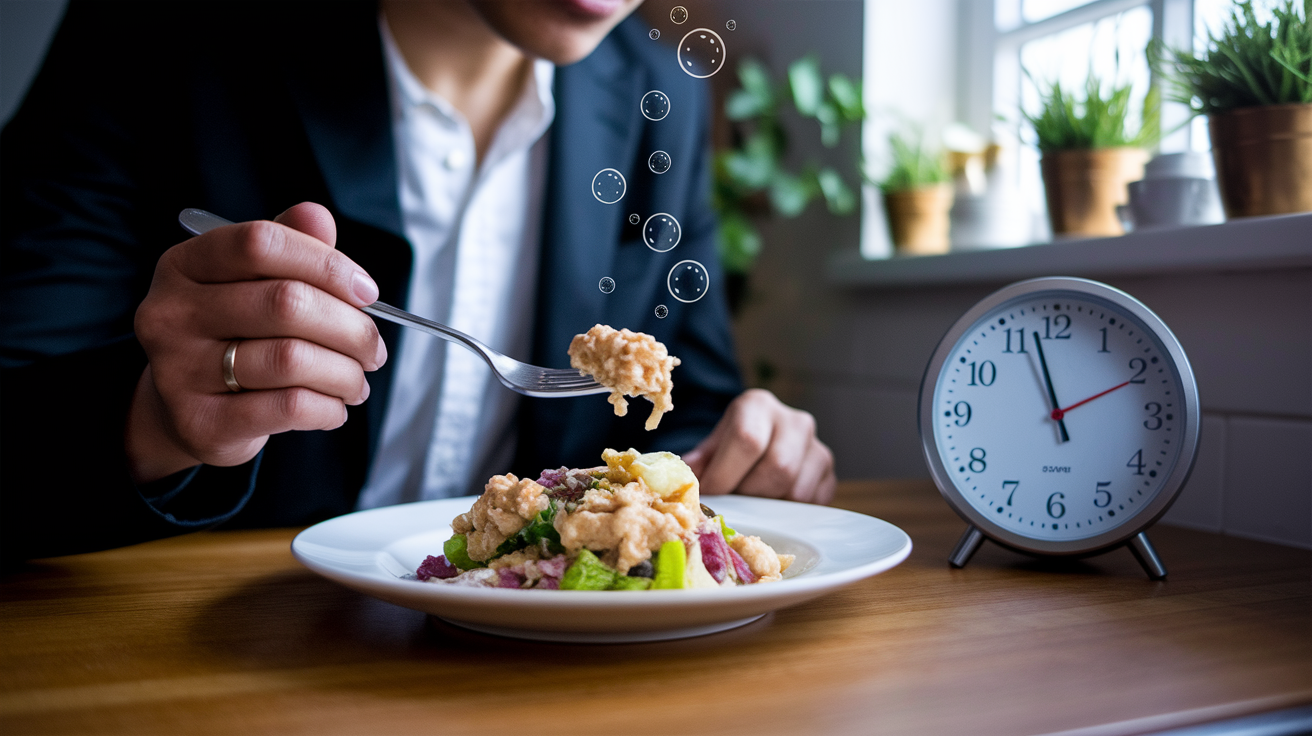
If your stomach hurts or feels uncomfortably full right after a rushed meal, eating too fast is probably why. Quick relief exists: walk for a few minutes, sip warm water, or grab an over-the-counter antacid. Symptoms usually ease within the hour.
When you eat too quickly, you swallow extra air. That’s called aerophagia, and it leads to bloating and gas. Instead of breaking food into small, manageable pieces through chewing, you’re sending larger chunks straight into your stomach. Your stomach has to work harder.
Your fullness hormones need about 20 minutes to tell your brain you’ve had enough. Finish a meal in 5 or 10 minutes? Your body hasn’t caught up yet. You often end up eating more than you need.
Because your stomach receives a sudden, large volume of food, pressure inside it rises quickly. That pressure can push stomach acid upward into your esophagus. You get heartburn and reflux. Early fullness and indigestion symptoms typically show up within 30 minutes after you finish eating.
Common symptoms include:
- Upper stomach pain or pressure
- Uncomfortable fullness or bloating
- Belching and gas
- Heartburn or burning in the chest
- Nausea
These symptoms aren’t usually dangerous on their own. But they can disrupt your day and become chronic if the pattern continues meal after meal.
Internal Digestive Physiology Affected by Rapid Eating
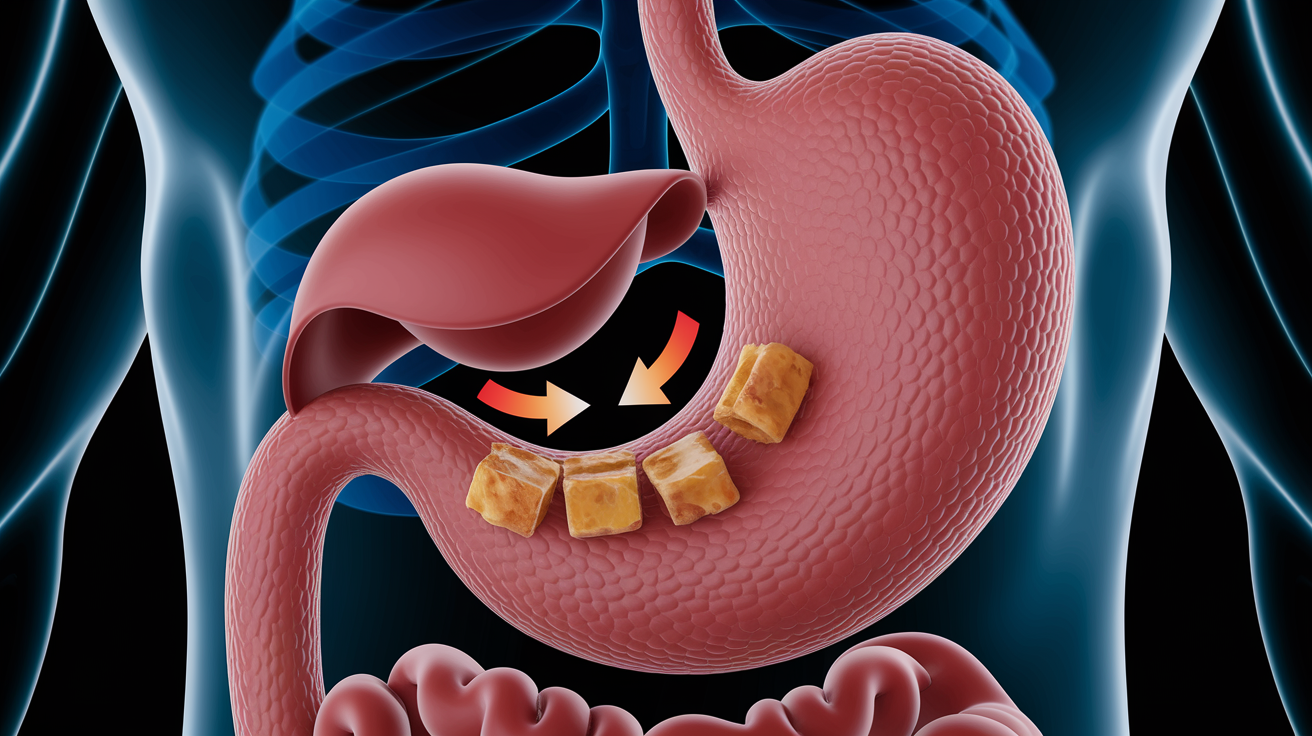
When you skip thorough chewing, your digestive enzymes have to handle larger food pieces. That slows down the entire breakdown process and can overwhelm your stomach’s capacity to secrete enough acid and enzymes at once. The average adult stomach can expand to hold about 2 to 4 liters. Reaching that upper limit quickly creates intense pressure on the stomach wall and the lower esophageal sphincter. That pressure allows acidic contents to reflux back into the esophagus more easily, especially if you lean forward or lie down shortly after eating.
Digestion actually begins in your mouth. Saliva and the enzyme amylase start breaking down starches there. When you rush and swallow food without adequate chewing, you bypass this early chemical breakdown. Your stomach must compensate with extra time and effort.
Nutrient absorption starts to suffer because larger particles move through your digestive tract faster without being fully processed. Critical vitamins, minerals, and enzymes may never make it into your bloodstream in the amounts your body needs.
Quick Relief Tips for Indigestion After Eating Too Fast
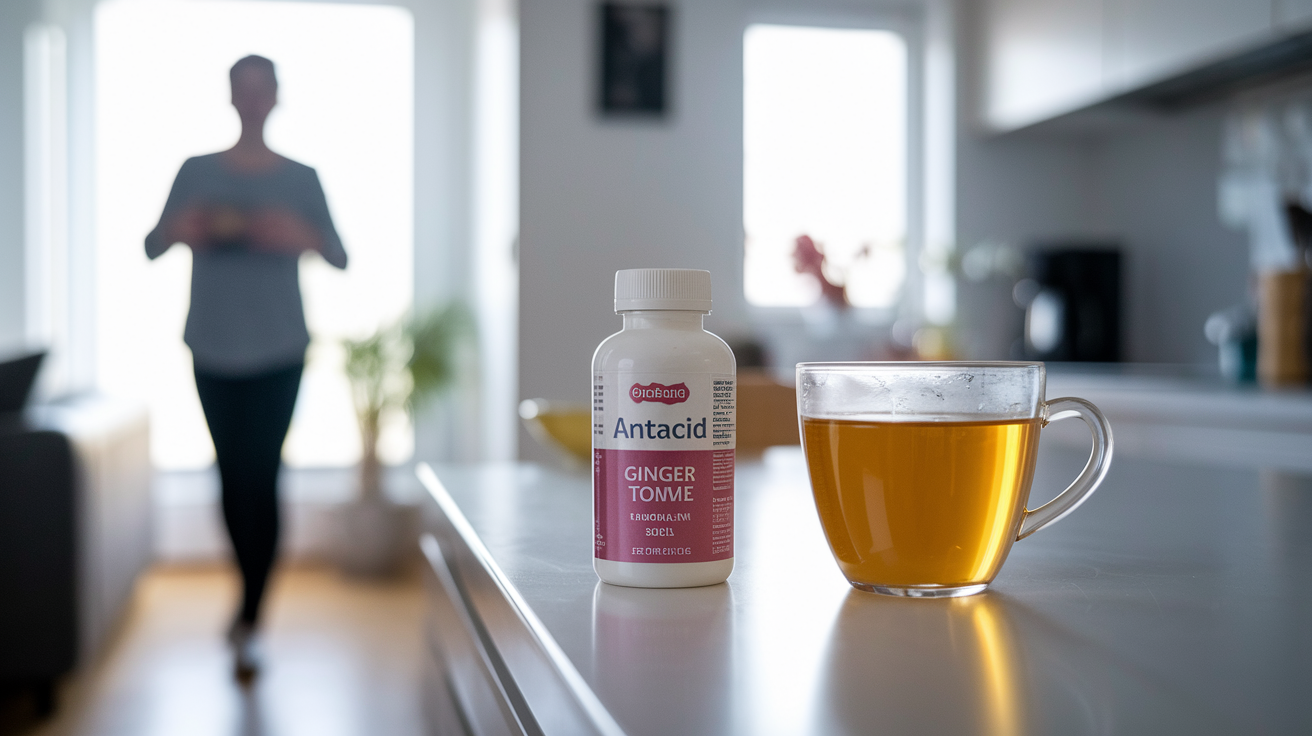
If you’re dealing with indigestion right now, a few simple steps can ease discomfort within an hour or two. Stay upright. Don’t lie down immediately, because gravity helps keep stomach acid where it belongs. A short, gentle walk around your home or outside helps move trapped gas through your digestive tract. It relieves bloating faster than sitting still.
Sipping a warm cup of ginger or peppermint tea can settle nausea and cramping. These herbal options are gentle enough to use whenever symptoms appear. If heartburn is the main issue, an over-the-counter antacid can neutralize stomach acid quickly. Relief often comes within minutes.
Try these immediate relief options:
- Take an over-the-counter antacid (calcium carbonate or magnesium hydroxide) to reduce burning and reflux symptoms.
- Walk slowly for 5 to 10 minutes to encourage gastric emptying and relieve gas buildup.
- Sip warm herbal tea. Ginger for nausea, peppermint for cramping. Both soothe the stomach lining.
- Don’t bend over or lie down for at least 2 hours after eating to prevent acid reflux.
- Use small sips of room-temperature water rather than drinking large amounts at once.
- Apply a warm compress to your upper stomach to relax tense muscles and ease pressure.
Most symptoms improve within a few hours once you give your stomach time to process the meal. If pain is severe or getting worse instead of better, reassess for other causes.
How to Prevent Indigestion by Slowing Your Eating Pace

The single most effective prevention strategy is to slow down. Give your body time to register fullness before you’ve eaten too much. Because it takes about 20 minutes for satiety hormones to reach your brain, pacing your meal to last at least that long will help you feel satisfied with less food. It reduces the chance of overeating. Small, intentional changes to your eating habits create noticeable improvements within days.
Choose fiber-rich, minimally processed foods like oats, almonds, carrots, and apples. They naturally require more chewing and slow your eating pace. When you focus on chewing each bite completely and notice the texture, flavor, and temperature of your food, you engage your brain and digestive system in a healthier rhythm. Remove screens. Put your phone face down. Eat at a table instead of standing or walking around. All of these help you stay present.
Set a meal timer for 20 to 30 minutes and finish your plate within that window. If you tend to rush, smaller utensils or using your nondominant hand can slow you down just enough to make a difference.
Five practical pacing strategies:
- Put your fork or spoon down on the table between every few bites to create small pauses.
- Chew each bite thoroughly. Aim for 15 to 20 chews for most foods before swallowing.
- Sip water periodically throughout the meal to slow your pace and aid digestion.
- Don’t use screens, drive, or work while eating so you notice hunger and fullness cues.
- Eat smaller portions more frequently rather than waiting until you’re ravenous and then rushing through a large meal.
Chewing Patterns and Portion Pacing
Your chewing pattern directly affects how quickly food leaves your stomach and how well your body absorbs nutrients. When you chew food into smaller, softer pieces, your stomach empties more smoothly. Enzymes can attach to a larger surface area, making digestion faster and more efficient. Counting your chews or simply pausing mid-bite to notice texture can train your brain to slow down naturally over time.
Food and Lifestyle Triggers That Worsen Fast‑Eating Indigestion
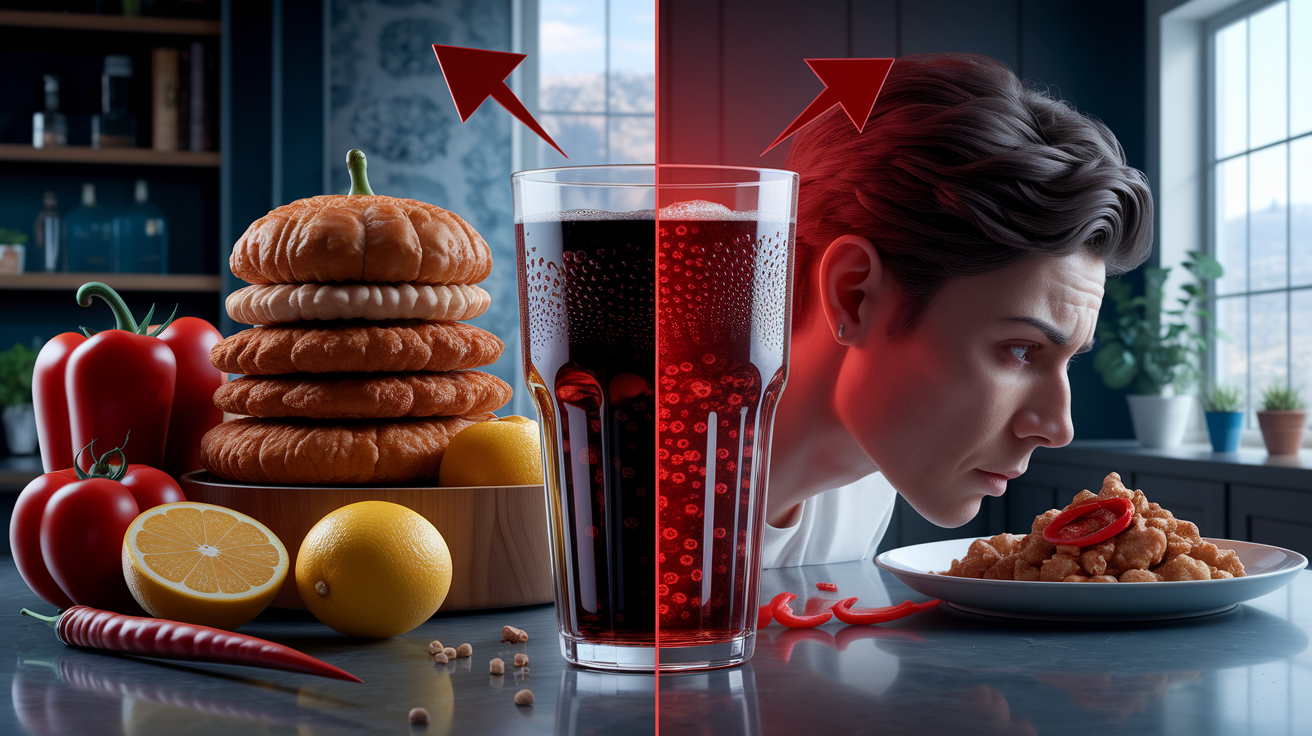
Certain foods amplify indigestion symptoms when eaten quickly. Fatty and fried foods take longer to digest and sit heavily in the stomach, increasing pressure and the chance of reflux. Spicy foods and acidic items like tomatoes, citrus, and vinegar can irritate an already stressed stomach lining, especially when you’ve swallowed air and eaten without chewing well. Carbonated drinks add even more gas to your digestive tract. They can trigger belching and bloating within minutes.
Stress is a major lifestyle factor that worsens both eating speed and digestive symptoms. When you’re tense or rushed, your abdominal muscles tighten. Your breathing becomes shallow. Your body shifts into fight-or-flight mode, which slows digestion and increases acid production. Eating while stressed or distracted sets up a cycle where you eat faster, swallow more air, and digest less efficiently. All of which worsen indigestion. Drinking large amounts of liquid with your meal also increases stomach volume quickly and can dilute digestive enzymes, making the whole process less effective.
When Indigestion After Fast Eating Might Be Something Else
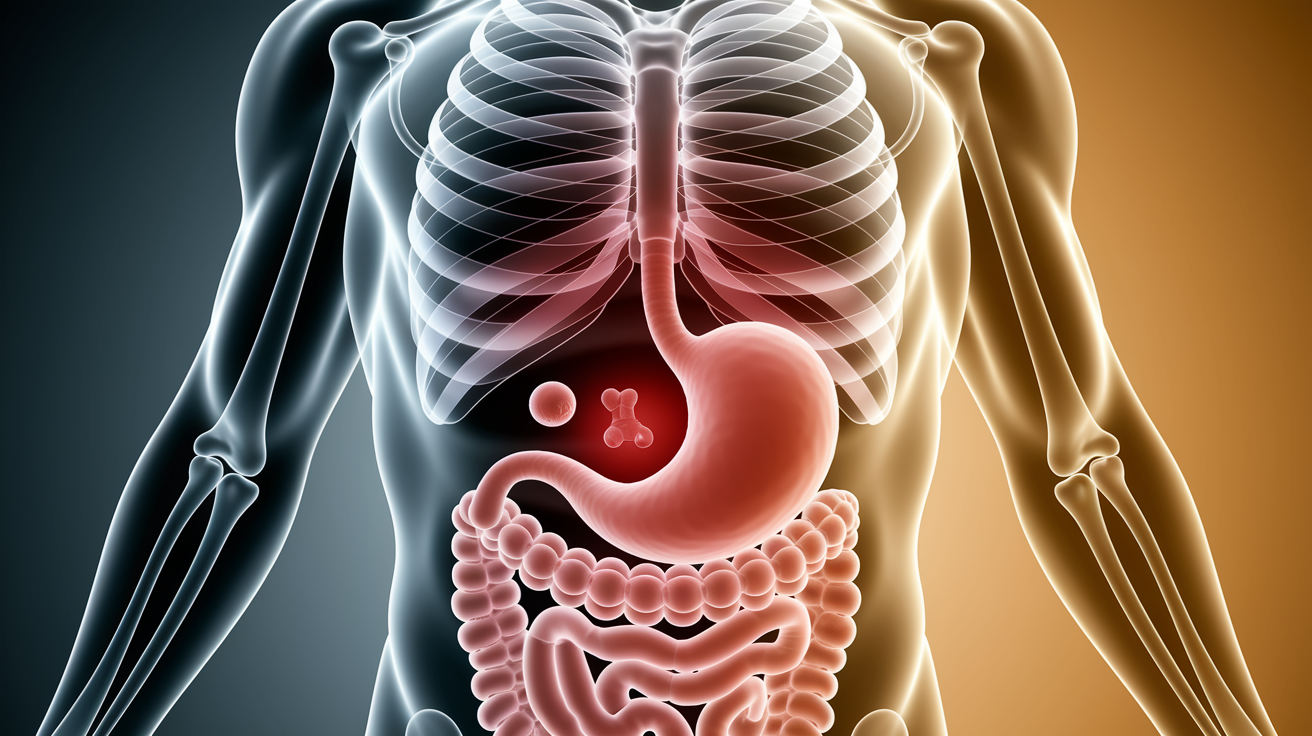
Sometimes what feels like simple fast-eating indigestion is actually a food intolerance or underlying digestive condition. Lactose intolerance affects about 75 percent of people by age 40. If you’ve just eaten dairy quickly, cramping and bloating may appear within 30 minutes to a few hours as your small intestine struggles to process undigested lactose. Irritable bowel syndrome, which affects roughly 15 percent of the population, can flare after rushed meals, especially if those meals are high in fat, caffeine, or known trigger foods.
Functional dyspepsia causes chronic upper stomach discomfort without an obvious structural cause. Stress or rapid eating can make it worse. Peptic ulcers typically produce pain 1 to 3 hours after eating, while gallbladder pain usually appears 30 minutes to 2 hours after a fatty meal and may radiate to the back or right shoulder. Food poisoning symptoms develop suddenly within hours of eating contaminated food and include cramping, diarrhea, vomiting, and sometimes fever.
Watch for these clues that suggest something beyond fast eating:
- Pain consistently appears 1 to 3 hours after meals (peptic ulcer pattern).
- Upper-right stomach pain after fatty foods that radiates to the back or shoulder (possible gallbladder issue).
- Symptoms improve temporarily with food and then return (ulcer or functional dyspepsia).
- Cramping and diarrhea start within hours of eating and include vomiting or fever (food poisoning or food allergy).
Red Flags and When to See a Doctor for Post‑Meal Indigestion

Most indigestion from eating too fast resolves on its own within a few hours. It responds well to the relief and prevention steps above. However, certain symptoms require urgent medical evaluation because they may signal a more serious condition.
Severe stomach pain that doesn’t improve with rest, vomiting blood or material that looks like coffee grounds, persistent vomiting that prevents you from keeping down food or water, signs of dehydration like dizziness or reduced urination, unexplained weight loss, jaundice (yellowing of the eyes or skin), bloody or black stools, or a high fever all warrant immediate care.
Pancreatitis pain typically lasts more than 6 hours and may radiate from the upper stomach to the back, often accompanied by nausea, vomiting, and a rapid pulse. If you experience chest pain that radiates to your jaw, neck, or arm along with shortness of breath, sweating, or a sense of pressure, treat it as a potential heart emergency and call for help. Heartburn and heart attack symptoms can overlap. Only testing can tell the difference.
If your indigestion is frequent, recurring with most meals, or not improving despite dietary changes, over-the-counter remedies, and slower eating habits, schedule an appointment with a gastroenterologist to rule out underlying conditions and get targeted treatment.
Final Words
You felt the burn, bloating, or belching right after a rushed meal — this post explained how swallowed air, poor chewing, and quick stomach filling lead to indigestion after eating too fast, and gave quick relief ideas like walking, sipping warm tea, or an antacid.
We also covered the deeper stomach mechanics, prevention tips (put your fork down, count chews, smaller bites), and simple tracking to spot triggers.
If you get severe pain, vomiting blood, fainting, or chest pressure, seek immediate care.
Small pacing changes often make meals much more comfortable.
FAQ
Q: How to fix indigestion from eating too fast?
A: Fixing indigestion from eating too fast starts by slowing down and easing symptoms: walk gently, sip warm water or ginger tea, and try an antacid if needed. Fast eating causes swallowed air, poor chewing, and overeating.
Q: What does stage 1 GERD feel like?
A: Stage 1 GERD feels like mild, occasional heartburn, a sour or bitter taste, burping, and low chest or upper stomach discomfort after meals. Symptoms are usually brief but worth tracking if they recur.
Q: What are the 7 signs of indigestion?
A: The seven signs of indigestion are bloating, belching, feeling overly full, upper abdominal pain or pressure, heartburn, nausea, and getting full quickly (early satiety). Track timing and triggers for your clinician.
Comments are closed