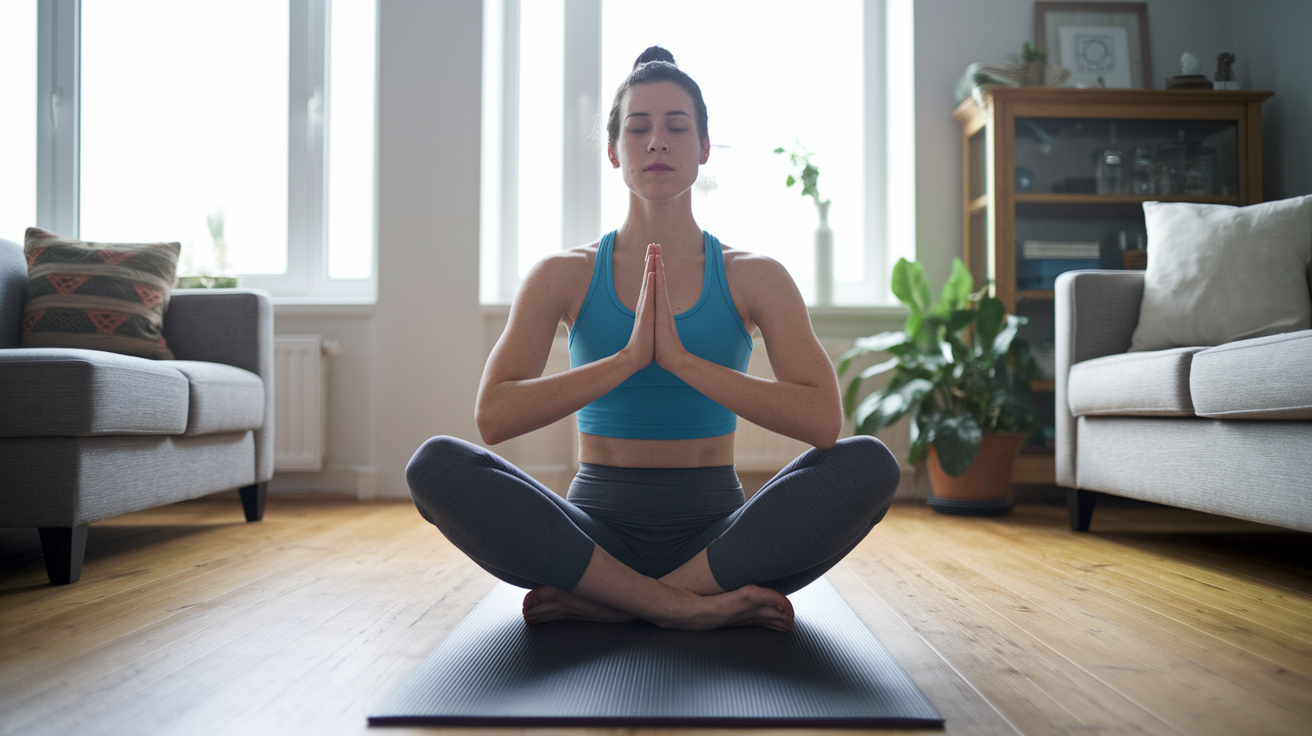
Can five minutes of movement beat that tight, swollen belly faster than waiting it out?
Gentle, low-risk exercises often shift trapped gas and ease bloating in 5 to 10 minutes.
This post shows five simple moves you can do lying down, sitting, or standing to get fast relief.
You’ll get clear how to try them safely, what to track for your clinician, and which warning signs mean you should get checked.
No special gear. No long routines. Just practical steps that usually help now.
Quick Exercises to Relieve Bloating Fast
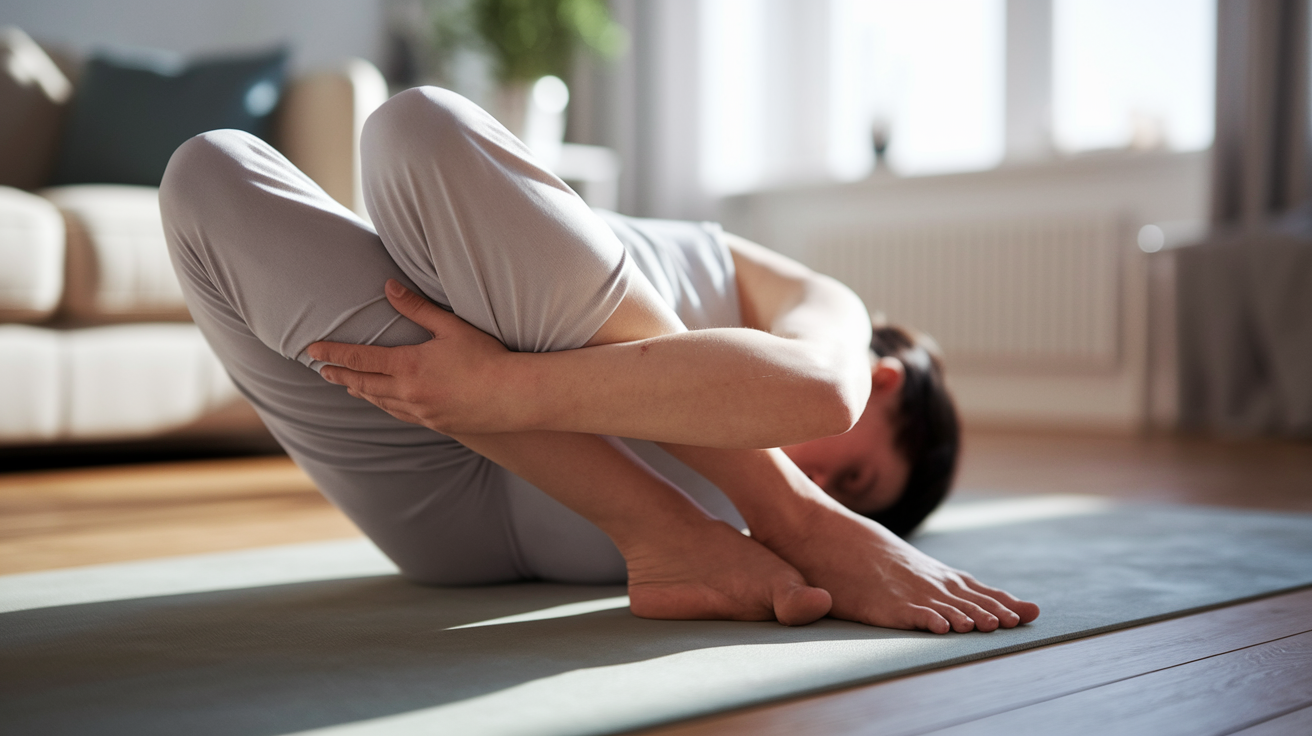
When your stomach feels tight and swollen, a few simple movements can shift trapped gas and ease the pressure in less than 10 minutes. The wind-relieving pose works like this: lie on your back and hug one knee to your chest. This applies gentle compression to your lower intestine, encouraging gas to move where it needs to go. Hold each knee for 20 to 30 seconds, then switch.
Seated spinal twists work by wringing out your digestive tract. Sit cross-legged or in a chair, place your right hand on your left knee, twist gently to the left, and hold for 30 seconds. Repeat on the other side. The rotation stimulates peristalsis, those wave-like contractions that push gas and stool along.
Diaphragmatic breathing is exactly what it sounds like. Slow inhales that expand your belly, followed by longer exhales. This relaxes the diaphragm and reduces pressure on your stomach and intestines. Breathe in for four counts, out for six, and repeat for two minutes. You can do this sitting, standing, or lying down.
Here are five exercises you can run through in sequence:
- Wind-relieving pose (single leg) – Lie on your back, draw one knee to your chest, hold 20 to 30 seconds, switch legs, repeat twice per side.
- Cat-cow stretch – On hands and knees, arch your back on the inhale (cow), round it on the exhale (cat). Perform 8 to 10 slow cycles.
- Seated spinal twist – Sit upright, twist left for 30 seconds, then right for 30 seconds. Repeat once.
- Walking in place – March gently for two minutes to encourage bowel movement.
- Diaphragmatic breathing – Sit or lie down, breathe deeply into your belly for two minutes.
Most people feel relief within 5 to 10 minutes when they move slowly and don’t push too hard.
How These Movements Reduce Gas and Pressure
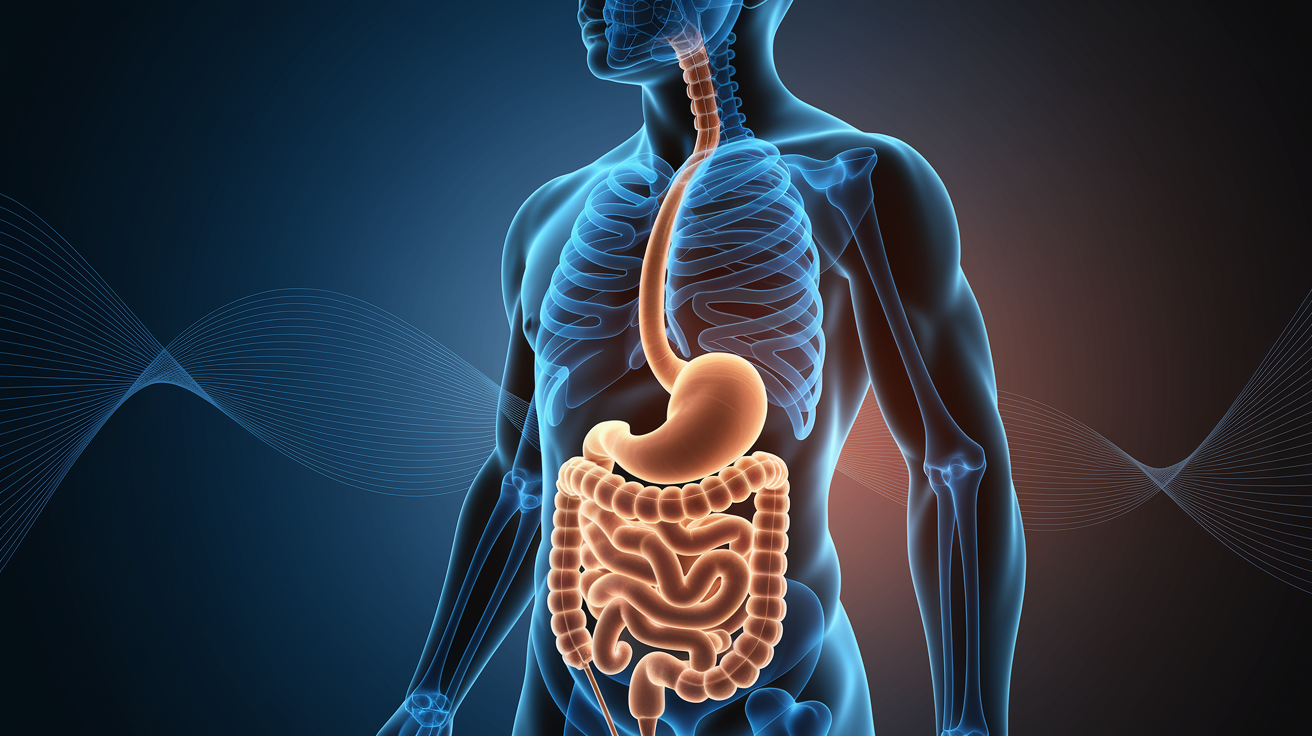
Bloating happens when gas builds up in your stomach or intestines faster than it can escape. Could be swallowed air, fermentation from certain foods, or sluggish peristalsis. Stretch-based movements like cat-cow and knee-to-chest poses change the pressure inside your abdomen, creating a pump effect that nudges gas pockets toward natural exit points. Twisting motions massage the ascending, transverse, and descending colon from the inside, physically moving trapped air along the path it’s supposed to follow.
Deep breathing works differently. When you breathe into your diaphragm instead of your chest, you’re lowering the muscular dome that separates your lungs from your digestive organs. This rhythmic rise and fall massages your stomach and intestines from above. It also stimulates the vagus nerve, which controls digestion, and signals your gut to resume normal contractions. Abdominal massage increases local blood flow and manually breaks up pockets of stagnant gas. That’s why clockwise strokes along the colon’s natural route often produce immediate gurgling and relief.
Step-by-Step Guide to Performing Each Technique Safely

Before you start any bloating relief exercise, empty your bladder and wear loose clothing that won’t compress your abdomen. Lie on a yoga mat, carpet, or firm bed rather than a soft sofa. A sagging spine reduces the effectiveness of compression poses. Move slowly. Pause if you feel sharp pain, nausea, or dizziness.
Keep these safety checkpoints in mind:
- Start gently – If you haven’t moved much today, begin with walking or breathing exercises before attempting deeper stretches.
- Breathe continuously – Holding your breath tightens your abdominal muscles and traps gas instead of releasing it.
- Hold poses for time, not intensity – A 30-second hold at moderate stretch beats a 10-second hold at maximum effort.
- Modify for comfort – Place a folded towel under your head or lower back if lying flat feels uncomfortable. Use a chair for seated twists if getting on the floor is difficult.
If you’re pregnant, recovering from abdominal surgery, or managing a hernia, skip deep compression poses like double-knee-to-chest. Stick with walking, gentle twists from a chair, and breathing exercises instead. Most of these movements are low-risk, but listening to your body prevents unnecessary strain and lets you repeat the routine whenever bloating shows up again.
Gentle Abdominal Massage for Digestion Support
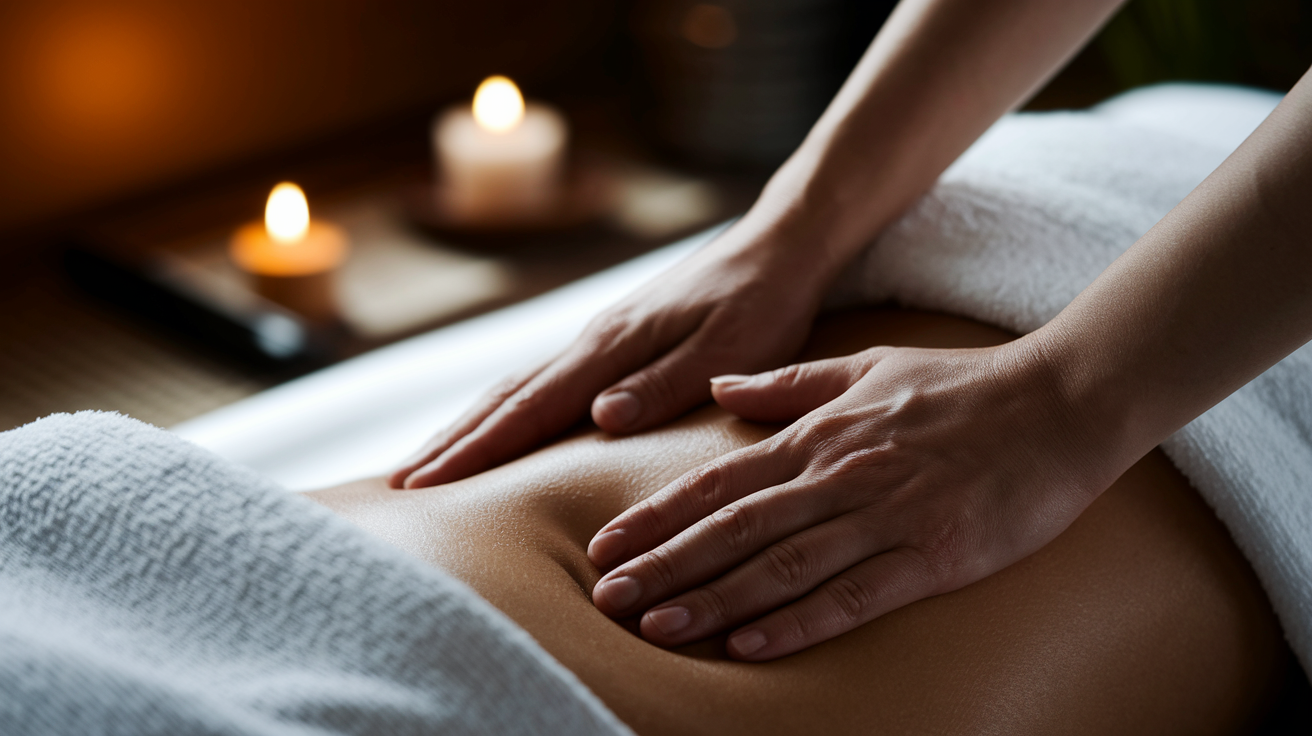
A clockwise abdominal massage mimics the natural direction of intestinal flow. You start at your lower right side (where the small intestine meets the colon), move up, across, and down the left side toward the rectum. Use light to moderate pressure. Firm enough to feel your hand sinking slightly into soft tissue, but never painful.
Follow these four steps:
- Position yourself – Lie on your back with knees bent and feet flat, or sit upright in a chair. Relax your abdominal muscles completely.
- Start at the lower right – Place your fingertips just inside your right hip bone and make small, slow circles, pressing gently inward and upward for 10 to 15 seconds.
- Move clockwise – Slide your hand up toward your ribcage, across the top of your belly just below the ribs, then down the left side toward your hip. Spend 10 to 15 seconds on each section.
- Repeat the loop – Complete the full clockwise circuit three to five times, adjusting pressure as needed. You might hear gurgling or feel gas shift.
Perform this massage once or twice daily, especially after meals or whenever bloating starts. Pair it with diaphragmatic breathing for a calming, two-minute routine that supports digestion and reduces discomfort without equipment or special training.
Daily Habits and Prevention Strategies
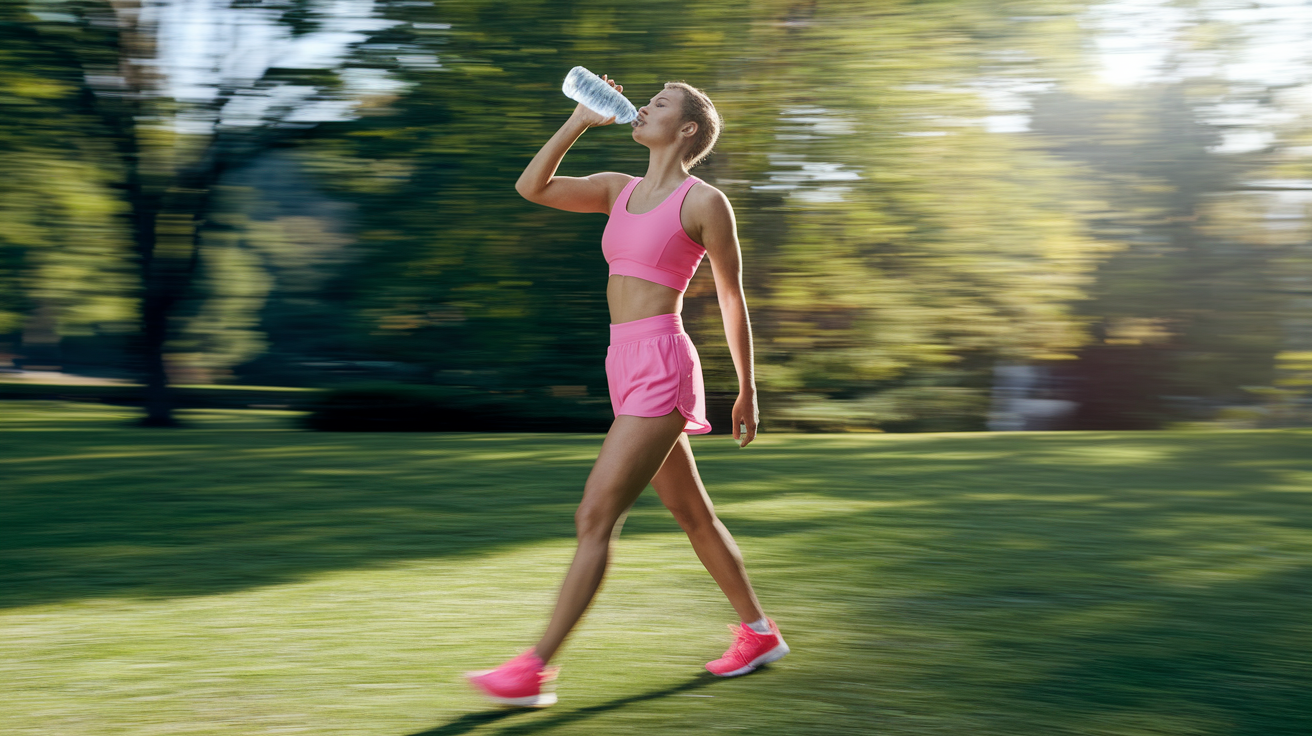
Consistent hydration keeps your digestive tract moving smoothly. Aim for 1.5 to 2 liters of water spread throughout the day. Don’t gulp it all at once. Sipping slowly reduces the amount of air you swallow with each mouthful, which is a common but overlooked source of bloating.
Movement matters as much as what you eat. A 10 to 15 minute walk after lunch or dinner stimulates peristalsis and prevents the sluggish digestion that leads to gas buildup. You don’t need to break a sweat. Gentle, steady pacing is enough to keep things moving.
Try these five daily habits to reduce bloating before it starts:
- Chew each bite 15 to 20 times – Slower eating gives your stomach time to signal fullness and reduces swallowed air.
- Limit carbonated drinks and chewing gum – Both introduce extra gas into your digestive system.
- Eat smaller, more frequent meals – Large portions stretch your stomach and slow digestion.
- Track high-FODMAP foods – Onions, garlic, beans, apples, and dairy can ferment quickly in sensitive guts. Notice patterns and adjust portions.
- Practice a two-minute breathing exercise before meals – This activates your parasympathetic nervous system and prepares your gut to digest efficiently.
Prevention is easier than relief. When you pair these habits with the short exercise routines above, most day-to-day bloating becomes manageable without medication or extreme dietary restrictions.
When Bloating May Signal a Medical Issue

Occasional bloating after a large meal or a day of irregular eating is normal. Persistent or worsening bloating that lasts more than two weeks, especially when paired with other symptoms, deserves medical evaluation. Conditions like irritable bowel syndrome, small intestinal bacterial overgrowth, celiac disease, or food intolerances can all show up as chronic bloating that doesn’t improve with movement or dietary changes.
Seek prompt care if you notice severe abdominal pain that doesn’t ease with position changes, fever above 100.4°F, vomiting that prevents you from keeping down fluids, blood in your stool, or unintentional weight loss. Bloating that prevents you from passing gas or having a bowel movement for more than 48 hours could indicate a partial obstruction and requires same-day evaluation. These red flags suggest something beyond routine gas buildup. Early assessment can catch treatable issues before they escalate.
Final Words
If you’re feeling full or gassy now, try one of the quick stretches, wind‑relieving poses, or a short diaphragmatic breathing set from this post. These moves work fast to ease pressure and move trapped gas.
They also help by stimulating intestinal motion and loosening the diaphragm. Move slowly, use the safe modifications, and try the gentle abdominal massage if it feels right.
Track timing, triggers, and response, and see a clinician for persistent or severe symptoms. Small, consistent bloating relief exercises often make a big difference.
FAQ
Q: What exercises get rid of bloating fast? What reduces bloating quickly? How do I quickly debloat my belly?
A: The exercises that reduce bloating quickly are wind‑relieving pose (knees-to-chest), gentle torso twists, diaphragmatic breathing, light abdominal massage, and a short walk—do 1–3 minutes each, hold stretches 20–30 seconds, and stop if severe pain.
Q: How to flatten tummy in 7 days?
A: To flatten your tummy in 7 days focus on reducing bloating: cut carbonated drinks and excess salt, drink water, eat smaller slow meals, do daily gentle abdominal stretches and walking, and see a clinician if pain persists.
Comments are closed