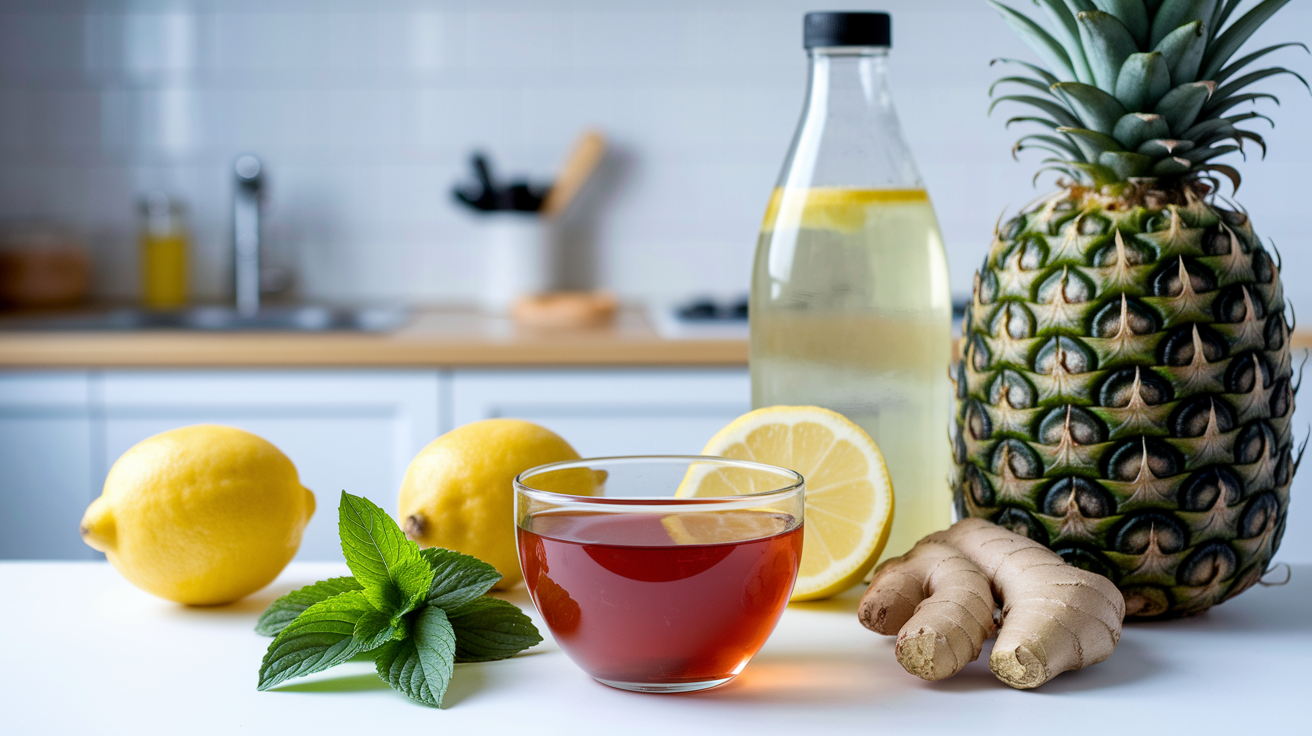
Skip the pills — some drinks can ease bloating fast.
When your stomach feels tight, heavy, or like there’s trapped gas, the right warm drink often helps within minutes.
Here’s the simple version: peppermint, ginger, fennel, warm lemon water, pineapple juice, or plain warm water can relax your gut, speed digestion, or break down food so you feel lighter sooner.
This post explains which drink to pick for common patterns, how to make them for quick relief, and what to watch for so you know when to see a clinician.
Best Drinks for Immediate Bloating Relief
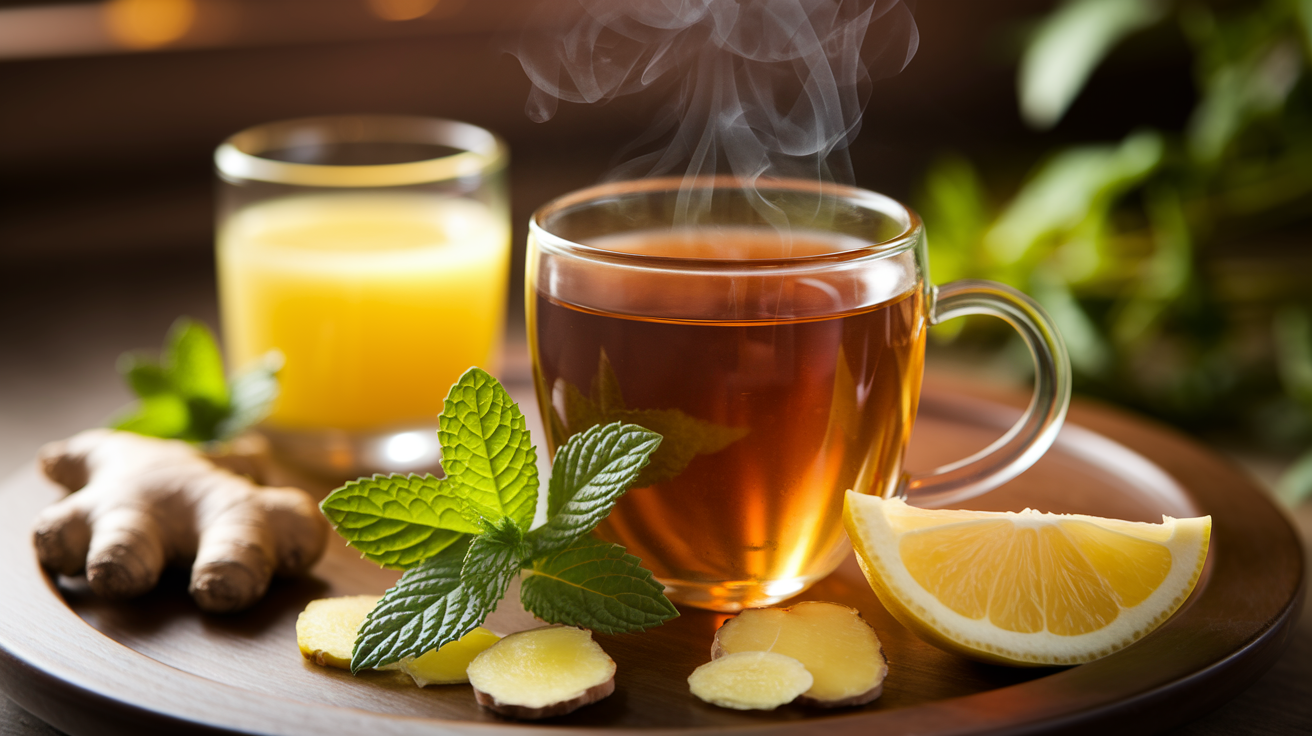
When bloating hits, you want something that works now. Not hours later. The right drink can relax cramped muscles, move trapped gas, and get things moving again within minutes.
Most quick relief drinks work by calming your digestive tract, breaking down food proteins, or helping your gut release built up gas and fluids. Warm liquids tend to work fastest because they relax the smooth muscles lining your intestines.
Here’s what to reach for:
Peppermint tea relaxes the muscles in your digestive tract so gas can move through more easily.
Ginger tea reduces inflammation and speeds up gastric emptying so food doesn’t sit heavy in your stomach.
Warm lemon water stimulates digestive juices to break down food and reduce gas buildup.
Fennel tea releases trapped gas and eases cramping.
Pineapple juice contains bromelain, an enzyme that helps break down proteins and reduce post meal heaviness.
Plain warm water improves motility (the wave-like muscle contractions that move food along) and prevents dehydration related constipation.
Stick with warm or room temperature drinks when bloating is active. Cold beverages can slow digestion temporarily and make cramping feel sharper. If you need relief in the next 20 to 30 minutes, go for ginger or peppermint tea sipped slowly. Many people report noticeable easing after just a few sips of a concentrated ginger shot or a cup of hot peppermint tea.
Keep these on hand so you’re ready when it happens.
How to Prepare These Anti-Bloating Drinks
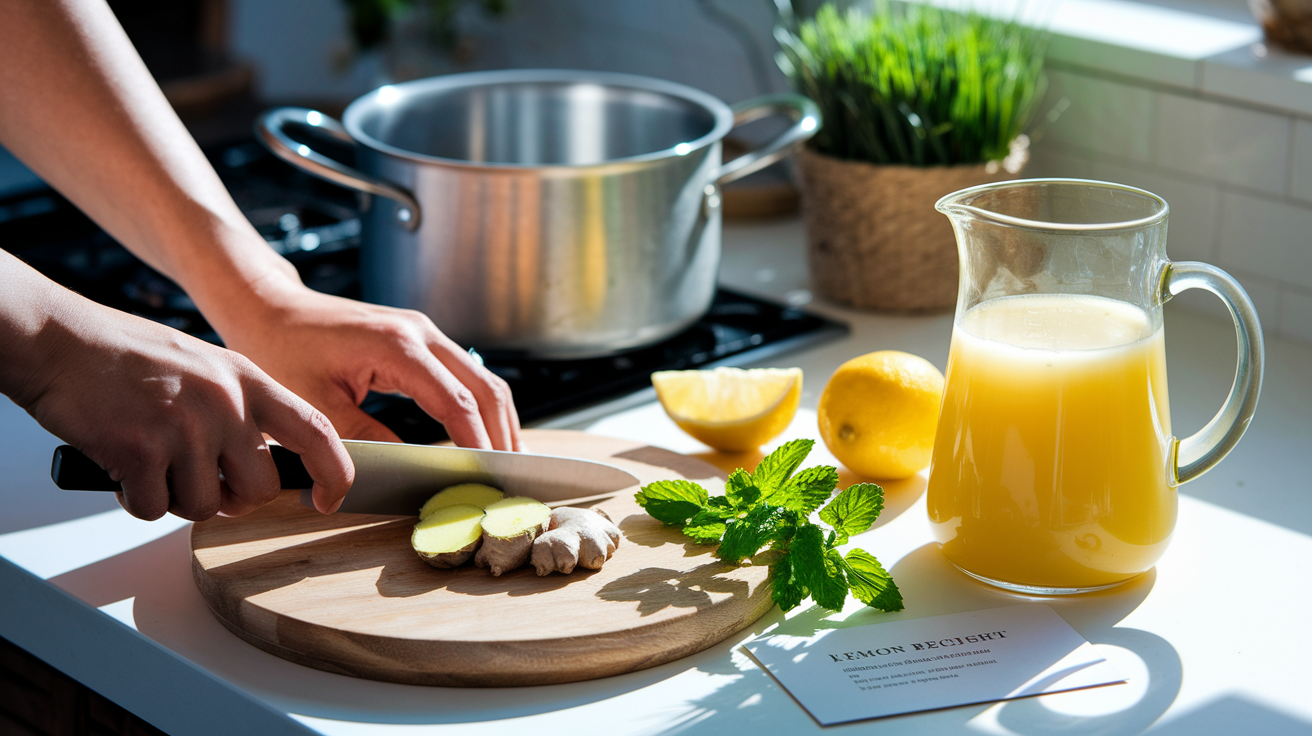
How you make your drink affects how quickly it works. Ginger releases more active compounds when you simmer it for a few minutes rather than just pouring hot water over it. Peppermint needs a full steep, 5 to 7 minutes covered, to pull out the menthol that relaxes your gut. Warm lemon water works best with fresh squeezed juice, not bottled concentrate. The natural oils and vitamin C degrade quickly once exposed to air and heat.
Start with good quality ingredients. Fresh ginger root, whole peppermint leaves, and organic lemons deliver stronger effects than powdered versions or tea bags that’ve been sitting in the cupboard for months.
Here’s a simple universal method for fast relief:
Heat water to just below boiling (around 200°F or 93°C) so it’s hot but won’t destroy delicate enzymes or oils. Add your fresh ingredient, sliced ginger, mint leaves, lemon wedge, and cover the cup or pot. Steep for 5 to 7 minutes, then strain. Sip slowly, letting each mouthful warm your stomach before swallowing the next.
For pineapple juice, blend fresh pineapple with a little water and strain if you want it smoother. The bromelain enzyme is most potent in the core and stem, so include those parts if your blender can handle it. Drink it about 20 to 30 minutes before a meal to help prevent that heavy, stretched feeling afterward.
When to Drink Them for Best Results
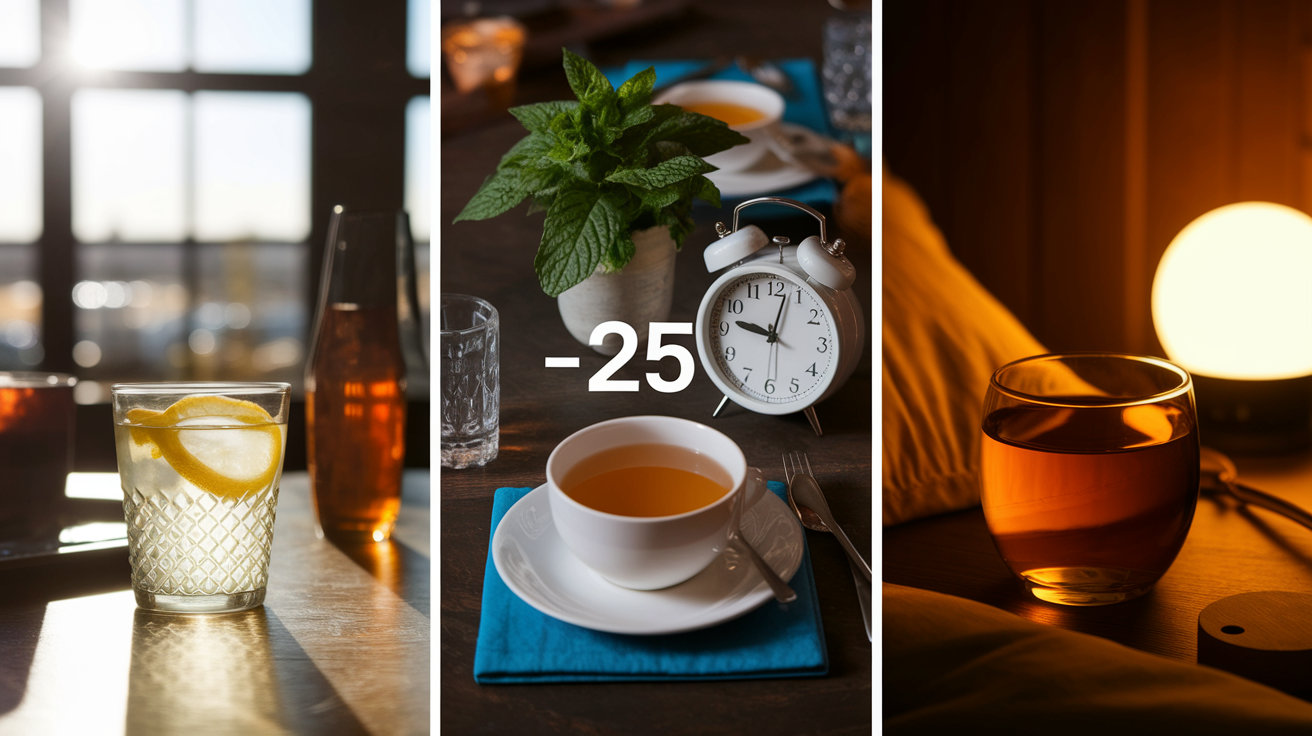
Timing matters as much as the drink itself. Herbal teas like peppermint, ginger, or fennel work best when sipped 20 to 30 minutes after a meal. That window lets the warm liquid reach your stomach while food is still breaking down, so the tea’s compounds can relax muscles and reduce gas before bloating gets uncomfortable. If you drink it too soon, you may dilute your stomach acid slightly and slow things down.
Warm water first thing in the morning or about 15 minutes before a meal can reduce bloating by prepping your digestive system. It prevents the sluggishness that leads to gas buildup. Ginger tea before bed is surprisingly effective for overnight relief because it keeps gastric motility steady while you sleep. You wake up feeling lighter instead of puffy.
Lemon water in the morning stimulates bile production and gets your digestive rhythm going early, which helps prevent mid morning bloating.
Common Causes of Sudden Bloating
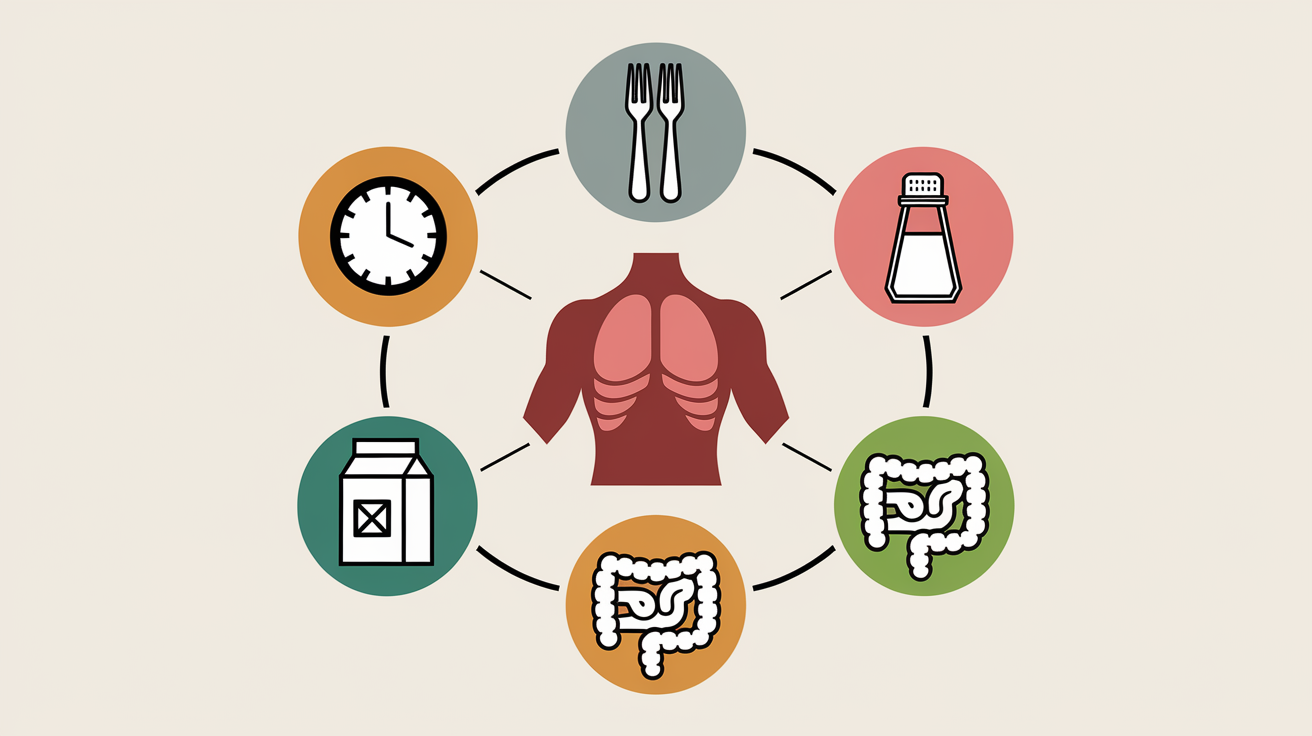
Understanding why bloating happens helps you pick the right drink and avoid the same trigger tomorrow. Most sudden bloating comes from a handful of everyday patterns that stack up quickly.
Gas buildup is the most common culprit. When you eat quickly, talk while chewing, or sip through a straw, you swallow extra air that gets trapped in your intestines. Certain foods, like beans, cruciferous vegetables, and carbonated drinks, also produce gas as they break down.
Here are five frequent triggers:
Eating too fast. Swallowing air along with food leads to immediate puffiness and discomfort.
High sodium meals. Salty foods cause fluid retention, especially noticeable in your belly and face.
Dairy or lactose sensitivity. Temporary intolerance, even if you’re usually fine, can cause gas and cramping within an hour.
Hormonal fluctuations. The week before your period, progesterone slows digestion and causes water retention.
Constipation. Low fiber intake or dehydration keeps stool in your colon longer, creating pressure and gas.
If your bloating shows up at the same time each day or after certain meals, start tracking what you ate, when you ate it, and how fast. Patterns usually emerge within a few days.
Additional Quick Tips for Reducing Bloating
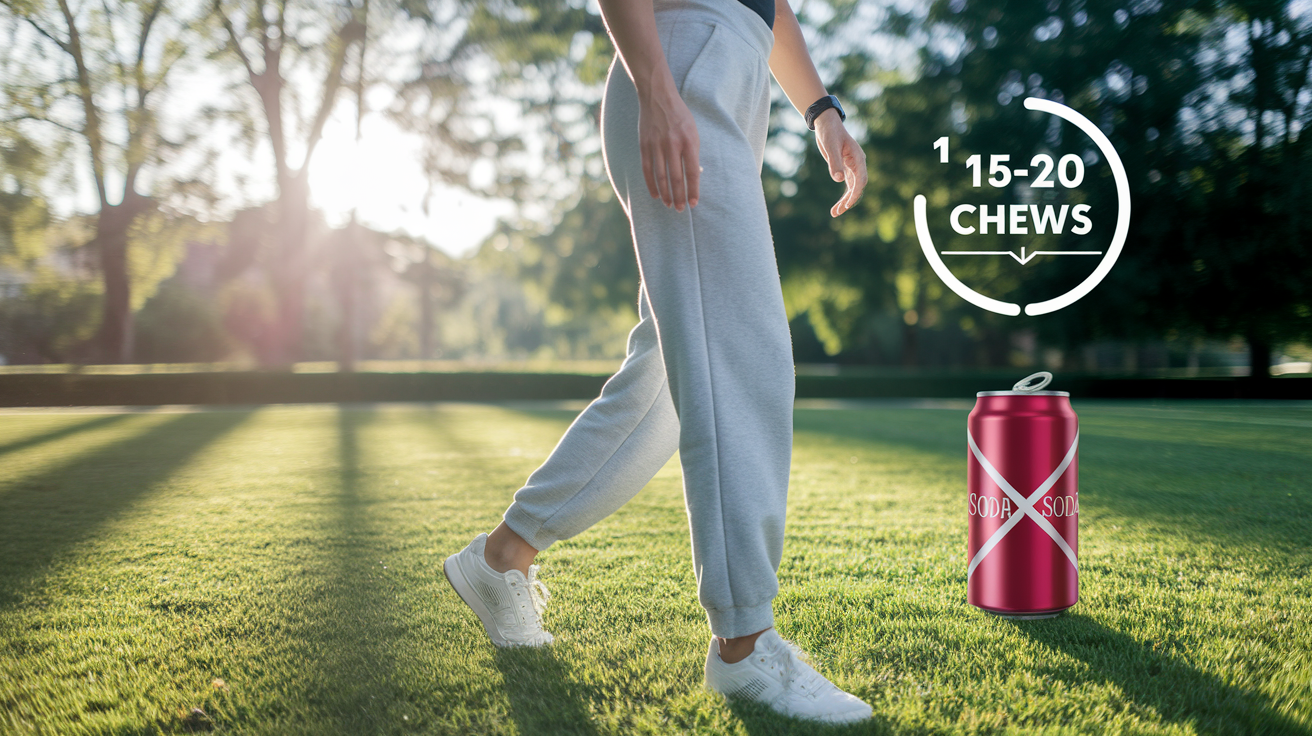
Drinks help, but pairing them with a few simple habits speeds up relief. Light movement, like a 10 minute walk after eating, improves digestion by encouraging your intestines to contract and move food along. You don’t need to power walk. Just standing up and moving gently can shift trapped gas and ease pressure.
Avoid carbonated beverages, even sparkling water, when you’re already bloated. The bubbles add more gas to your digestive system, which makes cramping worse. Save fizzy drinks for when your stomach feels calm.
Chewing slowly and thoroughly reduces the amount of air you swallow and gives your stomach enzymes time to start breaking down food before it hits your intestines. Aim to chew each bite 15 to 20 times.
If bloating is severe, doesn’t improve after a few hours, or comes with sharp pain, fever, vomiting, or blood in your stool, get medical help. Those symptoms can signal something that needs more than tea and a walk.
Final Words
When bloating hits, reach first for a warm, simple drink. Peppermint or ginger tea, warm lemon water, fennel tea, or pineapple juice can ease gas and speed digestion.
You’ll also find quick how-to tips (steep times, simmering ginger) and timing advice (after meals, before bed) useful, plus small habits like gentle walking and slower chewing.
If you’re wondering what drinks help with bloating, these low-risk options are a good place to start, and you’ll likely feel better soon.
FAQ
Q: What reduces bloating quickly? How do I quickly debloat my belly?
A: To reduce bloating quickly, try warm peppermint or ginger tea, sip warm lemon water, take a short walk, and avoid carbonated drinks and gum, which often eases gas and speeds digestion within hours.
Q: How can I flush out gas from my stomach?
A: To flush gas from your stomach, try fennel or peppermint tea, gentle belly massage, slow walking, and sipping warm water. These actions help move trapped gas and lower pressure within 15-60 minutes.
Q: What juice is good for bloating?
A: Pineapple juice is good for bloating because bromelain may aid digestion. Ginger or lemon juice diluted in warm water also calms symptoms—watch portion size and sugar content.
Comments are closed