
Is that tight, bloated feeling after a meal just indigestion, or your body’s way of telling you something’s off?
Indigestion often shows as upper belly pain, early fullness, belching, or nausea, and it can come from food, meds, stress, or slow stomach emptying.
This post explains what those sensations usually mean, common triggers to watch for, simple low-risk steps you can try now, what to track for your clinician, and the clear signs that need prompt medical care.
Here’s a simple way to listen to your gut.
Key Indigestion Symptoms and What They Usually Mean
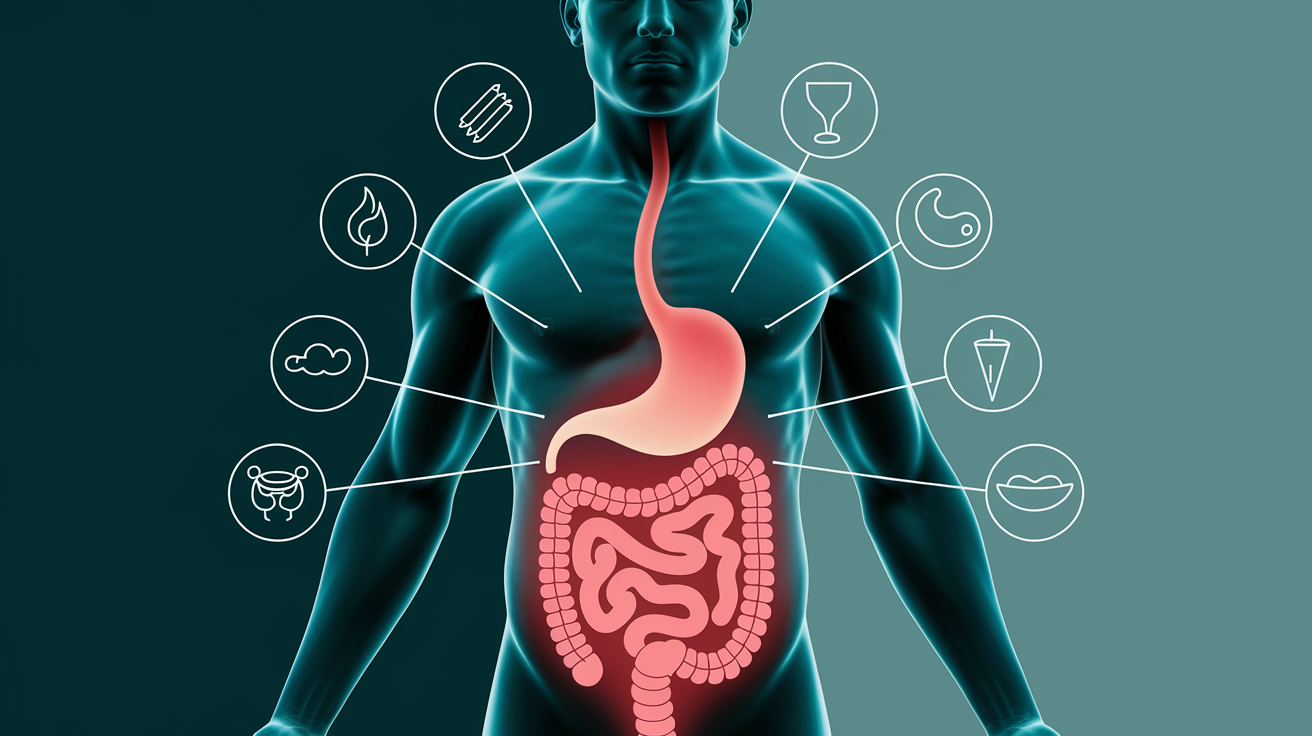
Indigestion shows up as discomfort or pain in your upper belly, right under your ribs and above your navel. Doctors call that spot the epigastric region. Most people feel symptoms during a meal or within an hour or two after eating, but they can pop up anytime, even on an empty stomach.
The feeling varies. Sometimes it’s mild and annoying. Other times it’s sharp enough to pull your attention away from whatever you’re doing. Some days symptoms disappear fast. Other days they stick around for hours. Pay attention to whether they show up around food, stress, or certain triggers like coffee or eating lunch in your car between meetings.
When doctors talk about indigestion, they use the word dyspepsia. If tests don’t turn up anything structural like an ulcer or gallbladder trouble, the label changes to functional or non-ulcer dyspepsia. That just means your symptoms are real, but scans and scopes don’t show visible damage.
Common symptoms you might notice:
- Pain or burning in your upper abdomen, sometimes a gnawing ache
- Feeling too full during a meal, even after eating a normal or small amount
- Bloating and tightness that makes your clothes feel snug
- Frequent belching, sometimes with an acidic or sour taste
- Nausea that may or may not lead to vomiting
- A growling or rumbling stomach, even after you’ve eaten
- Bad breath or a persistent acidic taste
- Occasional vomiting, especially if symptoms get severe or go on too long
Primary Causes Behind Indigestion and Why They Develop

Indigestion happens when something disrupts normal digestion. That disruption might come from what you eat, how you eat, medications you’re taking, or from an underlying condition affecting your stomach, intestines, or digestive nerves.
The most common culprits fall into a few clear buckets. Lifestyle habits like eating too much or too fast, smoking, drinking alcohol, and lying down right after a meal all raise your risk. Stress and lack of sleep lower your digestive resilience, making your stomach more sensitive to irritation. Pregnancy brings its own triggers, especially in the last trimester when hormones relax digestive muscles and the growing baby presses up on your stomach.
A lot of medications irritate the stomach lining or slow things down. NSAIDs like ibuprofen, aspirin, and naproxen are repeat offenders. Antibiotics, thyroid meds, estrogen, and oral contraceptives can all cause or worsen symptoms. If you start a new medication and notice new digestive issues a few days or weeks later, that timing’s worth noting. Don’t stop a prescribed medication on your own, but bring it up at your next visit.
Several medical conditions either cause indigestion directly or make your digestive system more reactive. Peptic ulcers, H. pylori infection, gastritis, GERD, gallbladder disease, irritable bowel syndrome, Celiac disease, gastroparesis, thyroid disorders, and in rare cases stomach cancer can all show up as ongoing upper belly discomfort. When evaluation doesn’t find a structural cause, the diagnosis is functional dyspepsia.
Six top triggers to watch:
- Fatty, fried, or spicy foods that slow stomach emptying
- Caffeine and carbonated drinks that increase stomach acid or pressure
- Alcohol, which irritates your stomach lining
- Large meals or eating too quickly
- Smoking, which weakens the valve between your stomach and esophagus
- High stress or poor sleep, both of which increase digestive sensitivity
How Indigestion Differs From Heartburn and Acid Reflux
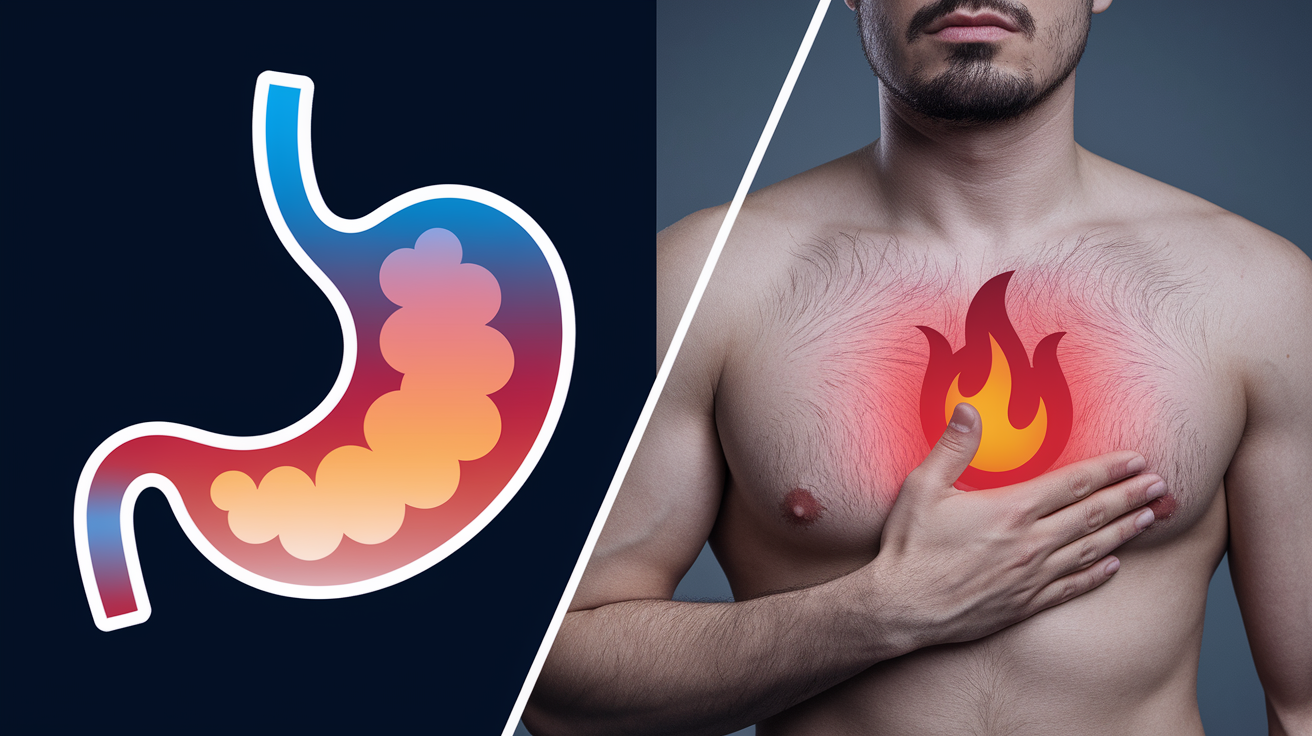
Indigestion and heartburn overlap, but they’re not the same. Indigestion is upper abdominal discomfort. Heartburn is a burning feeling behind your breastbone, caused by stomach acid backing up into your esophagus. You can have heartburn without indigestion, indigestion without heartburn, or both at once.
Heartburn that happens more than twice a week, especially if it gets worse after meals, when lying down, or when bending forward, suggests gastroesophageal reflux disease, or GERD. GERD is chronic acid reflux that can damage the lining of your esophagus over time and, in some cases, lead to Barrett’s esophagus, which raises the risk of esophageal cancer.
Here’s how to tell them apart:
Location: Indigestion feels like pain or fullness in your upper belly. Heartburn feels like burning in your chest, often rising toward your throat.
Timing: Indigestion usually hits during or shortly after eating. Heartburn can show up anytime, but often gets worse when you’re lying flat or bending.
Cause: Indigestion comes from irritation or dysfunction in your stomach or upper intestine. Heartburn comes from acid backing up into your esophagus.
Associated symptoms: Indigestion often includes bloating, nausea, belching. Heartburn may bring a sour taste or a feeling of liquid rising in your throat.
Response to antacids: Both may improve with antacids, but heartburn responds more predictably because the main issue is acid.
When Indigestion Signals Something More Serious

Most indigestion is uncomfortable but not dangerous. But certain symptoms mean you need medical evaluation right away, because they can signal a heart attack, internal bleeding, a blocked digestive passage, or another urgent problem.
If you have indigestion plus sweating, shortness of breath, or pain that spreads to your neck, jaw, or arms, call emergency services. That combination can mimic a heart attack or actually be one. Chest pain with a fast or irregular heartbeat also needs immediate care. Don’t wait to see if it passes.
Other warning signs that need a prompt doctor visit:
- Vomiting blood or material that looks like coffee grounds
- Black, tarry stools, which can point to bleeding in your stomach or intestines
- Severe, nonstop vomiting that stops you from keeping down food or liquids
- Difficulty swallowing or a sensation that food is getting stuck
- Unexplained weight loss over weeks or months without trying to lose weight
- New or worsening symptoms that first appear at age 55 or older
- Signs of anemia such as pale skin, extreme tiredness, dizziness, or rapid heartbeat
Common Medical Conditions That Mimic or Cause Indigestion
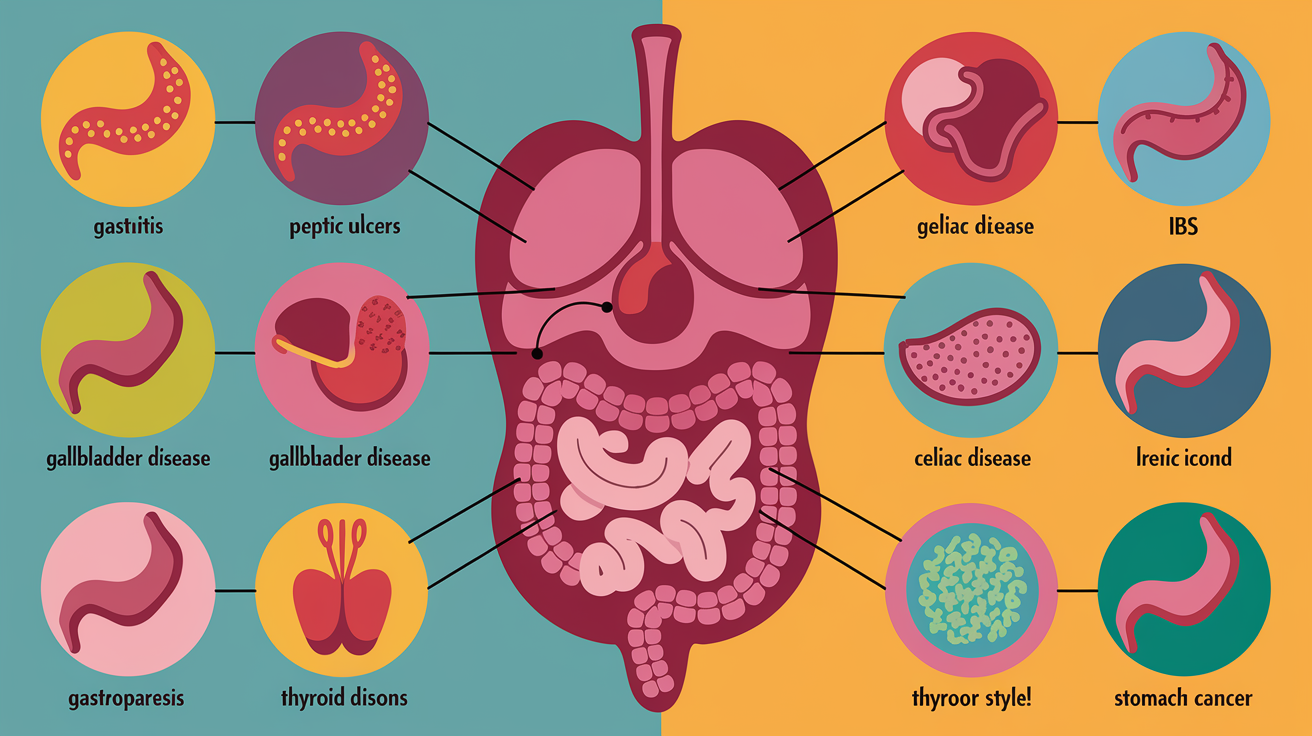
Several digestive and non-digestive conditions produce symptoms that feel just like indigestion. Gastritis, which is inflammation of your stomach lining, causes upper belly pain, nausea, and bloating. Peptic ulcers, which are sores in your stomach or the first part of your small intestine, often cause burning pain that may get better or worse with food, depending on where the ulcer is.
Gastroesophageal reflux disease can cause both heartburn and upper abdominal discomfort. Gallbladder disease, especially gallstones or cholecystitis, often shows up as pain in your upper right abdomen that may spread to your back or shoulder, sometimes with nausea and bloating after fatty meals. Irritable bowel syndrome overlaps with indigestion symptoms, particularly bloating, pain, and altered bowel habits. Pancreatitis, which is inflammation of the pancreas, causes severe upper abdominal pain that often radiates to your back.
Thyroid disorders, particularly hypothyroidism, can slow digestion and cause bloating and discomfort. Gastroparesis, a condition where your stomach empties too slowly, is common in people with diabetes and produces early fullness, nausea, bloating, and upper belly pain. In rare cases, persistent indigestion can be an early sign of stomach cancer, particularly if it comes with weight loss, loss of appetite, or difficulty swallowing. Functional dyspepsia describes indigestion that persists even when tests show no structural abnormality, inflammation, or other identifiable cause.
How Clinicians Diagnose Indigestion and Rule Out Other Causes

Diagnosis starts with a detailed conversation about your symptoms. Your clinician will ask when symptoms happen, how long they last, what makes them better or worse, what you were eating or doing when they started, and whether you’ve noticed patterns with specific foods, drinks, medications, stress, or time of day. Family history matters too, particularly if relatives have had ulcers, GERD, gallbladder disease, or stomach cancer.
A physical exam focuses on your abdomen and chest. Your clinician will press gently on different areas to check for tenderness, swelling, or masses. If your history and exam suggest a specific cause or if symptoms are persistent, severe, or come with warning signs, testing follows. Blood tests can detect anemia, liver problems, or signs of inflammation. Tests for H. pylori infection include a urea breath test, stool antigen test, or blood antibody test. Upper endoscopy involves passing a thin, flexible tube with a camera and light down your throat to examine your esophagus, stomach, and the beginning of your small intestine. During endoscopy, your clinician can take small tissue samples, called biopsies, to check for ulcers, inflammation, infection, or abnormal cells. Imaging studies like abdominal X-rays or ultrasound may be ordered if gallbladder disease or another structural issue is suspected.
| Test | What It Detects |
|---|---|
| Blood tests | Anemia, liver enzyme abnormalities, signs of inflammation or infection |
| H. pylori breath or stool test | Active Helicobacter pylori infection in the stomach |
| Upper endoscopy with biopsy | Ulcers, inflammation, tumors, Barrett’s esophagus, tissue abnormalities |
| Abdominal ultrasound | Gallstones, gallbladder inflammation, liver or pancreas issues |
| X-rays of stomach and small intestine | Structural abnormalities, blockages, or delayed emptying |
Over-the-Counter and Medical Treatments for Indigestion

Treatment depends on what’s causing your symptoms. If indigestion is mild and occasional, over-the-counter antacids often help. Products like Tums, Rolaids, and Alka-Seltzer work by neutralizing stomach acid. They give quick relief but don’t last long. Some antacid formulations contain aspirin or other NSAIDs, which can actually irritate your stomach lining and make ulcers worse, so read labels carefully.
H2-receptor antagonists, also called H2 blockers, reduce the amount of acid your stomach produces. Examples include famotidine, sold as Pepcid, and cimetidine, sold as Tagamet. These are available over the counter in lower doses and by prescription in higher doses. They work longer than antacids and are more effective for recurring symptoms. Proton pump inhibitors, or PPIs, are even stronger acid suppressors. Common examples include omeprazole (Prilosec), esomeprazole (Nexium), lansoprazole (Prevacid), pantoprazole (Protonix), and rabeprazole (Aciphex). Some are available over the counter, others require a prescription. PPIs are typically used for more persistent or severe symptoms, especially when related to GERD or ulcers.
If your stomach empties too slowly, your clinician may prescribe a prokinetic medication like metoclopramide, brand name Reglan. Prokinetics help your stomach muscles move food through more efficiently. They’re usually saved for more severe cases because side effects can include tiredness, depression, anxiety, and muscle spasms. If H. pylori infection is detected, a course of antibiotics will be prescribed, often combined with a PPI. Antibiotic side effects can include stomach upset, diarrhea, and yeast infections. In some cases of chronic functional indigestion, low-dose antidepressants are used to modify nerve signals in the gut and reduce pain sensitivity.
Common treatment options:
- Antacids for quick, short-term acid relief
- H2 blockers to reduce acid production for several hours
- PPIs for stronger, longer-lasting acid suppression
- Prokinetics to speed stomach emptying when motility is slow
- Antibiotics if H. pylori infection is confirmed
Practical Home Remedies and Lifestyle Adjustments That Reduce Indigestion

Simple changes in how and when you eat can make a big difference. Eating smaller meals more often, four to five times a day instead of three large meals, keeps your stomach from getting too full and reduces pressure. Chew slowly and avoid talking while eating to minimize swallowed air, which adds to bloating and belching.
Wait at least two hours after eating before lying down. When you do sleep, elevate the head of your bed by about six inches using blocks or a wedge pillow. This keeps stomach contents from flowing back toward your esophagus. Losing weight if you’re overweight reduces abdominal pressure and often improves symptoms. Choose water over soda, and follow a balanced diet that includes enough fiber to support regular bowel movements and reduce bloating. Gentle physical activity like walking after meals can help digestion, but skip vigorous exercise right after eating.
Steps to try now:
- Avoid or limit fried, fatty, spicy, and acidic foods like tomatoes and citrus
- Cut back on caffeine, alcohol, and carbonated drinks
- Stop smoking, which weakens the valve between your stomach and esophagus
- Manage stress with short breaks, slow breathing, or a quick walk
- Keep a food and symptom log to spot your specific triggers
- Don’t eat within two to three hours of bedtime
- Wear loose, comfortable clothing that doesn’t press on your belly
- Try a heating pad or warm compress on your upper abdomen for comfort
- Consider probiotics to support gut balance, though evidence is still limited
How Stress, Sleep, and Mental Health Influence Indigestion
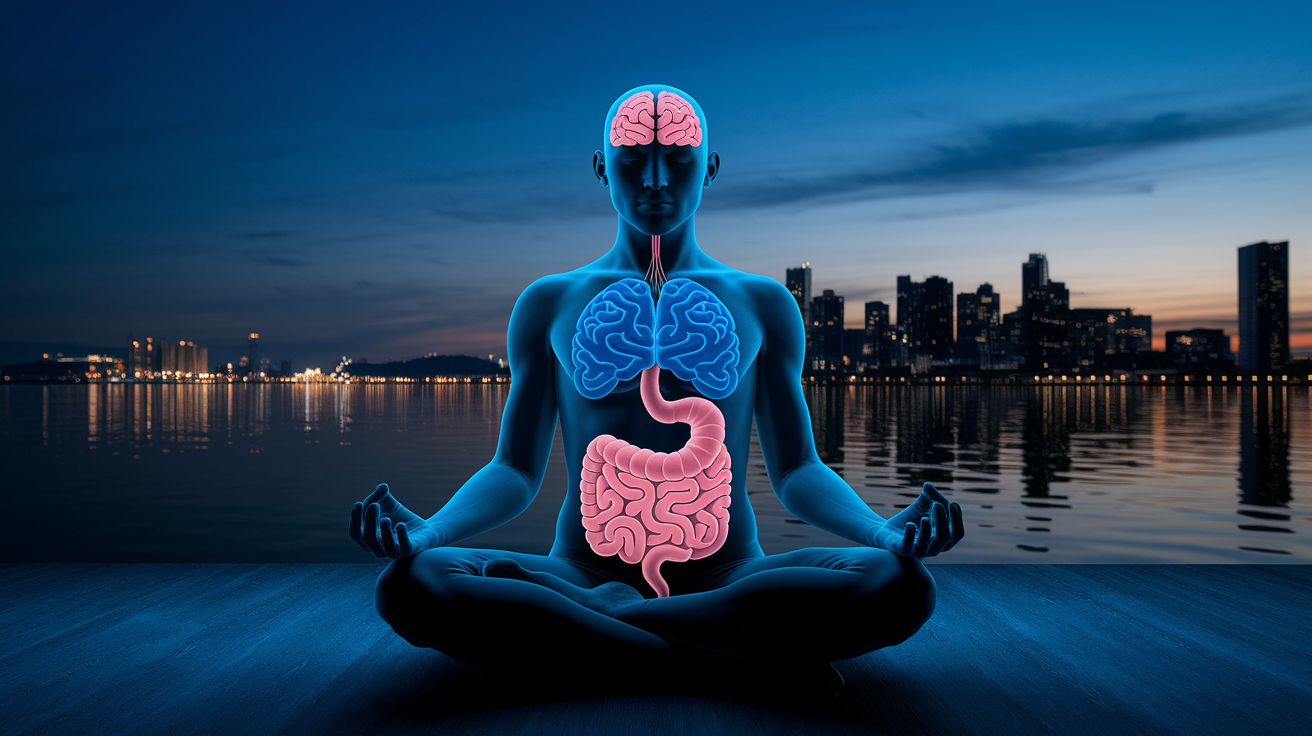
Stress, fatigue, and anxiety are recognized triggers for indigestion. When your nervous system is running hot, digestion slows down, stomach acid production can increase, and your gut becomes more sensitive to normal sensations. That’s why symptoms often flare during busy weeks, after poor sleep, or during periods of worry or tension.
Rest and stress reduction often help symptoms improve. Simple practices like slower breathing, short walks, stepping away from screens, or five minutes of stretching can downshift your nervous system enough to ease digestive discomfort. Relaxation therapy and cognitive behavioral therapy have both been shown to help people with chronic functional indigestion, particularly when symptoms affect quality of life or when anxiety about the symptoms creates a feedback loop. Better sleep also matters. Aim for consistent sleep and wake times, a cool and dark bedroom, and winding down without screens before bed. When your body is rested, your digestive system tends to run more smoothly.
Chronic vs Acute Indigestion and Long-Term Management

Acute indigestion comes on suddenly, often after a specific trigger like a large meal, alcohol, or a new medication. It usually clears up within hours or a few days once the trigger is removed or the irritation settles. Chronic indigestion is persistent or recurring. It can last for months, years, or even a lifetime if the underlying cause isn’t identified and addressed.
Managing chronic indigestion takes a broader approach. You’ll need to identify and treat any underlying conditions like GERD, ulcers, or H. pylori infection. Review your medications with your clinician to see if any are contributing. Make lasting changes to diet, meal timing, stress habits, and sleep. Track patterns over weeks to spot connections you might miss day to day. Chronic cases often benefit from a combination of lifestyle modification, medication when needed, and regular follow-up with a healthcare provider who understands your history.
Long-term management steps:
- Address the root cause, whether it’s a medical condition, medication, or lifestyle pattern
- Stick with smaller, slower meals and avoid known food triggers
- Manage stress and prioritize consistent sleep
- Review and adjust medications regularly with your clinician to minimize side effects
Final Words
You’ve seen how upper belly pain or burning, fullness after meals, belching, bloating, nausea, and occasional vomiting usually point to indigestion and when they happen. You also read common triggers, overlapping conditions, and red flags that need urgent care.
Try simple steps first—smaller meals, cut back on triggers, sleep and stress habits—and track timing, severity, and what helps. Bring that info to your clinician if symptoms persist.
With clear tracking and small changes, many people get better control of indigestion symptoms and causes and feel steadier soon.
FAQ
Q: What are the 7 signs of indigestion and how do you tell if it’s just indigestion?
A: The 7 signs of indigestion are upper abdominal pain or burning, early fullness, bloating, belching, nausea, acidic taste, and occasional vomiting. It’s likely indigestion if symptoms follow meals and ease with antacids or rest.
Q: What is the main cause of indigestion?
A: The main cause of indigestion is often lifestyle triggers—overeating, fatty or spicy foods, alcohol, smoking, caffeine, and stress—though some medications and medical conditions can also produce similar symptoms.
Q: How do I stop indigestion asap?
A: You can stop indigestion asap by sipping water, taking an antacid, sitting upright, doing slow exhale breathing, and avoiding more food or lying down; seek care if symptoms are severe.
Comments are closed