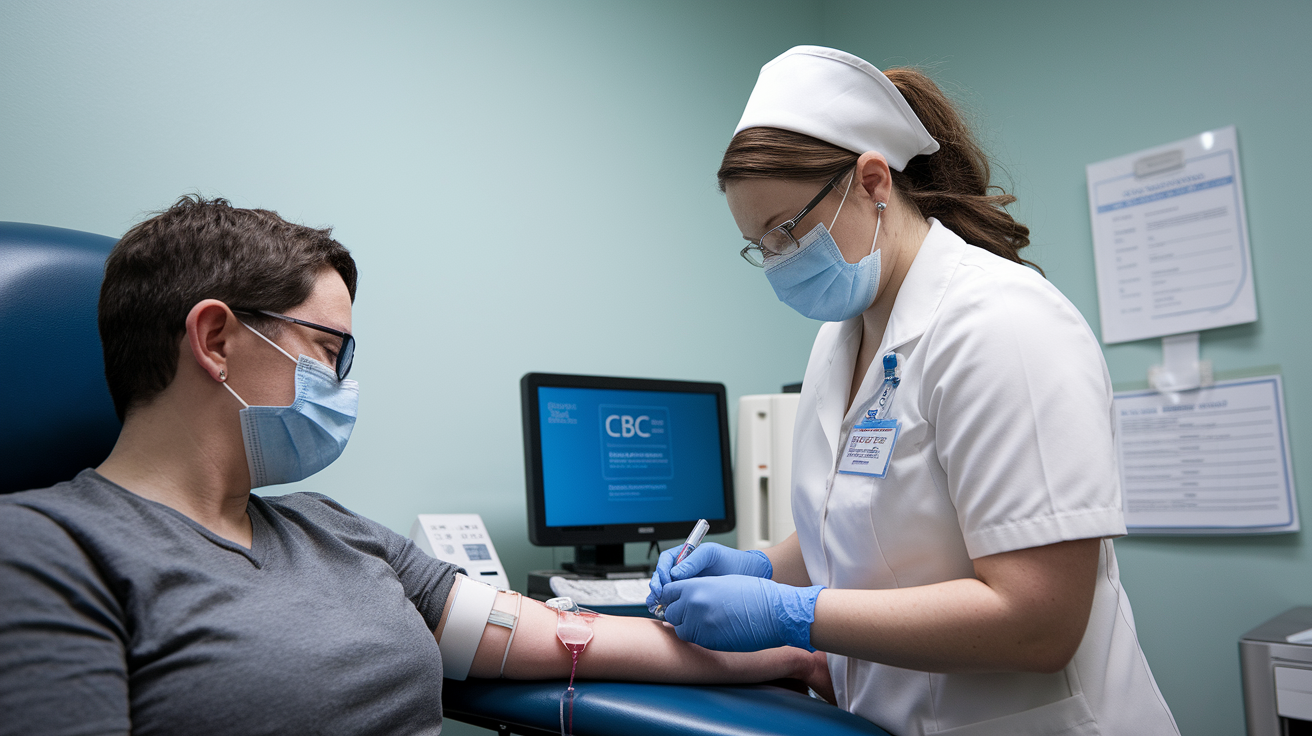
Tired every morning even after a full night’s sleep?
You’re not imagining it. Doctors use a focused set of tests—blood work for anemia and nutrient gaps, metabolic and glucose checks, thyroid and hormone panels, cortisol measures, and sleep studies—to find what’s actually causing morning exhaustion.
This article walks through those main tests, explains what each one looks for in plain terms, and shows when your clinician might choose them.
By the end you’ll know what to track and what questions to bring to your appointment.
Core Medical Tests Commonly Used to Evaluate Morning Fatigue

Doctors use a mix of blood work, hormone panels, sleep studies, and targeted diagnostics to figure out why you’re waking up exhausted. The whole point is to find what’s actually causing it, not just cover it up with coffee.
The usual starting point? A complete blood count (CBC) to check for anemia, a comprehensive metabolic panel (CMP) to look at liver and kidney function, and a thyroid panel to screen for hormone trouble. Iron studies, vitamin D, and vitamin B12 levels get ordered a lot too because deficiencies in these areas are some of the most common (and fixable) reasons people feel wiped out in the morning. If you’re sleeping enough hours but still feel like garbage, your doctor might suggest a sleep study to rule out obstructive sleep apnea or other breathing issues that wreck your rest.
When your symptoms point toward hormone imbalance, stress-related exhaustion, or immune problems, clinicians add cortisol testing, sex hormone panels, or viral antibody screens. Which tests get ordered depends on what patterns show up in your medical history (weight changes, cycle weirdness, shift work, recent illness) and what the first round of labs reveals.
Here are the eight main categories of tests doctors typically use to evaluate morning fatigue:
- Complete Blood Count (CBC) – screens for anemia, infection, and blood cell problems that reduce oxygen delivery or signal immune activation
- Comprehensive Metabolic Panel (CMP) – evaluates liver enzymes, kidney markers, electrolytes, and blood glucose to catch organ dysfunction or metabolic imbalance
- Thyroid Function Panel – measures TSH, free T3, free T4, and thyroid antibodies to identify hypothyroidism, hyperthyroidism, or autoimmune thyroid disease
- Iron Studies – includes serum iron, ferritin, total iron-binding capacity (TIBC), and transferrin saturation to detect iron deficiency or overload
- Vitamin D and B12 Testing – checks for common nutrient deficiencies linked to low energy, muscle weakness, brain fog, and mood changes
- Fasting Glucose and Hemoglobin A1c – screens for diabetes, prediabetes, and insulin resistance that mess with energy regulation
- Sleep Testing (Polysomnography or Home Sleep Apnea Testing) – objectively measures breathing, oxygen levels, and sleep architecture to diagnose sleep disorders
- Cortisol and Adrenal Testing – evaluates stress hormone patterns through morning blood draws or four-point saliva samples collected across the day
Blood-Based Evaluations for Morning Fatigue and What They Reveal
Blood tests are the backbone of the diagnostic workup for persistent morning exhaustion. A CBC looks at red blood cells, hemoglobin, white blood cells, and platelets. Low hemoglobin or low red blood cell counts? That’s anemia, which means your tissues aren’t getting enough oxygen. High white blood cell counts can point to infection or chronic inflammation. Both explain why you might wake up feeling completely drained.
A comprehensive metabolic panel (CMP) checks liver enzymes like ALT and AST, kidney function markers like creatinine and BUN, electrolytes, calcium, and blood glucose. Abnormal liver or kidney values suggest your body’s struggling to filter waste or regulate metabolism. Both contribute to systemic fatigue. Iron studies (ferritin, serum iron, TIBC, and transferrin saturation) are especially important for women and anyone with heavy periods, low appetite, or a vegetarian diet. Low ferritin can cause fatigue even when hemoglobin looks normal.
Vitamin D levels below 30 ng/mL indicate deficiency. Levels between 30 and 50 ng/mL are often suboptimal for energy. The target range cited in clinical guidance is typically 50 to 80 ng/mL. Vitamin B12 deficiency affects red blood cell production, nerve function, and energy metabolism. It commonly shows up as fatigue, brain fog, and mood changes.
| Test Category | What It Evaluates | Why It Matters for Morning Fatigue |
|---|---|---|
| Complete Blood Count (CBC) | Red blood cells, hemoglobin, white blood cells, platelets | Detects anemia (low oxygen delivery) and signs of infection or inflammation |
| Comprehensive Metabolic Panel (CMP) | Liver enzymes, kidney markers, glucose, electrolytes | Identifies organ dysfunction, glucose dysregulation, and metabolic imbalances |
| Iron Panel | Ferritin, serum iron, TIBC, transferrin saturation | Screens for iron deficiency (common cause of fatigue) and iron overload |
| Vitamin B12 | Serum B12 level | Low B12 impairs red blood cell production, nerve function, and energy metabolism |
| Vitamin D | 25-hydroxy vitamin D level | Deficiency linked to fatigue, muscle weakness, mood changes; optimal range 50–80 ng/mL |
Thyroid and Hormonal Testing Connected to Morning Exhaustion

Thyroid hormones regulate metabolism, body temperature, and energy production. When thyroid function’s off (either too low or too high), morning fatigue is a common complaint. A full thyroid panel includes TSH, free T4, free T3, and thyroid antibodies like TPO and TgAb. Most people only get TSH tested, which misses subclinical hypothyroidism and autoimmune thyroid disease. An optimized TSH target is often cited as less than 2.5 mIU/L. If TSH is above 2.5, checking free T3, free T4, and antibodies helps clarify whether your thyroid gland is struggling or under immune attack.
Cortisol testing evaluates adrenal function and your body’s stress response. Cortisol naturally peaks in the morning, so timing matters. A morning blood draw or a saliva sample collected shortly after waking provides the most useful information. Some clinicians order a four-point saliva cortisol test that maps the entire day to catch flattened or inverted rhythms. This pattern (sometimes called adrenal fatigue or HPA axis dysregulation) can explain why you feel wired at night but exhausted in the morning. It’s especially relevant for shift workers or people under chronic stress.
Sex hormone testing is useful when morning fatigue shows up alongside mood changes, muscle loss, insomnia, or irregular cycles. In men, total and free testosterone levels help identify low T, which commonly causes low energy, reduced stamina, and poor motivation. In women, estradiol, progesterone, and DHEA testing can reveal hormone shifts related to perimenopause, andropause, or cycle irregularities that affect sleep quality and morning energy.
Glucose, Metabolic, and Nutrient Panels Used to Diagnose Morning Low Energy
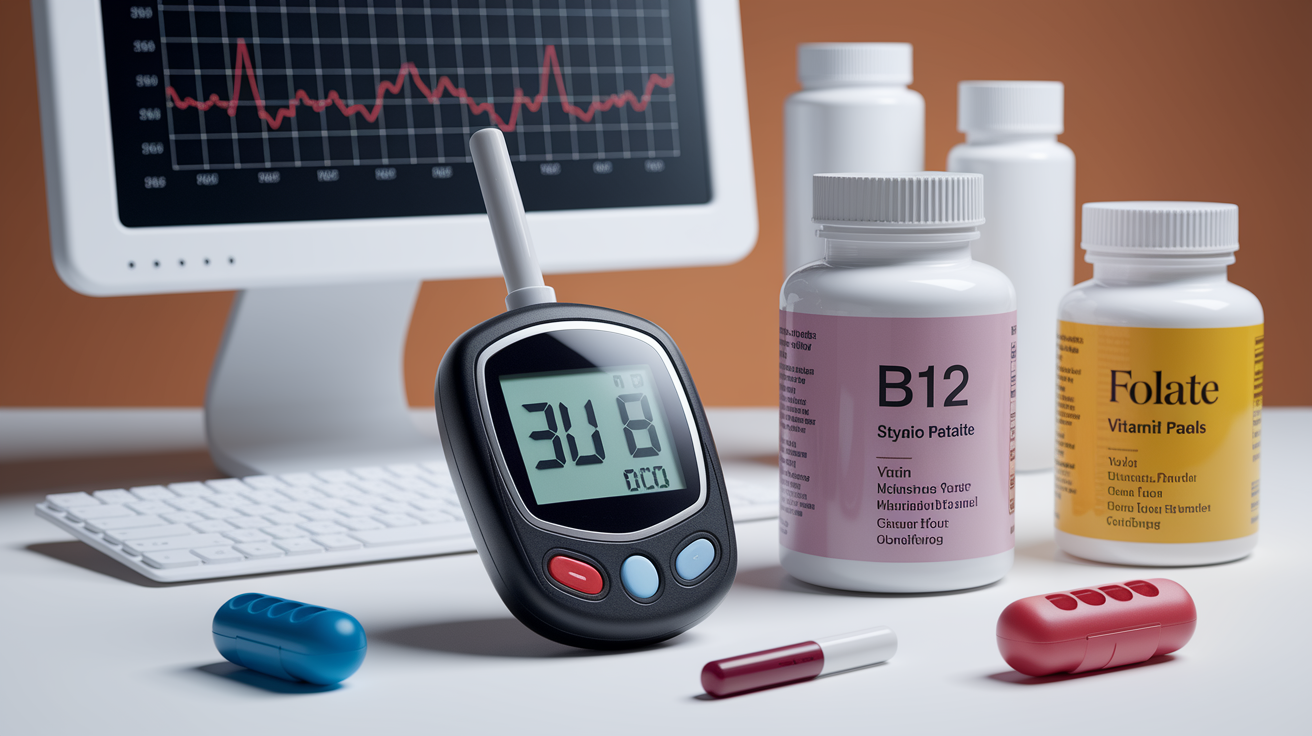
Glucose dysregulation disrupts energy throughout the day, but morning fatigue is often the first noticeable sign. Fasting glucose and hemoglobin A1c (HbA1c) screen for diabetes and prediabetes. High fasting glucose or an A1c above 5.7 percent suggests your body’s struggling to manage blood sugar, which leads to energy crashes and persistent tiredness. Insulin resistance (when cells stop responding well to insulin) can cause fatigue even before glucose levels look abnormal on standard tests.
A basic metabolic panel (BMP) or comprehensive metabolic panel (CMP) provides additional context by checking electrolytes, kidney function, and liver markers. Imbalances in sodium, potassium, or calcium can affect muscle function and energy. Abnormal kidney or liver values suggest your body’s not clearing waste efficiently, which contributes to systemic fatigue. Folate, like vitamin B12, plays a role in red blood cell production and energy metabolism. Low folate can cause fatigue, brain fog, and mood changes. It’s often tested alongside B12.
The core metabolic and nutrient tests used to screen for morning fatigue include:
- Fasting glucose – detects high blood sugar that suggests diabetes or prediabetes
- Hemoglobin A1c – provides a three-month average of blood glucose control and flags early insulin resistance
- Basic or Comprehensive Metabolic Panel (BMP/CMP) – evaluates electrolytes, kidney function, liver enzymes, and calcium
- Folate (vitamin B9) – screens for deficiency that impairs red blood cell production and energy metabolism
- Insulin – sometimes added when insulin resistance is suspected despite normal fasting glucose
Sleep Disorder Testing When Morning Fatigue Suggests Nonrestorative Sleep
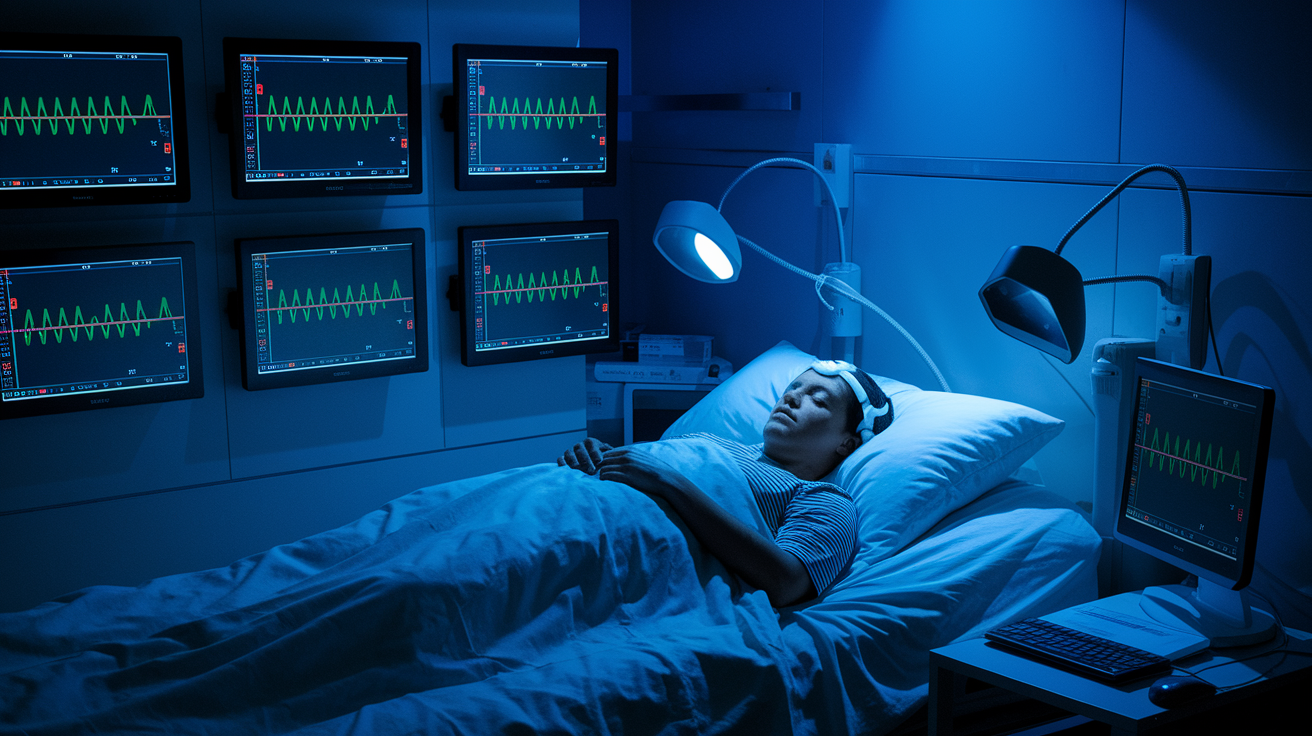
When you report waking up tired despite spending enough time in bed, doctors often look for sleep disorders that prevent restorative rest. Loud snoring, witnessed breathing pauses, gasping during sleep, or waking with a dry mouth or headache all suggest obstructive sleep apnea (OSA). OSA causes repeated drops in oxygen and fragmented sleep, which explains why morning fatigue persists no matter how long you sleep.
Polysomnography (PSG) is the gold standard for diagnosing sleep disorders. It’s an overnight study performed in a sleep lab that records brain waves, eye movements, muscle activity, heart rate, breathing effort, airflow, and oxygen levels. PSG detects not only sleep apnea but also periodic limb movements, narcolepsy, and REM sleep behavior disorder. Home sleep apnea tests (HSAT) are a simpler alternative that measure airflow, respiratory effort, and oxygen saturation, but they don’t capture brain activity or sleep stages. HSATs are used when the clinical suspicion for OSA is high and other sleep disorders are less likely.
Overnight pulse oximetry measures oxygen saturation and pulse rate throughout the night. It’s a basic screening tool that can reveal desaturation events suggestive of sleep apnea, but it can’t confirm the diagnosis on its own. Sleep questionnaires like the Epworth Sleepiness Scale and the Pittsburgh Sleep Quality Index help quantify daytime sleepiness and sleep quality, which guide decisions about whether objective testing is needed.
| Test | What It Measures | When Doctors Use It |
|---|---|---|
| Polysomnography (PSG) | Brain waves, breathing, oxygen, heart rate, muscle activity, sleep stages | Suspected sleep apnea, narcolepsy, REM behavior disorder, or unexplained nonrestorative sleep |
| Home Sleep Apnea Test (HSAT) | Airflow, respiratory effort, oxygen saturation | High clinical suspicion for obstructive sleep apnea in otherwise healthy patients |
| Overnight Pulse Oximetry | Oxygen saturation and pulse rate during sleep | Basic screening for oxygen desaturation; does not diagnose sleep apnea alone |
| Sleep Questionnaires | Daytime sleepiness (Epworth), sleep quality (Pittsburgh), insomnia severity | Initial assessment to decide if objective testing is warranted |
Advanced or Targeted Tests Doctors Use When Basic Labs Don’t Explain Morning Fatigue
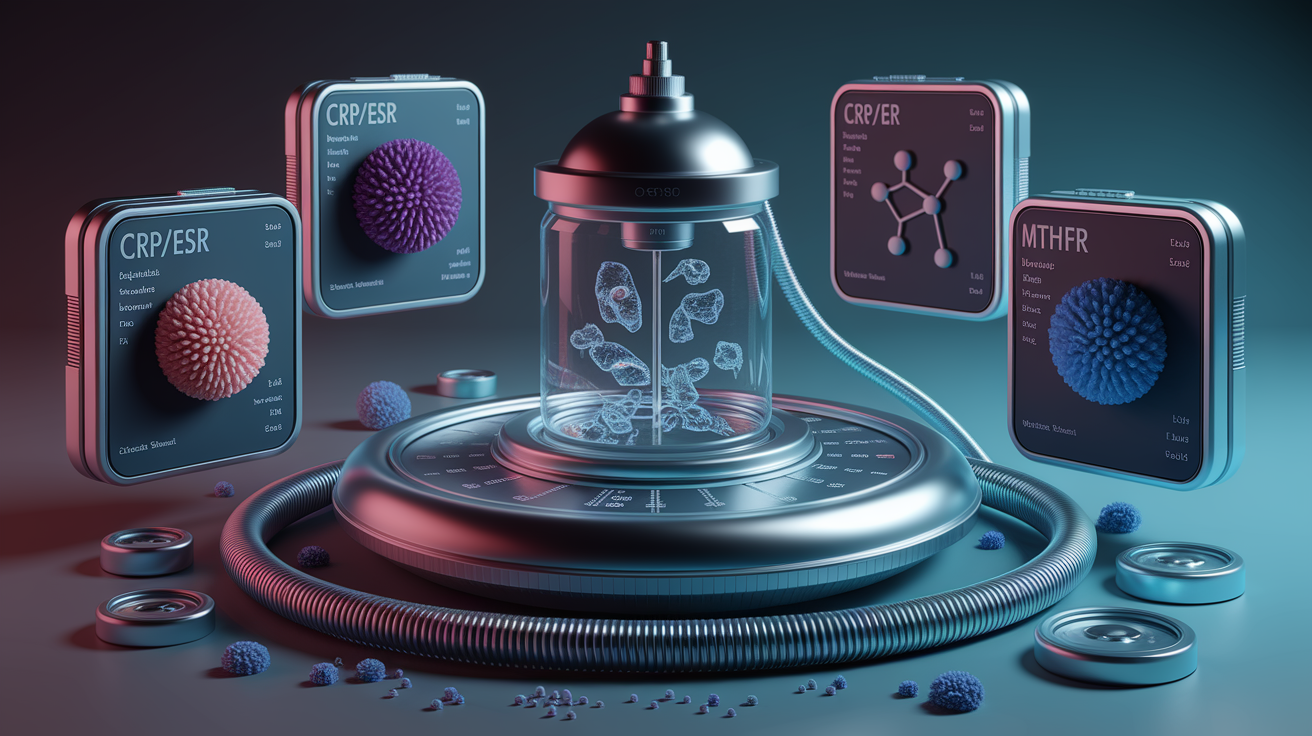
When the standard workup comes back normal but morning fatigue persists, doctors turn to more specialized testing. Epstein-Barr Virus (EBV) serology looks for chronic or reactivated viral infection, which can cause lingering fatigue, muscle aches, and flu-like symptoms. The panel typically includes EBV IgG viral capsid antigen, EBV IgG early antigen, and EBV IgM. High IgG early antigen or detectable IgM suggests recent infection or reactivation.
Inflammatory markers like C-reactive protein (CRP) and erythrocyte sedimentation rate (ESR) help detect chronic low-grade inflammation. Elevated levels point to autoimmune disease, chronic infection, or other inflammatory processes that drain energy. Autoimmune antibody panels (antinuclear antibodies, rheumatoid factor, and tissue-specific antibodies) screen for conditions like lupus, rheumatoid arthritis, or Hashimoto’s thyroiditis that commonly present with fatigue.
Methylation panels and MTHFR genetic testing evaluate your body’s ability to process B vitamins and support detoxification pathways. Impaired methylation can contribute to low energy, brain fog, and cardiovascular risk. An ACTH stimulation test assesses adrenal insufficiency when cortisol levels are borderline or symptoms suggest Addison’s disease or secondary adrenal failure.
Advanced tests used when basic labs don’t explain morning fatigue include:
- EBV antibody testing (IgG viral capsid antigen, IgG early antigen, IgM) – detects chronic or reactivated Epstein-Barr infection
- C-reactive protein (CRP) and erythrocyte sedimentation rate (ESR) – screens for chronic inflammation
- Autoimmune antibody panels (ANA, RF, tissue-specific antibodies) – evaluates for autoimmune disease
- Methylation panel and MTHFR genetic testing – assesses B-vitamin metabolism and detoxification capacity
- ACTH stimulation test – diagnoses adrenal insufficiency when cortisol patterns are abnormal or symptoms suggest gland dysfunction
- Comprehensive stool analysis, food sensitivity panels, or mycotoxin testing – used in functional or integrative settings when gut health, dietary triggers, or environmental exposures are suspected
Clinical Workflow: How Doctors Decide Which Morning Fatigue Tests to Order First

Doctors start with a detailed history and physical exam. They ask about symptom duration, sleep quality, snoring, diet, stress, medication use, recent infections, menstrual cycle patterns, and family history. Red flags like unintentional weight loss, fever, night sweats, or severe pain prompt more urgent or broader testing. If symptoms have been present for more than a few weeks and interfere with daily life, lab work is almost always ordered.
The typical first round includes a complete blood count (CBC), comprehensive metabolic panel (CMP), thyroid panel with TSH, free T3, free T4, and antibodies, iron studies including ferritin, vitamin D, vitamin B12, and fasting glucose or hemoglobin A1c. If any of these come back abnormal (such as TSH above 2.5 mIU/L, ferritin below optimal range, or vitamin D below 30 ng/mL), follow-up testing or treatment is started. If results are normal but symptoms persist, doctors add targeted tests based on the clinical picture. Cortisol testing for stress or shift work. Sex hormones for mood and muscle changes. EBV or inflammatory markers for post-infectious fatigue. Sleep studies for snoring and witnessed apneas.
Tracking tools like sleep diaries, symptom logs, and food or caffeine journals help contextualize lab results. For example, fatigue that worsens the week before a period points to hormonal causes. Fatigue that improves on weekends or vacations suggests stress or sleep debt. Fatigue that never improves with rest raises concern for chronic fatigue syndrome (CFS/ME), which requires at least six months of symptoms and exclusion of other causes. Specialist referral (to endocrinology, rheumatology, sleep medicine, or integrative medicine) happens when initial testing doesn’t provide answers or when treatment for identified issues doesn’t resolve symptoms.
The clinical decision-making workflow for morning fatigue typically follows these steps:
- Step 1: History and physical exam – assess symptom duration, sleep patterns, diet, stress, medications, comorbidities, and red flags
- Step 2: Baseline labs – order CBC, CMP, full thyroid panel, iron studies, vitamin D, vitamin B12, and fasting glucose or A1c
- Step 3: Targeted follow-up testing – add cortisol, sex hormones, viral studies, inflammatory markers, or sleep studies based on initial results and clinical suspicion
- Step 4: Symptom tracking and pattern recognition – use diaries and logs to link symptoms to triggers like sleep, diet, cycle phase, or stress
- Step 5: Specialist referral or advanced testing – pursue autoimmune panels, methylation testing, stool analysis, or functional labs when standard workup is nondiagnostic or when chronic fatigue syndrome is suspected after exclusion of other causes
Final Words
You’ve read the tests doctors commonly use: CBC and iron studies, metabolic and glucose panels, thyroid and hormone checks, vitamin levels, sleep studies, and targeted viral or autoimmune tests.
Track timing, sleep quality, caffeine, and medications. Bring that short log to your clinician. It helps them pick the right tests.
Try asking, “Can we review what tests doctors use to evaluate morning fatigue based on my sleep diary and labs?” That’s a clear next step, and it may help you get better mornings soon.
FAQ
Q: What labs can be checked for fatigue?
A: Labs that can be checked for fatigue include CBC (for anemia), metabolic panel, thyroid tests (TSH, free T4/T3), iron studies (ferritin), B12, vitamin D, fasting glucose/A1c, and sometimes cortisol or inflammatory/viral antibody tests.
Q: What are the 5 P’s of fatigue?
A: The 5 P’s of fatigue are often summarized as categories: primary medical Pathology, Psychiatric causes, Poor sleep, Pharmacologic (medication) effects, and Physical deconditioning or other physiologic causes.
Q: What are the 7 symptoms of chronic fatigue syndrome?
A: The 7 symptoms of chronic fatigue syndrome include severe, lasting fatigue; post-exertional malaise (worse after activity); unrefreshing sleep; trouble thinking or memory problems; lightheadedness/orthostatic symptoms; muscle or joint pain; sore throat or swollen lymph nodes.
Q: What is morning fatigue called?
A: Morning fatigue is often called sleep inertia — the groggy, heavy-headed feeling right after waking. If it lasts all morning or repeats, clinicians may call it nonrestorative sleep or excessive daytime sleepiness.
Comments are closed