
What if the tiredness after your workout isn’t just normal recovery?
Most people feel worn out after a hard session, and that’s expected.
But if you stay wiped out for days, rest doesn’t help, or you have dizziness, fainting, or chest tightness, it’s a sign to look closer.
This post will show how to tell everyday post-workout fatigue from a real problem, offer simple low-risk steps you can try now, and list what to track and when to check in with a clinician.
Understanding Normal vs Concerning Post-Exercise Fatigue

Feeling tired after a workout? That’s expected. You’ve used energy, pushed your cardiovascular system, worked your muscles. The kind of fatigue that shows up after exercise usually fades within a few hours or by the next morning if you eat, drink water, and get decent sleep. It feels like general tiredness, maybe some muscle heaviness, a sense that your body needs to rest and repair. Most people notice it after a harder session, a longer run, or when they try something new.
The line between normal tiredness and a signal that something’s wrong shows up in pattern and duration. If you feel wiped out for days after a moderate workout, if rest doesn’t restore your energy, or if fatigue keeps getting worse even when you scale back, that’s different. Common contributors to abnormal fatigue after exercise include training too hard without enough recovery time, dehydration that hasn’t been corrected, low blood sugar from skipping meals, poor sleep over several nights, inadequate calorie intake, or stress from life and training combined. High-intensity interval training can leave you feeling drained the next day because of the oxygen deficit it creates. Still within the range of normal if it resolves quickly.
The key is noticing whether your tiredness improves with basic adjustments. Drinking more water, eating carbs and protein around your workouts, taking a rest day, getting solid sleep. If it doesn’t, or if you also notice chest pain, dizziness, fainting, breathlessness that feels out of proportion, or fatigue so severe it disrupts daily tasks, that warrants a closer look with a clinician.
Physiological Mechanisms That Drive Post-Exercise Fatigue

Exercise breaks down muscle fibers at a microscopic level, depletes energy stores in the form of glycogen, and triggers an inflammatory response as part of the repair process. When you push your muscles hard, small tears occur in the fibers. That damage isn’t harmful in itself. It’s actually the stimulus for getting stronger, but it takes time and resources to repair. During that repair window, you feel sore, stiff, and tired because your body’s directing energy and nutrients toward rebuilding.
Glycogen is stored carbohydrate in your liver and muscles. It’s the primary fuel for moderate to high-intensity exercise. When those stores run low, your performance drops, your perceived effort climbs, and you feel exhausted even if you’re not objectively working that hard anymore. At the same time, exercise triggers inflammation to clear damaged cells and initiate repair. That inflammatory response causes the soreness and heaviness you notice in the hours and days after a tough session, and it also contributes to the overall sense of fatigue because your immune system’s active and your body’s prioritizing recovery.
Core mechanisms behind post-exercise tiredness:
- Depletion of muscle and liver glycogen reduces available energy for daily activity and brain function.
- Microscopic muscle fiber damage requires repair resources and triggers local inflammation.
- Exercise-induced inflammation causes stiffness, soreness, and a generalized feeling of low energy.
- Oxygen deficit from high-intensity or anaerobic work leaves a recovery debt that takes hours to clear.
When Fatigue After Exercise Is Not Normal

Occasional tiredness after a hard workout is part of the process. Persistent exhaustion that doesn’t improve after two or three days of rest, lighter activity, proper hydration, and solid sleep is not. If you find yourself unable to keep up with daily tasks, if your energy keeps dropping week after week, or if you need multiple rest days just to feel functional again, that suggests overtraining, inadequate fueling, a medical issue, or a combination. Overtraining syndrome develops when you train so hard and so often that your body can’t recover during normal rest periods. It shows up as declining performance, irritability, trouble sleeping, low mood, and sometimes loss of interest in exercise.
Certain symptoms require immediate attention and shouldn’t be written off as normal post-workout tiredness. Chest pain during or after exercise, fainting or near-fainting, severe breathlessness that feels alarming, dizziness that doesn’t go away when you sit down and drink water, or a sudden change in how your body responds to a workout you’ve done before. All warrant urgent evaluation. Fatigue that gets worse instead of better with rest, or that started after beginning a new medication, also deserves a conversation with a clinician.
Red flags that signal you should get help now:
- Severe chest pain, pressure, or tightness during or shortly after exercise.
- Fainting, near-fainting, or loss of consciousness.
- Extreme breathlessness or difficulty catching your breath that feels disproportionate to the effort.
- Persistent fatigue that worsens over days or weeks and doesn’t respond to rest, hydration, or nutrition changes.
- New or recurring joint pain, old injuries flaring up, or lower-back discomfort that limits movement or daily tasks.
Hydration and Electrolyte Strategies to Reduce Fatigue After Exercise
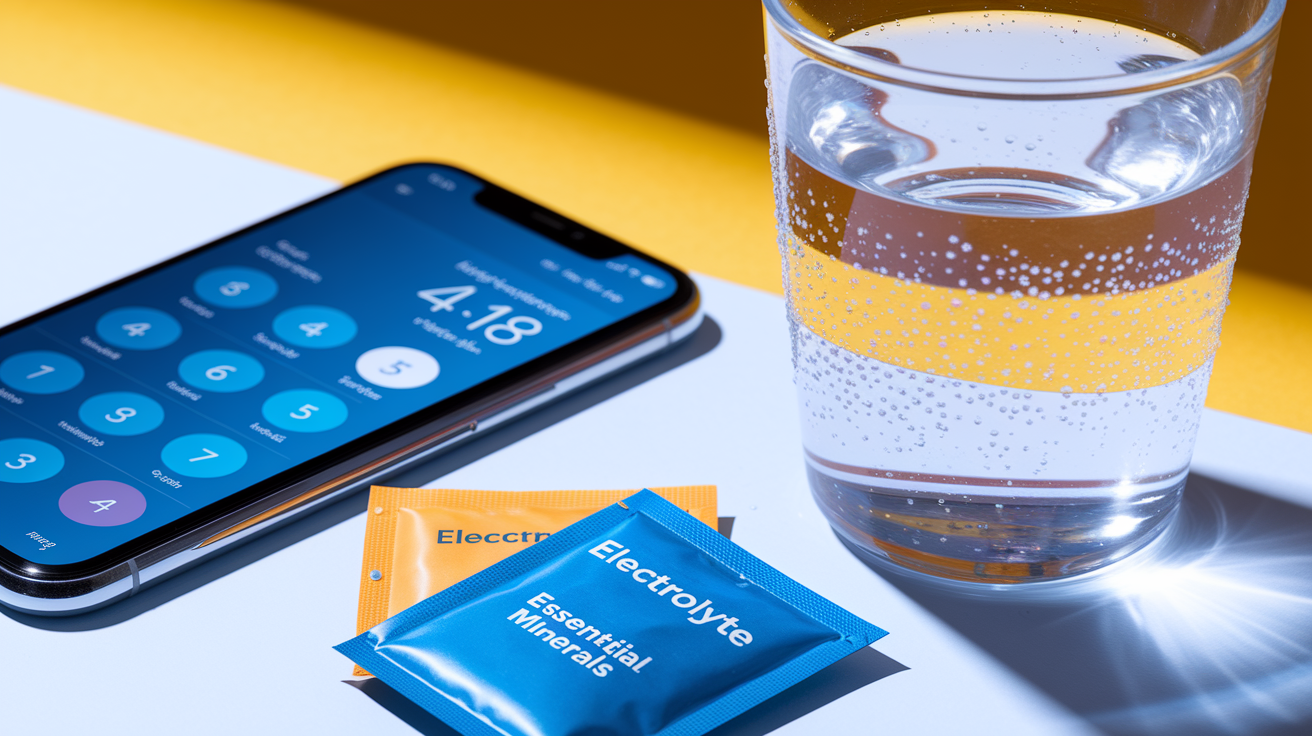
Dehydration amplifies tiredness because it reduces blood volume, makes your heart work harder to deliver oxygen, and impairs your ability to regulate temperature. Even mild dehydration, around 2 percent of body weight lost through sweat, can cause noticeable drops in performance, focus, and energy. Drinking water before, during, and after exercise replaces fluid losses and keeps your cardiovascular system working efficiently. For most moderate workouts under an hour, plain water’s enough. For longer sessions, high-sweat workouts, or exercise in heat, adding electrolytes helps maintain fluid balance and muscle function. Particularly sodium, potassium, and magnesium.
Electrolytes support nerve signaling and muscle contraction. When they fall out of balance, you may notice cramping, weakness, or a heavy, sluggish feeling that lasts well past your cooldown. Sports drinks or electrolyte powders can help replace what’s lost in sweat, especially if you notice white salt residue on your skin or clothes after a workout. The goal isn’t to overhydrate, which can dilute electrolytes further, but to match fluid intake to sweat loss and include a source of sodium and potassium if your session was long or intense.
Hydration targets to reduce post-exercise fatigue:
- Drink 16 to 20 ounces of water 2 to 3 hours before exercise, then sip 7 to 10 ounces every 10 to 20 minutes during your session.
- Weigh yourself before and after long or hot workouts. For every pound lost, drink about 16 to 24 ounces of fluid within a few hours.
- Add an electrolyte source (sports drink, electrolyte tablet, or coconut water) if you’re sweating heavily, exercising for more than an hour, or noticing signs of imbalance like cramping or persistent thirst despite drinking water.
Nutrition Timing and Refueling to Prevent Fatigue After Exercise

Your muscles rely on glycogen for fuel. Your body uses that stored carbohydrate faster during exercise than it can replace in real time. After a workout, your glycogen stores are lower, and if you don’t eat carbohydrates fairly soon, your energy will stay low and recovery will be slower. Eating a carbohydrate-containing snack or meal within 30 minutes to two hours after exercise helps replenish those stores and reduces next-day tiredness. Protein’s just as important because it provides the building blocks your muscles need to repair the microscopic damage from training. Combining carbs and protein in a post-workout snack supports both energy restoration and tissue repair.
Fueling before exercise also matters. Eating a small carbohydrate-based snack an hour or two before your session stabilizes blood sugar and gives you accessible energy, so you’re less likely to hit a wall mid-workout or feel completely drained afterward. If you train first thing in the morning or after a long gap without food, low blood glucose can leave you shaky, lightheaded, and exhausted once you stop moving. Overall calorie intake across the day plays a role too. If you’re consistently under-eating relative to your activity level, your body won’t have the resources it needs to recover, and chronic fatigue will set in.
Balanced macronutrient intake means getting enough carbohydrates to fuel activity and restore glycogen, enough protein to repair muscle, and enough fat to support hormone production and overall health. Skipping any of these consistently, or eating too little overall, will show up as persistent tiredness, poor performance, and a longer recovery window after every workout.
Post-workout snack examples that combine carbs and protein:
- Greek yogurt with berries and a drizzle of honey.
- A banana with a tablespoon of peanut butter.
- Whole-grain toast with scrambled eggs or a slice of cheese.
The Role of Sleep and Rest in Managing Fatigue After Exercise

Most of the repair and regeneration your body does happens during sleep. Growth hormone peaks at night, muscle protein synthesis ramps up, and your nervous system gets a chance to reset. If you’re not sleeping enough, consistently getting less than six hours, or if your sleep quality’s poor because of stress, screens, or inconsistent bedtime routines, your recovery from exercise will be incomplete. You’ll wake up still tired, your performance will decline, and the fatigue you feel after workouts will linger longer. Aim for six to eight hours of sleep per night. Try to keep your bed and wake times consistent, even on weekends.
Poor sleep can both cause and worsen post-exercise fatigue. It raises cortisol, reduces your tolerance for physical and mental stress, and impairs your body’s ability to restore glycogen and repair muscle. If you’re dealing with persistent tiredness after workouts, improving sleep hygiene is one of the most effective first steps. That means limiting bright screens an hour before bed, keeping your room cool and dark, and using wind-down practices like deep breathing or a short body scan to signal your nervous system that it’s time to rest. Naps can help too. Short 20 to 30-minute naps in the early afternoon can temporarily restore alertness and energy without interfering with nighttime sleep.
Managing Training Load to Prevent Fatigue After Exercise
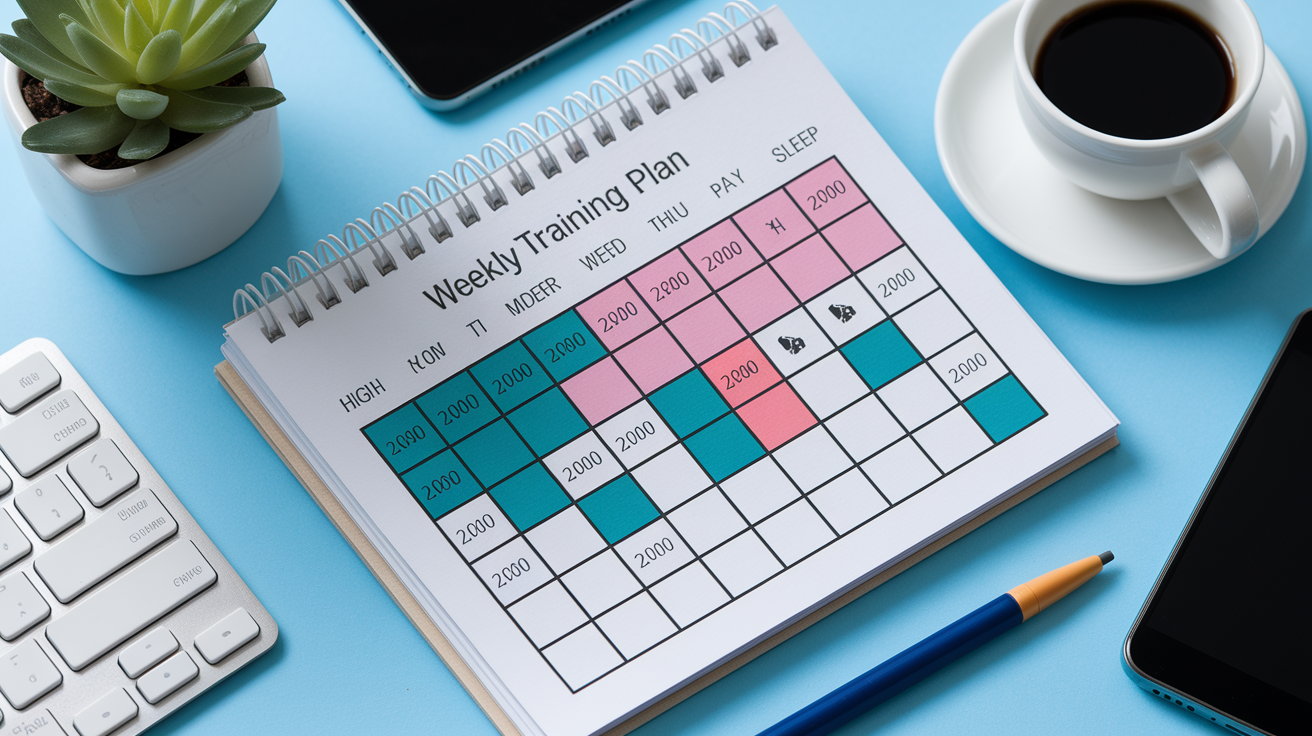
How you structure your workouts across the week has a bigger impact on fatigue than most people realize. Training hard every day without scheduled rest gives your body no time to adapt. Instead of getting stronger or fitter, you get worn down. The guideline to limit intense aerobic exercise to no more than three days in a row is there because high-intensity cardiovascular work taxes your nervous system, depletes glycogen quickly, and requires recovery time to rebuild energy stores and clear metabolic byproducts. Similarly, for resistance training, you should rest each muscle group for at least one full day, ideally 48 hours, before working it again. That rest interval is when your muscles repair and grow stronger.
High-intensity interval training’s particularly fatiguing because it pushes you into an oxygen deficit and creates a large metabolic demand. Limiting HIIT sessions to one or two per week, with easier or moderate-intensity work on the other days, keeps you from accumulating too much fatigue. If you notice that your energy’s consistently low, your performance is stalling, or you’re getting irritable and sleeping poorly, those are signs that your training load is too high relative to your recovery capacity. The fix is usually to add a rest day, reduce the intensity of a few sessions, or alternate hard and light days more deliberately.
Structured rest doesn’t mean sitting still all day. Active recovery, like a short walk, gentle stretching, or an easy swim, can help clear soreness and maintain movement patterns without adding stress. The point is to give your body a break from high-demand work so it can catch up on repair and energy restoration.
Practical Weekly Layout
A simple weekly framework might look like this: one or two high-intensity sessions (HIIT, heavy lifting, or a hard run), two to three moderate sessions (steady-state cardio, lighter resistance work, or skill practice), one to two low-intensity or active-recovery days (walking, yoga, stretching), and at least one full rest day where you do little to no structured exercise. This pattern allows you to train consistently without overloading your system. It keeps fatigue manageable because you’re alternating stress and recovery throughout the week.
Supplements and Micronutrients That Influence Fatigue After Exercise

Creatine’s one of the most researched supplements for exercise performance and recovery. It helps regenerate ATP, the energy currency your muscles use during short bursts of high-intensity work, and people who supplement with creatine often report less fatigue during and after training. Typical dosing is 3 to 5 grams per day. It’s most helpful for activities that rely on quick, powerful efforts like sprinting, jumping, or heavy lifting. Caffeine’s another well-supported option. It reduces perceived effort, delays the onset of fatigue, and can improve endurance and focus. A dose of 3 to 6 milligrams per kilogram of body weight, taken 30 to 60 minutes before exercise, is common, though individual tolerance varies and too much can cause jitteriness or interfere with sleep.
B vitamins, particularly B6, B12, and folate, play a role in energy metabolism and red blood cell production. If you’re deficient in any of these, you may notice fatigue, weakness, and poor exercise tolerance. Vitamin D also influences muscle function, and low levels have been linked to reduced strength, slower recovery, and increased injury risk. Most people get vitamin D from sunlight, but supplementation may help if you live in a place with limited sun exposure or if testing shows you’re low. Before adding any supplement, it’s worth checking whether your fatigue improves with basic changes to hydration, nutrition, sleep, and training load, since those often address the root cause without needing extra pills or powders.
Medical Conditions That Can Cause Fatigue After Exercise
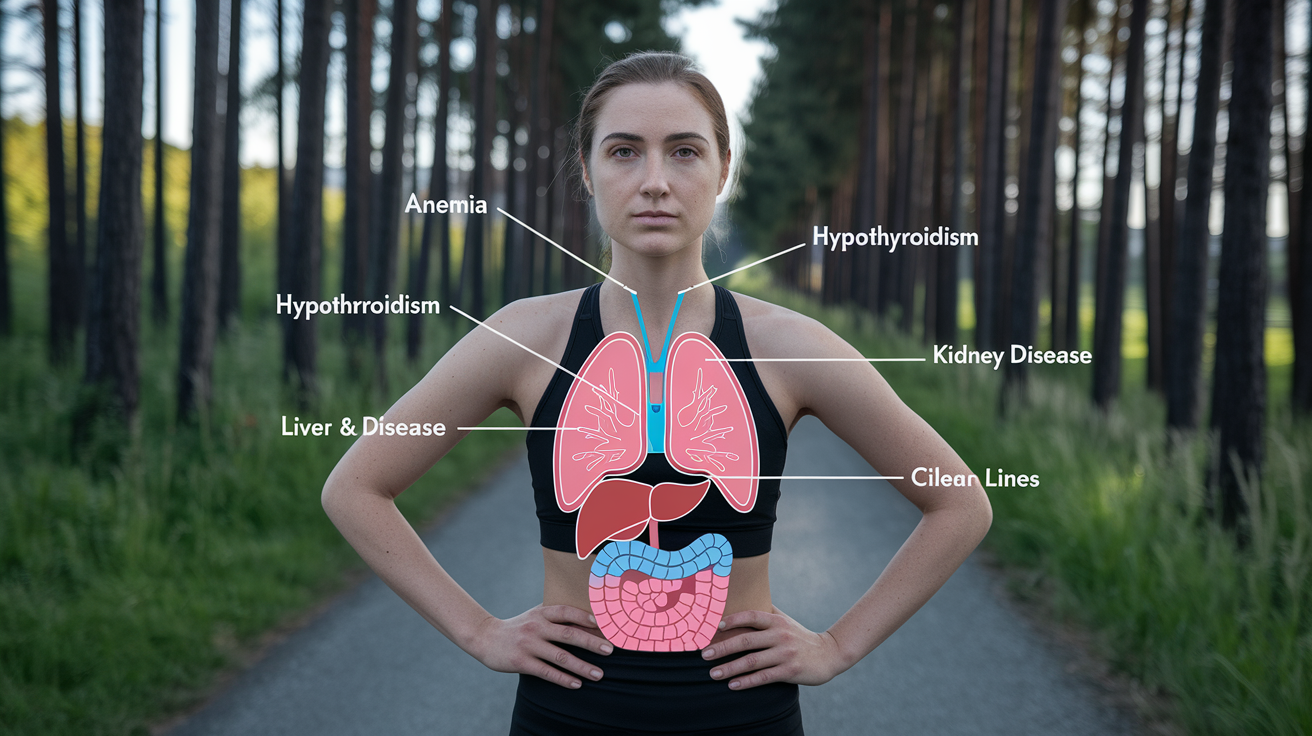
Sometimes persistent tiredness after exercise points to an underlying medical issue rather than a training or lifestyle problem. Anemia, which means you don’t have enough healthy red blood cells to carry oxygen efficiently, is a common culprit. It shows up as weakness, breathlessness during exercise that feels out of proportion to your effort, and fatigue that doesn’t improve with rest. A simple blood test can check your hemoglobin and iron levels. Thyroid dysfunction, particularly hypothyroidism, slows your metabolism and reduces your energy and exercise tolerance. Symptoms include weight gain, cold intolerance, sluggishness, and persistent tiredness even with adequate sleep and nutrition.
Liver or kidney disease can also cause fatigue because these organs help clear waste products, regulate electrolytes, and support energy production. If they’re not working well, metabolic byproducts build up and your body struggles to recover. Electrolyte imbalances, particularly low sodium, potassium, or magnesium, can cause muscle weakness, cramping, and severe fatigue. Blood tests ordered by your clinician can identify these issues and guide treatment. Certain medications contribute to post-exercise exhaustion too. Beta blockers, commonly prescribed for high blood pressure or heart rhythm problems, slow your heart rate and reduce your cardiovascular response to exercise, which can make workouts feel harder and leave you more tired afterward.
If you’ve made reasonable adjustments to your training, nutrition, hydration, and sleep and your fatigue persists, or if you notice other symptoms like unexplained weight changes, mood shifts, pain, or changes in urination or bowel habits, bring those up with your clinician. Blood tests can screen for anemia, thyroid problems, liver and kidney function, and electrolyte levels. A medication review can identify whether a drug you’re taking might be contributing to your tiredness.
| Condition | What It Affects |
|---|---|
| Anemia (low red blood cells or hemoglobin) | Oxygen delivery to muscles; causes breathlessness, weakness, and persistent fatigue |
| Hypothyroidism (underactive thyroid) | Metabolism and energy production; leads to sluggishness, weight gain, and cold intolerance |
| Liver or kidney disease | Waste clearance and electrolyte balance; results in fatigue, fluid retention, and poor recovery |
Final Words
If you’re wiped after a workout, that’s often energy use, tiny muscle damage, or low fluids and sleep. We walked through how to tell normal post-workout tiredness from warning signs, and what internal processes usually cause it.
You also got clear steps: hydrate and replace electrolytes, time carbs and protein, protect sleep, and pace your training. We mentioned some supplements and when basic tests might help.
With steady self-care and simple tracking, most fatigue after exercise eases in a few days. If it doesn’t, check in with a clinician — you’re not stuck.
FAQ
Q: How do I overcome fatigue after exercise and what helps with fatigue?
A: Overcoming post-exercise fatigue and helping general tiredness usually means rehydration, a carb-plus-protein snack after exercise, 6–8 hours sleep, gentle active recovery, and easing training load; see a clinician if persistent.
Q: What is the 3-3-3 rule at the gym?
A: The 3-3-3 rule at the gym describes a simple pacing plan: aim for about three hard workouts weekly, avoid more than three intense days in a row, and reassess progress every three weeks.
Q: What are red flags for fatigue?
A: Red flags for fatigue include chest pain, fainting or near-fainting, severe breathlessness, symptoms that worsen or don’t improve after 48–72 hours, or falling performance with poor sleep—seek medical care.
Comments are closed