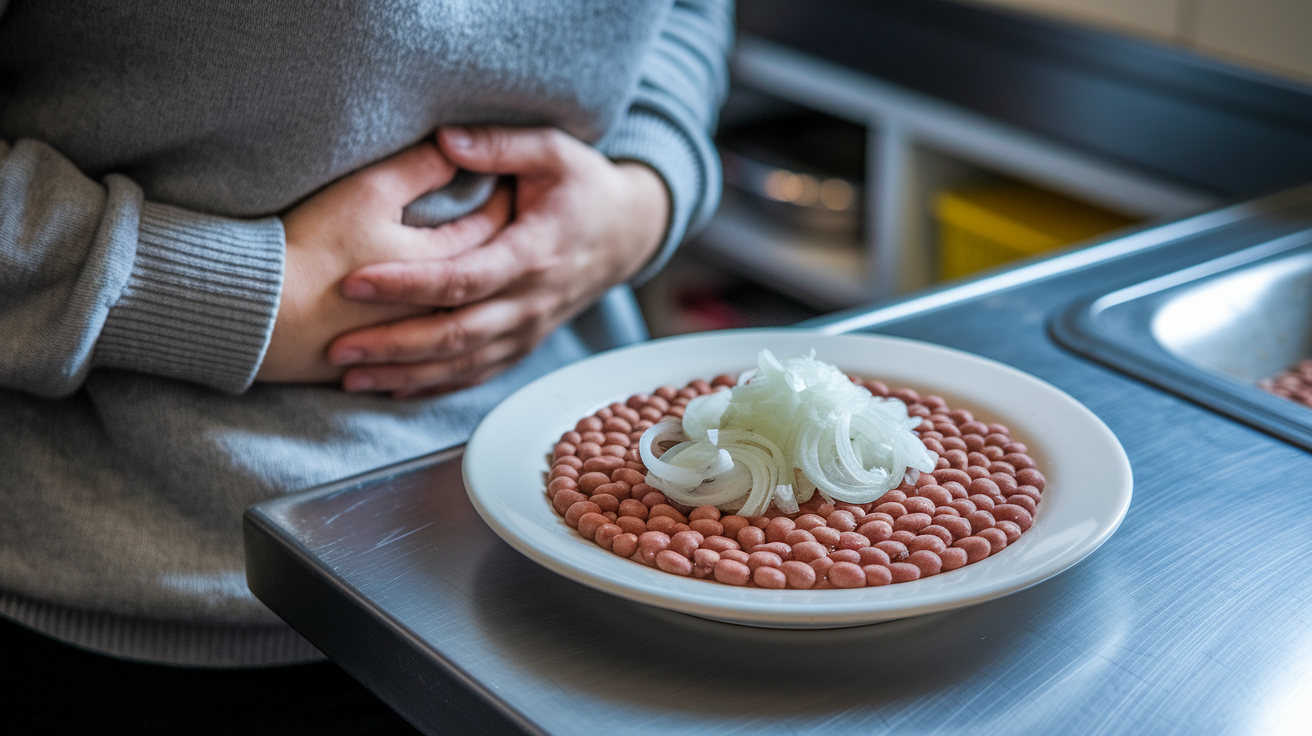
Ever wonder why your belly feels like a balloon after a meal?
It usually comes down to two simple things: swallowed air when you eat or drink, and gut bacteria breaking down bits of food into hydrogen, methane, and carbon dioxide.
Most people pass gas many times a day, but it becomes a problem when it causes pressure, bloating, or gets in the way of your day.
This can feel embarrassing, but there are clear patterns to watch.
We explain common triggers, foods, habits, and medicines, and offer simple steps to try and tracking tips to share with your clinician.
Key Reasons Behind Stomach Gas and Why It Happens
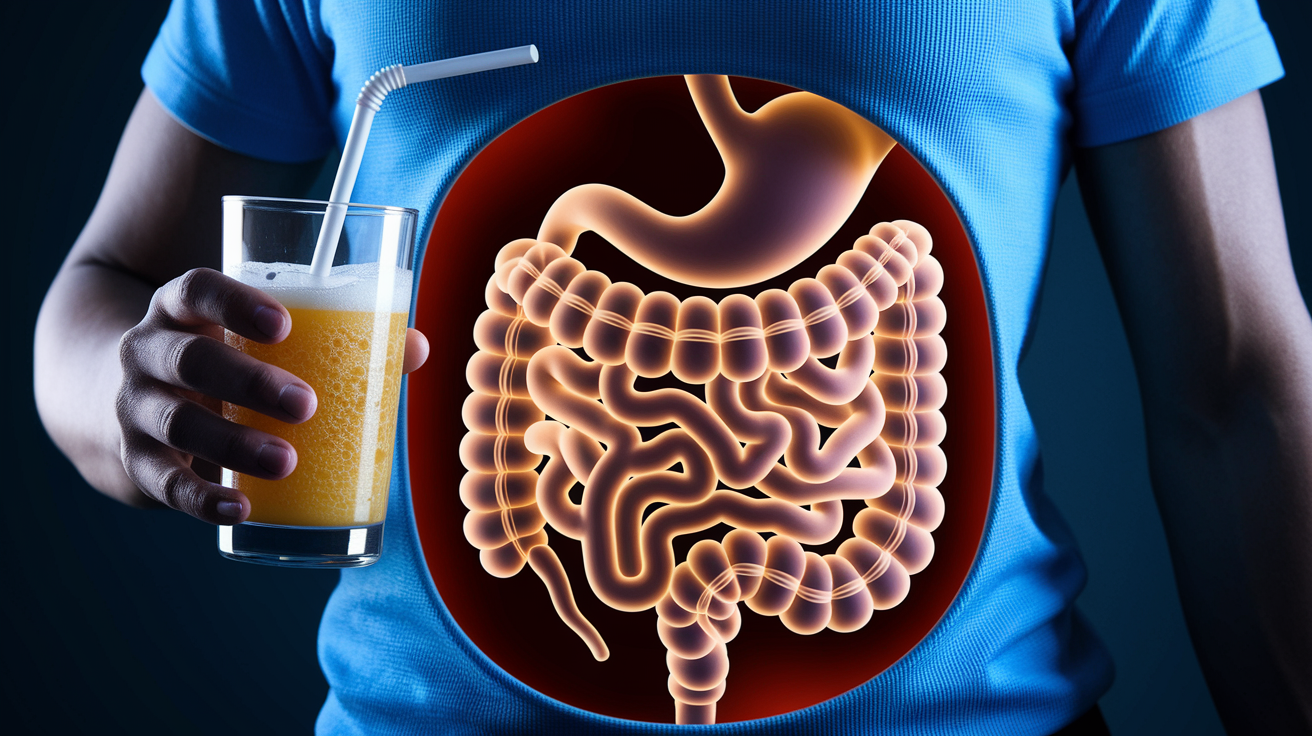
Your stomach makes gas through two main routes. First, you swallow air every time you eat, drink, or talk. This becomes a bigger deal when you scarf down meals, chew gum, smoke, use a straw, or have dentures that don’t fit right. Second, bacteria in your large intestine break down carbs your body couldn’t digest earlier, spitting out hydrogen, methane, and carbon dioxide as they work. Both of these are completely normal. Most people pass gas somewhere between 8 and 25 times a day.
Things get uncomfortable when the volume or frequency tips from normal into annoying. Certain foods speed up fermentation. Beans, broccoli, cabbage, onions, apples, pears, and dairy (if you can’t handle lactose) top the list. Carbonated drinks dump extra dissolved gas straight into your digestive tract. Sugar alcohols, those sweeteners ending in “ol” that show up in sugar-free gum and mints, are especially good at making gas because they slide through your small intestine mostly untouched, arriving in your colon ready to ferment. Even simple stuff like talking while you chew or drinking through a narrow straw can double how much air lands in your stomach.
The usual suspects behind excess stomach gas fall into these buckets:
- Air swallowing from eating too fast, talking during meals, chewing gum, smoking, or using straws
- Fermentable foods like beans, lentils, cruciferous vegetables, onions, garlic, and fruits high in fructose
- Food intolerances, including lactose intolerance and trouble with certain complex carbs
- Digestive disorders like irritable bowel syndrome, small intestinal bacterial overgrowth, or constipation
- Carbonated drinks that release dissolved carbon dioxide in your stomach and intestines
- Constipation, which lets gas pile up instead of moving through and out
Gas turns into a problem when it causes bloating (that pressure and fullness feeling) or when the frequency or smell starts messing with your daily routine. The trick to feeling better is figuring out which of these mechanisms or triggers apply to you.
Daily Habits That Increase Stomach Gas

How you eat matters more than what you eat a lot of the time. Each swallow sends a little air down your esophagus along with whatever you’re eating or drinking. During a relaxed meal, that’s barely noticeable. But when you eat fast, chew with your mouth open, talk while chewing, or drink through a straw, you can swallow two or three times the normal amount of air in one sitting. That extra air either comes back up as a burp or heads into your intestines, adding to the gas that eventually exits as flatus.
Chewing gum and smoking are chronic problems. Both keep your mouth moving constantly, pulling in little gulps of air all day. Poorly fitting dentures create the same issue by leaving gaps that let air slip past while you chew. Carbonated drinks introduce dissolved carbon dioxide that releases as gas once it hits the warm, acidic environment inside your stomach.
The habits most likely to ramp up swallowed air:
- Eating or drinking fast without pausing between bites or sips
- Talking, laughing, or arguing while food’s in your mouth
- Chewing gum for long stretches, especially sugar-free types with sorbitol or xylitol
- Smoking or vaping, which involves repeated inhaling and swallowing motions
- Using straws, sippy-cup lids, or narrow bottle spouts that make you suck to get liquid
Foods Most Likely to Trigger Stomach Gas
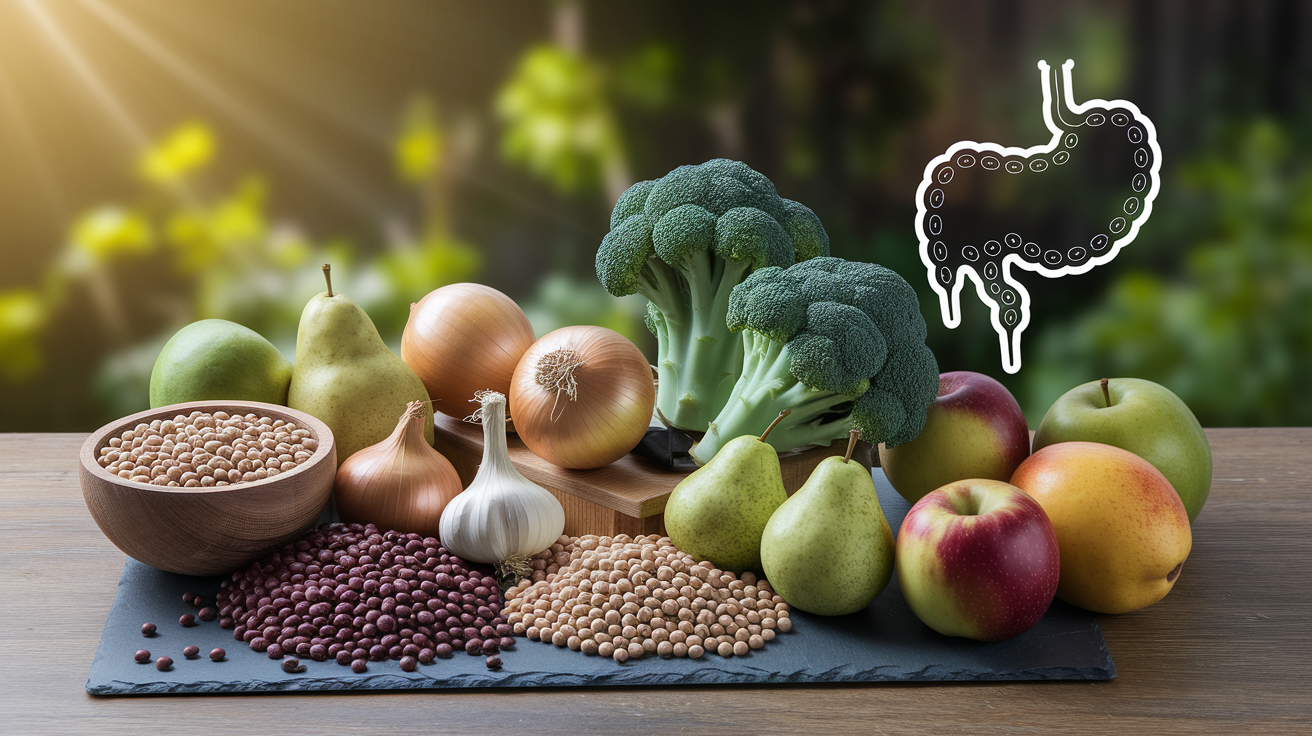
Some foods are basically built to produce gas. They’ve got carbs that human digestive enzymes can’t fully break down in the small intestine, so they show up in the colon intact. Trillions of bacteria living there ferment them into short-chain fatty acids and gas. This process is healthy and normal, but the byproduct (hydrogen, methane, and carbon dioxide) creates pressure, bloating, and flatulence.
High-Fermentation Plant Foods
Legumes like beans, lentils, and chickpeas contain oligosaccharides called raffinose and stachyose. Your gut doesn’t make the enzyme needed to handle them. Cruciferous vegetables (broccoli, Brussels sprouts, cabbage, cauliflower, kale) carry similar resistant fibers plus sulfur compounds that add to the smell. Onions and garlic are loaded with fructans, another carb that resists digestion. Whole grains like wheat, barley, and rye bring extra fermentable fiber, especially in large portions. Even high-fructose fruits such as apples, pears, and mangoes can overwhelm your small intestine’s ability to absorb in some people.
Dairy and Lactose-Related Gas
Lactose intolerance affects roughly 65 percent of adults worldwide. It happens when your body makes less lactase, the enzyme that breaks lactose into absorbable sugars. When undigested lactose reaches the colon, bacteria ferment it fast, making gas, bloating, cramping, and sometimes diarrhea. Milk, ice cream, and soft cheeses have the highest lactose loads. Hard cheeses and yogurt with live cultures usually go down easier because aging and fermentation lower lactose content.
Sugar Alcohols and Processed Foods
Sugar alcohols (sorbitol, mannitol, xylitol, erythritol) show up in sugar-free gum, mints, protein bars, and low-calorie desserts. They’re poorly absorbed in the small intestine and arrive in the colon ready to ferment quickly, pulling water into your bowel and causing bloating and loose stools. Ultra-processed foods often stack multiple gas triggers in one package: carbonation in soda, high fructose in sweetened cereals, artificial sweeteners in diet snacks.
| Food Type | Why It Causes Gas | Common Examples |
|---|---|---|
| Legumes | Contain oligosaccharides that resist digestion and ferment in the colon | Beans, lentils, chickpeas, peas |
| Cruciferous vegetables | High in fiber and sulfur compounds that bacteria break down into gas | Broccoli, cabbage, Brussels sprouts, cauliflower |
| Dairy (in lactose intolerance) | Undigested lactose ferments when lactase enzyme is insufficient | Milk, ice cream, soft cheese |
| High-fructose fruits | Excess fructose overwhelms absorption capacity and ferments in the colon | Apples, pears, mango, watermelon |
| Sugar alcohols | Poorly absorbed sweeteners that draw water and ferment quickly | Sorbitol, xylitol, mannitol in gum and sugar-free products |
Digestive Conditions That Increase Gas Formation
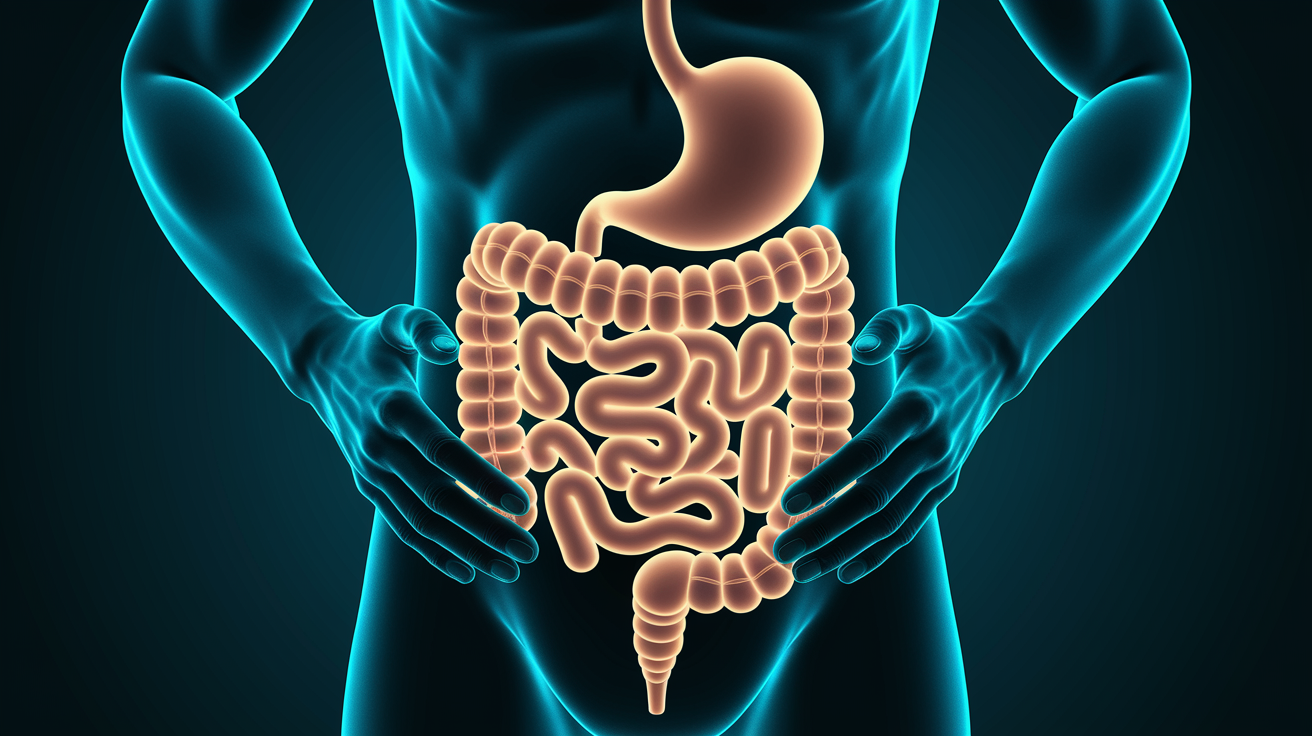
Gas and bloating can point to an underlying digestive disorder instead of just a food mismatch. Irritable bowel syndrome affects between 10 and 15 percent of people and commonly shows up with bloating, altered bowel habits, and oversensitivity to normal amounts of intestinal gas. The gut in IBS might not move gas efficiently, or your brain might read normal gas volumes as painful. Small intestinal bacterial overgrowth happens when bacteria colonize the small intestine in abnormal numbers, fermenting food before it reaches the colon and producing hydrogen or methane gas within minutes of eating.
Chronic constipation lets gas build up instead of moving through. When stool sits in the colon for days, bacteria get more time to ferment leftover fiber, and the backup creates pressure and bloating. Lactose intolerance and celiac disease both mess with nutrient absorption, leaving undigested material around for fermentation. Gastroparesis, where the stomach empties slowly, can cause upper belly bloating and burping. Gastroesophageal reflux disease sometimes shows up with excessive burping as swallowed air and stomach contents push back toward the esophagus.
Symptoms that suggest a condition rather than simple food triggers:
- Bloating that gets worse throughout the day and doesn’t improve with typical diet changes
- Gas with cramping, diarrhea, or constipation that alternates unpredictably
- Bloating that appears within 30 to 60 minutes of eating, especially after small meals
- Gas paired with unintentional weight loss, fatigue, or changes in stool color or consistency
Medications and Supplements Linked With Stomach Gas
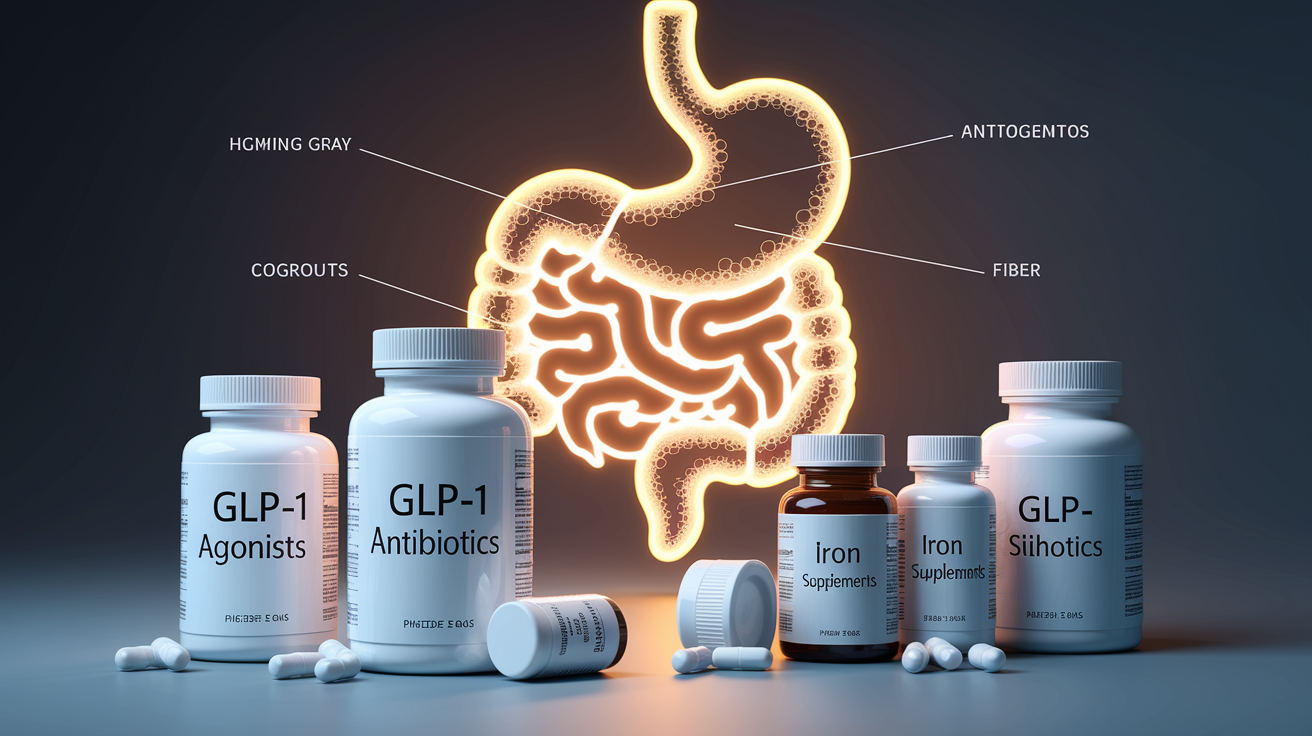
Prescription and over-the-counter medications can mess with digestion enough to increase gas production or slow how it moves. GLP-1 receptor agonists, including semaglutide sold as Ozempic and Wegovy, slow gastric emptying as part of how they control blood sugar and appetite. This can lead to bloating and delayed gas clearance, especially during dose increases. Metformin, a common diabetes medication, changes your gut microbiome and can cause bloating and diarrhea in the first weeks.
Antibiotics disrupt the balance of gut bacteria, sometimes letting gas-producing strains take over temporarily. Nonsteroidal anti-inflammatory drugs can irritate the stomach lining and mess with motility. Iron supplements, particularly ferrous sulfate, are notorious for constipation and bloating. Some antidepressants affect serotonin receptors in the gut, slowing transit and giving more time for fermentation. Fiber supplements help with constipation but you’ve got to increase them gradually. Adding 10 or 15 grams of psyllium or inulin overnight creates a fermentation surge that produces serious gas and cramping.
Medication classes tied to increased stomach gas:
- GLP-1 agonists and other diabetes medications that slow gastric emptying or alter gut bacteria
- Antibiotics that disrupt normal microbial balance and allow overgrowth of gas-producing species
- Iron supplements and some multivitamins that slow bowel transit and promote constipation
- Fiber supplements and prebiotics when introduced too quickly or in high doses without enough water
If gas or bloating starts shortly after beginning a new medication, talk with your healthcare provider about timing and alternatives rather than stopping the prescription on your own.
How Hormones, Stress, and Lifestyle Patterns Influence Stomach Gas
Your gut and brain communicate constantly through the vagus nerve and shared chemical messengers. Stress, anxiety, and mood shifts can alter digestion in measurable ways. Stress fires up the sympathetic nervous system, which slows gut motility and cuts digestive enzyme output, leaving more undigested material around for fermentation. Anxiety often changes breathing patterns, leading to shallow, rapid breaths and unconscious air swallowing. People under chronic stress also tend to eat quickly, skip meals, or reach for processed comfort foods high in sugar and fat. All of which increase gas production.
Hormonal fluctuations during the menstrual cycle, pregnancy, and menopause affect digestion too. Progesterone, which rises in the second half of the menstrual cycle and throughout pregnancy, relaxes smooth muscle in the digestive tract, slowing transit and giving more time for fermentation and gas buildup. Lots of people notice bloating and constipation in the week before their period or during the first trimester of pregnancy. Menopause brings lower estrogen levels, which can alter gut motility and increase sensitivity to gas. Aging itself reduces digestive enzyme production, thins the stomach lining, and can slow the entire gastrointestinal tract.
Life-stage contributors to increased stomach gas:
- Perimenopause and menopause, when declining estrogen affects gut transit time and increases bloating
- Pregnancy, especially the first and third trimesters, when high progesterone slows digestion and the growing uterus squeezes the intestines
- Aging, which reduces enzyme output, changes the gut microbiome, and slows motility across the digestive tract
Practical Ways to Reduce Stomach Gas Day-to-Day

Small changes in how and when you eat can cut gas production and discomfort significantly. Eating slowly gives your stomach time to signal fullness before you overload it. Thorough chewing breaks food into smaller pieces that digest more completely in the small intestine. Smaller, more frequent meals reduce the fermentation load at any one time. Drinking plain water throughout the day supports digestion and prevents the constipation that lets gas pile up. Limiting or skipping carbonated beverages gets rid of a direct source of swallowed and dissolved gas.
A 10-to-20-minute walk after meals uses gentle movement and gravity to help gas move through the intestines rather than sitting and causing pressure. Lying on your left side or pulling your knees toward your chest can shift trapped gas pockets and encourage release. Gentle clockwise abdominal massage (starting at the lower right abdomen, moving up and across, then down the left side) follows the path of the colon and can help move gas and stool along.
Over-the-Counter Digestive Aids
Simethicone breaks the surface tension of gas bubbles in the stomach and intestines, letting them combine into larger bubbles that are easier to expel through burping or passing gas. It starts working within minutes and comes as chewable tablets and soft gels. Lactase enzyme supplements, taken just before eating dairy, help people with lactose intolerance digest milk sugar and avoid the gas and cramping that follow. Alpha-galactosidase products, taken before meals with beans or cruciferous vegetables, supply the enzyme needed to break down oligosaccharides before they reach the colon and ferment.
Non-food strategies that support daily gas reduction:
- Movement after meals, like a short walk, stretching, or gentle yoga poses that compress and release the abdomen
- Consistent sleep schedules, which support healthy digestion and gut motility through stable circadian rhythms
- Abdominal massage using slow, clockwise circular motions to encourage gas transit
- Warm compress or heating pad placed on the belly to relax intestinal smooth muscle and ease cramping
- Slow, deliberate chewing with your mouth closed, going for at least 15 to 20 chews per bite
How to Identify Your Personal Gas Triggers

A food and symptom diary is the most reliable way to spot patterns between what you eat and how you feel. For one to two weeks, write down every meal, snack, and drink, along with the time, portion size, and any symptoms that follow within the next few hours. Note the severity of bloating, cramping, and gas on a simple 0-to-10 scale. Track non-food factors too. Stress level, sleep quality, exercise, medications. They influence digestion as much as diet does.
If you suspect specific foods but can’t pin them down clearly, a structured elimination trial can help. A low-FODMAP diet removes the most common fermentable carbs for two to six weeks, then systematically reintroduces them one at a time to test tolerance. This works best under the guidance of a registered dietitian who can make sure you’re getting proper nutrition and doing the reintroduction right. Smartphone apps built for symptom tracking can simplify the process by offering meal templates, reminder prompts, and pattern-recognition summaries.
| Tool | How It Helps | Expected Timeline | Notes |
|---|---|---|---|
| Food and symptom diary | Reveals patterns between meals and gas, bloating, or pain | 1 to 2 weeks | Include time, portion size, and symptom severity on a 0–10 scale |
| Low-FODMAP elimination trial | Removes high-fermentation foods to test if symptoms improve | 2 to 6 weeks elimination, then guided reintroduction | Best done with dietitian support to maintain nutrition and proper testing |
| Smartphone tracking apps | Automates logging and highlights trends over time | Ongoing | Many offer meal photo uploads and customizable symptom lists |
| Hydrogen breath test | Diagnoses lactose intolerance or SIBO through exhaled gas measurement | Single 2- to 3-hour test | Ordered by a healthcare provider when patterns suggest malabsorption |
When Stomach Gas Suggests Something More Serious

Most stomach gas clears up with diet and behavior changes within a week or two. When it doesn’t, or when it shows up alongside other symptoms, you need further evaluation. Severe abdominal pain that wakes you at night, keeps you from normal activities, or gets worse over days can signal obstruction, infection, or inflammation. Unexplained weight loss (more than 10 pounds over a few weeks without trying) raises concern for malabsorption disorders like celiac disease, inflammatory bowel disease, or pancreatic insufficiency.
Blood in the stool, whether bright red or dark and tarry, always requires prompt medical attention. Persistent vomiting, fever above 100.4°F that lasts more than a day or two, or signs of anemia such as extreme fatigue and paleness suggest something beyond simple gas. Chronic bloating that doesn’t improve despite cutting out common triggers and trying over-the-counter remedies for two weeks warrants a conversation with a healthcare provider. They might order blood tests, stool studies, breath tests for lactose intolerance or SIBO, or imaging to rule out structural problems.
Red flags that should prompt urgent medical evaluation:
- Severe or worsening abdominal pain that doesn’t ease with position changes or passing gas
- Symptoms lasting more than two weeks without improvement despite diet and habit changes
- Unintentional weight loss of more than 10 pounds or roughly 4.5 kilograms
- Blood in stool, whether visible or detected on testing
- Recurrent vomiting, difficulty swallowing, or persistent nausea
- Fever, night sweats, or signs of anemia such as extreme fatigue, dizziness, or pale skin
Final Words
When gas flares up, you want straight answers and simple steps.
This post explained that gas forms from swallowed air or fermentation, and covered common triggers like foods, fast eating, fizzy drinks, medicines, stress, and some gut conditions.
Try easy fixes: eat slowly, avoid straws and gum, skip fizzy drinks, walk after meals, try OTC enzyme aids, and track food and symptoms.
Knowing what causes gas in the stomach helps you pick the right steps and decide when to see a clinician. Small changes often help. You’ve got this.
FAQ
Q: How do I remove gas from my stomach?
A: Removing gas from your stomach usually means encouraging it to move with gentle steps: walk 10–20 minutes, do a slow belly massage, try deep exhale breathing, sip warm tea, or use simethicone tablets.
Q: What is the most common cause of stomach gas?
A: The most common cause of stomach gas is swallowed air and bacterial fermentation of certain carbs, often from eating fast, chewing gum, carbonated drinks, beans, or high‑FODMAP foods.
Q: How do I get my gas to come out?
A: Getting gas to come out usually means moving and changing position: walk, lie on your left side, bring knees to chest, gently massage your belly, or try simethicone for quicker relief.
Q: What can be mistaken for trapped gas?
A: Things that can be mistaken for trapped gas include heartburn, acid reflux, menstrual cramping, muscle strain, or gallbladder pain; seek care if you have severe pain, fever, vomiting, or bloody stool.
Comments are closed