
Feeling like a balloon after meals?
You don’t have to sit through it.
Most gas and bloat ease quickly with simple moves, like the right positions, light walking, gentle belly pressure, warmth, or a soothing tea.
This post shows fast, low-risk steps you can try right now, how to stack two or three for quicker relief, and what to watch for if symptoms don’t settle.
Try them for 10 to 20 minutes and track what helps so you can bring clear details to your clinician if needed.
Fast Ways to Relieve Gas and Bloating Right Now

When gas and bloating hit, they slow you down fast. Good news? Most trapped gas will shift if you help it along with movement, position changes, and gentle pressure.
Your digestive tract is one continuous tube of muscle that keeps food and gas moving. When you lie in certain positions, walk, or apply heat, you’re encouraging that muscle to relax and contract in the right sequence. Most people feel noticeable relief within 10 to 20 minutes when they combine two or three of these strategies.
Knees to chest position: Lie on your back and pull both knees toward your chest. Hold for 20 to 30 seconds, release, and repeat 3 times. This compresses the abdomen and helps gas move toward an exit.
Walk after eating: A 10 to 20 minute walk stimulates peristalsis, the wave like muscle contractions that push gas and stool through your gut. Even slow paced movement works.
Apply a heating pad: Place a warm compress or heating pad on your belly for 10 to 15 minutes. Heat relaxes abdominal muscles and reduces cramping pain.
Abdominal massage: Use your fingertips to massage in a clockwise circle for 1 to 2 minutes, moving from your lower right side up and around. This follows the path of your colon and encourages trapped gas to shift.
Sip peppermint or ginger tea: Brew 1 to 2 cups using 1 tea bag or 1 teaspoon of fresh grated ginger per cup. Peppermint relaxes the smooth muscle of your intestines. Ginger speeds gastric emptying.
Try simethicone: An over the counter anti gas medication (common dose 40 to 125 milligrams after meals) that breaks large gas bubbles into smaller ones so they’re easier to pass.
Pick two or three of these and do them in sequence. For example, start with the knees to chest stretch, then walk for 10 minutes, then sip warm tea while sitting upright. Most people notice less pressure and easier gas passage within the first 15 minutes.
Common Causes Behind Gas and Bloating Symptoms
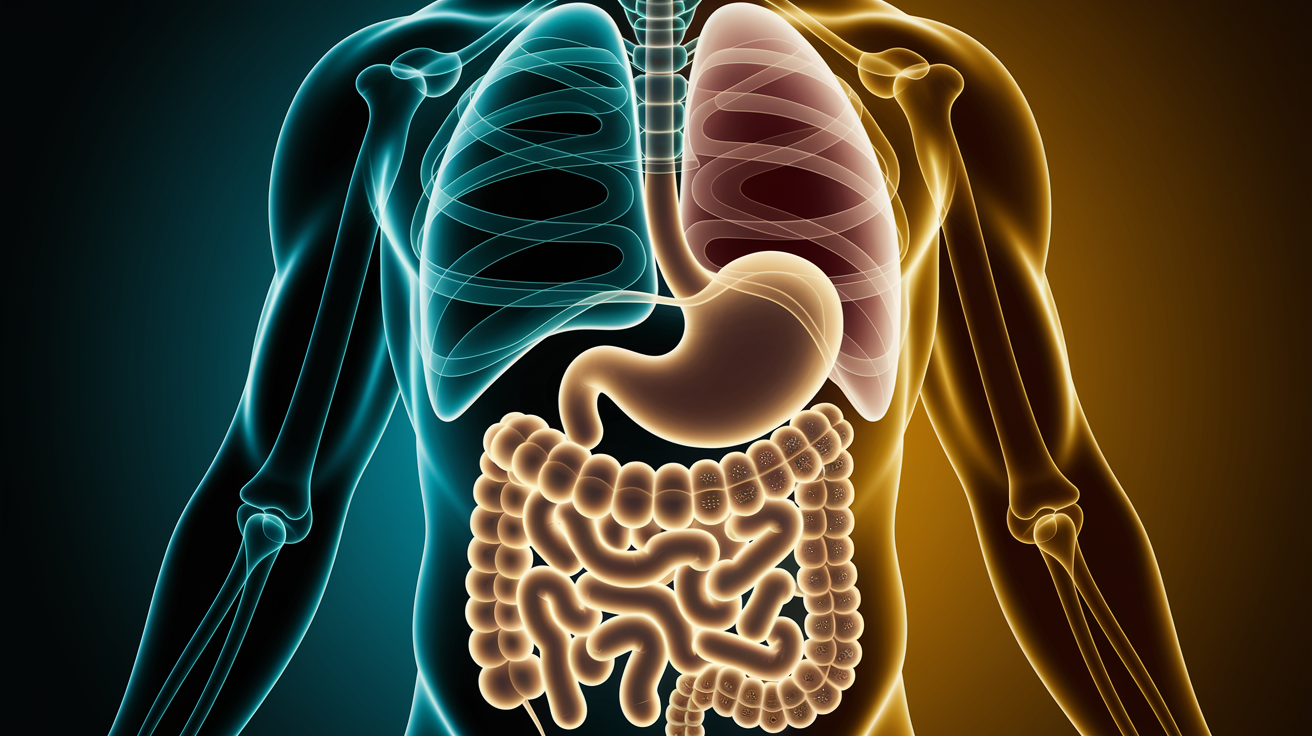
Gas forms in two main ways. You swallow small amounts of air every time you eat, drink, chew gum, or talk. That air has to exit somehow. The second source is bacterial fermentation. When gut bacteria break down undigested carbohydrates, they release hydrogen, methane, and carbon dioxide. Most people pass gas 10 to 25 times per day. Production tends to ramp up later in the day as food moves through your system.
Bloating happens when gas gets trapped or when your digestive tract slows down. Common causes? Constipation, where stool blocks gas from moving. Food intolerances like lactose, fructose, or sugar alcohols that don’t absorb well. Digestive conditions like irritable bowel syndrome or small intestinal bacterial overgrowth. Medications that alter gut motility or microbiome balance.
Swallowed air: Drinking carbonated beverages, chewing gum, eating quickly, or drinking through a straw all increase the volume of air in your stomach.
Bacterial fermentation: Foods high in certain carbohydrates feed gut bacteria that produce gas as a byproduct. Think beans, onions, garlic, cruciferous vegetables, high fructose fruits.
Medical conditions: IBS, celiac disease, inflammatory bowel disease, SIBO, thyroid disorders, and hormonal shifts like menstruation or pregnancy can all slow digestion or alter gas production.
Medications: NSAIDs, antibiotics, iron supplements, and GLP-1 receptor agonists like Ozempic or Wegovy slow gastric emptying and commonly increase bloating. Especially when you’re starting or increasing the dose.
Foods That Relieve Gas and Bloating

Certain foods calm inflammation, relax intestinal muscle, or support a balanced gut microbiome. All of which can reduce gas and bloating. The most helpful options combine anti inflammatory compounds, digestive enzymes, or fermentation benefits.
Research has identified specific foods and doses that help. For example, peppermint oil has been studied at 0.2 milliliters taken 2 to 3 times per day in enteric coated capsules for IBS related bloating. If you prefer tea, steep 1 tea bag or 1 teaspoon of dried peppermint for a gentler alternative. Ginger has been tested at 1,500 milligrams in nausea trials, but for bloating relief a smaller practical dose works for many people. Around 1 teaspoon of fresh grated ginger in tea. Turmeric’s active compound curcumin is generally safe at 500 to 2,000 milligrams daily and has broad anti inflammatory effects that may ease digestive discomfort.
Turmeric: Contains curcumin, an anti inflammatory compound studied at 500 to 2,000 mg daily. May reduce overall digestive inflammation.
Peppermint: Peppermint oil (0.2 mL, 2 to 3 times per day) relaxes intestinal smooth muscle and reduces IBS bloating. Peppermint tea is a simpler option.
Ginger: Speeds gastric emptying and relaxes digestive muscles. Studies used 1,500 mg for nausea. Try 1 teaspoon fresh grated ginger in hot water or chew a small piece after meals.
Fennel seeds: Chew 1 to 2 teaspoons after eating. Fennel oil relaxes intestinal muscles and may help gas pass more easily.
Papaya: Contains the enzyme papain. One study used 20 milliliters of concentrated papaya enzyme extract daily for 40 days and saw improved bloating and constipation in IBS patients.
Bananas: A randomized trial found that eating a banana as a pre meal snack reduced bloating before the meal. Bananas are also easy to digest and low in FODMAPs.
Yogurt with live cultures: Fermented dairy improves bloating and gut markers compared to non fermented or acidified milk. The benefit comes from the fermentation process and probiotics.
Fermented vegetables: Kimchi, sauerkraut, and pickles support a healthier gut microbiome through regular intake. May reduce chronic bloating over time.
Berries: Strawberries, blueberries, and raspberries are low in fructose and FODMAPs. Their polyphenols and antioxidants support beneficial gut bacteria without triggering gas.
Pair these foods with plenty of water throughout the day to support digestion and prevent constipation that can trap gas.
Foods That Commonly Trigger Gas and Bloating
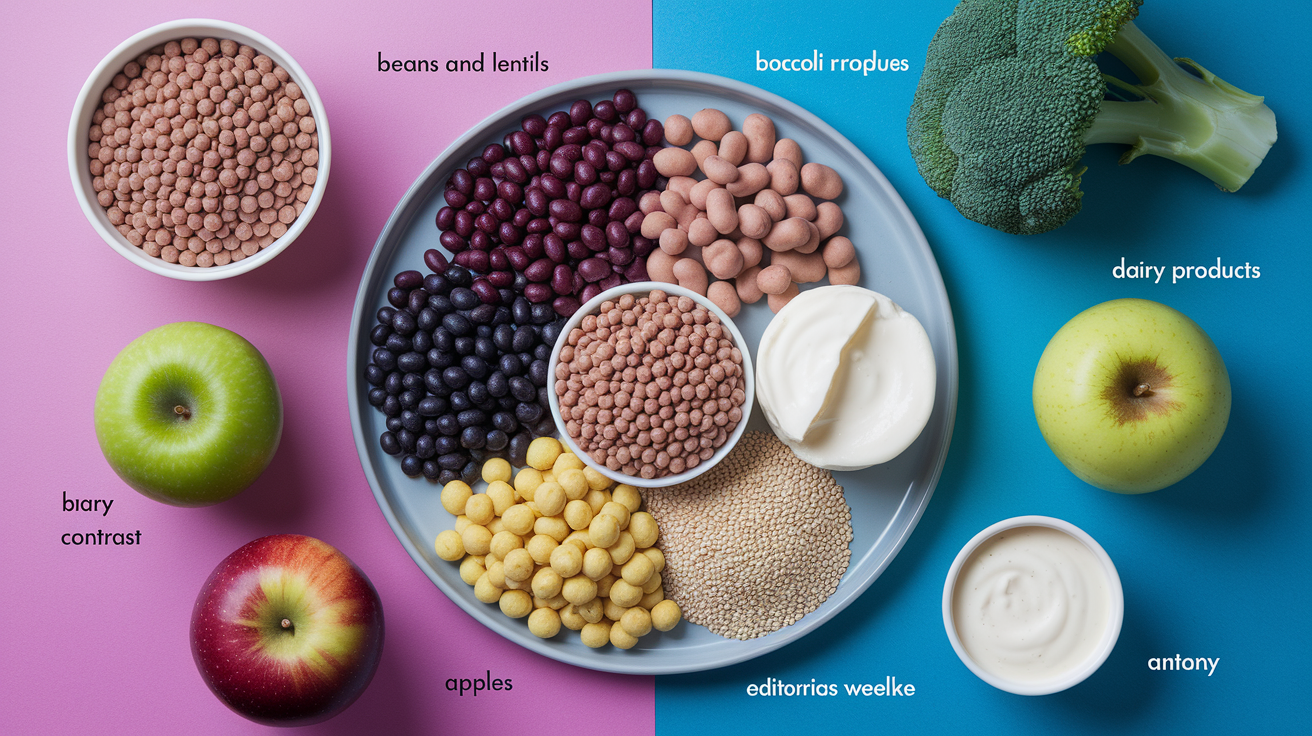
High fiber and high FODMAP foods feed gut bacteria that produce gas as they ferment undigested carbohydrates. Lactose (in dairy) and fructose (in certain fruits) can cause bloating if your body doesn’t absorb them well. Carbonated drinks add gas directly into your stomach.
When you eat beans, lentils, cruciferous vegetables like broccoli, cauliflower, Brussels sprouts, kale, or whole grains in large portions? Your gut bacteria go to work breaking down complex sugars like raffinose and oligosaccharides. That fermentation releases hydrogen and methane. If you’re sensitive to lactose, dairy products like milk, ice cream, and soft cheeses can trigger bloating and cramping. Artificial sweeteners like sorbitol, mannitol, and xylitol are poorly absorbed and draw water into the intestines while also being fermented by bacteria.
Beans, lentils, and legumes: High in oligosaccharides that cause gas. Soaking dried beans overnight and rinsing before cooking can reduce gas production.
Cruciferous vegetables: Broccoli, cauliflower, cabbage, and Brussels sprouts contain raffinose. Cooking them breaks down some of the gas producing compounds.
Onions and garlic: Contain fructans, a type of FODMAP that many people have trouble digesting.
High fructose fruits: Apples, pears, mango, and grapes can cause bloating if eaten in large amounts. Smaller portions or choosing lower fructose fruits like berries helps.
Dairy products: Milk, ice cream, and soft cheeses trigger gas in people with lactose intolerance.
Carbonated drinks and beer: Introduce carbon dioxide directly into your stomach. Chewing gum and sucking on mints also increase swallowed air.
Processed foods: Canned soups, packaged snacks, and frozen dinners often contain added sugars, sugar alcohols, and preservatives that irritate the gut.
If you want to keep eating these foods without the gas, try smaller portions (1/4 to 1/2 cup servings), cook vegetables thoroughly, soak and rinse beans. Or take an enzyme supplement like alpha galactosidase (commonly sold as Beano) with your first bite.
Lifestyle Habits That Help Relieve and Prevent Gas and Bloating

Your eating pace, posture, movement routine, and stress level all shape how your digestive system handles gas. Simple daily adjustments can prevent bloating before it starts.
Eating slowly gives your stomach time to signal fullness and reduces the amount of air you swallow. Aim for a 20 to 30 minute meal, chewing each bite thoroughly. After you finish, sit upright for at least 30 minutes to help your stomach empty properly. Lying down too soon can slow digestion and trap gas. A 10 to 20 minute walk after a large meal stimulates peristalsis and helps gas move through your intestines. Gentle stretching, yoga poses like child’s pose or seated twists, and deep breathing all relax abdominal muscles and reduce stress related bloating.
Hydration is just as important as movement. Aim for 6 to 8 cups (about 1.5 to 2 liters) of water per day to keep stool soft and prevent constipation that can block gas. If you’re increasing fiber intake, add it gradually. About 5 grams every 1 to 2 weeks. This gives your gut time to adjust without a sudden gas spike.
Walk after meals: 10 to 20 minutes of gentle walking 3 to 7 days per week helps stimulate digestion and move trapped gas.
Eat mindfully: Take at least 20 to 30 minutes per meal, chew thoroughly, and avoid distractions like screens that make you swallow more air.
Stay hydrated: Drink 6 to 8 cups of water daily to prevent constipation and support smooth digestion.
Sit upright after eating: Stay upright for 30 minutes after meals to help your stomach empty and reduce reflux and bloating.
Stress and poor sleep are major non food contributors to bloating. When you’re stressed, your gut brain connection can slow digestion or trigger cramping. Practice deep breathing (try a longer exhale than inhale), meditation, or a 5 minute body scan when you notice tension. Prioritize 7 to 8 hours of sleep per night. Irregular sleep disrupts gut motility and hormone balance, both of which affect bloating.
Gut Support Supplements That May Relieve Gas and Bloating
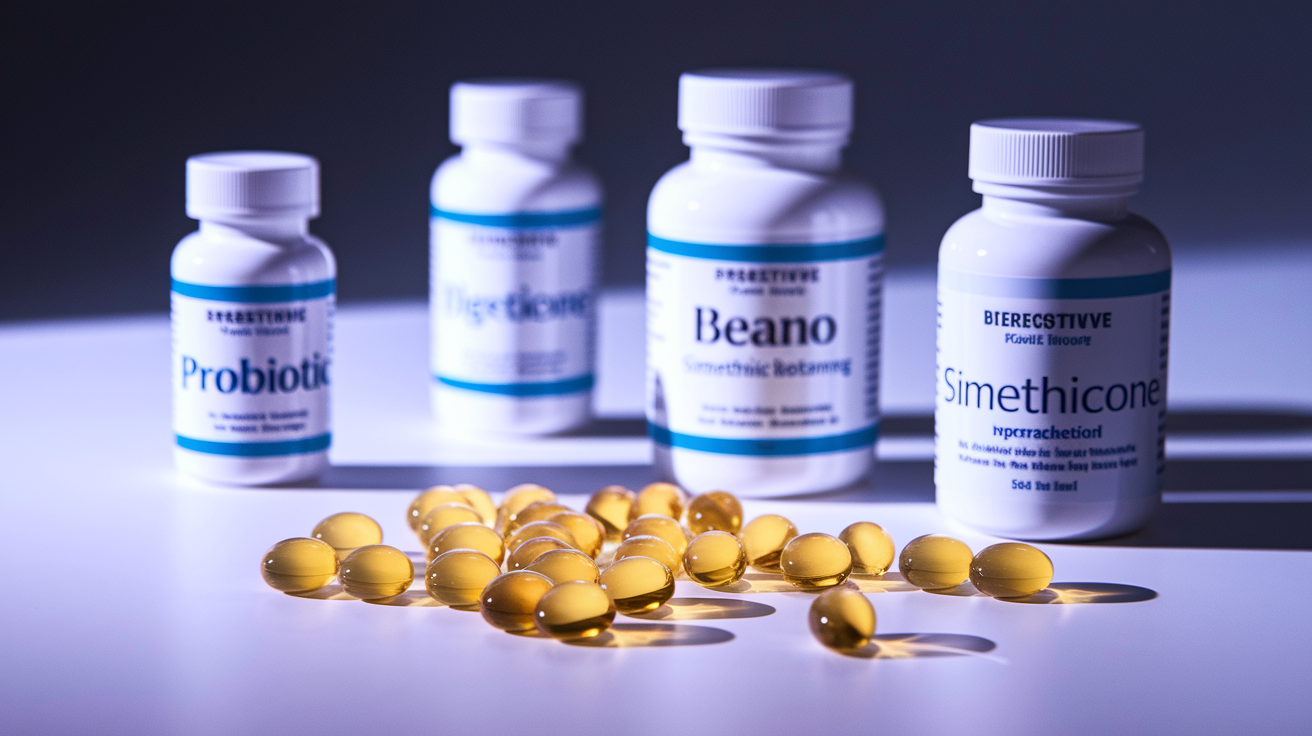
Over the counter supplements and digestive enzymes can help break down gas producing foods or support a healthier gut microbiome. The evidence varies by product, so it’s worth knowing what to expect and when each option works best.
Probiotics contain live bacteria that may improve gut balance and reduce bloating, especially strains in the Bifidobacterium family. Common products deliver 1 to 10 billion CFU (colony forming units) per dose, and you may notice gradual improvement over 2 to 4 weeks of daily use. Digestive enzymes target specific food intolerances. Lactase breaks down lactose in dairy, and alpha galactosidase (sold as Beano) helps digest the oligosaccharides in beans and vegetables. A typical dose is 150 to 300 GalU (galactosidase units) taken with your first bite of food. Simethicone (40 to 125 mg after meals and at bedtime) is an anti foaming agent that breaks large gas bubbles into smaller ones, making them easier to pass or burp out. Activated charcoal is used by some people for gas, but evidence is limited and it can interfere with medication absorption. Follow the product label and avoid taking it close to prescription drugs.
| Supplement | Typical Dose | When It Helps Most |
|---|---|---|
| Probiotics (Bifidobacterium strains) | 1 to 10 billion CFU daily | Chronic bloating, after antibiotics, IBS symptoms |
| Alpha galactosidase (Beano) | 150 to 300 GalU with first bite | Beans, lentils, cruciferous vegetables |
| Simethicone | 40 to 125 mg after meals | Trapped gas bubbles, post meal bloating |
| Papaya enzyme extract | 20 mL daily (study dose for 40 days) | IBS related bloating and constipation |
Typical retail costs are manageable. Simethicone, antacids, and enzyme supplements usually run $6 to $20 per bottle. Probiotics range from $15 to $40 per month depending on strain and CFU count. If you’re trying a new supplement, give it at least 2 weeks before deciding whether it helps. Avoid adding multiple products at once so you can tell what’s working.
Understanding Conditions Linked to Chronic Bloating

If bloating shows up most days or gets worse over time, it may point to an underlying digestive condition that needs evaluation. Irritable bowel syndrome is one of the most common causes of chronic bloating, often paired with cramping, diarrhea, or constipation that shifts over time. Small intestinal bacterial overgrowth (SIBO) happens when bacteria that normally live in the colon migrate into the small intestine and ferment food too early in digestion. This produces hydrogen or methane gas. SIBO is typically diagnosed with a hydrogen breath test and can cause severe bloating that worsens throughout the day.
Lactose intolerance and nonceliac gluten sensitivity are food related causes of chronic bloating. If your body doesn’t produce enough lactase, dairy products trigger gas, cramping, and diarrhea. Gluten sensitivity can cause similar symptoms even when celiac disease tests come back negative. Prebiotics (found in onions, garlic, asparagus, and high fiber foods) and probiotics can temporarily worsen gas in people with these conditions, especially if introduced suddenly or in high doses.
Hormonal changes also play a role. Many people experience more bloating the week before their period due to progesterone slowing gut motility. Pregnancy, menopause, and thyroid disorders can all alter digestion and increase gas. If you have celiac disease or inflammatory bowel disease (Crohn’s disease or ulcerative colitis), bloating may be a sign of active inflammation or malabsorption. These conditions require medical management and often benefit from working with a registered dietitian to identify safe foods and portion sizes.
When Gas and Bloating Mean You Should See a Doctor

Most bloating resolves in a few hours to a day or two, especially when you adjust your diet and stay active. But if bloating persists for more than 1 to 2 days and keeps getting worse, it’s time to check in with a health care provider.
Seek immediate medical evaluation if bloating occurs alongside any of the following red flags.
Severe abdominal pain: Sharp, constant, or worsening pain that doesn’t ease with position changes or over the counter relief.
Fever above 101°F (38.3°C): May signal infection or inflammation in the digestive tract.
Persistent vomiting: Especially if you can’t keep fluids down or if vomit contains blood.
Blood in stool: Bright red, dark tarry stools, or visible streaks of blood.
Inability to pass gas or have a bowel movement: No bowel movement for more than 7 days or complete inability to pass gas may indicate a blockage.
Unexplained weight loss: Losing more than 10 pounds (about 4.5 kilograms) in 6 months without trying. Or new, severe fatigue.
These symptoms can point to inflammatory bowel disease, infection, malabsorption, bowel obstruction, or other gastrointestinal disorders that require imaging, blood work, or endoscopy. If bloating is new, severe, or disrupting your daily life, ask your clinician about testing for lactose intolerance, celiac disease, IBS, SIBO, or abdominal imaging to rule out structural issues.
Create a Personal Plan to Relieve Gas and Bloating Long Term
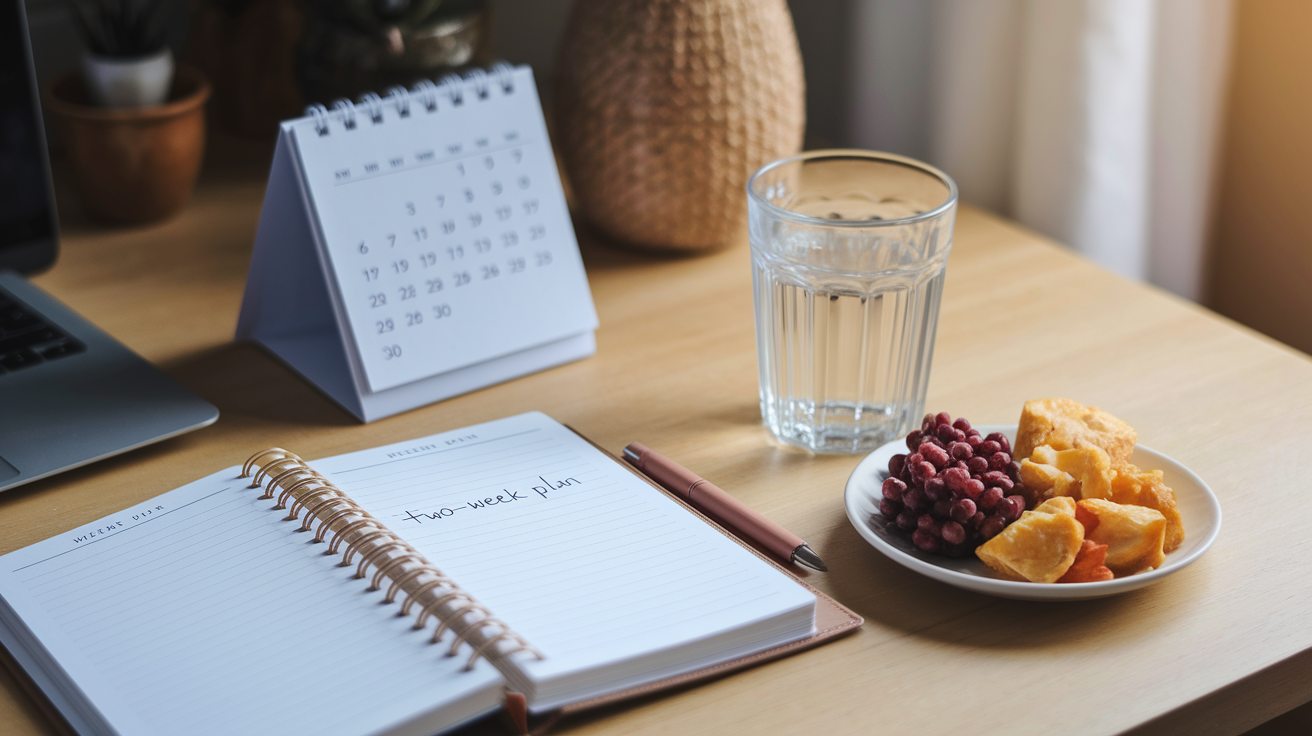
Long term relief comes from identifying your specific triggers and building habits that support steady digestion. A personalized plan gives you control and reduces the guesswork.
Start by keeping a food and symptom journal for 1 to 2 weeks. Write down everything you eat, the portion size, the time of day, and how you felt 1 to 3 hours later. Note patterns. Does bloating show up after dairy? After large meals? Late in the day? The week before your period? Once you spot your triggers, you can test targeted changes instead of cutting out entire food groups at random. If high FODMAP foods seem to be the culprit, consider a structured low FODMAP trial for 2 to 6 weeks under the guidance of a dietitian. This approach temporarily restricts fermentable carbohydrates, then systematically reintroduces them to identify which ones you tolerate and in what amounts.
Identify your top 3 trigger foods or patterns: Use your journal to pinpoint what consistently causes bloating.
Adjust portions and timing: Start with smaller servings (1/4 to 1/2 cup) of high gas foods and eat them earlier in the day when digestion is most active.
Choose low FODMAP swaps: Replace high fructose fruits with berries, swap onions for green onion tops, and try lactose free dairy or plant based alternatives.
Monitor changes over 2 to 4 weeks: Track bloating frequency, severity, and any improvements. If symptoms don’t budge, revisit your list and consider scheduling an appointment to discuss testing for IBS, SIBO, or food intolerances.
Pair one probiotic food (yogurt, kefir, sauerkraut) with moderate fiber each day instead of loading up on both at once. Increase your total fiber intake gradually. Add about 5 grams every 1 to 2 weeks. Aim for 1.5 to 2 liters of water daily. Walk 10 to 20 minutes after meals at least 3 to 7 days per week, practice deep breathing or gentle stretching when stress hits, and protect your sleep routine. When you give your gut consistent, calm support, bloating becomes the exception rather than the daily norm.
Final Words
You started with fast fixes—knees-to-chest, a 10–20 minute walk, a heat pack, peppermint or ginger tea, and a gentle belly massage—that often bring relief within minutes.
We then covered why gas happens, which foods help (ginger, fennel, yogurt) and which often trigger it (beans, carbonated drinks), plus simple daily habits and supplements that can help over time.
Use these steps and the tracking tips to relieve gas and bloating, and seek care if you hit any red flags. Small changes can really help.
FAQ
Q: How do you get rid of gas quickly?
A: Getting rid of gas quickly and debloating your tummy quickly involves simple moves and comfort measures: lie on your left side, knees-to-chest, walk 10 to 20 minutes, apply heat, and sip peppermint or ginger tea.
Q: What position helps to pass gas?
A: The position that helps to pass gas is lying on your left side or pulling your knees to your chest (wind-relieving pose); gentle abdominal massage and a slow child’s pose can also ease trapped gas.
Q: What drink helps relieve gas?
A: A drink that helps relieve gas is peppermint or ginger tea, sip 1 to 2 cups. Peppermint can relax gut muscles; ginger aids digestion and reduces bloating. Avoid peppermint if you have reflux.
Comments are closed