
What if that sharp, bloated pain in your belly is just trapped gas — and you may ease it in minutes with simple moves?
You’re not imagining it.
Gas often feels like pressure, tightness, or sudden stabbing pains after a big meal, carbonated drink, or quick coffee.
This post gives fast, low-risk steps that often help right now — walk, gentle positions, warmth, simethicone, and easy self-massage — plus what to track and when to see a clinician if things don’t improve.
Quickest Ways to Relieve Trapped Gas Right Now

Fast relief comes when you help gas move or break it down where it’s sitting. Trapped gas creates pressure in your stomach or intestines, and that pressure needs a way out. Movement, position shifts, and a few simple substances can speed things along or shrink the gas bubbles so they pass easier.
The fastest options work because they either wake up your digestive muscles, physically nudge gas toward an exit, or chemically bust up the bubbles. Heat loosens tight belly muscles, which cuts the cramping and clears the way for gas to move. Over-the-counter stuff like simethicone binds to bubbles and makes them smaller, often in minutes.
Timing counts. If you’re home with a few minutes to spare, try pairing movement with a position change. Stuck at your desk? Warm drink or a couple slow breaths until you can get up and walk.
-
Walk for 10 to 15 minutes. Movement gets your intestines going and pushes gas downward. Slow and steady beats sitting still.
-
Try the knee-to-chest pose. Lie on your back, pull one or both knees gently toward your chest, hold for 20 to 30 seconds. This squeezes your belly and opens a path for gas to escape.
-
Sip warm peppermint tea. Peppermint relaxes your digestive tract muscles and can stop spasms. Drink it slowly over 5 to 10 minutes.
-
Take a simethicone tablet. Simethicone (in products like Gas-X) breaks up gas bubbles so they’re easier to pass. Usually kicks in within 15 to 30 minutes.
-
Apply a warm compress to your belly. Heat from a heating pad or warm towel relaxes cramping muscles and eases discomfort while gas works its way through.
-
Massage your belly in a clockwise circle. Start at your lower right side, move up, across, then down the left side. You’re following your colon’s path and nudging trapped gas along.
Walking and position changes help most when gas is stuck lower down. Warm drinks and simethicone work better when it’s higher up or you can’t move around. Heat and massage are your go-tos for cramping and bloating that hangs around after a meal.
Common Causes Behind Trapped Gas
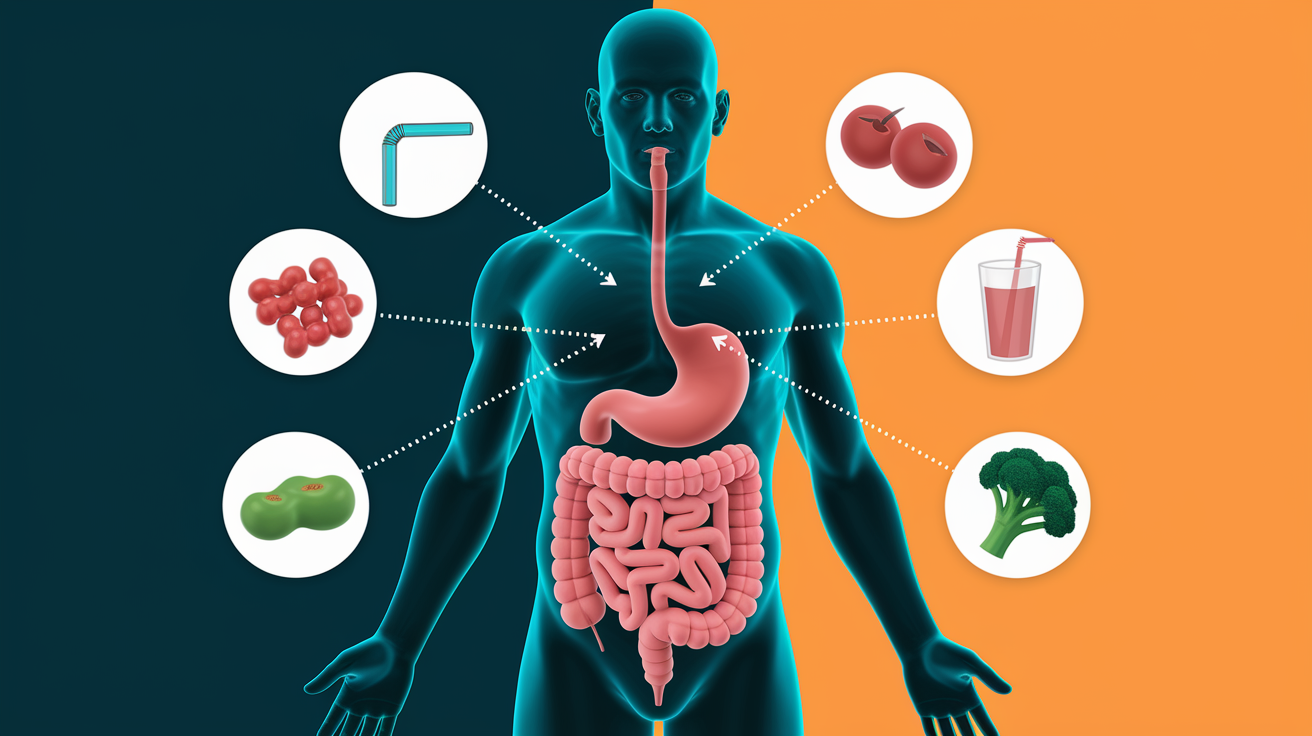
Gas gets trapped when it can’t flow smoothly through your digestive tract or when too much builds up too fast. Swallowed air is one of the most common everyday culprits. Eating too quickly, talking while you chew, drinking through a straw, or chewing gum all send extra air into your stomach. That air has to come out, either through burping or by traveling down into your intestines. When it gets stuck somewhere in between, you feel pressure and pain.
Dietary triggers are another frequent reason. Foods high in certain carbohydrates, especially the ones that are tougher to digest, get broken down by bacteria in your large intestine. That process makes gas. Beans, lentils, broccoli, cabbage, onions, garlic, apples, pears, and foods with artificial sweeteners (sorbitol, mannitol, xylitol) are regular offenders. Dairy can cause gas if you’re lactose intolerant. Whole grains like wheat, barley, and rye contain fibers that ferment and pump out more gas. Carbonated drinks dump carbon dioxide straight into your system.
Less common but still worth knowing about are digestive disorders and motility problems. IBS, SIBO, chronic constipation, and inflammatory bowel diseases (Crohn’s, ulcerative colitis) can all slow down or mess with normal gas movement. Some medications slow your stomach’s emptying or change your gut bacteria, which means more fermentation and trapped gas. GLP-1 drugs (Ozempic, Wegovy), NSAIDs, antibiotics, iron supplements, and certain antidepressants can all play a role. Stress, wonky sleep, and sitting too much also slow digestion and make it easier for gas to pile up.
Recognizable Symptoms of Trapped Gas

Trapped gas often feels like sharp, stabbing pain that moves around as the gas shifts through your intestines. You might feel it on your left side, then your right, or high up near your ribs. The pain can come in waves and might let up for a moment before coming back.
Bloating and visible belly swelling are typical. Your stomach may feel tight, full, or tender when you touch it. Some people describe a heavy or stretched feeling, especially after eating.
Trapped gas can also create pressure or discomfort in weird places. You might feel tightness in your chest that feels like heartburn or even something cardiac, or pressure in your upper or lower back. Burping, the urge to pass gas, and mild nausea can all show up alongside trapped gas. The pain usually gets better after you burp or pass gas, which confirms gas was the problem. If the pain doesn’t move, doesn’t ease with movement or gas release, or comes with fever, vomiting, or blood in your stool, check in with a clinician.
Effective Home Remedies for Ongoing Gas Discomfort

Home remedies work best when gas discomfort is mild to moderate and keeps coming back, rather than severe or sudden. These options support digestion, cut down bloating over time, and help your gut handle gas-producing foods more comfortably. They’re most useful when you pair them with the quick relief moves above.
Herbal teas are simple and low risk. Peppermint tea relaxes the smooth muscles in your digestive tract and can reduce cramping. Ginger tea supports digestion and may cut nausea. Chamomile has a gentle calming effect on both your gut and your nervous system. Fennel seeds, chewed after a meal or steeped as tea, have been used forever to reduce bloating and gas. Cumin and coriander, added while cooking, may help break down complex carbs before they reach your large intestine.
- Sip 1 cup of warm herbal tea (peppermint, ginger, chamomile, or fennel) after meals or when bloating starts.
- Chew 1/2 to 1 teaspoon of fennel seeds slowly after eating.
- Try activated charcoal tablets before meals if you know certain foods set you off. Follow the package directions and check with a clinician first if you’re on other medications.
- Mix 1/2 teaspoon of baking soda in a glass of lukewarm water for quick acid relief and burping, but go easy (it’s high in sodium).
- Eat plain, unsweetened yogurt with live cultures or take a probiotic supplement to support healthy gut bacteria. Start small and increase slowly to dodge temporary gas from the adjustment.
Foods That Reduce or Worsen Trapped Gas
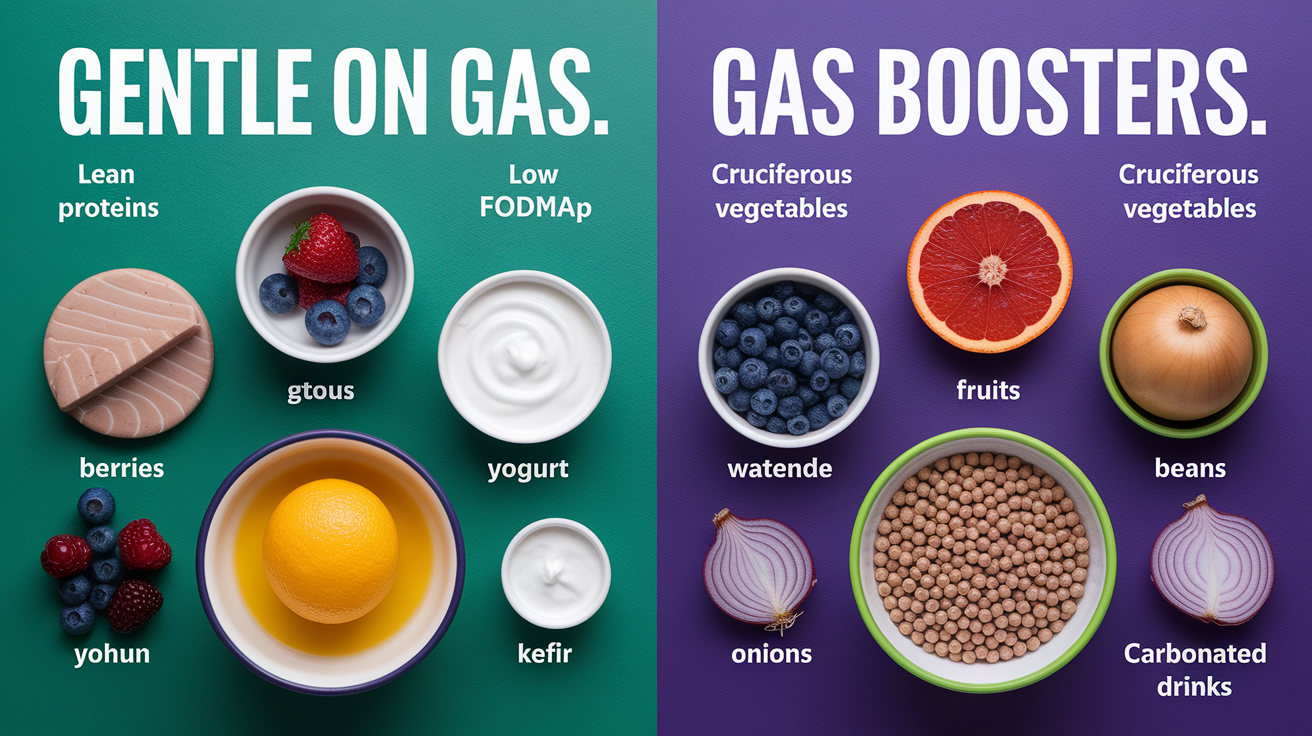
| Food Type | Effect on Gas | Example |
|---|---|---|
| Cruciferous vegetables | Increase gas production | Broccoli, cabbage, cauliflower, Brussels sprouts |
| High-FODMAP fruits | Increase fermentation and gas | Apples, pears, mango, watermelon |
| Lean proteins | Low gas production | Chicken, turkey, fish, eggs |
| Low-FODMAP vegetables | Reduce fermentation | Carrots, cucumbers, spinach, zucchini, bell peppers |
| Lower-fructose fruits | Gentler on digestion | Berries, grapes, kiwi, papaya, oranges |
| Fermented foods with live cultures | Support gut balance; may cause short-term gas | Yogurt, kefir, sauerkraut, kimchi |
Certain foods reliably pump out more gas because of how they break down in your large intestine. Beans, lentils, onions, garlic, and whole grains (wheat, barley, rye) contain carbs that gut bacteria ferment, producing hydrogen, methane, and carbon dioxide. Dairy makes gas if you’re lactose intolerant. Artificial sweeteners (sorbitol, mannitol, xylitol) get absorbed poorly and ferment easily. Carbonated drinks release gas straight into your stomach.
Switching to lower-gas alternatives can make a real difference. Lean proteins like chicken, turkey, fish, and eggs produce very little gas. Low-FODMAP vegetables (carrots, cucumbers, spinach, zucchini, bell peppers) and lower-fructose fruits (berries, grapes, kiwi, papaya, oranges) are easier to digest and cause less fermentation. Ginger, fennel, peppermint, and cumin can soothe your digestive tract and may cut bloating when added to meals.
Fermented foods with live cultures (yogurt, kefir) support a healthy gut microbiome, which can reduce gas over time. When you first add probiotics, you might notice a short-term bump in gas as your gut adjusts. Start with small portions and ramp up gradually. Don’t stack multiple high-FODMAP foods in one meal. Pair one probiotic food with moderate fiber and see how your body handles it before adding more.
Prevention Strategies to Stop Gas From Becoming Trapped

Long-term prevention works by supporting regular digestion and cutting down the amount of gas produced in the first place. Eating habits make the biggest difference. Slow down at meals, take smaller bites, chew thoroughly. When you rush, you swallow more air and give your stomach less time to signal fullness, which can lead to overeating and more fermentation. Don’t talk while chewing, and skip gum and straws. Both send extra air into your system.
Portion control and meal timing also help. Eating smaller, more frequent meals reduces the load on your digestive system at any one time and keeps your intestines moving steadily. Big meals, especially ones loaded with fat or fiber, slow digestion and give bacteria more time to ferment what’s left over. Drink enough water throughout the day to prevent constipation, which traps gas behind stool. Skip carbonated drinks and dial back caffeine and alcohol. Both can irritate your gut and mess with how things move.
Regular physical activity supports gut motility and helps gas move through your intestines. A 10 to 20 minute walk after meals is one of the simplest and most reliable prevention tools. Gentle stretching, yoga, or other low-impact movement keeps your digestive muscles active. Manage stress through deep breathing, meditation, or mindfulness practices. Stress messes with gut function and can slow digestion or ramp up sensitivity to gas. Get consistent sleep. Poor or irregular sleep disrupts your gut microbiome and slows the digestive process. Keep a food and symptom journal to spot personal triggers and track patterns over time.
When Trapped Gas Could Indicate a More Serious Issue

Trapped gas usually clears up on its own or with simple home measures, but persistent or severe symptoms can point to something more serious. If gas pain lasts several hours without relief, gets sharper or more intense, or comes with fever, vomiting, or an inability to pass gas or stool, it’s time to see a clinician. These symptoms can mimic or overlap with appendicitis, gallbladder trouble, bowel obstruction, or diverticulitis.
Chronic or worsening bloating, especially when paired with unexplained weight loss, fatigue, anemia, blood in your stool, or persistent changes in bowel habits (diarrhea, constipation, or bouncing between the two), deserves medical evaluation. These patterns can point to inflammatory bowel disease (Crohn’s, ulcerative colitis), celiac disease, SIBO, pancreatic insufficiency, or in rare cases, cancer (colon, ovarian, uterine, stomach, pancreatic).
- Severe or relentless belly pain that doesn’t ease with movement or gas release
- Fever, nausea, or vomiting along with gas pain
- Blood in your stool or black, tarry stools
- Persistent bloating with unexplained weight loss, fatigue, or trouble swallowing
A provider will start with your medical history, medication review, lifestyle questions, and a physical exam. Depending on what you’re experiencing, they may order blood tests, stool tests, imaging (ultrasound, CT scan), colonoscopy, sigmoidoscopy, or breath tests for SIBO or lactose intolerance. Early evaluation helps rule out serious conditions and guides treatment for underlying digestive disorders.
Final Words
In the action, you got fast, step-by-step moves to release trapped gas, plus why gas gets stuck, how it feels, and gentle home remedies that help over time.
You also saw foods that tend to help or worsen symptoms, prevention habits to cut down episodes, and clear signs that need a doctor.
If trapped gas in stomach is recurring or severe, track timing, triggers, and what helps, and bring that list to your clinician.
You’ve got simple tools. Try one small change today—things often ease with a few clear steps.
FAQ
Q: How can I clear or release trapped gas in my stomach?
A: To clear trapped gas in your stomach, try walking, gentle abdominal massage or knee-to-chest pose, sip warm peppermint or ginger tea, take simethicone, and use a warm compress; seek care for severe or lasting pain.
Comments are closed