
What if the bloating you hate often eases with a few simple moves, not a big diet overhaul?
You’re not imagining it. Trapped gas, posture, hydration, and how quickly you eat make a huge difference.
This post gives fast, low-risk steps you can try right now: a short walk, gentle stretches, slow breathing, belly massage, and smart drink choices.
You’ll also get diet tips, natural remedies that tend to help, simple tracking prompts for appointments, and clear signs that mean it’s time to get checked.
Fast-Acting Ways to Reduce Bloating Right Now

Take a 10-minute walk. Even a short stroll after eating gets your gut moving and helps push trapped gas through your digestive tract.
Try a knee-to-chest stretch. Lie on your back and slowly pull one knee toward your chest, hold for 15 seconds, then switch legs. It gently compresses your abdomen and encourages gas to release.
Drink a glass of room-temperature water. Sipping 8 ounces slowly helps flush sodium and supports normal digestion without the shock of ice-cold liquid hitting your stomach.
Sit up straight or stand. Slouching compresses your abdomen and slows digestion. Straightening your posture opens up space and lets gas move more easily.
Massage your belly in clockwise circles. Use gentle pressure with your fingertips, following the path of your colon from your lower right side up and across, to physically nudge gas along.
Breathe slowly and deeply through your nose. Shallow, rushed breathing makes you swallow more air. Five minutes of slow, diaphragmatic breathing reduces air intake and calms your nervous system.
These methods work because bloating often comes from excess gas trapped in your intestines plus swallowed air that hasn’t been released. When you move your body, change your posture, or apply gentle abdominal pressure, you’re physically helping that gas travel toward an exit instead of sitting stagnant in pockets along your digestive tract.
Hydration plays an immediate mechanical role, too. Drinking 48 to 64 ounces of water spread throughout the day prevents your body from retaining fluid in response to dehydration. It keeps stool soft enough to pass without creating a backup of gas behind it. When you’re even mildly dehydrated, your colon pulls extra water from waste, which slows transit time and gives gut bacteria more opportunity to ferment undigested material into gas.
Slow, mindful eating directly cuts down the volume of air you swallow with each bite. Chewing thoroughly and pausing between forkfuls gives your stomach time to signal fullness and reduces the gulps of air that come with rushed meals. The less air you take in, the less you need to work out later.
Diet-Based Strategies to Reduce Bloating After Eating
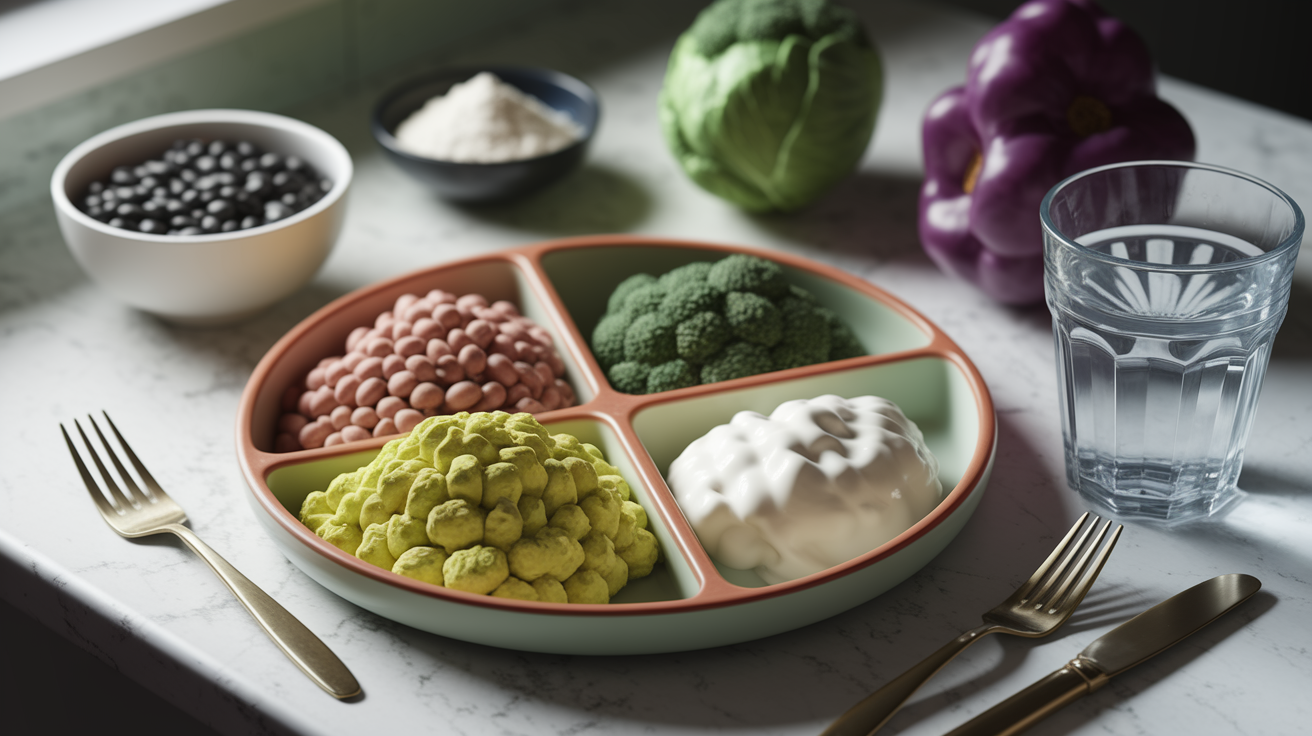
What you eat and how you eat it shape how much gas your gut produces and how quickly food moves through your system. Certain foods trigger bloating because they either contain hard-to-digest carbohydrates that gut bacteria ferment into gas, or they introduce air and artificial compounds your body struggles to break down.
Shifting to smaller, more frequent meals (around four or five a day instead of two or three large ones) keeps your stomach from becoming overstretched and your digestive enzymes from being overwhelmed. A smaller volume of food at each sitting also means less fermentation happening all at once, which translates to less gas production in a short window.
Beans and lentils are high in fermentable fiber and oligosaccharides that gut bacteria love to break down into gas. Soaking dried beans overnight and rinsing canned versions can help reduce some of these compounds.
Cruciferous vegetables like broccoli, cauliflower, Brussels sprouts, and cabbage contain raffinose, a sugar that’s hard to digest and often ferments in the colon.
Dairy products (milk, cheese, yogurt, ice cream) can cause bloating if you’re lactose intolerant or sensitive. Even small amounts may trigger symptoms in some people.
Carbonated beverages. Soda, sparkling water, and fizzy drinks introduce carbon dioxide directly into your digestive tract, which can get trapped and cause immediate swelling.
Artificial sweeteners like sorbitol, xylitol, and mannitol (found in diet sodas, sugar-free gum, and low-calorie snacks) are poorly absorbed and ferment in your gut.
Eating too quickly means you swallow more air and don’t give your stomach adequate signals to prepare digestive enzymes.
Large portions in one sitting overload your stomach, slow emptying time, and create a longer window for bacterial fermentation to produce gas.
Suddenly increasing fiber intake. Jumping from low-fiber meals to high-fiber foods without gradually ramping up can overwhelm your gut and cause temporary bloating and discomfort.
Temporarily cutting back on these foods and then reintroducing them one at a time over a week or two lets you pinpoint which specific items your system struggles with. You can make targeted adjustments rather than eliminating entire food groups indefinitely.
Identifying the Causes of Bloating to Reduce It Long-Term
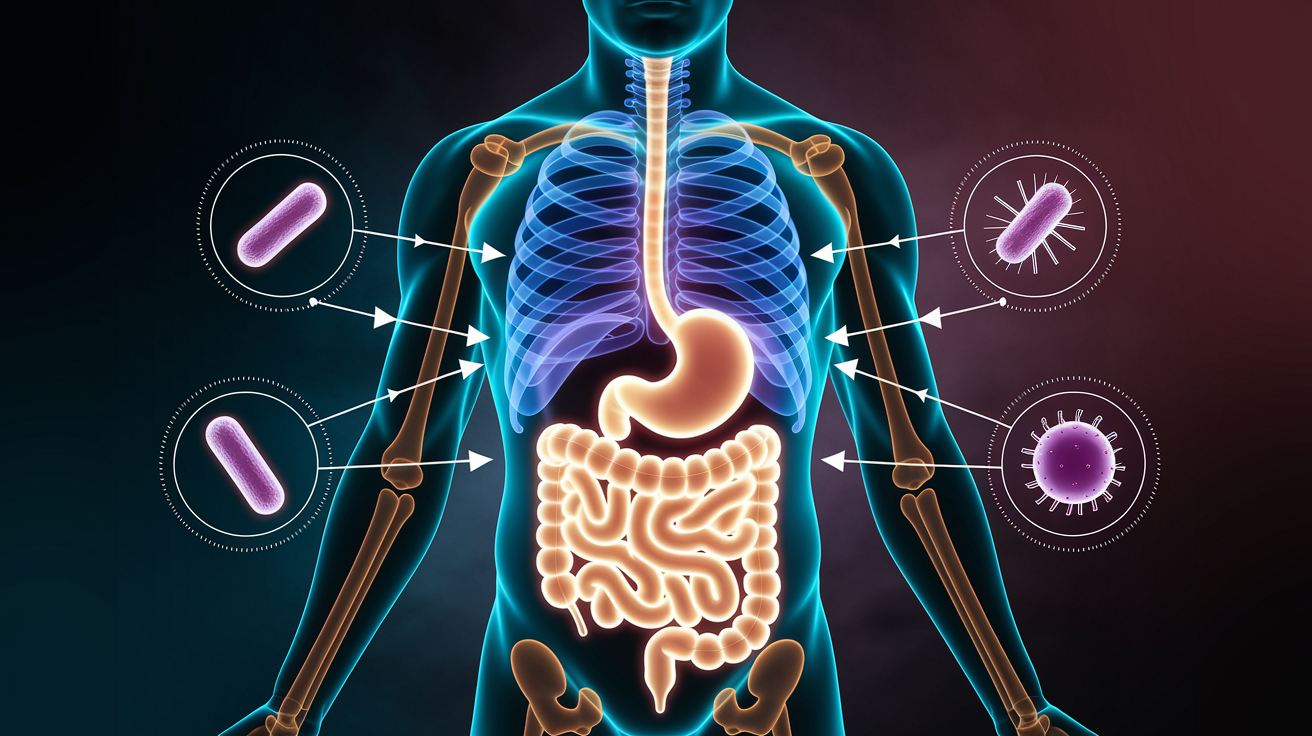
Bloating doesn’t happen in a vacuum. It’s usually the result of one or more underlying patterns. Some tied to what you eat, others linked to how your gut bacteria are balanced, how fast your digestive system moves, or how much stress and hormonal shifts are affecting your body at any given time.
Food sensitivities and intolerances are among the most common culprits. Lactose intolerance means your small intestine doesn’t produce enough lactase enzyme to break down the sugar in dairy, so undigested lactose reaches your colon where bacteria ferment it into gas. A similar process happens with fructose malabsorption or sensitivity to certain FODMAPs (fermentable carbohydrates).
Hormonal changes during the week before your period or during menopause can slow gut motility and cause temporary water retention that makes bloating worse. Stress and anxiety shift blood flow away from digestion, alter gut bacteria composition, and can trigger or worsen conditions like irritable bowel syndrome (IBS), where the gut becomes more sensitive to normal amounts of gas and stretching.
Gut microbiome imbalance (sometimes called dysbiosis) happens when the mix of bacteria in your intestines tips toward species that produce more gas or when helpful bacteria are wiped out by antibiotics, chronic alcohol use, smoking, or previous abdominal surgery.
Small intestinal bacterial overgrowth (SIBO) occurs when bacteria that normally live in the colon migrate up into the small intestine and ferment food earlier in the digestive process. This leads to excess gas, bloating, and sometimes diarrhea or constipation.
Delayed stomach emptying, known as gastroparesis, means food sits in your stomach longer than it should, which can create a sensation of fullness and bloating even hours after a meal.
Swallowed air from habits like chewing gum, drinking through straws, eating too fast, or wearing poorly fitting dentures adds to the total volume of gas your body has to process and release.
Evidence-Based Natural Remedies That Help Reduce Bloating

Several herbs and natural compounds have been studied for their ability to ease bloating and support digestion, often by relaxing smooth muscle in the digestive tract, reducing gas production, or helping your body break down food more efficiently.
Peppermint tea and peppermint oil are among the best-researched options. Peppermint contains menthol, which has an antispasmodic effect on the muscles of your intestines and can help relieve cramping and trapped gas, especially after meals.
Ginger tea works by stimulating gastric motility and helping food move through your stomach and intestines more quickly, which reduces the time available for fermentation.
Chamomile tea has mild anti-inflammatory and calming properties that can soothe an irritated digestive tract and may reduce stress-related bloating.
Fennel seeds have been used traditionally to relieve gas and bloating. They contain compounds that relax the gastrointestinal tract and may reduce spasms.
Papaya contains the enzyme papain, which helps break down proteins in food and may improve digestion when eaten fresh or taken as a supplement.
Peppermint tea or oil relaxes intestinal muscles and may reduce meal-related bloating. Avoid if you have acid reflux, as it can relax the lower esophageal sphincter.
Ginger tea speeds up stomach emptying and reduces nausea. Fresh ginger steeped in hot water is a simple, low-risk option.
Chamomile tea soothes inflammation and stress-related digestive upset. Safe for most people and gentle enough for daily use.
Fennel seeds. Chew a teaspoon after meals or steep in hot water. Traditionally used to relieve gas and cramping.
Papaya (fresh or enzyme supplement) provides papain to help digest protein. Works best when eaten with or shortly after a meal.
These remedies are generally safe and well-tolerated, but they’re not a substitute for addressing root causes like food intolerances, chronic stress, or underlying gut conditions. They work best as part of a broader strategy that includes diet adjustments and lifestyle changes.
Drinks That Help Reduce Bloating and What to Avoid
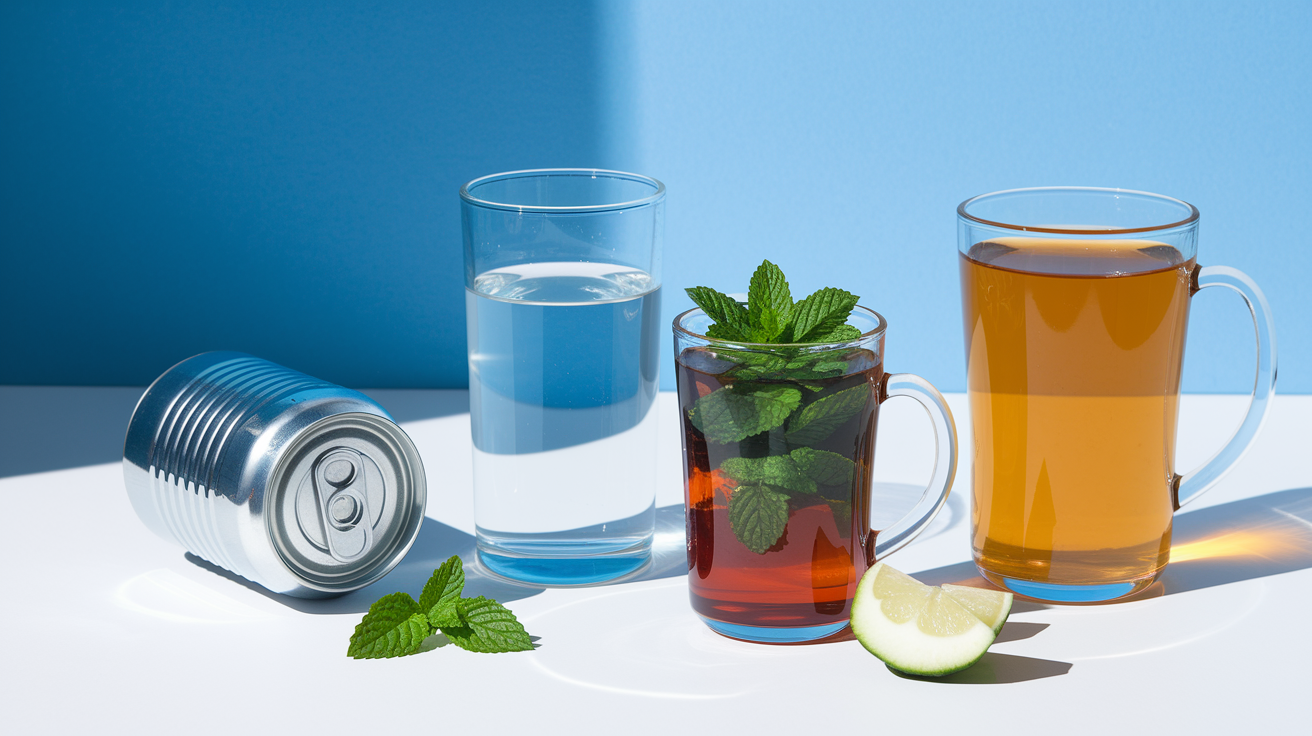
What you drink throughout the day can either support healthy digestion and reduce bloating or introduce extra gas and slow things down. Hydration is one of the simplest and most effective tools for preventing constipation, flushing excess sodium, and keeping your digestive system moving smoothly.
Aim for about 48 to 64 ounces of plain water daily. That’s roughly six to eight 8-ounce glasses. Room-temperature or warm water is often easier on your stomach than ice-cold, which can slow digestion temporarily.
Herbal teas like peppermint, ginger, and chamomile add hydration while offering gentle digestive support. On the other hand, carbonated beverages introduce carbon dioxide gas directly into your stomach and intestines, which can cause immediate bloating and discomfort. This includes soda, sparkling water, and any fizzy drink, even if it’s sugar-free or flavored with natural ingredients.
| Drink Type | Effect on Bloating |
|---|---|
| Plain water (room temp or warm) | Supports digestion, prevents constipation, flushes sodium |
| Peppermint tea | Relaxes intestinal muscles, reduces gas and cramping |
| Ginger tea | Speeds stomach emptying, reduces nausea |
| Carbonated beverages (soda, sparkling water) | Introduces CO2 gas, often worsens bloating immediately |
| Alcohol | Irritates gut lining, disrupts microbiome, can slow motility |
| High-sugar drinks (juice, sweetened coffee) | Can feed gas-producing bacteria, may worsen bloating |
Lifestyle Habits That Reduce Bloating Over Time

Long-term relief from bloating often comes down to consistent daily habits that support healthy digestion, keep your gut bacteria balanced, and reduce the physical and emotional triggers that slow things down or increase gas production.
Regular physical activity is one of the most effective preventive strategies. Aim for at least 150 minutes per week of moderate-intensity exercise. Walking, swimming, cycling, or yoga all work well. Movement stimulates peristalsis (the wave-like contractions that push food and gas through your intestines), and it also helps reduce water retention and stress. Even a short 10-minute walk after meals can make a noticeable difference in how quickly your stomach empties and how much gas gets trapped.
Stress management matters more than most people realize, because chronic stress increases inflammation, alters the balance of gut bacteria, and can slow or speed up gut motility in unpredictable ways. Simple practices like slow breathing, a quick body scan, or stepping away from your screen for five minutes can lower your baseline stress and reduce stress-related bloating.
Your posture and clothing choices also play a role. Tight waistbands, belts, or shapewear compress your abdomen and restrict normal digestive movement, which can trap gas and make bloating feel worse. Sitting or standing up straight instead of slouching opens up space in your abdominal cavity and allows your digestive organs to function without added pressure.
Sleep quality affects gut health too, since poor or disrupted sleep can alter your gut microbiome and increase inflammation. Smoking and excessive alcohol both irritate the gut lining, disrupt healthy bacteria, and slow motility, so cutting back or quitting can lead to noticeable improvements over time.
Exercise for 150 minutes per week. Walking, yoga, swimming, or cycling to stimulate gut motility and reduce water retention.
Take short walks after meals. Even 10 minutes helps move gas through your system and prevents it from sitting stagnant.
Manage stress with simple daily practices. Slow breathing, short breaks, or gentle movement to lower inflammation and support healthy gut bacteria.
Wear loose, comfortable clothing. Avoid tight waistbands and belts that compress your abdomen and restrict digestion.
Sit and stand up straight. Good posture reduces abdominal pressure and allows your digestive organs to move freely.
Prioritize consistent, quality sleep. Aim for 7 to 9 hours per night to support gut health and reduce inflammation.
Limit or avoid smoking and excessive alcohol. Both irritate your gut lining, disrupt microbiome balance, and slow motility.
Smart Tracking Methods to Understand and Reduce Bloating

One of the most practical ways to figure out what’s causing your bloating is to track patterns over time. A simple food and symptom journal can reveal connections you might not notice day-to-day, especially when triggers vary based on timing, stress, hormones, or combinations of foods.
Write down what you eat, when you eat it, how much, and how you feel in the hours afterward. Include details like portion size, speed of eating, and any beverages. Rate your bloating on a 0-to-10 scale and note other symptoms like gas, cramping, bowel changes, or fatigue.
Track external factors too. Stress level that day, where you are in your menstrual cycle, how well you slept, and whether you exercised. After a week or two, patterns often emerge: bloating after dairy, worse the week before your period, better on days you walked after lunch, worse when you ate quickly at your desk.
Log every meal and snack with approximate portions and timing. Include beverages, condiments, and anything you chew or swallow.
Rate bloating severity on a 0 to 10 scale. Track it at consistent times, like mid-morning, after lunch, and before bed.
Note associated symptoms. Gas, cramping, bowel movements, nausea, fatigue, or mood changes.
Track cycle phase, stress, sleep quality, and activity level. These all influence gut function and can amplify or reduce bloating.
A targeted elimination trial can sharpen the picture. For example, try removing all dairy for two weeks (milk, cheese, yogurt, ice cream) and switch to lactose-free alternatives. If bloating improves significantly, lactose intolerance is a likely contributor. Then reintroduce dairy slowly, one item at a time, and watch how your body responds. The same approach works for other common triggers like beans, cruciferous vegetables, or artificial sweeteners.
Over-the-Counter Options That Can Reduce Bloating Safely

Several over-the-counter products are designed to relieve bloating by addressing different parts of the problem: trapped gas, digestive enzyme deficiencies, or stomach acid imbalances. These are generally safe for occasional use and can provide quick relief while you work on longer-term dietary and lifestyle changes.
Antacids work by neutralizing stomach acid and reducing digestive inflammation, which can help relieve discomfort and make it easier to pass gas.
Simethicone is an anti-foaming agent that breaks up gas bubbles in your stomach and intestines, making them easier to release through burping or passing gas. It doesn’t reduce the total amount of gas your body produces, but it can help you get rid of what’s already there.
Digestive enzyme supplements contain enzymes like lactase (for dairy), alpha-galactosidase (for beans and vegetables), or protease and lipase (for proteins and fats). These can be helpful if you know you’re eating a food your body struggles to break down, but they won’t address bloating caused by stress, hormones, or gut bacteria imbalances.
Activated charcoal is sometimes marketed for bloating, but the evidence is limited and it can interfere with medication absorption if taken too close to other pills.
Probiotics may help over time by improving gut bacteria balance, but they’re not a quick fix and the specific strains and doses that work vary widely by person and condition.
Antacids neutralize stomach acid, reduce inflammation, help release trapped gas.
Simethicone (Gas-X, Mylanta Gas) breaks up gas bubbles, makes it easier to burp or pass gas.
Digestive enzyme supplements. Lactase for dairy, alpha-galactosidase for beans and cruciferous vegetables, broad-spectrum enzymes for mixed meals.
Activated charcoal. Limited evidence, may interfere with medications, not recommended for regular use.
Probiotics may improve gut balance over weeks to months, but not a fast-acting solution and results vary widely.
These products are meant for occasional relief or targeted support, not daily long-term use without understanding the root cause. If you’re reaching for them frequently, it’s worth tracking patterns and talking to a clinician about what’s driving your symptoms.
When Reducing Bloating Isn’t Enough: Signs You Should See a Doctor

Most bloating is temporary, tied to food choices, stress, or hormones, and responds well to the strategies outlined above. But persistent, worsening, or painful bloating can signal an underlying condition that needs professional evaluation and testing.
If your bloating doesn’t improve after several weeks of tracking, dietary changes, and lifestyle adjustments, or if it’s getting worse over time, it’s reasonable to check in with a healthcare provider or gastroenterologist. The same goes if bloating is accompanied by other symptoms that suggest something more serious is happening.
Persistent bloating that lasts for weeks or months despite changes to diet and habits may indicate IBS, SIBO, gastroparesis, or another chronic digestive condition.
Bloody stool or black, tarry stools can signal bleeding somewhere in your digestive tract and requires prompt evaluation.
Unexplained weight loss. Losing weight without trying, especially alongside bloating, can be a red flag for malabsorption, celiac disease, or other conditions.
Significant changes in bowel habits. New or worsening diarrhea, constipation, or alternating patterns that don’t match your usual baseline.
Swelling in your legs, arms, or other parts of your body. Generalized fluid retention may point to heart, liver, or kidney issues rather than simple digestive bloating.
New or worsening shortness of breath or chest pain. Bloating that comes with these symptoms may indicate fluid retention affecting your heart or lungs and needs urgent medical attention.
Your doctor may order diagnostic tests to rule out or identify specific conditions. Abdominal X-rays or CT scans can show structural issues, blockages, or abnormal gas patterns. A colonoscopy examines your colon for inflammation, polyps, or signs of inflammatory bowel disease. Upper endoscopy looks at your esophagus, stomach, and the start of your small intestine for ulcers, gastritis, or celiac disease. Blood tests can check for celiac antibodies, thyroid function, anemia, or signs of infection. Stool tests can detect inflammation, infection, or malabsorption. Breath tests are sometimes used to diagnose SIBO or lactose intolerance by measuring gases you exhale after consuming specific substances.
Final Words
Start now with quick fixes: gentle movement, knee-to-chest stretches, slow eating, an abdominal massage, better posture, and steady water.
These can ease trapped gas within minutes.
Use diet changes, natural remedies, and OTC options if you need more relief. Track meals, timing, and symptoms so you learn your pattern and make better choices.
If symptoms are severe or don’t improve, see a clinician. Try these simple steps and tracking. They often help reduce bloating and bring back comfort soon.
FAQ
Q: What reduces bloating quickly?
A: Quick ways to reduce bloating and flush gas in 30 minutes include gentle walking or knee-to-chest stretches, slow abdominal massage, sipping plain water slowly, and slowing your breathing and eating to release trapped air.
Q: What causes a huge bloated belly?
A: A huge bloated belly is usually caused by excess gas or swallowed air, constipation, food sensitivities (like dairy), IBS or SIBO, fluid retention, hormonal shifts, or medication effects; tracking patterns helps narrow it down.
Comments are closed