
Does your stomach feel like a brick after meals?
You’re not imagining it.
This heavy sensation usually comes from gas, eating too fast or too much, or slow digestion.
It often eases with simple steps you can try right away.
This post explains what commonly causes a heavy stomach, easy low-risk relief to try now, what to track so a visit is useful, and when to see a clinician if needed.
Understanding Why a Heavy Sensation Occurs in the Stomach
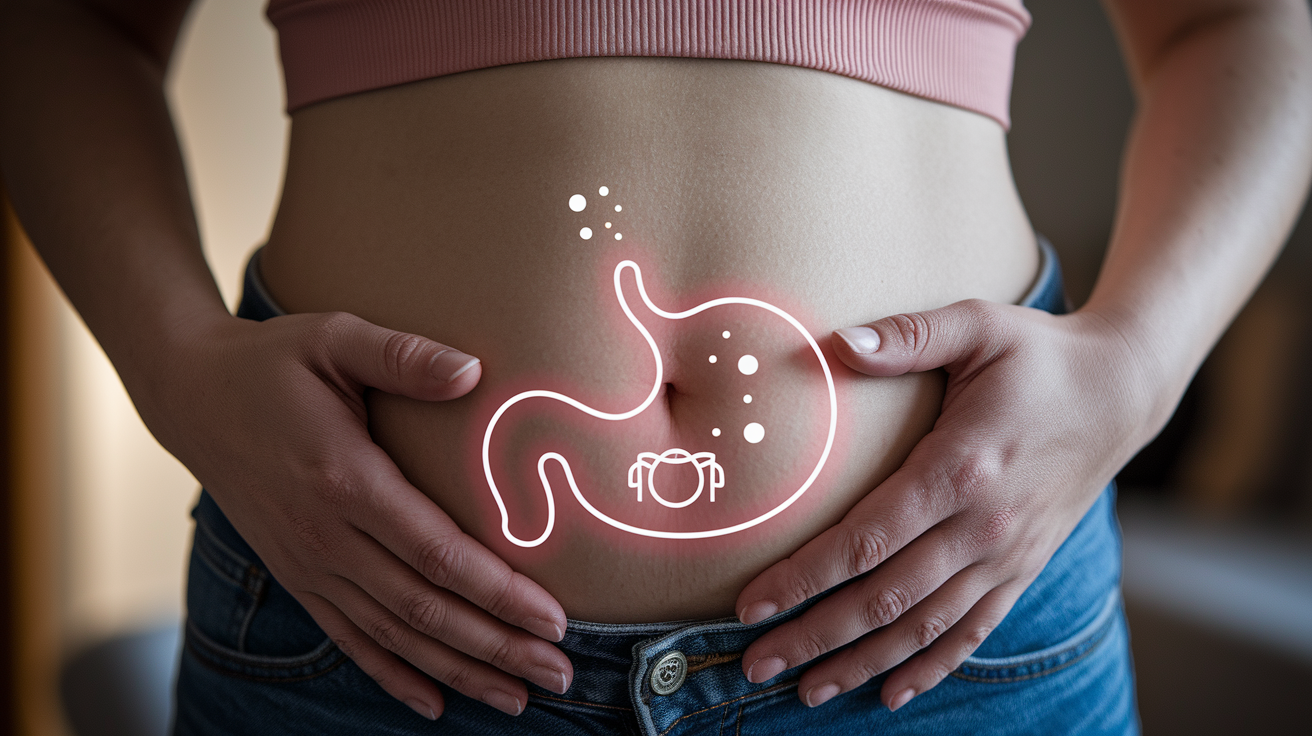
Your stomach feels heavy because gas is building up, food is sitting there longer than it should, or something inside is mildly inflamed. Overeating, indigestion, and bloating are usually the culprits, and they tend to show up within an hour or two after you eat. When your stomach stretches past its comfort zone with extra food or gas, the stretch receptors in the wall send signals your brain reads as pressure, fullness, or weight.
Most of the time, stomach heaviness is mild and temporary. You ate too fast, swallowed air, or made a questionable food choice. It goes away on its own within a few hours. But sometimes it’s gastritis, a peptic ulcer, gallbladder trouble, or in rare cases, a partial blockage. Persistent inflammation, structural issues, or infections can create a chronic sense of fullness that won’t budge with basic home remedies.
Timing matters. If the heaviness hits right after a big meal and fades within a few hours, you’re probably dealing with overeating or gas. If it shows up every day, sticks around for weeks, or comes with vomiting, weight loss, or bowel changes, you need to get it checked out. Track when it happens, what you ate, and how long it lasts so you’ve got useful details to share with a clinician if it keeps happening.
Common Everyday Causes of Stomach Heaviness
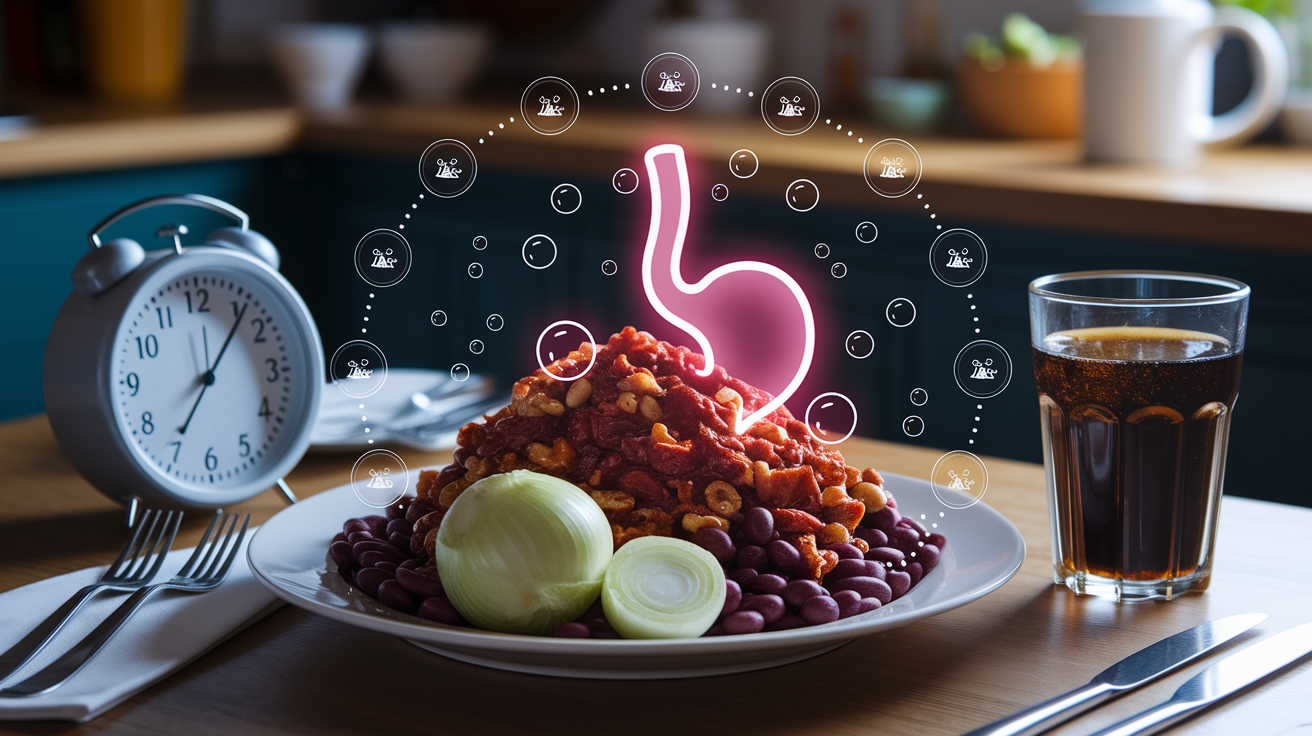
Indigestion is the number one reason people feel heaviness in the stomach. It happens when your stomach can’t break down food efficiently, usually because you ate too fast, ate too much, or went for something rich, fatty, or spicy. Your stomach cranks out more acid to handle the load, and that acid irritates the lining, creating fullness, pressure, and sometimes a burning sensation in your upper abdomen. Indigestion typically kicks in within 30 minutes to an hour after eating and can hang around for a couple of hours.
Gas stretches your intestines and stomach, and that stretch feels heavy or tight. Gas forms when bacteria in your colon ferment undigested carbs, or when you swallow air while eating or drinking. Common gas producers include beans, lentils, onions, garlic, broccoli, cabbage, carbonated drinks, and anything sweetened with sugar alcohols like sorbitol or xylitol. If you’re lactose intolerant, dairy will do it too. The heaviness from gas often comes with visible bloating, and it can shift around your abdomen as the gas moves through.
Overeating puts mechanical stress on your stomach. When you fill it beyond comfortable capacity, the organ distends and presses against nearby structures like your diaphragm and liver. That physical pressure translates into a heavy, uncomfortable sensation that can make it hard to take a deep breath. Your stomach normally holds about 1 to 1.5 liters, but it can stretch to hold more. The more you stretch it in one sitting, the heavier and more sluggish you’ll feel afterward. This type of heaviness usually peaks about an hour after the meal and gradually improves over the next two to four hours.
Slow digestion means food sits in your stomach longer than usual before moving into the small intestine. High-fat meals, very large portions, and lying down right after eating all slow the emptying process. Some people naturally have slower gastric motility, and certain medications like opioids, some antidepressants, and anticholinergic drugs can make it worse. When food lingers, you feel full and heavy for hours, sometimes with nausea or zero appetite for your next meal.
Medical Conditions That Can Create a Heavy Feeling
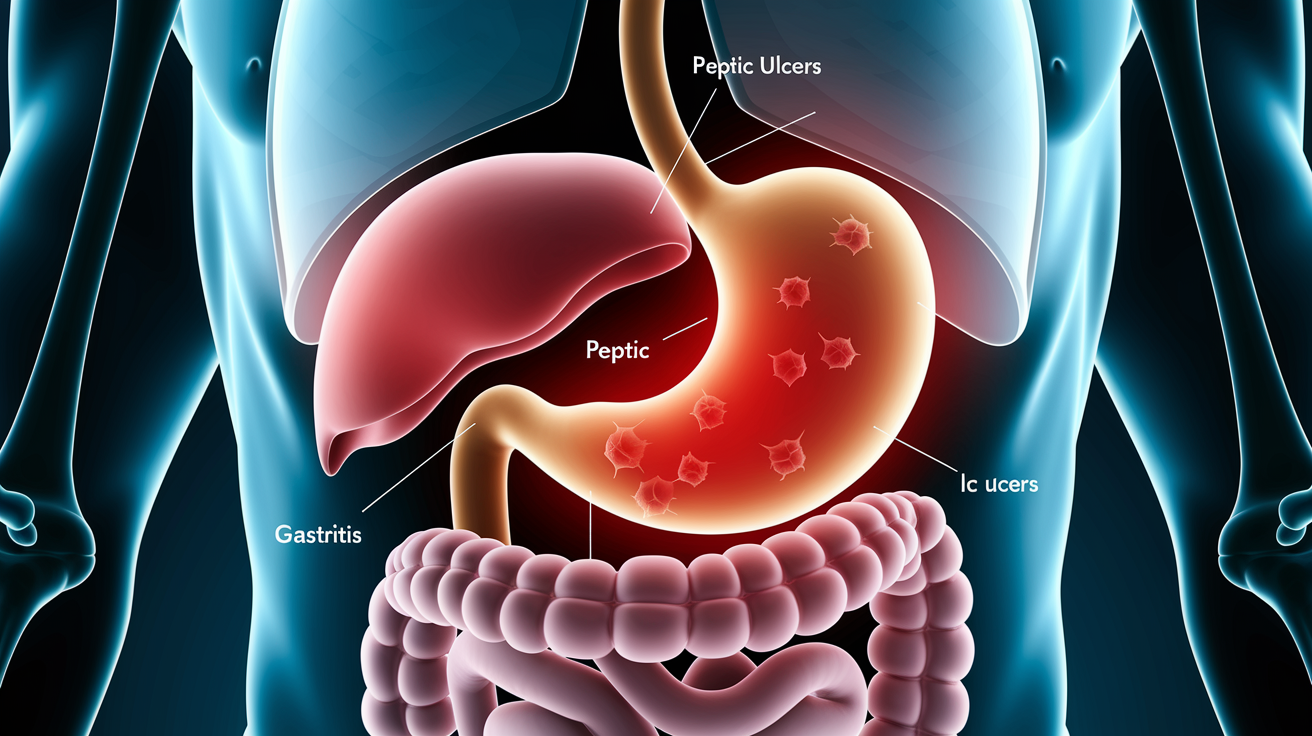
Gastritis is inflammation of the stomach lining, and it creates a persistent sensation of fullness, pressure, or gnawing discomfort in the upper abdomen. The inflammation can be caused by H. pylori infection, long-term use of NSAIDs like ibuprofen or aspirin, excessive alcohol, or autoimmune conditions. When the lining is inflamed, even small amounts of food or acid can trigger heaviness, burning, or nausea. Symptoms often worsen on an empty stomach or improve briefly after eating, then return as your stomach works to digest the meal. Chronic gastritis may also lead to reduced appetite and unintentional weight loss over time.
Peptic ulcers are open sores in the lining of the stomach or the upper part of the small intestine. They develop when stomach acid damages the protective mucus layer, often because of H. pylori infection or chronic NSAID use. The hallmark of an ulcer is a dull, burning, or gnawing pain that can feel like heaviness, especially in the upper middle abdomen. This discomfort may start when your stomach is empty and sometimes improves after eating, only to return a few hours later. Ulcers can also cause bloating, early satiety (feeling full after eating very little), nausea, and in severe cases, vomiting or dark, tarry stools if the ulcer bleeds.
Gallbladder issues, including gallstones or inflammation called cholecystitis, can mimic stomach heaviness because the gallbladder sits just below the liver on the right side of your upper abdomen. When you eat a fatty meal, the gallbladder contracts to release bile into the digestive tract. If gallstones block the bile duct or the gallbladder is inflamed, that contraction triggers pain and a heavy, bloated sensation. The discomfort usually starts within 30 minutes to an hour after eating and can radiate to the right shoulder or upper back. Nausea and sometimes vomiting often accompany the heaviness, and symptoms can last from 30 minutes to several hours.
Irritable bowel syndrome is a chronic functional disorder that affects how the intestines move and how sensitive they are to stretch and gas. People with IBS commonly report a sensation of heaviness or fullness in the lower abdomen, along with bloating, cramping, and changes in bowel habits, either constipation, diarrhea, or both. The heaviness in IBS comes from a combination of slow or erratic gut motility, increased gas production, and heightened sensitivity to normal amounts of gas and stool in the intestines. Symptoms often fluctuate with stress, specific foods (especially high-FODMAP foods like onions, garlic, beans, and certain fruits), and hormonal changes. They typically improve after a bowel movement.
How to Relieve a Heavy Feeling in the Stomach

Most mild, meal-related stomach heaviness improves on its own within a few hours, but you can speed up relief with simple, low-risk steps. The goal is to help your stomach empty, reduce gas, and ease any irritation or distension that’s contributing to the sensation.
Walk for 10 to 15 minutes after eating to stimulate digestion and encourage your stomach to move food along. Even a slow, gentle walk helps.
Sip 150 to 250 milliliters of warm water or herbal tea like ginger or chamomile slowly over 10 to 15 minutes to soothe the stomach and support digestive movement.
Sit upright or stand for at least two to three hours after a meal instead of lying down, which slows gastric emptying and can worsen reflux-related heaviness.
Apply a warm compress or heating pad to your upper abdomen for 10 to 20 minutes to relax stomach muscles and reduce cramping or discomfort.
Try over-the-counter simethicone (available as chewable tablets, typically 40 to 125 milligrams) to help break up gas bubbles if bloating is part of the heaviness. Follow the product label for dosing.
Use an antacid like calcium carbonate (one to two chewable tablets as directed on the label) if you also have heartburn or a burning sensation, which can accompany the heavy feeling in indigestion or reflux.
When to Seek Medical Attention
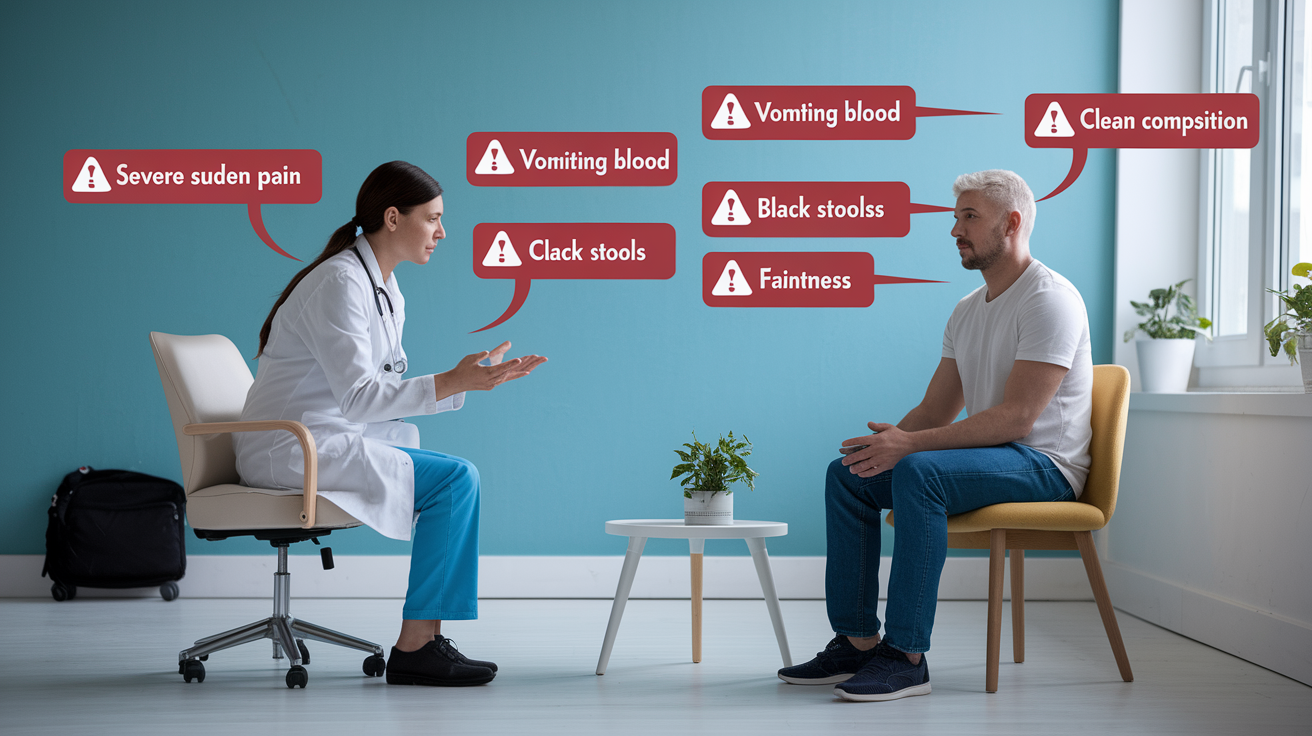
Most cases of stomach heaviness are temporary and benign, but certain patterns and accompanying symptoms mean you need a clinician’s evaluation. If your heaviness lasts more than two weeks, happens multiple times per week, or progressively worsens, schedule an appointment with your primary care provider. Persistent symptoms suggest a chronic condition like gastritis, an ulcer, or a motility disorder that won’t resolve with home care alone.
Go to the emergency department or call for urgent medical help if you develop any of these red-flag symptoms: severe, sudden abdominal pain that feels different from your usual discomfort, vomiting blood or material that looks like coffee grounds, black tarry stools or bright red blood in your stool, repeated vomiting for more than 24 hours or an inability to keep fluids down, fever above 38 degrees Celsius (100.4 degrees Fahrenheit), unintentional weight loss of more than five percent of your body weight over a few months, inability to pass stool or gas combined with increasing abdominal distension, or lightheadedness, fainting, or a rapid heart rate. These signs can indicate bleeding, obstruction, perforation, or infection, all of which require immediate evaluation and treatment.
Preventing Future Episodes of Stomach Heaviness

Changing how and what you eat is the most effective way to reduce the frequency of stomach heaviness. Eat smaller meals four to six times per day instead of two or three large meals, which puts less pressure on your stomach at any one time. Chew slowly and take your time. Aim to spend at least 15 to 20 minutes on each meal so you’re not swallowing excess air and your stomach has a chance to signal fullness before you overeat. Limit high-fat and very greasy foods, which slow gastric emptying and make heaviness last longer. Cut back on carbonated beverages, caffeine, and alcohol, all of which can increase gas, irritate the stomach lining, or relax the valve between the stomach and esophagus, worsening reflux-related heaviness.
Stay hydrated with about 1.5 to 2 liters of water per day for most adults, adjusted for your activity level and health conditions. Adequate fluid helps digestion and prevents constipation, which can contribute to lower abdominal heaviness. Aim for 25 to 30 grams of fiber per day from vegetables, fruits, whole grains, and legumes, but increase fiber gradually over one to two weeks to avoid worsening gas and bloating. Regular physical activity (at least 150 minutes of moderate aerobic exercise per week, like brisk walking, cycling, or swimming) supports healthy gut motility and reduces the risk of constipation and sluggish digestion.
Avoid lying down for two to three hours after eating, and finish your last meal of the day at least three hours before bedtime. This gives your stomach time to empty and reduces the chance of reflux or prolonged fullness overnight. If you take medications or supplements that can slow digestion, such as opioids, iron, calcium supplements, or certain anticholinergics, talk to your clinician or pharmacist about timing, dose adjustments, or alternatives if stomach heaviness becomes a persistent problem.
Frequently Asked Questions About a Heavy Stomach Sensation
Is stomach heaviness the same as bloating? Not exactly. Bloating refers to visible or palpable abdominal distension and tightness, often caused by gas buildup in the intestines. Heaviness is a subjective sensation of fullness, pressure, or weight in the stomach area. You can have one without the other, but they often occur together when gas or slow digestion is involved.
Can certain foods always trigger a heavy stomach? Yes, for many people. High-fat meals, large portions, fried foods, spicy dishes, carbonated drinks, beans, lentils, onions, garlic, broccoli, cabbage, and dairy products (if you’re lactose intolerant) are common culprits. Keeping a simple food and symptom log for one to two weeks can help you identify your personal triggers.
Does a heavy stomach after eating always mean something is wrong? No. A mild heavy feeling after a large or rich meal is normal and usually resolves within a few hours. It becomes a concern when it happens frequently, lasts for days, interferes with your daily life, or comes with other symptoms like pain, vomiting, weight loss, or changes in bowel habits.
Can medications cause stomach heaviness? Yes. Opioid pain relievers, iron supplements, calcium supplements, some blood pressure medications, and anticholinergic drugs (used for allergies, overactive bladder, or certain psychiatric conditions) can all slow gastric emptying and cause a persistent heavy or full sensation. If you started a new medication around the time your symptoms began, mention it to your clinician.
How long should I wait before seeing a doctor if my stomach feels heavy? If the heaviness is mild and clearly linked to a recent meal or dietary change, give it 24 to 48 hours and try simple home steps. If it persists beyond two weeks, recurs more than twice per week, or you develop any red-flag symptoms (severe pain, vomiting, blood in stool, fever, or unintentional weight loss), schedule an appointment or seek urgent care, depending on severity.
Final Words
When your stomach feels heavy, most causes are common and non-serious: indigestion, gas, overeating, or slow digestion. Sometimes conditions like gastritis, ulcers, IBS, or gallbladder problems play a role.
Start with low-risk steps: drink water, take a short walk, try a warm compress, eat smaller meals, and avoid lying down right after eating.
Track timing, triggers, and any severe signs such as persistent vomiting, bleeding, sudden worsening, or weight loss — those need a clinician.
If the stomach feels heavy keeps happening, your notes will make appointments more useful and you’ll likely feel better soon.
FAQ
Q: How do I get rid of a heavy feeling in my stomach?
A: The best way to get rid of a heavy feeling in your stomach is to try hydration, gentle walking, a warm compress, and smaller, lighter meals. Over-the-counter antacids may help; see a clinician if it persists or worsens.
Q: Why do I feel a weird pressure in my stomach?
A: Weird pressure in your stomach is usually from gas, indigestion, constipation, or overeating; hormonal changes and IBS can also cause it. Note timing and triggers, try belching, walking, and plain fluids; seek care if severe or lasting.
Q: What are the first warning signs of a stomach tumor?
A: The first warning signs of a stomach tumor can include persistent belly pain, unintended weight loss, difficulty swallowing, persistent nausea or vomiting, and blood in stool or vomit. See a clinician promptly for evaluation if you notice these.
Comments are closed