
Think stomach pain with gas and bloating is just something you have to live with?
It doesn’t have to be.
This post gives simple, low-risk methods you can try right away, including things that help trapped gas move, relax tight belly muscles, and cut down repeat episodes over time.
You’ll get quick relief tips, easy daily habits, and clear signs for when to contact a clinician.
Read on to learn what to try now, what to track, and when to seek help.
Quick Relief for Digestive Discomfort (Start Here)

Stomach pain with gas and bloating can feel urgent, especially when you’re at work, commuting, or trying to sleep. Good news: several low-risk strategies can ease the pressure within minutes.
Most of these work by helping trapped gas move through your digestive tract or by relaxing cramped abdominal muscles. None require special equipment, and you can try more than one at a time.
-
Walk for 10 to 15 minutes. Gentle movement encourages gas to shift downward and exit naturally. It also helps your intestines maintain normal rhythm.
-
Apply a warm heating pad or hot water bottle to your belly. Heat relaxes tense abdominal muscles and can reduce cramping within 5 to 10 minutes.
-
Try a simple belly massage. Use your fingertips to rub your abdomen in a slow clockwise circle, starting on your right side near your hip, moving up, across, and down. This follows the path of your large intestine and can help move gas along.
-
Sip warm peppermint tea. Peppermint has a mild antispasmodic effect, which means it can relax the smooth muscles in your digestive tract and reduce cramping.
-
Take simethicone if you have it on hand. This over-the-counter medication helps gas bubbles combine into larger pockets that are easier to pass, either as a burp or flatus.
These quick steps work well for mild, occasional discomfort tied to overeating, a rushed meal, or a gassy food choice. But if your symptoms are severe, getting worse, or happening regularly, relief tricks alone won’t address the underlying pattern. Keep reading to understand what might be causing the problem and when it’s time to check in with a clinician.
Common Causes of Stomach Pain with Gas and Bloating
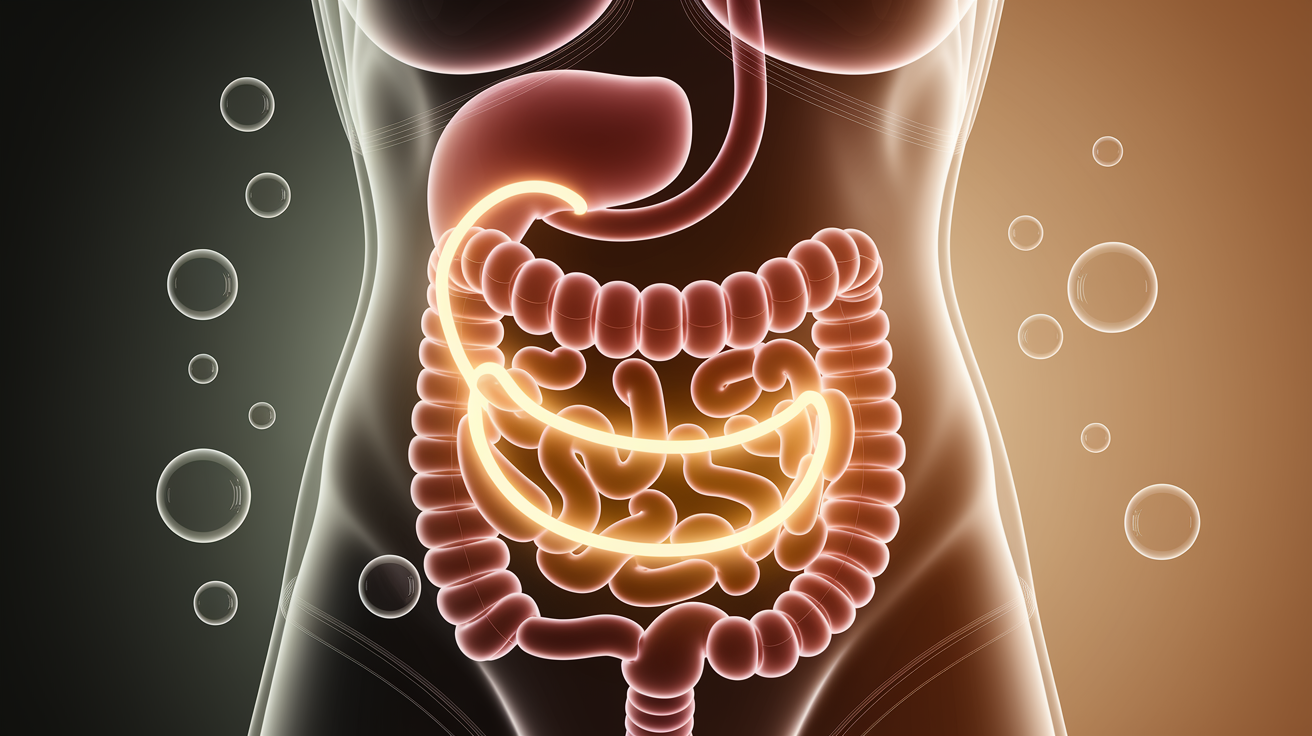
This symptom combination usually starts with one of three broad mechanisms: something mechanical that slows digestion, something dietary that increases gas production, or an underlying digestive condition that changes how your gut moves or responds to food.
Mechanical causes are often the simplest. Overeating stretches your stomach and intestines, which can trigger cramping and trap gas. Constipation slows the passage of stool, creating a backup that allows gas to build up behind it. Swallowing excess air while eating quickly, chewing gum, or drinking through a straw also adds volume to your digestive tract. That air has to go somewhere.
Dietary causes involve foods that either ferment in your intestines or that your body can’t fully break down. Lactose (milk sugar) and gluten are classic examples when someone has an intolerance. High-FODMAP foods, including certain fruits, vegetables, grains, and legumes, are poorly absorbed and fermented by gut bacteria. That fermentation produces hydrogen and methane gas.
On the medical side, conditions like irritable bowel syndrome, small intestinal bacterial overgrowth, and food intolerances can make your gut more sensitive. They can also change how it processes food, leading to pain and bloating after meals that wouldn’t bother most people.
Most frequent triggers:
- Eating too quickly or too much at once
- Swallowing air from gum, straws, or talking while eating
- Constipation or irregular bowel movements
- Dairy products when lactose intolerant
- High-FODMAP foods like onions, garlic, beans, apples, and wheat
- Carbonated drinks or artificial sweeteners
Dietary Triggers That Worsen Symptoms
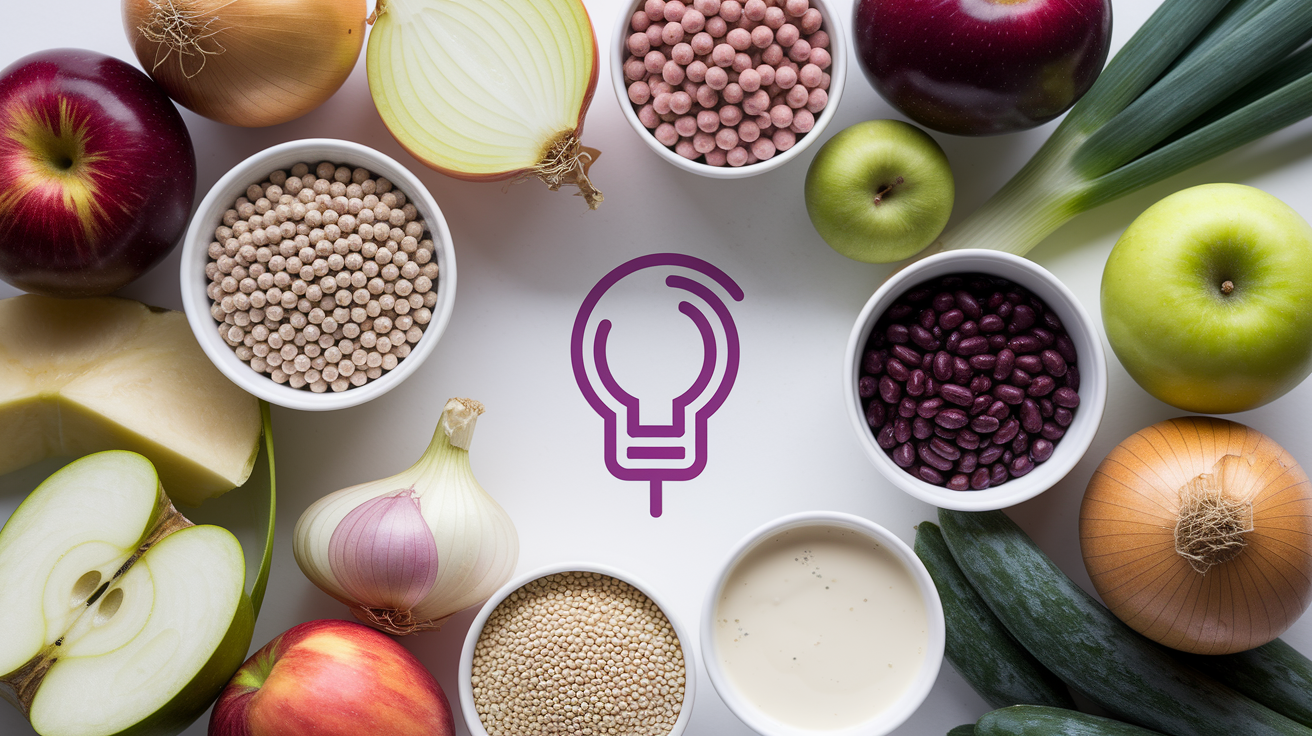
Certain foods are much more likely to produce gas during digestion. Understanding which ones affect you can make a noticeable difference.
High-FODMAP foods are at the top of the list. These are short-chain carbohydrates that resist digestion in the small intestine and travel to the colon, where bacteria ferment them and release gas.
Even if you don’t have a diagnosed intolerance, eating large portions of these foods or combining several in one meal can overwhelm your system. Carbonated beverages add dissolved carbon dioxide, which can get trapped as bubbles in your stomach or intestines.
Artificial sweeteners, especially those ending in “-ol” like sorbitol, mannitol, and xylitol, are poorly absorbed. They tend to pull water into the gut while also fermenting, creating a double effect of bloating and loose stool.
| Food Type | Why It Causes Gas |
|---|---|
| Beans, lentils, chickpeas | Contain complex sugars (oligosaccharides) that humans lack the enzyme to break down; gut bacteria ferment them, producing gas |
| Cruciferous vegetables (broccoli, cabbage, cauliflower) | High in fiber and sulfur compounds; fermentation releases hydrogen, methane, and sulfur gas |
| Dairy (milk, ice cream, soft cheese) | Contains lactose; people with lactose intolerance can’t break it down, leading to fermentation and gas |
| Onions, garlic, leeks | High in fructans, a type of FODMAP that ferments in the colon |
| Apples, pears, mango | High in fructose; excess fructose is poorly absorbed and fermented by bacteria |
| Carbonated drinks | Deliver dissolved carbon dioxide directly into the digestive tract; gas can get trapped as bubbles |
Home Remedies and At-Home Care

Beyond quick relief techniques, a handful of gentle, everyday practices can reduce both the intensity and frequency of gas and bloating.
Herbal teas are a simple starting point. Peppermint tea helps relax the muscles in your digestive tract. Ginger tea can ease nausea and stimulate digestion. Chamomile has a mild calming effect that may reduce stress-related gut tension. Sipping warm liquids slowly also encourages you to swallow less air than gulping cold drinks.
A warm bath can do more than relax your mind. The heat soothes abdominal muscles and can help gas move through your system, especially if you gently massage your belly while soaking. Light stretching, like slow torso twists or child’s pose from yoga, can shift the position of trapped gas pockets and encourage release. These movements don’t need to be intense. The goal is gentle pressure and a change in abdominal tension, not a workout.
Hydration and sodium balance also matter more than most people realize. Drinking enough water throughout the day keeps stool soft and prevents constipation, which is one of the most common contributors to painful bloating. At the same time, eating too much salt causes your body to retain water. That can make bloating feel worse. If you notice puffiness and tightness after salty meals, try scaling back and adding an extra glass of water to help your kidneys flush the excess sodium.
Over-the-Counter Options for Symptom Relief
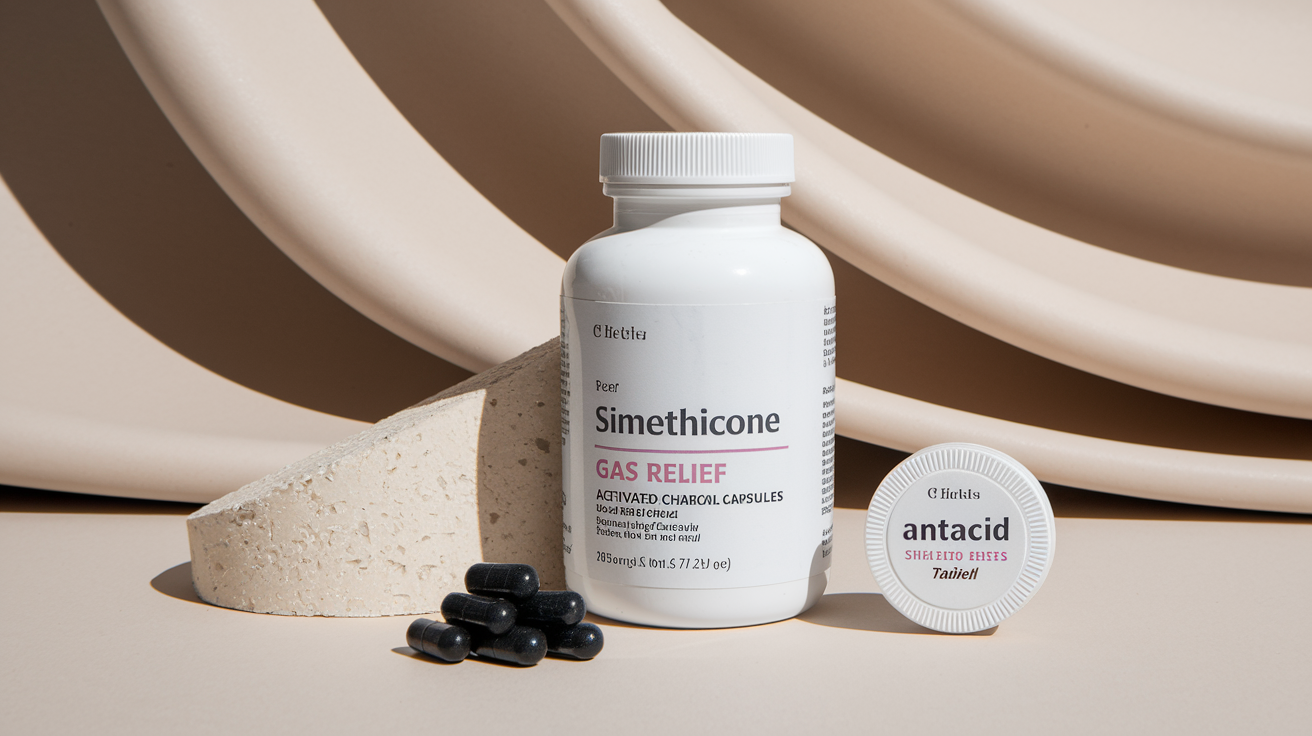
Several over-the-counter medications target different parts of the gas and bloating problem. Knowing which one matches your symptoms can save you time and money.
Simethicone is the most direct option for gas. It’s an anti-foaming agent that reduces the surface tension of gas bubbles in your stomach and intestines, allowing small bubbles to combine into larger ones that are easier to expel as a burp or pass as flatus. It works within minutes and is considered very low risk, with no significant absorption into your bloodstream.
Activated charcoal is another option, though the evidence is mixed. The theory is that charcoal binds to gas-producing compounds in your gut before they ferment. But it may also bind to nutrients and medications, so it’s best used occasionally and away from meals or prescriptions.
If your bloating is tied to acid reflux or indigestion, antacids (like calcium carbonate or magnesium hydroxide) or H2 blockers (like famotidine) can reduce stomach acid and ease the burning or cramping that sometimes accompanies gas.
Common OTC categories and their uses:
- Simethicone – breaks up gas bubbles; use for trapped gas and pressure
- Activated charcoal – may reduce gas formation; use sparingly and not with other medications
- Antacids – neutralize stomach acid; helpful if bloating comes with heartburn or sour stomach
- H2 blockers or PPIs – reduce acid production; consider if symptoms worsen after meals or when lying down
When Symptoms Signal a Medical Problem
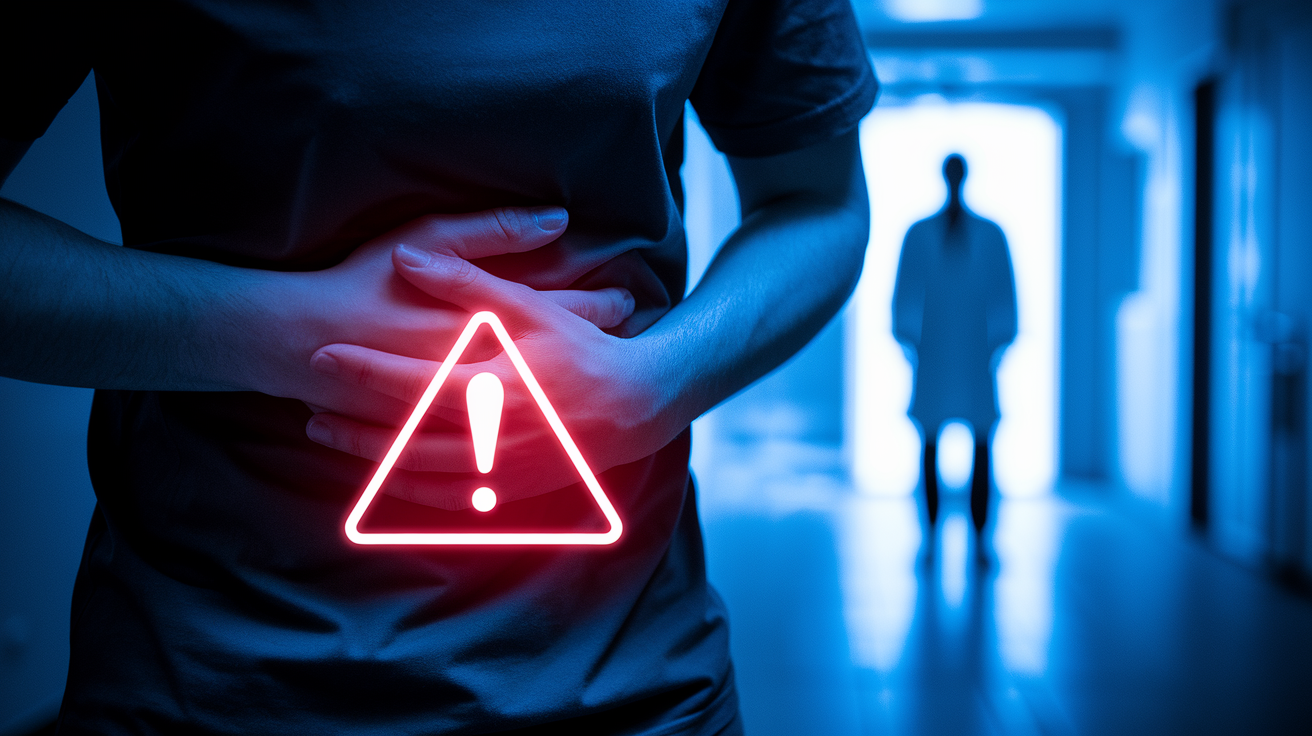
Most gas and bloating episodes are uncomfortable but not dangerous. The key is recognizing when your symptoms cross into territory that suggests something more serious is happening.
Severe abdominal pain, especially if it comes on suddenly or feels sharp and localized, should never be ignored. The same is true if you’re vomiting repeatedly and can’t keep fluids down, which can quickly lead to dehydration.
Blood in your stool, whether bright red or dark and tarry, is always a red flag. So is unintentional weight loss. That means you’re losing pounds without trying and without a clear reason like increased exercise or a planned diet change. Fever combined with abdominal pain and bloating can point to infection or inflammation. An inability to pass gas or have a bowel movement may indicate a blockage in your intestines, which is a medical emergency.
Danger signs that require immediate professional care:
- Severe, sudden, or worsening abdominal pain
- Persistent vomiting or inability to keep liquids down
- Blood in stool (red, black, or tarry appearance)
- Unintentional weight loss over days or weeks
- Fever combined with abdominal pain and bloating
- Complete inability to pass gas or stool
Long-Term Prevention and Digestive Health Strategies

If gas and bloating show up regularly, the most effective approach is to identify and reduce your personal triggers while building habits that support steady digestion.
Eating slowly is one of the simplest and most overlooked strategies. When you rush through a meal, you swallow more air, chew less thoroughly, and give your stomach less time to signal fullness. Smaller bites, thorough chewing, and putting your fork down between bites all help.
Fiber is essential for digestive health, but adding too much too quickly can backfire. If you’re increasing whole grains, vegetables, or legumes in your diet, do it gradually over a few weeks and drink extra water to help the fiber move through your system.
Regular physical activity, even just a daily walk, keeps your intestines moving at a healthy pace and reduces the likelihood of constipation. Probiotics, whether from fermented foods like yogurt, kefir, sauerkraut, or kimchi, or from a supplement, may help balance your gut bacteria over time. You might notice a temporary increase in gas during the first week or two as your system adjusts, though.
Keeping a food and symptom diary is one of the most powerful tools for long-term management. Write down what you eat, when you eat it, and any symptoms that follow within a few hours. After a week or two, patterns usually emerge. You might notice that dairy always causes trouble. Or that your symptoms get worse on stressful days. Or that skipping breakfast leads to overeating and bloating at lunch.
Long-term habits that reduce recurrence:
- Eat slowly and chew thoroughly; avoid eating on the go
- Increase fiber gradually and drink plenty of water
- Stay active with regular walking or gentle exercise
- Keep a food and symptom journal to identify personal triggers
Final Words
Try the quick relief steps first: a 10-minute walk, warm compress, gentle belly massage, or peppermint tea. Those often ease immediate discomfort.
If symptoms keep coming, use home remedies and safe OTC options while tracking timing, food, sleep, cycle, and meds so you can spot patterns and bring useful notes to a clinician.
If you have severe pain, fever, bloody stool, or can’t pass gas, get care right away. For most people, small habit changes can reduce stomach pain with gas and bloating and help you feel better.
FAQ
Q: Why am I bloated and gassy and my stomach hurts?
A: Being bloated, gassy, and having stomach pain often means your gut is reacting to overeating, swallowed air, high‑FODMAP foods, constipation, lactose or gluten sensitivity, certain medicines, or irritable bowel patterns.
Q: What are the three red flags in abdominal pain?
A: The three red flags in abdominal pain are sudden severe pain, fever or persistent vomiting, and an inability to pass stool or gas, which can suggest a serious problem like a bowel blockage.
Q: How do you get rid of gas and bloating and stomach pain?
A: To get rid of gas, try a 10‑minute walk, warm compress, gentle abdominal massage, peppermint tea, or simethicone; avoid trigger foods and see a clinician if symptoms last or worsen.
Q: How do you release trapped gas pain?
A: To release trapped gas pain, lie on your side and pull knees to your chest, use gentle belly massage toward the exit, walk, practice slow deep exhale breathing, or apply a warm compress.
Comments are closed