Ever leave a meal feeling like your stomach is a balloon ready to pop?
This common, uncomfortable puffiness can come from swallowed air, large portions, certain veggies or dairy, hidden food intolerances, or slow digestion.
In this piece you’ll get quick, low-risk ways to ease bloating now, simple meal fixes to prevent it, clear patterns and tests to watch for, and the warning signs that mean you should see a clinician.
No jargon—just practical steps you can try today and notes to bring to your next appointment.
Why You May Feel Bloated After Eating
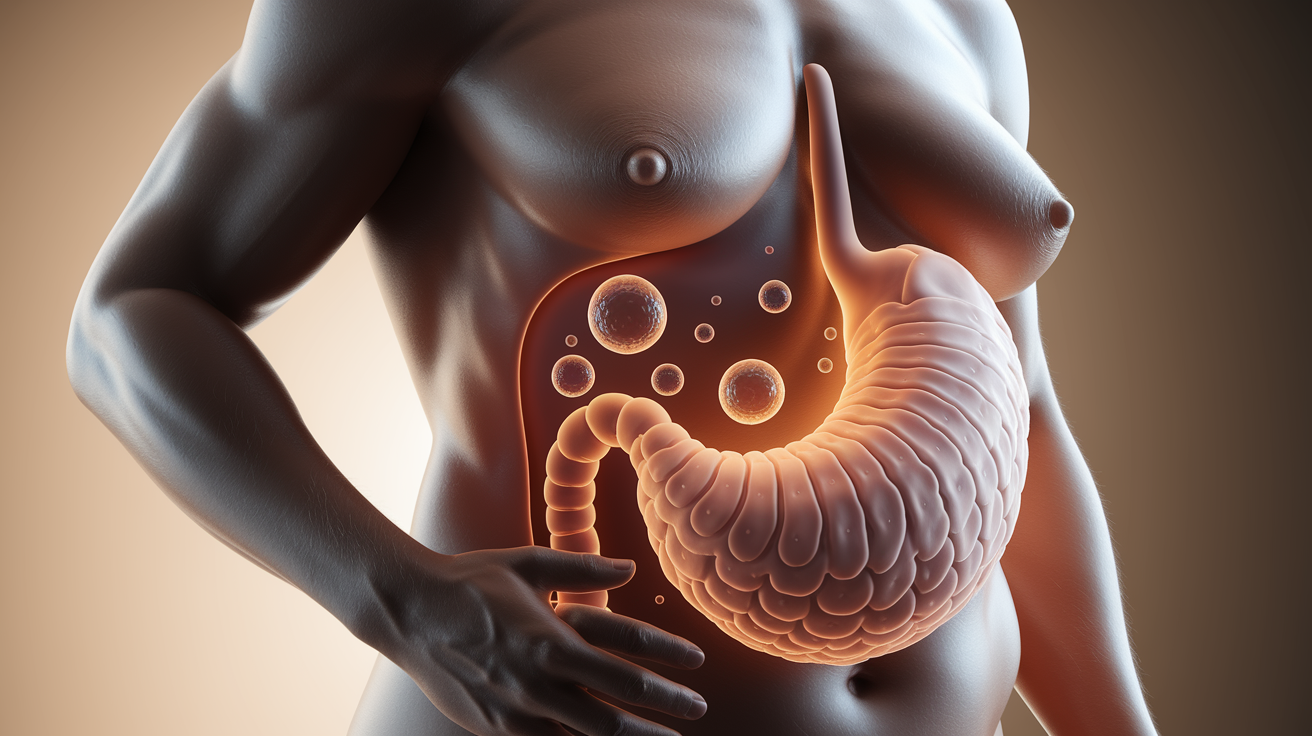
Overeating is pretty straightforward. When you eat more than your stomach can comfortably hold, especially in one sitting, the stomach wall stretches. That creates pressure, tightness, and a feeling of fullness that can be uncomfortable. Meals over 800 to 1,000 calories or really large portions can overwhelm your digestive system and slow down how fast your stomach empties.
Eating too quickly causes bloating in a couple of ways. First, when you rush, you swallow extra air that gets trapped in your stomach and intestines. Second, bigger pieces of food that aren’t chewed well take longer to break down. That slows digestion and increases the chance of fermentation and gas.
Certain foods and drinks are common triggers. Some carbohydrates, especially high-FODMAP foods like beans, lentils, broccoli, cauliflower, onions, garlic, apples, and pears, don’t get fully absorbed in the small intestine. They travel to the colon, where gut bacteria ferment them and produce gas. Carbonated drinks release carbon dioxide directly into your digestive tract. Artificial sweeteners like sorbitol, xylitol, and mannitol can pull water into the intestines and generate gas.
Food intolerances and digestive triggers that frequently cause bloating:
- Lactose intolerance (milk, cheese, ice cream)
- Gluten sensitivity or celiac disease (wheat, barley, rye)
- Fructose malabsorption (high-fructose corn syrup, fruit juices)
- Small intestinal bacterial overgrowth (SIBO)
- Irritable bowel syndrome (IBS), which affects 10 to 15% of adults
- High-fiber foods introduced too quickly (whole grains, beans, bran)
How fast your gut moves food matters a lot. Slow gastric emptying means food stays in the stomach longer than it should, leading to prolonged fullness and fermentation. High-fat meals delay stomach emptying because fats take longer to digest. If your gut doesn’t move food and gas through efficiently, pressure builds. You’ll feel distension and discomfort that can last for hours.
Quick Relief Methods You Can Use Right Now

The goal is to help trapped gas move through your digestive system and ease the pressure.
Five steps you can try right away:
- Take a 10 to 15 minute gentle walk. This stimulates peristalsis, the wave-like muscle contractions that move food and gas along.
- Sip 8 ounces of warm water or peppermint tea. This relaxes digestive muscles and reduces spasms.
- Apply a heating pad or warm compress to your abdomen for 10 to 15 minutes.
- Try gentle positions like lying on your left side or bringing your knees to your chest for 5 to 10 minutes. This shifts gas pockets.
- Chew a simethicone tablet (like Gas-X, typically 40 to 125 mg as directed) to help break up gas bubbles.
These work because they encourage movement and relaxation in your GI tract. Gentle activity speeds transit time, helping gas exit faster. Warmth relaxes smooth muscle in the stomach and intestines, reducing cramping and making it easier for gas to pass. Changing position redistributes gas pockets. Simethicone reduces surface tension on gas bubbles so they can combine and be released more easily.
Detailed Look at the Most Common Causes of Post-Meal Bloating
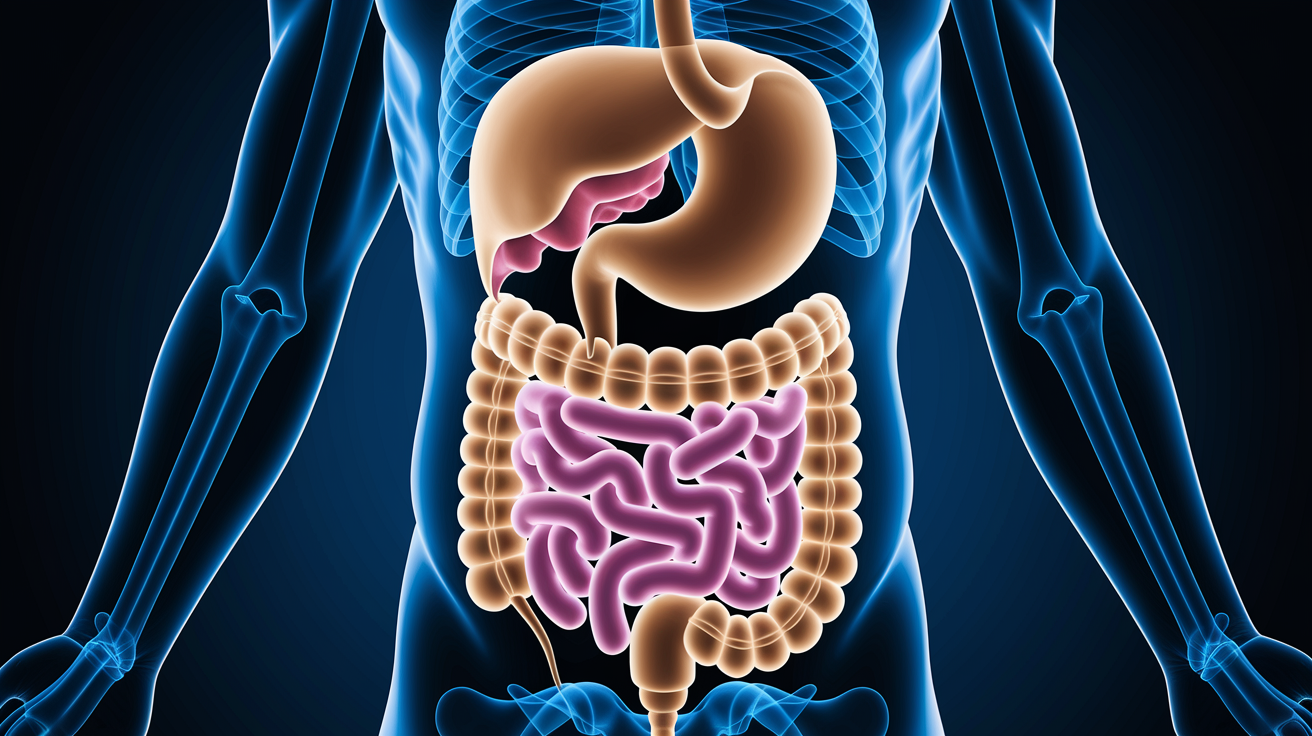
Food intolerances happen when your body lacks the enzymes or mechanisms to properly digest certain nutrients. Lactose intolerance is one of the most widespread, affecting about 68% of the world’s population. Without enough lactase enzyme, lactose stays undigested and ferments in the colon. This produces gas, bloating, cramping, and diarrhea within 30 minutes to two hours after eating dairy. Gluten sensitivity and celiac disease trigger inflammation and bloating when you eat wheat, barley, or rye, often with fatigue, stomach pain, and irregular bowel movements.
Digestive disorders like IBS and SIBO create chronic or recurring bloating patterns. IBS is a functional disorder. Your gut structure is normal, but motility and sensitivity aren’t. Nearly 96% of people with IBS report bloating as a key symptom. SIBO happens when bacteria that normally live in the colon overgrow in the small intestine. They ferment food prematurely and produce excessive gas shortly after meals. Gastroparesis slows stomach emptying, often because of nerve damage or motility issues. Food sits in the stomach longer and generates pressure and fullness that can linger for hours.
Dietary patterns also play a role. Sudden increases in fiber or high intake of FODMAPs frequently trigger bloating. Beans, whole grains, and cruciferous vegetables like Brussels sprouts and cabbage are healthy, but they can overwhelm your system if introduced too quickly. Your gut bacteria need time to adjust. Eating large portions in one sitting, consuming meals high in sodium (which promotes water retention), or drinking large volumes of liquid during meals can all stretch the stomach and slow digestion.
Four symptoms that help you figure out what’s going on:
- Bloating within 30 minutes to 2 hours after dairy suggests lactose intolerance.
- Bloating plus diarrhea or constipation, often triggered by stress, points toward IBS.
- Bloating shortly after meals (within 15 to 30 minutes) with burping or nausea may indicate SIBO or gastroparesis.
- Bloating after high-fiber or high-FODMAP foods (beans, onions, apples) without other symptoms suggests fermentation by normal gut bacteria.
How to Prevent Bloating in the Future
Prevention is about building daily habits that support smooth digestion and reduce how often bloating happens.
Mindful eating makes a difference. Chewing each bite 20 to 30 times breaks food into smaller particles, which digest more easily and reduce the burden on your stomach. Eating slowly, taking at least 20 minutes for a meal, gives your brain time to register fullness signals and reduces the amount of air you swallow. Setting your fork down between bites, eating in a calm environment, and stopping when you feel satisfied (not stuffed) all lower the risk of overeating and digestive overload.
Dietary adjustments that reduce bloating frequency:
- Limiting high-FODMAP foods (beans, onions, garlic, apples, pears, cauliflower) or trying a structured low-FODMAP elimination trial for 2 to 6 weeks.
- Soaking beans overnight before cooking to reduce gas-producing compounds.
- Steaming or roasting vegetables instead of eating them raw.
- Choosing fermented dairy like yogurt or kefir, which contain less lactose and beneficial probiotics.
- Reducing or avoiding artificial sweeteners (sorbitol, xylitol, mannitol) found in sugar-free gum and candy.
Hydration and daily digestive routines help maintain gut motility and prevent constipation, which makes bloating worse. Drink water throughout the day, spacing it between meals rather than gulping large amounts during eating. Target less than 2,300 mg of sodium per day to limit water retention. Eating smaller, more frequent meals (4 to 6 per day instead of 1 to 2 large meals) keeps your digestive system working steadily without overwhelming it. Finish your last meal at least 2 to 3 hours before bed to allow digestion to progress before lying down.
Signs That You Should See a Doctor

Occasional bloating is common. But certain symptoms signal the need for medical evaluation rather than continued self-care.
Red-flag signs that require a clinician’s attention:
- Bloating that lasts for more than two weeks despite dietary and lifestyle changes.
- Severe or worsening abdominal pain that interferes with daily activities.
- Unintentional weight loss of 10 pounds or more over a few weeks.
- Blood in your stool (black, tarry stools or visible red blood) or on toilet paper.
- Persistent vomiting or difficulty swallowing.
- Fever above 101°F (38.3°C) accompanying bloating or abdominal pain.
These symptoms can point to conditions that require testing and treatment, such as celiac disease, inflammatory bowel disease (Crohn’s disease or ulcerative colitis), gastrointestinal obstruction, or even malignancy. Bloating that changes your bowel habits for more than a few days, causes rapid onset of severe symptoms, or comes with systemic signs like fever or unexplained weight loss should prompt immediate evaluation. A healthcare provider can order diagnostic tests like lactose or fructose breath tests, SIBO testing, stool studies, blood work, or imaging to identify the underlying cause and recommend targeted treatments. That might include antibiotics for SIBO, a gluten-free diet for celiac disease, or medications to manage IBS.
Final Words
If your stomach feels bloated after eating, here’s the quick version: common causes are overeating, swallowing air, high‑gas foods, or food intolerances. For fast relief try walking, a warm compress, peppermint tea, or gentle belly massage.
Prevention is about slower eating, smaller portions, and spotting trigger foods. Track timing, what you eat, and extra symptoms so you have useful details for a clinician.
If your stomach feels bloated after eating and it’s persistent or severe, check in with a clinician. Most times, small changes help and you’ll feel better.
FAQ
Q: Why do I always feel bloated after I eat?
A: The reason you always feel bloated after you eat is usually excess gas or a very full stomach from overeating, eating quickly, swallowing air, high‑FODMAP foods, or a food intolerance like lactose.
Q: How do I debloat my stomach asap?
A: To debloat your stomach asap, try a 10–15 minute gentle walk, sip warm water or peppermint tea, do a light belly massage, use a warm compress, and avoid lying down after meals.
Q: What does a bloated belly indicate?
A: A bloated belly indicates trapped gas or slowed digestion often caused by certain foods, intolerances, or gut motility issues; it can also be a sign of IBS or other digestive conditions—track patterns.
Q: What can be mistaken for bloating?
A: Things mistaken for bloating include constipation, extra belly fat or weight gain, menstrual fluid retention, ascites (fluid in the abdomen), or an enlarged organ—note firmness, timing, and see a clinician if unsure.
Comments are closed