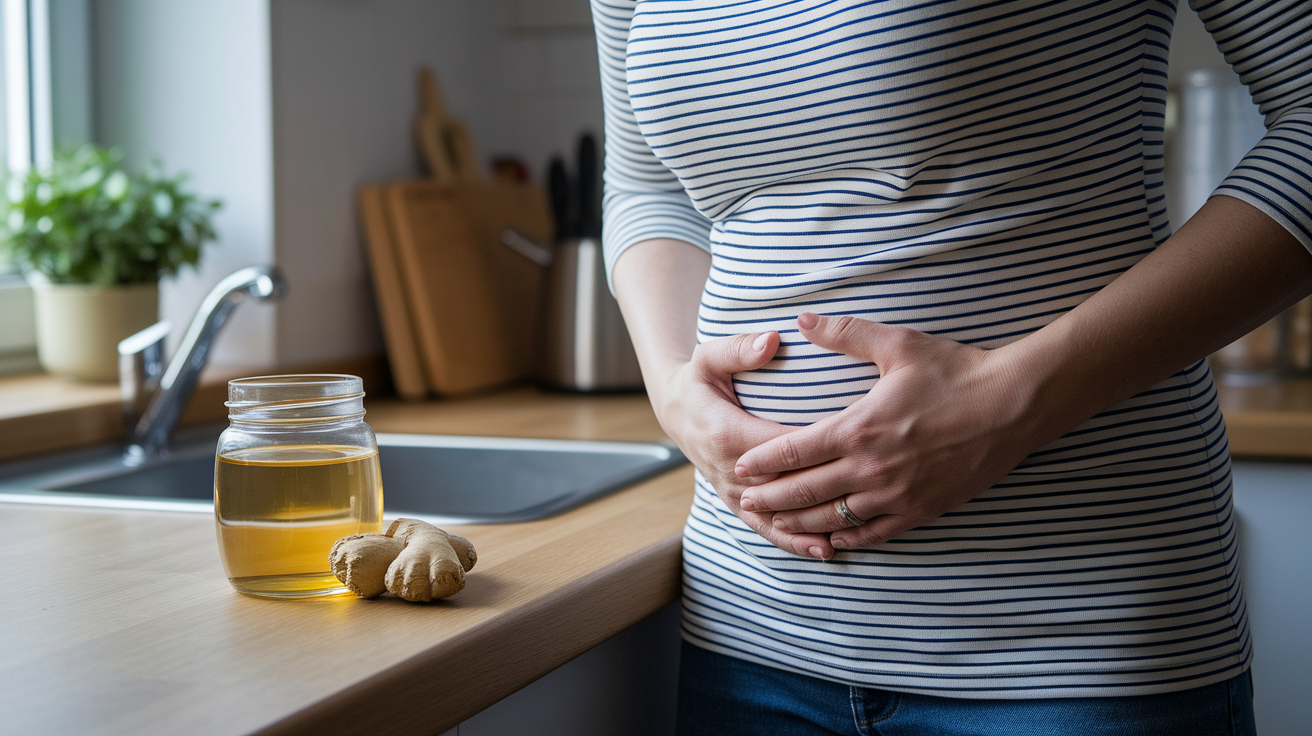
You don’t always need a pill to stop a painfully bloated stomach fast.
If your belly feels tight, swollen, and sore, you want relief in minutes.
This post walks you through simple, low-risk steps that often work in 10–30 minutes: warm herbal sips, targeted heat, gentle movement, and a few over-the-counter options.
You’ll also get quick tracking prompts to bring to a clinician, and clear signs that mean you should get medical help.
Here’s a calm, practical plan to ease the pain now and prevent the next episode.
Fast-Acting Steps for Painful Bloated Stomach Relief Right Now

When your stomach feels tight, swollen, and sore, you need relief in minutes. Not hours. Start with these three steps before reaching for anything from the medicine cabinet.
Sip warm peppermint, ginger, or chamomile tea. The warmth relaxes smooth muscle in your digestive tract while the herbs reduce spasms and inflammation. Drink slowly, taking small sips over five to ten minutes. Within ten minutes of drinking warm peppermint tea, the pressure in your lower abdomen might start to ease enough that you can finally take a full breath.
Apply heat to your abdomen using a heating pad, hot water bottle, or warm compress. Place it directly on the most uncomfortable area and leave it there for fifteen to twenty minutes. Heat increases blood flow, relaxes cramped muscles, and helps trapped gas move through your system.
Move gently for five to twenty minutes. Walk around your home, do slow stretches on the floor, or try simple yoga poses like child’s pose or knees to chest. Movement stimulates your intestines and encourages gas to pass. You don’t need intensity. Slow, steady motion works better than vigorous exercise when you’re already uncomfortable.
If pain persists after trying all three, gentle clockwise abdominal massage can help. Use light pressure and move your hand in a circle starting at your lower right side, up toward your ribs, across, and down the left side. This follows the natural path of your colon and can help release gas pockets.
Track what you tried and what changed. Note the time you started each remedy and when you felt relief. This creates useful information for your next episode and helps you identify which home remedies work best for your body.
Understanding Painful Bloating and What Triggers the Discomfort
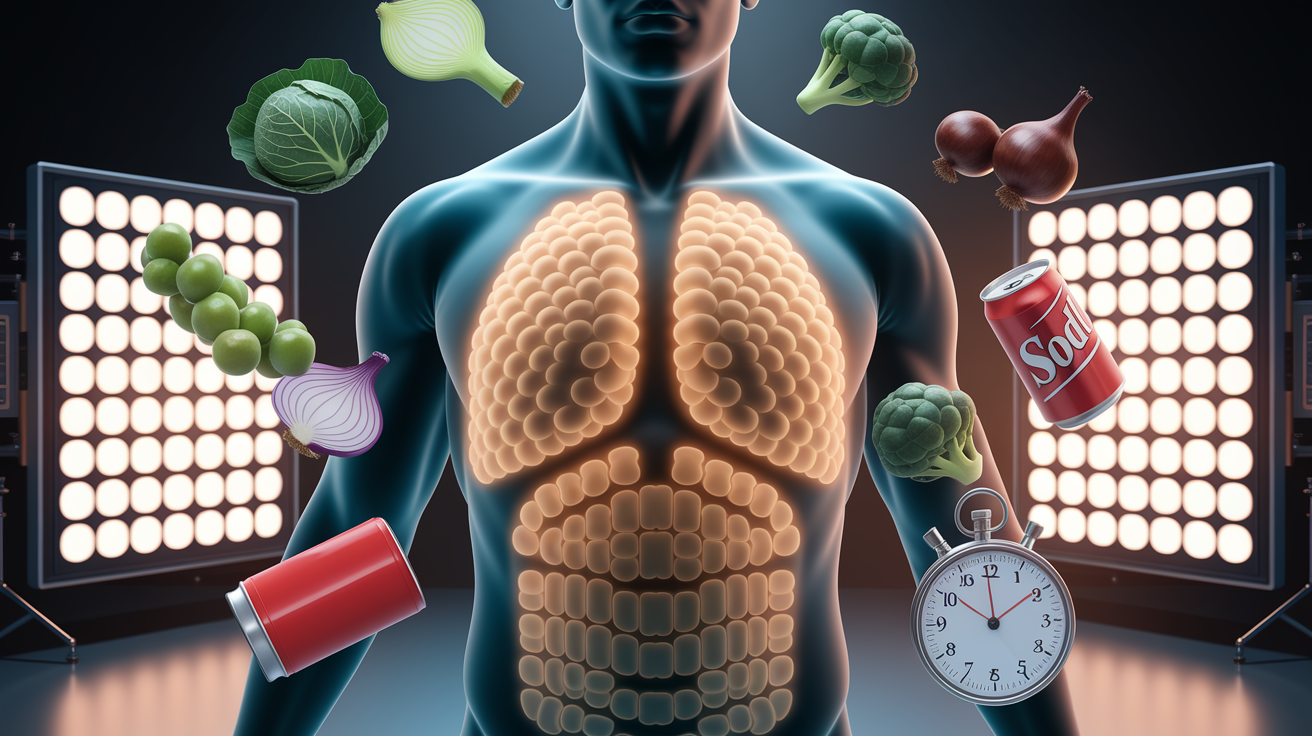
Bloating feels like your stomach is stretched tight from the inside. Full, swollen, and tender to touch. When it’s painful, you might feel pressure that makes it hard to stand up straight, sharp cramping, or a dull ache that won’t quit.
The pain comes from one of three things: trapped gas pressing against your intestinal walls, your stomach stretching beyond its comfortable limit, or inflammation in your digestive tract. Sometimes all three happen at once, especially after a large meal or when you eat too quickly.
Common triggers start with how you eat. Eating too fast means you swallow air with every bite, and that air has to go somewhere. Chewing gum, drinking through a straw, and smoking all introduce extra air into your system. Large portions physically stretch your stomach, triggering pain receptors in the stomach wall.
Certain foods cause bloating by producing gas as they break down. Beans, cabbage, broccoli, onions, and Brussels sprouts ferment in your colon, creating hydrogen and methane. Carbonated drinks add gas directly. High fat and fried foods slow digestion, leaving food sitting in your stomach longer than usual.
Bloating after eating can also signal food intolerance. Lactose in dairy products and gluten in wheat both cause bloating and pain in people who can’t digest them properly. The difference between abdominal pain and bloating? Bloating always includes visible or felt swelling, while pain can exist without any change in size.
Hormonal shifts before menstruation cause water retention and slow digestion, creating a tight, swollen feeling that peaks one to two days before your period starts.
At-Home Remedies for a Painful, Bloated Abdomen
Beyond immediate tactics, some natural approaches work more slowly but provide sustained support for your digestive system. These are best used when you have recurring discomfort or want to reduce how often bloating happens.
Longer-Acting Herbal Support
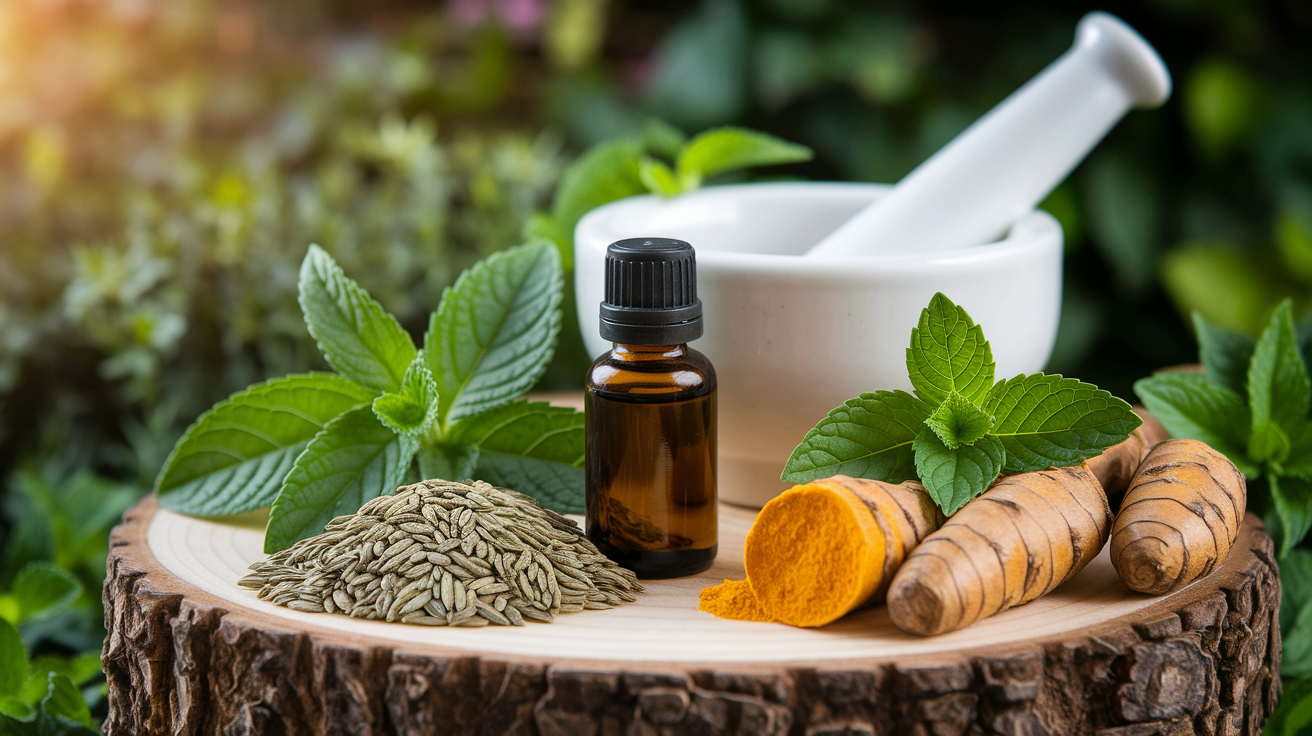
Fennel seeds, lemon balm, and turmeric calm your gut over hours rather than minutes. Fennel contains compounds that relax intestinal muscles and reduce fermentation. Lemon balm soothes stress related digestive slowdowns. Turmeric reduces inflammation in the gut lining that can worsen gas pain.
Peppermint oil capsules (enteric coated versions that release in your intestines, not your stomach) provide sustained relief from intestinal spasms. One capsule before meals can prevent post meal cramping.
These work best when you experience bloating at predictable times, like after dinner or during your menstrual cycle. When you want to prevent bloating rather than treat it after it starts. When you’ve tried immediate relief methods and need something that lasts longer.
Food-Based Gut Soothers
Certain foods actively reduce bloating when eaten regularly. Bananas contain potassium that counters sodium related swelling and water retention. Cucumbers hydrate your system and move gently through digestion without creating gas.
Yogurt with live active cultures introduces helpful bacteria that break down food more efficiently and produce less gas. Look for labels that say “contains live and active cultures” and choose plain varieties without added sugar.
Papaya contains digestive enzymes (papain) that help break down proteins before they reach your colon, reducing fermentation and gas production. A few slices after a protein heavy meal can ease the digestive load.
These food based options work gradually by improving your gut’s function. They won’t eliminate pain in ten minutes, but they can reduce how often bloating happens and how severe it gets when it does. Use them as part of your regular eating pattern rather than as emergency relief.
Over-the-Counter Options for Fast Gas and Bloating Relief
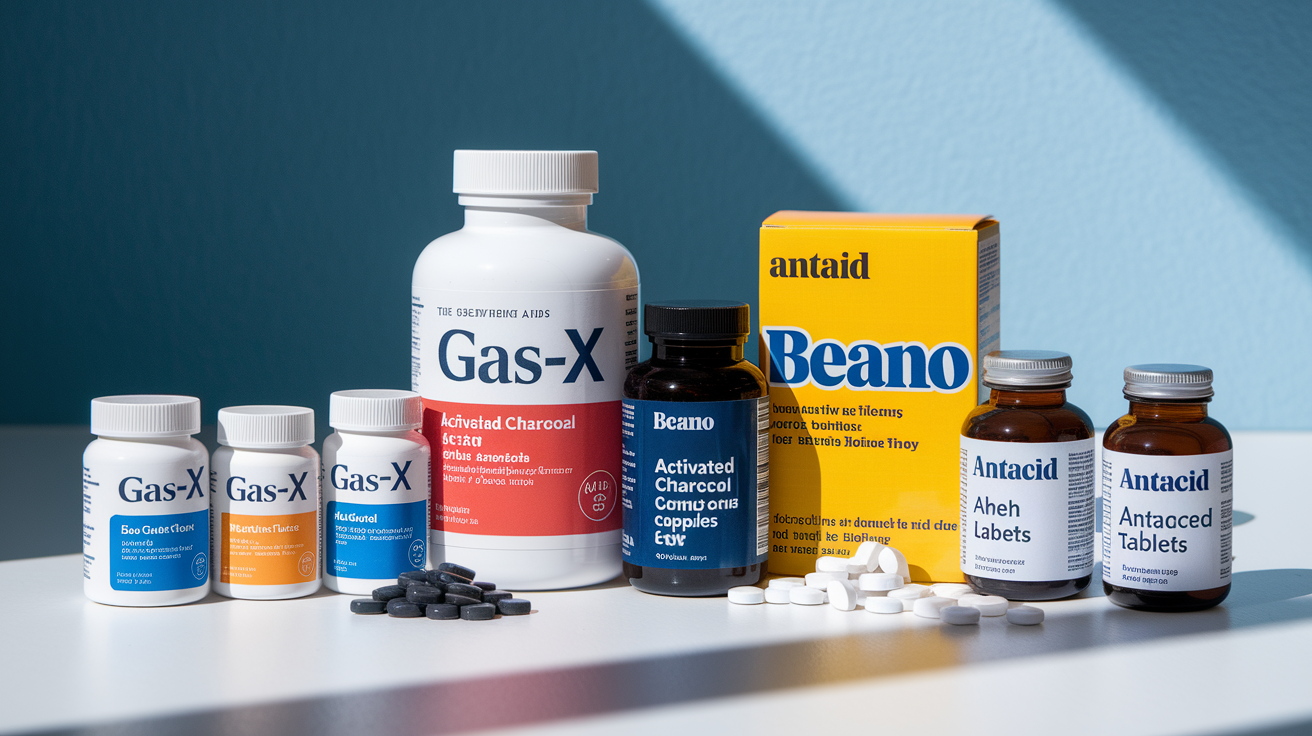
Several over the counter products work within thirty minutes to an hour when home remedies aren’t enough. Each targets a different cause, so choosing the right one depends on what’s creating your discomfort.
Simethicone (sold as Gas-X, Mylicon, and store brands) breaks up gas bubbles in your stomach and intestines, making them easier to pass. It doesn’t prevent gas formation but helps existing gas move through faster. Take it after meals or at the first sign of bloating. It’s safe for daily use and works best for bloating caused by swallowed air or carbonated drinks.
Digestive enzyme supplements help your body break down specific foods before they reach your colon and ferment. Lactase enzymes (Lactaid) work for dairy. Alpha galactosidase (Beano) targets beans, vegetables, and whole grains. Take them right before eating trigger foods. They prevent gas rather than treat it after it forms.
Activated charcoal absorbs excess gas in your digestive tract. It can reduce bloating within an hour but may interfere with medications, so take it at least two hours away from prescriptions or supplements.
Antacids work well if your bloating comes from excess stomach acid (often paired with heartburn or reflux). Products like Tums, Pepto Bismol, and Rolaids fall into this category. They’re less helpful for gas created by food fermentation in your colon.
These are all short term aids. If you find yourself using them multiple times per week, that’s a signal to track your triggers and adjust your diet rather than rely on medication to manage recurring symptoms.
Post-Meal Painful Bloating Relief Strategies
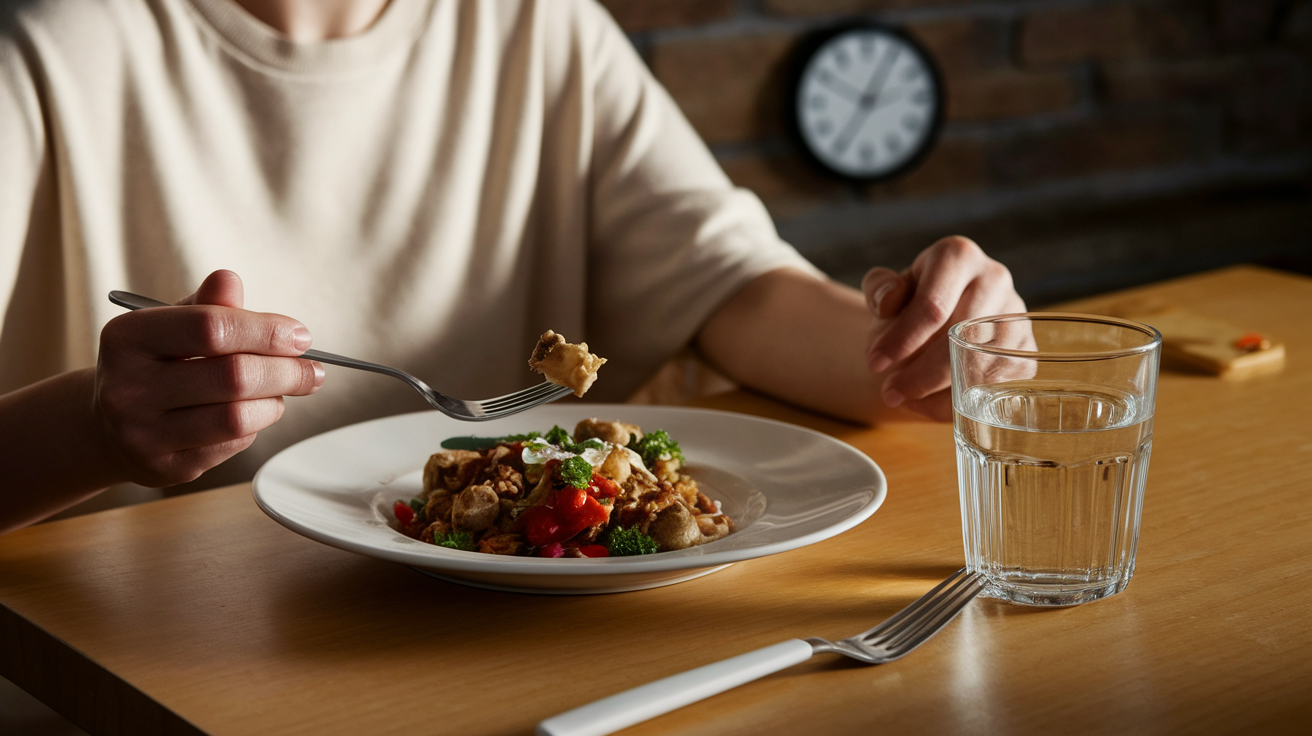
What you do during and right after eating directly affects how much relief you’ll need later. Small adjustments to your mealtime routine can prevent the tight, uncomfortable feeling before it starts.
Eat slowly and put your fork down between bites. Chew each mouthful thoroughly (aim for fifteen to twenty chews for dense foods like meat or raw vegetables). This reduces swallowed air and gives your stomach time to register fullness before you overeat.
Choose smaller portions and stop when you’re comfortably satisfied rather than completely full. Your stomach stretches when you eat, and overfilling it triggers pain receptors in the stomach wall.
Avoid carbonated drinks with meals. Soda, sparkling water, and beer introduce gas directly into your system right when your stomach is working hardest to break down food.
Sit upright while eating and stay upright for at least thirty minutes afterward. Slouching or lying down immediately after a meal compresses your stomach and slows digestion, trapping gas and food in place.
Pause halfway through your meal for two to three minutes. This break lets your brain catch up with your stomach’s fullness signals and prevents the mindless overeating that leads to painful stretching.
Sip water throughout the meal rather than gulping large amounts. Small, frequent sips support digestion without adding excess air or overwhelming your stomach.
Your posture, pace, and portion size create the conditions for either smooth digestion or uncomfortable bloating. When you eat quickly, your stomach fills faster than your brain can process the “stop eating” signal. You end up overstretched and sore. Sitting upright keeps your digestive organs in their optimal position and allows gas to move up and out naturally rather than getting trapped in pockets.
Diet Adjustments That Reduce Painful Bloating Over Time
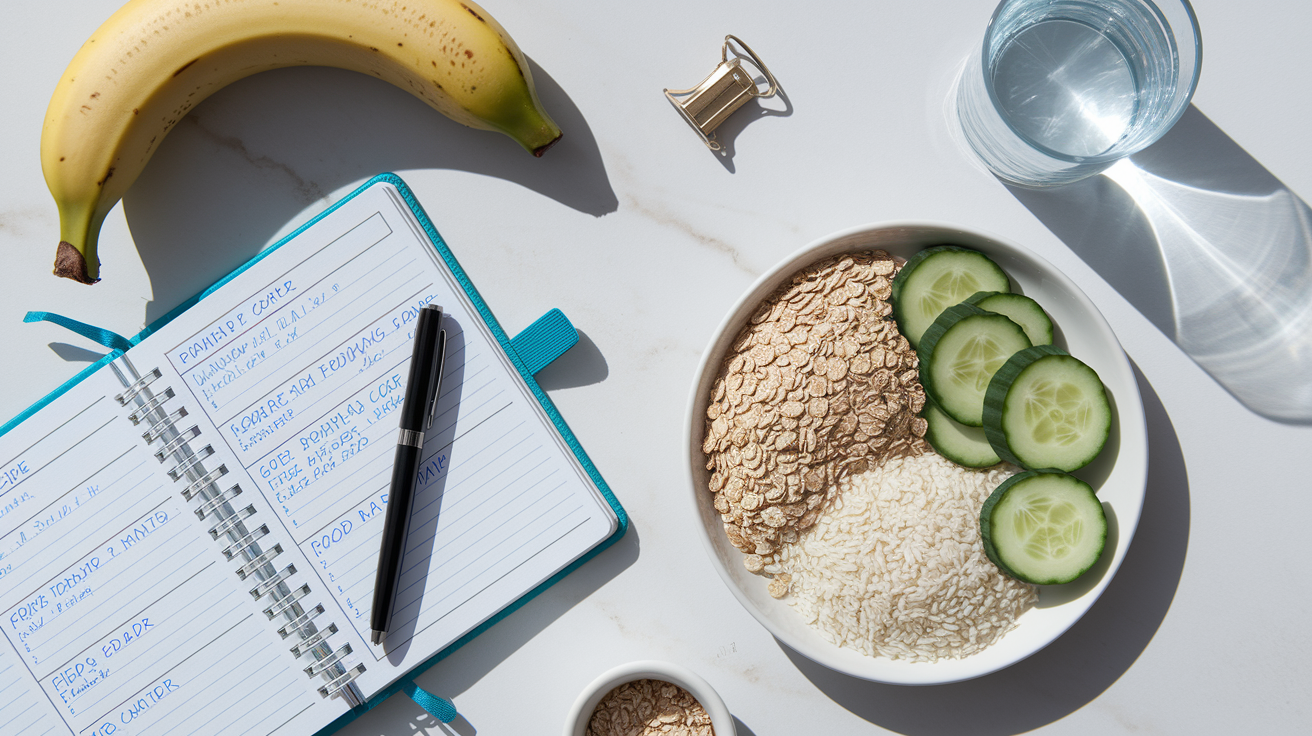
Long term dietary changes prevent bloating more effectively than treating it after it starts. Tracking what you eat and how you feel helps you identify personal triggers and build an eating pattern that works for your gut.
Start a food diary. Write down everything you eat, the portion size, and any bloating or pain within four hours. After one to two weeks, patterns emerge. You might notice bloating every time you eat dairy, or only when you combine beans with high fat foods, or consistently after large dinners but not small lunches.
The FODMAP diet is a structured elimination approach that removes fermentable carbohydrates (found in wheat, onions, garlic, certain fruits, beans, and dairy) for four to six weeks, then reintroduces them one at a time. It helps people with IBS and unexplained chronic bloating identify specific triggers. It’s not meant as a permanent diet. The goal is to find your personal tolerance level for each food group.
Common foods that reduce bloating include cooked vegetables (easier to digest than raw), white rice, oats, lean proteins, and low FODMAP fruits like bananas, blueberries, and oranges. These move through your system smoothly without producing excess gas.
Manage the fiber relationship carefully. Fiber is essential for gut health, but adding too much too fast creates painful gas and bloating. If you’re increasing fiber, do it gradually. Add one high fiber food every three to four days and increase your water intake at the same time. Soluble fiber (oats, chia seeds, cooked carrots) tends to cause less gas than insoluble fiber (wheat bran, raw vegetables, bean skins).
Drink forty eight to sixty four ounces of water per day, spread throughout the day rather than all at once. Water helps food move through your intestines and prevents constipation related bloating. Limit high sodium foods (processed meats, canned soups, salty snacks) because excess salt causes water retention that makes bloating worse.
Reduce or avoid these common triggers if your food diary shows a pattern: artificial sweeteners (sorbitol, mannitol, xylitol), sugar alcohols in sugar free products, carbonated beverages, fried and fatty foods, and any specific vegetables or fruits that consistently cause discomfort.
Give dietary changes two to three weeks before deciding if they’re working. Your gut bacteria adapt slowly, and immediate improvements are rare. Track frequency and severity of bloating over time rather than expecting instant results.
When Painful Bloating Signals an Underlying Condition

Occasional bloating after a large meal is normal. Frequent or severe bloating that disrupts your daily life may point to a digestive condition that needs medical evaluation.
Bloating related to IBS (irritable bowel syndrome) usually comes with cramping, diarrhea, constipation, or alternating between both. The pain often improves after a bowel movement. IBS bloating tends to worsen throughout the day and may be triggered by stress, specific foods, or hormonal changes. If you notice this pattern multiple times per week for three months or longer, talk to a clinician.
Lactose intolerance bloating happens within thirty minutes to two hours after consuming dairy products. It’s accompanied by gas, cramping, and sometimes diarrhea. If you suspect lactose intolerance, try eliminating all dairy for two weeks and see if symptoms improve, then reintroduce small amounts to test your tolerance.
Gluten sensitivity (different from celiac disease) causes bloating, fatigue, and digestive discomfort after eating wheat, barley, or rye. The symptoms are delayed, often appearing several hours after eating, which makes them harder to connect to specific meals.
Small intestinal bacterial overgrowth symptoms include severe bloating that starts shortly after eating, often worse with fiber rich or carbohydrate heavy foods. It happens when bacteria that belong in your colon migrate into your small intestine and ferment food prematurely. This requires medical testing (a breath test) and typically responds to specific antibiotics.
Other conditions linked to chronic painful bloating include celiac disease (an autoimmune response to gluten), gastroparesis (delayed stomach emptying), chronic constipation, and inflammatory bowel diseases like Crohn’s or ulcerative colitis.
See a doctor if you have persistent bloating lasting more than two weeks despite diet changes, bloating accompanied by unintentional weight loss, severe pain that doesn’t improve with home care, bloating that wakes you from sleep, or any combination of bloating with blood in stool, persistent vomiting, or fever.
Painful Bloating: Red Flags and Emergency Situations

Most bloating resolves on its own or with simple home care. But certain symptoms require immediate medical evaluation because they can signal serious conditions like bowel obstruction, appendicitis, or internal bleeding.
Seek emergency care right away if you experience severe, sudden abdominal pain that makes it difficult to move or breathe. This is different from the dull ache of gas. It’s sharp, intense, and doesn’t ease when you shift position.
Go to the emergency room if your abdomen becomes extremely hard and distended (visibly swollen larger than normal) and does not soften when you press gently. This can indicate a blockage or severe constipation that won’t resolve without medical intervention.
Other red flags include persistent vomiting that prevents you from keeping down fluids, blood in your vomit or stool (bright red, dark black, or maroon), fever above 101°F paired with abdominal pain and bloating, or bloating combined with dizziness, rapid heartbeat, or difficulty breathing.
Unexplained weight loss (losing more than five pounds in a month without trying) combined with chronic bloating warrants prompt medical assessment. The same applies if you have a history of abdominal surgery, inflammatory bowel disease, or cancer and develop new, persistent bloating.
A clinician may perform a physical exam, blood work, stool tests, or imaging such as an X-ray, ultrasound, or CT scan to check for obstructions, inflammation, or fluid buildup.
If you’re unsure whether your symptoms are urgent, err on the side of caution. Severe bloating that feels different from your usual episodes, or that comes with any of the red flags above, deserves same day evaluation. Most of the time it will turn out to be manageable, but catching serious conditions early makes treatment safer and more effective.
Final Words
If your belly feels tight and noisy right now, start with the quick steps: slow breaths, sipping water, a warm compress, and a gentle walk.
Then try the at-home and longer-term fixes we covered: herbal support, food choices, OTC aids, and meal habits. Track timing, triggers, and what helps.
Keeping a simple log of when it happens, what you ate, and what eased it will help you and your clinician find lasting, painful bloated stomach relief. You can handle this. Small changes often bring real comfort.
FAQ
Q: How to fix a painful bloated stomach fast?
A: To fix a painful, bloated stomach fast or debloat a hurting stomach, try gentle walking, a warm compress, sipping warm water or peppermint tea, slow deep breaths, and belly massage; seek care for high fever, repeated vomiting, fainting, or severe pain.
Q: How to get unbloated in 30 minutes?
A: To get unbloated in 30 minutes and release trapped gas, try walking, lying on your left side, knee-to-chest or child’s pose, gentle belly massage, and an over-the-counter simethicone product; see care if pain is severe or persistent.
Comments are closed