
Think bloating is something you just have to live with?
You don’t.
When your stomach feels tight, full, or ballooned, fast relief is possible.
Simple moves, a warm cup of tea, a short self-massage, or a safe over-the-counter option can ease pressure in 10 to 30 minutes.
This post gives clear, low-risk steps you can try now, the foods and habits that help or worsen bloating, gentle stretches to move trapped gas, and the signs that mean you should see a clinician.
Quick, practical, and calm.
Here’s what helps fast.
Immediate Techniques for Rapid Bloating Relief

Bloating hits fast. The good news? Relief can too.
When your stomach feels tight, full, or visibly swollen, simple physical moves and digestive tricks can start easing the pressure in minutes. The fastest remedies either relax the muscles around your digestive tract, help trapped gas move through, or break up the bubbles causing that stretched, uncomfortable feeling.
Most of these don’t need anything more than a few focused minutes or a single cup of warm tea.
Combining a few methods usually works better than picking just one. That’s because bloating rarely has a single cause. It’s swallowed air, slow digestion, muscle tension, gas buildup from food breakdown, sometimes all at once.
Here are four quick actions that can relieve bloating fast:
-
Peppermint tea – Sip it warm. Peppermint relaxes the smooth muscles in your GI tract and reduces cramping, which helps trapped gas move more easily. You might feel relief within 10 to 20 minutes if you sip slowly.
-
Knee-to-chest pose – Lie on your back, pull one knee at a time toward your chest, hold for 20 to 30 seconds. This gentle compression puts pressure on your abdomen and can help expel trapped gas.
-
Abdominal self-massage – Use clockwise, gentle strokes starting at your lower right abdomen, moving up and across your belly, then down the left side. This follows the path of your large intestine and supports bowel movement by encouraging gas and stool to keep moving.
-
Simethicone (Gas-X, Mylicon) – Take it as directed. It breaks up gas bubbles in your stomach and intestines, making them easier to pass.
Most people notice some relief within 15 to 30 minutes, especially when they combine movement with heat or a soothing drink. The bloating might not vanish completely right away, but the tightness and pressure usually ease enough to feel noticeably better.
Natural Remedies That Ease Bloating

Ginger, chamomile, and fennel have been calming upset stomachs for centuries. Ginger speeds up stomach emptying, which keeps food from sitting too long and producing excess gas. Chamomile has mild anti-inflammatory properties that soothe your digestive tract lining. Fennel seeds contain compounds that relax intestinal muscles and reduce cramping. Sipping warm herbal teas made from any of these can bring noticeable relief within 20 to 30 minutes.
Certain whole foods support digestion and help prevent or reduce bloating when you eat them regularly. Bananas are rich in potassium, which helps flush out excess sodium and reduce water retention that makes bloating worse. Papaya contains digestive enzymes that break down protein more efficiently, easing the workload on your stomach. Watermelon hydrates you while also delivering potassium, making it a gentle, refreshing option when your belly feels tight.
Warm lemon water first thing in the morning can stimulate digestive secretions and help your system wake up gently. This reduces sluggish digestion that can lead to gas buildup later. The evidence here is mostly observational and rooted in traditional use, but many people report consistent improvement when they make these remedies part of their daily routine.
The key? Consistency and paying attention to what your own body responds to best.
Over-the-Counter Options for Gas and Bloating

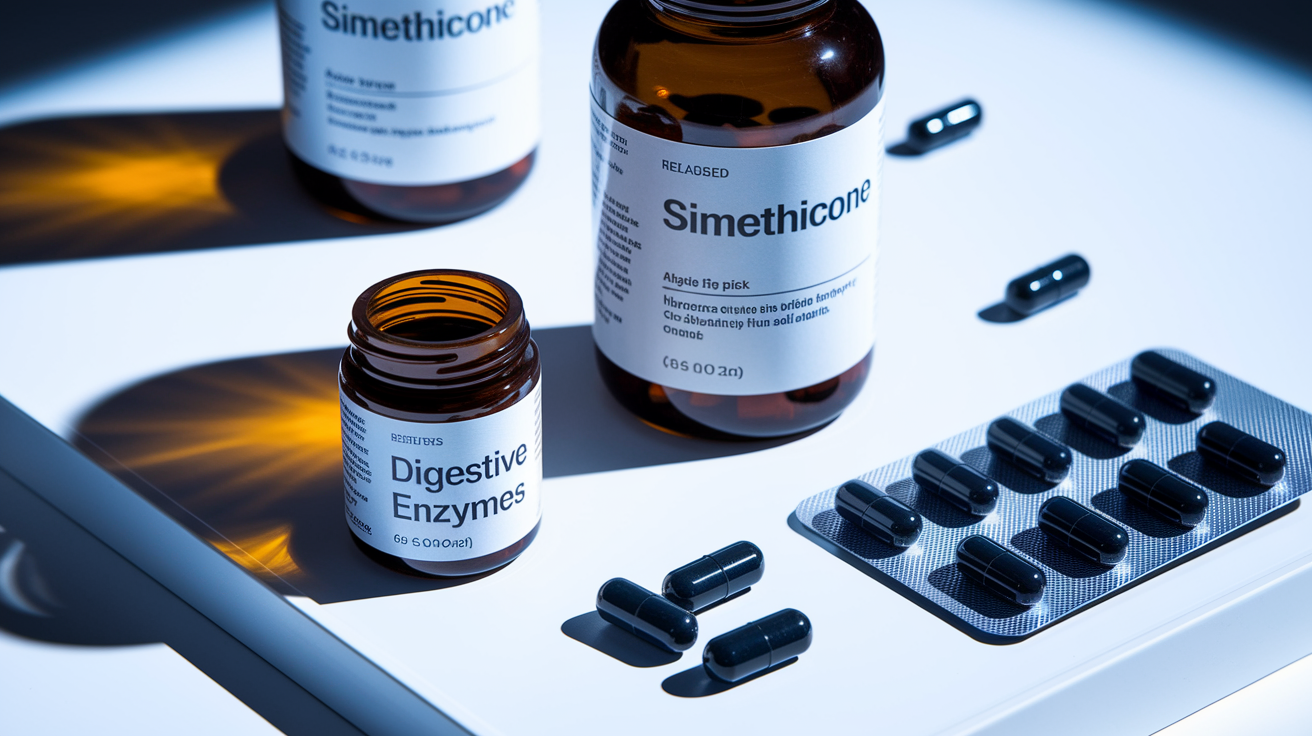
Simethicone is the most common active ingredient in gas relief products like Gas-X and Mylicon. It breaks up gas bubbles in your stomach and intestines, making it easier for your body to pass the gas naturally through burping or flatulence. Simethicone doesn’t get absorbed into your bloodstream, so it has very few side effects and can be used as needed when bloating strikes.
Some people also turn to activated charcoal, which may help reduce gas by binding to it in the digestive tract. Evidence is still limited though, and it can interfere with the absorption of medications and nutrients if used too often.
Digestive enzyme supplements contain enzymes like lactase, amylase, or protease that help break down specific types of food: lactose from dairy, starches, or proteins that your body might struggle to digest on its own. If your bloating tends to show up after certain meals, an enzyme supplement taken just before eating may prevent the gas from forming in the first place.
These products are available without a prescription and are generally safe. But they work best when matched to the type of food that triggers your symptoms. If dairy makes you bloated, a lactase enzyme is the right choice. If beans or fiber-heavy meals are the issue, an enzyme blend that targets complex carbohydrates may help more.
Foods to Avoid and Foods That Help
Certain foods are common bloating triggers. They either produce a lot of gas during digestion or cause your digestive system to retain extra water.
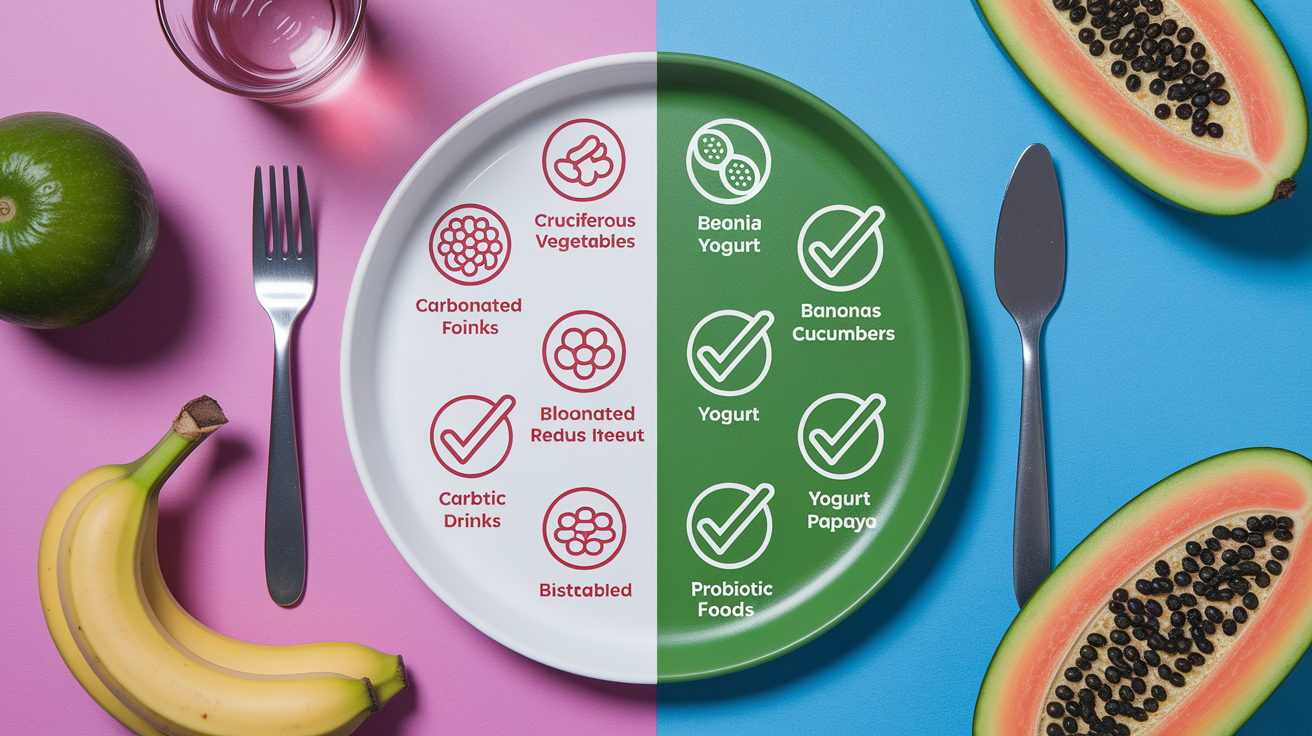
Cruciferous vegetables like broccoli, cauliflower, and Brussels sprouts contain raffinose, a complex sugar humans can’t break down until it reaches the colon. There, bacteria ferment it and produce gas. Beans and lentils do the same thing. Carbonated drinks (soda, sparkling water, beer) introduce carbon dioxide directly into your stomach. Some of it comes back up as a burp, but the rest travels through your intestines and can increase that bloated feeling. Chewing gum and eating quickly also cause you to swallow extra air, which adds to the problem.
Some foods actively help reduce bloating by supporting digestion, flushing out sodium, or keeping things moving smoothly. Bananas and watermelon are high in potassium, which balances out sodium and reduces water retention. Cucumbers are hydrating and mild, with very little fiber to irritate a sensitive stomach. Yogurt with live probiotics can improve your gut bacteria balance over time, which may reduce chronic bloating. Papaya contains the enzyme papain, which helps break down protein and ease digestion.
| Food Type | Effect on Bloating | Example Foods |
|---|---|---|
| Cruciferous vegetables | Increase gas production | Broccoli, cauliflower, Brussels sprouts |
| Carbonated drinks | Introduce extra gas into stomach | Soda, sparkling water, beer |
| Beans and legumes | Fermented in colon, produce gas | Black beans, lentils, chickpeas |
| Potassium-rich fruits | Flush sodium, reduce water retention | Bananas, watermelon |
| Hydrating vegetables | Gentle on digestion, low-fiber | Cucumbers, zucchini |
| Probiotic foods | Balance gut bacteria, reduce chronic bloating | Yogurt, kefir, sauerkraut |
Simple Movements and Stretches to Reduce Bloat
Gentle movement stimulates your digestive system by encouraging the muscles along your intestines to contract and relax in a coordinated rhythm. This natural wave-like motion, called peristalsis, helps move gas and stool through your digestive tract more efficiently.
When you sit still for long periods, everything slows down. That’s why bloating often shows up after a long workday or a big meal spent on the couch.
Yoga poses like child’s pose, cat-cow, and seated twist are especially helpful because they combine gentle compression, stretching, and twisting motions that massage your internal organs and help release trapped gas. In child’s pose, you fold forward and put light pressure on your abdomen, which can ease cramping and encourage gas to move. Cat-cow involves arching and rounding your spine in a rhythmic pattern, which gently stretches and compresses your belly and can improve circulation to your digestive organs. Seated twists rotate your torso and create a gentle squeezing motion that can help move gas pockets along.
Even a short 10-minute walk after eating can make a noticeable difference. Walking keeps your body upright and in motion, which prevents food from sitting too heavily in your stomach and supports the natural downward movement of digestion.
You don’t need a full workout. Just consistent, gentle movement throughout the day to keep things flowing smoothly.
When Bloating Signals a More Serious Issue

Occasional bloating after a big meal or gassy food is normal. It usually resolves on its own within a few hours.
But when bloating becomes a regular occurrence (showing up most days, lasting for weeks, or appearing alongside other symptoms), it may point to an underlying condition that needs medical evaluation.
Irritable bowel syndrome (IBS) is one of the most common causes of chronic bloating and often includes abdominal pain, diarrhea, or constipation. Food intolerances, especially to lactose or gluten, can produce persistent bloating because your body can’t properly break down certain nutrients, leading to gas and discomfort every time you eat the trigger food. Celiac disease, a more serious autoimmune reaction to gluten, can cause chronic bloating along with weight loss, fatigue, and nutrient deficiencies.
In rare cases, bloating can signal a gastrointestinal obstruction, ovarian cysts, or fluid buildup from liver or heart conditions. These situations require prompt medical attention because they can worsen quickly if left untreated.
Watch for these red-flag symptoms that mean you should see a doctor soon:
- Unexplained weight loss despite eating normally
- Persistent or severe abdominal pain that doesn’t improve with rest or over-the-counter remedies
- Vomiting, especially if it’s frequent or contains blood
- Blood in your stool, which may appear bright red or dark and tarry
If bloating is interfering with your daily life, lasting more than a few weeks, or accompanied by any of the symptoms above, schedule an appointment with a healthcare provider. They can order tests like blood work, stool samples, imaging scans, or an endoscopy to figure out what’s going on and create a treatment plan that addresses the root cause.
Final Words
in the action, you learned quick fixes, like peppermint tea, a knee-to-chest stretch, massage, and simethicone, plus natural options like ginger and chamomile.
You also got clear food tips, simple movements to help gas move, and the red flags that mean you should check in with a clinician. Try one fast step now. Warm tea, a short walk, or gentle belly rubs.
Track what helps and share the notes with your clinician. These steps often bring fast stomach bloating relief. Small wins add up.
FAQ
Q: What reduces bloating immediately?
A: To reduce bloating immediately, try sipping peppermint or ginger tea, take a short walk, do a knee-to-chest stretch, gently massage your belly, or use an over-the-counter simethicone product.
Q: How to flush gas out of your stomach?
A: To flush gas out of your stomach, lie on your left side and do knee-to-chest stretches, walk gently to move gas, massage your abdomen toward the rectum, or take simethicone to break up bubbles.
Q: What drink helps with bloating?
A: Drinks that help with bloating include peppermint tea to relax gut muscles, ginger or chamomile tea for digestion, warm lemon water to help move things along, and plain water to stay hydrated.
Comments are closed