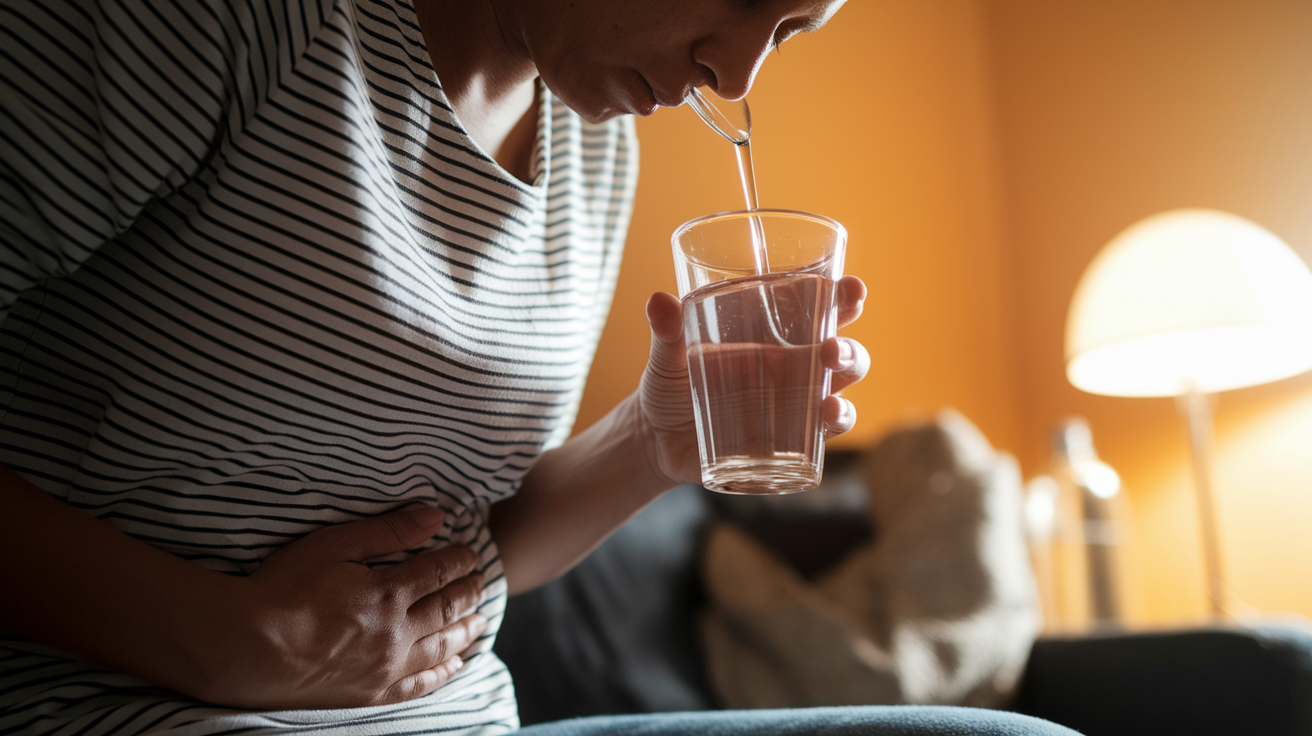
What if you could ease bloating in 10 minutes without reaching for a heavy blocker or waiting all day?
When bloating hits, your body is telling you that gas, fluid, or sluggish digestion is creating pressure.
This post gives fast, low-risk steps you can try right now—warm sips, heat, gentle movement, breathing, quick teas, and safe over-the-counter options—that often help within minutes to an hour.
You’ll also get simple tracking tips to spot patterns and clear guidance on when to see a clinician.
Immediate Techniques for Fast Bloating Relief (Quickest Actions You Can Take Now)
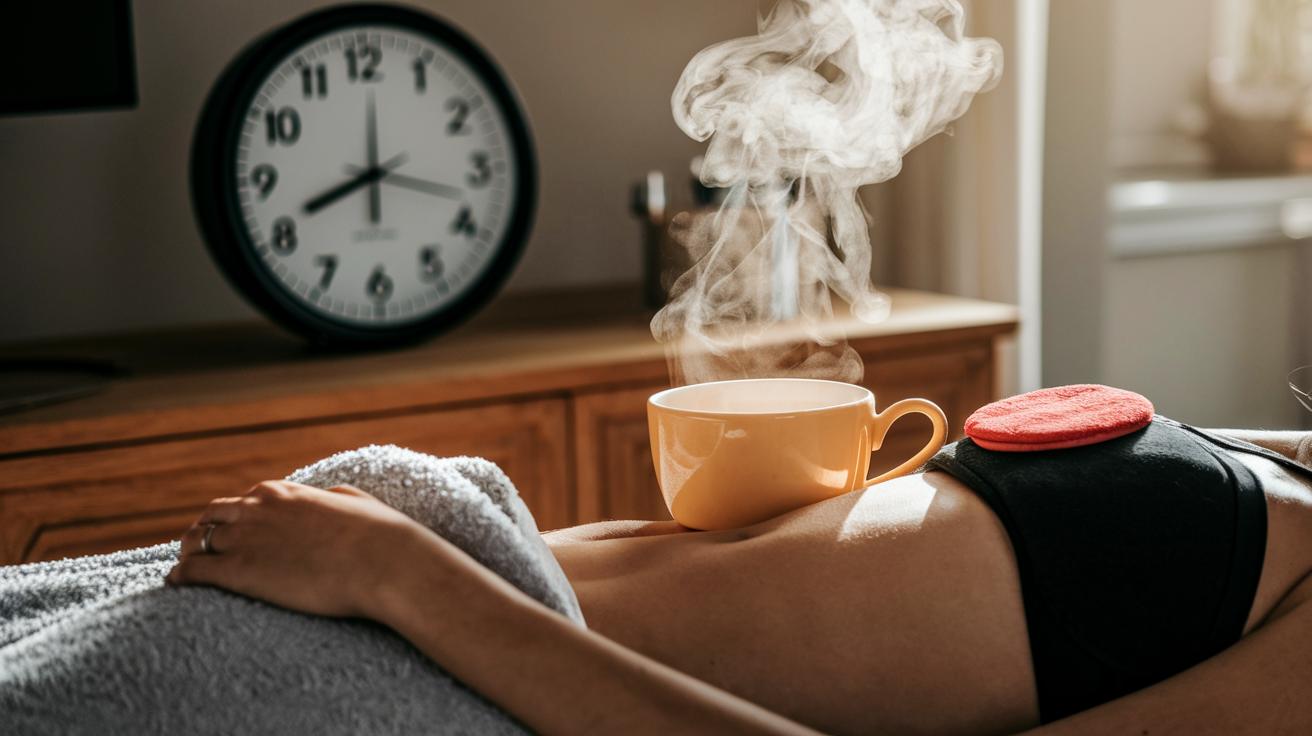
When bloating hits, your body’s telling you that gas, fluid, or sluggish digestion is creating pressure. The fastest relief? Techniques that relax your digestive tract, help trapped gas move, or reduce fluid buildup. Most work within minutes to an hour, sometimes faster if you catch it early.
The techniques below target different causes. Some break up gas bubbles. Some get your intestines moving again. Others calm the smooth muscle in your gut. Not sure what’s causing yours? Try the simplest options first and pay attention to what helps.
Here’s what works fastest:
- Sip warm water slowly – 8 to 12 ounces over 10 minutes. Warmth relaxes your stomach and intestines, helps gas move. You’ll often feel relief within 10 to 15 minutes.
- Apply a heating pad or warm compress – Place it on your abdomen for 10 to 20 minutes. Heat relaxes cramping muscles and eases pain from trapped gas. A lot of people notice relief in the first 10 minutes.
- Take an over-the-counter antacid or simethicone product – Products like Gas-X break up gas bubbles. Tums or Pepto Bismol might help if bloating’s tied to stomach acid. Expect effects in 20 to 60 minutes.
- Walk for 5 to 15 minutes – A short, easy walk stimulates your intestines to move gas along. You might feel relief while walking or within 30 minutes after.
- Try diaphragmatic breathing – Sit comfortably. Inhale slowly through your nose for 4 counts, hold for 2, exhale through your mouth for 6 counts. Do this for 5 minutes. Calms your nervous system and can reduce stress-related digestive slowdowns. Relief may start during the practice.
- Stop eating or drinking carbonated beverages immediately – Fizzy drinks add gas to your stomach. Switch to still water. Bloating from carbonation often eases within 30 to 60 minutes after you stop.
- Lie on your left side with knees pulled toward your chest – This position helps gas move through your intestines. Hold for 5 to 10 minutes. Some people pass gas or feel pressure release within minutes.
- Do a gentle clockwise abdominal massage – Use light pressure and follow the path of your large intestine (up the right side, across under your ribs, down the left side). Spend 5 to 10 minutes. Can help move trapped gas and may provide relief during or shortly after.
- Avoid chewing gum or eating quickly – Both increase swallowed air. Stopping these immediately prevents further buildup.
Natural Remedies for Quick Bloating Relief

Plant-based remedies have been used for digestive discomfort for centuries. Several have research backing their effects on bloating. Warm herbal teas work especially fast because the heat itself relaxes smooth muscle, and many herbs contain compounds that reduce gas production, ease cramping, or support digestion. Most people notice improvement within 10 to 30 minutes of sipping a warm cup.
The key is choosing the right herb for your pattern. Peppermint and ginger work when bloating comes with cramping or nausea. Chamomile’s helpful when stress or inflammation’s involved. Fennel seeds are traditional for trapped gas. These aren’t miracle cures, but they’re low risk, accessible, and often genuinely helpful.
Here are the most effective natural options:
- Peppermint tea – Steep 1 teaspoon of dried peppermint leaves (or 1 tea bag) in 8 ounces of hot water for 5 to 7 minutes. Peppermint contains menthol, which relaxes the muscles in your digestive tract and can reduce spasms. Expect relief within 15 to 30 minutes. Avoid this if you’ve got acid reflux, as it can relax the valve between your stomach and esophagus.
- Ginger tea – Slice a 1-inch piece of fresh ginger, steep in 8 ounces of hot water for 10 minutes. Ginger stimulates digestion, reduces nausea, and may help gas move through your system faster. Relief typically starts within 20 to 30 minutes.
- Chamomile tea – Steep 1 tea bag or 1 tablespoon of dried flowers in 8 ounces of hot water for 5 minutes. Chamomile has mild anti-inflammatory effects and may reduce swelling in the gut. It’s especially helpful for stress-related bloating. Expect gentle relief within 15 to 30 minutes.
- Fennel seed tea – Crush 1 teaspoon of fennel seeds, steep in 8 ounces of hot water for 10 minutes. Fennel’s been shown to relax intestinal muscles and reduce gas. Relief often comes within 20 to 30 minutes.
- Caraway seed tea – Steep 1 teaspoon of crushed caraway seeds in hot water for 10 minutes. Caraway may help release trapped gas and reduce cramping. Expect effects in 15 to 30 minutes.
- Fresh papaya – Eat a half-cup of fresh papaya. It contains the enzyme papain, which may help break down proteins and ease digestion. Some people notice less bloating within 30 to 60 minutes.
- Warm lemon water – Squeeze half a fresh lemon into 8 ounces of warm (not hot) water and sip slowly. Can stimulate digestion and help move things along. Expect mild relief within 15 to 30 minutes.
Fast Over-the-Counter Options for Bloating Relief
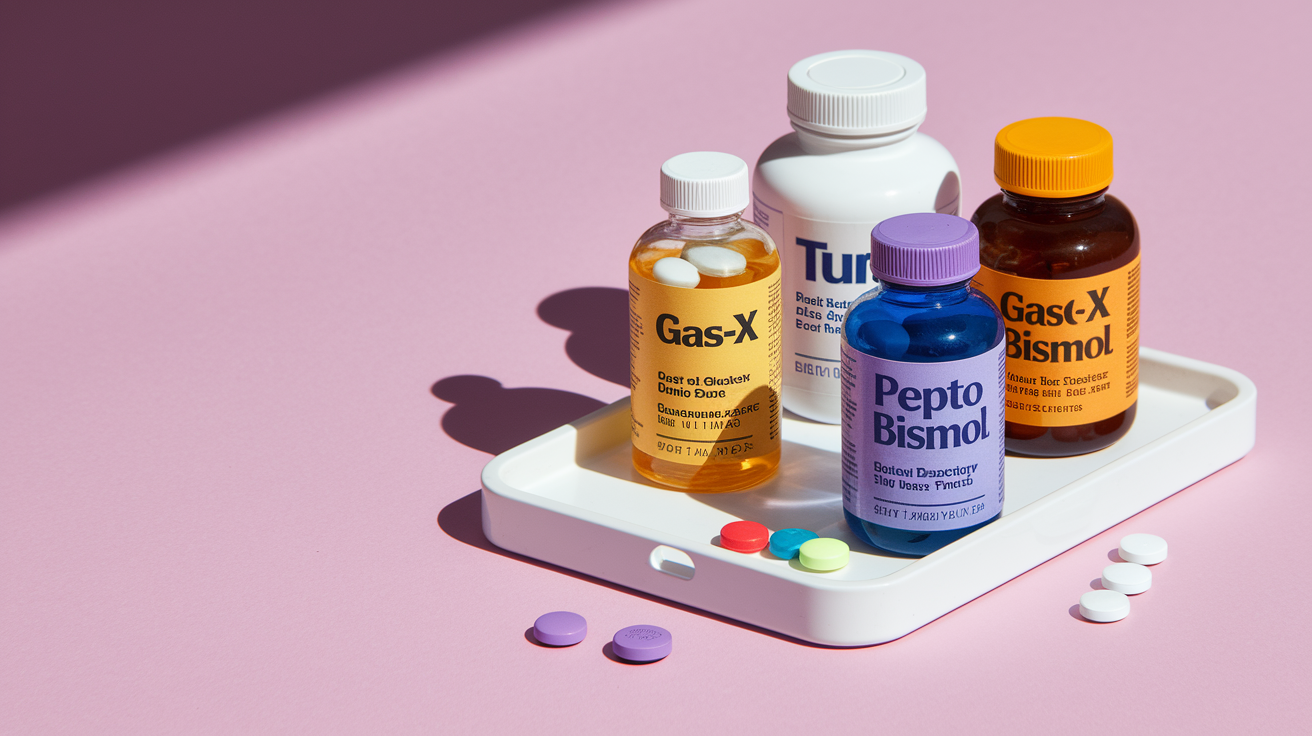
Over-the-counter products work through different mechanisms. Some break up gas, some neutralize acid, some absorb toxins, and some help you digest food more completely. Which type you reach for depends on your most likely cause. If bloating follows a meal, digestive enzymes or simethicone may help. If it’s tied to acid discomfort, an antacid’s a better bet.
Most OTC remedies begin working within 20 to 60 minutes. They’re safe for short-term use but aren’t meant to be daily solutions. If you’re reaching for these products more than a couple times a week, it’s worth tracking your symptoms and talking to a clinician about the underlying pattern.
| Product Type | Key Ingredient | How It Works | Onset Time |
|---|---|---|---|
| Simethicone (Gas-X, Mylicon) | Simethicone | Breaks up gas bubbles in the stomach and intestines, making them easier to pass | 20 to 40 minutes |
| Antacids (Tums, Rolaids) | Calcium carbonate or magnesium hydroxide | Neutralizes stomach acid; may reduce bloating related to acid irritation | 10 to 30 minutes |
| Activated charcoal | Activated charcoal powder or capsules | May absorb gas and toxins in the digestive tract | 30 to 60 minutes |
| Digestive enzymes | Lactase, amylase, protease, lipase blends | Helps break down carbohydrates, proteins, fats; reduces gas from incomplete digestion | 30 to 60 minutes |
Use these products as directed on the package. Activated charcoal can interfere with medication absorption, so don’t take it within 2 hours of prescription drugs. Simethicone’s generally very safe and can be used as needed. Antacids are fine occasionally but can cause rebound acid if used too often. Digestive enzymes are helpful for specific intolerances (like lactose intolerance) but won’t fix bloating caused by overeating or stress.
Quick Movement Techniques That Reduce Bloating Fast
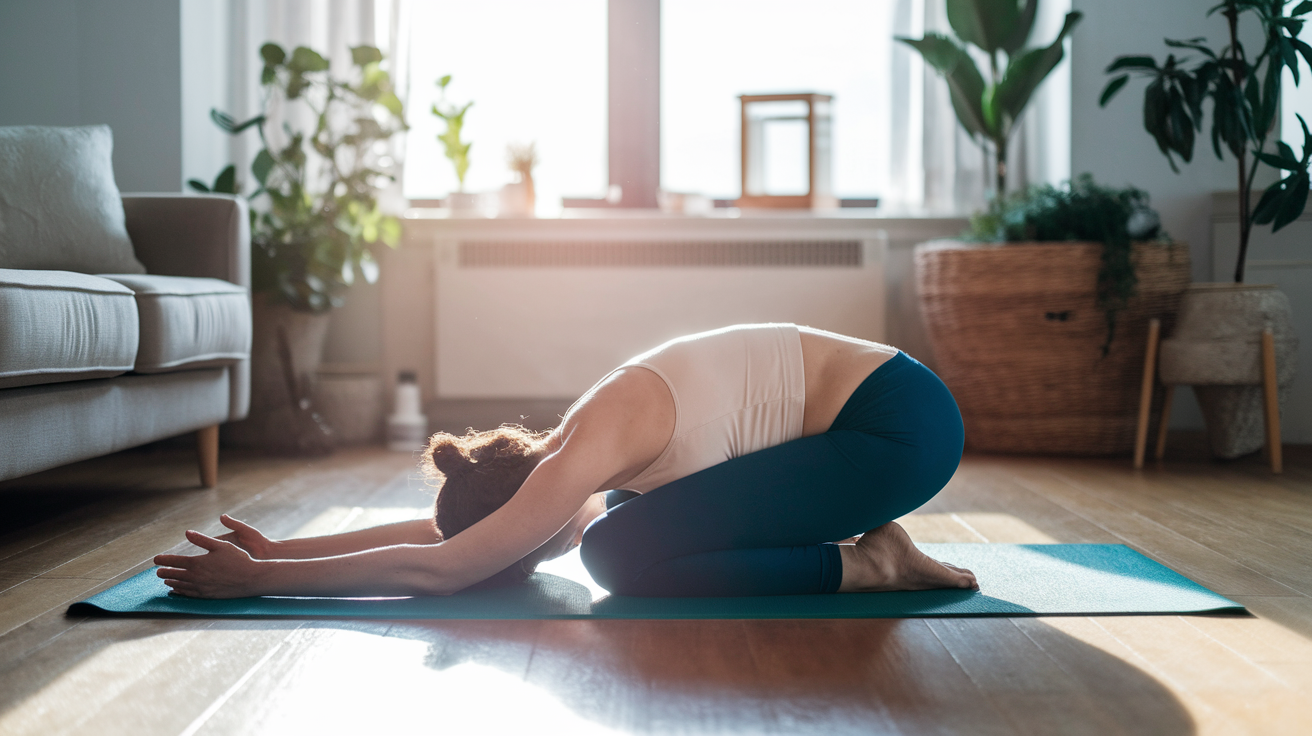
Movement’s one of the most reliable ways to relieve bloating because it directly stimulates your intestines to push gas and stool along. Even a few minutes of gentle activity can restart sluggish digestion and help trapped air find its way out. You don’t need to do anything intense. Vigorous exercise can sometimes make bloating worse by redirecting blood flow away from your gut.
The two most effective movement strategies are simple yoga poses that compress and release the abdomen, and a gentle abdominal massage that follows the natural path of your large intestine. Both can provide noticeable relief within 10 to 20 minutes, and they’re safe to do anytime bloating strikes.
Gentle 5 to 10 Minute Yoga Sequence for Fast Gas Release
This sequence uses positions that compress your abdomen, stretch your torso, and encourage gas to move through your intestines. Do each pose slowly and breathe deeply.
-
Child’s Pose (1 to 2 minutes) – Kneel on the floor, sit back on your heels, and fold forward with your arms extended in front of you or resting alongside your body. Let your forehead rest on the floor. This gentle compression on your belly can help release gas.
-
Knees-to-Chest Pose (1 to 2 minutes) – Lie on your back, pull both knees toward your chest, and hold them with your hands. Rock gently side to side or hold still. This position puts direct pressure on your intestines and often helps gas move.
-
Supine Twist (1 minute each side) – Lie on your back, pull your right knee to your chest, then let it fall across your body to the left while keeping your shoulders flat. Extend your right arm out to the side. Hold for 1 minute, then switch sides. Twisting wrings out your digestive tract and encourages movement.
-
Cat-Cow Stretch (1 to 2 minutes) – Come to hands and knees. Inhale and arch your back (cow), then exhale and round your spine (cat). Repeat slowly 8 to 10 times. This massages your internal organs and stimulates digestion.
-
Standing Forward Fold (1 minute) – Stand with feet hip-width apart, hinge at your hips, and let your upper body hang toward the floor. Bend your knees slightly. This position compresses your abdomen and can help release gas. Let your head and arms hang heavy.
How to Do a Safe Clockwise Abdominal Massage
This massage follows the path of your large intestine, which moves up the right side of your abdomen, across under your ribs, and down the left side. Massaging in this direction helps move gas and stool along.
-
Lie on your back with your knees bent and feet flat on the floor. Relax your belly.
-
Start at your lower right abdomen (just inside your right hip bone). Use your fingertips or the heel of your hand.
-
Apply gentle but firm pressure and move slowly upward toward your ribs on the right side. Spend about 30 seconds moving up.
-
Move across your upper abdomen from right to left, just below your ribcage. Spend another 30 seconds.
-
Move down the left side of your abdomen toward your left hip. Spend 30 seconds.
-
Repeat the full circle 3 to 5 times, spending about 5 to 10 minutes total. You may feel gurgling or movement. That’s normal and often a good sign.
Fast-Acting Food and Drink Options to Reduce Bloating
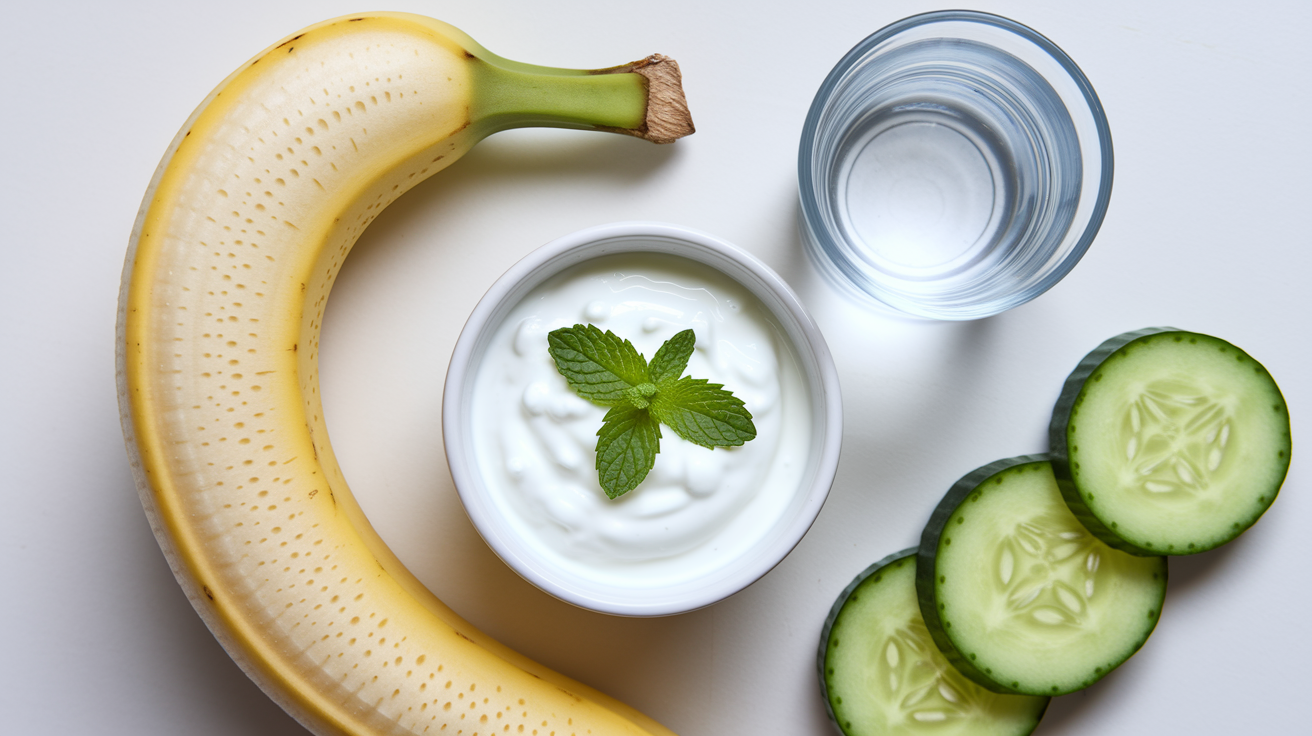
What you eat and drink in the hours after bloating starts can either help or make things worse. Certain foods have natural properties that reduce gas, support digestion, or help your body release excess fluid. Others add more gas, slow digestion, or increase water retention. Choosing carefully can bring noticeable relief within 30 minutes to a few hours.
The goal isn’t perfection. It’s pattern recognition. If bloating’s already happening, reach for the foods and drinks that calm your system and skip the ones that add to the problem. Over time, you’ll notice which items are most helpful for your body.
Foods and drinks that help fast:
- Bananas – High in potassium, which helps your body regulate fluid balance and reduce water retention. They’re also easy to digest and unlikely to cause more gas. Expect mild relief within 30 to 60 minutes.
- Cucumbers – Very high water content, which supports hydration and helps flush out excess sodium. They’re cooling and gentle on the digestive tract.
- Plain yogurt with live cultures – Probiotics in yogurt may help restore gut-bacteria balance and reduce gas production. Choose plain, unsweetened varieties. Relief builds over hours to days, not minutes.
Items to avoid immediately when bloated:
- Carbonated drinks – Fizzy water, soda, and sparkling beverages add gas to your stomach and intestines. Stop these right away and switch to still water.
- High-sodium processed foods – Salty snacks, canned soup, deli meats, and fast food increase water retention and worsen puffiness. Cutting these can bring relief within a few hours as your body releases fluid.
- Foods high in sugar alcohols – Sugar-free gum, candies, and diet products containing sorbitol, xylitol, or mannitol can cause significant gas and bloating. Avoiding these helps prevent further buildup.
Rapid Self-Assessments to Identify Fast Bloating Triggers

Bloating isn’t one thing. It can come from gas, fluid retention, food reactions, or digestive slowdowns, and each has a slightly different feel and pattern. Figuring out which type you’re dealing with helps you choose the fastest remedy and avoid wasting time on things that won’t help. A quick mental check of your symptoms, timing, and recent meals can often narrow it down in under a minute.
The table below compares the most common bloating patterns. Notice which column matches your experience, then scroll back to the section that targets that cause. If you’re not sure, start with the immediate techniques and track what helps.
| Bloating Type | What It Feels Like | Common Timing | What Often Helps Fast |
|---|---|---|---|
| Gas-related bloating | Sharp or moving discomfort, gurgling sounds, urge to pass gas or burp, relief after passing gas | Within 30 minutes to 2 hours after eating certain foods (beans, cruciferous vegetables, carbonated drinks) | Walking, simethicone, peppermint tea, abdominal massage, yoga poses |
| Water retention bloating | Puffy feeling, swelling in hands or ankles, tight waistband, no gurgling, no relief from passing gas | After high-salt meals, during PMS, in hot weather, or after long periods of sitting | Hydration, reducing salt, eating potassium-rich foods (bananas), gentle movement, elevating legs |
| Food intolerance bloating | Bloating plus cramping, diarrhea, or nausea; starts 30 minutes to several hours after eating a trigger food | Consistently after dairy, gluten, high-FODMAP foods, or artificial sweeteners | Avoid the trigger food, digestive enzymes (lactase for dairy), peppermint or ginger tea, gentle movement |
| Overeating bloating | Fullness, tightness, sluggish feeling, no sharp pain, mild nausea, difficulty taking a deep breath | Immediately after a large meal or eating too quickly | Warm water, short walk, lying on left side, waiting it out; prevention is key |
Quick Lifestyle Adjustments That Prevent Sudden Bloating
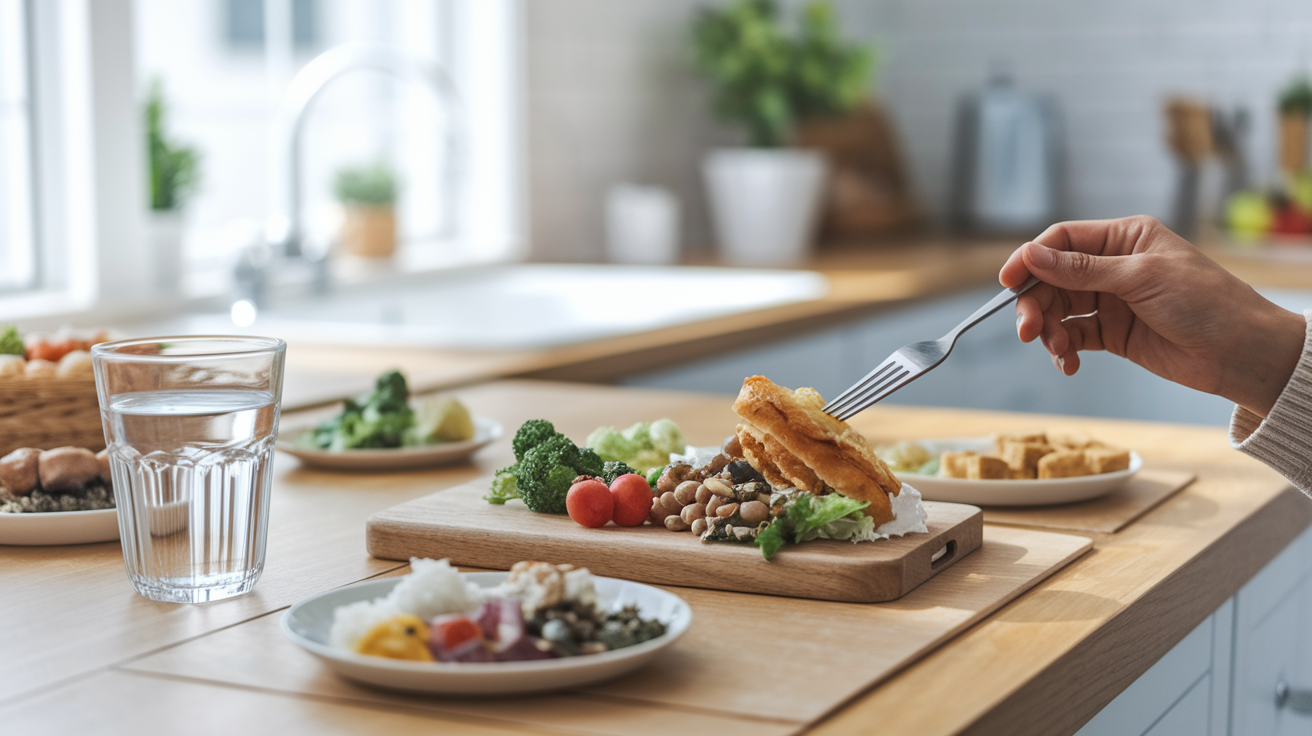
Prevention’s faster than relief when it comes to bloating. Small changes in how you eat, drink, and move through your day can stop bloating before it starts, or at least reduce the intensity when it does show up. These adjustments aren’t about perfection or rigid rules. They’re about noticing what tends to trigger your bloating and making one or two practical shifts that fit into your real life.
The most effective preventive strategies work within hours. Eating smaller portions means less stretch on your stomach. Staying hydrated helps your body release retained fluid and keeps digestion moving. Chewing thoroughly reduces swallowed air. These aren’t dramatic interventions, but they add up quickly.
- Shift to smaller, more frequent meals – Instead of eating 2 to 3 large meals, try 4 to 5 smaller ones spread throughout the day. This reduces the stretch on your stomach and keeps digestion more steady. Many people notice less bloating within the first day of trying this.
- Chew each bite thoroughly and eat slowly – Aim to chew each bite 15 to 20 times and put your fork down between bites. This reduces the amount of air you swallow and gives your body time to signal fullness before you overeat. The effect’s immediate. Less air means less gas.
- Drink water consistently throughout the day – Aim for 8 to 10 glasses of water, sipped slowly rather than chugged. Hydration prevents constipation (a major bloating trigger) and helps your body release excess sodium. You may notice improvement within a few hours.
- Avoid eating within 2 to 3 hours of lying down – Lying flat after a meal slows digestion and can worsen bloating and reflux. Staying upright helps gravity keep things moving. This prevents bloating rather than relieving it once it starts.
- Limit high-FODMAP foods during high-stress periods – FODMAPs (certain carbohydrates found in onions, garlic, beans, apples, and wheat) ferment in the gut and produce gas. If you’re already stressed or bloated, reducing these foods for a few days can bring noticeable relief.
When Fast Relief Isn’t Enough: When to See a Doctor About Bloating

Most bloating’s uncomfortable but not dangerous, and it responds to the simple steps outlined above. But sometimes bloating’s a signal that something more persistent or serious is going on. If your bloating doesn’t improve with home remedies within a few days, keeps coming back, or shows up with other worrying symptoms, it’s time to check in with a clinician.
Chronic bloating (bloating that happens most days for more than a few weeks) can be a sign of conditions like irritable bowel syndrome, food intolerances, small intestinal bacterial overgrowth, or hormonal imbalances. These aren’t emergencies, but they do need evaluation and a plan. A food diary, symptom tracking, and a clear description of your patterns will help your provider narrow down the cause faster.
Red flags that need prompt medical attention include sudden severe abdominal pain that doesn’t ease, persistent vomiting or diarrhea, blood in your stool or vomit, unexplained weight loss, or a distended abdomen that feels hard or doesn’t improve with any of the fast-relief techniques. If your bloating’s accompanied by fever, difficulty breathing, or chest pain, seek emergency care right away.
Final Words
If you’re feeling bloated right now, try the quickest fixes first: sip warm water, do slow abdominal breaths, apply heat, take a short walk, or use an OTC simethicone product. Many people feel better in minutes.
You also have options like gentle yoga, abdominal massage, quick food swaps, tracking to spot triggers, and small daily habits that lower the chance of sudden bloat. Know when to see a clinician for worrying signs.
Try one or two steps, note what helps, and you can often get bloating relief fast.
FAQ
Q: How do you get rid of a bloated stomach asap or get unbloated in 5 minutes at home?
A: To get rid of a bloated stomach asap or get unbloated in 5 minutes, try quick fixes: sip warm water, do slow abdominal breaths, walk briefly, use a warm compress, or take simethicone for trapped gas.
Q: How to remove bloating in 1 hour or debloat your stomach in 2 hours?
A: To remove bloating in 1–2 hours, move gas and support digestion: walk 20–30 minutes, do a clockwise abdominal massage, sip warm water slowly, try simethicone or an antacid, and skip carbonated or salty foods.
Comments are closed