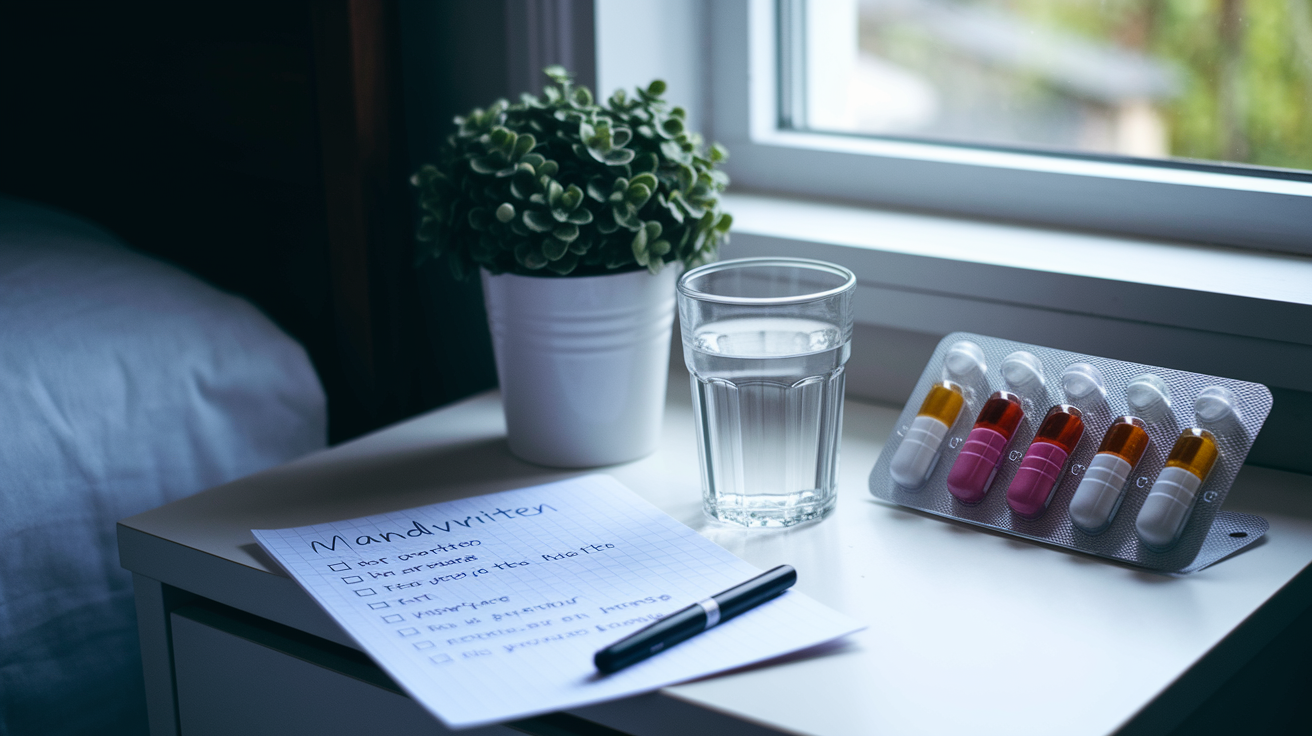
What if your morning routine is making your fatigue worse?
If chronic fatigue makes mornings feel like an uphill climb before you even sit up, a tiny checklist can change the day.
Short, simple steps cut through brain fog, protect limited energy, and reduce the risk of a crash.
Even one to three items—drink some water, rate your energy, take meds with a snack—can steady symptoms.
This post gives easy low, moderate, and higher-energy morning checklists, quick pacing tools, simple tracking prompts, and clear signs for when to rest or get help.
Quick Morning Checklist for Low-Energy Starts
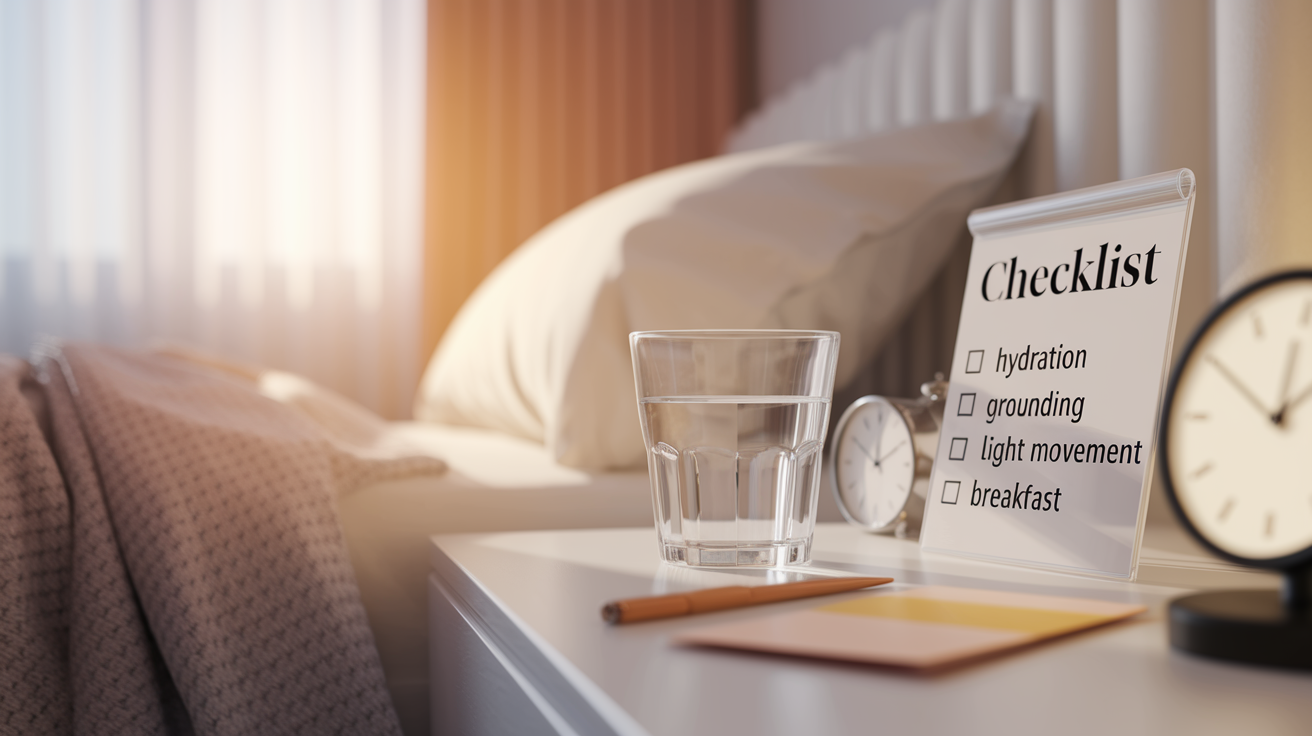
When chronic fatigue is part of your morning, things feel overwhelming before you’re even out of bed. A short checklist cuts through brain fog and helps you focus on what actually matters without burning through your limited energy. On very low days, one to three core steps might be all you can manage. And that’s enough to stabilize symptoms and set a baseline for the rest of the day.
• Hydration – Drink 150 to 300 ml of water within the first 10 minutes of waking. It restores blood volume and reduces dizziness.
• Check energy level – Rate your current energy on a scale of 0 to 10. If it’s 3 or lower, skip optional tasks and move directly to rest.
• Medication or supplements – Take prescribed doses with a light snack or water. Keeps symptom control steady.
• Bathroom routine – Use the toilet, brush teeth, wash your face or hands. These steps preserve dignity and prevent discomfort later.
• 2-minute grounding – Sit quietly, notice five things you can see or hear, or do three slow breaths. Reduces morning stress response.
• Light movement – Perform three to five gentle stretches in bed or while seated. Reduces stiffness without spiking exertion.
• Breakfast option – Eat a small protein and carb combination. One egg and toast, a handful of nuts and fruit, or yogurt with granola stabilizes blood sugar.
• Stop signal – If you feel lightheaded, shaky, or suddenly exhausted, pause immediately. Rest for 10 to 20 minutes before continuing.
On very low mornings, complete only the first three to five items and then rest. Skip breakfast prep if needed. Rely on grab-and-go options like a protein bar or pre-portioned snacks. The goal isn’t to finish everything. It’s to preserve energy for the rest of the day and avoid triggering a crash that makes tomorrow worse.
Why These Checklist Steps Help Manage Chronic Fatigue

Hydration within the first few minutes of waking helps counteract the drop in blood volume that happens overnight. Especially important if you experience orthostatic symptoms like dizziness or lightheadedness when you stand. Chronic fatigue often disrupts the body’s ability to regulate blood pressure and circulation, so restoring fluid quickly improves oxygen delivery to the brain and muscles. Checking your energy level right away gives you a reliable baseline and prevents you from overcommitting before you know what your body can handle that day.
Light movement and stretching reduce morning stiffness without requiring the kind of sustained effort that triggers post-exertional malaise. Gentle stretches improve circulation and signal to your nervous system that it’s safe to start moving. This can reduce the sensation of being “locked up” or heavy. Taking medication or supplements on a predictable schedule stabilizes symptoms by maintaining steady levels of any treatments that manage pain, inflammation, or nutrient deficiencies. Pairing meds with a small snack also reduces the risk of nausea or stomach upset, which can derail the rest of your morning.
The 2-minute grounding exercise and the built-in stop signal both target the nervous system. Grounding practices help shift you out of a high-alert stress state, which is common in chronic fatigue and worsens cognitive fog and muscle tension. The stop signal is a safety valve. It teaches you to recognize early warning signs of overexertion and pause before you cross into crash territory. Eating a simple breakfast that combines protein and carbohydrates prevents blood sugar dips, which often mimic or worsen fatigue, brain fog, and irritability.
Choose Your Routine: Low, Moderate, and High-Energy Morning Variations

Not every morning feels the same when you’re living with chronic fatigue. A three-level system helps you match your routine to your actual energy without feeling like you failed when you need to scale back. On very low days, you do the bare minimum. On moderate days, you add a few optional steps. On higher-energy mornings, you still pace yourself to avoid triggering a delayed crash.
Low-Energy Morning (5 items, 10 to 20 minutes total active time)
- Drink 150 to 300 ml of water while still in bed or seated.
- Rate your energy 0 to 10 and record sleep hours.
- Take medication or supplements with a light snack within arm’s reach.
- Use the bathroom and do minimal hygiene. Rinse face, brush teeth.
- Rest for 10 to 20 minutes before deciding whether to add anything else.
Moderate-Energy Morning (6 to 8 items, 20 to 40 minutes total active time)
- Hydrate with 200 to 300 ml of water within 5 minutes of waking.
- Rate energy 0 to 10 and note whether you woke rested or still tired.
- Take meds with a small snack. Crackers, half a banana, or a few nuts.
- Bathroom routine plus quick wash or shower if tolerated.
- 5 to 10 minutes of gentle stretching or seated movement.
- Prepare simple breakfast. Toast with peanut butter, yogurt with fruit, or a protein shake.
- 2-minute grounding or breathing exercise.
- Rest for 10 minutes before starting other tasks.
Higher-Energy Morning (8 to 10 items, 30 to 50 minutes total active time)
- Hydrate immediately with 250 to 300 ml of water.
- Rate energy 0 to 10, record sleep hours and note any overnight symptoms.
- Take meds and eat a light snack.
- Bathroom routine and shower or wash.
- 5 to 10 minutes of gentle stretching or short walk around your home.
- Prepare and eat a balanced breakfast with protein, complex carb, and a fruit or vegetable.
- 2-minute grounding, breathing, or journaling exercise.
- Lay out clothes or organize one small item for the day.
- Check the day’s plan and prioritize the top three tasks.
- Rest for 10 to 15 minutes before moving into the rest of your day.
Even on higher-energy mornings, resist the urge to add more tasks or speed through your routine. Post-exertional malaise often shows up hours or even a full day after overexertion. You may feel fine in the moment but crash hard later. Use these mornings to practice staying within limits rather than testing your maximum capacity. If you finish the list and still feel good, rest anyway. Consider it insurance against tomorrow’s fatigue.
Practical Pacing and Prioritization Tools for Mornings
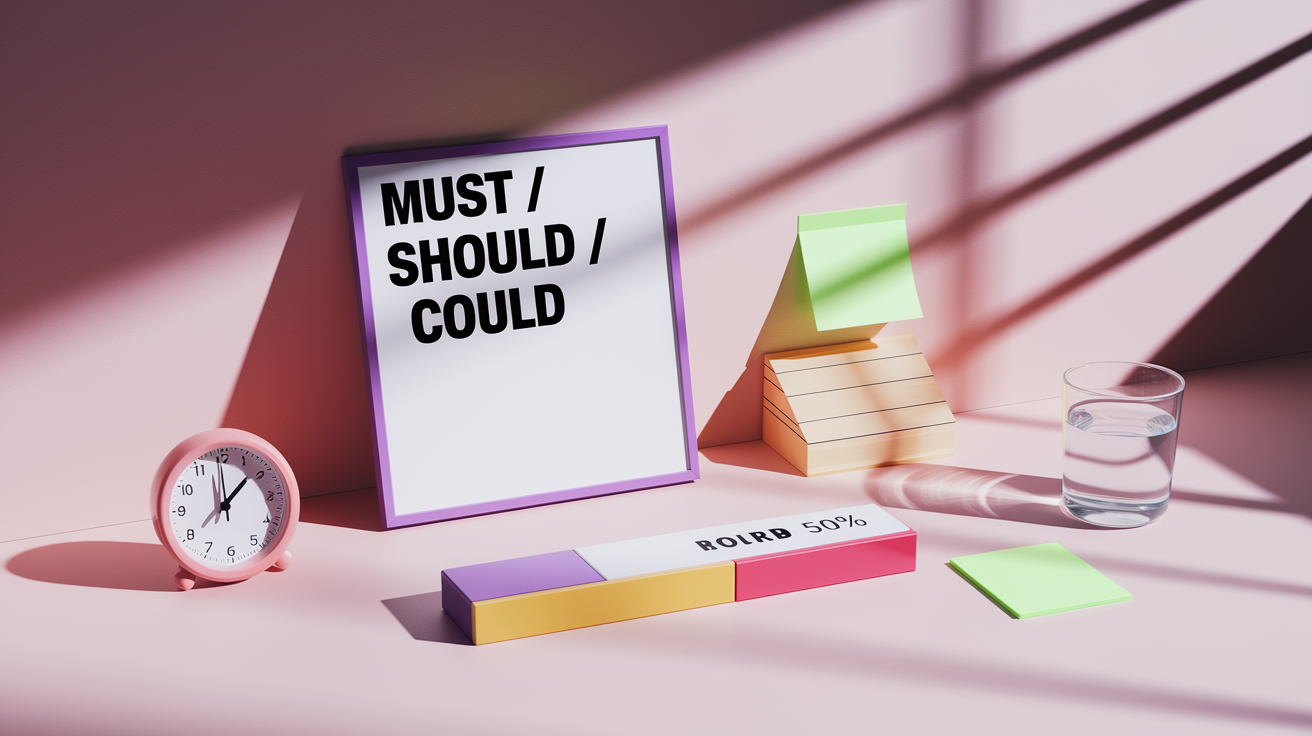
Pacing in the morning means spreading tasks across time and energy rather than rushing to finish everything while you still feel awake. One helpful framework is the “must, should, could” method. Label each task as something you must do to stay safe and functioning, something you should do if energy allows, or something you could do only if you have reserves left over. On most mornings with chronic fatigue, your “must” list should contain no more than three to five items. Hydration, meds, bathroom, and minimal hygiene. Everything else moves to “should” or “could.”
Another pacing tool is the 50 percent rule. Look at your full list and plan to complete only the top half. If you wrote down ten tasks, aim for five. If you listed six, stop at three. This builds in a buffer that prevents you from running your energy tank to empty. Setting a timer for each task also helps. Give yourself 5 to 10 minutes for stretching, 10 minutes for breakfast, and 5 minutes for grounding. When the timer goes off, stop and rest even if the task isn’t perfect.
• Prioritize safety and basic needs first. Hydration, meds, toileting.
• Use a simple three-category system: must, should, could.
• Plan to do only 50 percent of your full task list.
• Set a timer for each step to prevent task creep and energy overuse.
• Schedule a mandatory rest break after every one to three tasks.
• Keep essentials within arm’s reach. Water bottle, meds, light snacks, phone. Reduces unnecessary movement.
Optional Symptom Tracking for Better Morning Stability
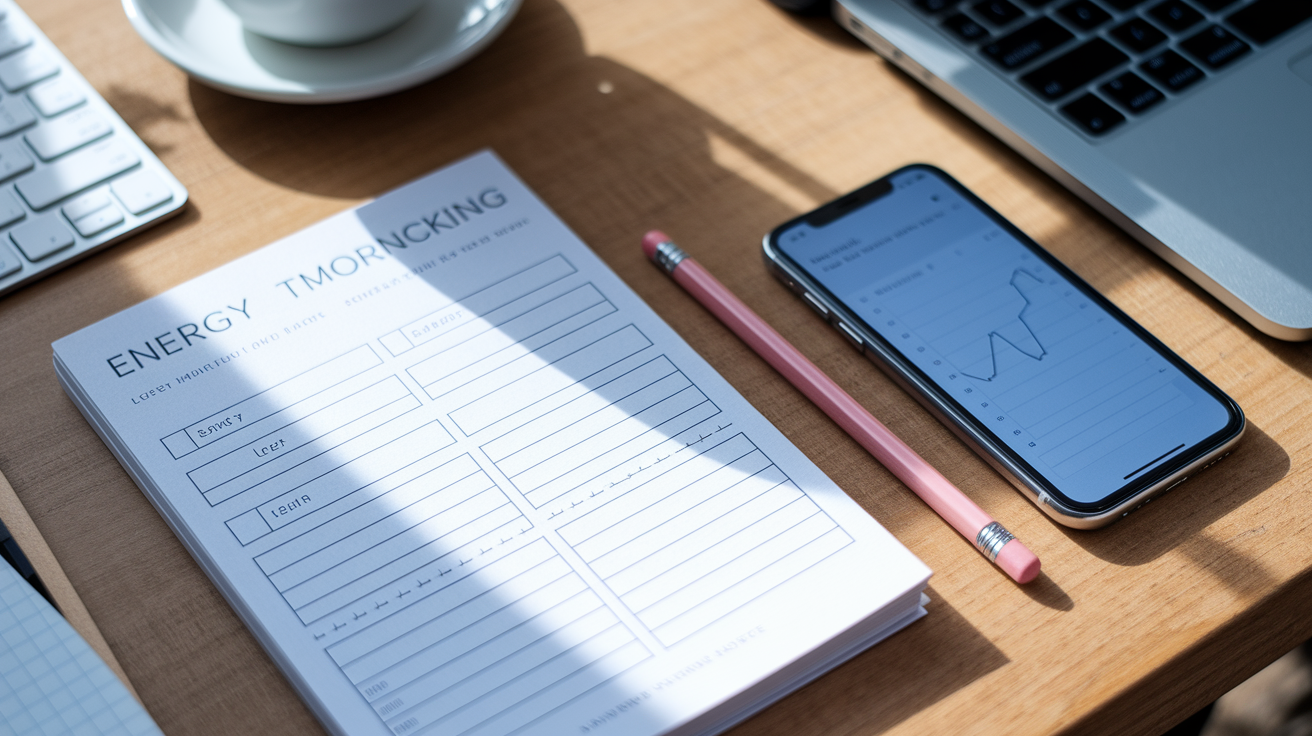
Tracking a few simple data points each morning can help you spot patterns that make your routine more effective over time. You don’t need a complicated system. A notebook or a one-page printable with four or five fields is enough. Recording your energy level, sleep duration, and any noticeable symptoms takes less than two minutes and builds a record you can review weekly or bring to appointments.
Use a basic 0 to 10 scale for energy and pain, and note your sleep hours as a single number. If you notice brain fog, dizziness, or other symptoms, jot down a one-line description or a simple yes-or-no check. Over a week or two, you may see that your energy is consistently lower after poor sleep, higher after certain foods, or worse on days you skip your grounding exercise. These small insights let you adjust your checklist to match your real patterns rather than guessing.
| Symptom or Metric | Rating or Value | Notes |
|---|---|---|
| Energy Level (0–10) | ||
| Sleep Hours | ||
| Pain Level (0–10) | ||
| Brain Fog (yes/no) |
Troubleshooting Common Morning Challenges

Brain fog can make even a short checklist feel impossible to follow. Prepare the night before by laying out your meds, a filled water bottle, and a simple snack on your nightstand. Write your checklist on a single notecard or sticky note and place it where you’ll see it first thing. If reading is hard, use voice memos on your phone to record the steps and play them back in the morning.
Dizziness or lightheadedness when you stand is common with chronic fatigue and often worsens if you move too quickly after waking. Sit on the edge of your bed for 30 to 60 seconds before standing. Drink water while still seated. Keep one hand on a wall or sturdy surface as you move to the bathroom. If dizziness persists, stay seated for your stretches and breakfast and postpone standing tasks until later.
Skipping breakfast happens when fatigue makes food prep feel overwhelming. Stock grab-and-go options that require zero cooking. Pre-portioned nuts, string cheese, protein bars, hard-boiled eggs, or single-serve yogurt cups. Pair any of these with a piece of fruit or a handful of crackers to get the protein and carb combination that stabilizes blood sugar. If you can’t eat solid food right away, try a small protein shake or a glass of milk.
Overstimulation from noise, light, or decision-making can drain energy before you finish your checklist. Keep your morning environment calm. Dim lighting, no news or social media, minimal choices. Lay out one outfit the night before so you don’t have to decide what to wear. Use blackout curtains or an eye mask if early light wakes you before you’re ready, and consider earplugs or a white-noise machine if household sounds trigger stress.
Final Words
Simple morning checklists to manage chronic fatigue symptoms work best when they’re flexible, not fixed.
Start with the basics: hydration, gentle movement, and one grounding breath. Then build from there based on what your body can handle today.
Track what helps. Adjust when you need to. Skip steps without guilt on low-energy mornings.
The goal isn’t perfection. It’s function with less strain and a little more predictability in your hardest hours.
You’re not lazy for needing structure. You’re strategic.
FAQ
Q: How to wake up in the morning with chronic fatigue?
A: Waking up with chronic fatigue works best with a short predictable routine: sip water, sit up slowly, two minutes of breathing, take meds or supplements, light movement, easy breakfast, check energy, stop if overwhelmed.
Q: What is the CDC symptom inventory for CFS? What are the 7 symptoms of chronic fatigue syndrome?
A: The CDC symptom inventory for CFS lists core problems: long-lasting fatigue, post-exertional malaise, unrefreshing sleep, cognitive problems (brain fog), orthostatic symptoms (lightheaded), widespread pain, and sore throat or tender nodes.
Q: How to stop a CFS flare up?
A: Stopping a CFS flare up involves immediate rest and pacing, cutting stimulation, fluids and easy food, breathing or grounding, note triggers, use prescribed medication, and call your clinician if symptoms worsen or are severe.
Comments are closed