
What if morning exhaustion isn’t just about how many hours you sleep, but about the tiny habits that set your body clock?
Small changes, like waking at the same time every day, getting bright light within 30 minutes, drinking a glass of water, and moving briefly, can shrink that groggy fog faster than sleeping in.
This can feel scary and unfair, but it’s common, and there are low-risk steps you can try now.
This lists the best sleep hygiene tweaks to reduce morning exhaustion, what to try today, what to track for your clinician, and signs you should get help.
Immediate Sleep Hygiene Tweaks That Reduce Morning Exhaustion Fast
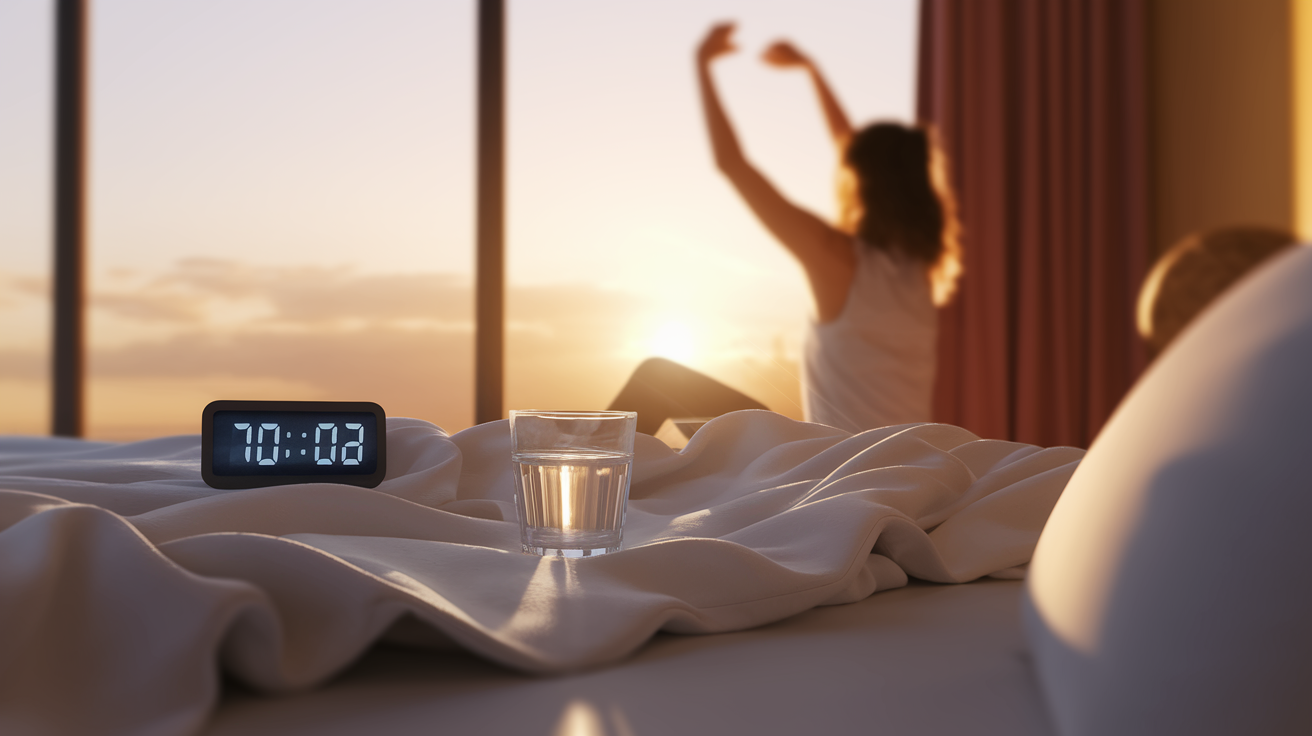
The biggest change you can make? Wake up at the same time every single day. Yes, weekends too. Then get yourself into bright light within 30 minutes. A 2023 study found that consistent morning bright light exposure improved nighttime sleep and cut down morning sleepiness. These two habits work together to lock in your circadian rhythm, the internal system that tells your body when to be alert and when to power down.
When you wake at the same time every day, your body starts anticipating it. Cortisol rises, body temperature shifts, all timed to that moment. Add morning sunlight (even through a window for a few minutes) and you’re boosting serotonin during the day, which turns into melatonin later at night. Can’t get outside? Open the curtains wide or stand near a bright window while you drink water or stretch.
Hydration comes next. Drink a full glass of water as soon as you wake. Dehydration drags down energy, thinking, and mood, and you’ve just gone hours without fluid. After that, move for 30 seconds. High knees, torso twists, gentle stretching. Anything that increases circulation and oxygen delivery after the muscle relaxation that happens during REM sleep. A 2016 randomized controlled trial found that people who took cold showers reported fewer sick days, and a 2025 review noted better sleep quality and less stress from cold water immersion, though sample sizes were small.
Here are the top five tweaks ranked by immediate impact:
- Wake at the exact same time every day, seven days a week.
- Get bright light within 30 minutes of waking. Step outside, open curtains, or sit near a window.
- Drink a full glass of water before coffee or breakfast.
- Move your body for at least 30 seconds. Stretching, high knees, or a quick walk.
- Splash your face with cold water or take a brief cool rinse to trigger alertness.
These five create a foundation of circadian stability. Your body begins expecting the same wake time, the same light cue, the same sensory signals each morning. That reduces the grogginess that comes from an unpredictable schedule. Typical sleep latency (the time it takes to fall asleep) is 10 to 20 minutes. When your circadian rhythm is aligned, you fall asleep faster at night and wake more easily in the morning.
Sleep Environment and Pre‑Bed Setup Tweaks
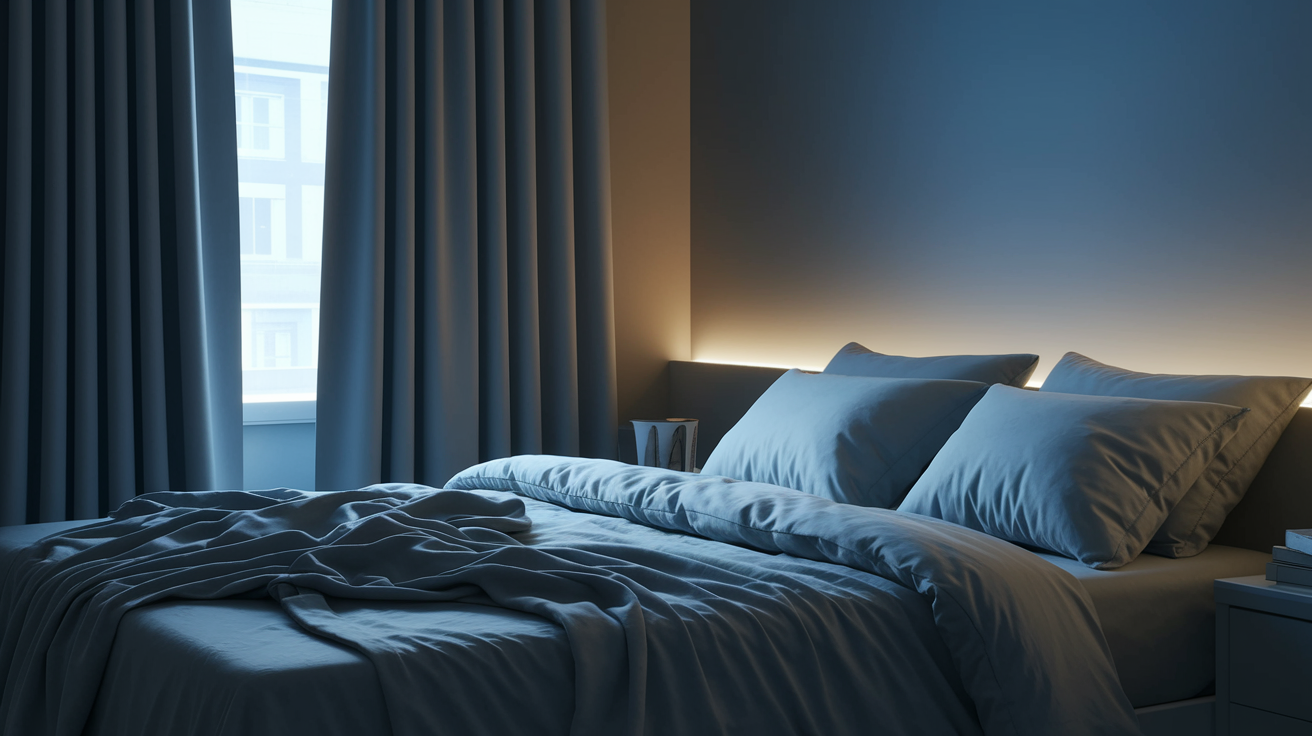
Your bedroom and the hour before bed directly shape how quickly you fall asleep and how deeply you stay there. The goal is to turn your bedroom into a space that signals rest. Not work, not stress, not entertainment.
Start with temperature. Keep it between 60 and 67 degrees Fahrenheit (15 to 19 degrees Celsius). A cooler room supports the natural drop in core body temperature that happens as you fall asleep. If your room runs warm, crack a window, use a fan, or switch to lighter bedding. Pair that with darkness. Blackout curtains or a simple eye mask block light that can delay melatonin release and confuse your internal clock. Even small sources (a charging phone, a digital clock, a streetlight through the window) can interfere with deep sleep stages.
Remove electronics from the bedroom entirely if possible. No laptops, no tablets, and ideally no phone on the nightstand. The blue rich light from screens delays your circadian clock, and the content (emails, news, social media) can raise cognitive arousal right when you need your brain to quiet down. Turn off screens at least one hour before your target bedtime. Use that hour for a consistent wind down routine: change into pajamas, dim the lights, read a paper book, journal, listen to soft music, take a warm bath or shower, or do gentle stretches. A warm shower works because when you step out, your core temperature drops, which mimics the body’s natural pre sleep pattern.
Make sure your mattress and pillows support your body without causing discomfort. If you wake with neck pain or a stiff back, that’s a sign your sleep surface needs adjustment. Keep the bedroom clutter free and reserved only for sleep. No piles of laundry, no work documents on the nightstand, no reminders of tasks you didn’t finish. The fewer visual stressors, the easier it is for your mind to settle.
Here are the six most effective combined environmental and bedtime adjustments:
- Set bedroom temperature to 60–67°F and use breathable, comfortable bedding.
- Install blackout curtains or use an eye mask to eliminate all light sources.
- Remove all screens and electronics from the bedroom.
- Turn off phones, tablets, and TVs at least one hour before bed.
- Begin a 30 to 60 minute wind down routine with dim lighting and calming activities.
- Keep the bedroom dedicated to sleep only. No work, no stressful conversations, no clutter.
Timing Tweaks: Caffeine, Alcohol, Fluids, and Meals

When you consume caffeine, alcohol, fluids, and food matters just as much as what you consume. Small timing shifts can prevent sleep fragmentation and the next morning drag.
Caffeine has a half life of nearly six hours. A 2013 study showed that consuming 400 milligrams of caffeine (roughly two to three cups of coffee or one large 20 ounce coffee drink) six hours before bedtime reduced total sleep time by more than one hour. That means if you go to bed at 10 p.m., your last caffeinated drink should be no later than 4 p.m. If you’re sensitive to caffeine or wake feeling unrefreshed, move the cutoff earlier or reduce your total daily intake. Watch hidden sources like energy drinks, certain teas, chocolate, and some medications.
Alcohol may help you fall asleep faster, but it fragments sleep and reduces the deep stages important for memory, concentration, and physical recovery. About 10 percent of older adults use alcohol as a sleep aid, but the trade off is poor quality rest and morning grogginess. Skip the nightcap. If you do drink, finish at least three to four hours before bed to give your body time to metabolize it before sleep.
Don’t eat within three hours of bedtime. Digestion raises your core temperature and can trigger reflux, both of which interfere with falling asleep and staying asleep. If you’re genuinely hungry in the evening, choose a light, easy to digest snack. Greek yogurt with berries, a small handful of nuts, or crackers with cheese. Limit fluids in the final hour before bed to reduce middle of the night bathroom trips. Nocturia disrupts sleep continuity and makes it harder to return to deep sleep.
Here are six practical timing rules:
- Stop caffeine at least six hours before bedtime (earlier if you’re sensitive).
- Finish your last caffeinated drink by mid afternoon.
- Don’t drink alcohol within three to four hours of bed, or skip it entirely if sleep quality is poor.
- Stop eating at least three hours before lights out.
- If hungry late, choose a light snack under 200 calories.
- Taper fluid intake in the final hour before bed to minimize nighttime wake ups.
Simple Evening Wind Down Tweaks That Improve Sleep Quality
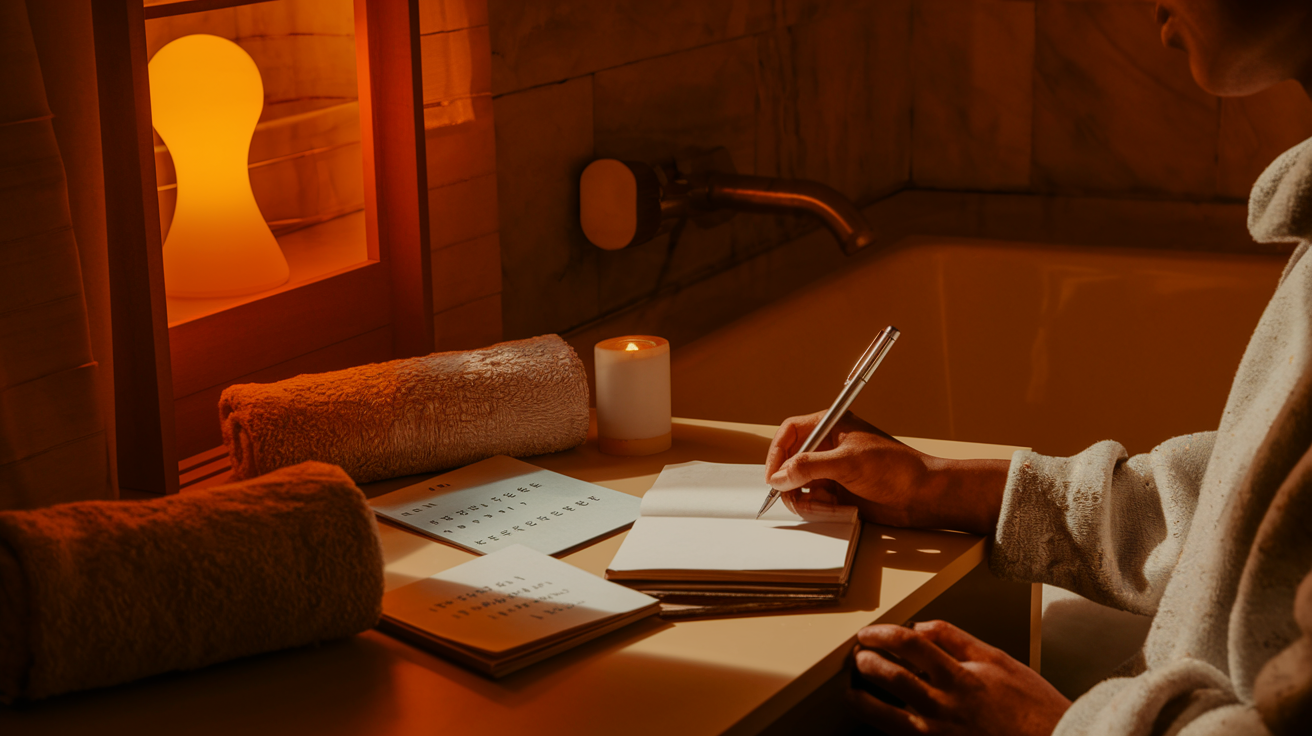
A deliberate wind down period trains your brain to recognize that sleep is coming. Thirty to 60 minutes before bed, shift into calming mode. Dim the lights throughout your home. Bright overhead lights suppress melatonin, so use lamps or soft lighting instead. Take a warm bath or shower. The post bath drop in core temperature mimics the natural cooling your body does before sleep and can help you fall asleep faster.
Use that time to offload mental clutter. Journaling works well. Write down tomorrow’s to do list, unresolved worries, or three things that went well today. Getting thoughts out of your head and onto paper reduces the cognitive loop that keeps you awake. Pair journaling with a simple breathing technique: breathe in for four counts, hold for four, exhale for six. A longer exhale activates the parasympathetic nervous system and signals your body to relax. Progressive muscle relaxation is another option. Tense each muscle group for five seconds, then release, starting with your feet and moving up to your face.
Keep this routine consistent. Your brain learns patterns. When you repeat the same sequence (dim lights, warm shower, five minutes of journaling, breathing practice) your body starts preparing for sleep as soon as the routine begins.
Four wind down methods backed by evidence:
- Warm bath or shower 60 to 90 minutes before bed to trigger core temperature drop.
- Journaling to offload worries and plan tomorrow’s tasks.
- Breathing exercises with a longer exhale (for example, 4-4-6 pattern) to activate relaxation.
- Progressive muscle relaxation, tensing and releasing muscle groups from feet to head.
Smart Napping Tweaks to Prevent Afternoon and Morning Grogginess

If you nap, keep it short and early. The ideal nap duration is 10 to 20 minutes, taken in the early afternoon, ideally before 3 p.m. Short naps improve alertness without triggering sleep inertia, the grogginess that comes from waking out of deep sleep. A 20 minute nap lets you dip into light sleep stages and wake refreshed. Longer naps push you into slow wave sleep, and waking from that stage leaves you foggy and disoriented.
Napping too late in the day weakens your nighttime sleep drive. Sleep pressure builds throughout the day from the accumulation of adenosine, a chemical byproduct of brain activity. A late or long nap clears too much adenosine, so when bedtime arrives, you’re not sleepy enough to fall asleep quickly. If you find yourself needing frequent or long naps, that’s a sign you’re not getting enough quality sleep at night. Track your nighttime sleep duration and quality first, then adjust daytime naps as your nighttime rest improves.
Momentum Building Morning Routine Tweaks
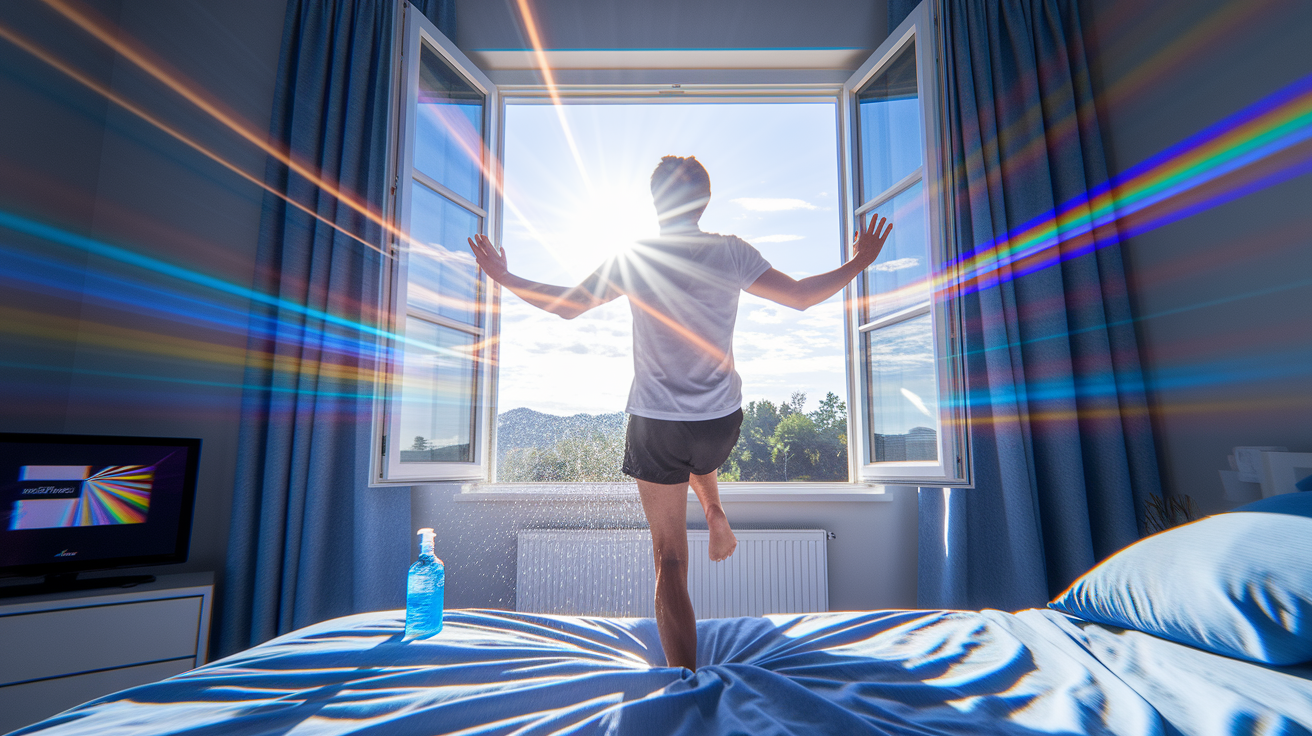
Once you’ve implemented the wake time and light tweaks, add small actions that stack momentum and make it easier to stay awake. The goal is to create a sensory shift from rest mode to alert mode as quickly as possible.
Start with temperature. Splash cold water on your face, or take a brief cool rinse in the shower. Cold exposure triggers a mild stress response that boosts circulation, heart rate, and mental clarity. Keep a spray bottle of cool water by your bed and mist your face as soon as your alarm goes off. Follow that with 30 seconds of movement. Torso twists, high knees, arm circles, or a few yoga stretches. Even a short burst of movement increases oxygen delivery and reduces the lingering muscle relaxation from REM sleep.
Layer in sound and light. Open the curtains immediately. Play upbeat music or a favorite podcast. The combination of bright light, physical movement, cool water, and engaging sound creates a multi sensory wake up signal that overrides grogginess faster than any single cue alone.
Three routine building ideas to try:
- Cold splash or cool shower immediately after waking to trigger alertness.
- 30 seconds of high knees, jumping jacks, or stretching before leaving the bedroom.
- Open curtains and play music or a podcast to layer sensory cues for wakefulness.
Behavior Tracking Tweaks: Using Sleep Diaries and Wearables
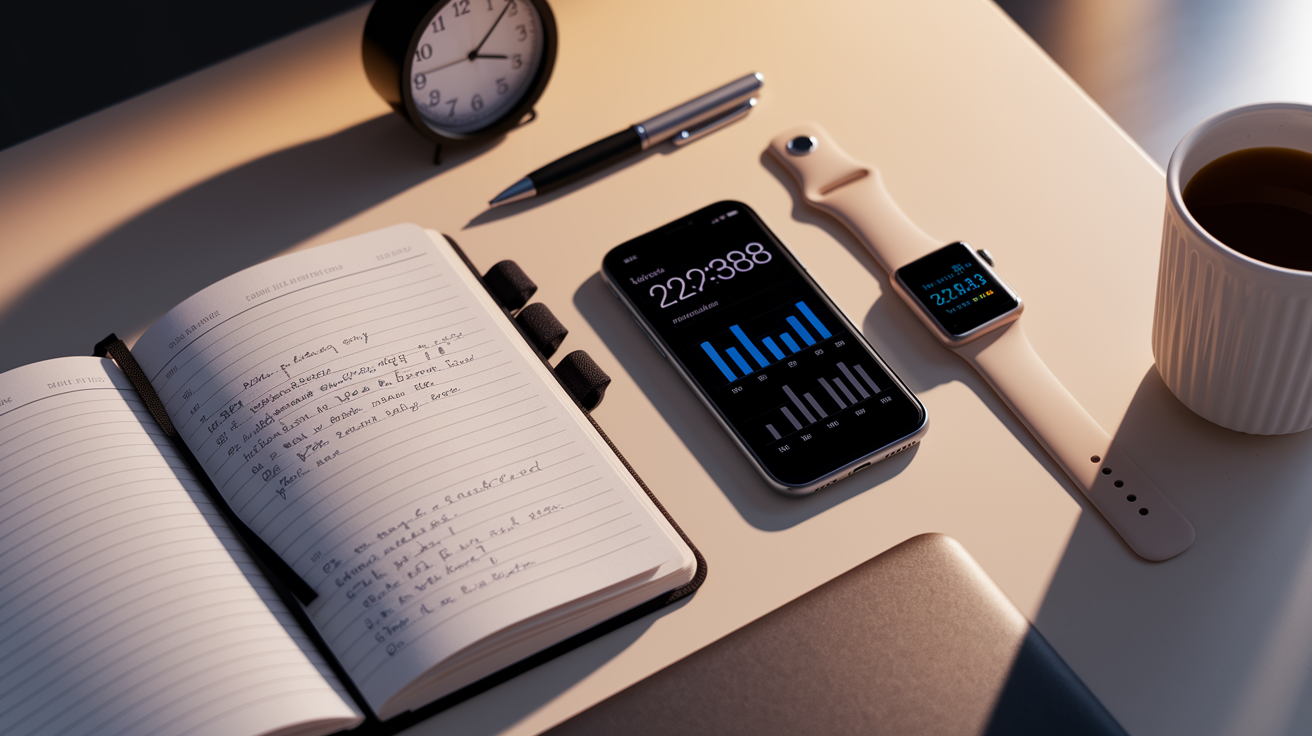
Tracking your sleep helps you spot patterns and measure whether your tweaks are working. Start with a simple sleep diary. Each morning, note what time you went to bed, what time you woke, how long it took to fall asleep, how many times you woke during the night, and how you feel in the morning. Also track potential triggers: caffeine after 2 p.m., alcohol, late meals, screen time before bed, stress level, exercise timing.
Normal sleep latency is 10 to 20 minutes. If you’re consistently taking more than 20 minutes to fall asleep, or if you wake feeling tired despite seven to nine hours in bed, your sleep hygiene needs adjustment. Look for trends. Does cutting caffeine after 3 p.m. improve your sleep latency? Does skipping your phone in bed help you fall asleep faster? Patterns emerge within one to two weeks.
Wearable sleep trackers can add useful data. Total sleep time, time spent in each sleep stage, heart rate variability, and nighttime movement. Accuracy varies by device, but trends over time are more useful than single night precision. If your tracker shows you’re waking frequently or spending very little time in deep sleep, cross reference that with your diary entries to identify likely causes.
| Metric | Why It Matters |
|---|---|
| Sleep latency (time to fall asleep) | Normal range is 10–20 minutes; longer suggests poor wind down or circadian misalignment. |
| Number of nighttime awakenings | Frequent wake ups point to environmental disruption, nocturia, sleep apnea, or substance timing issues. |
| Morning energy rating (1–10) | Tracks whether tweaks improve how you feel upon waking; aim for consistent upward trend. |
When Morning Exhaustion Signals a Sleep Disorder or Medical Issue
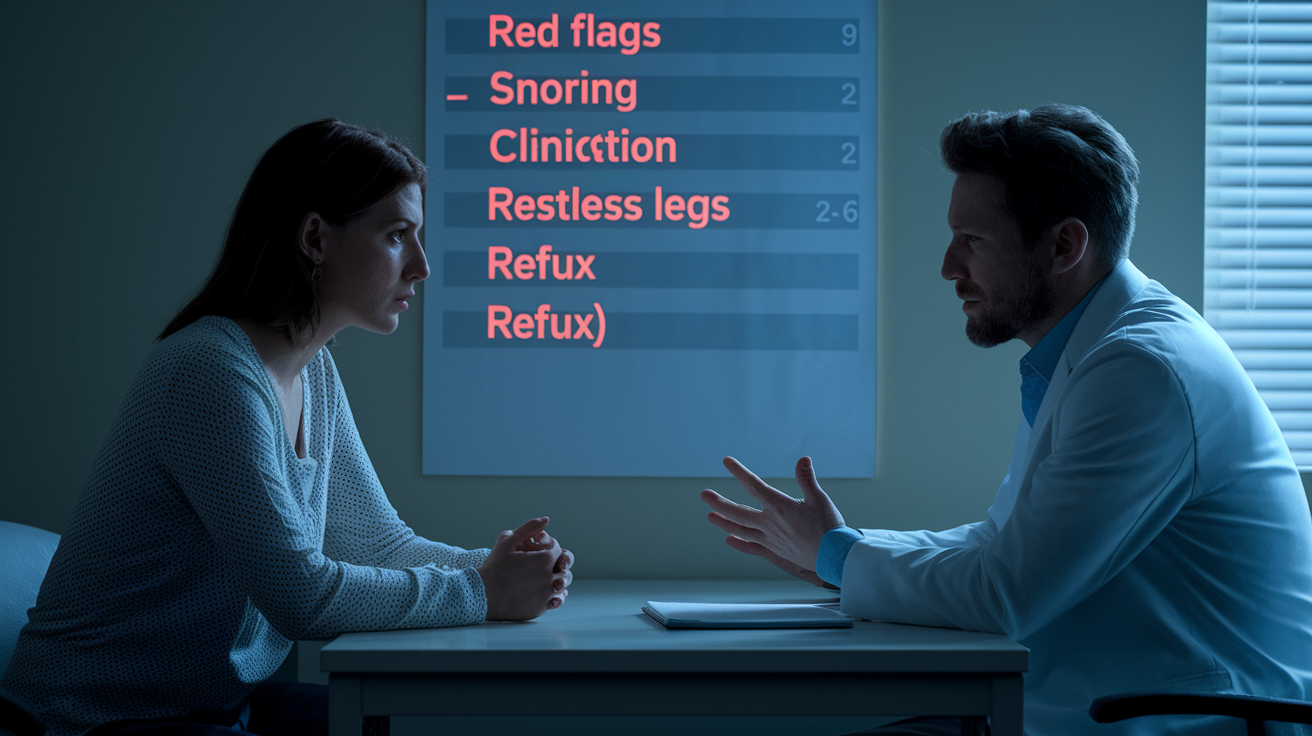
If you’ve applied these tweaks consistently for two to three weeks and still wake exhausted, or if daytime sleepiness interferes with work or safety, see your primary care provider or a sleep specialist. Persistent morning exhaustion can be a sign of an underlying sleep disorder or medical condition that won’t improve with hygiene changes alone.
Loud snoring, gasping, or choking during sleep may indicate obstructive sleep apnea, a condition where the airway repeatedly collapses during sleep, fragmenting rest and lowering oxygen levels. Ask a bed partner if they notice these signs. Treatments include weight loss, positional therapy, and pressurized mask therapy. Creeping, crawling, tingling, or electric shock sensations in the legs that are relieved by movement suggest restless legs syndrome, which can prevent sleep onset and cause frequent nighttime awakenings. Chronic heartburn or acid reflux that disrupts sleep may indicate gastroesophageal reflux disease and often responds well to dietary changes, timing adjustments, or medication.
Chronic morning fatigue can also be a symptom of depression or anxiety. If you notice persistent low mood, loss of interest in activities, irritability, or difficulty concentrating alongside sleep problems, discuss mental health screening with your clinician. Cognitive behavioral therapy for insomnia (CBT-I) retrains thoughts and behaviors around sleep and has been shown to outperform prescription sleep medications for fall asleep speed and sleep continuity, with benefits lasting at least one year without the need for ongoing medication. Ask about CBT-I before starting long term sleep medication.
Five medical red flags that warrant prompt evaluation:
- Loud snoring with gasping, choking, or pauses in breathing during sleep.
- Creeping, crawling, tingling, or burning sensations in the legs that interfere with falling asleep.
- Chronic heartburn or acid reflux that wakes you or prevents sleep onset.
- Persistent daytime sleepiness despite seven to nine hours in bed and consistent sleep hygiene.
- Morning exhaustion accompanied by low mood, irritability, or concentration problems lasting more than two weeks.
Final Words
Start the day with a consistent wake time and bright morning light — within minutes you can feel more alert. Hydrate, stretch or move, and try a quick cold splash if that helps.
At night, keep a calm wind-down, a cool dark room, and smart timing for caffeine, alcohol, and meals. Short naps and a simple sleep diary help you spot patterns fast.
Use these steps as low-risk experiments. These are some of the best sleep hygiene tweaks to reduce morning exhaustion and build steadier energy over time.
FAQ
Q: What is the single highest-impact fix to reduce morning exhaustion?
A: The single highest-impact fix to reduce morning exhaustion is a consistent wake time plus immediate morning light exposure, which together quickly stabilise your sleep rhythm and boost next-morning alertness.
Q: How does morning sunlight help reduce morning sleepiness?
A: Morning sunlight reduces morning sleepiness by resetting your circadian rhythm, raising alertness hormones, and signalling your body it’s daytime—aim for 10–30 minutes of bright light within an hour of waking.
Q: How fast do hydration and movement cut morning fatigue?
A: Hydration and movement cut morning fatigue quickly: drink a glass of water on waking and do 30–60 seconds of gentle movement to improve circulation and reduce sleep inertia within minutes.
Q: What bedroom and pre-bed changes reduce morning grogginess?
A: Bedroom and pre-bed changes reduce morning grogginess by keeping the room 60–67°F (15–19°C), using blackout or low light, removing screens an hour before bed, and having a short wind‑down routine.
Q: When should I stop caffeine, alcohol, and heavy meals to sleep better?
A: Stop caffeine about six hours before bed, avoid alcohol close to bedtime because it fragments sleep, and finish heavy meals at least three hours before bed to reduce night wakings and morning tiredness.
Q: How should I nap to avoid feeling groggy later?
A: Napping for 10–20 minutes early in the afternoon avoids deep sleep and reduces grogginess; skip long or late naps that can weaken nighttime sleep drive and worsen morning tiredness.
Q: What quick evening wind‑down tricks improve sleep quality?
A: Quick evening wind‑down tricks that improve sleep quality include a 30–60 minute routine, warm shower to help cool your core, 5–10 minutes of breathing or journaling, and dimming lights early.
Q: How can tracking help me fix morning exhaustion?
A: Tracking helps fix morning exhaustion by logging sleep time, sleep latency, wake times, triggers (caffeine, alcohol, stress), and severity; trends and this data make clinic visits far more useful.
Q: When should I worry that morning exhaustion is a sleep disorder or medical issue?
A: You should worry when morning exhaustion comes with loud snoring or gasping, creeping leg sensations, persistent daytime sleepiness, or worsening symptoms—these signs merit clinician or sleep specialist evaluation.
Q: What simple morning routine builds momentum and reduces grogginess?
A: A simple morning routine that reduces grogginess is bright light, a 30‑second movement or stretch, a cool face or quick splash of water, then a protein‑rich snack or hydration to keep energy stable.
Comments are closed