What if your exhausted mornings are actually caused by anxiety that wakes you at night?
Here’s the simple version: nighttime worry keeps your stress system switched on, so cortisol (a stress hormone) stays higher than it should and blocks melatonin (the sleep hormone).
The result is shallow, broken sleep that leaves you wiped out in the morning.
That morning fatigue makes daytime stress feel bigger, which fuels more night worry.
This sleep-stress cycle is common and often improves with small, consistent steps.
In this post I explain why it happens and give practical steps you can try tonight.
Why Morning Exhaustion and Nighttime Anxiety Occur Together (Core Physiological and Psychological Link)
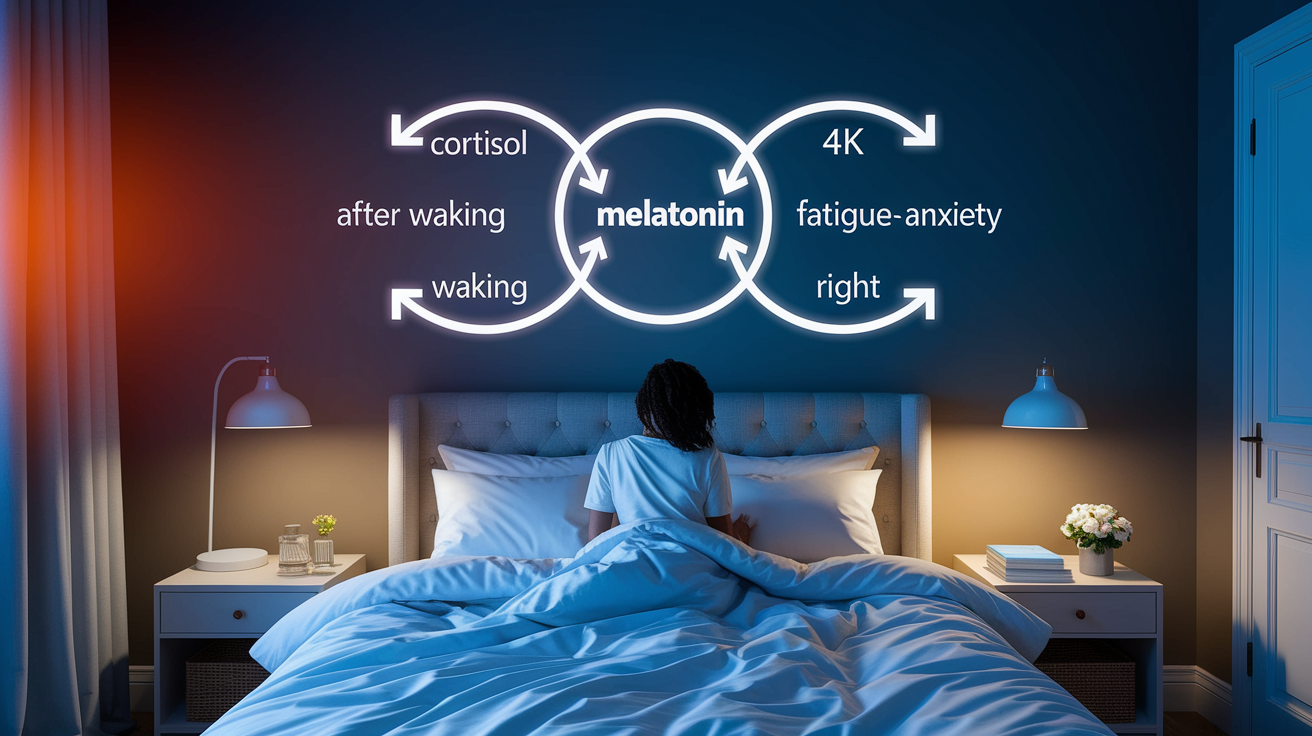
Morning fatigue and nighttime anxiety feed off each other through a stress-sleep cycle that’s surprisingly hard to break. Here’s what’s happening: normally, cortisol (your main stress hormone) peaks about 30 to 45 minutes after you wake up, then gradually drops throughout the day. Meanwhile, melatonin starts rising in the evening as light fades, signaling your body that it’s time to sleep. But anxiety at night throws this whole system off. When your stress response kicks in during hours when you should be winding down, cortisol spikes when it shouldn’t, blocking melatonin release and preventing your body from shifting into sleep mode. You end up wired at night and wiped out in the morning.
Evening anxiety keeps your nervous system stuck in a defensive, alert state. Instead of cycling through the normal sleep stages (light sleep, deep slow-wave sleep, and REM), your brain stays partially activated. You might lie in bed for seven or eight hours, but the sleep you’re getting is fragmented and shallow. It doesn’t restore anything. When morning comes, your body hasn’t completed its overnight repair work, your stress system is still sensitized, and you’re starting the day already tense and exhausted.
And here’s where it gets worse. That morning exhaustion makes it harder to handle daytime stress. Small challenges feel overwhelming. Your cognitive and emotional resources drain as the day goes on, and by evening, anxiety builds again. Often it’s worry about whether you’ll be able to sleep or function tomorrow. That anticipatory anxiety reactivates the same cortisol-melatonin disruption, guaranteeing another night of poor sleep and another morning of fatigue. The cycle feeds itself. Each poor night primes the next round of anxiety. Each anxious night deepens the next morning’s exhaustion.
Biological Mechanisms Behind the Fatigue-Anxiety Cycle

Your autonomic nervous system has two branches: the sympathetic “fight or flight” side and the parasympathetic “rest and digest” side. Anxiety heavily tips the balance toward sympathetic dominance, especially in the evening when your system should be shifting into recovery mode. Elevated sympathetic tone increases heart rate, raises blood pressure, sharpens alertness, and floods your bloodstream with adrenaline and cortisol. These responses make sense if you’re facing real danger. But when they persist night after night, they block the deep physiological downshift required for sleep. Even if you manage to fall asleep, sustained sympathetic activation keeps your nervous system on edge, producing lighter, more easily disrupted sleep and blocking access to the slow-wave stages that restore energy and clear metabolic waste from your brain.
Sleep architecture (the organization of sleep into distinct stages) takes measurable damage under chronic nighttime anxiety. Slow-wave sleep, the deepest and most physically restorative phase, typically happens in the first half of the night. It’s when your body handles tissue repair, immune function, and metabolic regulation. REM sleep, concentrated in later cycles, supports memory consolidation and emotional processing. When anxiety fragments sleep or delays when you fall asleep, you lose minutes or entire cycles of these stages. The result? A sleep period that might look adequate in length but fails to deliver the restoration your body and brain need. You wake with muscle tension, brain fog, and the same heavy fatigue you brought to bed.
The HPA axis (your body’s central stress-response system) becomes dysregulated when nighttime anxiety chronically activates it outside normal circadian patterns. Repeated activation at inappropriate times can flatten or even invert your natural cortisol curve. Sometimes this produces inappropriately high evening cortisol or blunted morning peaks. Both worsen fatigue and mood instability, and both further destabilize your sleep-wake cycles.
Psychological Patterns That Link Night Anxiety and Morning Tiredness
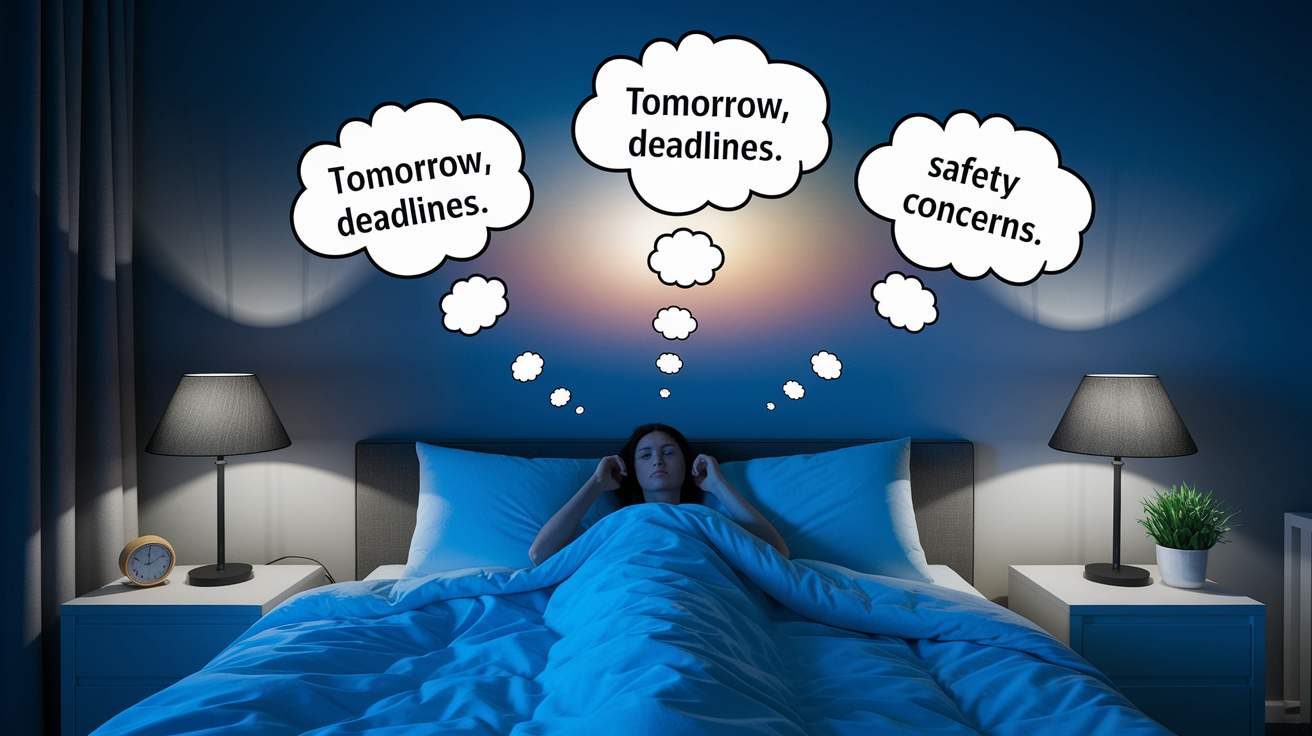
Rumination gets worse as the day quiets and external distractions fade. You know the pattern: repetitive, passive focus on worries, regrets, or anticipated problems. Lying in bed provides perfect conditions for this cognitive loop, and each cycle activates the same threat-detection circuits that drive the physical anxiety response. The more you ruminate, the more alert your brain becomes. The longer it takes to fall asleep. That delay itself becomes a new source of worry, creating a secondary layer of anxiety about sleeplessness that pushes rest even further away.
Anticipatory anxiety about tomorrow’s demands primes your nervous system for threat before any actual stressor has occurred. If you expect difficulty, conflict, or overwhelm tomorrow, your brain treats that forecast as a present danger. It triggers arousal and vigilance tonight. This preemptive activation keeps your body in a defensive state and makes it nearly impossible to relax into sleep, even when you’re physically exhausted.
Morning fatigue reduces cognitive resilience and executive function (the mental resources you need to regulate emotions, inhibit worry, and maintain perspective). When you wake already drained, minor irritations feel disproportionately stressful. Your capacity to challenge anxious thoughts or redirect attention weakens. This cognitive vulnerability increases your sensitivity to stress across the day, making it more likely that anxiety will accumulate again by evening and restart the cycle.
Lifestyle and Environmental Triggers That Intensify the Cycle

Modern routines introduce multiple environmental factors that dysregulate the biological systems governing sleep and arousal. Blue light from screens (phones, tablets, computers, televisions) suppresses melatonin production by signaling to your brain that it’s still daytime, even late into the evening. Exposure within two hours of bedtime can delay sleep onset by 30 minutes or more and reduce total sleep duration, compounding the effects of anxiety-driven hyperarousal.
Key lifestyle triggers that worsen the fatigue-anxiety cycle:
Inconsistent sleep schedules. Shifting bedtimes or wake times on weekends destabilizes circadian rhythms and makes it harder for your body to anticipate and prepare for sleep.
Late caffeine intake. Caffeine has a half-life of about five hours, so consumption even in mid-afternoon can leave stimulant residue in your system at bedtime.
Alcohol use before bed. It may induce drowsiness initially but fragments sleep in the second half of the night and triggers an early-morning cortisol rebound.
Heavy or spicy meals close to bedtime. These activate digestion and can cause discomfort or reflux that disrupts sleep.
Chronic exposure to high-stress environments. Work pressure, relationship conflict, or financial strain keeps baseline cortisol elevated and primes your nervous system for nighttime alertness.
These environmental factors don’t operate alone. They layer on top of an already sensitized stress-response system, amplifying the cortisol-melatonin imbalance and sympathetic dominance that drive both nighttime anxiety and morning fatigue. Small improvements in sleep hygiene and routine consistency can begin to stabilize circadian signals and reduce the physiological load that sustains the cycle.
How Morning Fatigue Feeds Back Into Nighttime Anxiety
When you wake exhausted, your nervous system starts the day already depleted. You have fewer resources available to buffer against stress. Tasks that would normally feel manageable (responding to emails, navigating a conversation, making decisions) require more cognitive effort and emotional regulation. This increased demand on a fatigued system heightens your perception of threat and reduces your ability to downregulate anxiety responses. The entire day feels harder and more overwhelming than it objectively may be. That cumulative stress builds across waking hours. By evening, you’re carrying a heavier emotional and physiological load than you would after a restorative night of sleep.
Physical sluggishness and brain fog in the morning also create anticipatory worry about performance and functioning. If you struggle to wake up, feel slow to think clearly, or notice tension and irritability that make interactions more difficult, you begin to fear that tomorrow will be the same. Or worse. That fear itself becomes a source of nighttime anxiety, often centered on catastrophic predictions about your capacity to meet responsibilities or maintain relationships. The worry activates the same stress pathways that originally disrupted your sleep, ensuring that the fatigue you dread in the morning is more likely to recur. The cycle tightens with each repetition.
Evidence-Based Strategies to Break the Cycle
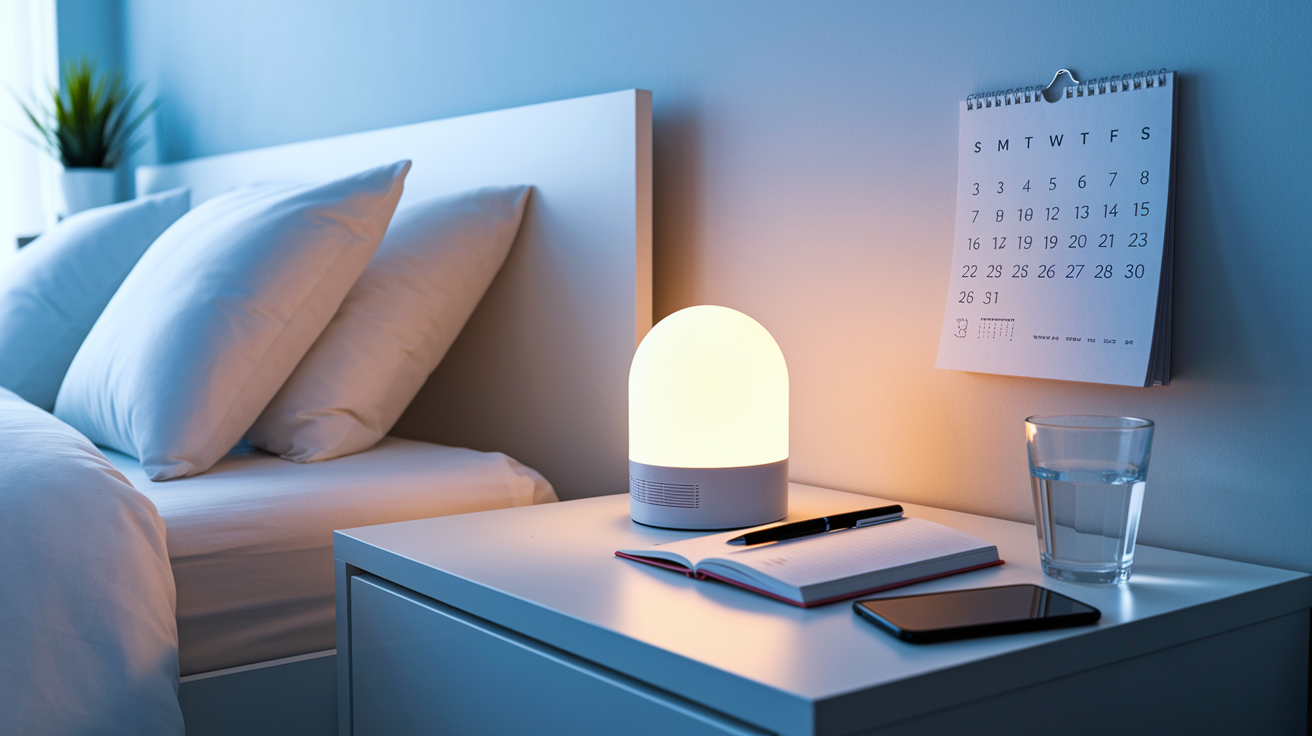
Breaking the fatigue-anxiety feedback loop requires interventions that address both the physiological dysregulation and the psychological patterns sustaining it. Small, consistent changes in timing, environment, and mental habits can begin to restore circadian stability and reduce nighttime hyperarousal.
Practical strategies to interrupt the cycle:
Maintain a fixed wake time seven days a week, even on weekends. This anchors your circadian rhythm and stabilizes cortisol and melatonin timing more effectively than varying your schedule.
Get bright light exposure within 30 minutes of waking. Natural sunlight or a lightbox signals your brain that the day has started, suppresses residual melatonin, and reinforces the cortisol awakening response in a healthy direction.
Limit screens for at least one hour before bed. Or use blue-light filters and dimmed settings if complete avoidance isn’t realistic. Reducing evening light exposure helps melatonin rise on schedule.
Schedule a 10 to 15 minute “worry window” earlier in the evening. Write down concerns and next steps, then close the notebook. This externalizes rumination and reduces the need to process worries in bed.
Practice a structured wind-down routine starting 30 to 60 minutes before bed. Light stretching, slow breathing (try inhaling for four seconds, holding for four, exhaling for six), or a body scan activates parasympathetic recovery and signals safety to your nervous system.
Avoid caffeine after early afternoon and alcohol within three hours of bedtime. Both interfere with sleep architecture and cortisol regulation, even if you don’t feel their immediate effects.
These strategies work by realigning your internal clock, reducing sympathetic arousal at night, and creating conditions that allow restorative sleep to occur. Consistency matters more than perfection. Even partial adherence (fixing your wake time and adding morning light, for example) can begin to shift cortisol and melatonin patterns within days. That physiological stabilization reduces both the intensity of nighttime anxiety and the severity of morning fatigue. If symptoms persist despite these changes, or if anxiety and exhaustion significantly impair your daily functioning, seek evaluation from a healthcare provider. The cycle may require targeted therapy or medication to fully resolve.
Final Words
We traced how a late cortisol rise and reduced melatonin make sleep shallow and leave you worn out in the morning.
We also looked at worry and rumination that keep you awake, and how tired mornings make you more reactive the next day.
Small, low-risk steps, like consistent bedtimes, evening downshifts, morning light, and brief worry-time, often help reset the rhythm.
This is the morning fatigue and night-time anxiety connection explained: it’s a loop you can nudge with small, steady changes. Track what helps and share it with your clinician if you need extra support. You can make steady progress.
FAQ
Q: How long does it take to recover from anxiety fatigue?
A: Recovery from anxiety fatigue can take a few days up to several months, depending on severity, sleep, stress, and treatment; seek professional help if it lasts months or worsens.
Q: What is the 3-3-3 anxiety rule?
A: The 3-3-3 rule is a grounding exercise: name three things you see, three things you hear, and either move three body parts or take three slow breaths to return your focus to the present.
Q: What is the #1 worst habit for anxiety?
A: The #1 worst habit for anxiety is often rumination—replaying worries without problem-solving—because it keeps the mind alert, raises stress, and prevents restful sleep and recovery.
Q: How to reduce anxiety immediately at night?
A: To reduce anxiety immediately at night, try grounding (3-3-3), slow long exhales, progressive muscle relaxation, dim lights and stop screens, and jot one small worry to revisit tomorrow.
Comments are closed