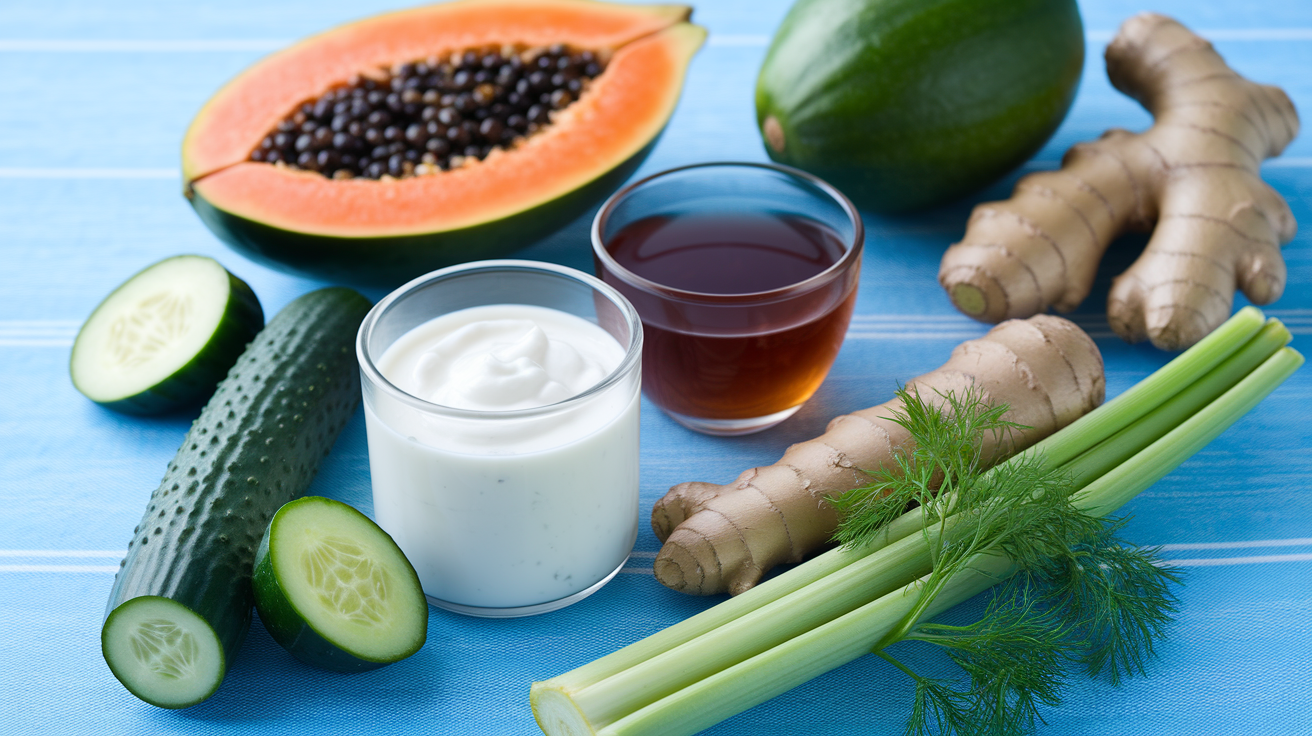
You don’t always need a pill to quiet gassiness.
It can feel embarrassing and uncomfortable.
This post shows simple foods that often calm gas fast: ginger, peppermint, fennel, enzyme-rich fruits like papaya and pineapple, probiotic yogurt or kefir, hydrating cucumber and watermelon, and gentle fibers like oats and rice.
You’ll get quick ways to try them now, what to track, and when to see a clinician if symptoms persist.
Okay, here’s the simple version: eat smart, sip warm tea, and notice what helps.
Fast-Acting Foods That Relieve Gas Right Now
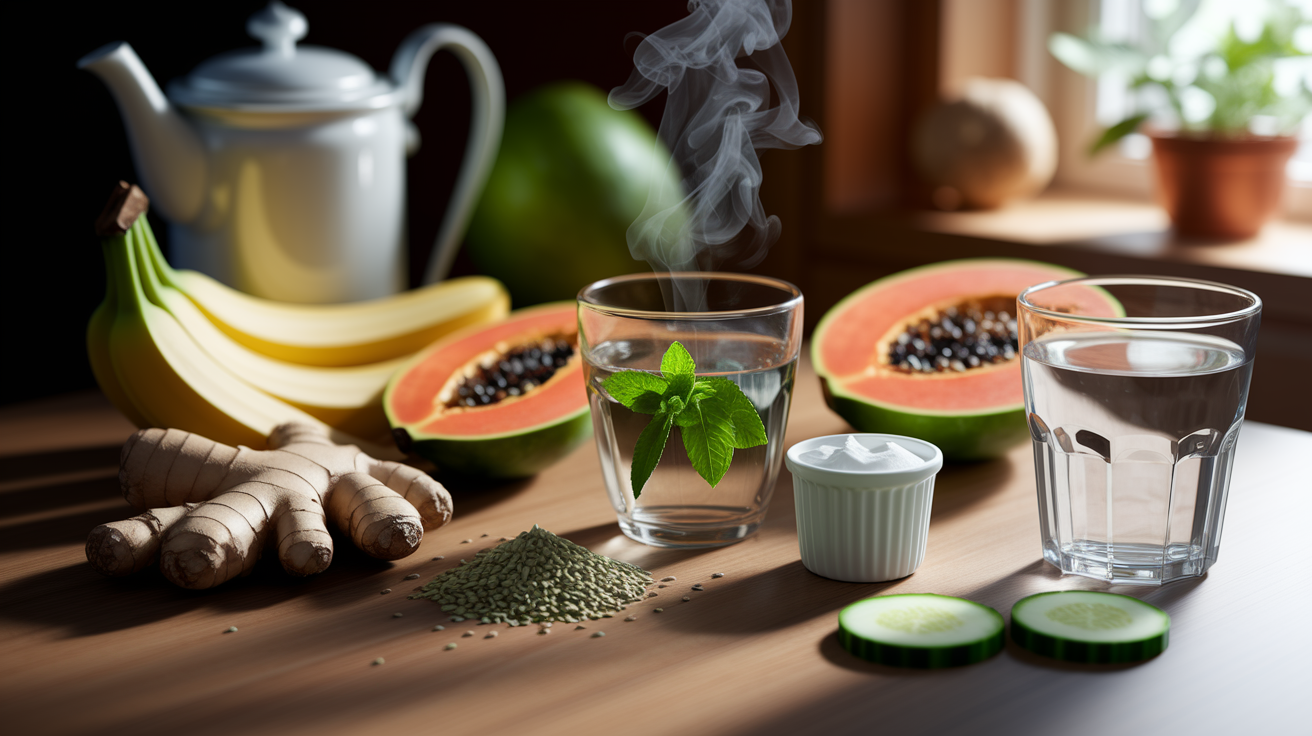
Gas relief breaks down into five things: staying hydrated, getting digestive enzymes, adding probiotics, balancing sodium with potassium, and eating gentle fibers that keep things moving without causing fermentation. The foods that work fast either relax your gut, help it empty quicker, or soften those uncomfortable air pockets.
Ginger, peppermint, and fennel have actually been studied for how they relax intestinal muscles and support gastric motility. Yogurt with live cultures and kefir deliver probiotics that can reduce bloating in as little as four weeks. Papaya and pineapple contain enzymes that break down proteins before fermentation even starts. Try a small serving first, like 118 grams of banana (around 3 grams of fiber) or a warm cup of peppermint tea after you eat, and see if things calm down.
You can use these right now in practical formats: sip warm ginger or fennel tea, chew fennel seeds after meals, eat half a cup of plain yogurt with live cultures, or blend fresh papaya or pineapple into a small smoothie. Even half a cucumber or a handful of berries helps with hydration and calming your gut when gas shows up.
Ten fast-acting anti-gas foods:
- Ginger – gets your stomach emptying faster and cuts inflammation
- Peppermint tea – relaxes intestinal muscles, reduces spasms
- Fennel seeds – antispasmodic oils help clear trapped gas
- Banana – potassium rich and gentle, with 3 g fiber per medium fruit
- Papaya – papain enzyme breaks down proteins
- Pineapple – bromelain enzyme might support protein digestion
- Kiwi – actinidin enzyme helps digestion and speeds transit
- Yogurt – probiotics cut bloating and distension
- Cucumber – about 95% water, hydrating and soothing
- Avocado – potassium and fiber support fluid balance and regularity
Probiotic & Fermented Foods That Reduce Gas Over Time
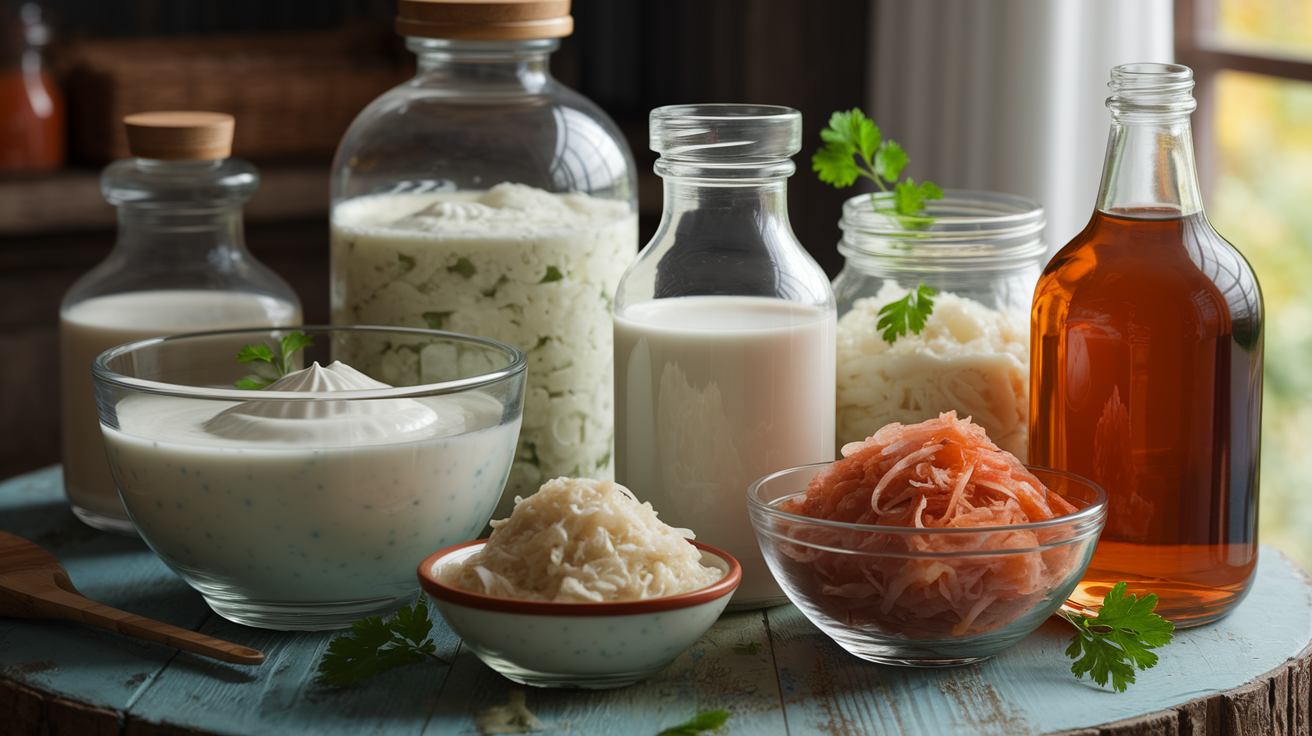
Probiotics shift the balance of gut bacteria toward strains that produce less gas during fermentation. Studies show that probiotic yogurt reduces bloating and abdominal distension in people with IBS. Kefir consumed at 400 mL per day for four weeks decreased bloating in those with inflammatory bowel disease. Fermented vegetables like sauerkraut and kimchi increase microbiome diversity, which improves digestion and reduces fermentation-related gas over a few weeks.
Pick dairy ferments if you tolerate lactose well. If you’re sensitive, go for non-dairy options like kombucha, coconut yogurt, or fermented vegetables. Kefir is about 99% lactose free and might be gentler than regular yogurt. A 2023 pilot study in 40 women found that drinking 220 mL of kombucha daily for 10 days improved both constipation and bloating, though you need to watch out for high sugar or highly carbonated brands.
| Food | Key Benefit | Study/Detail |
|---|---|---|
| Yogurt | Reduces bloating and distension | Probiotics shown effective in IBS studies |
| Kefir | Decreases bloating in IBD | 400 mL/day for 4 weeks (2018 trial) |
| Kombucha | Improves constipation and bloating | 220 mL/day for 10 days (2023 pilot, n=40) |
| Sauerkraut | Increases microbiome diversity | Fermented vegetables support gut balance |
Hydrating, Low-Gas Foods for a Calm Digestive System

Water rich foods prevent bloating caused by dehydration and too much sodium. When you’re dehydrated, your body holds onto water, which makes you feel puffy. Cucumbers, celery, and watermelon are around 91 to 95% water. Tomatoes also provide high water content along with gentle fiber.
Fruits like berries and citrus are easier on the stomach than dried fruit or high fructose options. Citrus contains naringenin, a flavonoid linked to mild laxative effects in research studies, and the water content supports hydration without adding fermentable sugars in large amounts. Lettuce and other salad greens are also low in fermentable carbohydrates and high in water, making them gentle when you’re feeling gassy.
Pair these with higher fiber meals to balance transit speed and hydration. Add cucumber slices to a quinoa bowl, toss berries into oatmeal, or serve a small side salad with a portion of white rice. The water helps soften stool and move things along without creating extra fermentation.
Enzyme-Rich Foods That Break Down Gas-Causing Compounds
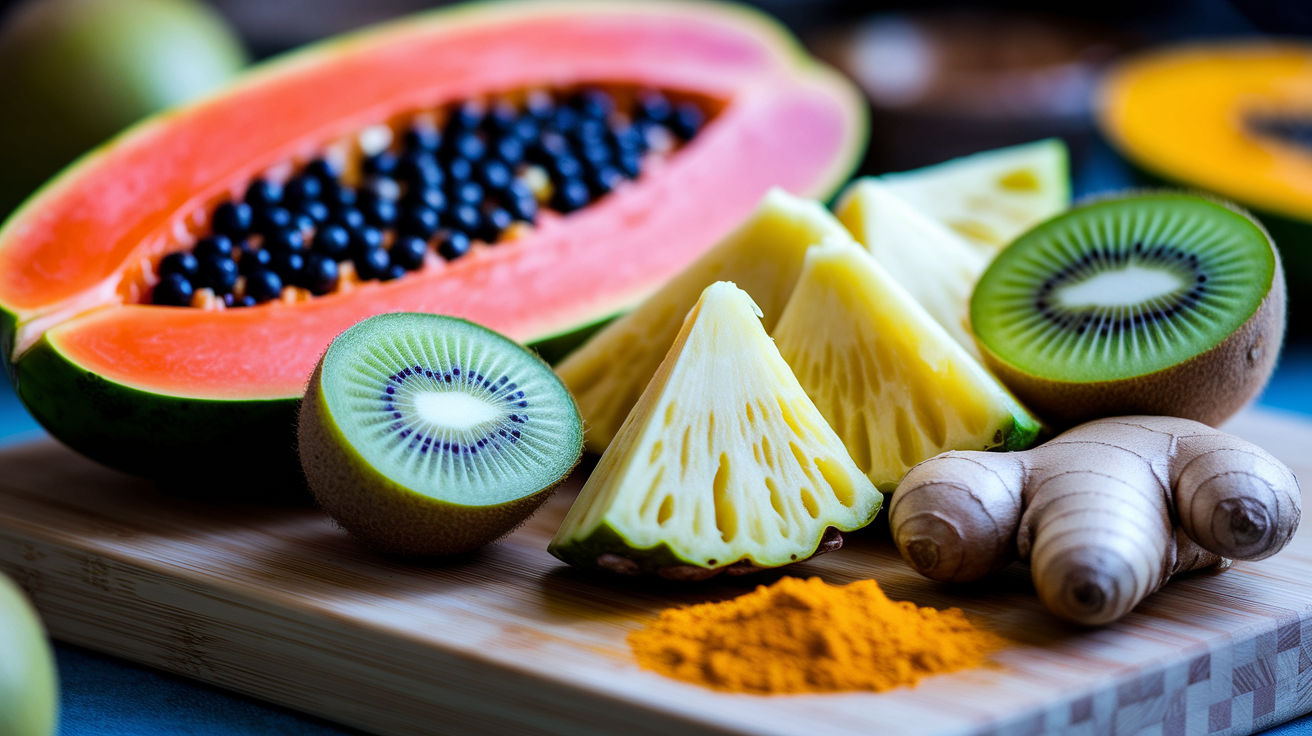
When proteins and carbohydrates aren’t fully broken down in the stomach and small intestine, they reach the colon where bacteria ferment them and produce gas. Digestive enzymes in certain foods can speed up that breakdown before fermentation begins.
Papaya contains papain, pineapple contains bromelain, and kiwi includes actinidin. All enzymes that help digest proteins and may reduce the amount of undigested material reaching the colon. Ginger contains zingibain, which has anti-inflammatory properties and supports digestion. Turmeric’s curcumin may reduce inflammation in the gut that contributes to bloating.
Five enzyme-rich foods that reduce gas:
- Papaya – papain enzyme breaks down proteins; limit to about one cup because of fructose content
- Pineapple – bromelain may support protein digestion, though evidence is mostly anecdotal
- Kiwi – actinidin helps digestion and improves bowel regularity
- Ginger – zingibain reduces inflammation and speeds gastric emptying
- Turmeric – curcumin linked to reduced IBS symptoms including bloating
Gentle High-Fiber Foods That Reduce Gas Without Triggering Bloat
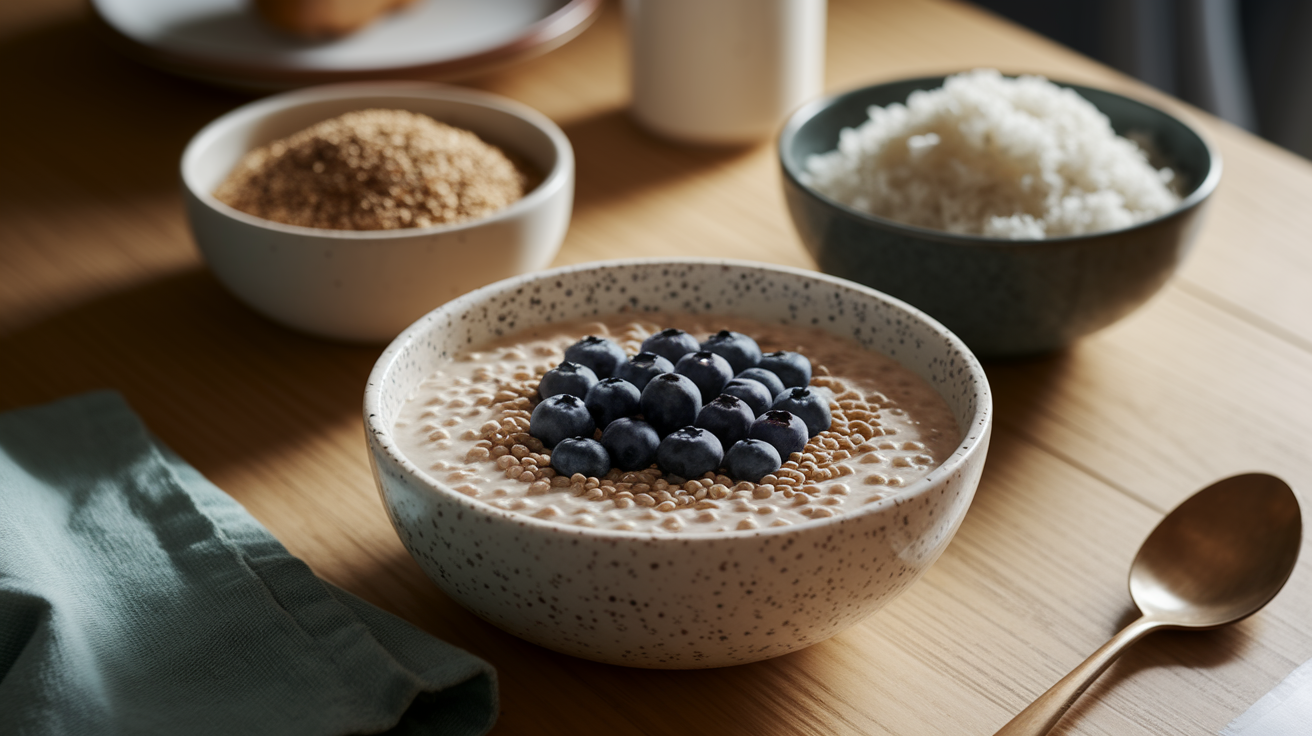
Not all fiber is the same. Soluble fiber dissolves in water and forms a gel that slows digestion, which can reduce intestinal gas production and support regular bowel movements. Insoluble fiber adds bulk and speeds transit, but too much at once can increase gas if your gut isn’t used to it.
Oats provide both types of fiber, about 4 grams per half cup of dry oats, and are gentle enough for most people with sensitive digestion. Quinoa is a gluten free whole grain option that’s lower in fermentable carbohydrates than wheat, making it useful if gluten containing foods trigger bloating. White rice is a low residue grain that’s easy to digest and won’t produce much gas. It’s a good choice during flare ups or when you need a break from high fiber foods.
These foods help if you have IBS, you’re recovering from antibiotics, or your gut is sensitive to sudden increases in fiber. Introduce them gradually, drink plenty of water, and pair them with enzyme rich fruits or probiotic foods to support complete digestion.
Low-FODMAP Foods for People Sensitive to Gas
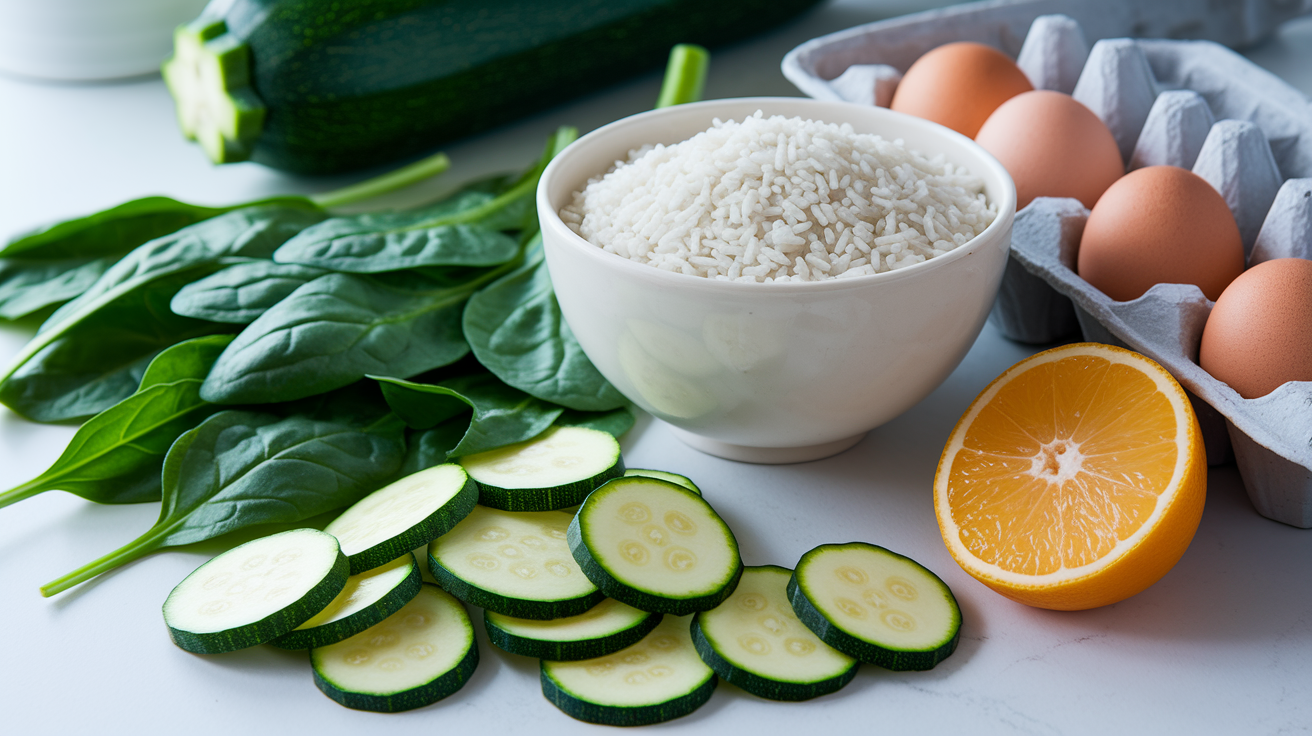
FODMAPs are fermentable carbohydrates that can cause gas, bloating, and discomfort in people with sensitive digestive systems. Common high FODMAP foods include cruciferous vegetables like broccoli and cauliflower, garlic, onions, legumes, and lactose containing dairy. These ferment quickly in the colon, producing gas and triggering bloating.
Six low-FODMAP foods that reduce gas:
- Zucchini – low in fermentable carbs and easy to digest
- Berries – strawberries, blueberries, and raspberries are generally low FODMAP in small servings
- Rice – white or brown rice is well tolerated and low in FODMAPs
- Eggs – protein rich and cause minimal gas
- Spinach – low FODMAP leafy green high in magnesium
- Citrus – oranges and lemons in moderate portions are low FODMAP
Anti-Gas Herbs, Spices, and Teas That Calm the Gut
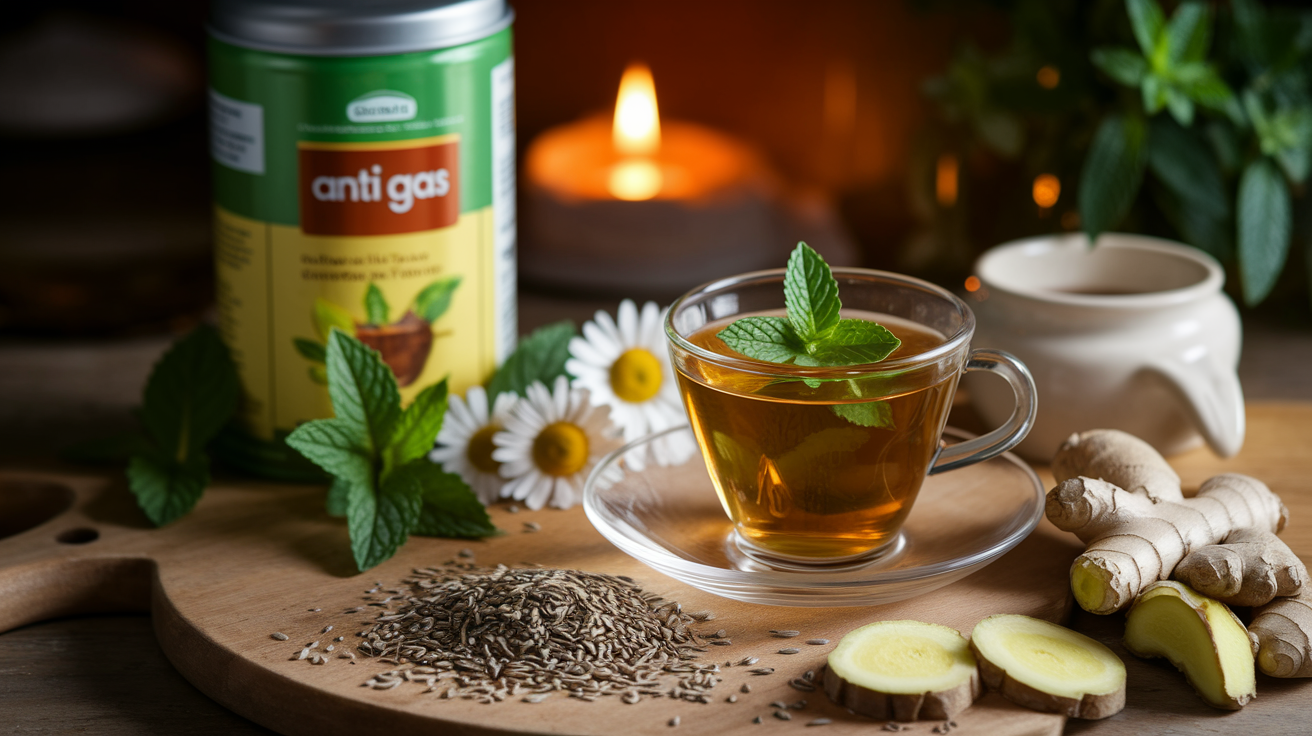
Herbal remedies have been used for centuries to relieve gas, and modern research supports many of them. Peppermint oil has been shown in meta-analyses to reduce bloating and abdominal pain in IBS. Fennel contains volatile oils (anethole, fenchone, and estragole) that relax the intestines and help clear trapped gas. Chamomile has mild antispasmodic effects that can soothe cramping and discomfort.
Use teas after meals to support digestion and reduce gas in real time. Chew fennel or anise seeds after eating to release the oils directly in your mouth and stomach. Fresh herbs like mint, ginger, and parsley can be added to meals or steeped in hot water.
Peppermint & Chamomile
Peppermint relaxes the smooth muscles of the bowel, which can reduce cramping and help trapped gas move through. Chamomile works similarly but more gently, making it a good choice if peppermint feels too strong or if you have acid reflux, since peppermint can sometimes relax the lower esophageal sphincter.
Fennel & Anise
Fennel and anise seeds contain oils that have antispasmodic properties. Chewing the seeds after meals stimulates digestion and releases the oils, which help break up gas pockets and reduce bloating. You can also brew the seeds into tea or add fresh fennel bulb to salads and soups.
Ginger & Green Tea
Ginger gets your stomach emptying faster, which means food moves through quicker and spends less time fermenting. Green tea provides antioxidants like EGCG and contains mild caffeine, which can act as a gentle natural laxative and reduce inflammation in the digestive tract, especially in people with inflammatory bowel conditions.
Foods That Commonly Cause Gas (And Easy Swaps)
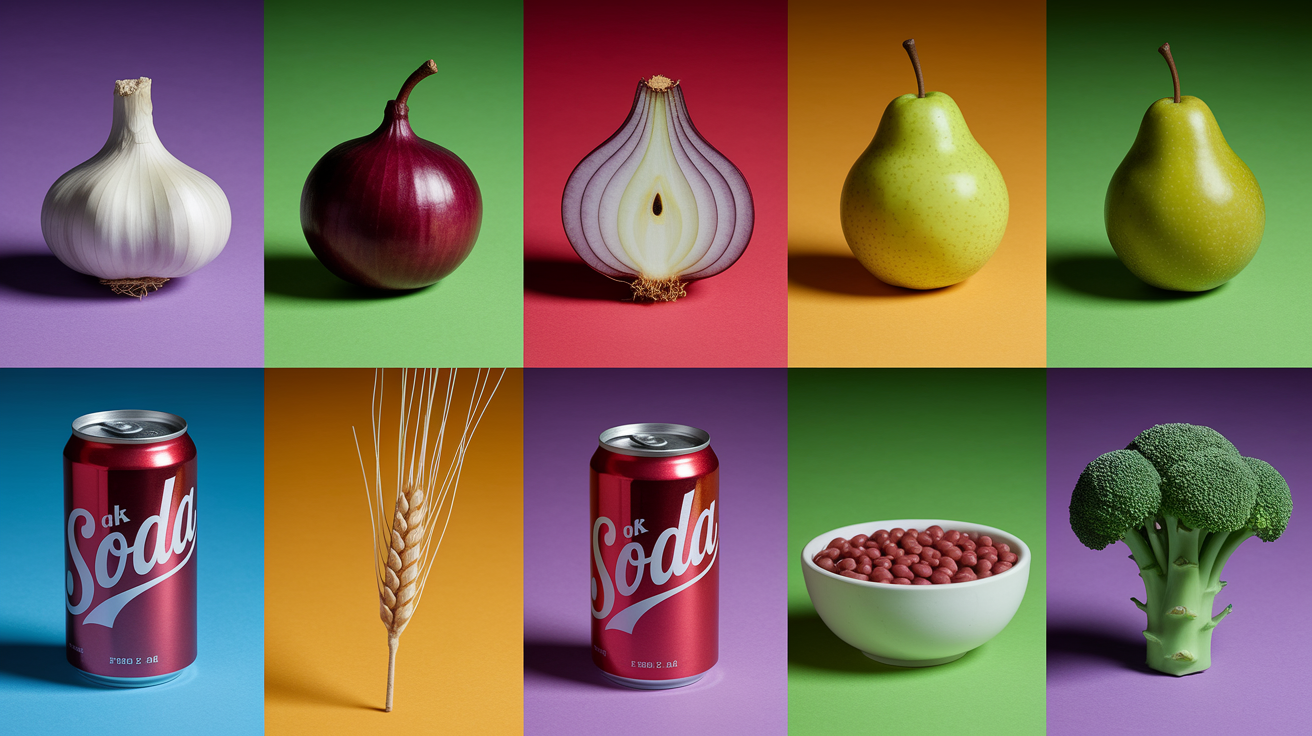
Gas causing foods fall into a few categories: those high in fermentable carbohydrates (FODMAPs), those that introduce air (carbonated drinks), those that are hard to digest (certain fibers and fats), and those that trigger intolerance reactions (lactose, sugar alcohols). Beans and lentils contain oligosaccharides that ferment in the colon, producing gas. Cruciferous vegetables like broccoli, cabbage, and Brussels sprouts have sulfur compounds that increase gas and odor. Onions and garlic are high FODMAP and ferment quickly.
Preparation matters. Soaking and sprouting legumes before cooking reduces their gas producing compounds. Cooking cruciferous vegetables can make them easier to digest than eating them raw. Avoiding carbonated drinks gets rid of the air bubbles that get trapped in your digestive tract. Choosing lactose free dairy or kefir can help if lactose intolerance is the issue.
Eight common gas-causing foods and triggers:
- High-FODMAP foods – garlic, onions, apples, pears, wheat
- Carbonated drinks – soda, sparkling water, beer introduce air into the gut
- Legumes – beans, lentils, chickpeas ferment and produce gas; soak and sprout to reduce
- Cruciferous vegetables – broccoli, cauliflower, cabbage, Brussels sprouts in large amounts
- Dairy – lactose containing milk, cheese, ice cream if lactose intolerant
- Sugar alcohols – sorbitol, mannitol, xylitol in sugar free products
- Nuts that cause gas – cashews and pistachios can be harder to digest for some
- Salty foods – high sodium meals increase water retention and bloating
Eating Habits That Reduce Gas (Beyond Food Choices)

How you eat is just as important as what you eat. Eating quickly increases the amount of air you swallow, which adds to bloating and gas. Chewing thoroughly breaks food into smaller pieces, which makes it easier for digestive enzymes to work and reduces the amount of undigested material reaching the colon.
Meal size and timing also matter. Large meals sit in the stomach longer, which can slow gastric emptying and increase fermentation. Smaller, more frequent meals keep digestion moving steadily. A short walk after eating stimulates peristalsis (the wave like contractions that move food through your intestines) and can help trapped gas move out.
Tracking your habits helps you spot patterns. Note what you ate, how much, how fast, what time of day, and how you felt an hour or two later. Over a week or two, you’ll start to see which combinations, portions, or behaviors trigger gas, and which ones keep you comfortable.
Simple Meal & Snack Ideas Using Gas-Reducing Foods
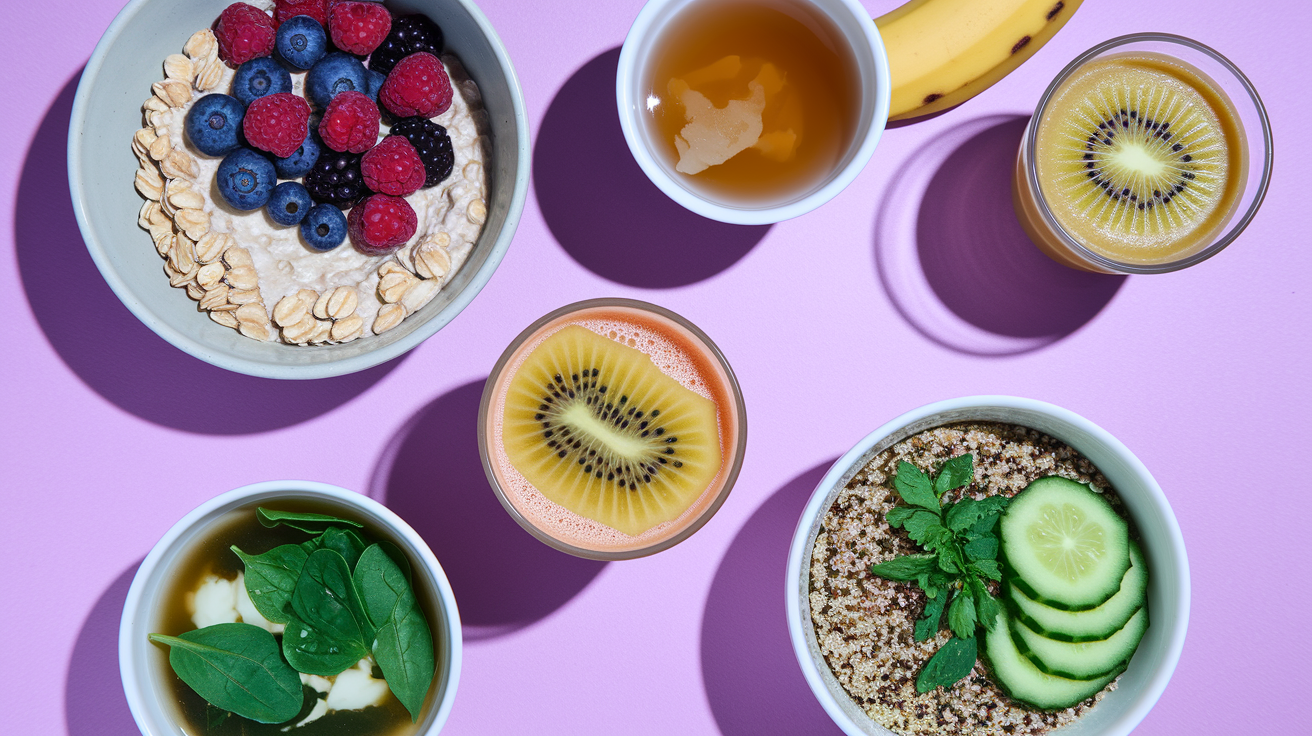
Combining low gas foods in meals makes it easier to stay comfortable throughout the day. Warm liquids like miso soup get motility going and are gentle on the stomach. Smoothies let you blend enzyme rich fruits with low FODMAP options and probiotics without overwhelming your digestive system.
| Meal Idea | Key Ingredient | Why It Helps |
|---|---|---|
| Oatmeal + berries | Oats, blueberries | Gentle soluble fiber and low-FODMAP fruit support regularity |
| Ginger tea + banana | Fresh ginger, banana | Speeds gastric emptying; potassium balances sodium |
| Miso soup + spinach | Miso, spinach | Warm liquid stimulates motility; magnesium relaxes muscles |
| Papaya–kiwi smoothie | Papaya, kiwi, kefir | Enzymes break down proteins; probiotics reduce fermentation |
| Quinoa bowl with cucumber + herbs | Quinoa, cucumber, fennel | Gluten-free grain, hydration, antispasmodic oils |
Final Words
Start by trying one or two fast fixes, like ginger tea, a small yogurt serving, or a papaya smoothie, then add gentle fibers, hydrating produce, and enzyme-rich fruit.
Over time, include probiotic and fermented foods, pick low-FODMAP choices if you suspect sensitivity, and use calming herbs such as peppermint or fennel.
Slow eating, smaller portions, and simple swaps make a big difference.
With a few practical choices and quick tracking, you can cut down discomfort — these are easy foods to relieve gas that work in real life.
FAQ
Q: What foods are good for gas relief?
A: Foods good for gas relief include yogurt or kefir (probiotics), ginger and fennel (calm the gut), enzyme-rich fruits like papaya or pineapple, banana, cucumber, oats, and cooked quinoa for gentle fiber.
Q: How do you get rid of gas quickly?
A: To get rid of gas quickly, sip peppermint or ginger tea, chew fennel seeds, take a short walk, try a gentle belly massage, and avoid carbonated drinks or straws; see a clinician if pain or severe symptoms persist.
Comments are closed