
What if the 9 a.m. meeting isn’t the problem, but your body’s clock is?
Tracking your morning energy means you stop guessing and start putting important appointments where you’re actually sharp.
This guide gives three simple ways to track your morning curve, sleep-midpoint, weekend-wake comparison, and short morning charting, plus easy things to try now, what to log, and how to turn two weeks of tiny notes into appointment windows that work for you.
Practical Foundations for Tracking Morning Energy Patterns for Appointments
Tracking morning energy patterns means you stop guessing when to book important appointments and start putting them exactly where your body’s actually ready. No more accepting whatever 9 a.m. slot someone offers or scheduling high-stakes calls during your predictable slumps.
You’ve got three main ways to track: the sleep-midpoint method, the weekend-wake comparison, and short morning charting. Sleep-midpoint uses your natural sleep timing on free days to figure out your chronotype. Weekend-wake checks how much later you sleep on Saturdays versus weekdays to spot whether you lean early or late. Morning charting collects hourly snapshots of how you feel during those first few hours after waking, repeated over a couple weeks. Pick one or stack them for better confidence.
Want to start right now? Use a simple 1 to 10 energy rating and jot what you’re doing at that moment. Time, rating, one or two words about your task. That tiny log gives you enough to spot patterns inside a week.
For cleaner results, dial back or skip caffeine, alcohol, and sugar while you track. Otherwise those things mask your actual baseline curve.
What to log moment by moment:
- Energy level, 1 to 10
- Focus or concentration, also 1 to 10
- Mood (one word: alert, foggy, irritable, steady)
- Physical sensations (jittery, heavy, calm, tense)
- Task type (meeting, admin, creative work, travel)
- Possible confounders (caffeine dose and timing, bad sleep, skipped meal, stress event)
Morning Energy Data Collection Methods for Appointment Planning

The sleep-midpoint method starts by writing down your usual sleep and wake times on days when you don’t set an alarm. Weekends or vacation days work. Calculate the midpoint between those two times. Say you naturally crash around 11 p.m. and wake around 7 a.m., your midpoint’s 3 a.m. That number puts you on a standard chronotype chart. Earlier midpoint (around midnight to 2 a.m.) means you’re a morning person. Later midpoint (4 a.m. or past) says evening preference. Once you know your type, you can guess that your mental peak usually shows up a few hours after waking for morning types and later in the day for evening types.
Weekend-wake method’s simpler but less sharp. Compare when you naturally wake on weekends to your weekday alarm time. If you sleep 90 minutes or more later on weekends, that pattern hints at a later chronotype or piled-up sleep debt pushing you toward night-owl behavior. If your weekend and weekday wake times sit within 30 minutes of each other, you’re probably an early riser or your schedule already fits your rhythm. Use that rough line to guess when your morning energy peaks, then test it with real appointment outcomes.
Detailed morning hourly charting captures real-time snapshots every 30 to 60 minutes from the second you wake until 3 or 4 hours later. Set a recurring phone timer. At each ping, write down the date, your wake time, current time, energy rating (1 to 10), focus rating (1 to 10), a one-word mood, what task you’re handling, any interventions since waking (bright light, breakfast, caffeine, cold shower), and how many hours you slept. Do this daily for 2 to 3 weeks. Longer’s fine. At the end you’ll have 14 to 28 days of granular morning data showing exactly when your energy climbs, holds steady, or drops.
Wearable metrics add objective layers if you want them. Track heart-rate variability each morning as a stand-in for nervous-system readiness, log cumulative light exposure minutes in the first 15 minutes after waking, pull total sleep duration and sleep-stage percentages from your watch or ring. These numbers explain why some mornings feel sharper than others even when your routine looks identical.
| Method | Timeframe | Main Metric | Accuracy Notes |
|---|---|---|---|
| Sleep-midpoint | 3 to 7 free days | Midpoint time between sleep and wake | Simple, fairly accurate for chronotype estimation |
| Weekend-wake comparison | 2 to 4 weekends | Difference between weekend and weekday wake times | Easy, less accurate, confounded by sleep debt |
| Hourly morning charting | 2 to 3 weeks daily | Energy and focus ratings every 30 to 60 minutes | Most accurate, captures individual variability |
| Wearable data | Continuous | HRV, light exposure, sleep duration | Objective stand-in, supplements subjective ratings |
Identifying Peak Morning Focus Windows for Appointments
Once you’ve got 2 to 3 weeks of morning ratings, calculate the average energy score for each time slot. Add up all your 7:30 a.m. ratings and divide by the number of days you logged that slot, then do the same for 8 a.m., 8:30 a.m., and so on. The time window with the highest average is your statistical peak.
To make that window appointment-ready, apply a reliability threshold. A time slot counts as truly peak if you rated it 7 out of 10 or higher on at least 60 to 70 percent of tracked weekdays. That filter cuts out one-off good mornings caused by extra sleep or a perfect breakfast and leaves you with a consistent, trustworthy window.
Your body’s cortisol spike typically lands 30 to 45 minutes after waking, so expect your energy ratings to climb during that stretch and stay elevated until midday. If your logged data show peak ratings arriving earlier or later than that cortisol window, pay attention. It means other stuff like caffeine timing, breakfast composition, or light exposure are shifting your curve. You can use that insight to fine-tune your routine or move appointment slots to match your actual pattern instead of the textbook average.
Look for secondary peaks too. Some people show a smaller energy bump mid-morning after breakfast digests or a brief comeback in late morning before the post-lunch dip. If your data reveal a reliable 60 to 90 minute secondary window, save it for moderately important meetings or collaborative calls that need steady energy but not absolute peak focus. This two-window strategy lets you schedule more high-value appointments each day without overloading your single best hour.
Using Morning Energy Insights to Schedule Appointments Better
Once you know your peak window, block that 60 to 90 minute span in your calendar and treat it like protected time for your most important or brain-heavy appointments. If your data show a consistent peak from 10 a.m. to 11:30 a.m., reserve that block for client presentations, strategic planning calls, difficult conversations, technical work, or any meeting where poor performance has real consequences. Mark it busy or use a color code so scheduling tools and colleagues know not to drop routine check-ins into that slot.
Don’t schedule high-stakes meetings in the first 30 minutes after you wake unless your tracking proves you reliably hit 7 out of 10 or higher that early and you follow a consistent ramp-up routine. Most people need time for cortisol to rise, for caffeine to kick in, and for mental fog to clear. If your data show low or jumpy ratings in that first half hour, push important appointments at least 60 minutes past your usual wake time.
Seven practical scheduling rules from morning energy tracking:
- Block your peak 60 to 90 minute window every weekday and fill it only with top-priority meetings or focus work.
- Schedule routine admin calls, team updates, or low-stakes check-ins during your mid-energy periods (ratings of 5 to 6 out of 10).
- Use known low-energy windows for creative brainstorming, light task work, exercise, or intentional breaks instead of forcing difficult decisions.
- If you must accept a meeting request outside your peak, pick a secondary high-energy slot from your data instead of a random open time.
- Add a 15 to 30 minute buffer before any major appointment if your tracking shows high day-to-day ups and downs, giving you time to reset if that morning starts low.
- Line up team or family scheduling to collective peak windows when possible by sharing your data and asking others to do the same.
- Revisit and update your blocked windows every 4 to 6 weeks, especially after major routine changes like a new job, move, or shift in sleep schedule.
Morning Routine Adjustments That Influence Energy Tracking Results
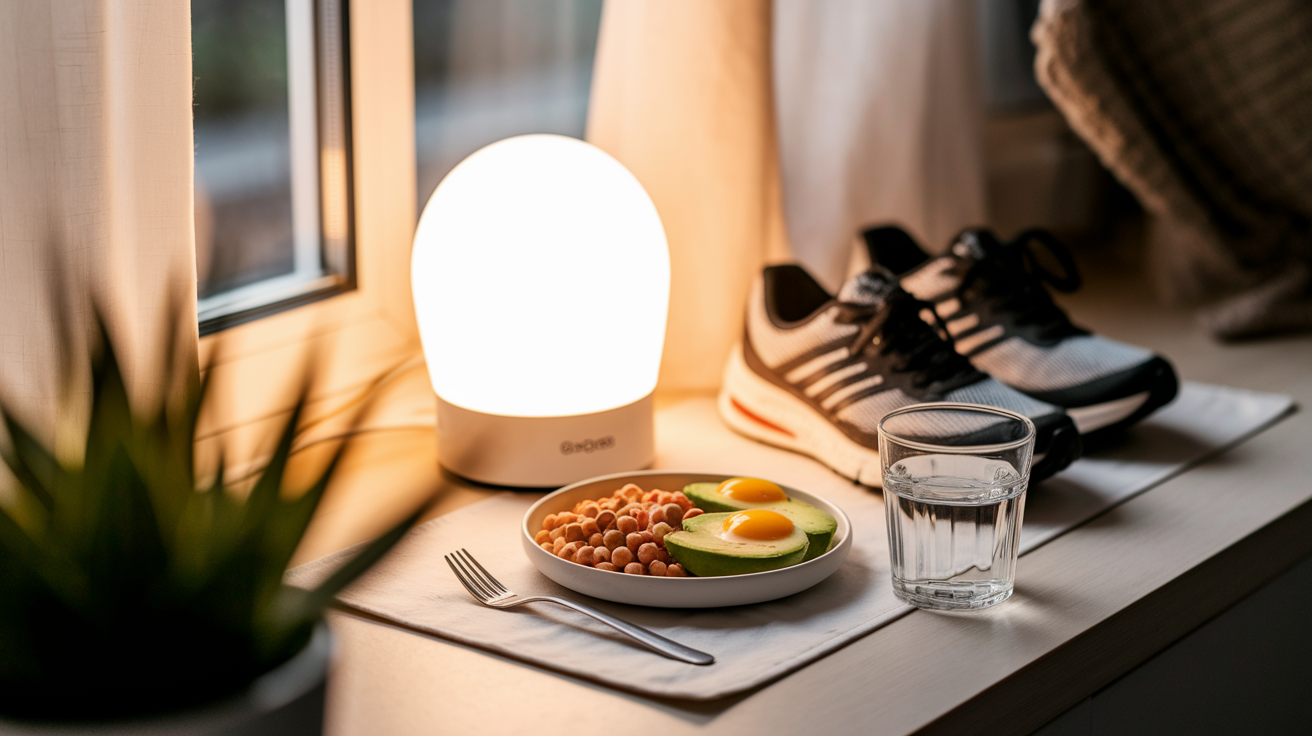
Bright light within the first 15 minutes after waking acts like a powerful signal to your internal clock, squashing leftover melatonin and speeding up the cortisol rise. Log whether you got natural sunlight, used a daylight lamp, or stayed in dim indoor light during that critical window. If your energy ratings jump on days when you logged outdoor light and stay flat on dim mornings, you’ve found a lever you can pull to shift your curve upward and schedule earlier appointments with confidence.
Movement and protein intake also shape your energy path. A short walk, stretching routine, or light exercise increases blood flow and body temperature, which many people describe as a subjective energy boost. A protein-rich breakfast steadies blood sugar and provides amino acids that support neurotransmitter production through the morning. Caffeine timing matters as much as dose. Drinking coffee right when you wake can dull your natural cortisol spike, while waiting 60 to 90 minutes lets your body’s rhythm do its thing first and stretches the perceived benefit of caffeine into late morning. Cold exposure like a brief cold shower triggers an adrenaline response that some people find sharpens focus, though others find it too activating or unpleasant.
Because all these interventions shift your energy curve, you have to log them during your tracking period. If you drink 80 mg of caffeine at 7:15 a.m. one day and skip it the next, your data will look messy and inconsistent. Either keep your routine stable for the entire 2 to 3 week observation window or note every change so you can look back and see which mornings felt best and copy those conditions before important appointments. Once tracking’s done, you can play with one variable at a time. Add light exposure for a week, measure the change, then test a different breakfast composition. That’s how you make your morning ramp-up both higher and more reliable.
Visualizing Morning Energy Patterns for Appointment Decisions
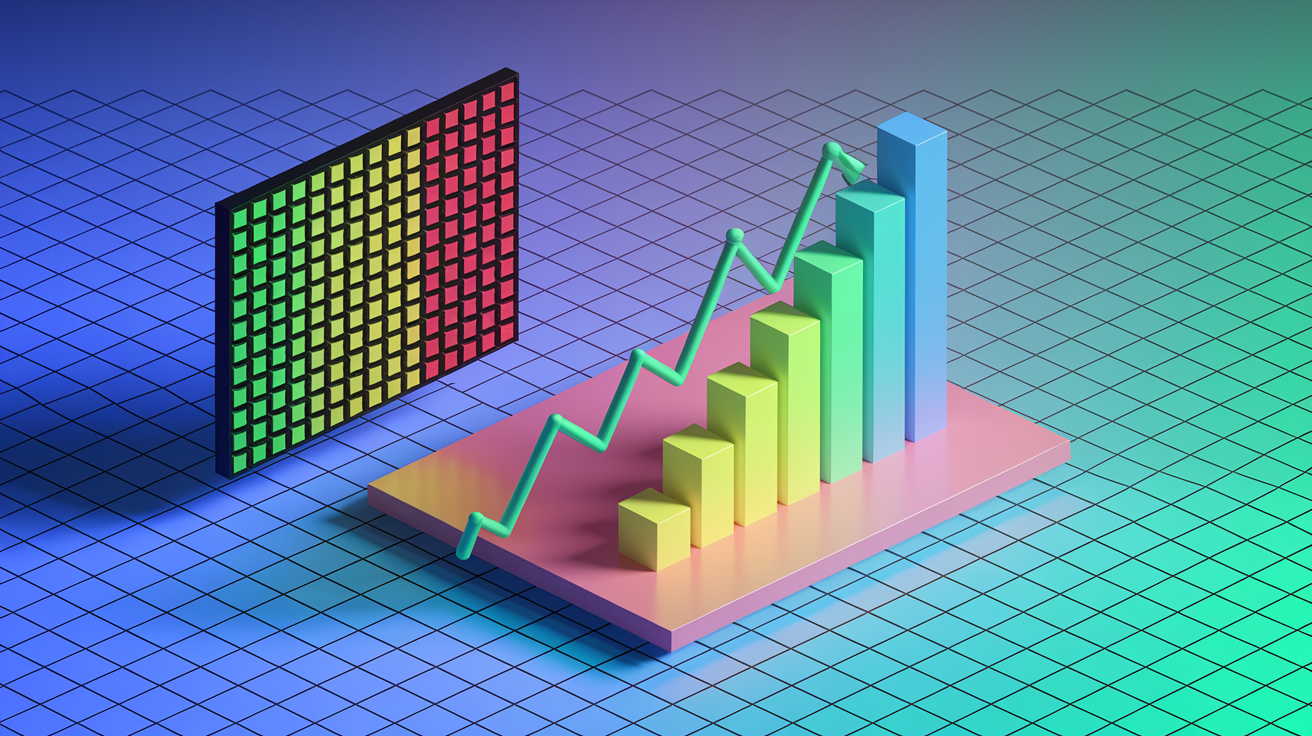
Turning raw tracking data into simple visuals makes patterns obvious and helps you explain your scheduling preferences to colleagues or clients. A line chart with time of morning on the x-axis and energy rating on the y-axis shows whether your energy climbs steadily, spikes early, or plateaus. Plot one line per day or calculate an average line across all days to smooth out noise. The peak of that averaged line is your target appointment window.
A heatmap puts time slots in columns and individual days in rows, with each cell colored by your energy rating. Dark green for 8 to 10, yellow for 5 to 7, red for 1 to 4. At a glance you see consistency. If the 10 to 11 a.m. column is mostly green across two weeks, that slot’s rock-solid for scheduling. A bar chart counting how many days you rated each time slot 7 or higher turns reliability into a simple frequency number, making it easy to set a cutoff and define your official peak window.
| Visualization Type | What It Shows | When to Use It |
|---|---|---|
| Line chart (time vs. energy) | Shape of your morning energy curve and location of the peak | When you want to see trajectory and compare days visually |
| Heatmap (days vs. time slots) | Consistency and variability across the observation period | When you need to check reliability before committing to a fixed window |
| Bar chart (frequency of high ratings by slot) | Which time windows hit your threshold most often | When you want a single number to justify blocking a calendar slot |
Longer-Term Trend Tracking for Morning Appointments

Tracking for just one week can show a rough pattern, but stretching observation to 2 to 4 weeks captures natural ups and downs and separates true peaks from coincidental good mornings. Over multiple weeks you’ll see how weekends differ from weekdays, how a stressful project week shifts your curve downward, and whether your peak window drifts earlier or later as daylight hours change with the season.
Weekday versus weekend comparisons are especially useful. Lots of people schedule weekend mornings without an alarm, sleep longer, and wake naturally at a later clock time but feel more rested. If your weekend energy ratings are consistently higher even though the clock time’s later, that suggests your weekday alarm’s cutting sleep short or forcing you awake before your natural rhythm’s ready. You can use that insight to negotiate a later start time at work, shift morning appointments to mid-morning, or focus on better sleep habits on weeknights to lift weekday ratings closer to your weekend baseline.
Simple moving averages smooth day-to-day noise. Calculate a three-day or seven-day rolling average for each time slot so random stuff like a single bad night or an unusually good breakfast doesn’t skew your perceived peak. Once the moving average settles after two weeks, the resulting curve represents your typical morning energy and becomes the base for long-term appointment scheduling rules that stay valid across normal fluctuations.
Adjusting Appointment Strategies Based on Changing Morning Patterns

When your tracking data show high swings (some mornings hitting 9 out of 10 and others barely reaching 5 in the same time slot), add a 15 to 30 minute buffer before major meetings. Use that buffer to check in with yourself, do a quick energy check, and decide whether to go ahead as planned or ask for a brief delay. The buffer also gives you time for a short 5 to 10 minute pick-me-up practice like deep breathing, a brisk walk around the block, or a cold-water face splash to lift a low-energy morning closer to functional before an important call starts.
If your data show that your peak window’s shifted (maybe from 9 a.m. to 10:30 a.m. after daylight saving time or a schedule change), update your blocked calendar slots right away and tell colleagues or clients who expect availability during your old window. Communicate the change matter-of-factly. Your energy and focus are consistently higher at the new time, so important meetings will be more productive there. Most people appreciate the honesty and the clarity.
Six strategies for adapting schedules when morning patterns shift:
- Reschedule recurring weekly meetings if they no longer line up with your tracked peak.
- Match task complexity to real-time energy. Handle creative or exploratory work during moderate-energy periods and save linear execution for peaks.
- Use your lowest-energy morning slots for passive tasks like listening to recorded training, reviewing notes, or clearing low-stakes email.
- Keep a short list of 5 to 10 minute practices (breathing exercises, stretching, brief meditation, a favorite song) to restore partial focus when you can’t move an appointment.
- When energy’s unpredictable because of travel or life stress, default to scheduling important meetings in your historically most reliable window instead of trying new slots.
- Track major routine changes (new medication, job change, move to a different time zone) as separate observation periods and re-look at patterns after 2 to 3 weeks in the new normal.
Special Circumstances in Morning Energy Tracking and Appointments

Shift work, frequent travel across time zones, medications, and hormonal swings all add variability that can hide or totally shift your morning energy pattern. If you work rotating shifts, track each shift type separately for at least one full rotation cycle before drawing conclusions. A night-shift week will produce a completely different morning energy curve than a day-shift week, and trying to average them together creates meaningless mess.
Travel across multiple time zones temporarily disconnects your internal clock from local time. During the first few days after arrival, your body may still be running on your origin time zone, so your subjective morning energy peak might show up at an odd local hour. Log your home-time-zone equivalent alongside local time for the first week, then switch to local time once you’ve adjusted. If you travel a lot, consider keeping two separate tracking datasets (one for home location and one for your most common destination) so you can plan appointments right in each place.
Medications and hormonal changes need extra context logging. Some medications (stimulants, thyroid hormones, corticosteroids) directly affect energy and alertness. Others (sedatives, blood pressure drugs, antihistamines) can cause morning grogginess. Women tracking across a full menstrual cycle often notice energy dips in the late luteal phase or during the first day or two of menstruation. Log these variables in a notes column so you can filter or split your data later. For example, calculate your average peak window excluding high-symptom days, then use that filtered average for long-term appointment planning while keeping flexibility during predictable low-energy phases.
Tools for Daily Morning Energy Logging
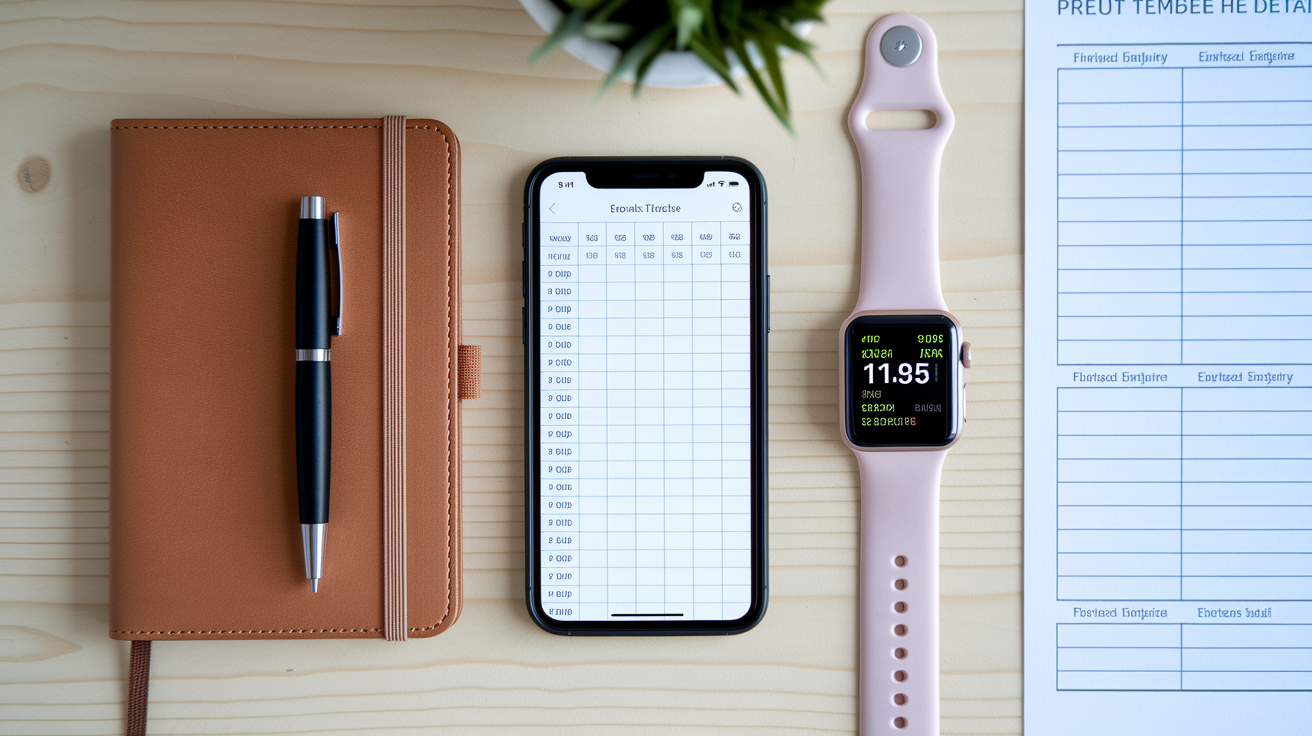
Simplest tool’s a pocket notebook or a note file on your phone. Each morning, commit one page or one dated entry. At each tracking moment, jot the time, a quick 1 to 10 rating, and a word or two about your task. That method works anywhere, needs no app or subscription, and gives you full control over what you record. If you prefer structure, use a printed template with pre-labeled columns for date, time, energy, focus, mood, task, and notes, then fill one row every 30 to 60 minutes.
Phone-based apps and digital forms offer automatic timestamps, built-in reminders, and easier analysis. Set a recurring alarm or calendar notification every hour during your morning window, then open a note, spreadsheet, or survey app and fill in your ratings. Some people use a shared Google Sheet with one row per entry so data collection and visualization happen in the same tool. Wearable devices with companion apps can pull sleep and activity metrics automatically, cutting manual logging down to just your subjective ratings and contextual notes.
Five practical logging tools and formats:
- Plain notebook and pen. One page per day, free-form entries with timestamps and ratings.
- Spreadsheet template on phone or computer. Pre-built columns for all tracking fields, auto-calculated averages.
- Simple survey app or form builder. One short form with sliders or dropdowns for ratings, submitted hourly.
- Wearable app integration. Automatic sleep, HRV, and light data synced to a dashboard where you add subjective ratings manually.
- Voice memos. Speak your time, rating, task, and mood into your phone’s voice recorder, then transcribe weekly for analysis (useful while commuting or multitasking).
Final Words
Start by logging your wake time, a quick 1–10 energy rating, and the task — this piece gives a bite‑sized plan to begin tracking morning energy today.
You learned three practical methods (sleep‑midpoint, weekend‑wake, and short hourly charts), how to spot reliable peak focus windows, how small routine shifts change the curve, and how to visualize trends so scheduling becomes clearer.
Track for 2–4 weeks and bring your notes to visits. Showing how to track morning energy patterns for appointments helps you book meetings when you’re most alert. You’ll end up with clearer timing and more control.
FAQ
Q: How to track energy throughout the day?
A: Tracking energy throughout the day means rating how you feel at set times or events (1–10), noting time, task, sleep, food, caffeine, and quick sensations. Do hourly or event-based logs for 1–3 weeks.
Q: What are the 7 levels of energy?
A: The 7 levels of energy are a subjective scale describing states from depleted to very energized. Common labels: exhausted, low, steady, alert, focused, energized, exuberant. Models vary; use them to track trends, not diagnose.
Q: What are the 4 types of personal energy?
A: The four types of personal energy are physical, mental, emotional, and spiritual, each shaping how you show up. Physical = body stamina, mental = focus, emotional = mood regulation, spiritual = meaning and recovery.
Q: Can an Apple Watch track energy levels?
A: An Apple Watch can track aspects of energy levels by recording heart rate, activity, and sleep, but it doesn’t measure subjective energy directly. Combine watch data with short self-ratings for useful insight.
Comments are closed