
What if your morning fog has less to do with sleep and more to do with what you ate last night or skipped at breakfast? Eating sugary or refined carbs on an empty stomach can send your blood sugar on a roller coaster, with a fast rise and a steep drop, and leave you tired, foggy, and unfocused by mid-morning. This can feel worrying. Small, practical dietary shifts that steady blood sugar, like measured protein, fiber, healthy fats, smarter evening meals, and morning water, often help reduce morning fatigue and improve focus. Here’s a low-risk plan to try and track.
Core Dietary Steps to Improve Morning Energy, Blood Sugar Stability, and Focus

Morning fatigue usually starts with what you ate last night or skipped at breakfast. Eat high-sugar or refined carbs on an empty stomach and your blood glucose rockets up fast. Your pancreas dumps insulin to bring it back down, but sometimes the drop’s steep enough to leave you foggy, cranky, or wiped out by mid-morning. That cycle (spike, crash, crave more sugar) can loop all day and wreck your ability to focus.
To break it, structure breakfast around measured targets: 20 to 30 grams of protein, 5 to 10 grams of fiber, 10 to 20 grams of healthy fats, and roughly 30 to 45 grams of total carbohydrates. Choose carbs with a glycemic index at or below 55 when you can. Those digest slower and release glucose more gradually. Pair them with protein and fat so your blood sugar rises gently and stays steadier for three to four hours. Start your day with 250 to 500 milliliters of water to support circulation and help your brain wake up without relying on food alone.
Skip the obvious culprits that send glucose soaring: sugary cereals packing more than 20 grams of added sugar per serving, pastries, white bread, instant mashed potatoes, and fruit juice (one cup can deliver 20 to 30 grams of sugar with almost no fiber). Swap those for whole grains, legumes, and whole fruit. Even foods marketed as “healthy” (granola, sweetened instant oatmeal, some smoothies) often hide added sugars that trigger the same crash you’re trying to prevent.
Five morning dietary steps to reduce fatigue and sharpen focus
- Combine a measured protein source (eggs, Greek yogurt, cottage cheese, legumes, or lean meat) with a low-GI carbohydrate at every breakfast.
- Include at least 5 grams of fiber from vegetables, berries, chia seeds, or whole oats to slow carbohydrate absorption.
- Add a small serving of healthy fat (avocado, nuts, seeds, or nut butter) to extend satiety and blunt glucose spikes.
- Drink plain water first thing and limit or delay caffeine until after you’ve eaten something balanced.
- Eliminate added-sugar items in the morning routine: skip the juice, sweetened coffee drinks, and refined pastries.
Four low-GI carbohydrate staples to favor at breakfast
- Steel-cut or rolled oats (glycemic index around 50 to 55)
- Legumes such as lentils or chickpeas (glycemic index typically 40 to 50 or lower)
- Barley, quinoa, or bulgur
- Whole fruits like berries, apples, or pears instead of juice
Protein, Fiber, and Healthy Fat Framework for Morning Alertness
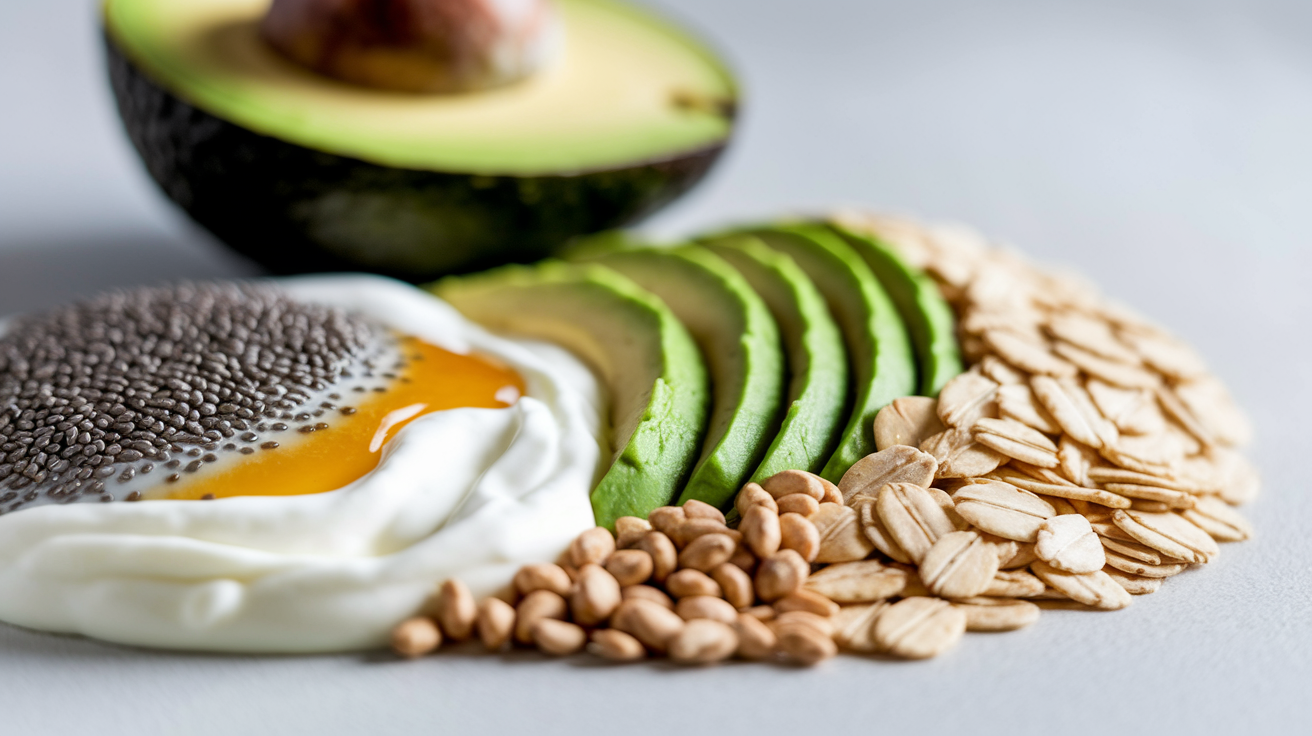
Protein does more than build muscle. When you eat 20 to 30 grams of it at breakfast, amino acids enter your bloodstream and signal your pancreas to release insulin more slowly and steadily. That moderated insulin response keeps glucose from plummeting an hour later. Protein also triggers the release of satiety hormones (peptide YY and GLP-1) that tell your brain you’re satisfied, which reduces mid-morning cravings for quick carbs. Finally, amino acids supply the building blocks for neurotransmitters like dopamine and norepinephrine. Both support alertness and mental sharpness during the first half of your day.
Fiber acts as a physical and chemical brake on digestion. Soluble fiber from oats, chia seeds, legumes, and berries forms a gel in your stomach that slows gastric emptying, meaning carbohydrates trickle into your small intestine instead of flooding it all at once. That slower release flattens your postprandial glucose curve (the spike you see on a graph after a meal) and prevents the insulin overshoot that causes crashes. Aiming for 8 to 12 grams of fiber per meal (25 to 35 grams total across the day) keeps your glucose responses predictable and your energy more stable from one hour to the next.
Healthy fats (avocado, nuts, seeds, olive oil, fatty fish) serve two roles. First, they delay stomach emptying even further, which extends the time your breakfast fuels you. Second, fats support the absorption of fat-soluble vitamins and provide the raw materials your brain uses to maintain myelin sheaths and cell membranes. Omega-3 fatty acids from salmon, walnuts, or flaxseeds also reduce neuroinflammation, which some research links to brain fog and poor concentration. Including 10 to 20 grams of fat at breakfast pairs well with protein and fiber to create a meal that holds your blood sugar (and your focus) steady until lunch.
Evening and Bedtime Eating Patterns That Influence Morning Fatigue

What you eat for dinner and before bed sets the stage for how you feel when you wake up. A heavy refined-carb meal late in the evening can cause your glucose to spike while you sleep, followed by a compensatory insulin surge that may drop your blood sugar too low by morning. You wake up groggy, shaky, or craving sugar because your body’s trying to correct an overnight low.
On the other hand, finishing dinner two to three hours before bedtime and building it around nonstarchy vegetables, three to six ounces of lean protein, and half to one cup of low-GI whole grains or legumes gives your pancreas time to normalize insulin secretion before you lie down.
If you’re prone to waking tired or lightheaded, a small protein-containing bedtime snack 30 to 60 minutes before sleep can prevent overnight hypoglycemia. Options include a small apple with one tablespoon of peanut butter (roughly 6 to 8 grams of protein), three-quarters of a cup of plain Greek yogurt (around 15 grams of protein), or one ounce of almonds (about 6 grams of protein with fiber). These snacks provide slow-releasing energy without spiking glucose, and they keep your liver from having to manufacture glucose from scratch in the middle of the night, a process that can leave you feeling drained by morning.
| Evening Choice | Effect on Morning Energy |
|---|---|
| Balanced dinner (lean protein, nonstarchy vegetables, low-GI grain) | Stable overnight glucose, normal insulin levels, you wake refreshed and focused |
| Heavy refined-carb meal (white pasta, pastries, sugary dessert) | Late-night glucose spike followed by rebound low, wake up foggy or irritable |
| Protein-rich bedtime snack (Greek yogurt, nut butter + fruit) | Prevents overnight hypoglycemia, supports steady morning glucose and energy |
| Sugary nighttime snack (cookies, ice cream, sweetened cereal) | Disrupts glucose regulation, can cause early-morning crash and fatigue |
Sample Breakfast Templates for Morning Energy and Focus
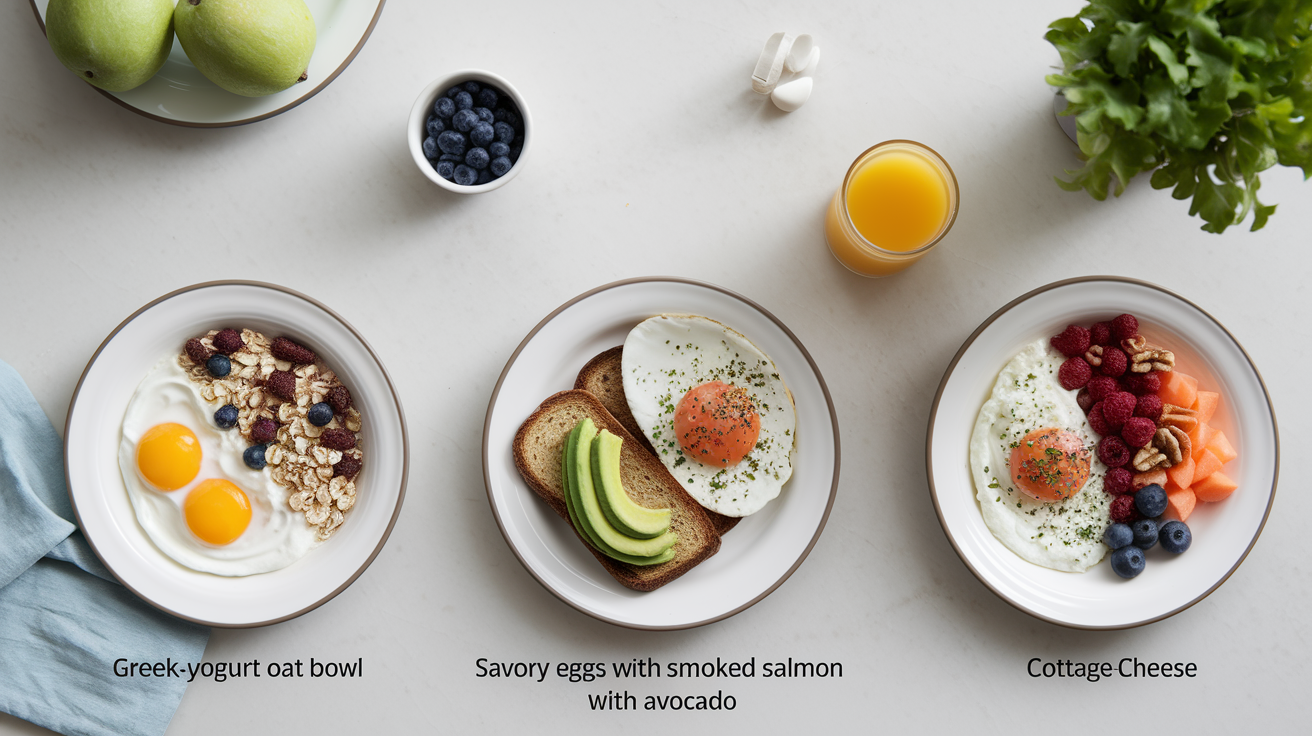
These three breakfast templates give you the protein, fiber, and healthy fat framework in real meals you can prepare in under ten minutes. Each one keeps total carbohydrate moderate (between 30 and 45 grams) and pairs those carbs with enough protein and fiber to flatten your glucose curve and sustain your attention through the morning. You can swap ingredients within each template as long as you keep the macronutrient proportions roughly the same.
The Greek-yogurt oat bowl combines dairy protein with slow-digesting whole grains and fiber-rich seeds. Three-quarters of a cup of plain Greek yogurt delivers around 17 grams of protein. Cook half a cup of dry rolled oats (about 27 grams of carbohydrate and 4 grams of fiber), then stir in one tablespoon of chia seeds for an extra 5 grams of fiber. Top with half a cup of mixed berries (roughly 7 grams of carbohydrate). The total comes to 20 to 22 grams of protein, 34 to 36 grams of carbohydrate, 9 to 11 grams of fiber, and 380 to 420 calories. This bowl keeps your blood sugar stable for three to four hours and gives your brain steady glucose without a mid-morning dip.
The savory plate works well if you prefer eggs and want lower total carbs. Scramble or fry two large eggs (around 12 grams of protein), add two ounces of turkey or smoked salmon (another 12 grams of protein), and serve with one slice of sprouted whole-grain toast (15 grams of carbohydrate, 3 to 4 grams of fiber) and half an avocado (10 to 12 grams of healthy fat). You end up with 24 grams of protein, 15 to 20 grams of carbohydrate, 4 to 6 grams of fiber, and 400 to 450 calories. The high protein and fat content blunts any glucose rise from the toast, and the fiber from the avocado and sprouted grain slows absorption even further. This template’s especially helpful if you tend to get hungry again quickly after a carb-heavy breakfast.
Three ready-to-use breakfast formulas with approximate macros
- Greek-yogurt oat bowl: 3/4 cup plain Greek yogurt, 1/2 cup dry rolled oats cooked, 1 tablespoon chia seeds, 1/2 cup mixed berries. Totals: 20 to 22 grams protein, 34 to 36 grams carbs, 9 to 11 grams fiber, 380 to 420 calories.
- Savory eggs and salmon plate: 2 large eggs, 2 ounces turkey or smoked salmon, 1 slice sprouted whole-grain toast, 1/2 avocado. Totals: 24 grams protein, 15 to 20 grams carbs, 4 to 6 grams fiber, 400 to 450 calories.
- Quick cottage-cheese grab: 1 cup plain cottage cheese (or 3/4 cup Greek yogurt), 1 small apple, 1 ounce almonds. Totals: 22 to 26 grams protein, 27 to 30 grams carbs, 7 to 8 grams fiber, 320 to 380 calories.
Hydration, Caffeine Timing, and Other Supporting Factors for Morning Energy

Hydration affects your blood volume, circulation, and the speed at which nutrients reach your brain. Drink 250 to 500 milliliters of plain water as soon as you wake up, before coffee, before food. That simple step helps restore fluid lost overnight through breathing and metabolism, supports kidney filtration of metabolic byproducts, and can improve alertness within minutes. Dehydration, even mild, makes it harder to concentrate and can amplify the foggy feeling that comes from unstable blood sugar.
Caffeine can sharpen focus in the short term, but timing and dose matter. One eight-ounce cup of coffee contains roughly 95 milligrams of caffeine. Most adults can safely consume up to 400 milligrams per day. If you drink coffee on an empty stomach, the caffeine stimulates cortisol and adrenaline release, which can temporarily raise blood glucose and then contribute to a rebound crash once the stimulant effect wears off. Pair your coffee with a balanced breakfast, or delay it until 30 to 60 minutes after you’ve eaten. If you notice jitters, headaches, or an afternoon slump every day, consider switching one cup to green tea (about 30 to 50 milligrams of caffeine per cup) or cutting total intake and relying on food-driven energy instead.
Monitoring, Tracking, and When to Seek Care If Morning Fatigue Persists
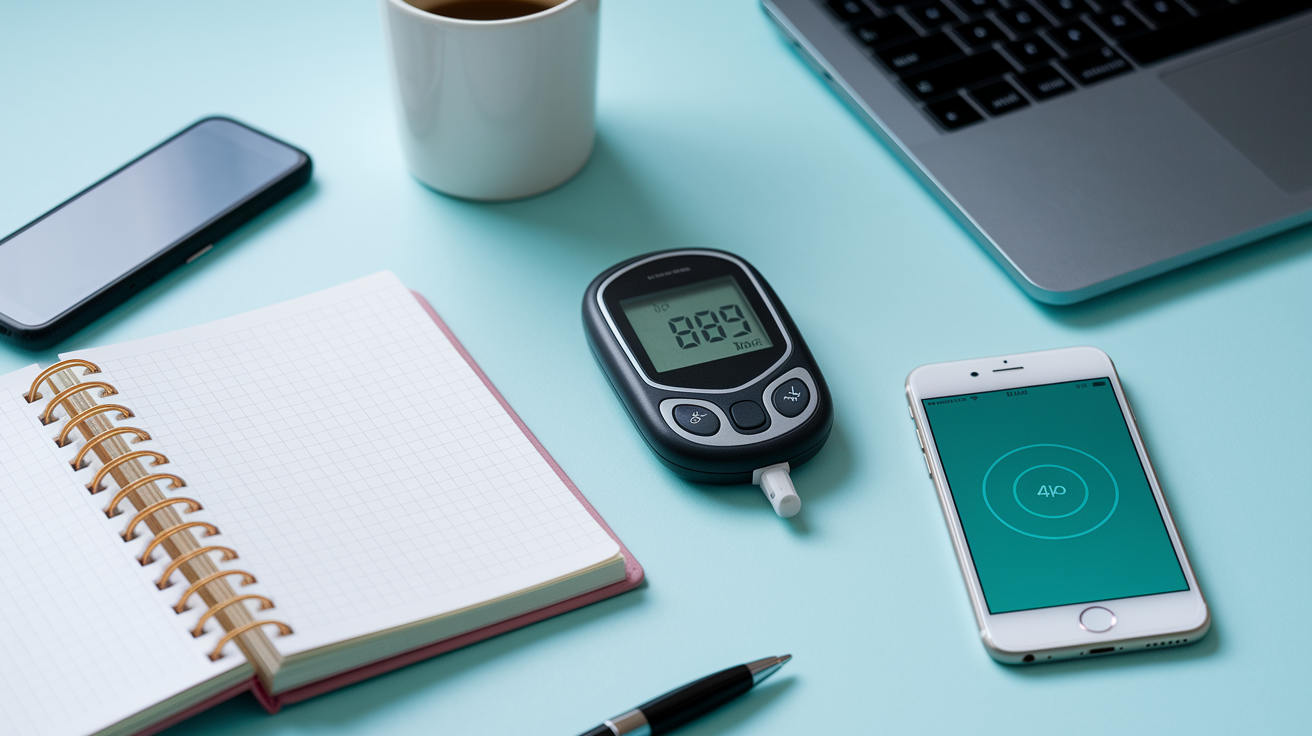
If dietary changes don’t resolve your morning fatigue within two to three weeks, track fasting blood glucose for one to two weeks using a basic fingerstick meter or, if available, a continuous glucose monitor. Check your glucose first thing in the morning before eating or drinking anything. Write down the number, the time, and any symptoms you notice (shakiness, brain fog, irritability). Patterns will emerge. If your fasting glucose regularly sits below 70 milligrams per deciliter or above 130 milligrams per deciliter, share those logs with a clinician. Recurrent lows can signal medication side effects, adrenal issues, or reactive hypoglycemia. Persistent highs may point to prediabetes or undiagnosed diabetes and warrant a hemoglobin A1C test and possibly an oral glucose tolerance test.
Even without a monitor, you can track symptom timing and food intake to spot connections. Note what you ate the night before, what you had for breakfast, and how you felt one hour, two hours, and three hours later. If you consistently crash mid-morning after certain foods (juice, a muffin, sweetened cereal), you’ve got actionable data. If you feel steady after eggs and oats, you know that combination works. Bring that log to your appointment.
When to test, what to record, and red flags that need clinician input
- Check fasting glucose if you wake feeling shaky, dizzy, or unusually tired most mornings.
- Record glucose values, meal timing, portion sizes, and how you felt one to three hours after eating.
- Seek care if fasting glucose is regularly below 70 or above 130 milligrams per deciliter.
- Contact a clinician immediately if you experience severe dizziness, confusion, rapid heartbeat, or sweating that doesn’t resolve after eating. These can be signs of dangerous hypoglycemia or other metabolic problems requiring urgent evaluation.
Final Words
You saw how quick glucose spikes can lead to an insulin-driven crash, leaving you tired and foggy by mid-morning.
The post gave clear breakfast targets: 20–30 g protein, 8–12 g fiber, 10–20 g healthy fat, low-GI carbs, water on waking, and fewer sugary cereals or juices.
Let this set of dietary changes to reduce morning fatigue blood sugar focus guide your meals and tracking for a week or two. Small, consistent shifts often bring steadier energy and clearer focus.
FAQ
Q: What to eat in the morning to stabilize blood sugar?
A: Eating a breakfast with protein (20–30 g), fiber (5–10 g), healthy fat (10–20 g), and low‑GI carbs (30–45 g) stabilizes blood sugar; try eggs with oats or Greek yogurt, berries, and nuts.
Q: What is the #1 worst food for blood sugar?
A: The #1 worst food for blood sugar is sugary breakfast pastries or high‑added‑sugar cereals, because they cause rapid glucose spikes and insulin‑driven crashes; avoid fruit juice and refined morning grains.
Q: What is the Japanese method to lower blood sugar?
A: The Japanese method to lower blood sugar often means sipping a small amount of vinegar before meals or practicing “hara hachi bu” (eat until 80% full); both can help blunt postmeal glucose, with limited evidence.
Q: What are 5 signs your blood sugar is too high?
A: Five signs your blood sugar is too high include increased thirst, frequent urination, blurred vision, persistent fatigue, and slow healing of cuts or infections; seek care if symptoms are severe or sudden.
Comments are closed