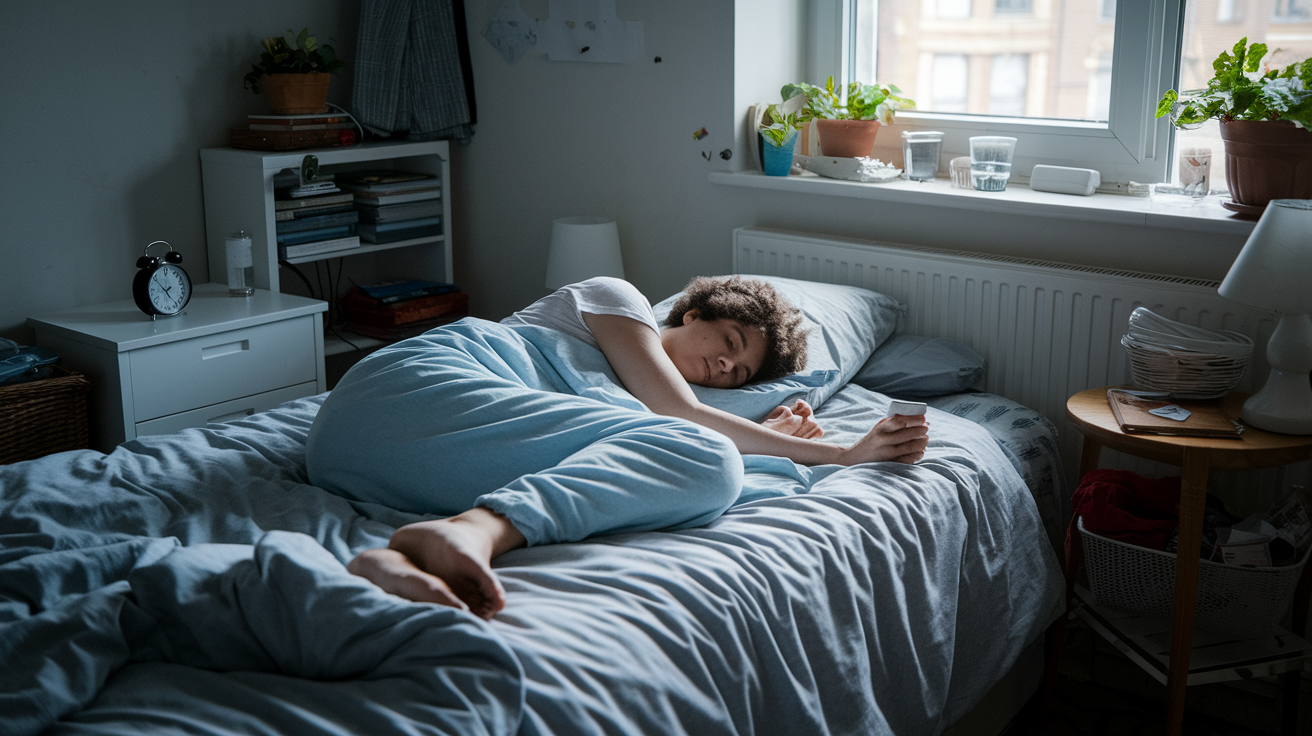
Tired in the morning even after you scored eight hours?
You’re not imagining it.
Morning fatigue is often about sleep quality (how restorative those hours are), not just sleep duration.
You can lie still for eight hours and wake foggy if your sleep is shallow or keeps getting interrupted.
This post will help you tell the difference, spot common triggers, try low-risk fixes, and collect the details to bring to a clinician.
Ready to stop guessing and start fixing?
Key Differences Between Sleep Quality and Sleep Duration
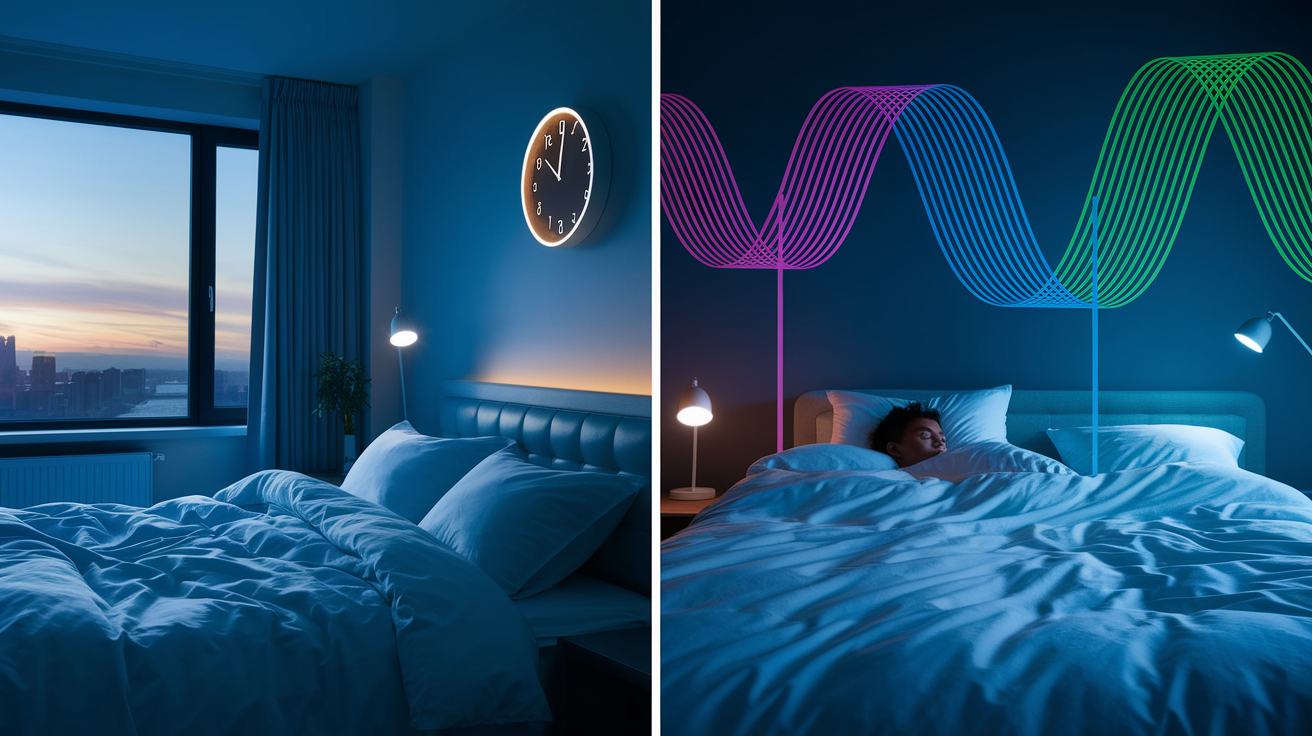
Sleep duration is how many hours you’re asleep. Sleep quality is how restorative those hours actually are. You can log eight hours in bed and still wake up exhausted if your sleep’s fragmented or shallow.
Lots of people chase “eight hours” and feel frustrated when they’re still tired. The problem usually isn’t the clock. It’s what happens during those hours. Good sleep moves smoothly through repeating cycles of light, deep, and REM stages. When those cycles get disrupted by micro-awakenings, breathing interruptions, or other disturbances, your brain and body never finish the restoration work they need.
Morning fatigue after what looks like enough sleep? That’s usually a quality problem, not a duration problem. If you’re consistently spending seven to nine hours in bed but waking up unrested, irritable, or foggy, fragmented sleep is the more likely culprit.
Here are the core differences:
Duration measures time asleep. Quality measures uninterrupted progression through restorative sleep stages.
Duration issues mean you’re not giving yourself enough hours in bed. Quality issues mean those hours are being broken up or staying too shallow.
Duration problems often come from late bedtimes or early alarms. Quality problems often come from snoring, apnea, stress, noise, caffeine, or pain.
Fixing duration is about scheduling. Fixing quality is about identifying and removing interruptions.
Common Symptoms of Poor Sleep Quality vs Short Sleep Duration
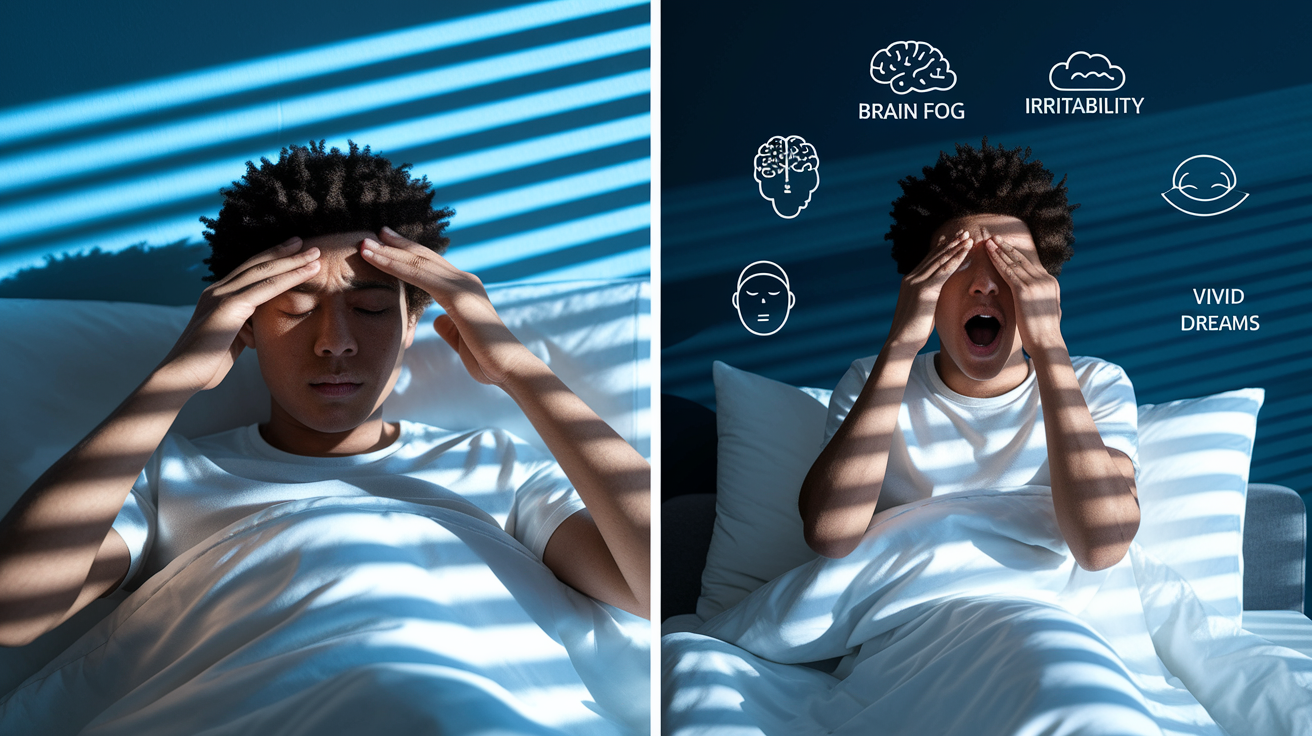
The symptoms overlap, but there are patterns that help you tell them apart. Poor sleep quality tends to produce this wired but exhausted feeling. You wake up groggy, with a headache or brain fog that lingers even after coffee. You might feel irritable or on edge. You remember tossing, waking, or vivid dreams. You don’t feel like you truly rested.
Short sleep duration feels different. You fall asleep quickly when you finally lie down. Your eyelids feel heavy during the day. You crave naps. You feel a deep, physical tiredness rather than fuzzy confusion. Your body’s asking for more hours, not better hours.
| Symptom Pattern | Poor Quality | Short Duration |
|---|---|---|
| Morning feeling | Groggy, unrefreshed, headache | Heavy, sluggish, physically tired |
| Daytime energy | Irritable, brain fog, hard to focus | Sleepy, heavy eyelids, yawning |
| Falling asleep | Trouble falling or staying asleep | Fall asleep quickly when given chance |
| Memory of the night | Remember waking, vivid dreams, tossing | Sleep felt solid but too short |
| Response to caffeine | Need multiple cups just to function | Helps briefly but tiredness returns |
How Sleep Cycles Influence Morning Alertness
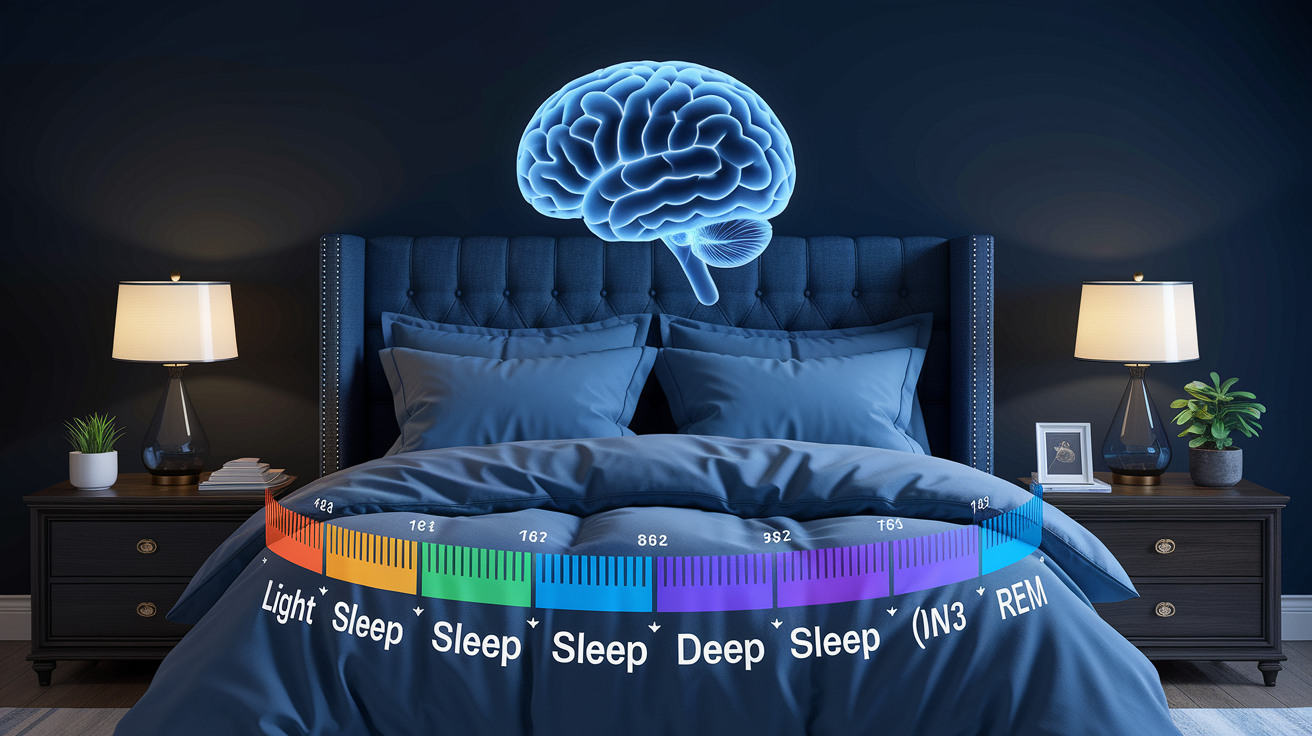
Sleep isn’t a flat state. Your brain cycles through distinct stages roughly every ninety minutes. The first half of the night is dominated by deep sleep, also called slow-wave or N3 sleep. This is when your body repairs tissue, strengthens your immune system, and clears metabolic waste from your brain. The second half shifts toward longer and more vivid REM sleep, which supports memory consolidation, emotional regulation, and cognitive sharpness.
When sleep gets fragmented by breathing pauses, noise, pain, or stress, those cycles are cut short or restarted. You might cycle back to light sleep dozens of times without ever settling into deep or REM stages for long enough. Even if you log eight hours in bed, you may only accumulate three or four hours of truly restorative sleep.
Morning grogginess is your brain telling you it didn’t finish the work it needed to do overnight. If you wake during deep sleep or right after a fragmented REM period, you feel disoriented and slow. That feeling can linger for hours and gets mistaken for “not being a morning person.” In reality, it’s a sign that your sleep architecture was disrupted.
Common disruptors of sleep cycles include obstructive sleep apnea or loud snoring that triggers repeated brief awakenings, stress or anxiety that keeps you in light sleep and prevents deep-sleep entry, and alcohol or late caffeine that suppresses REM sleep and shortens deep-sleep windows.
Diagnostic Checklists to Identify Your Sleep Issue

Start by tracking your patterns for at least one to two weeks. Notice not just how long you sleep but how the sleep feels and what happens during the day.
Signs pointing to poor sleep quality:
You spend seven to nine hours in bed but wake feeling unrefreshed.
You remember waking multiple times during the night or tossing frequently.
A partner reports loud snoring, gasping, or pauses in your breathing.
You wake with a headache, dry mouth, or sore throat most mornings.
You feel irritable, foggy, or “off” even after a full night in bed.
You depend on multiple cups of coffee just to feel functional by midday.
Signs pointing to insufficient sleep duration:
You consistently spend fewer than seven hours in bed.
You fall asleep within minutes when you finally lie down.
You feel progressively more tired as the day goes on.
You catch up on sleep during weekends and feel noticeably better.
You struggle to wake up on time and hit snooze repeatedly.
You nod off easily during quiet activities like reading or watching TV.
Causes of Poor Sleep Quality and Causes of Short Sleep Duration
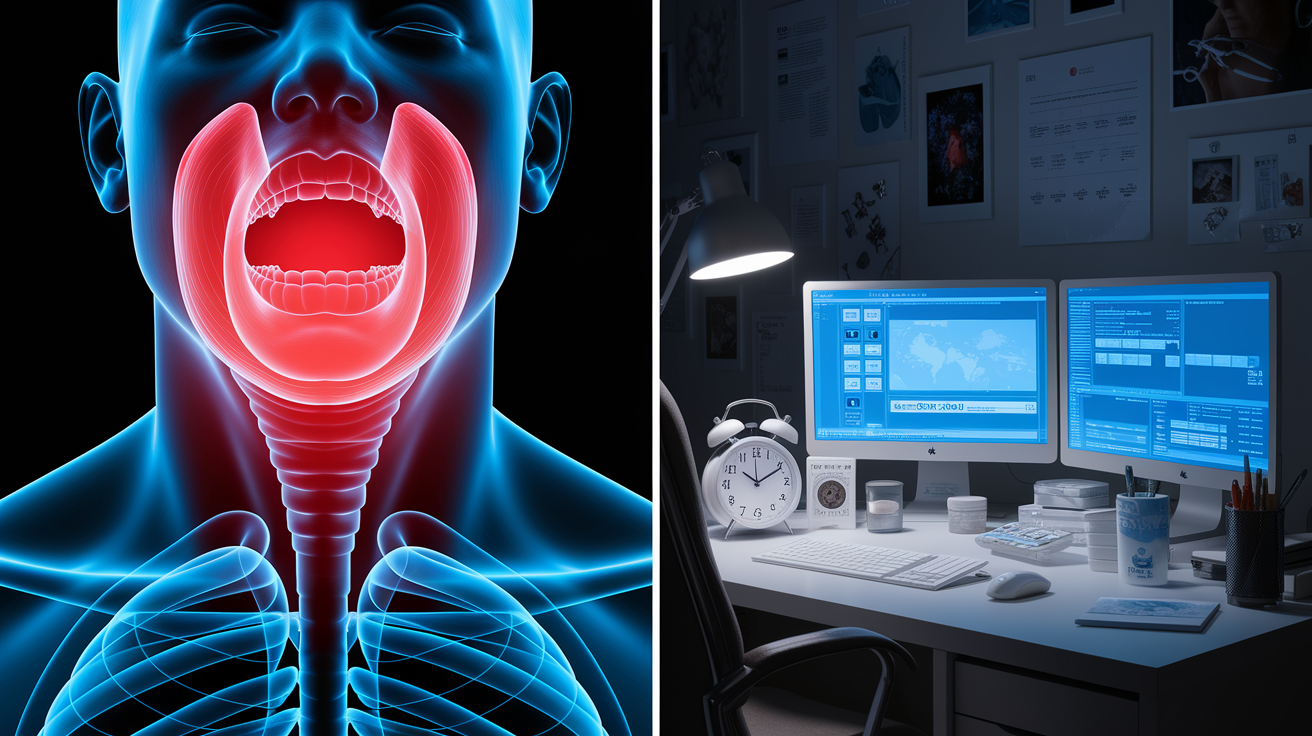
Poor sleep quality is usually the result of something interrupting your sleep cycles. Obstructive sleep apnea is one of the most common culprits. Nearly thirty million Americans have it, and many don’t know. The airway collapses repeatedly during sleep, triggering brief awakenings that you may not even remember.
Other common quality disruptors include chronic stress or anxiety that keeps your nervous system on alert, pain that wakes you when you shift positions, alcohol or late caffeine that suppresses deep and REM sleep, environmental noise or light, restless legs syndrome, and frequent trips to the bathroom from drinking too much before bed or underlying bladder or prostate issues.
Short sleep duration is a scheduling and habit problem. You’re not giving yourself enough hours in bed to meet your body’s need. This often happens when work or family obligations push bedtime later while your alarm stays fixed.
Late-night screen time is a major contributor. Blue light from phones and laptops delays melatonin release and keeps you wired past your natural sleep window. Inconsistent sleep schedules, especially staying up late on weekends and trying to catch up, confuse your circadian rhythm and make it harder to fall asleep when you need to. Social plans, late meals, evening workouts, or simply underestimating how much sleep you need all chip away at total sleep time.
Practical Solutions for Improving Sleep Quality vs Increasing Sleep Duration
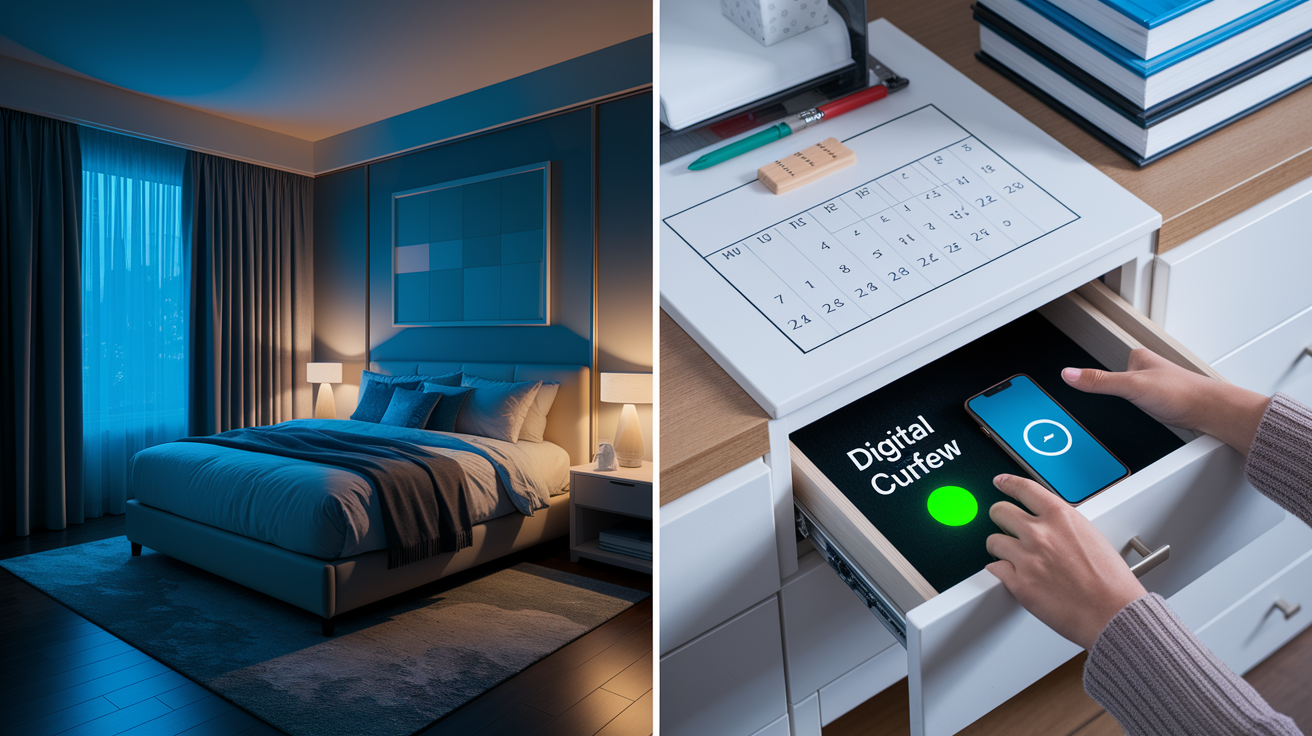
If your primary issue is sleep quality, focus on removing interruptions and supporting deeper, more consolidated sleep cycles. Many quality problems have fixable triggers. If snoring or breathing pauses are part of the picture, evaluation for sleep apnea is a priority. Even moderate cases can fragment sleep dozens of times per hour.
To improve sleep quality:
Keep a consistent sleep schedule. Same bedtime and wake time every day including weekends.
Limit caffeine after early afternoon and avoid alcohol within three hours of bed.
Create a calm, cool, dark, and quiet bedroom. Use blackout curtains, a fan, or white noise if needed.
Manage stress with a short wind-down routine like reading, stretching, or slow breathing before bed.
If you suspect apnea, snoring, or restless legs, ask your doctor about a sleep study or home sleep test.
If your issue is insufficient sleep duration, the solution is simpler but requires prioritizing sleep over other evening activities. You need to extend the time you spend in bed. Start by setting a target bedtime that gives you at least seven and a half hours before your alarm.
To increase sleep duration:
Set a firm digital curfew. Put phones and screens away at least thirty to sixty minutes before bed.
Move your bedtime earlier in fifteen-minute increments until you reach your target.
Reduce evening obligations. Say no to late meetings, long TV binges, or unnecessary tasks.
Use weekends to catch up only if absolutely needed, but aim for consistency rather than wildly different schedules.
If you struggle to fall asleep at the new earlier time, use dim light and calming activities in the hour before bed to cue your body that sleep is coming.
Final Words
Waking up groggy after a full night often means the sleep wasn’t restorative. Quality matters as much as, or more than, time in bed.
This post compared sleep quality vs sleep duration, outlined common symptoms, explained how sleep cycles affect alertness, gave checklists to identify which issue fits you, and shared practical steps to try today.
Use the checklists, track wake-ups and daytime symptoms, and you’ll be able to tell morning fatigue from poor sleep quality vs sleep duration. Small, steady changes often lead to clearer mornings.
FAQ
Q: Which matters more for morning energy: sleep quality or sleep duration?
A: Sleep quality versus sleep duration: sleep quality usually matters more for morning energy, because fragmented sleep reduces deep and REM (dreaming) restorative cycles even after enough hours.
Q: Why am I tired after 8 hours of sleep?
A: Being tired after eight hours of sleep is often due to poor sleep quality—frequent wakeups or not enough deep or REM (dreaming) sleep; track wake frequency, timing, and daytime alertness.
Q: What symptoms point to poor sleep quality versus short sleep duration?
A: Symptoms pointing to poor sleep quality include grogginess, headaches, and trouble waking; short sleep duration causes heavy eyelids, slowed thinking, and increased hunger.
Q: How do sleep cycles (deep and REM) affect morning alertness?
A: Sleep cycles affect morning alertness because deep sleep restores the body and REM (dreaming) restores thinking and memory; losing either from fragmentation reduces how refreshed you feel.
Q: What commonly disrupts sleep cycles?
A: Common disruptors of sleep cycles are noise, caffeine or alcohol, stress, and sleep apnea or chronic pain that fragment sleep and shorten deep and REM (dreaming) phases.
Q: How can I tell if my problem is poor quality sleep or not enough sleep?
A: You can tell if the problem is poor quality sleep or insufficient sleep by checking for frequent wakeups, time to fall asleep, total hours, morning grogginess pattern, and daytime function.
Q: What can I try right now to improve sleep quality or sleep longer?
A: Trying right now to improve sleep quality or sleep longer includes a consistent bedtime, reduce evening caffeine and screens, dark cool bedroom, and plan an earlier wind-down routine.
Q: When should I see a clinician about sleep problems?
A: You should see a clinician about sleep problems if daytime sleepiness is severe, you have loud snoring with gasps, regular breathing pauses, or symptoms that are worsening or very worrying.
Q: What should I track to bring to a clinician?
A: You should track to bring to a clinician: total sleep time, number and timing of wakeups, sleep onset time, daytime sleepiness level (0–10), recent caffeine or alcohol, and pattern over two weeks.
Comments are closed