
Ever wake up exhausted and in pain and wonder if they feed each other?
You’re not imagining it: pain disrupts sleep, and overnight inflammation often makes mornings worse.
This post explains in plain terms why morning fatigue and chronic pain overlap, what small things you can try right away, how to build a safer daily routine, and what to track so a clinician understands your pattern.
Read on for simple, low-risk coping steps that may ease the first hour of your day and help you spot when to get medical help.
Understanding the Link Between Morning Fatigue and Chronic Pain

Chronic pain and morning fatigue show up together more often than not. It’s not random. Your body’s dealing with two overlapping problems: pain messes with sleep, and inflammation doesn’t take a break overnight.
Here’s what happens. Chronic pain wakes you up repeatedly through the night. You don’t get enough time in the deeper sleep stages where your body actually repairs itself. Meanwhile, the inflammatory processes driving your pain stay active while you sleep, sometimes spiking in the early morning hours. So you’re lying there for eight hours, but your body never gets the rest it needs. You wake up stiff, exhausted, and feeling like you’ve been hit by a truck.
A lot of chronic pain conditions get worse in the morning. Arthritis tends to flare after hours of not moving, when your joints lock up. If you’ve got fibromyalgia, mornings can be brutal. Severe stiffness, crushing fatigue, poor sleep quality, and elevated inflammation all pile on at once. Even basic lower back pain or muscle pain feels worse in that first hour or two after you get up. Movement eventually loosens things, but getting there is rough.
Four things explain why morning fatigue and chronic pain feed each other:
Sleep gets chopped into fragments. You miss out on the deep sleep and REM phases your body needs for tissue repair and mental recovery.
Inflammation rises overnight. Cytokine levels go up in your tissues and bloodstream, amplifying pain signals and dragging down your energy.
Your nervous system becomes oversensitive. Central sensitization means your brain turns up the volume on pain signals, which also worsens fatigue.
Medications can backfire. Opioids, muscle relaxants, some antidepressants, they all cause grogginess and mess with normal sleep patterns.
This translates into what you feel every morning: muscles that feel stuck, needing extra time just to move normally, brain fog that makes simple tasks harder, and exhaustion that lingers even after a full night in bed.
Physiological Mechanisms Behind Morning Fatigue

Inflammation doesn’t sleep. In people with chronic pain, pro-inflammatory cytokines (the signaling molecules that ramp up immune responses and pain) often peak early in the morning. That’s why you wake up with stiff joints, swelling, and heightened pain sensitivity. And this inflammatory activity doesn’t just hurt, it actively blocks your body from cycling through light, deep, and REM sleep the way it should.
Then there’s cortisol. Normally, your cortisol levels spike in the early morning to wake you up and give you energy. But chronic pain and ongoing stress flatten or shift that rhythm. When cortisol doesn’t rise properly, you wake up without the hormonal push that clears grogginess and gets you moving. This disruption in your HPA axis (the system that manages stress hormones) contributes to relentless morning fatigue and leaves you less resilient to stress all day long.
Sleep architecture takes a hit too. Chronic pain cuts into your slow-wave (deep) sleep, the phase that’s most critical for physical restoration, immune function, and memory. You might stay in bed for seven or eight hours, but if your sleep is fragmented and shallow, you’re functionally under-rested. Without enough deep sleep, muscle repair slows, pain sensitivity goes up, and you accumulate a sleep debt that makes both pain and fatigue worse over time.
Common Causes of Morning Fatigue in People with Chronic Pain
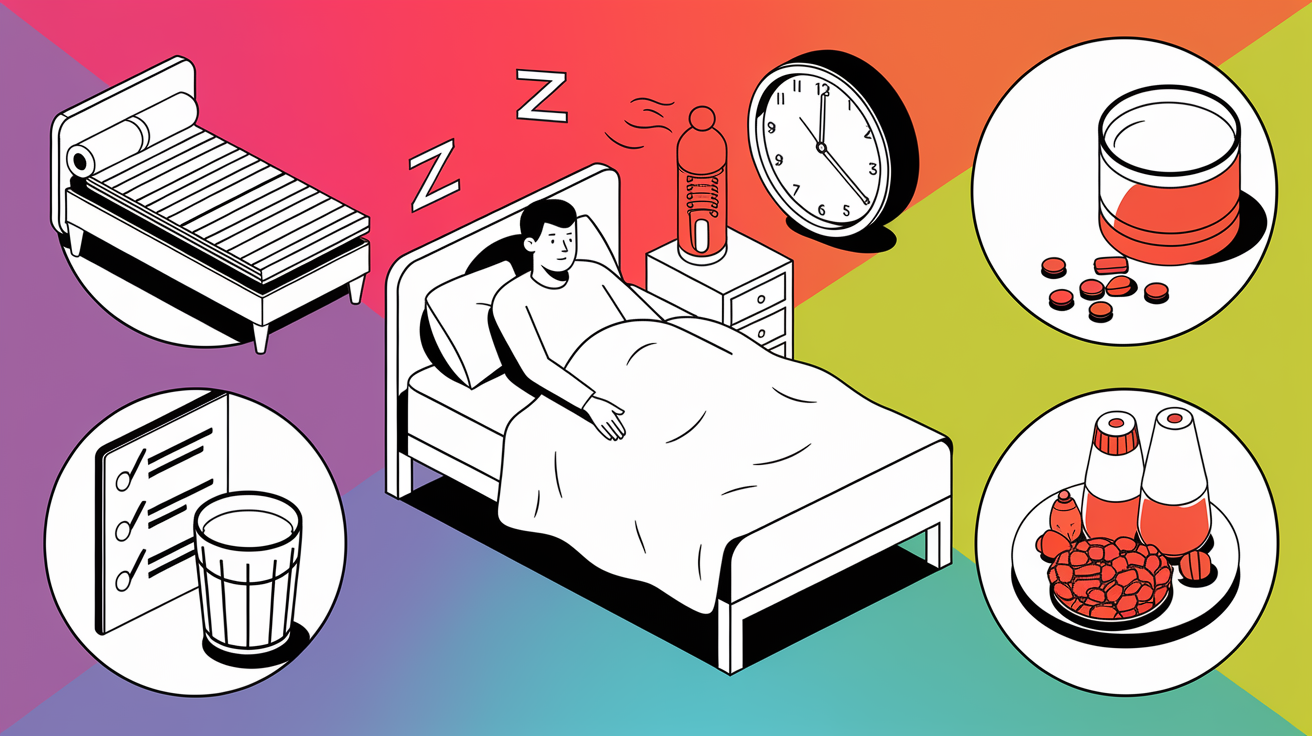
Morning fatigue doesn’t come from just one thing. It’s usually a mix of overlapping triggers, and the good news is that many of them can be changed. Figuring out what’s driving your fatigue helps you target the most useful fixes.
Here’s what shows up most often:
Poor sleep posture or a bad mattress. Sleeping in positions that strain your joints or compress painful areas wakes you up repeatedly. An old, sagging mattress or poorly aligned pillows can wreck your spine and joints overnight.
Medication side effects. Opioids, muscle relaxants, certain antidepressants, sedatives, they all cause prolonged drowsiness or disrupt sleep cycles. You end up groggy even after eight hours in bed.
Lying still for too long. Hours of immobility let inflammatory fluids pool around joints and tissues. That’s why you feel so stiff and painful when you first try to move.
Underlying medical conditions. Arthritis, fibromyalgia, autoimmune disorders, sleep apnea, thyroid problems, they all contribute to chronic pain and morning fatigue through different biological pathways.
Fragmented sleep. Waking up a lot, struggling to fall back asleep, missing out on deep sleep, all of this prevents full recovery overnight.
Low-grade dehydration and nutrient gaps. Not drinking enough water, skipping balanced meals, or running low on key nutrients like iron or vitamin D reduces energy production and worsens fatigue.
Identifying which of these apply to you requires simple tracking. Note when fatigue feels worst, what makes it better or worse, and whether it lines up with medication timing, food intake, activity level, or sleep quality. This info guides adjustments and helps clinicians tailor treatment.
Short-Term Coping Strategies for Morning Fatigue

When morning fatigue and pain hit hard, you need relief fast. These strategies are low-risk, don’t require much equipment, and you can do them at home to cut through grogginess and loosen stiff, painful areas.
Start with hydration and gentle movement. Drink a glass of water (200 to 300 mL) within the first 10 minutes of waking. Mild overnight dehydration makes fatigue worse. Follow with 5 to 10 minutes of slow, gentle stretching or range-of-motion exercises. Neck rolls, shoulder shrugs, ankle circles, gentle spinal twists. Movement gets blood flowing to stiff tissues and signals your nervous system that it’s safe to start the day.
Five immediate relief tactics:
Heat therapy for 15 to 20 minutes. Apply a warm pack or heating pad to painful, stiff areas like your lower back, neck, or knees. Heat loosens tight tissues and reduces muscle tension.
Warm shower for 5 to 10 minutes. Let warm water run over sore areas before you start stretching or tackle daily tasks. The combo of heat and light movement cuts through morning stiffness.
Breathing exercises for 2 to 5 minutes. Practice slow, diaphragmatic breathing. Inhale slowly through your nose for a count of four, hold briefly, then exhale through your mouth for a count of six. This lowers muscle tension and calms your stress response.
Paced getting-up routine. Don’t rush out of bed. Sit on the edge for 30 to 60 seconds, do a few ankle pumps and shoulder rolls, then stand slowly and take a few steps before moving into your morning tasks.
Light breakfast with protein and low-glycemic carbs. Eat a small meal with lean protein (eggs, Greek yogurt) and whole grains or fruit within 30 to 60 minutes of waking. This stabilizes blood sugar and supports energy production.
These steps take 15 to 30 minutes total. Consistency matters more than duration. Repeating a short routine daily beats doing a longer, complex sequence sporadically.
Long-Term Management Approaches for Chronic Pain and Fatigue

Real, sustained improvement means addressing the root mechanisms: sleep quality, inflammation, physical conditioning, and pain perception. Long-term strategies take weeks to months to show full benefit, but they produce meaningful, lasting change in both pain and energy levels.
Physical conditioning is foundational. Graded exercise programs (starting with 5 to 15 minute sessions and increasing by roughly 10% per week) build aerobic capacity, reduce systemic inflammation, and improve pain tolerance. Work toward 150 minutes per week of moderate-intensity aerobic activity (brisk walking, swimming) and two sessions per week of strength training targeting major muscle groups. Low-impact options like yoga, tai chi, and water-based exercise are well tolerated by people with chronic pain and support flexibility, balance, and muscle endurance.
Psychological and behavioral therapies directly target pain and sleep. Cognitive behavioral therapy for insomnia (CBT-I), typically delivered in 6 to 8 sessions, restructures sleep habits and beliefs about sleep. It improves sleep continuity and reduces morning fatigue. Pain-focused CBT or acceptance and commitment therapy (ACT), usually 6 to 12 sessions, reduces catastrophizing, improves coping skills, and lowers pain interference in daily life. Mindfulness-based practices (even 10 to 20 minutes daily or short 2 to 5 minute practices in the morning) reduce perceived pain severity and improve emotional regulation.
Sleep hygiene and environmental changes create the conditions for restorative sleep. Maintain a fixed bedtime and wake time seven days per week. Aim for 7 to 9 hours of sleep nightly for most adults. Avoid screens for roughly 60 minutes before bed to reduce blue-light exposure that suppresses melatonin. Keep your bedroom temperature between 60 to 67°F (15 to 19°C) and reduce ambient light to very low levels. Limit total caffeine intake to less than 400 mg per day, and avoid caffeine within six hours of bedtime. Skip alcohol near bedtime. It disrupts sleep architecture even in small amounts. Anti-inflammatory dietary patterns (emphasizing five or more servings of vegetables and fruits daily, whole grains, lean proteins, and one to two servings per week of oily fish) support lower systemic inflammation and may improve both pain and fatigue over time.
Building a Morning Routine That Supports Energy and Pain Reduction

A structured morning routine reduces decision fatigue, creates predictable symptom relief, and trains your nervous system to expect calm, controlled movement rather than rushed, pain-triggering activity. The routine should take 20 to 40 minutes and be repeatable every day, including weekends.
A practical five-step morning sequence:
Wake and hydrate (1 to 2 minutes). Drink 200 to 300 mL of water immediately. Keep a glass or bottle on your bedside table to make this automatic.
Breathing and relaxation (5 minutes). Sit or lie comfortably and practice slow diaphragmatic breathing or a short guided body scan. This lowers morning muscle tension and cortisol levels.
Gentle stretching or mobility exercises (5 to 15 minutes). Perform slow, pain-free range-of-motion exercises targeting your neck, shoulders, spine, hips, and legs. Stay within comfortable limits. Don’t push into sharp pain.
Warm shower or heat application (5 to 10 minutes). Use warm water or a heat pack on areas of stiffness. This prepares tissues for movement and reduces pain during the first hour.
Light, balanced breakfast and activity planning (10 minutes). Eat a meal with lean protein and low-glycemic carbohydrates. Review your day and identify the highest-priority tasks, scheduling them during your best-energy window (often mid-morning for people with chronic pain).
Adjust timing and intensity based on your symptoms that day. On high-pain or high-fatigue mornings, shorten movement to 5 minutes and extend heat or breathing time. On better days, extend stretching or add a short walk. Flexibility within structure prevents the routine from becoming a source of stress.
When to Seek Medical Evaluation

Morning fatigue that persists despite consistent self-care, worsens over weeks, or appears suddenly without clear cause warrants professional assessment. Many treatable conditions present with overlapping pain and fatigue, and early evaluation improves outcomes.
Schedule an appointment with a clinician if morning fatigue is severe enough to prevent basic daily tasks for more than two weeks, if you notice new or worsening pain patterns, or if fatigue doesn’t improve with better sleep hygiene and activity pacing. Persistent morning fatigue may signal untreated sleep apnea, autoimmune disorders such as rheumatoid arthritis or lupus, thyroid dysfunction, or medication interactions. A clinician can order targeted tests (sleep studies, inflammatory markers, thyroid panels, iron and vitamin levels) to identify underlying causes.
Three key warning signs require urgent evaluation:
Sudden new focal neurological symptoms. New numbness, weakness in a limb, difficulty speaking, vision changes, or loss of bladder or bowel control may indicate a neurological emergency.
Severe unexplained pain with fever or rapid weight loss. These symptoms can signal infection, malignancy, or acute autoimmune flare requiring immediate workup.
Sudden functional decline. If you go from managing daily tasks to being unable to get out of bed, walk, or care for yourself within days to weeks, seek urgent assessment.
Keep a simple symptom diary for two to four weeks before your appointment. Track sleep hours, number of nighttime awakenings, pain intensity on waking (0 to 10 scale), medication timing, and any patterns you notice. This documentation helps clinicians identify specific targets for intervention and adjust treatment plans efficiently.
Final Words
You wake up stiff, sore, and drained. This piece walked through why that happens — sleep disruption, overnight inflammation, and routine or medication factors — and showed short‑term fixes, long‑term tools, a pain‑friendly morning routine, and when to get checked.
Try a few fast relief steps, track timing and triggers, and build steady sleep and movement habits. If symptoms worsen or feel very different, see your clinician.
Keep using the practical tips for morning fatigue and chronic pain overlap and coping strategies. Small, steady changes can make mornings easier.
FAQ
Q: Why do I feel so tired in the morning when I have chronic pain?
A: Morning tiredness with chronic pain happens because pain interrupts sleep, increases overnight inflammation, and causes stiffness from not moving, leaving sleep non‑restorative and energy low on waking.
Q: How does chronic pain cause morning stiffness and grogginess?
A: Morning stiffness and grogginess from chronic pain come from overnight immobility, joint inflammation that peaks at night, and reduced deep sleep, so muscles and joints feel tight and you wake unrefreshed.
Q: What biological processes cause morning fatigue in chronic pain?
A: Morning fatigue in chronic pain is driven by inflammation spikes overnight, disrupted cortisol (stress hormone) rhythms, and poor sleep architecture that reduces restorative deep sleep phases.
Q: What common triggers make morning fatigue worse?
A: Common triggers that worsen morning fatigue include poor sleep posture, certain medications, long periods of immobility during sleep, caffeine or alcohol late, and conditions like arthritis or fibromyalgia.
Q: What can I try right away to feel less fatigued in the morning?
A: Immediate steps to reduce morning fatigue include gentle stretching, sipping water, a warm heat pad to loosen muscles, paced movement for a few minutes, and a few slow, long exhales to downshift.
Q: What long‑term approaches help reduce chronic pain and morning fatigue?
A: Long‑term approaches that often help are regular, graded exercise, cognitive behavioral work for pain, consistent sleep habits, anti‑inflammatory lifestyle changes, and coordinated care with your clinician.
Q: How should I build a morning routine to support energy and lower pain?
A: A pain‑friendly morning routine uses gradual pacing: warm brief heat, 1–2 minutes gentle mobility, hydrate, light movement for 1–2 minutes, then sit and plan next steps, repeating daily for consistency.
Q: Could my medications be causing my morning fatigue?
A: Morning fatigue can be related to medication timing or side effects; many pain, sleep, and mood medicines cause morning drowsiness—don’t stop them, but bring concerns to your prescriber for review.
Q: What should I track to help a clinician understand my morning fatigue?
A: Track timing and duration, severity on a 0–10 scale, triggers (sleep, food, meds), what helps or worsens it, associated symptoms, and frequency so your clinician can spot patterns and plan tests.
Q: When should I see a doctor about morning fatigue and pain?
A: See a clinician if fatigue is new, worsening, or limits daily life; seek prompt care for breathlessness, fainting, chest pain, sudden weakness, or very high fever—those are warning signs.
Comments are closed