
Ever had your hands start shaking in a meeting and worried you were falling apart?
Trembling from anxiety is a common, temporary response when your body hits fight-or-flight—adrenaline and muscle tension can make your hands or legs buzz even though there’s no real danger.
This can feel scary, but it isn’t dangerous.
In this post I’ll explain, in plain terms, why the shaking happens, what usually sets it off, quick things you can try right now to stop it, and simple longer-term steps to make it happen less often.
Understanding Why Anxiety Triggers Trembling and Shaking

When anxiety hits, your body switches into survival mode through something called the fight-or-flight response. Stress hormones like adrenaline and cortisol flood your bloodstream, prepping you to run or fight. Your sympathetic nervous system takes control and changes happen fast. Heart rate jumps. Breathing speeds up. Blood rushes to your large muscles. Your whole system goes hyper-alert. All that internal revving and muscle tension can make your hands, legs, or even your entire body shake.
Trembling from anxiety is your nervous system releasing energy it doesn’t actually need because there’s no real physical danger. Muscles tense up ready for action, then micro-contract over and over when that action never comes. Cortisol keeps circulating, adrenaline keeps pumping, and the feedback loop between your brain and your muscles keeps firing. The result? Visible shaking or an internal tremor that feels like vibration running under your skin.
This kind of shaking is common. It’s not dangerous, and it doesn’t mean something is broken. Your body is doing exactly what evolution designed it to do when it senses a threat, even if that threat is a meeting, a crowded room, or a worrying thought.
People commonly report these sensations during anxiety-related trembling:
- Shaky hands or fingers that make it hard to hold a pen or cup steady
- Trembling legs or knees that feel weak, especially when standing
- Internal vibration or buzzing, like your muscles are humming even if nobody else can see movement
- Voice quivering or breaking when you try to speak in stressful moments
Immediate Techniques to Calm Anxiety-Related Shaking Fast

When you need the shaking to stop right now, the fastest route is signaling your nervous system that the emergency is over. The techniques below work because they interrupt the adrenaline surge and activate your body’s calming mechanisms, often within a few minutes.
Here are six methods that offer quick relief:
-
4-7-8 breathing – Inhale through your nose for 4 seconds, hold for 7 seconds, then exhale slowly through your mouth for 8 seconds. Repeat for 3 to 5 minutes. The long exhale tells your body to switch off the alarm.
-
Progressive muscle relaxation – Start at your toes. Squeeze them tight for 5 seconds, then release. Move up to your calves, thighs, glutes, stomach, chest, hands, arms, shoulders, neck, and face, tensing and releasing each group one at a time. This drains the tension fueling trembling.
-
Cold object grounding – Hold an ice pack, a frozen water bottle, or a handful of ice cubes. The sharp cold pulls your attention away from internal panic and can slow your heart rate within seconds.
-
Physical movement – Take a brisk walk, jog in place for 30 seconds, or do 10 jumping jacks. Burning the excess adrenaline through movement gives your muscles something productive to do.
-
Drink cold water – Sip or gulp a full glass of cold water. Hydration supports steady blood pressure and the cold temperature can have a mild calming effect.
-
Reduce stimulants immediately – If you’ve had coffee, an energy drink, or a lot of sugar in the last hour, don’t add more. Caffeine and sugar can make tremors worse by keeping your system overstimulated.
5-4-3-2-1 Grounding for Severe Shaking
When shaking escalates into a full panic attack, use the 5-4-3-2-1 technique to anchor yourself. Name 5 things you can see, touch 4 objects around you, listen for 3 distinct sounds, identify 2 scents (or imagine them if you can’t smell anything), and notice 1 taste in your mouth. This structured sensory check interrupts the panic spiral and gives your brain a concrete task that has nothing to do with fear.
Recognizing Symptoms That Commonly Accompany Anxiety Tremors
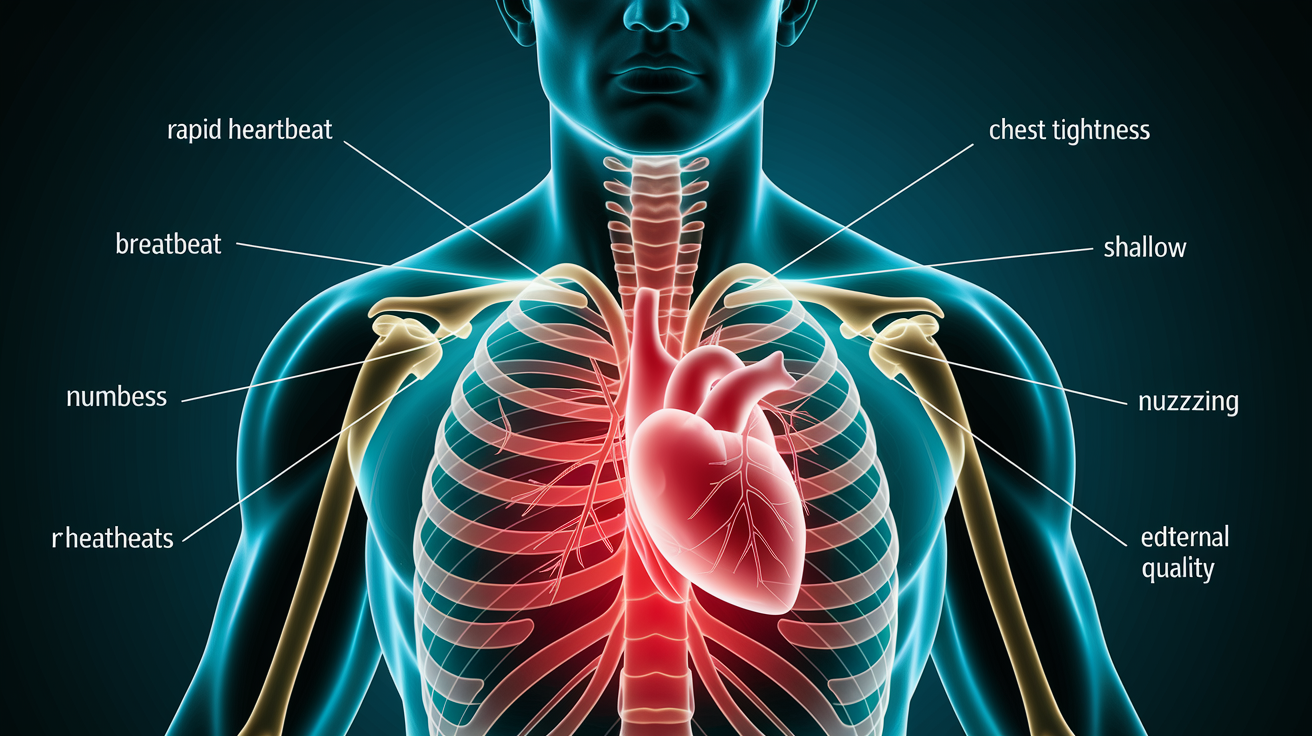
Anxiety shaking rarely shows up alone. Your body’s fight-or-flight response activates multiple systems at once, so trembling usually arrives with a cluster of other sensations. Knowing what to expect can reduce the fear that something is seriously wrong, because these symptoms are part of the same adrenaline-driven package.
People dealing with anxiety tremors often notice several of these at the same time:
- Rapid, pounding, or irregular heartbeat
- Chest tightness or a squeezing sensation
- Shallow, fast breathing or feeling like you can’t get enough air
- Numbness or tingling in your hands, feet, or face
- Waves of heat or chills, sometimes alternating within minutes
- Nausea, stomach cramps, or sudden diarrhea
- Muscle tension in your jaw, neck, shoulders, or back
- Lightheadedness or a floaty, disconnected feeling
These sensations don’t mean you’re having a heart attack or a stroke. They mean your nervous system is in overdrive and your body is reacting to stress hormones the same way it would react to real danger. It feels alarming, but it’s temporary and it will pass, especially once you use calming techniques or the stressor fades.
Distinguishing Anxiety Shaking From Medical Tremors

Sometimes shaking has a medical cause that isn’t related to anxiety. If your trembling doesn’t match the usual anxiety pattern, or if it shows up without any obvious trigger, it’s worth considering other explanations so you know whether to pursue medical evaluation.
| Cause | Typical Onset | Distinguishing Feature |
|---|---|---|
| Anxiety tremor | During or right after a stressful event, thought, or situation | Eases when you calm down; often linked to racing thoughts or panic |
| Essential tremor | Gradual, often starts in midlife; can run in families | Happens during intentional movement (reaching, holding); improves at rest |
| Hypoglycemia tremor | When you skip meals, exercise hard without eating, or have blood sugar swings | Paired with hunger, sweating, confusion, or weakness; stops after you eat |
| Medication-induced tremor | Days to weeks after starting a new medication or increasing a dose | Persistent throughout the day; check side effect lists for ADHD meds, asthma inhalers, SSRIs |
Other medical causes include hyperthyroidism (overactive thyroid), which can produce constant tremor along with weight loss, heat intolerance, and a fast resting heart rate. Parkinson’s disease causes a resting tremor that usually starts on one side and improves when you move that limb. SSRI antidepressants can sometimes cause a temporary increase in shaking during the first few weeks of treatment, which often settles down as your body adjusts.
If your tremor is new, constant, one-sided, or accompanied by other unexplained symptoms like unintended weight changes, extreme fatigue, or changes in coordination, get it checked. A simple blood panel can rule out thyroid problems, low blood sugar, and electrolyte imbalances. That clarity helps you focus your energy in the right direction, whether it’s anxiety management or medical treatment.
Identifying Triggers That Intensify Anxiety Trembling
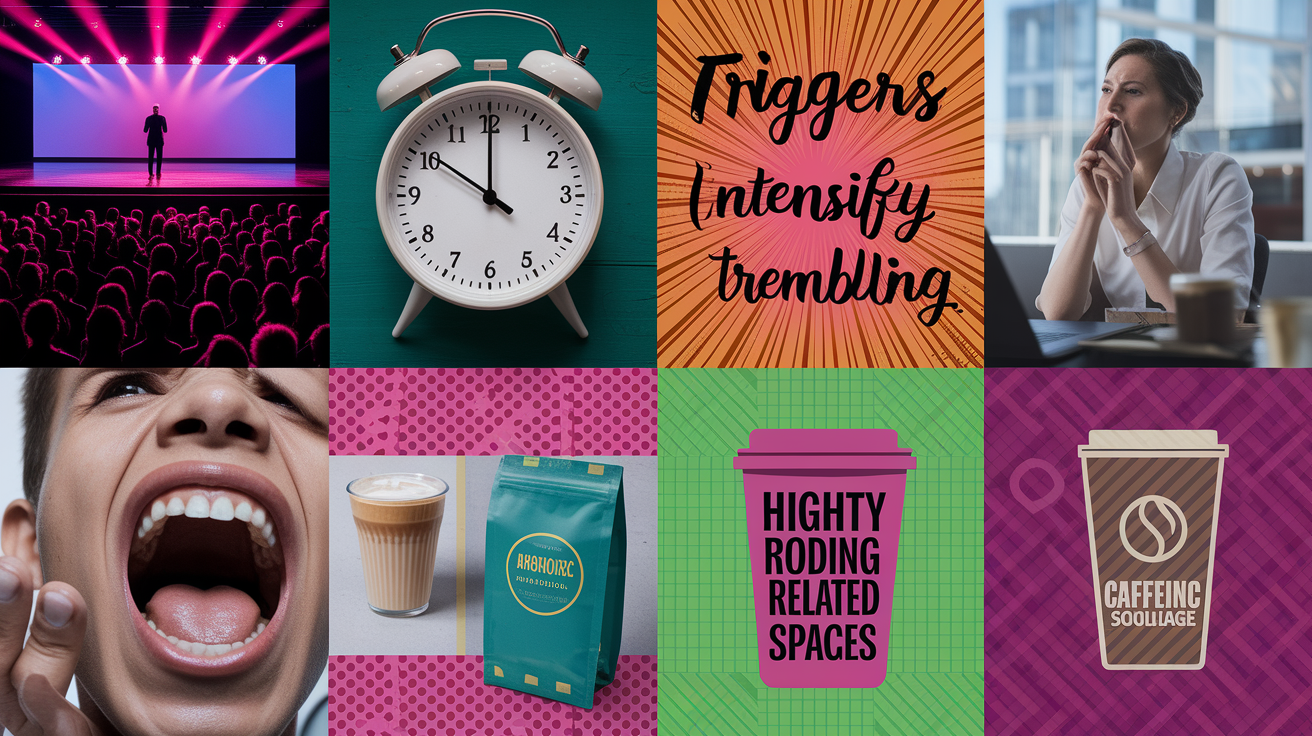
Anxiety shaking doesn’t appear randomly for most people. There are predictable moments, situations, or substances that increase the likelihood or intensity of tremors. Spotting your personal triggers gives you a head start on prevention.
Common triggers include public speaking or any kind of performance where you feel observed and judged, social interactions that feel high-stakes or uncomfortable, confrontations or conflict (even minor disagreements), specific phobias like heights or enclosed spaces, and excessive stress or pressure at work or home. Insufficient sleep makes everything worse because your stress hormone regulation depends on rest. And caffeine is a notorious amplifier because it mimics some of the same physiological effects as adrenaline.
The six most frequently reported triggers are:
- Speaking in front of a group or being the center of attention
- Meeting new people or navigating unfamiliar social settings
- Deadlines, performance reviews, or high-pressure work situations
- Arguments, difficult conversations, or anticipating confrontation
- Exposure to a known fear (flying, needles, driving on highways)
- Consuming too much caffeine, sugar, or stimulant medications on an empty stomach
Long-Term Strategies to Reduce Anxiety Tremors Over Time

Stopping shaking in the moment is helpful, but lowering your baseline anxiety over weeks and months means fewer episodes and less intense trembling when it does happen. Long-term management focuses on building resilience, retraining your nervous system, and creating daily habits that keep your stress response from staying stuck in high gear.
Cognitive behavioral therapy teaches you to identify and challenge the anxious thoughts that trigger the physical response. When you learn to interrupt catastrophic thinking early, your body doesn’t escalate to full fight-or-flight as often. Mindfulness meditation and daily relaxation routines (even 10 minutes a day) help reset your nervous system’s sensitivity, so it takes more to flip you into panic mode.
Regular exercise supports your parasympathetic nervous system, the part responsible for calming you down. Gentle forms like yoga and tai chi are particularly good at this. Consistent sleep on a predictable schedule regulates cortisol and keeps your stress hormones from spiking unpredictably. Staying hydrated and limiting caffeine, alcohol, and processed sugar reduces the jittery physical sensations that can mimic or worsen anxiety tremors.
Nutritional support can also play a modest role. Magnesium-rich foods like leafy greens, almonds, pumpkin seeds, and dark chocolate support muscle relaxation and nervous system function. Omega-3 fatty acids found in salmon, sardines, walnuts, and flaxseeds have been studied for their anti-inflammatory and mood-stabilizing effects. Some people report fewer physical anxiety symptoms when they eat these regularly.
Daily Habits That Reduce Long-Term Tremor Risk
- Practice a short breathing or grounding exercise every morning, even on calm days, so your body remembers the pattern when stress hits
- Stick to a consistent sleep and wake time, aiming for 7 to 9 hours per night
- Move your body for at least 20 minutes most days, whether that’s walking, stretching, dancing, or structured exercise
- Limit caffeine to one serving before noon, and notice whether cutting it out entirely changes your tremor frequency
- Build in small stress breaks throughout your day (a 5-minute walk, a few deep breaths, stepping outside) instead of waiting for overwhelm to build
Professional Treatment Options for Persistent Anxiety Shaking

When self-help strategies aren’t enough, or when trembling interferes with work, relationships, or daily functioning, professional treatment can offer faster relief and more durable results. Mental health care and medical interventions work together to address both the root anxiety and the physical symptoms.
Therapy options include cognitive behavioral therapy (CBT), which directly targets the thought patterns and avoidance behaviors that maintain anxiety, exposure therapy to gradually desensitize you to feared situations, and psychodynamic therapy to explore underlying emotional patterns. Medication may be appropriate for some people, especially when anxiety is severe or long-standing. SSRIs (selective serotonin reuptake inhibitors) are commonly prescribed for generalized anxiety and can reduce both mental and physical symptoms over time. Beta-blockers like propranolol are sometimes used specifically for performance anxiety and the trembling that comes with it, because they block some of the physical effects of adrenaline without sedating you. Benzodiazepines offer fast relief during acute panic episodes but are typically used short-term due to dependence risk.
Psychiatric care ensures that medication is chosen carefully, monitored for side effects, and adjusted as needed. Some specialized clinics now offer ketamine-assisted therapy for severe, treatment-resistant anxiety, showing rapid improvement in a subset of patients, though this remains an emerging option with limited long-term data.
Five types of professional interventions that can reduce anxiety tremors:
- Individual psychotherapy (CBT, exposure therapy, or other evidence-based modalities)
- Medication management through a psychiatrist or primary care doctor
- Group therapy or support groups for shared accountability and skill-building
- Biofeedback or neurofeedback training to gain conscious control over physiological stress responses
- Intensive outpatient programs or partial hospitalization when symptoms are severe and disabling
When Anxiety Shaking Requires Medical Evaluation

Most anxiety trembling is manageable at home with breathing, grounding, and lifestyle changes. But certain patterns and symptoms signal that it’s time to consult a healthcare provider, either to rule out medical causes or to get more intensive support.
Seek medical evaluation if your shaking persists despite trying multiple calming techniques, or if it’s getting worse over time instead of better. If you experience chest pain, severe difficulty breathing, or a sense that you might pass out during a shaking episode, get evaluated urgently to rule out cardiac or respiratory issues. Panic attacks that are frequent, intense, or completely disabling also warrant professional help, because untreated panic disorder can worsen over time and lead to avoidance that shrinks your life.
Four red-flag criteria that mean it’s time to see a doctor:
- Shaking that continues for hours or days without relief, even when the stressor is gone
- New or worsening tremor that isn’t clearly linked to anxiety, especially if it’s one-sided or constant
- Accompanying symptoms like unexplained weight loss, heat intolerance, extreme fatigue, or changes in vision
- Panic attacks or pervasive fear that interfere with work, relationships, sleep, or leaving your home
Tracking Your Anxiety Tremors to Spot Patterns and Improvements
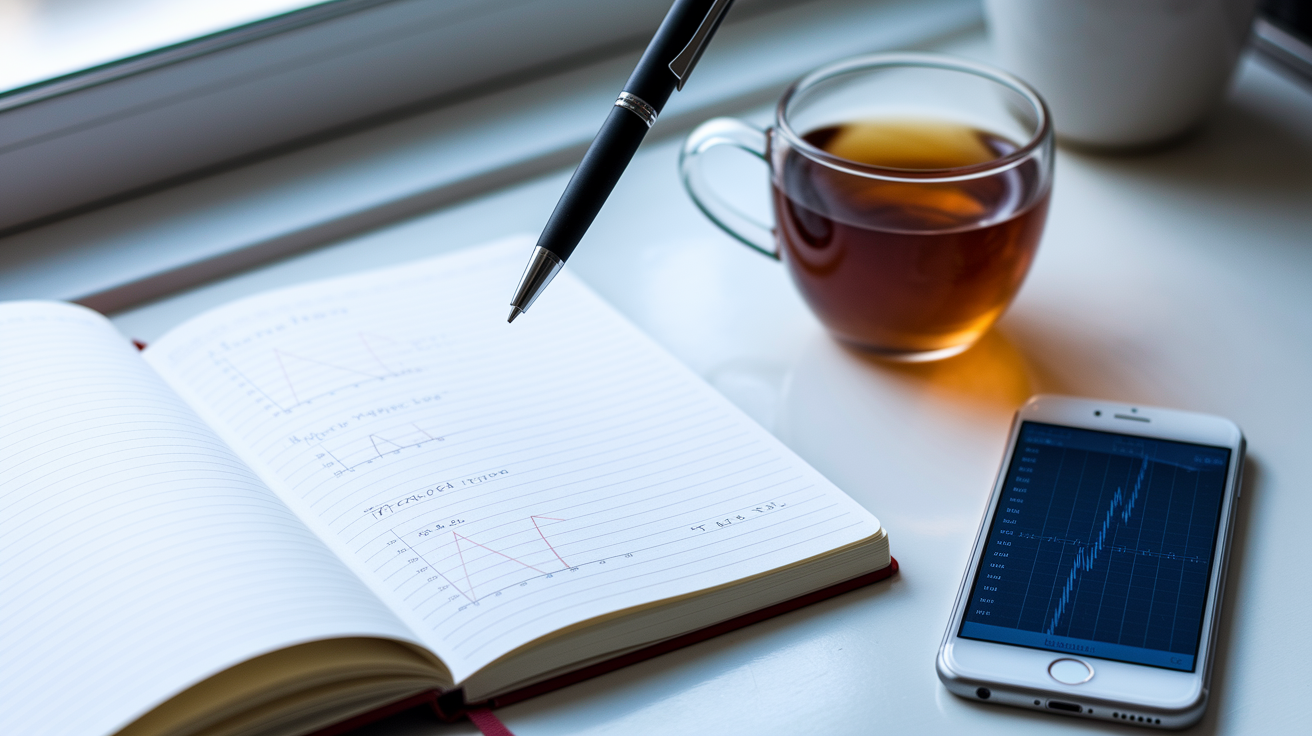
Keeping a simple log of your shaking episodes helps you see what’s actually happening instead of relying on anxious guesses. Tracking turns vague worry into concrete data, which is useful both for your own understanding and for any future conversations with a therapist or doctor.
Write down when the shaking starts, how long it lasts, and what you were doing or thinking right before it began. Note how intense it felt on a scale of 0 to 10, what techniques you tried, and whether they helped. Over a few weeks, patterns usually emerge. You might notice that shaking always follows your second cup of coffee, or that it spikes the week before your period, or that it’s worst on days when you skip lunch and stay up late.
Five data points to track in a symptom diary:
- Date, time, and duration of each episode
- Severity rating (0 = no shaking, 10 = severe, disabling tremor)
- Possible triggers (caffeine, stress event, lack of sleep, skipped meal, social situation)
- Techniques you used and whether they reduced the shaking
- Other symptoms present at the same time (racing heart, nausea, chest tightness, dizziness)
Final Words
When your hands or legs start to shake, this post explained the body’s fight-or-flight response and the common sensations that come with anxiety shaking.
You also learned fast tools to try now—breathing patterns, grounding, progressive muscle relaxation, cold-object grounding, moving gently, and simple longer-term steps like better sleep, fewer stimulants, and therapy options.
Track what you notice and bring notes to a clinician if it’s persistent or worrying. Many people find trembling and shaking from anxiety gets better with steady practice and the right support.
FAQ
Q: Why do I shake uncontrollably when I feel anxious?
A: Shaking uncontrollably when you feel anxious is the body’s fight-or-flight response — adrenaline, rapid breathing, and muscle tension make limbs tremble; try slow breathing, grounding, hydration, and seek care if it’s prolonged or severe.
Q: What are the 12 warning signs of a panic attack?
A: The 12 warning signs of a panic attack include heart racing, sweating, trembling, shortness of breath, choking, chest pain, nausea, dizziness or lightheadedness, numbness or tingling, chills or hot flashes, fear of losing control, and derealization.
Q: What is the 3-3-3 rule of anxiety?
A: The 3-3-3 rule of anxiety is a quick grounding technique: name 3 things you see, name 3 things you can touch, then take 3 slow, deep breaths to shift attention and calm your nervous system.
Q: How to reduce adrenaline anxiety?
A: To reduce adrenaline anxiety, pause and do slow exhale-focused breathing, sip water, step outside for a brisk walk, use a cold object on your face or wrists, cut back on caffeine, and try progressive muscle relaxation.
Comments are closed