Is that flutter in your chest mild worry or a full-blown panic attack?
You’re not imagining it.
It matters because they can feel similar but act very differently.
Panic attacks come on fast, peak in about 10 minutes, and hit with intense physical fear.
Mild anxiety builds slowly, lingers, and usually feels like constant worry and muscle tension.
This post explains the key differences, simple low-risk steps to try now, what to track for your clinician, and when to get prompt care.
Core Distinctions in Anxiety Levels: Understanding Mild Anxiety vs Panic Attack
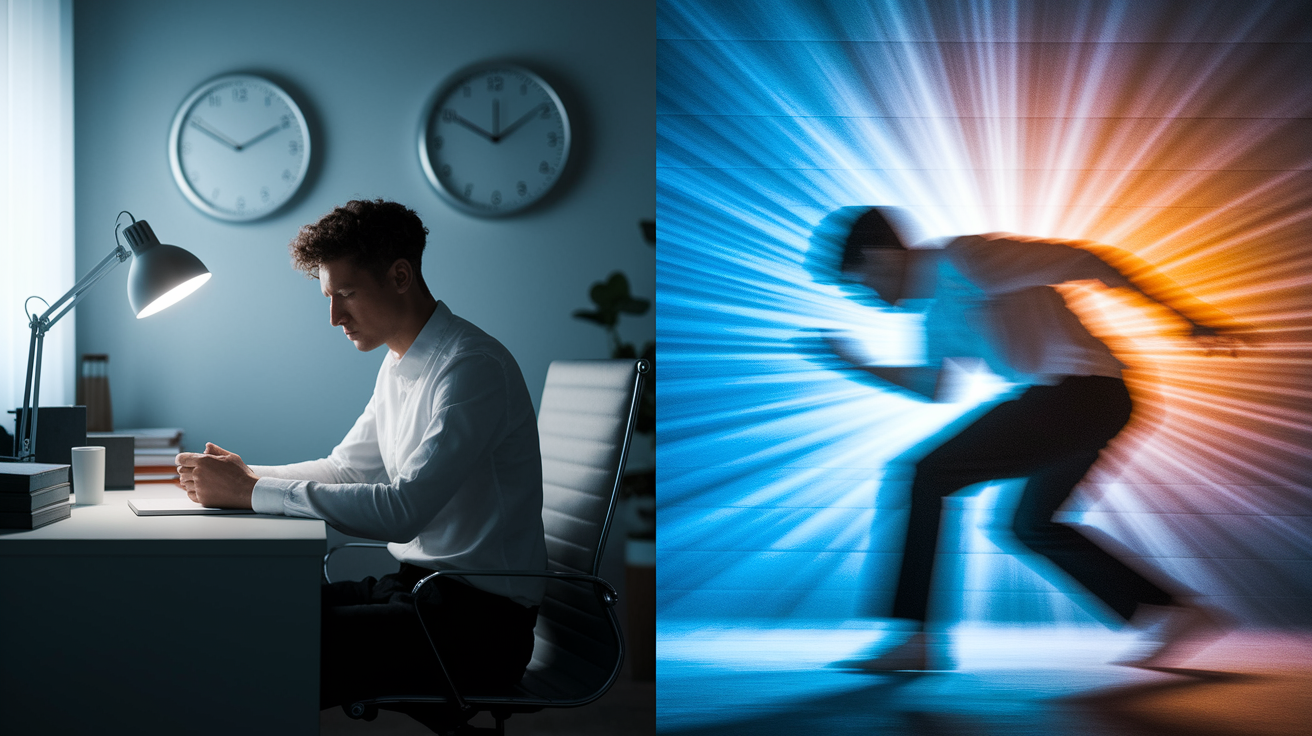
Mild anxiety and panic attacks work on totally different clocks. Mild anxiety creeps in over hours or days. You get that persistent worry, tight shoulders, restlessness that can stick around for weeks if you don’t do something about it. A panic attack slams into you out of nowhere and floods your body with intense fear and physical chaos that peaks in about 10 minutes. Most panic attacks burn through in 20 to 30 minutes, though you might feel shaky or wiped out for another hour.
The easiest tell? Ask yourself two things: did this hit suddenly or build slowly, and how overwhelming does it feel right now? Panic attacks bring catastrophic fear. The kind that makes you think you’re having a heart attack, losing your mind, about to die. Mild anxiety gives you that endless “what if” loop and muscle tension, but not the feeling that disaster is seconds away. Sure, both can include shortness of breath, chest tightness, dizziness. But the intensity, how fast it starts, and how long it lasts are completely different.
| Condition | Onset | Peak Time | Duration | Typical Intensity | Key Symptoms |
|---|---|---|---|---|---|
| Mild Anxiety | Gradual, over hours to days | Variable, no sharp peak | Days, weeks, or months | Low to moderate | Persistent worry, muscle tension, restlessness, sleep difficulty |
| Panic Attack | Sudden, often no clear trigger | ~10 minutes | 20–30 minutes (residual up to 1 hour) | Very high, intense terror | Racing heart, chest pain, choking sensation, fear of dying, derealization |
Symptom Profiles: How Mild Anxiety Symptoms Compare to Panic Attack Symptoms
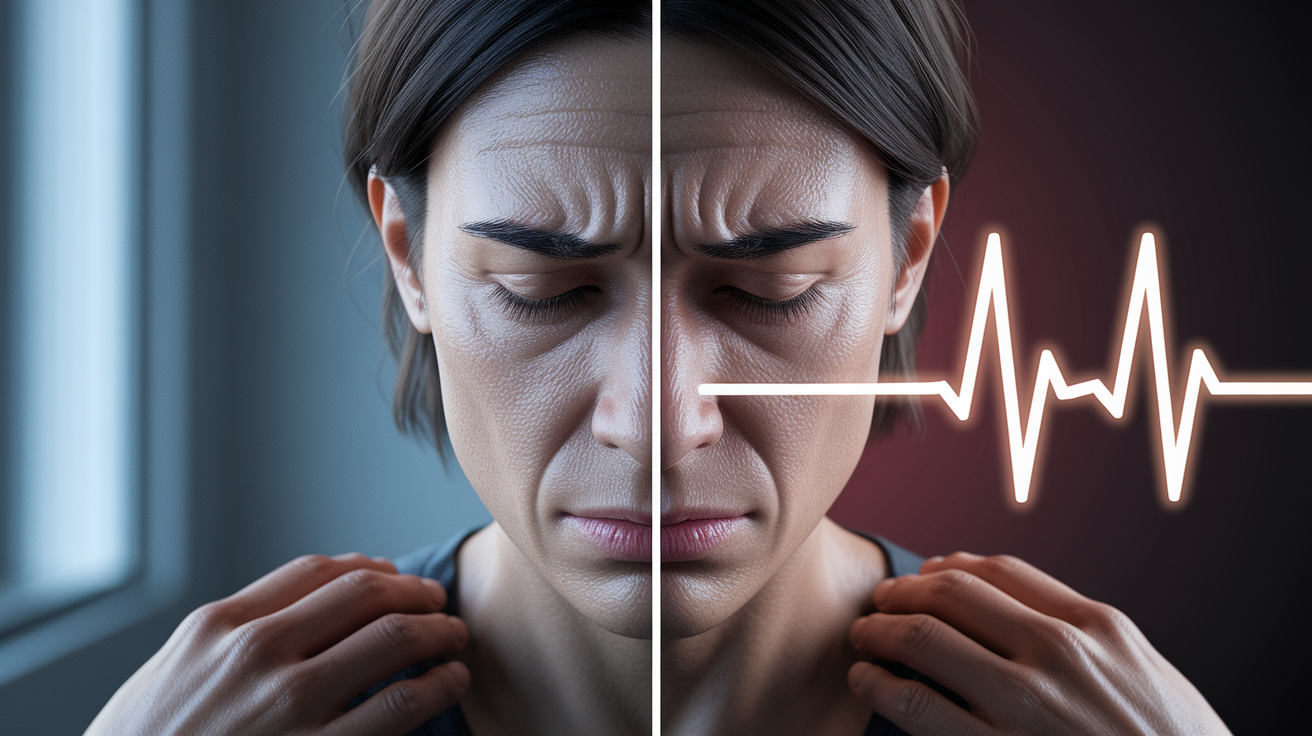
Panic attacks bring at least four intense symptoms from a pretty specific list: palpitations, sweating, trembling, shortness of breath, choking sensation, chest pain, nausea, dizziness, chills or hot flashes, numbness or tingling, derealization (feeling like nothing’s real), and fear of losing control or dying. These symptoms surge all at once, creating a sense of physical emergency. Your body’s fight or flight system goes all in, flooding you with adrenaline and cortisol. People describe feeling like they’re drowning, having a heart attack, about to pass out.
Mild anxiety is quieter but sticks around longer. You get ongoing worry that loops through the same topics, muscle tension especially in your neck and shoulders, restlessness, mild stomach upset, trouble concentrating, irritability, problems falling or staying asleep. Physical symptoms show up but they’re milder, and the mental experience centers on anticipation and “what if” thinking instead of raw terror. Some symptoms overlap, like shortness of breath, dizziness, chest tightness. But in mild anxiety these tend to be less intense and they come and go throughout the day.
Panic-dominant symptoms: Sudden chest pain or pressure, choking sensation or feeling like you can’t swallow, derealization or depersonalization (feeling outside your body or like things aren’t real).
Mild anxiety dominant symptoms: Persistent muscle tension that builds over hours, ongoing worry about future events cycling through your mind, difficulty sleeping because of racing thoughts rather than acute fear.
Timeline Differences: Onset, Build Up, Peak, and Duration for Anxiety vs Panic
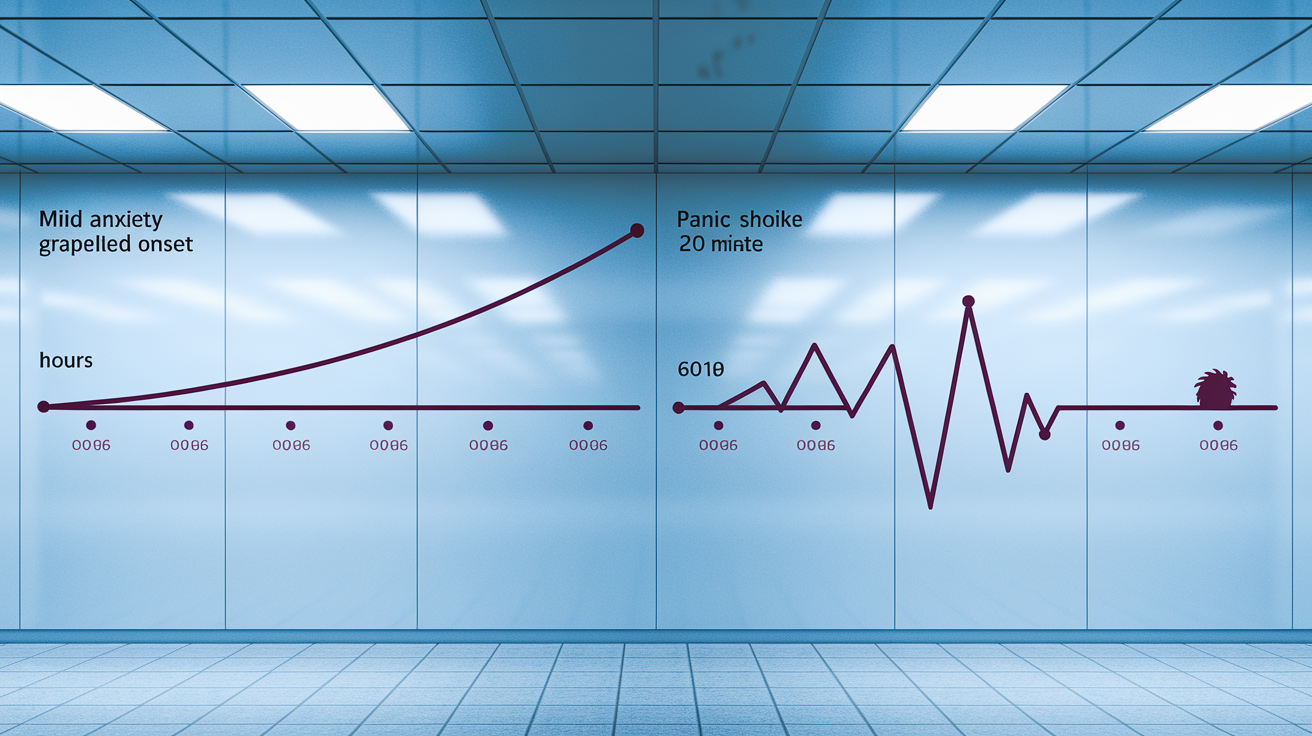
The timeline is one of the clearest ways to figure out which one you’re dealing with. A panic attack hits suddenly, often when you’re doing something totally ordinary. Sitting at your desk, driving, even sleeping. Within seconds to a couple minutes, your heart starts racing, your chest tightens, and intense fear floods in. The worst of it peaks around 10 minutes, then the physical intensity starts backing off. Most panic attacks are done within 20 to 30 minutes, though you might feel shaky, tired, or emotionally drained for another hour afterward.
Mild anxiety doesn’t spike. It creeps in gradually, often building over the course of a day or several days as stressors pile up. You might notice tension in your shoulders after a stressful morning, then realize by evening that your stomach feels off and you can’t settle your thoughts. The worry and physical tension can persist for hours, days, even weeks if nothing changes. Unlike panic, which burns hot and fast, mild anxiety simmers. It can become this steady background hum that messes with your sleep, concentration, and mood over time.
Clinical Markers: Diagnostic Criteria and Screening Scores for Anxiety and Panic
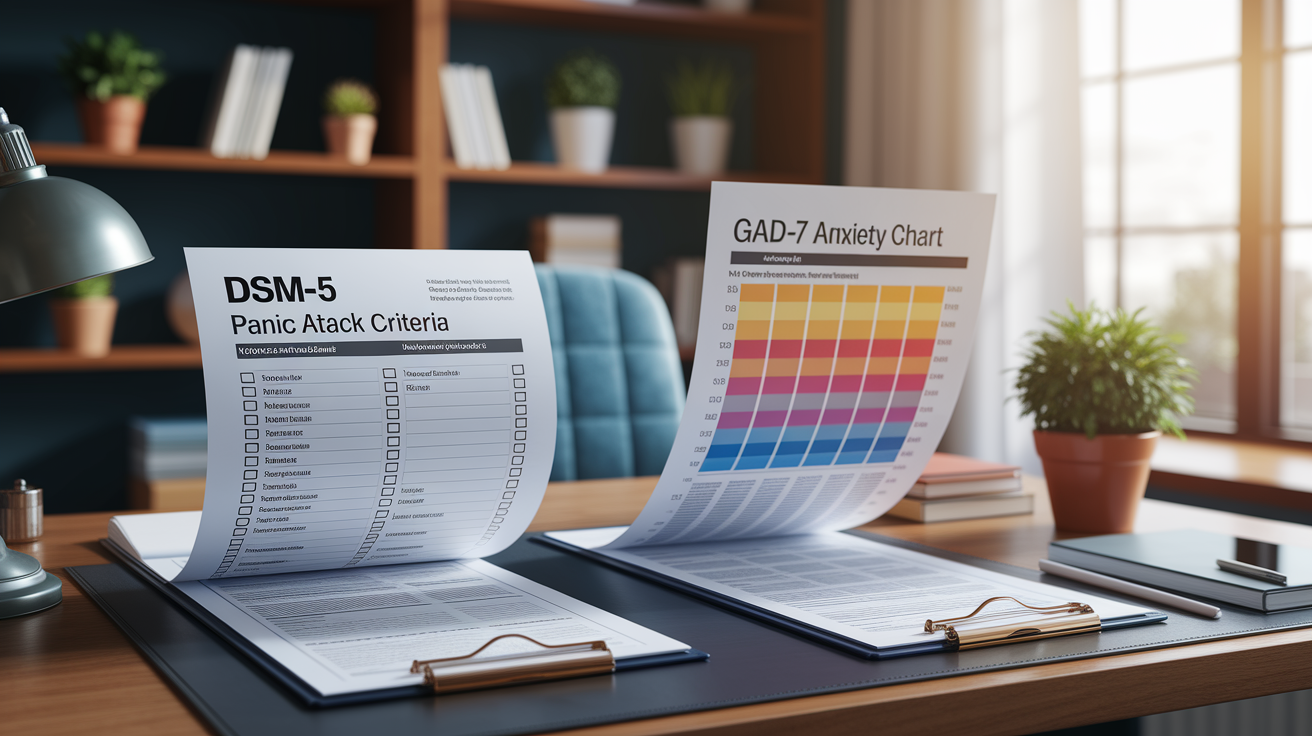
Panic attacks have a formal definition in the DSM-5, the clinical manual used for diagnosing mental health conditions. To qualify as a panic attack, you need to experience at least four symptoms from a specific list, and those symptoms have to reach peak intensity quickly. Panic disorder, a related diagnosis, requires recurrent unexpected panic attacks plus at least one month of ongoing worry about having another attack or behavior changes to avoid future episodes. Like skipping places or activities where an attack happened before.
Mild anxiety gets measured on a severity scale rather than as a yes or no event. A commonly used screening tool called the GAD-7 uses a score of 5 to 9 to indicate mild anxiety, 10 to 14 for moderate, and 15 or higher for severe. This approach captures the continuous nature of anxiety, where symptoms vary in intensity but persist over time. Panic, by contrast, is episodic. Clinicians often track frequency, triggers, and level of anticipatory fear rather than a daily severity score.
| Measure | What It Assesses | Notable Cutoffs |
|---|---|---|
| DSM-5 Panic Attack Criteria | Presence of ≥4 acute symptoms during episode | Meets threshold for panic attack if ≥4 symptoms present |
| GAD-7 Anxiety Scale | Severity of generalized anxiety symptoms over past 2 weeks | 5–9 = mild; 10–14 = moderate; 15+ = severe |
| Panic Disorder Diagnosis | Recurrent attacks + ≥1 month of worry or avoidance behavior | Requires pattern of unexpected attacks and functional impact |
Causes and Triggers: What Sets Off Mild Anxiety vs What Triggers Panic Attacks
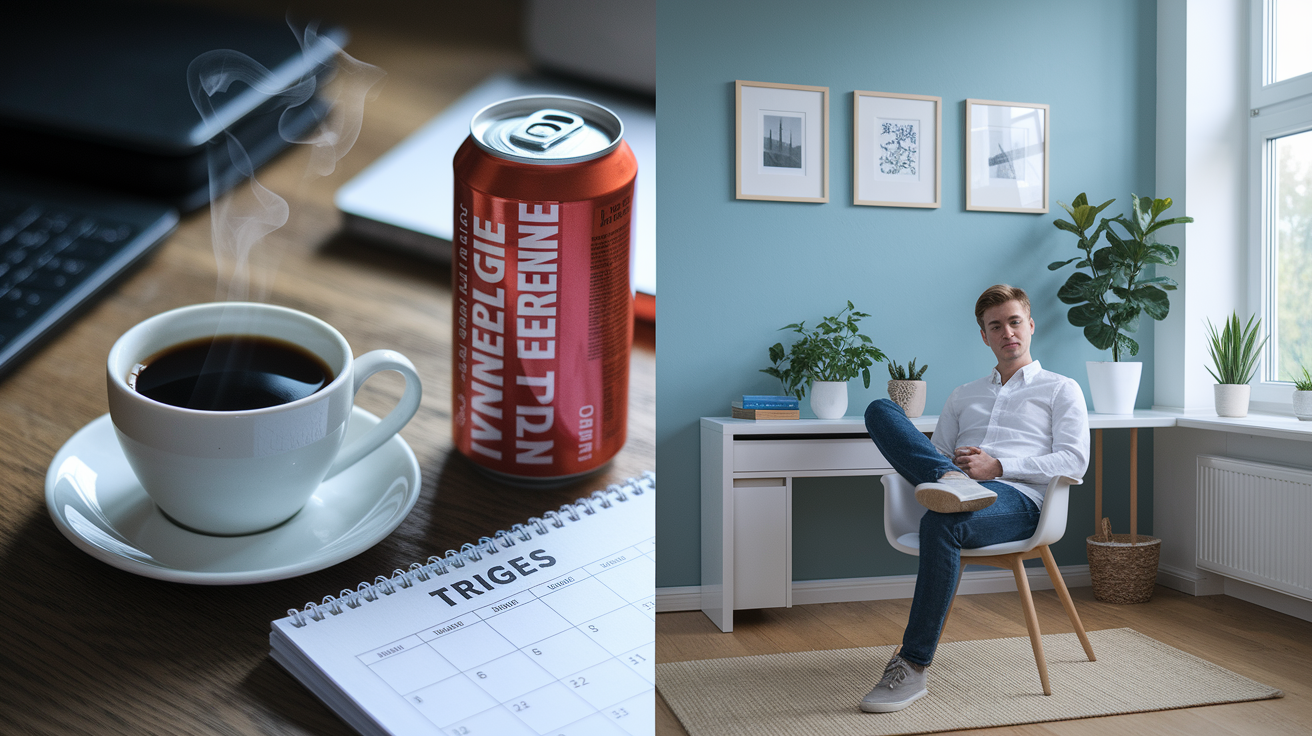
Mild anxiety usually ties to ongoing stressors or a period where pressure piles up. Common triggers include work deadlines, relationship tension, money worries, caregiving responsibilities, major life transitions like a move or job change, or health concerns. The anxiety tends to track with the stressor, building as the situation persists and easing when circumstances improve or coping strategies kick in.
Panic attacks can be expected or unexpected. Expected panic attacks happen in response to a known trigger, like a phobia (spiders, heights, enclosed spaces) or a specific situation (public speaking, crowded subway). Unexpected panic attacks show up without a clear trigger, often catching you off guard during routine activities. Both types share common risk factors. High caffeine intake (over 200 to 400 mg per day), sleep deprivation, history of trauma, chronic illness, thyroid or hormone imbalances, stimulant use, and genetic predisposition involving neurotransmitter imbalances in GABA or serotonin. Panic attacks also share a cycle of physiological hypersensitivity, where your body becomes overly reactive to normal changes in heart rate, breathing, or adrenaline, and your brain misinterprets those changes as danger.
High caffeine or stimulant intake (energy drinks, pre-workout supplements, or several cups of coffee on an empty stomach). Sleep debt of several nights running, especially paired with daytime stress. Recent major life stressor (death, divorce, financial crisis, job loss). Withdrawal from alcohol or other substances. Thyroid issues, hormonal shifts, or medication side effects that increase baseline arousal.
How Mild Anxiety Can Escalate Into a Panic Attack
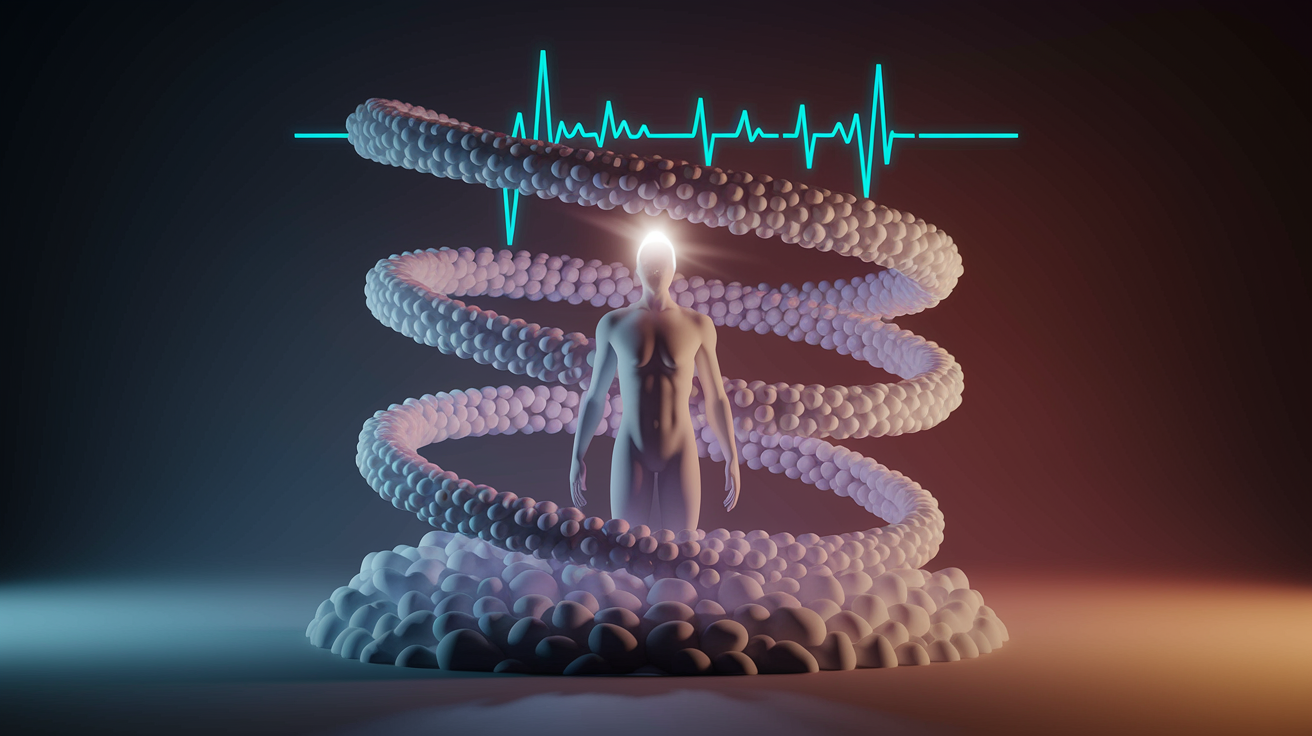
Panic attacks often emerge from a background of sustained anxiety. The escalation pathway usually looks like this: persistent worry leads to increased muscle tension and shallow breathing, which raises baseline physiological arousal. Over time, your nervous system becomes hypersensitive to bodily sensations like a faster heartbeat, a tight chest, or a wave of dizziness. When one of those sensations occurs, the anxious brain misinterprets it as a sign of imminent danger, triggering catastrophic thoughts like “I’m having a heart attack” or “I’m going to pass out.” That interpretation kicks your body into full fight or flight mode, producing hyperventilation, a surge of adrenaline, and the physical cascade of a panic attack.
This process is more likely when you’re already running on low sleep, high caffeine, or unresolved stress. Avoidance behaviors also feed the cycle. If you start avoiding places or situations where you fear having a panic attack, the fear of the attack itself becomes a trigger. This pattern of anticipatory anxiety creates a feedback loop where worry about future panic can actually provoke the next episode. Over time, this can develop into panic disorder, where recurrent unexpected attacks and persistent fear or behavior changes last for a month or more.
Safety Guidance: When Symptoms Mean Emergency Care vs Mental Health Follow Up
Some symptoms overlap between panic attacks and serious medical events, especially cardiac issues. If you’ve never had a panic attack before and suddenly experience severe chest pain, shortness of breath, or a racing heart, it’s reasonable to seek emergency evaluation to rule out a heart attack or other acute medical cause. Go to the ER or call 911 if you experience chest pain with fainting or near fainting, loss of consciousness, bluish lips or face, severe shortness of breath that doesn’t ease with slow breathing, confusion, or any suicidal thoughts or intent.
Panic attacks typically peak within 10 minutes and ease within 20 to 30 minutes. If severe symptoms persist beyond an hour or progressively worsen rather than plateau, that warrants medical assessment. Once you’ve had a panic attack evaluated and medical causes ruled out, future episodes can often be managed with grounding techniques and mental health support. Seek non-urgent professional mental health care if panic attacks become recurrent, if you develop fear of having another attack, if you start avoiding places or situations, or if mild anxiety persists for several weeks despite self-care efforts.
Emergency (call 911 or go to ER): chest pain consistent with cardiac origin, fainting or near fainting, loss of consciousness, severe shortness of breath that doesn’t improve, blue or gray lips or face, confusion or altered mental state, suicidal thoughts with intent or plan.
Urgent but non-emergency (schedule same day or next day appointment): first ever panic attack to rule out medical causes, panic attack that lasts longer than an hour, new or unusual symptoms that feel different from past anxiety.
Routine mental health follow up (schedule within 1 to 2 weeks): recurrent panic attacks, fear of future attacks that affects daily activities, mild anxiety that persists for more than 4 to 8 weeks despite lifestyle changes, any anxiety or panic symptoms that interfere with work, school, relationships, or sleep.
Self-monitoring is appropriate: single panic attack with known trigger, symptoms that peak and resolve within 30 minutes, mild anxiety that responds to rest, exercise, or stress reduction, symptoms that don’t interfere significantly with functioning.
Immediate Coping Skills: Panic Attack First Aid vs Mild Anxiety Calming Techniques
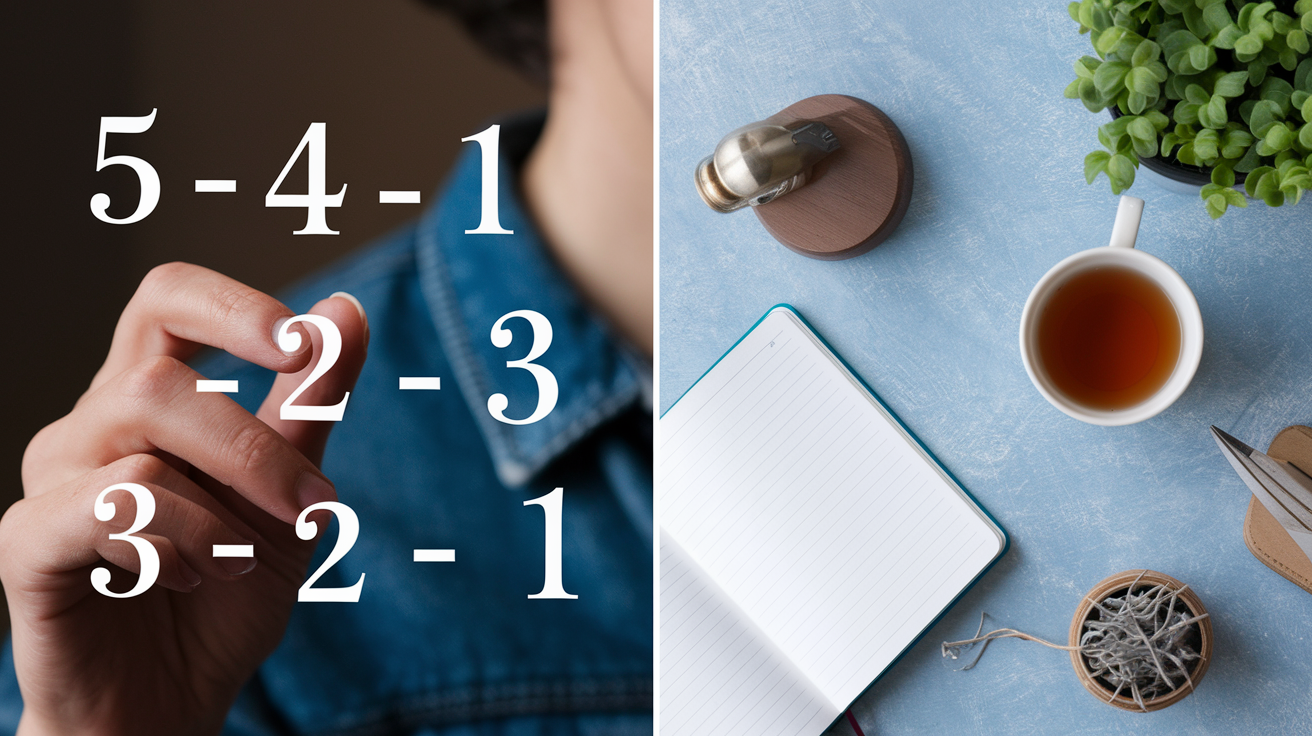
When a panic attack is happening, the goal is to interrupt the fight or flight surge and bring your body back to baseline. When mild anxiety is building, the goal is to lower overall arousal and redirect worry before it spirals. The strategies are different because the physiology and timeline are different.
Panic Focused Immediate First Aid
5-4-3-2-1 grounding: Name 5 things you can see, 4 you can touch, 3 you can hear, 2 you can smell, and 1 you can taste. This pulls your attention out of catastrophic thoughts and back into the present moment.
Slow diaphragmatic breathing: Inhale slowly for 4 seconds, hold for 1 to 2 seconds, then exhale slowly for 6 to 8 seconds. Box breathing also works: inhale for 4, hold for 4, exhale for 4, hold for 4. The longer exhale activates the vagal brake and signals safety to your nervous system.
Cold water exposure: Splash cold water on your face, hold ice cubes for 30 to 60 seconds, or run your hands under cold water. Cold triggers the dive reflex, which slows heart rate and interrupts the panic surge.
Progressive muscle relaxation: Tense and release major muscle groups one at a time, starting with your feet and working up to your face, holding each contraction for 5 seconds. This releases built up tension and gives your body a clear task to focus on.
Cognitive anchoring: Repeat calming reminders out loud or silently: “This is a panic attack. It will peak soon and pass. I’m safe. I can slow my breathing.” The repetition helps counter catastrophic thoughts.
Mild Anxiety Calming Skills
Scheduled worry time: Set aside 10 to 15 minutes once or twice a day to write down or think through worries. Outside that window, gently redirect yourself with “I’ll think about that during worry time.” This contains the worry cycle rather than letting it run all day.
Daily mindfulness or breathing practice: Even 5 to 20 minutes of guided meditation, body scan practice, or simple breath counting can lower baseline anxiety over time. Consistency matters more than duration.
Gentle movement: A 10 to 20 minute walk, light yoga, or stretching helps release muscle tension and shifts focus away from looping thoughts. Aim for 150 minutes of moderate activity per week as a measurable target for anxiety reduction.
Caffeine and stimulant reduction: If you’re regularly consuming over 200 to 400 mg of caffeine per day (roughly 2 to 4 cups of coffee), consider scaling back, especially in the afternoon. High caffeine can amplify baseline anxiety and increase vulnerability to panic.
Sleep protection: Aim for 7 to 9 hours of sleep per night. Sleep debt lowers your threshold for anxiety and makes it harder to regulate worry and physical tension during the day.
Long Term Management and Treatment Options for Anxiety vs Panic
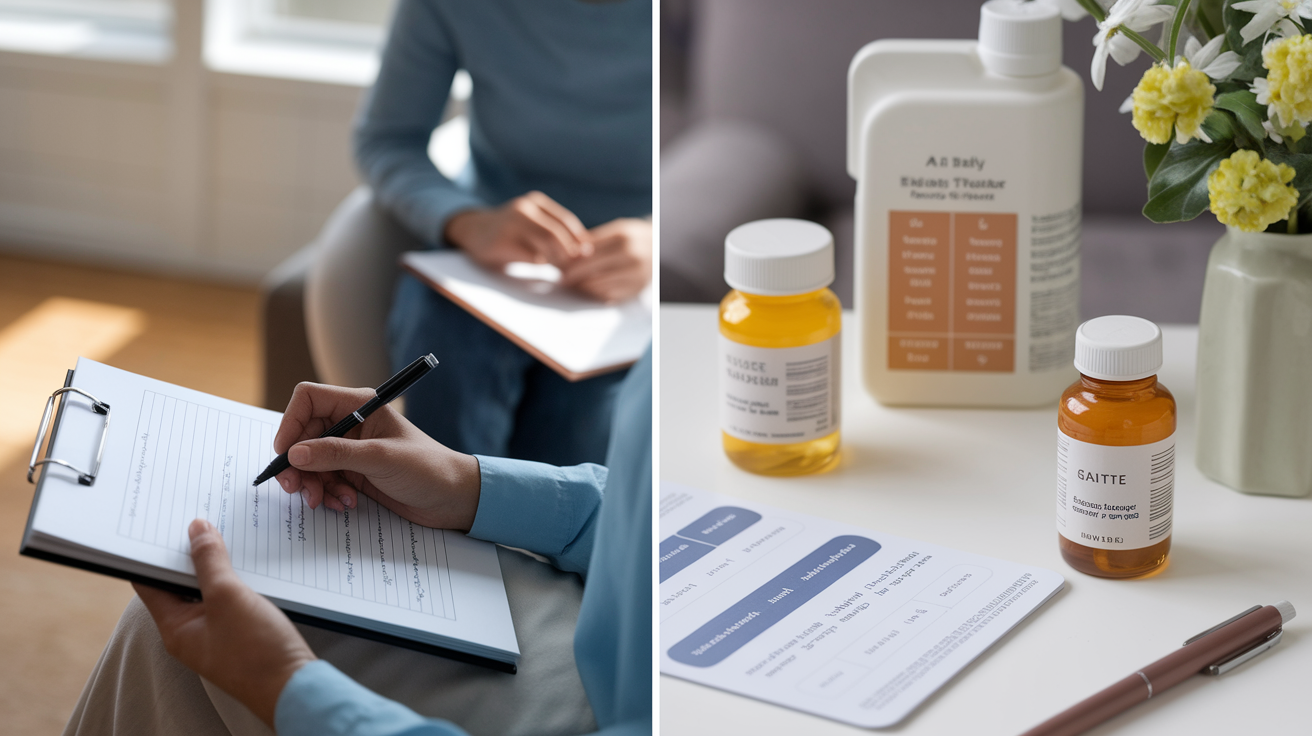
Both mild anxiety and recurrent panic attacks respond well to evidence-based treatments, but the timeline and approach vary. Cognitive behavioral therapy, or CBT, is the most studied psychotherapy for both conditions. CBT for panic typically involves exposure to physical sensations (like intentional hyperventilation or spinning) to reduce fear of the sensations themselves, combined with cognitive work to challenge catastrophic interpretations. CBT for generalized anxiety focuses on identifying and reframing worry patterns, problem solving, and building tolerance for uncertainty. Structured programs usually run 8 to 16 sessions, with noticeable improvement often appearing within a few weeks to a couple months.
Medication options also differ by condition and urgency. Selective serotonin reuptake inhibitors, or SSRIs, are commonly prescribed for both anxiety disorders and panic disorder. They take 4 to 6 weeks to show benefit, so they’re not useful for stopping an acute panic attack but work well for reducing baseline anxiety and preventing future episodes. Benzodiazepines act within minutes and can stop a panic attack in progress, but they carry risks of dependence and tolerance, so they’re generally used short term or as needed rather than daily. Beta blockers, which reduce physical symptoms like palpitations and tremor, can be helpful for performance related anxiety and work within a few hours, though they don’t address the mental experience of panic or worry.
Lifestyle changes form the foundation of long term management. Regular aerobic exercise, 150 minutes per week of moderate activity like brisk walking, has been shown to reduce baseline anxiety as effectively as some medications. Sleep hygiene, limiting caffeine and alcohol, and practicing daily relaxation or mindfulness all lower vulnerability to both panic and chronic anxiety. Other therapeutic approaches worth exploring include acceptance and commitment therapy (ACT), which focuses on values based action rather than symptom elimination, and biofeedback or neurofeedback for people who want to learn direct control over physiological arousal.
Cognitive behavioral therapy (CBT): 8 to 16 sessions, often shows benefit within a few weeks; effective for both panic and anxiety.
SSRIs (e.g., sertraline, escitalopram): 4 to 6 weeks to noticeable effect; used for ongoing prevention of panic and anxiety.
Benzodiazepines (e.g., lorazepam, alprazolam): Act within minutes; used short term or as needed for acute panic; carry dependence risk.
Beta blockers (e.g., propranolol): Reduce physical symptoms like palpitations within hours; helpful for performance anxiety.
Lifestyle foundation: 150 minutes/week moderate exercise, 7 to 9 hours nightly sleep, caffeine under 200 to 400 mg/day, daily relaxation practice.
Other therapies: Acceptance and commitment therapy (ACT), exposure therapy, biofeedback, mindfulness based stress reduction (MBSR).
Prevention and Recurrence Reduction: Keeping Mild Anxiety from Escalating and Reducing Panic Risk

Preventing escalation and reducing recurrence both rely on identifying and managing triggers before they build into a crisis. For mild anxiety, this means noticing when stress is accumulating and taking action early, like adjusting workload, asking for support, or increasing self-care practices before you hit a breaking point. For panic, prevention focuses on reducing hypersensitivity to bodily sensations and building confidence that you can manage discomfort without catastrophizing.
Tracking patterns is one of the most powerful tools. Keep a simple log of when symptoms occur, what was happening beforehand, what you ate or drank, how much sleep you got, and what phase of your menstrual cycle you’re in if applicable. Over a few weeks, patterns often emerge, like panic attacks that cluster around high caffeine days, poor sleep, or the week before your period. Once you see the pattern, you can intervene earlier. Regular check ins with a therapist or counselor during the first few months of treatment help catch slips before they become full relapses. Many people also benefit from a written plan that lists their personal early warning signs and specific steps to take when they notice those signs appearing.
Reduce known physiological triggers: Cut back on caffeine, nicotine, alcohol, and other stimulants; prioritize 7 to 9 hours of sleep; eat regular meals to avoid blood sugar crashes.
Track and identify patterns: Use a symptom log to spot connections between triggers (stress, sleep, diet, cycle phase) and symptom flare ups.
Practice breathing and grounding regularly: Use slow breathing or grounding techniques daily, not just during panic, to build familiarity and confidence.
Schedule regular therapy check ins: Even after symptoms improve, periodic follow ups (every 4 to 8 weeks) help maintain progress and catch early signs of relapse.
Frequently Asked Questions About Mild Anxiety vs Panic Attack
Can mild anxiety turn into a panic attack?
Yes, mild anxiety can escalate into a panic attack, especially when worry leads to increased physical arousal and hypersensitivity to bodily sensations. The escalation usually follows this path: sustained worry increases muscle tension and shallow breathing, your nervous system becomes more reactive, and then a normal sensation like a fast heartbeat or tight chest gets misinterpreted as danger. That misinterpretation triggers the fight or flight surge that produces a panic attack. Risk factors that increase the chance of escalation include sleep deprivation, high caffeine intake, avoidance behaviors, and a history of trauma or previous panic episodes. If you notice mild anxiety building and you start to feel your heart racing or your breathing speeding up, using slow breathing and grounding techniques early can often interrupt the escalation before it reaches full panic.
How long do panic attacks typically last?
Most panic attacks last between 5 and 20 minutes, with symptoms peaking at around 10 minutes and then gradually easing. Some residual shakiness, fatigue, or emotional exhaustion can persist for up to an hour afterward. If severe symptoms last longer than an hour or continue to get worse rather than plateau, that’s unusual for a panic attack and warrants medical evaluation to rule out other causes. Mild anxiety, by contrast, doesn’t have a fixed duration and can persist for hours, days, weeks, or even months if the underlying stressors aren’t addressed. The short, intense nature of panic attacks is one of the clearest ways to distinguish them from the longer, steadier experience of ongoing anxiety.
Final Words
You feel either a sudden jolt of intense fear or a slow, nagging worry, and this post walked you through the main differences: onset, peak time, symptom patterns, triggers, and how anxiety can escalate into panic.
It gave practical first-aid like breathing, grounding, cold water, and a quick body scan, plus mild-anxiety tools, clinical markers, safety red flags, and longer-term options such as CBT, medication, and lifestyle changes. Track timing, severity, and triggers so you can describe what’s happening to a clinician.
Knowing these signs helps you spot mild anxiety vs panic attack and pick sensible next steps. Small, steady actions often make things feel more manageable.
FAQ
Q: How to know if it’s anxiety or a panic attack?
A: You can tell a panic attack from anxiety by timing and intensity: panic is sudden, peaks about 10 minutes with intense symptoms (racing heart, choking, fear), while anxiety builds slowly with ongoing worry and tension.
Q: What are the symptoms of an anxiety spiral and what does anxiety feel like physically?
A: The symptoms of an anxiety spiral and physical anxiety include increasing worry, racing thoughts, restlessness, tight chest, lightheadedness, stomach upset, muscle tension, sweating, and sleep trouble, often building over hours to days.
Q: What counts as mild anxiety?
A: Mild anxiety counts as low to moderate, manageable worry or tension that usually doesn’t stop daily activities; on the GAD-7 screening it typically scores 5–9 and often improves with lifestyle steps.
Comments are closed