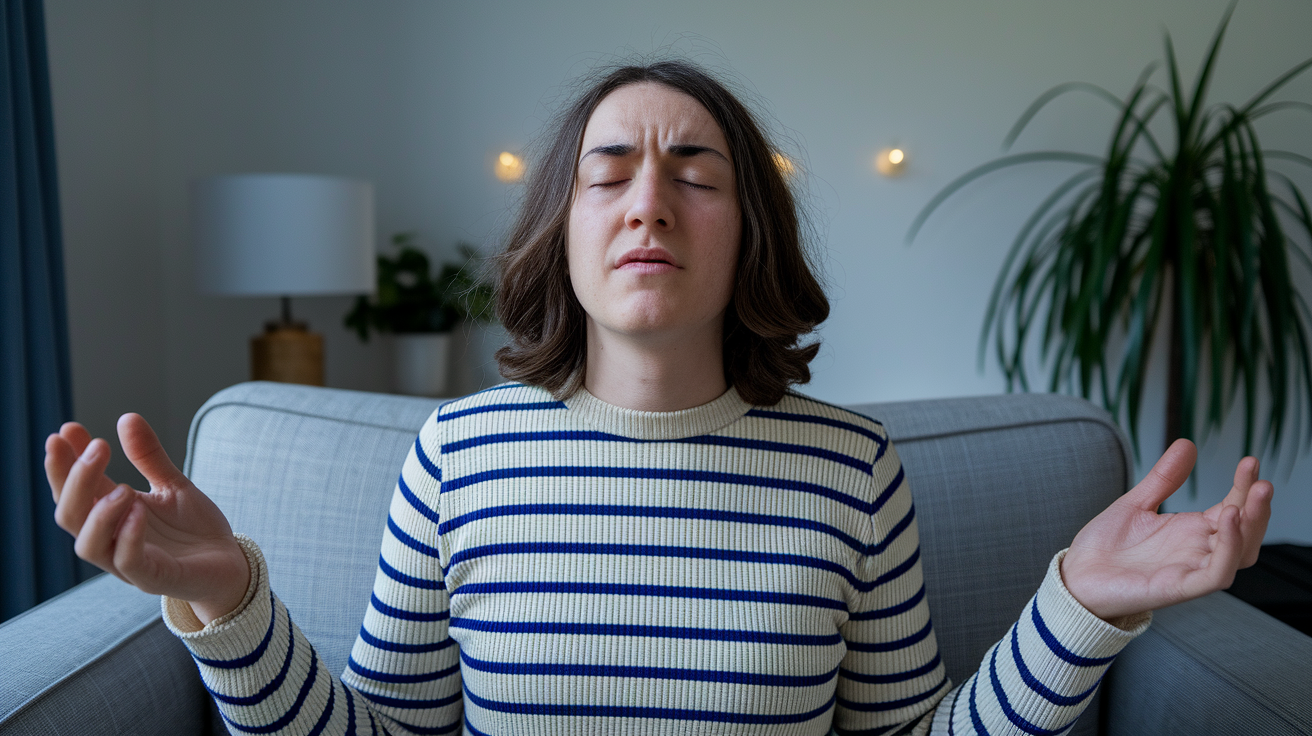
What if the breath you can’t catch is your body’s panic alarm, not your lungs failing?
You’re not imagining it—shortness of breath tied to anxiety feels terrifying, and there’s a clear reason: your fight-or-flight response speeds your breathing so you take quick, shallow breaths (hyperventilation), which can cause dizziness, chest tightness, and tingling.
This post explains why anxiety makes breathing hard, offers simple, low-risk steps to help right now, then shows what to track for your clinician and the red flags that mean get urgent care.
Understanding Why Anxiety Causes Shortness of Breath

When you’re anxious or stressed, your body kicks into survival mode. That means a direct hit to how you breathe. The fight-or-flight response dumps stress hormones into your system, cortisol and adrenaline mostly, prepping you to either face danger or run. Your breathing speeds up and gets shallow. You’re taking quick, small breaths instead of slow, full ones. That’s hyperventilation, and it’s why anxiety messes with your breathing so hard.
Hyperventilation sets off a chain reaction. When you breathe too fast, you blow off more carbon dioxide than usual. Less CO2 in your blood means dizziness, lightheadedness, tingling around your mouth or in your fingers, and a tight feeling in your chest. These sensations are scary, which amps up your anxiety, which keeps your breathing fast and shallow. It’s a loop. Panic makes breathing worse, and the feeling of not getting enough air makes panic worse.
People describe anxiety-related breathlessness in ways that sound alarming. Like breathing through a straw. Or drowning while standing in an open room. These descriptions capture how intense it feels, even when your oxygen levels are actually fine. The fear that something’s seriously wrong takes over, making it tough to think straight or calm down. Understanding the anxiety-breathlessness connection matters because it helps you recognize that the sensation, while real and uncomfortable, is usually tied to your stress response rather than a lung or heart emergency.
Signs that anxiety is driving your shortness of breath:
- Breathing difficulty starts suddenly, often during or right after a stressful thought or situation
- Rapid, shallow breaths or feeling like you can’t get a full, satisfying breath
- Symptoms ease or disappear when you slow your breathing, use calming techniques, or the stressor passes
- No fever, no productive cough with colored mucus, no severe leg swelling
Key Signs Your Shortness of Breath Is Anxiety-Related
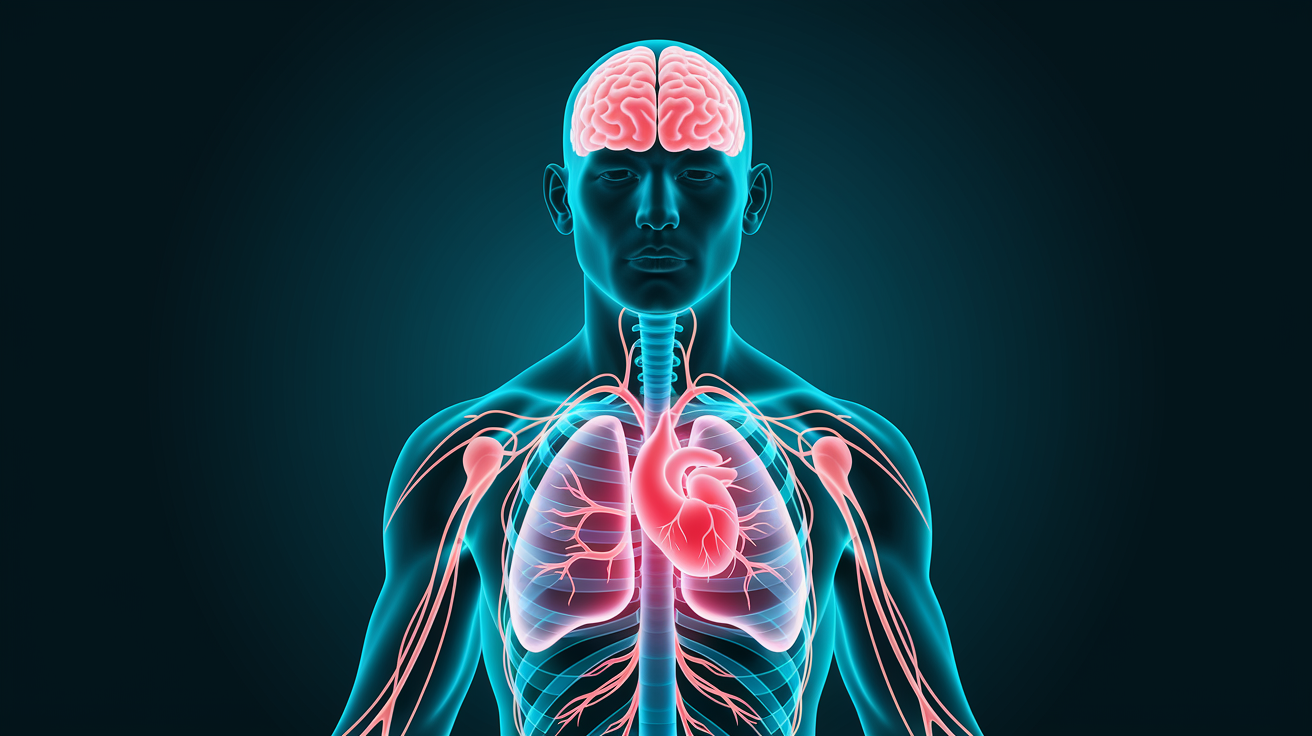
Anxiety doesn’t usually show up alone. When shortness of breath comes from anxiety, it typically brings other symptoms along. Racing thoughts, a pounding or fluttering heartbeat, sweating, shakiness, or a sense of dread. You might also notice tingling or numbness around your mouth or in your fingertips, which happens when you hyperventilate and drop your blood CO2. These additional symptoms help you tell the difference between anxiety and a purely physical breathing problem.
Timing and context tell you a lot. Anxiety-related breathlessness often starts suddenly, triggered by a specific worry, a stressful conversation, or even anticipation of something difficult. It tends to peak quickly and then gradually improve as you calm down or remove yourself from the trigger. If slow, focused breathing, grounding techniques, or simply sitting quietly helps the sensation fade, that’s a strong clue anxiety is the driver. Medical causes of shortness of breath, like an asthma flare, pneumonia, or a blood clot in the lung, don’t typically resolve just because you took a few deep breaths or distracted yourself with a task.
If you notice breathlessness happening frequently throughout the day or week, often without an obvious physical trigger, and it comes with persistent worry, sleep trouble, muscle tension, or digestive upset, you may be dealing with an anxiety disorder rather than isolated stress. Anxiety disorders are common and treatable, but they need a slightly different approach than one-off stressful moments. Recognizing the pattern helps you decide whether self-help tools are enough or whether it’s time to talk to a clinician.
| Anxiety Pattern | Medical Pattern |
|---|---|
| Sudden onset linked to worry, stress, or anticipation | Gradual or sudden onset not tied to emotional state |
| Rapid, shallow breathing, hyperventilation, tingling in fingers or around mouth | Persistent difficulty breathing, may worsen with exertion or lying flat |
| Accompanied by racing thoughts, pounding heart, sense of doom | May include chest pain, productive cough, fever, leg swelling, confusion |
| Improves with slow breathing, grounding, or when stressor passes | Does not improve with calming techniques alone |
| No fever, no colored sputum, oxygen levels normal if checked | May involve fever, colored mucus, low oxygen, or worsening of known lung or heart condition |
| Breathing feels restricted but you can still speak in full sentences | Severe difficulty speaking, may only manage a few words at a time |
What Makes Anxiety Breathing Feel So Intense
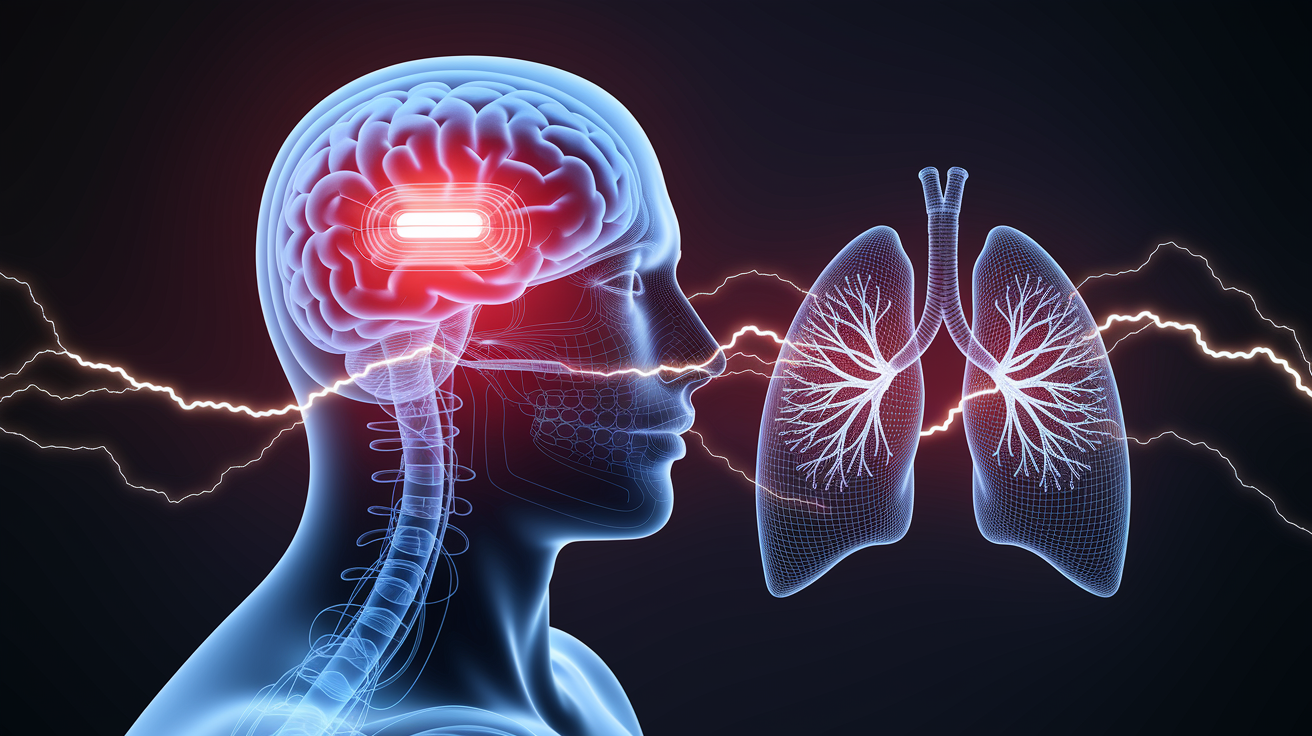
Even when your oxygen levels are normal, anxiety-driven breathlessness can feel severe. Sometimes terrifyingly so. The reason lies in how your nervous system interprets and amplifies physical sensations. When your sympathetic nervous system is activated by stress, it doesn’t just speed up your breathing. It also increases your heart rate, raises your blood pressure, and heightens your awareness of every sensation in your body. You become hyper-focused on the feeling of air moving in and out, on the tightness in your chest, on the slight dizziness from low CO2. This heightened body awareness can make normal or mildly uncomfortable sensations feel like a crisis.
Your brain is wired to protect you, so when it detects a change in breathing, especially rapid, shallow breaths, it can interpret that as a sign of danger. This interpretation feeds more anxiety into the system, which keeps the stress hormones flowing and the breathing shallow. It’s a feedback loop where your body’s alarm system stays on high alert even though there’s no actual physical threat to your lungs or heart. The autonomic nervous system, which controls involuntary functions like breathing and heart rate, struggles to downshift back to its calm baseline when you’re caught in this cycle.
This is also why anxiety breathlessness can mimic serious medical emergencies. Chest tightness, air hunger, dizziness, and a pounding heart are symptoms that overlap with conditions like heart attacks, pulmonary embolism, or severe asthma attacks. Your body’s alarm bells are ringing, and the sensations feel urgent and real. The difference is that anxiety-related symptoms typically respond to calming interventions. Slow breathing, grounding, distraction. Whereas true medical emergencies do not improve with these techniques and often worsen rapidly.
Immediate Techniques to Ease Anxiety-Driven Shortness of Breath

Diaphragmatic Breathing
Diaphragmatic breathing, also called belly breathing, helps you shift from shallow chest breathing to deeper, slower breaths that engage your diaphragm, the large muscle under your lungs. This technique slows your breathing rate, increases oxygen delivery, and signals your nervous system to calm down.
- Lie on your back or sit in a comfortable chair with your shoulders relaxed.
- Place one hand on your chest and the other on your belly, just below your ribs.
- Breathe in slowly through your nose, focusing on making your belly rise while keeping your chest relatively still.
- Exhale slowly through slightly pursed lips, feeling your belly fall as the air leaves.
Practice this for 5 to 10 minutes per day, even when you’re not feeling anxious, so it becomes automatic when you need it.
Box Breathing
Box breathing is a simple, structured pattern that gives your mind something concrete to focus on, which can interrupt the panic spiral. The equal counts create a steady rhythm that slows your breathing and lowers your heart rate.
- Inhale slowly through your nose for a count of 4.
- Hold your breath gently for a count of 4. Don’t strain.
- Exhale slowly through your mouth for a count of 4.
- Hold your lungs empty for a count of 4, then repeat.
The pace should feel comfortable, not forced. If 4 seconds feels too long, start with 3 and build up.
Pursed-Lip Breathing
Pursed-lip breathing is especially helpful if you feel like you can’t get a full breath or if your chest feels tight. The technique creates a small amount of backpressure that helps release trapped air and slows your breathing rate, which can reduce the sensation of breathlessness and interrupt hyperventilation.
To practice pursed-lip breathing, take a breath in through your nose. Then, purse your lips as if you’re about to whistle or blow out a candle, and exhale slowly through your lips. The exhalation should take about twice as long as the inhalation. Repeat for a few minutes until you feel your breathing slow and your chest loosen.
Grounding Techniques
Grounding pulls your attention away from internal panic and refocuses it on the present moment. One common method is the 5-4-3-2-1 technique. Name 5 things you can see, 4 things you can touch, 3 things you can hear, 2 things you can smell, and 1 thing you can taste. This sensory exercise shifts your brain out of fight-or-flight mode and into observation mode, which helps lower your arousal level and makes it easier to slow your breathing. You can also try holding a cold object, listening to a favorite song, or describing the details of a nearby object out loud.
When Shortness of Breath Means You Should Seek Medical Care
While anxiety-related breathlessness is common and manageable, there are clear warning signs that mean you need urgent medical evaluation. If you experience chest pain or chest tightness that doesn’t ease with calming techniques, especially if it radiates to your arm, jaw, or back, call 911 or go to the nearest emergency room. Chest pain can signal a heart problem, and time matters. Similarly, if you suddenly feel faint, lose consciousness, or become confused, those are signs that your brain isn’t getting enough oxygen. Another reason to seek immediate care.
Other red flags include a blue tinge to your lips, face, or fingernails, a sign of low oxygen called cyanosis. Sudden severe shortness of breath that comes on without any clear trigger, or shortness of breath that wakes you up at night or gets worse when you lie flat. Swelling in your feet or ankles combined with breathlessness can indicate a heart or circulation problem. If you have a known lung condition like COPD or asthma and your usual symptoms are suddenly worse, or if you’re coughing up colored or bloody sputum, those changes require evaluation. High fever along with breathlessness can point to pneumonia or another infection.
If you’re unsure whether your symptoms are anxiety or something more serious, err on the side of caution and get checked. It’s better to have a clinician reassure you that it’s anxiety than to delay care for a condition that needs treatment. Emergency departments and urgent care centers can quickly assess oxygen levels, heart function, and lung sounds to rule out life-threatening causes. Once those are ruled out, you can focus on managing the anxiety piece with greater confidence.
Red flags that require immediate medical care:
- Chest pain or tightness, especially if it spreads to your arm, jaw, or back
- Fainting, near-fainting, or confusion
- Blue lips, face, or fingernails
- Sudden, severe shortness of breath not relieved by calming techniques or rest
- Swelling in your feet or ankles combined with difficulty breathing
Long-Term Strategies to Reduce Anxiety-Related Shortness of Breath

Building long-term resilience against anxiety-driven breathlessness starts with regular physical activity. Exercise improves both your cardiovascular fitness and your mental health by reducing baseline anxiety levels and helping your body handle stress more efficiently. Aim for about 30 minutes of moderate activity most days. Brisk walking, cycling, swimming, yoga, or even short bursts of higher-intensity movement if that fits your routine. Regular movement also trains your respiratory system to work more efficiently, which can reduce the frequency and intensity of breathlessness episodes.
If you smoke or use nicotine, quitting is one of the most powerful steps you can take. Nicotine is a stimulant that increases heart rate and can worsen anxiety and panic. It also damages lung tissue over time, which compounds breathing difficulties. Reducing or eliminating caffeine can also help, especially if you notice that your breathlessness or anxiety spikes after coffee or energy drinks. Stable sleep patterns matter too. Chronic sleep deprivation raises cortisol and makes it harder for your nervous system to regulate itself. Aim for consistent sleep and wake times, and create a wind-down routine that signals your body it’s time to rest.
One of the most important long-term strategies is to keep practicing breath-control exercises even when you’re not feeling anxious. Daily diaphragmatic breathing, pursed-lip breathing, or box breathing trains your nervous system to default to slower, calmer breathing patterns. Over time, this practice can reduce the likelihood of hyperventilation and make it easier to interrupt a panic cycle when it starts. For people with chronic lung conditions like COPD or asthma, pulmonary rehabilitation programs teach breathing techniques, build respiratory muscle strength, and provide peer support. They’ve been shown to significantly reduce both anxiety and depression while improving quality of life.
| Strategy | How It Helps |
|---|---|
| Regular exercise, about 30 minutes daily | Lowers baseline anxiety, improves cardiovascular fitness, and trains respiratory efficiency |
| Quitting nicotine | Reduces stimulant-driven anxiety and protects lung tissue from further damage |
| Consistent sleep schedule | Supports nervous system regulation and lowers cortisol levels |
| Daily breathing-exercise practice | Trains your body to default to slower, calmer breathing and prevents hyperventilation |
| Pulmonary rehabilitation, if you have lung disease | Teaches breathing control, builds endurance, and reduces anxiety and depression |
How Therapy and Professional Support Help With Anxiety and Breathing Issues

Therapy can be a powerful tool for managing anxiety-related shortness of breath, especially when symptoms are frequent, intense, or interfere with your daily life. Cognitive behavioral therapy, or CBT, is one of the most well-researched approaches for anxiety. It helps you identify the thoughts and beliefs that trigger or worsen your symptoms, then teaches you how to challenge and reframe those thoughts. For example, CBT might help you recognize that the thought “I’m suffocating” is a misinterpretation of the physical sensation of hyperventilation, not a sign of actual danger. Over time, this kind of reframing reduces the intensity of the panic response.
Other effective therapies include mindfulness-based approaches, Acceptance and Commitment Therapy, Dialectical Behavior Therapy, and EMDR. Mindfulness and ACT focus on staying present with uncomfortable sensations without trying to fight or escape them, which can break the avoidance cycle that often makes anxiety worse. For some people, medication such as antidepressants or short-term anti-anxiety medications can be a helpful part of treatment, especially when symptoms are severe or haven’t improved with therapy alone. Medication management works best when combined with counseling and lifestyle changes, not as a standalone solution.
Many people avoid telling their healthcare providers about anxiety symptoms because they worry about being dismissed or labeled. But sharing what you’re experiencing, both the physical sensations and the fears or worries that come with them, leads to better care. Clinicians can refer you to mental health specialists, pulmonary rehabilitation programs, or community support groups. If you have a chronic lung condition like COPD or asthma, ask your doctor whether pulmonary rehab is an option. These programs have proven benefits for reducing anxiety and depression while improving breathing function.
What to tell your clinician:
- Describe the pattern. When your breathlessness happens, what triggers it, and what makes it better or worse.
- Mention accompanying symptoms like worry, racing thoughts, pounding heart, dizziness, or tingling.
- Share any fears you have about your breathing or health, even if they feel irrational.
- Ask about referrals to therapy, pulmonary rehab, or medication evaluation if symptoms are frequent or disabling.
Identifying Triggers and Understanding the Anxiety-Breathlessness Cycle

The anxiety-breathlessness cycle is a loop where worry triggers physical symptoms, which then fuel more worry, which keeps the symptoms going. Identifying your specific triggers, workplace stress, relationship tension, financial worries, health fears, or even anticipation of social situations, is a key step in breaking the cycle. Once you know what tends to set off your breathlessness, you can start to notice the early warning signs and intervene before the panic escalates. For example, if you notice that your breathing changes right after you check your bank account or read a stressful email, that awareness gives you a window to pause, use a grounding technique, or take a few slow breaths before the cycle takes hold.
The cycle itself often looks like this. A stressful thought or situation triggers your fight-or-flight response, your breathing speeds up, you notice the sensation and interpret it as dangerous, “something’s wrong with my lungs,” “I’m having a heart attack,” that thought spikes your anxiety further, and your breathing stays rapid and shallow. The longer the cycle runs, the more intense the sensations become. Cognitive and emotional patterns, like catastrophic thinking, hypervigilance about your body, or a history of health anxiety, can make the cycle harder to interrupt. Therapy can help you untangle these patterns, but even on your own, simply naming what’s happening, “I’m in the anxiety-breathlessness loop right now,” can create a small bit of distance and reduce the panic.
Tracking prompts to help identify your triggers:
- What was happening in the minutes before your breathlessness started? A conversation, a task, a thought.
- What emotions were you feeling? Worry, frustration, anticipation, fear.
- Are there consistent times of day, settings, or situations where breathlessness is more likely to happen?
Maintaining Progress and Preventing Relapse in Anxiety-Related Shortness of Breath

Once you’ve found techniques that help and your symptoms have improved, the goal is to keep those habits in place so episodes become less frequent and less intense. Consistency matters more than perfection. Practicing your breathing exercises daily, even for just a few minutes, keeps your nervous system trained to default to slower, calmer breathing. If you’ve worked with a therapist, continue using the coping strategies you learned, especially during times of increased stress. Regular check-ins with yourself about your anxiety level and breathing patterns can help you catch early warning signs before they escalate.
One common mistake is avoiding activities or situations that used to trigger breathlessness. While avoidance can feel protective in the short term, it often backfires. When you avoid movement, social situations, or anything that raises your heart rate, your body loses conditioning and your tolerance for normal physical sensations drops. This makes future episodes more likely and more intense. Instead, aim to gradually re-engage with activities in a manageable way, using your breathing techniques as support. This approach, sometimes called “exposure with coping,” helps you rebuild confidence and break the avoidance cycle.
Relapse-prevention habits:
- Practice breathing exercises daily, even when you feel calm.
- Stay physically active to maintain respiratory and cardiovascular fitness.
- Notice and address early warning signs. Don’t wait until symptoms are severe.
- Gradually re-engage with avoided activities rather than letting your world shrink around your anxiety.
Final Words
You’re suddenly short of breath and your mind races — the article showed how the stress response and hyperventilation create those physical sensations and what they typically feel like.
You also learned warning signs that suggest a medical cause, quick breathing and grounding techniques to try right away, longer-term habits to build breathing resilience, and what to track for a clinician.
Practice the simple exercises, keep a short log, and reach out if symptoms are severe or don’t improve. With steady practice and support, shortness of breath anxiety often gets much better.
FAQ
Q: How do you get rid of shortness of breath from anxiety?
A: Shortness of breath from anxiety can be eased by slowing your breath (diaphragmatic or pursed-lip), using grounding (5‑4‑3‑2‑1), sitting upright, sipping water, and calming techniques; seek care if symptoms are severe.
Q: What is the 3 3 3 rule for anxiety?
A: The 3-3-3 rule for anxiety is a quick grounding method: name 3 things you see, touch 3 objects, and take 3 slow breaths to bring attention back to your body and calm your nervous system.
Q: Why do I feel like I cant take a full breath?
A: Feeling like you can’t take a full breath often comes from rapid, shallow breathing and chest muscle tightness during anxiety; oxygen is usually fine, but try slow diaphragmatic breaths and get help if it’s sudden or severe.
Q: How to tell if shortness of breath is anxiety related?
A: You can tell shortness of breath is anxiety-related if it starts with worry or panic, includes tingling, heart racing, or fear, and eases with breathing or grounding; see a clinician for chest pain or fainting.
Comments are closed