
Ever get a sudden wave of anxiety at work that feels like someone flipped a switch?
It can come with a racing heart, tight chest, or dizzy brain right before a meeting, and it steals your focus.
Read on for fast relief techniques you can use at your desk, like simple breathing, grounding, brief muscle release, and a cold-water trick that often calm you in 60 to 90 seconds, plus clear steps to try next and when to take a short break.
Immediate Actions to Calm Sudden Anxiety at Work

Sudden anxiety at work can hit in seconds. You’re sitting at your desk, and then a wave of dread arrives before a meeting. Your heart races while you’re reading an email. Your chest tightens, you feel dizzy, you can’t catch your breath. Maybe your hands start shaking.
These moments matter because they derail concentration, make you worry about being noticed, and turn even simple tasks into a struggle. Quick, discreet techniques interrupt the spike before it grows. Most take less than a minute.
Box breathing works like this: breathe in for 4 counts, hold for 4, exhale for 4, hold for 4. Repeat the full cycle 4 times. Takes about 90 seconds total.
4-4-4 paced breathing is simpler. Inhale slowly for 4 counts, exhale slowly for 4 counts. Repeat for 1 to 2 minutes without holding. No pauses, just steady rhythm.
5-4-3-2-1 grounding (the brief version) pulls you back into your surroundings. Name 5 things you can see, 4 you can touch, 3 you can hear, 2 you can smell, and 1 thing you can taste or one calming thought. Takes about 60 seconds.
Quick muscle release targets where tension builds. Clench both fists tightly for 5 seconds, then release completely. Repeat with your shoulders: lift them to your ears, hold 5 seconds, drop. One or two cycles calms physical tension fast.
Sensory anchor means holding something. A smooth stone, a stress ball, or a textured object between your fingers for 30 to 60 seconds. The physical sensation pulls attention away from spiraling thoughts.
Cold-water trick interrupts the panic loop. Sip cold water slowly or hold an ice cube briefly in your palm or against your wrist. The temperature shift resets your nervous system.
These short breathing and sensory methods signal your body to shift out of alarm mode. Slower exhales and focused touch activate the calming response, which lowers heart rate, steadies breathing, and reduces the feeling of being trapped or overwhelmed.
If symptoms don’t ease after 1 to 2 minutes, take a 3 to 10 minute break. Find a restroom stall, an empty meeting room, or step outside if possible.
Recognising the Signs of Sudden Workplace Anxiety

Sudden anxiety often shows up as a tight chest, a flood of worry, or the feeling that something bad is about to happen. Even when nothing around you has changed.
You might notice your heart racing, your stomach flipping, or your thoughts moving so fast you lose track of what you were doing. Some people feel dizzy, sweaty, or convinced they’re going to mess up or be judged.
General stress usually builds gradually. It ties directly to a task or deadline. Anxiety spikes faster, feels more intense, and can arrive without an obvious trigger. It may include persistent dread, the sense that you’re trapped, difficulty concentrating, muscle tension, impatience, or a racing mind that loops on the same worry.
When these symptoms show up daily, last for weeks or months, or interfere with your ability to complete work safely and consistently, it’s worth getting a professional evaluation. Early patterns are easier to address than longstanding ones. Tracking frequency helps you and a clinician decide what support makes sense.
Understanding Common Triggers of Sudden Anxiety at Work
Sudden anxiety rarely appears out of nowhere. Most episodes have a pattern, even when it feels random in the moment.
Common workplace triggers include tight deadlines, unclear expectations, conflict with a colleague or manager, job insecurity, sensory overload in open offices, caffeine on an empty stomach, or a meeting format that puts you on the spot. Noticing what precedes the spike helps you prepare and respond more effectively.
Environmental factors matter too. Poor lighting, constant noise, back-to-back video calls, or a lack of control over your schedule can keep your nervous system running high. Psychological triggers often involve performance pressure, fear of judgment, comparison to colleagues, or uncertainty about whether you’re meeting expectations.
When these combine (a tight deadline in a noisy office after two coffees and a rough night of sleep), the risk of a sudden spike climbs.
| Trigger | Typical Sensation | Quick Fix Option |
|---|---|---|
| Upcoming deadline or presentation | Racing thoughts, tight chest, dread | 4-4-4 breathing for 90 seconds |
| Conflict or tense email | Anger, heart pounding, feeling trapped | Step away for 5 minutes, splash face with cold water |
| Open office noise or sensory overload | Irritability, inability to focus, headache | Noise-cancelling headphones, brief walk |
| Caffeine or skipped meal | Jittery, lightheaded, anxious for no clear reason | Eat a small snack, sip water, skip next coffee |
| Unclear task or expectations | Paralysis, worry about doing it wrong | Ask one clarifying question, break task into tiny first step |
Discreet Grounding Techniques You Can Use at Your Desk
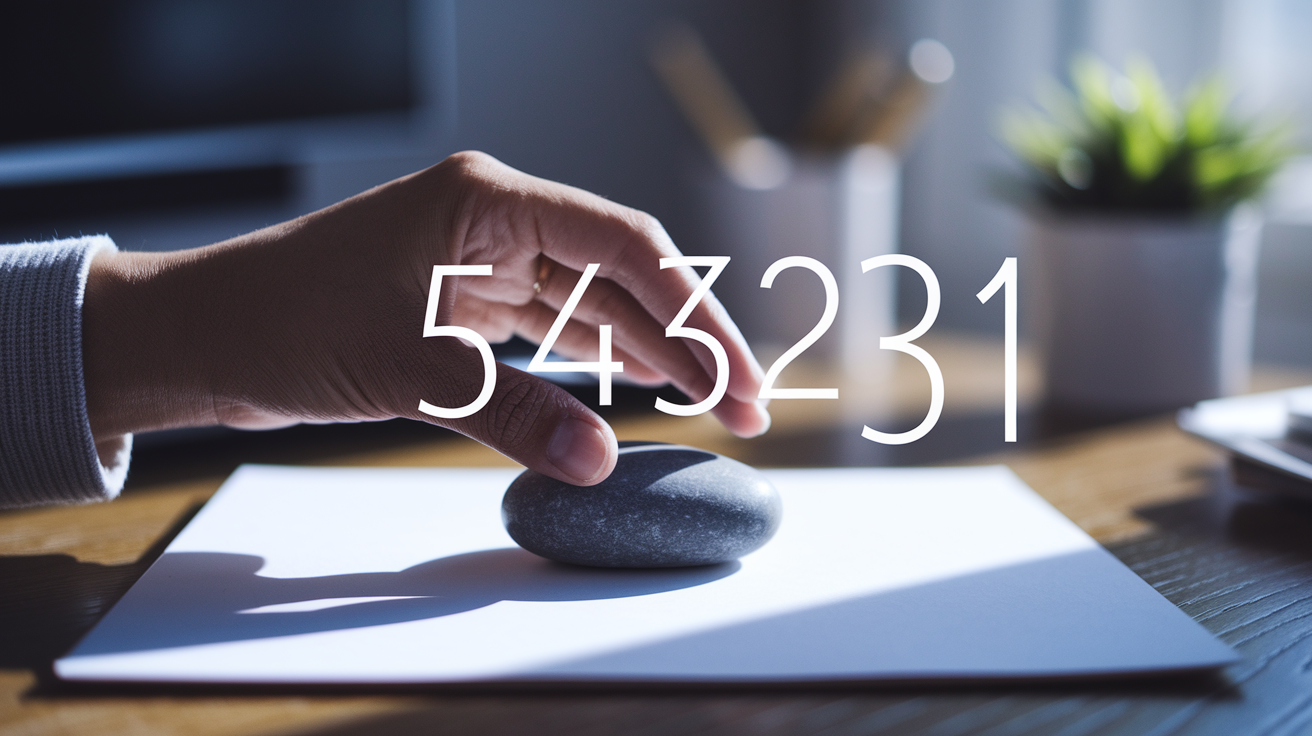
Once the immediate spike has settled slightly, grounding exercises help you stay present and reduce the chance of a second wave. These techniques anchor attention in your body or surroundings rather than looping thoughts. They work well when you need to stay seated and keep working.
The 5-4-3-2-1 method is a reliable desk option. Name 5 things you can see (monitor, plant, pen, chair, window). Then 4 things you can feel (feet on floor, back against chair, keyboard under fingers, watch on wrist). Then 3 things you can hear (keyboard clicks, air conditioning hum, distant conversation). Then 2 things you can smell or imagine smelling (coffee, hand lotion). Then 1 thing you can taste or one calming thought (“I can handle the next 10 minutes”).
The full sequence takes about 2 minutes and interrupts the spiral without anyone noticing.
Keep a small sensory object in your desk drawer. A smooth stone, textured fidget, or piece of fabric. Hold it for 30 to 60 seconds and focus only on the weight, temperature, and texture.
Use noise-cancelling headphones with white noise or ambient sound for 5 to 10 minutes to lower sensory input and give your nervous system a reset.
Focus on one object in your workspace. A photo, plant, or mug. Describe it silently in detail for 60 seconds. Notice color, shape, shadows, and small features you usually ignore.
Try a brief body scan while seated. Mentally check in with your feet, legs, stomach, chest, shoulders, and face. Notice tension without trying to change it, then take one slow breath and return to your task.
Short Break Strategies for Resetting Anxiety During Work Hours

When anxiety lingers or returns after an initial attempt to calm it, stepping away from your workspace often helps more than staying seated. A short break interrupts the environment and physical posture that may be reinforcing the feeling. It gives your nervous system time to downshift before you return to the task.
Brief movement resets the body. A 5 to 10 minute walk around your building or outside shifts breathing, loosens tight muscles, and reduces the intensity of looping thoughts. If leaving the building isn’t possible, walk a lap around your floor, move to a different area, or step into a quiet stairwell for a few minutes.
Even standing and stretching for 2 minutes (shoulder rolls, neck stretches, or reaching overhead) can release muscle tension that builds during anxiety spikes.
Step outside for fresh air. 3 to 10 minutes of natural light and a temperature change can interrupt a spike. Focus on your surroundings, not your task list.
Use a restroom stall or empty meeting room. Close the door, sit for 3 to 5 minutes, and do box breathing or 5-4-3-2-1 grounding in private.
Call a trusted person. A 3 to 5 minute check-in with a friend or family member who understands can provide reassurance and perspective. Keep it brief and specific: “I’m feeling anxious and needed to hear a calm voice.”
Put on headphones and listen to a 5-minute guided breathing track or calming music. If you can’t leave your desk but need a mental break, audio can create a temporary boundary.
Sip water slowly or eat a small snack. Sometimes anxiety spikes are worsened by dehydration, low blood sugar, or too much caffeine. A piece of fruit, a handful of nuts, or a few crackers can stabilize you enough to continue.
How to Communicate About Anxiety at Work

Deciding whether and how to tell a manager, HR, or coworker about anxiety depends on what you need and how safe the workplace feels. You don’t have to disclose a diagnosis or detailed history. A short, factual statement that names the problem and suggests a reasonable next step is often enough.
If you need a brief break or accommodation in the moment, keep it simple and action-focused. For example: “I’m managing a health issue today and need to step away for 10 minutes” or “I’m not feeling well and need to work from a quieter space this afternoon.”
These scripts give you space without requiring explanation.
If you’re requesting longer-term adjustments (flexible start times, a modified break schedule, remote work one day a week, or a quieter workspace), be specific about what would help and how it connects to your ability to do your job. For example: “I’ve been managing anxiety that affects my concentration. A quieter workspace or the option to take short breaks during high-pressure periods would help me stay productive.”
In some workplaces, formal disclosure through HR can unlock accommodations under the ADA or similar frameworks. Reasonable accommodations for anxiety might include a modified schedule, permission to use headphones, access to a private space for breaks, or adjusted deadlines during high-stress periods.
If the idea of speaking about it increases your anxiety, put the request in writing. An email that describes the challenge, proposes a solution, and asks for a brief conversation to agree on next steps gives you control over the message and time to prepare.
For a same-day break: “I need to step outside for 10 minutes to reset. I’ll be back shortly.”
For a flexible arrangement: “I’m dealing with anxiety right now and would like to discuss temporary adjustments to my schedule or workload. Can we set up a time to talk?”
For a coworker you trust: “I’m having a tough moment and need a few minutes. Can you cover my phone or let others know I’ll be back soon?”
For HR or a formal request: “I have a health condition that occasionally affects my concentration. I’m requesting [specific accommodation] as a reasonable adjustment to help me maintain my performance.”
Longer-Term Strategies to Prevent Future Anxiety Spikes at Work
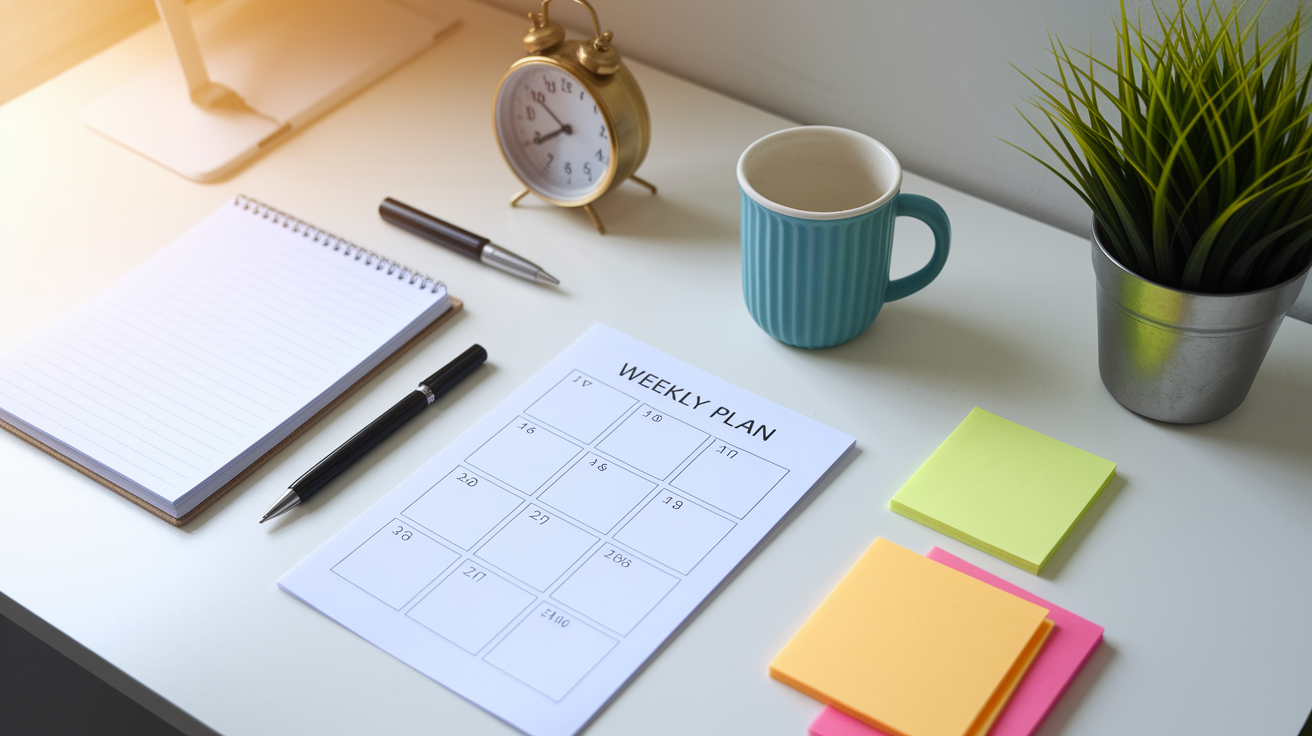
Building habits that lower baseline anxiety makes sudden spikes less frequent and less intense. Prevention isn’t about eliminating stress. It’s about creating conditions that keep your nervous system from running on high alert all day. Small, consistent actions add up over weeks and months.
Planning reduces uncertainty, which is a common anxiety trigger. A weekly or daily schedule that maps out tasks, meetings, and break times gives you more control and fewer surprises. Break large projects into small, concrete steps with realistic mini-deadlines. Finishing one small task builds momentum and reduces the paralysis that comes with overwhelming to-do lists.
If a deadline feels impossible, communicate early and propose an adjusted timeline based on the actual steps required. Most reasonable managers prefer transparency to last-minute crises.
Self-care basics matter more than they sound. Aim for 7 or more hours of sleep, eat balanced meals rather than skipping breakfast and relying on caffeine, stay hydrated, and move your body regularly. Even a 10-minute walk at lunch helps. Reduce caffeine if you notice it makes you jittery, especially on an empty stomach or during high-stress weeks.
Track patterns by keeping a brief log for 2 to 4 weeks. Note the time of day, what you were doing, intensity of anxiety on a scale of 1 to 10, and any obvious triggers. Patterns often emerge that let you adjust your environment or habits before the next spike.
Create a daily wind-down routine. Spend 5 to 10 minutes at the end of your workday reviewing what you finished, writing down tomorrow’s top 3 priorities, and closing your laptop. This signals your brain that work is over and reduces evening rumination.
Set one micro-goal per week. Instead of “improve time management,” try “leave my desk for a 10-minute walk every day this week.” Small, specific goals are easier to keep and build confidence.
Adjust your workspace. If possible, position your desk near natural light, use noise-cancelling headphones during focus time, and keep a water bottle and small snack within reach.
Practice grounding or breathing during calm moments. Building the habit when you’re not anxious makes it easier to use when you are. Try 2 minutes of box breathing at the start of your workday for a week.
Take significant time off every 6 months or so. Disconnect fully for at least a few days. Rest, reflect, and let your nervous system reset. Resilience rebuilds when you step away, not when you push through.
When Sudden Anxiety at Work Signals the Need for Professional Help
If anxiety episodes happen several times a week, last for weeks or months, or interfere with your ability to concentrate, complete tasks, or show up consistently, it’s time to talk to a professional. Occasional stress is normal. Persistent, disabling anxiety is not something you should manage alone. Early intervention often prevents symptoms from worsening or spreading into other areas of life.
Start with your GP or a mental health provider who can assess whether your symptoms meet criteria for an anxiety disorder such as generalized anxiety disorder or panic disorder.
Cognitive behavioral therapy is one of the most effective treatments for workplace anxiety. CBT helps you identify specific triggers, challenge unhelpful thought patterns, and practice coping strategies in real situations. Medication (often antidepressants or short-term anti-anxiety medication) may be recommended alongside therapy if symptoms are severe or persistent.
Support groups provide peer understanding and practical tips from others managing similar challenges. Many workplaces offer employee assistance programs that include free short-term counseling or referrals.
Private mental health assessments in the UK can start from around £49, with more comprehensive evaluations from £186. Some structured treatment programs, including intensive 28-day formats, are available for people who need more support than weekly therapy provides.
You don’t need to wait until anxiety is unmanageable to seek help. If you’re tracking symptoms, noticing patterns, and still struggling to function comfortably at work, that’s enough reason to book an appointment and discuss options.
Final Words
Your chest tightens at your desk, thoughts speed up, hands go clammy—use a 4-4-4 breath, box breathing, or a quick sensory anchor for 30–60 seconds to interrupt the spike. These emergency moves are meant to be fast and discreet.
After that, try a short grounding exercise, step outside for a 3–10 minute reset if needed, and use the scripts or workplace changes we described for longer-term support.
Track what triggers you and bring notes to a clinician so you can learn sudden anxiety at work how to cope. You can get steadier with small, consistent steps.
FAQ
Q: How to deal with extreme anxiety at work?
A: Dealing with extreme anxiety at work means using quick, private steps—slow breathing, grounding (5-4-3-2-1), a restroom or step-out break, sip cold water, and tell a supervisor if it won’t ease.
Q: What is the 3-3-3 anxiety rule?
A: The 3-3-3 anxiety rule is a quick grounding trick: notice three things you see, move three body parts (like wiggling fingers or toes), then take three slow breaths to calm and refocus.
Q: How to get over return to work anxiety?
A: Getting over return-to-work anxiety means gradual exposure and planning: set micro-goals, rehearse your routine, limit caffeine, schedule short breaks, share a simple plan with your manager, and seek help if it persists.
Q: How to calm down before shift?
A: Calming down before a shift is a short routine: two minutes of slow breathing, a five-minute walk or stretch, sip cold water, use a textured object to ground, and set one clear starting task.
Comments are closed