
Is sudden numbness in your hands during anxiety just part of a panic attack—or a sign of something more serious?
It’s common to feel tingling, pins and needles, or a loss of feeling when your breathing speeds up, your blood flow shifts, or neck muscles clamp down.
But numbness can also come from medical problems like nerve compression, neuropathy, or rarely a stroke.
This post lays out the likely medical causes, how to tell anxiety-related numbness from other patterns, useful things to try right away, what to track for your clinician, and when to seek urgent care.
Key Immediate Causes Behind Sudden Anxiety With Hand Numbness
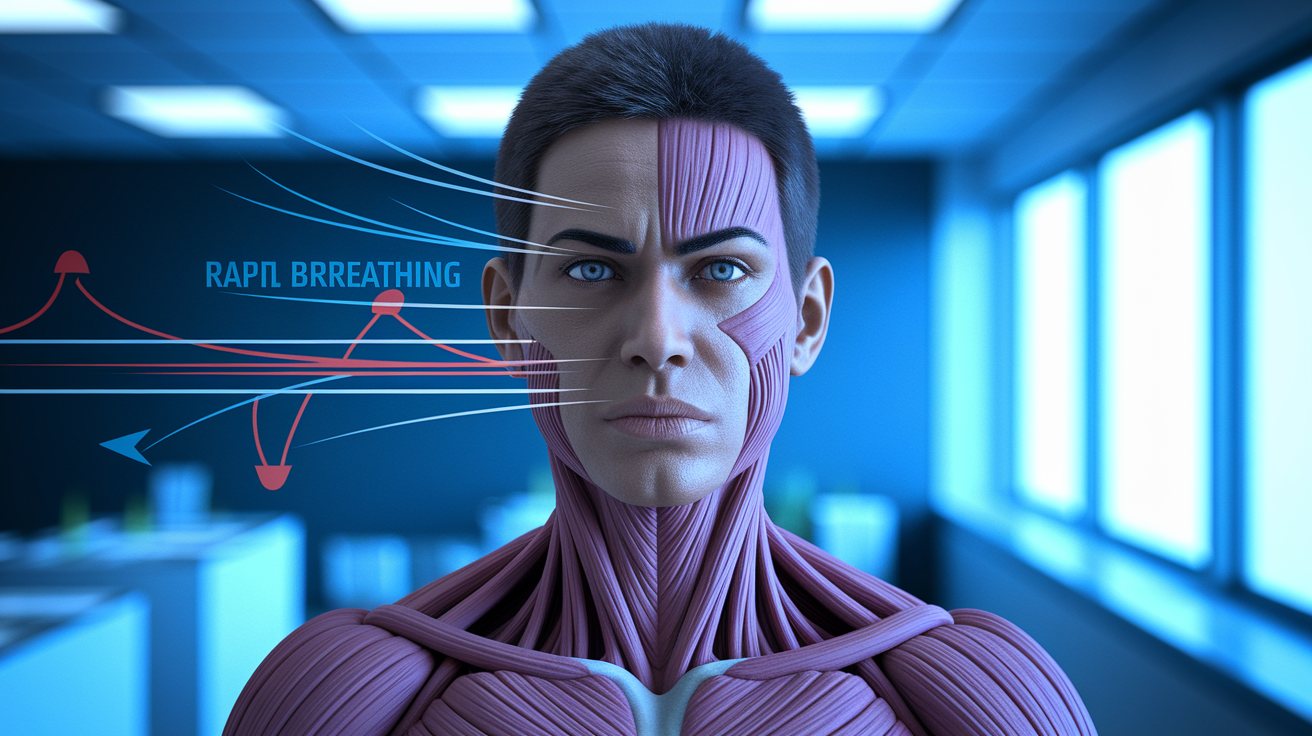
Sudden anxiety episodes can produce all kinds of physical sensations, and hand numbness ranks pretty high on the list of symptoms that genuinely freak people out. The numbness often shows up during or right after a panic attack, arriving fast and feeling like tingling, pins and needles, prickling, or complete loss of feeling in your fingers or palms.
The immediate physiological links between acute stress and hand numbness run through three main pathways. First, rapid breathing during panic shifts the balance of oxygen and carbon dioxide in your bloodstream. When you hyperventilate, you blow off too much CO2. This changes blood chemistry and reduces sensation in your hands, fingers, lips, and face. Second, your stress response redirects blood flow away from your extremities and toward your core muscles and brain, temporarily reducing circulation to your hands and feet. Third, muscle tension across your neck, shoulders, and jaw can compress nerves that supply sensation to your arms and hands.
Anxiety related hand numbness typically begins within seconds to a few minutes of a panic trigger or the onset of hyperventilation. It might last anywhere from a few minutes to about 30 minutes, though duration varies based on how quickly you regain controlled breathing and how intense the stress reaction is. Some people notice the sensation comes in waves or shifts from hand to hand, especially if they’re moving or trying to shake it off.
Here are the most common immediate mechanisms that link sudden anxiety to hand numbness:
Hyperventilation. Rapid, shallow breathing lowers CO2 levels and triggers tingling in hands, fingers, and around the mouth.
Blood redistribution. The fight or flight response diverts circulation to the core, reducing blood flow to extremities and producing temporary numbness.
Muscle tension. Tight neck and shoulder muscles compress nerves that run down the arms, creating a pins and needles sensation in the hands.
Adrenaline surge. Stress hormones cause blood vessels to constrict, reducing peripheral sensation and amplifying tingling or prickling feelings.
Sympathetic nervous system activation. The body’s acute stress system changes nerve sensitivity, making normal sensations feel altered or diminished.
Anxiety-Induced Hand Numbness vs Medical Causes of Hand Sensory Loss
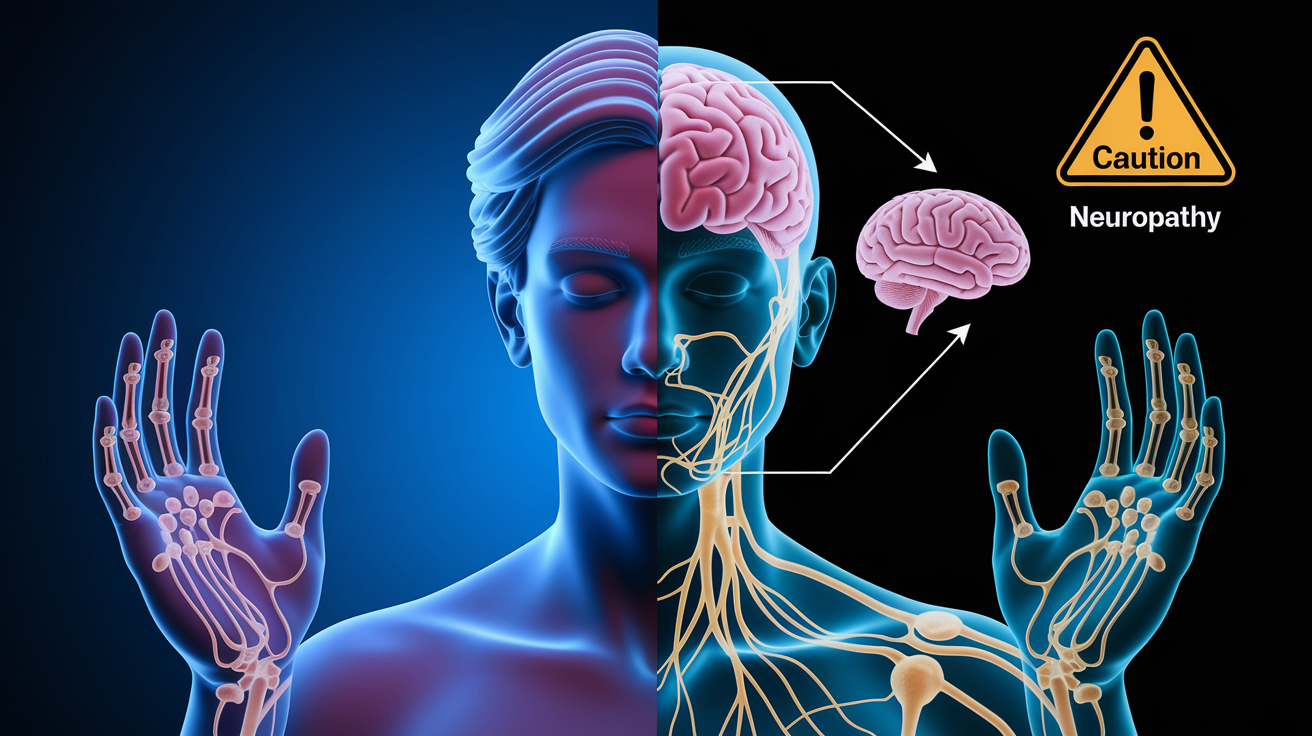
Anxiety related hand numbness usually appears in both hands, shifts around, and arrives during or shortly after a clear stress trigger. It tends to resolve once breathing normalizes and the panic response winds down. Medical causes of hand numbness follow different patterns and often involve persistent, progressive, or one sided sensory loss that occurs independently of anxiety or stress.
Distinguishing between the two matters because some medical conditions that produce hand numbness require prompt evaluation or specific treatment. Anxiety numbness is typically bilateral, migratory, and linked to hyperventilation or a racing heart. In contrast, nerve compression, stroke, neuropathy, or metabolic problems produce more predictable, stable, or focal patterns.
| Cause | Typical Pattern |
|---|---|
| Anxiety or panic attack | Both hands, fingers, or face. Comes in waves. Follows stress or rapid breathing. Resolves within minutes to hours. |
| Carpal tunnel syndrome | Thumb, index, middle finger. Worse at night. Linked to repetitive wrist activity. Improves with wrist splinting. |
| Stroke or TIA | Sudden onset. One hand or one side of body. Accompanied by facial droop, slurred speech, or weakness. Persistent. |
| Peripheral neuropathy | Gradual onset. Stocking glove distribution. May involve feet. Often linked to diabetes, vitamin deficiency, or toxins. |
How Panic Episodes, Breathing Patterns, and Stress Physiology Trigger Hand Tingling

When panic hits, your breathing rate can triple within seconds. Hyperventilation drops carbon dioxide levels in your bloodstream, which shifts blood pH and reduces calcium availability at nerve endings. This chemical change triggers tingling and numbness, most noticeably in your hands, fingers, and lips. The sensation often starts within a minute of rapid breathing and can intensify if you continue gulping air or breathing high into your chest.
At the same time, your body releases a surge of cortisol and adrenaline. These stress hormones activate the sympathetic nervous system, constricting small blood vessels and redistributing blood flow toward your brain, heart, and large muscle groups. Your hands and feet receive less circulation during this state, which creates a numb, cold, or prickly sensation. The effect is temporary and reverses as the stress response settles, but it can feel intense and worrying while it’s happening.
Muscle tension adds another layer. Anxiety often tightens the muscles around your neck, shoulders, and upper back. When these muscles clench hard enough, they can compress nerves that run down your arms and into your hands. The result is a pins and needles feeling or a dull numbness that spreads from your shoulder to your fingertips. Shoulders hunched forward, a tight jaw, or a rigid neck posture all increase the likelihood of nerve compression during a panic episode.
Red Flags: When Sudden Hand Numbness Requires Urgent Evaluation

Most anxiety related hand numbness resolves on its own within minutes to hours and doesn’t indicate a medical emergency. However, certain patterns of sudden numbness require immediate evaluation because they may signal a stroke, heart attack, or other urgent condition.
The key difference is that anxiety numbness is usually bilateral, triggered by stress or hyperventilation, and improves as you calm down. Dangerous numbness tends to be sudden, one sided, severe, or accompanied by other neurological or cardiac symptoms that don’t fit a panic pattern.
Immediate Red Flags:
Sudden numbness on one side of your body or in one hand only, especially if accompanied by facial drooping, arm weakness, or slurred speech (FAST stroke signs).
Severe chest pain, pressure, or tightness along with hand or arm numbness, shortness of breath, or sweating (possible heart attack).
Sudden loss of vision, severe headache, confusion, or difficulty understanding speech.
Numbness that rapidly worsens or spreads within minutes, or numbness that doesn’t improve after breathing slows.
Fainting, near fainting, or feeling like you might pass out while experiencing hand numbness.
Numbness that lasts for days, recurs frequently without a clear anxiety trigger, or interferes with your ability to use your hand normally.
Self-Assessment Steps to Understand Your Sudden Numbness Episode
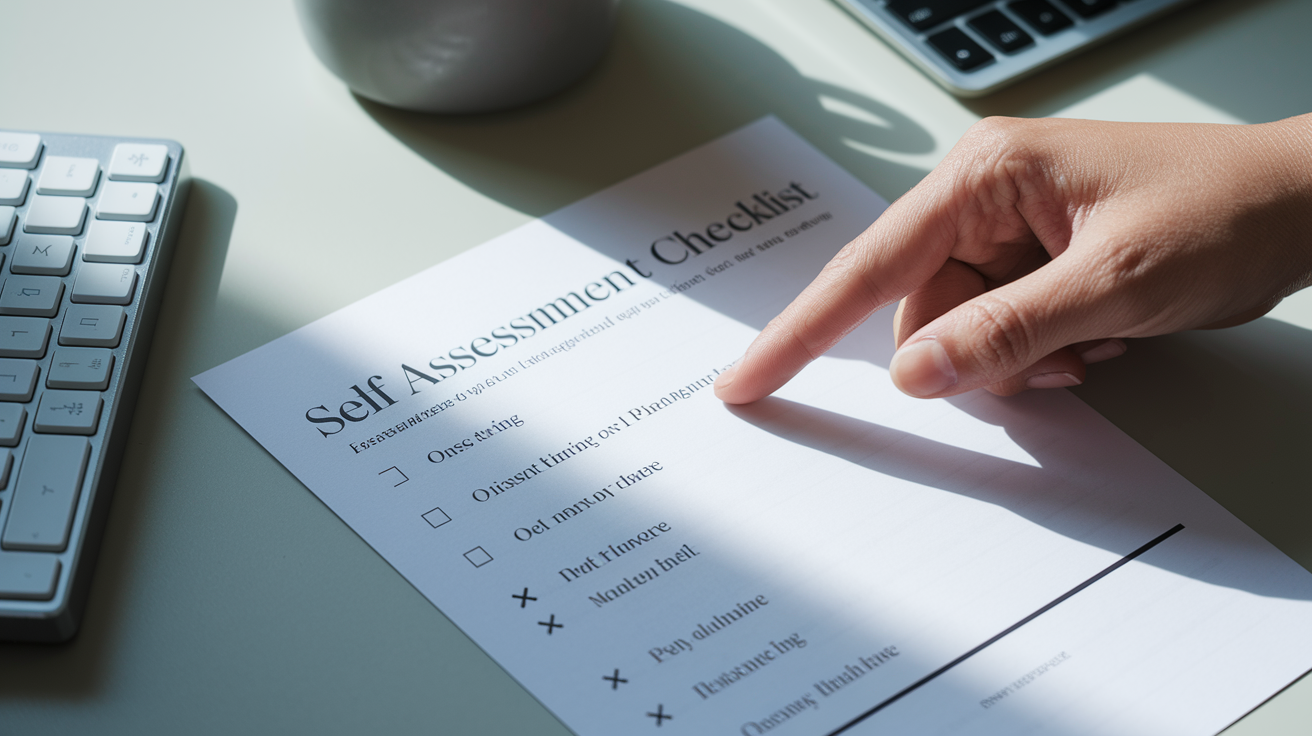
When sudden hand numbness appears, a quick self check can help you decide whether it’s likely anxiety related or whether you should seek medical evaluation. The goal is to notice the pattern, timing, and context so you can make an informed next step.
Check the onset and timing. Did the numbness arrive suddenly within seconds, or did it build gradually over minutes? Did it start during or right after a stressful moment, a wave of panic, or rapid breathing? Anxiety related numbness usually coincides with hyperventilation or a racing heart.
Notice which hand or hands are affected. Is the numbness in both hands, or only one? Anxiety numbness is typically bilateral or migratory. One sided numbness, especially if it involves your face or leg on the same side, raises concern for a neurological cause.
Look for other symptoms. Are you also experiencing chest pain, shortness of breath, facial drooping, slurred speech, vision changes, or limb weakness? If yes, seek emergency care immediately. If the only other symptoms are a pounding heart, lightheadedness, or a tight chest that eases as you slow your breathing, anxiety is more likely.
Consider recent activity and posture. Have you been sitting in an awkward position, leaning on your elbow, or doing repetitive wrist movements? Positional nerve compression can mimic anxiety numbness. Try changing position and see if sensation returns.
Assess duration and recurrence. Did the numbness resolve within minutes to an hour, or is it still present hours later? Anxiety related numbness usually fades as the panic response winds down. Persistent or frequently recurring numbness without a clear stress trigger warrants a medical evaluation.
How to Reduce Anxiety-Linked Hand Numbness in the Moment
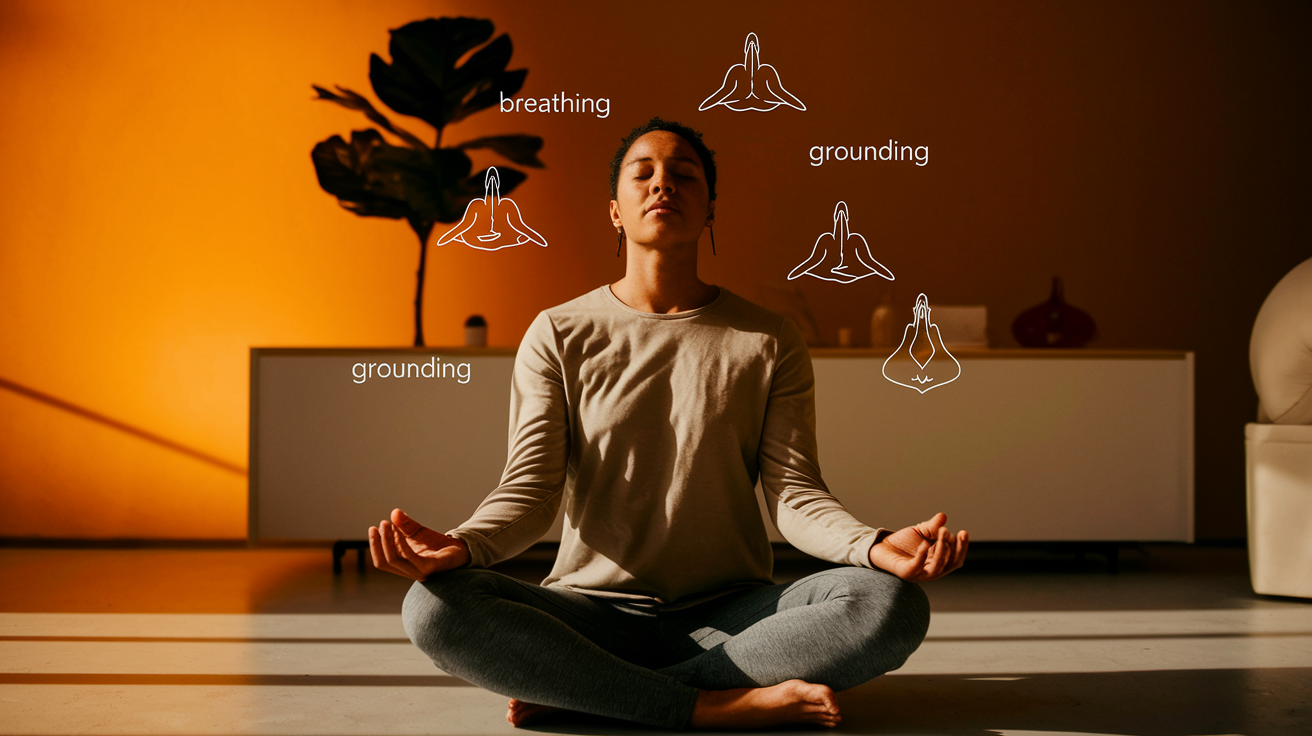
When hand numbness arrives during a panic episode, your first goal is to reverse the hyperventilation and help your nervous system downshift. The techniques below are low risk, practical, and can be done wherever you are. They work by restoring normal breathing, redistributing blood flow, and easing muscle tension.
Start with controlled breathing. Slow, deliberate breaths help correct the oxygen CO2 imbalance that drives tingling and numbness. Inhale gently through your nose for a count of four, then exhale slowly through your mouth for a count of six. Repeat this pattern for several minutes. The longer exhale activates your parasympathetic system and signals your body to calm down. Many people notice tingling begins to ease within two to three minutes of steady, slow breathing.
In the moment techniques:
Controlled breathing. Inhale slowly for 4 seconds, exhale gently for 6 seconds. Repeat until numbness fades and breathing feels easier.
Grounding exercise. Name 5 things you see, 4 you can touch, 3 you hear, 2 you smell, and 1 you taste. This shifts attention away from panic and anchors you in the present.
Gentle movement. Stretch your arms overhead, roll your shoulders back, shake out your hands, or walk around for a few minutes to restore circulation and release muscle tension.
Apply warmth. Run warm water over your hands, hold a warm cup of tea, or use a heating pad on your palms to increase blood flow and ease the prickling sensation.
Progressive muscle relaxation. Tense and then release muscle groups in sequence, starting with your hands, then forearms, shoulders, and neck. This reduces nerve compression and helps blood flow return to normal.
Longer-Term Strategies for Preventing Recurring Anxiety-Related Numbness

If hand numbness shows up regularly during stress or panic, addressing the underlying anxiety patterns will reduce both the frequency and intensity of episodes. Prevention focuses on lowering your baseline stress level, improving your body’s resilience to acute stress, and reducing triggers that amplify the physical symptoms.
Limiting stimulants is one of the most direct steps. Caffeine, nicotine, and energy drinks can all heighten anxiety and make hyperventilation more likely. If you notice numbness episodes cluster after coffee, an energy drink, or smoking, try cutting back or switching to decaf options. Sleep also plays a major role. Inconsistent or insufficient sleep lowers your stress threshold and makes your nervous system more reactive. A consistent bedtime routine and seven to eight hours of sleep per night create a steadier physiological baseline.
Regular movement helps regulate the stress response and keeps circulation strong. Daily walking, stretching, or gentle yoga reduces muscle tension, improves posture, and supports healthy blood flow to your hands and feet. Breathing practices done outside of panic moments, such as diaphragmatic breathing or box breathing for a few minutes each day, train your body to maintain calmer respiratory patterns even when stress rises. Cognitive behavioral therapy is particularly effective for reducing panic episodes and the physical symptoms that come with them, including numbness.
Longer term prevention strategies:
Reduce or eliminate stimulants like caffeine, nicotine, and energy drinks that can trigger or worsen hyperventilation and tingling.
Build a consistent sleep routine with a regular bedtime, a wind down period, and limited screen time before sleep.
Practice daily relaxation techniques such as diaphragmatic breathing, mindfulness meditation, or progressive muscle relaxation to lower baseline anxiety.
Engage in regular physical activity, especially low impact movement like walking, stretching, or yoga, to improve circulation, reduce muscle tension, and support stress regulation.
Final Words
You feel that sudden numbness and anxiety, and this piece explained why breathing, blood flow, and muscle tension can cause it, how to spot red flags, quick breathing and grounding fixes, and steps to track and prevent recurrences.
If you want the short takeaway, sudden anxiety and numbness in hands causes are often breathing shifts, stress-driven blood-flow changes, or tense muscles, so try the in-the-moment steps and track episodes. If symptoms are sudden one-sided, worsen, or come with slurred speech or chest pain, get emergency care. With simple practice and tracking, most people see fewer episodes over time.
FAQ
Q: Why does anxiety make my hands go numb?
A: Anxiety makes your hands go numb because rapid breathing lowers carbon dioxide, stress hormones tighten muscles and narrow blood flow, and tension can compress nerves, producing quick-onset tingling or temporary numbness.
Q: Does anxiety numbness go away?
A: Anxiety numbness usually goes away within minutes to about 30 minutes as breathing and calm return, though intense stress can prolong it; seek care if it’s persistent, worsening, or paired with weakness or speech changes.
Q: What are 5 warning signs of anxiety?
A: Five warning signs of anxiety are persistent, hard-to-control worry; frequent heart racing or panic spells; shortness of breath or dizziness; trouble sleeping or concentrating; and avoidance that disrupts daily life.
Q: How do I know if I have MS or anxiety?
A: You can tell MS from anxiety by the pattern: anxiety often causes fast, stress-linked, temporary, and sometimes bilateral tingling; MS usually causes persistent, progressive, focal symptoms like one-sided numbness, vision loss, or weakness—see a clinician for testing.
Comments are closed