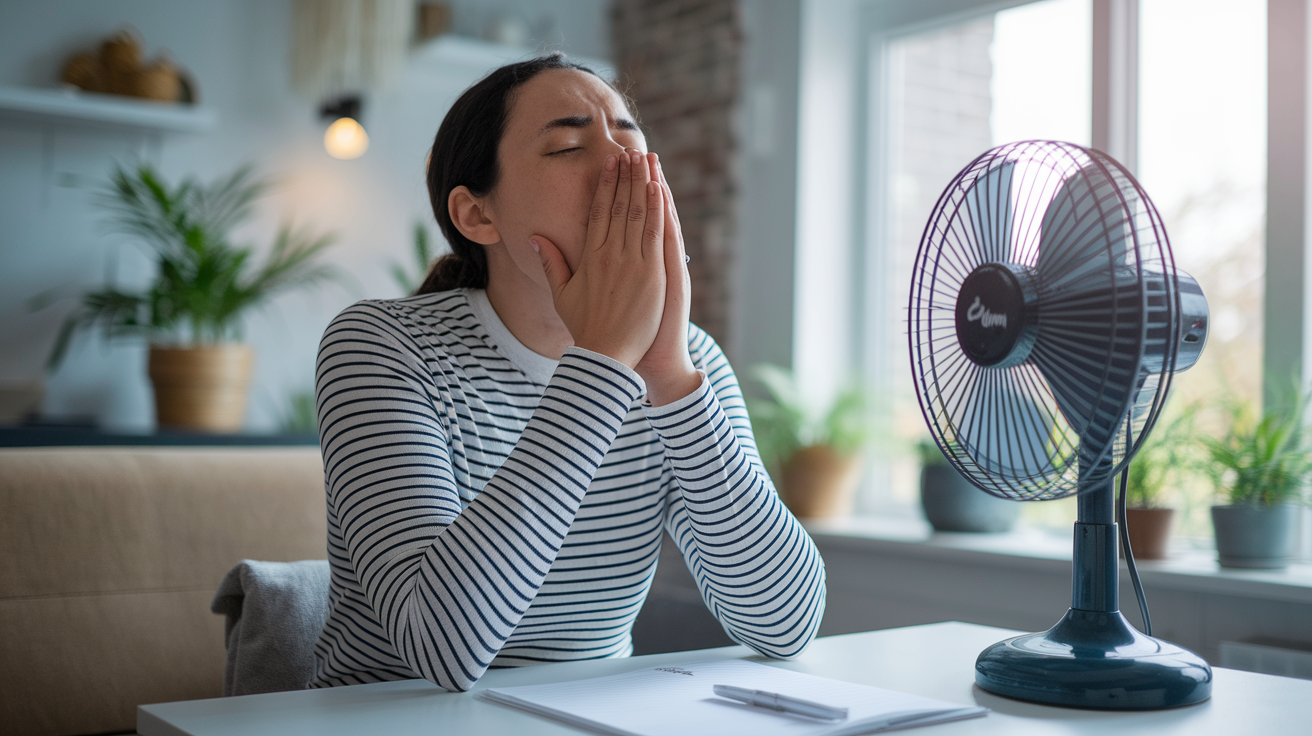
What if three simple home moves could cut a sudden wave of anxiety and shortness of breath in half?
When panic tightens your chest and your breathing gets shallow, it can feel terrifying.
But most of the time it’s not dangerous, and you can lower the intensity fast.
These steps use quick posture shifts, slow pursed-lip breathing, a cold splash or fan, and a simple grounding anchor, and often work in one to three minutes to calm your nervous system and make breathing easier.
We’ll show you what to do now, what to track, and when to get help.
Immediate Home Steps to Ease Sudden Anxiety and Shortness of Breath
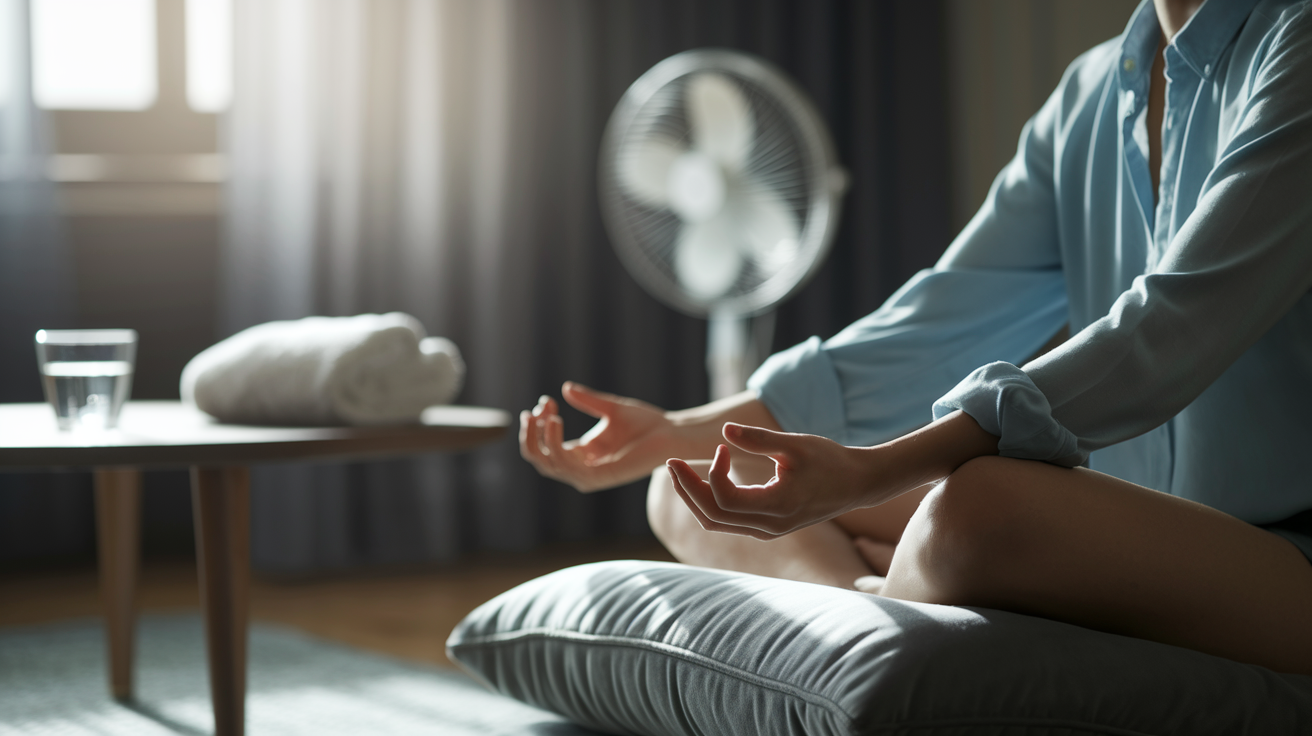
When anxiety hits hard and your breath goes shallow, your body’s reacting to an adrenaline surge. Your breathing speeds up, your chest feels tight, you might get dizzy or lightheaded. It’s not dangerous, but it feels scary.
These home steps can drop the intensity in one to three minutes. They work by signaling your nervous system to slow down, opening your chest so air moves easier, and giving your mind something concrete to focus on instead of the panic.
Here’s what to do right now:
-
Sit down and loosen anything tight around your neck, chest, or waist. Unbutton collars. Loosen belts. Untie anything restricting movement.
-
Move into a tripod position. Sit with your feet flat, lean slightly forward, rest your elbows on your knees or a table in front of you. Let your shoulders and neck relax. This opens your chest and makes breathing easier. If standing feels better, stand near a wall, let your hips rest against it, feet shoulder width apart, and lean forward with your arms hanging loose.
-
Start pursed lip breathing. Relax your neck and shoulders. Breathe in slowly through your nose for two counts. Purse your lips like you’re blowing out a candle. Exhale slowly through pursed lips to a count of four. Repeat three to five times.
-
Splash cold water on your face or hold a cold, damp cloth to your forehead and cheeks for ten to twenty seconds. Cold triggers a calming response that slows your heart rate. If you don’t have water nearby, press something cold against your wrists or the back of your neck.
-
Point a small fan or turn on a breeze toward your face. A 2018 study found that cool air aimed at the face reduces breathlessness sensations. Even a folded piece of paper waved gently in front of your nose can help.
-
Use a quick grounding anchor. Press your feet firmly into the floor. Name three things you can see right now. Touch the surface you’re sitting on and notice the texture. This interrupts the panic loop.
If symptoms ease but don’t fully stop, move through the sequence again. Most anxiety driven breathlessness improves within ten to thirty minutes when you combine posture, slow breathing, and sensory reset. If breathlessness lasts longer than thirty minutes, gets worse instead of better, or you feel chest pain, blue lips, confusion, or faintness, call emergency services.
Breathing Techniques for Ongoing Practice Once Symptoms Ease
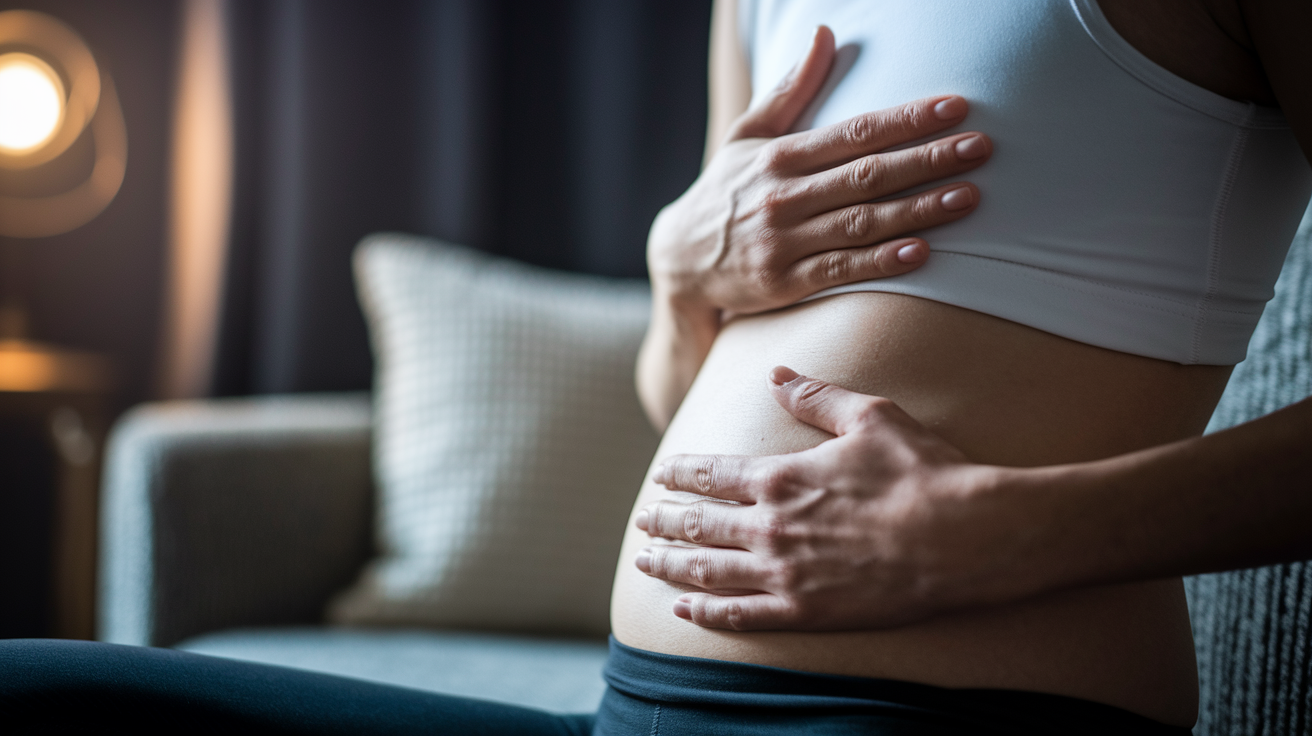
After the immediate wave passes, deeper breathing exercises help your body regulate and lower the chance of a second surge. These techniques aren’t for the middle of a panic episode. Use them once you feel steadier and want to keep calming down.
Controlled breathing activates the vagus nerve, which tells your body it’s safe to slow the heart rate and relax muscle tension. A 2019 study showed that combining breathing techniques improved chest volume and reduced respiratory rate in people with chronic breathing trouble.
Diaphragmatic Breathing
Sometimes called belly breathing. It shifts breathing away from shallow chest expansion into your abdomen, which is more efficient and calming.
-
Sit with your knees slightly bent or lie flat on your back. Relax your shoulders and neck.
-
Place one hand on your chest and one hand just below your ribcage on your belly.
-
Breathe in slowly through your nose. Your belly should rise while your chest stays mostly still.
-
Purse your lips and exhale slowly for several seconds. Tighten your abdominal muscles gently as you breathe out. Your belly should fall.
-
Repeat for about five minutes. Focus on making the exhale longer than the inhale.
Box Breathing
This technique uses equal counts to create rhythm and distract your mind from anxious thoughts.
-
Exhale fully to a count of four.
-
Hold your breath for a count of four.
-
Inhale slowly through your nose to a count of four.
-
Hold again for a count of four.
-
Repeat the four by four by four cycle three to four more times.
Box breathing lowers heart rate and gives you something to count, which pulls attention away from fear.
Long Exhale Technique
Longer exhales signal your nervous system to downshift. One of the simplest and most effective patterns.
-
Breathe in through your nose for two to three seconds.
-
Pause for one second.
-
Exhale slowly through your mouth for four to six seconds.
-
Repeat for at least five minutes. Monitor how your anxiety level changes as you go.
Resonance Breathing
Also called coherent breathing. This method improves heart rate variability and reduces stress responses over time.
-
Sit comfortably with your spine extended.
-
Breathe in gently through your nose to a count of six. Don’t fill your lungs all the way.
-
Exhale gently through your nose or mouth to a count of six.
-
Continue this six second inhale, six second exhale rhythm for about ten minutes.
Resonance breathing works best when practiced regularly, not just during crisis moments.
Body Positions That Quickly Reduce Shortness of Breath During Anxiety Episodes
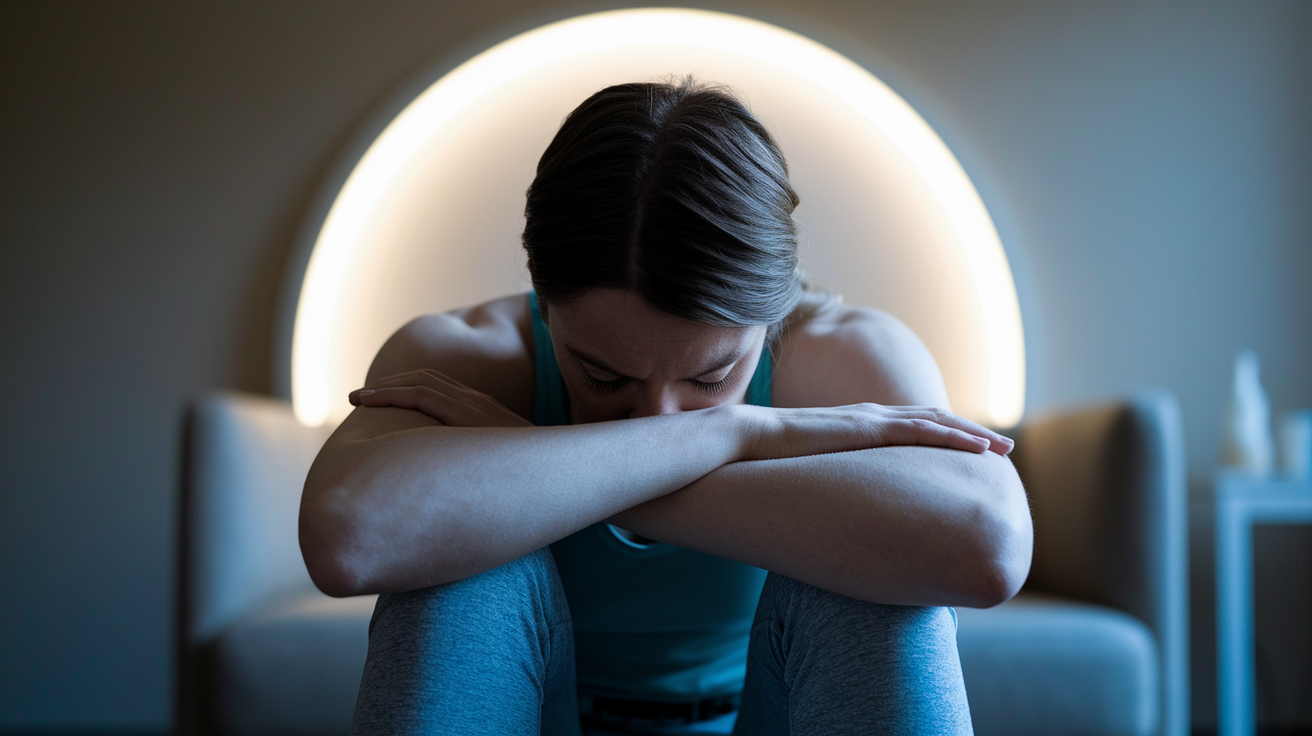
When you’re anxious and can’t catch your breath, the way you hold your body matters. Slumping or standing rigidly compresses your chest and makes shallow breathing worse. Tripod positions open the space around your lungs and give your diaphragm room to move.
These postures come from respiratory therapy and get used for COPD, asthma, and panic related breathlessness. They work by leaning your upper body forward slightly and supporting your arms or head, which stabilizes your shoulders and chest wall.
Here are four positions to try. Choose whichever feels easiest in the moment.
Sitting forward with elbows on knees: Sit with your feet flat on the floor. Lean your chest slightly forward. Rest your elbows on your knees or let your hands support your chin. Relax your neck and shoulders. Breathe slowly.
Sitting forward supported by a table: Sit facing a table or counter. Keep your feet flat. Lean forward and rest your forearms or a small pillow on the table surface. Let your head rest gently on your arms. Breathe into your belly.
Standing with supported back: Stand near a wall. Let your hips rest against the wall. Place your feet about shoulder width apart. Lean forward slightly from the hips and let your arms hang down loosely. Relax your neck.
Standing with supported arms: Find a sturdy table, counter, or chair back at about shoulder height. Rest your elbows or hands on the surface. Lower your head so it rests on your forearms. Let your chest open and your shoulders drop.
You can shift between these positions if one stops feeling helpful. The goal is finding a posture that makes each breath feel a little easier. Combine any tripod position with pursed lip breathing or diaphragmatic breathing for faster relief.
Grounding Techniques to Stop Hyperventilating and Calm Panic
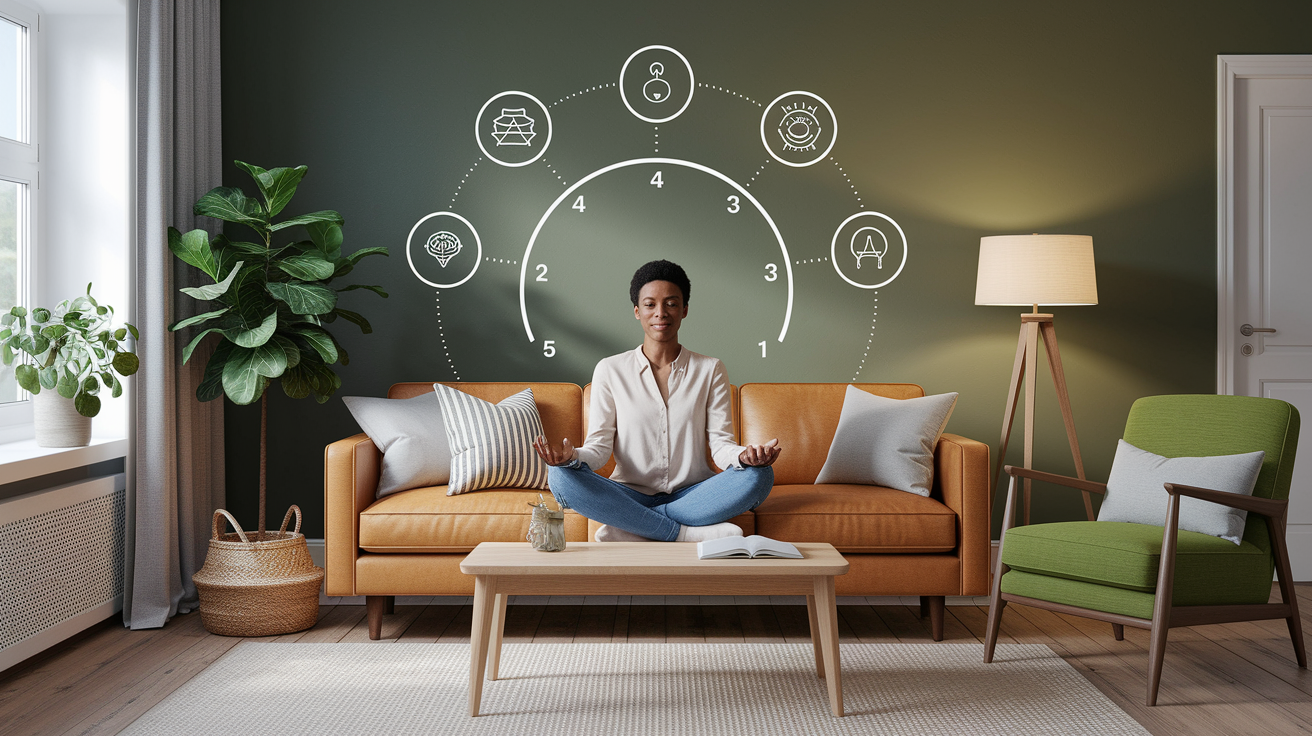
When you’re hyperventilating, your brain’s caught in a feedback loop. Fast, shallow breathing makes you feel more anxious, which makes you breathe even faster. Grounding techniques interrupt that cycle by pulling your attention into your body and your immediate surroundings.
Grounding works because it forces your mind to process sensory input instead of spiraling into fear. Takes thirty to sixty seconds and can be done anywhere.
5-4-3-2-1 Grounding
One of the fastest and most reliable grounding methods.
-
Name five things you can see right now. Say them out loud or in your head. A lamp, a door, your shoe, a coffee cup, a window.
-
Name four things you can physically touch. A table edge, your jeans, the chair under you, the floor.
-
Name three things you can hear. A car outside, your own breath, a hum from the fridge, a voice in another room.
-
Name two things you can smell. If you can’t smell anything, name two scents you like or two things nearby that have a smell.
-
Name one thing you can taste, or one thing you feel emotionally or physically right now. Dry mouth. Tight chest. Relief starting to creep in.
The sequence doesn’t have to be perfect. The act of naming and noticing is what pulls you back.
Beyond the five senses method, other sensory anchors help. Hold something very cold, like an ice cube, a frozen gel pack, or a cold drink can. The shock of temperature gives your nervous system a clear, non threatening signal to focus on. Press your hands flat against a textured surface and notice every detail: rough, smooth, warm, cool. Count backward from one hundred by threes. Describe an object near you in excessive detail, like you’re explaining it to someone who’s never seen it before.
Quick distraction strategies to layer in:
Splash cold water on your face or hold your face under a gentle stream of cold water for several seconds.
Aim a small fan at your face or step outside into cool air.
Tense your fists tightly for five seconds, then release. Do it twice.
Hum a single note for as long as your exhale lasts. The vibration’s calming.
Listen to a short, familiar song or watch a thirty second video that makes you smile.
Progressive Muscle Relaxation Steps to Reduce Anxiety Driven Breathlessness

Muscle tension and shallow breathing feed each other during anxiety. Progressive muscle relaxation, or PMR, teaches your body to release that tension group by group. Takes about five minutes for a short cycle and works by deliberately tensing a muscle, holding it, then letting go completely.
The contrast between tension and release helps you notice where you’re holding tightness you didn’t realize was there. It also gives your mind a simple, repetitive task that pulls focus away from panic.
Here’s the sequence:
-
Forehead and scalp: Raise your eyebrows as high as you can or scrunch your face tightly. Hold for five to ten seconds. Release and let your face go completely slack for twenty to thirty seconds.
-
Neck and shoulders: Pull your shoulders up toward your ears and tighten your neck. Hold five to ten seconds. Drop your shoulders and let your neck relax for twenty to thirty seconds.
-
Arms and hands: Make tight fists and tense your arms from your hands up to your shoulders. Hold five to ten seconds. Release and let your arms hang loose for twenty to thirty seconds.
-
Chest: Take a deep breath and hold it while tightening the muscles across your chest. Hold five to ten seconds. Exhale and relax your chest fully for twenty to thirty seconds.
-
Abdomen: Pull your belly in tight or push it out as far as you can. Hold five to ten seconds. Release and let your belly soften for twenty to thirty seconds.
-
Legs and feet: Point your toes, tighten your calves and thighs, or flex your feet upward. Hold five to ten seconds. Release and let your legs go heavy for twenty to thirty seconds.
While you move through the sequence, repeat simple calming phrases silently or out loud: “I’m safe right now.” “This will pass.” “My body knows how to calm down.” “I’m breathing. I’m okay.”
You don’t have to do every muscle group every time. Even tensing and releasing your hands, shoulders, and jaw can make a noticeable difference in how your chest feels.
Distinguishing Anxiety Related Shortness of Breath from Medical Emergencies
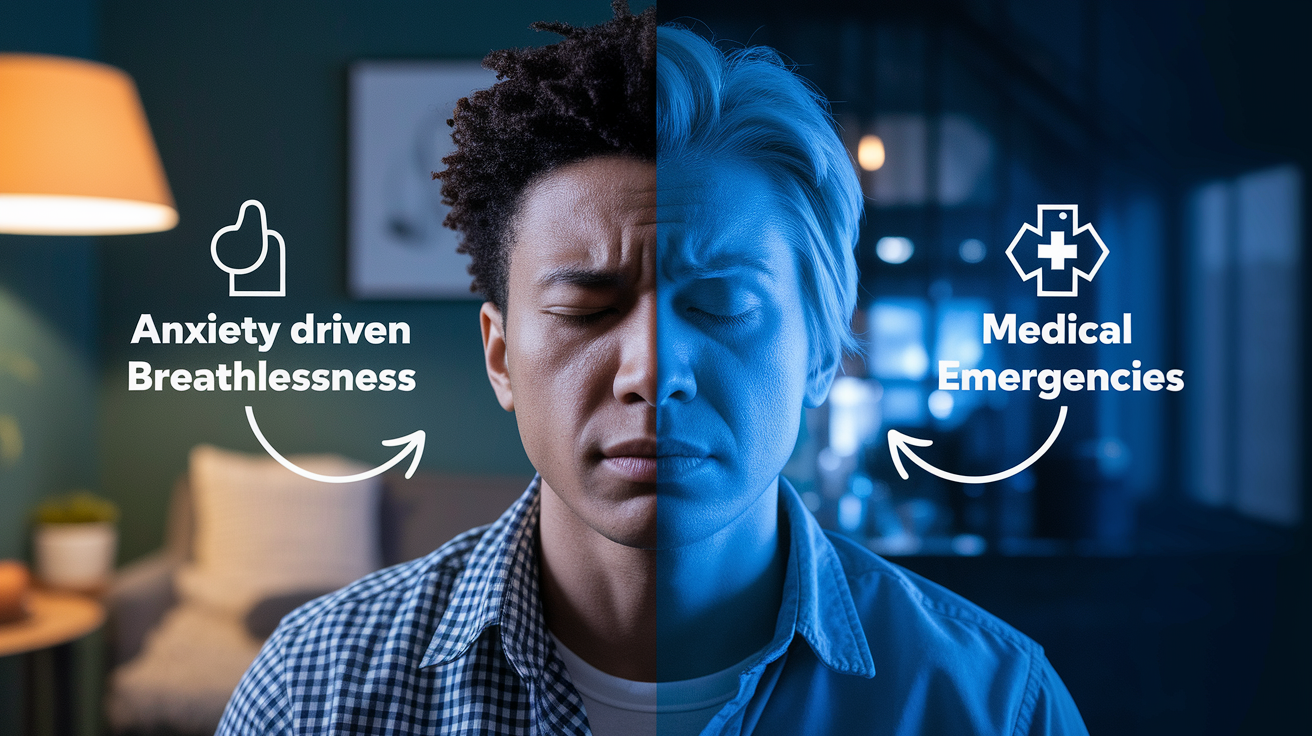
Anxiety can cause real, intense shortness of breath. Your chest tightens, your breathing speeds up, you might feel dizzy or tingly. But anxiety driven breathlessness usually has a recognizable pattern. It comes on suddenly, often during or right after a stressful moment. It makes you breathe fast and shallow. And it usually begins to ease within ten to thirty minutes, especially when you use slow breathing, grounding, or posture changes.
Medical emergencies look and feel different. The breathlessness may come on suddenly but without an obvious emotional trigger. It doesn’t improve when you try breathing exercises. And it often comes with other alarming signs: crushing chest pain, pain that spreads to your arm or jaw, blue or gray color in your lips or face, fainting, confusion, severe sweating, or nausea.
| Symptom | More Likely Anxiety | More Likely Medical Emergency |
|---|---|---|
| Breathlessness pattern | Sudden, shallow, fast; often starts with stress or worry | Sudden and severe with no clear trigger; worsens quickly |
| Chest sensations | Tightness, fluttering, pressure that moves around; no crushing pain | Crushing, heavy pressure; pain radiating to arm, jaw, or shoulder |
| Color changes | Pale or flushed; no blue tint | Blue or gray lips, face, fingernails |
| Response to breathing exercises | Symptoms improve or stabilize with slow breathing and grounding | No improvement or symptoms worsen despite breathing changes |
| Duration | Usually improves within ten to thirty minutes | Lasts longer than thirty minutes or keeps getting worse |
Call emergency services immediately if you experience any of these red flags:
Breathlessness that lasts more than thirty minutes without any improvement.
Sudden, severe difficulty breathing that makes it hard to speak or move.
Chest pain or pressure, especially pain that spreads to your arm, shoulder, jaw, or back.
Blue, gray, or purple color in your lips, face, tongue, or fingernails.
Confusion, slurred speech, or feeling like you might pass out.
Fainting or loss of consciousness.
Profuse sweating, clammy skin, or nausea along with breathlessness.
Sudden swelling in your legs, ankles, or feet combined with trouble breathing.
If you have a history of heart disease, lung disease, or severe allergic reactions, treat new or worsening breathlessness as urgent until proven otherwise. When in doubt, seek emergency evaluation. It’s always safer to check.
Simple Prevention Steps to Reduce Recurrence of Anxiety and Breathlessness
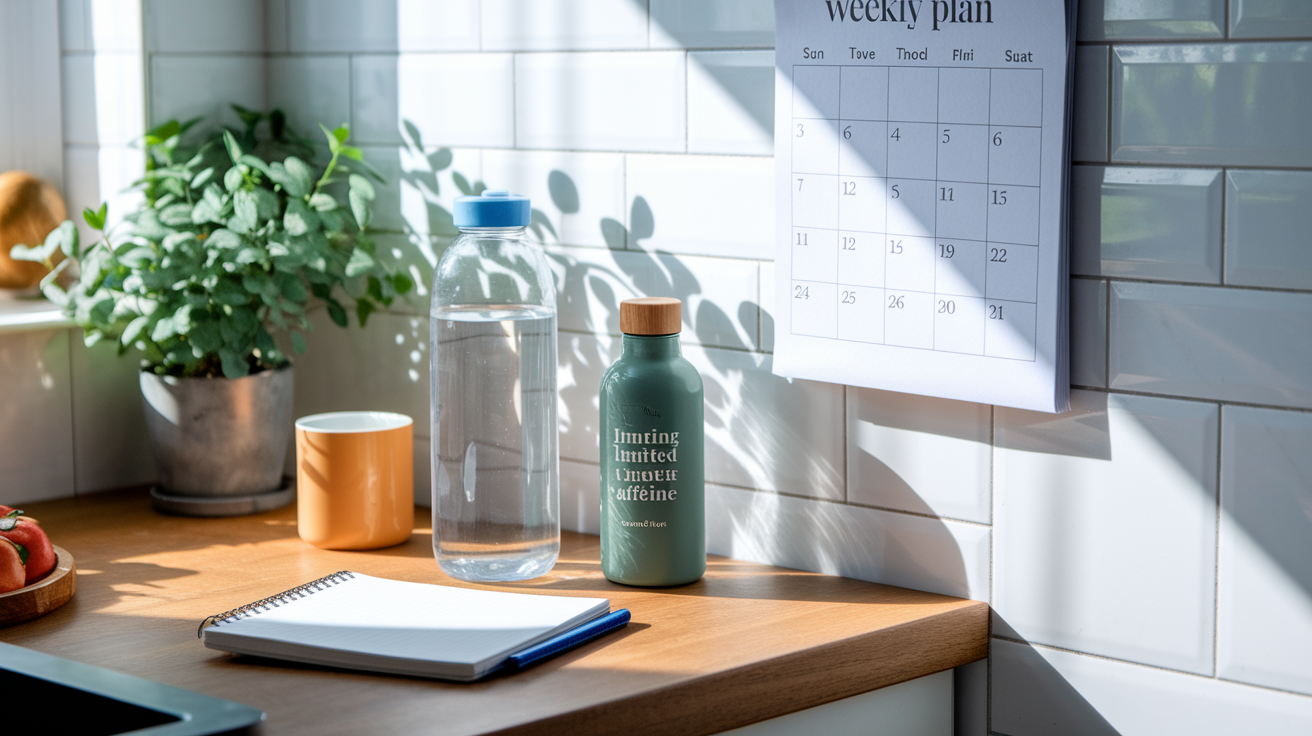
Once you’ve had one episode of anxiety driven breathlessness, your nervous system can become more sensitive to triggers. Prevention isn’t about eliminating anxiety completely. It’s about building habits that keep your baseline stress lower and give your body more resilience when tough moments hit.
Daily nervous system regulation works better than crisis intervention alone. Small, consistent practices add up. You’re teaching your body that it doesn’t need to jump straight to fight or flight every time something stressful happens.
Here are practical habits that reduce future episodes:
Drink water throughout the day. Dehydration makes dizziness and lightheadedness worse during anxiety. Keep a water bottle nearby and sip regularly, especially if you tend to forget to drink when you’re busy or stressed.
Limit caffeine and alcohol. Caffeine can trigger or worsen heart racing and shallow breathing. Alcohol disrupts sleep and can increase next day anxiety. Notice your personal threshold and cut back if episodes are frequent.
Build a short daily breathing practice. Spend five to ten minutes each day doing diaphragmatic breathing, box breathing, or resonance breathing, even when you feel fine. This trains your nervous system to default to slower breathing during stress.
Move your body for about one hundred fifty minutes per week. That’s roughly thirty minutes, five days a week. Walking, swimming, stretching, dancing, or any movement you can sustain. Exercise burns off stress hormones and improves sleep.
Protect your sleep routine. Go to bed and wake up at roughly the same time each day. If you’re not asleep within twenty minutes, get up and do something quiet and relaxing in low light, then try again. Consistent sleep lowers baseline anxiety.
Track your triggers. Keep a simple list of when breathlessness happens: time of day, what you were doing, what you ate or drank, where you were in your cycle, how much sleep you had. Patterns often emerge after a week or two.
Practice grounding and PMR when you’re calm. If you wait until you’re panicking to try these techniques for the first time, they’re harder to remember and use. Run through five four three two one grounding or a short muscle relaxation sequence once a day as a reset, not a rescue.
These habits won’t eliminate anxiety. But they can reduce how often breathlessness happens, how intense it feels, and how long it lasts. You’re not aiming for perfection. You’re aiming for a slightly calmer baseline and faster recovery when things get hard.
Tracking Episodes and Preparing a Simple Home Action Plan
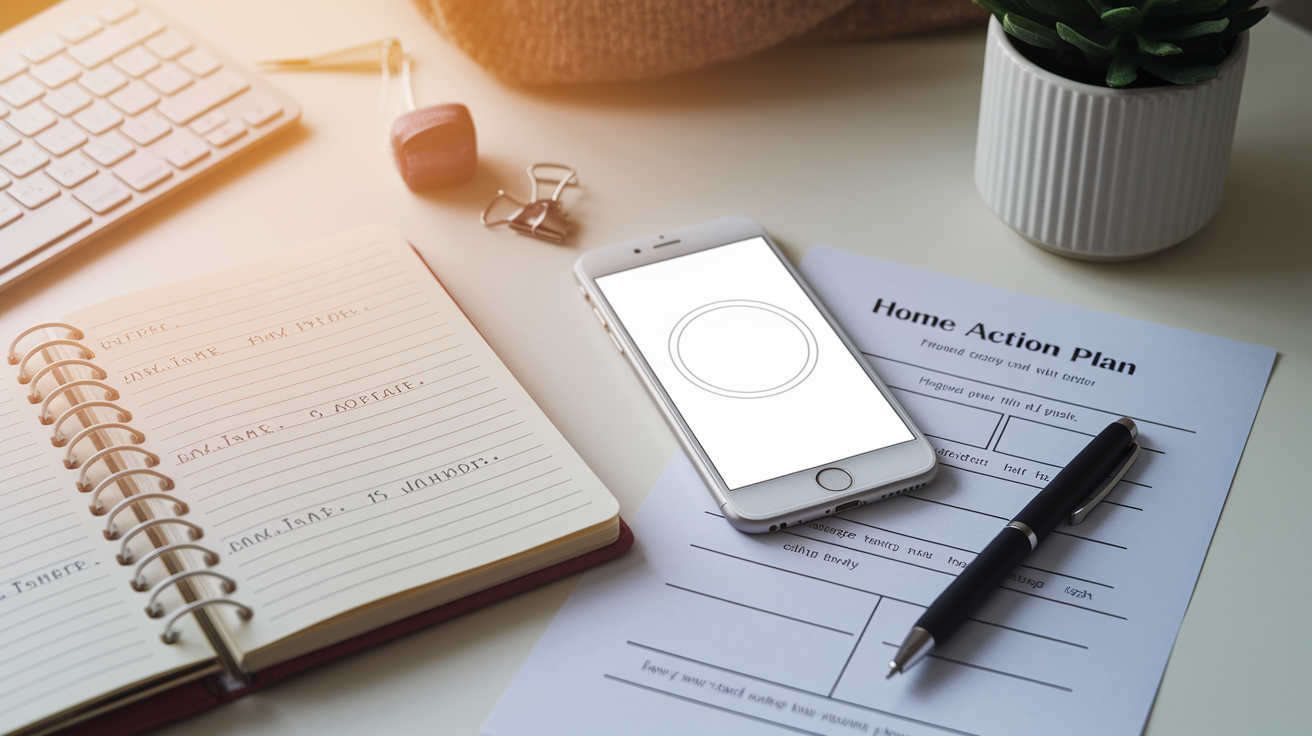
When shortness of breath happens more than once, it starts to feel chaotic and unpredictable. Tracking each episode gives you information. Patterns become visible. You’ll start to notice whether it happens more in the morning, after certain foods, during specific parts of your cycle, or when you’ve had less sleep. That information helps you prepare, and it helps a clinician understand what’s going on if you decide to get evaluated.
Keep a small notebook, a note on your phone, or a simple document with these prompts after each episode:
-
Date and time. When it started.
-
Duration. How long it lasted. Most anxiety driven breathlessness improves within ten to thirty minutes.
-
What you were doing. Working, exercising, sitting still, lying down, talking, eating, driving.
-
Possible triggers. Stressful conversation, caffeine, skipped meal, poor sleep the night before, hormonal timing, crowded space, heat.
-
Symptoms. Fast breathing, chest tightness, dizziness, tingling, nausea, sweating, heart racing. Be specific.
-
What helped. Which breathing technique, posture, grounding method, or sensory anchor made it better. What didn’t help or made it worse.
After you’ve tracked three to five episodes, review your notes. Look for timing patterns, common triggers, and which home steps reliably help. Share this log with your doctor if you’re seeking evaluation. It turns vague complaints into concrete, useful data.
Beyond tracking, build a one to two page action plan you can grab quickly when breathlessness starts. Write it down and keep it somewhere easy to find: taped inside a kitchen cabinet, saved as a note on your phone, or printed and folded in your wallet.
Your action plan might include: a list of your go to breathing techniques with counts, reminders to sit down and loosen tight clothing, grounding prompts, a few calming phrases to repeat, emergency numbers, and a short list of red flag symptoms that mean call for help instead of trying home steps. When you’re in the middle of panic, decision making is hard. A simple written plan removes some of that cognitive load and gives you a clear path to follow.
Final Words
When breath tightens and panic spikes, do the simple steps now: tripod posture, pursed‑lip breathing, a quick cold splash or fan to the face, and the 1–3 minute combo.
You’ve got immediate steps, longer breathing practices, posture fixes, grounding moves, PMR, safety signs, and a short tracking plan to bring to a clinician.
Keep a one‑page action plan, practice the breathing routines, and notice patterns. Using these sudden anxiety and shortness of breath home steps can help you feel steadier—one small step at a time.
FAQ
Q: Can anxiety make you breathless when walking?
A: Anxiety can make you breathless when walking by triggering faster, shallower breaths and muscle tightness; fatigue, caffeine, or poor sleep can worsen it. Pause, slow your breath, and check your posture if it happens.
Q: How to relieve chest tightness and shortness of breath anxiety? / How to stop heavy breathing anxiety?
A: Relieving chest tightness and heavy breathing from anxiety involves pursed‑lip breathing (inhale 2 sec, exhale 4 sec), sitting in a tripod posture, splashing cold water on your face or using a fan, grounding, and seeking care if it persists.
Q: How does anxiety cause shortness of breath?
A: Anxiety causes shortness of breath by activating the stress response, which speeds shallow breathing and tightens chest muscles; this can cause hyperventilation, lightheadedness, and often lasts about 10–30 minutes unless you intervene.
Comments are closed