What if that sudden anxiety after a trauma flashback you felt wasn’t an anxiety attack at all?
This can feel terrifying and confusing, and lots of people mistake one for the other.
In this piece you’ll learn the main ways they differ, what it feels like, what usually triggers each, and quick, low-risk steps to try right away.
Knowing the difference changes how you respond and what kind of help makes sense.
Anxiety Attack vs. Flashback: The Key Differences Explained Fast
An anxiety attack feels like a wave of intense fear or panic crashing over you, usually in response to something your brain reads as a threat (whether it’s real or not). Your heart races, your breathing gets shallow, and your mind spins out with “what if” thoughts about the future. Your body flips into fight-or-flight mode, often without any obvious danger nearby.
A trauma flashback is different. It’s your mind and body re-experiencing a past traumatic event like it’s happening right now. These are intrusive, involuntary memories that can include sensory fragments: sights, sounds, smells, or overwhelming emotions tied to that specific moment in your history.
Here’s what separates them:
Trigger type: Anxiety attacks react to present stressors or worry about what’s coming. Flashbacks get triggered by sensory or emotional cues that match the original trauma.
Cognitive state: Anxiety is future-oriented fear. Flashbacks yank you into the past and make you feel like the danger is happening now.
Memory involvement: Anxiety doesn’t need a specific traumatic memory to exist. Flashbacks are always anchored to a trauma that already happened.
Duration: Anxiety attacks usually peak within minutes. Flashbacks can last minutes to hours, and the emotional aftermath might linger for days.
Think of it this way: anxiety is fear of the unknown. Flashbacks are fear of what you already know. Both activate your survival system, but understanding which one you’re experiencing changes how you respond and what kind of help you seek.
Symptom Breakdown and How to Tell Them Apart
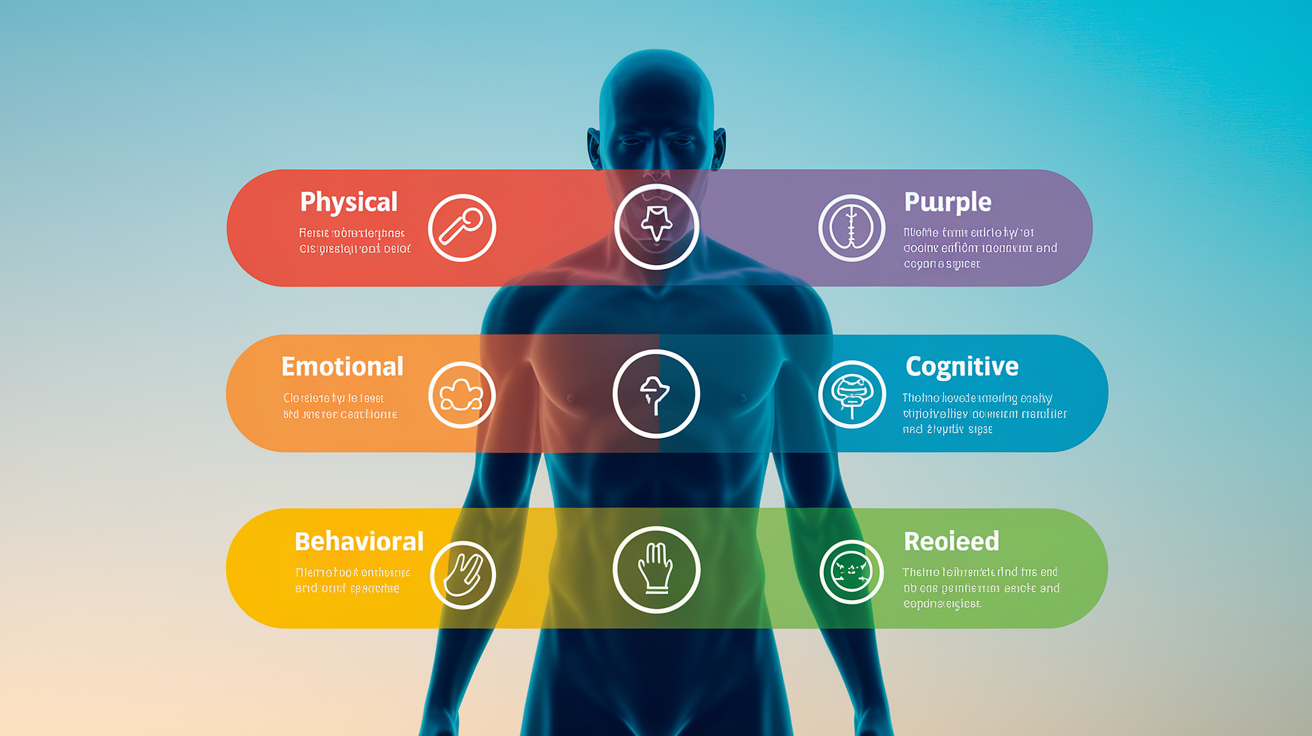
| Symptom Category | Key Indicators |
|---|---|
| Physical | Both: rapid heartbeat, sweating, nausea, trembling, difficulty breathing. Flashbacks may also include ringing in ears, tunnel vision, lump in throat, frozen posture. |
| Emotional | Anxiety: intense worry, dread, fear of losing control. Flashbacks: terror, shame, helplessness tied to the past event, regression to feeling like a child. |
| Cognitive | Anxiety: racing thoughts about future scenarios, catastrophic thinking. Flashbacks: confusion about time and place, vivid sensory memories, belief the trauma is happening now. |
| Behavioral | Anxiety: urgent need to escape, seek quiet, reduce stimulation. Flashbacks: dissociation, freeze response, difficulty remaining seated, sometimes replicating trauma-time reactions. |
Both anxiety attacks and trauma flashbacks share overlapping physical symptoms because they’re both activating your body’s alarm system. Your heart pounds, your palms sweat, your breathing goes shallow. That’s why so many people mistake one for the other, especially if the flashback doesn’t come with clear visual images.
What makes a flashback unique? Dissociation, sensory re-experiencing tied to a specific past event, and that overwhelming feeling that you’re back in the trauma rather than worrying about what might happen next. Anxiety stays in the future. Flashbacks drag you into the past.
Causes and Internal Mechanisms
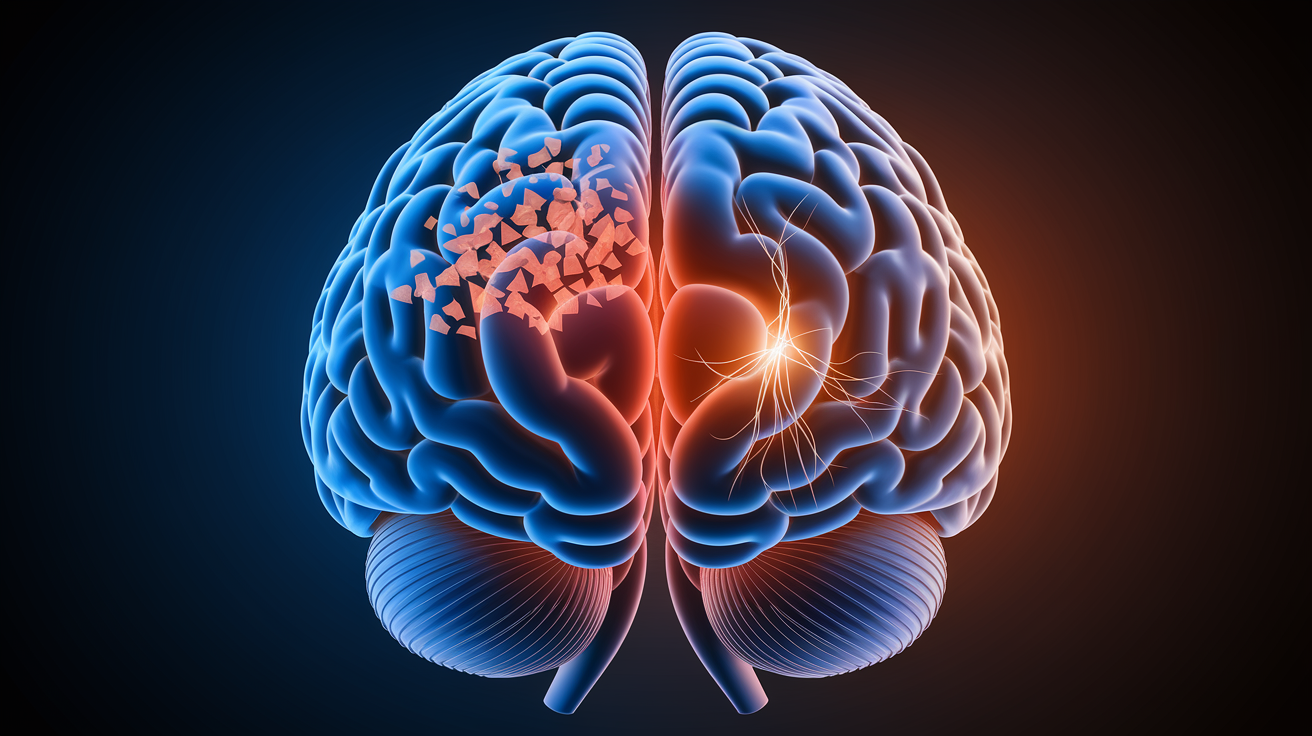
Trauma memories get encoded differently than everyday memories. During a traumatic event, your amygdala becomes hyperactive while your hippocampus and prefrontal cortex basically go offline. You end up with fragmented memory stored as sensory pieces (sounds, smells, body sensations) without the time stamp and context that tells your brain “this is over.” When a flashback gets triggered, your amygdala fires as if the threat is present, bypassing the logic centers that could tell you otherwise.
Anxiety attacks work differently. They’re driven by anticipatory fear and present-moment stressors. Your amygdala still activates, but the trigger is about future-oriented threat perception, not past trauma. Your prefrontal cortex might be online but overwhelmed, fueling catastrophic thinking loops. The physical response looks similar because both pathways use the same survival hardware, just with different activation patterns.
Here’s something most people don’t realize: sudden anxiety can follow a flashback. Once the flashback triggers and the emotional intensity floods your system, your nervous system stays dysregulated. The anxiety that follows is your body trying to make sense of the arousal and searching for present-moment danger to justify the alarm. You might not recognize the flashback, so you interpret the physical symptoms as a new anxiety attack happening now.
Real‑World Scenarios and Examples

Understanding how anxiety attacks and flashbacks show up in daily life helps you recognize the difference when it matters.
Simone, 41, vice president at a tech company: During a routine meeting, she received mild critical feedback from her boss. The tone of voice matched her father’s voice from childhood. Within seconds, Simone felt her chest tighten, her vision narrowed, and she was flooded with shame and terror. She excused herself, sat in her car for 45 minutes shaking, unable to understand why such minor feedback caused a full collapse. This was an emotional flashback triggered by a relational pattern, not a visual memory.
Kira, 33, product director: In a meeting, a colleague interrupted her mid-sentence and dismissed her idea. Kira immediately felt small and invisible, like she had no right to speak. She went to the bathroom and sat on the floor for 20 minutes, trembling and dissociated, her throat constricted. She couldn’t name a specific memory but felt like a child being silenced. Classic emotional flashback: a regression without narrative.
Marcus, grocery checkout line: While waiting to pay, Marcus suddenly felt his heart race, chest tighten, and an overwhelming urge to leave the store. There was no trauma cue, no smell or person triggering a memory. He was stressed from work deadlines and lack of sleep. This was an anxiety attack, future-focused, driven by accumulated stress and the fear of losing control in a public place.
Each scenario shows the pattern. Flashbacks anchor to the past and carry the weight of “this already happened to me.” Anxiety lives in the present and future, scanning for threats that might come next.
Quick Checklist to Identify What You’re Experiencing

Use this checklist in the moment or afterward to clarify what happened:
Do you feel transported to a past event, or are you worried about what might happen next? (Past = flashback, future = anxiety)
Are you experiencing vivid sensory details tied to a memory (smells, sounds, images), or just intense fear without a clear story? (Sensory details = memory flashback, pure emotion without images = emotional flashback, free-floating worry = anxiety)
Does grounding yourself in the present (naming the date, your age, your location) help reduce the intensity? (Yes = likely flashback)
Do you feel like a younger version of yourself, small, helpless, or ashamed in a way that doesn’t match your current life? (Yes = emotional flashback)
Did the episode start after a specific sensory cue: a smell, a tone of voice, a place, someone’s expression? (Yes = possible flashback trigger)
Are you able to talk yourself through it with logic, or does reasoning feel impossible? (Logic helps anxiety, flashbacks require grounding and reassurance, not logic)
If most answers point to flashback patterns, you’re re-experiencing trauma. If most point to future-focused fear, you’re having an anxiety response. Both are real, both deserve care, and both respond to different tools.
When to Seek Professional Help

Occasional anxiety or brief intrusive memories are common stress responses. Persistent patterns signal the need for professional evaluation and support.
Seek help if flashbacks or anxiety attacks interfere with your daily functioning, make it hard to work, maintain relationships, or leave your home. If episodes last hours or days, or if you experience frequent dissociation where you lose time or feel disconnected from your body, these are signs that your nervous system needs structured support to expand your window of tolerance.
Urgent signs to reach out immediately:
Suicidal thoughts, self-harm behaviors, or escalating substance use to numb or escape the episodes.
Flashbacks accompanied by prolonged dissociation, inability to recognize where or when you are, or loss of safety awareness.
Chronic avoidance that shrinks your life: refusal to go to work, see people, or engage in necessary activities because of fear of triggering another episode.
If you recognize trauma patterns, look for a trauma-informed therapist trained in approaches like EMDR, Internal Family Systems, or somatic therapy. If anxiety is the primary pattern, cognitive behavioral therapy or exposure-based treatments often help within several months. For sexual assault or trauma crisis support, call 1-800-656-4673 to connect with a trained provider. You don’t have to sort this out alone.
Final Words
You can now tell an anxiety attack from a trauma flashback by what it feels like and what pulls it on. Anxiety attacks are intense body-first surges tied to present fear. Flashbacks replay past events, often with dissociation and sensory memory.
Use the quick checklist and note triggers, memory detail, and how long it lasts. Track patterns and bring notes to your clinician if things persist.
If you’re sorting sudden anxiety after trauma flashback differences, this helps you act calmly and get the right support.
FAQ
Q: What are complex PTSD flashbacks like, and what is a CPTSD episode?
A: Complex PTSD flashbacks and CPTSD episodes are intense re‑experiences of past harm that feel like you’re back in the event, with sensory details, emotional flooding, dissociation (feeling detached), and prolonged overwhelm.
Q: How to tell if you’re having an emotional flashback?
A: An emotional flashback is a sudden, overwhelming flood of old feelings—shame, terror, helplessness—that don’t match the present, often with dissociation (zoning out), childlike thinking, bodily shutdown or agitation, lasting minutes to hours.
Q: Why do I keep having flashbacks of traumatic events?
A: You keep having flashbacks because unresolved trauma memory networks and a sensitized stress system are reactivated by sensory cues, reminders, ongoing stress, sleep loss, or strong emotions, making the brain replay past danger.
Comments are closed