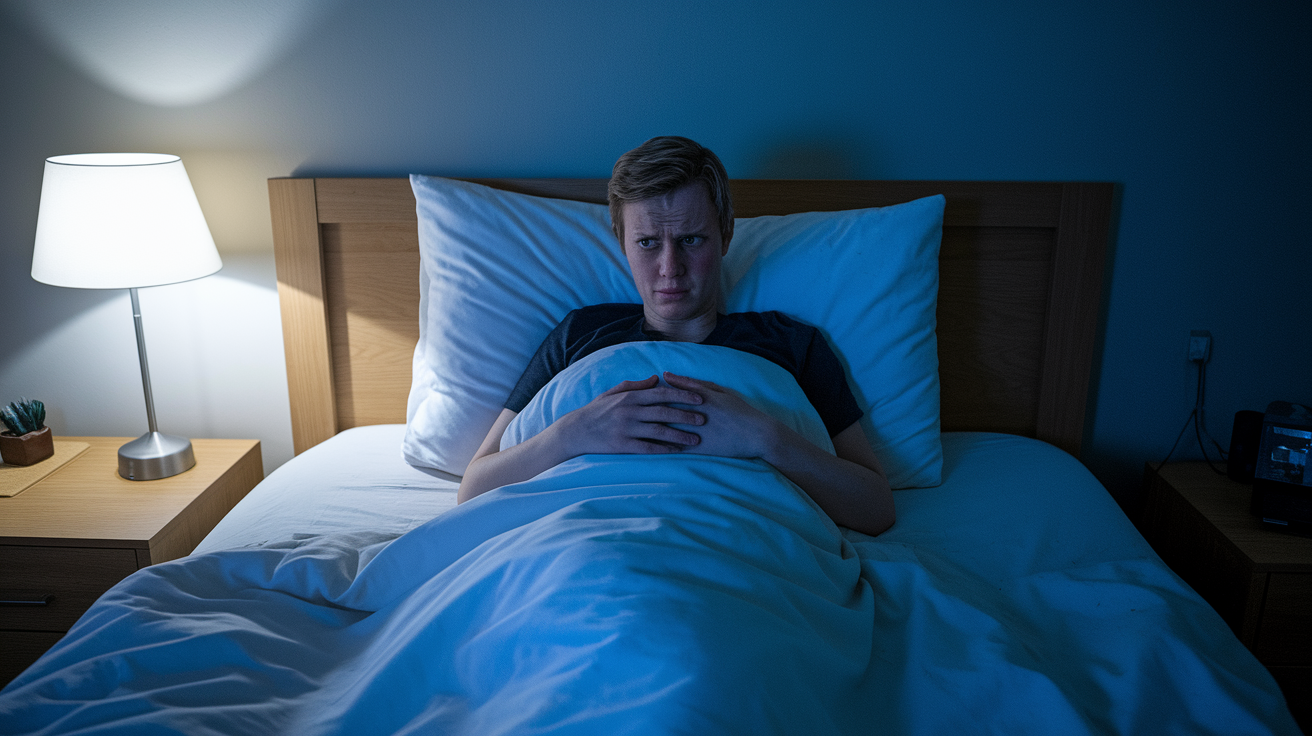
What if your sudden panic when you lie down isn’t just anxiety?
You’re not imagining the way your heart can feel louder or your breathing feels off once you go flat.
That’s because real medical issues like reflux, sleep apnea, thyroid problems, or heart rhythm changes can cause the same scary sensations.
This post explains those medical causes in plain terms, shows how to spot patterns that point away from worry alone, and tells you what to try and when to get checked by a clinician.
Why Anxiety Can Intensify When Lying Down
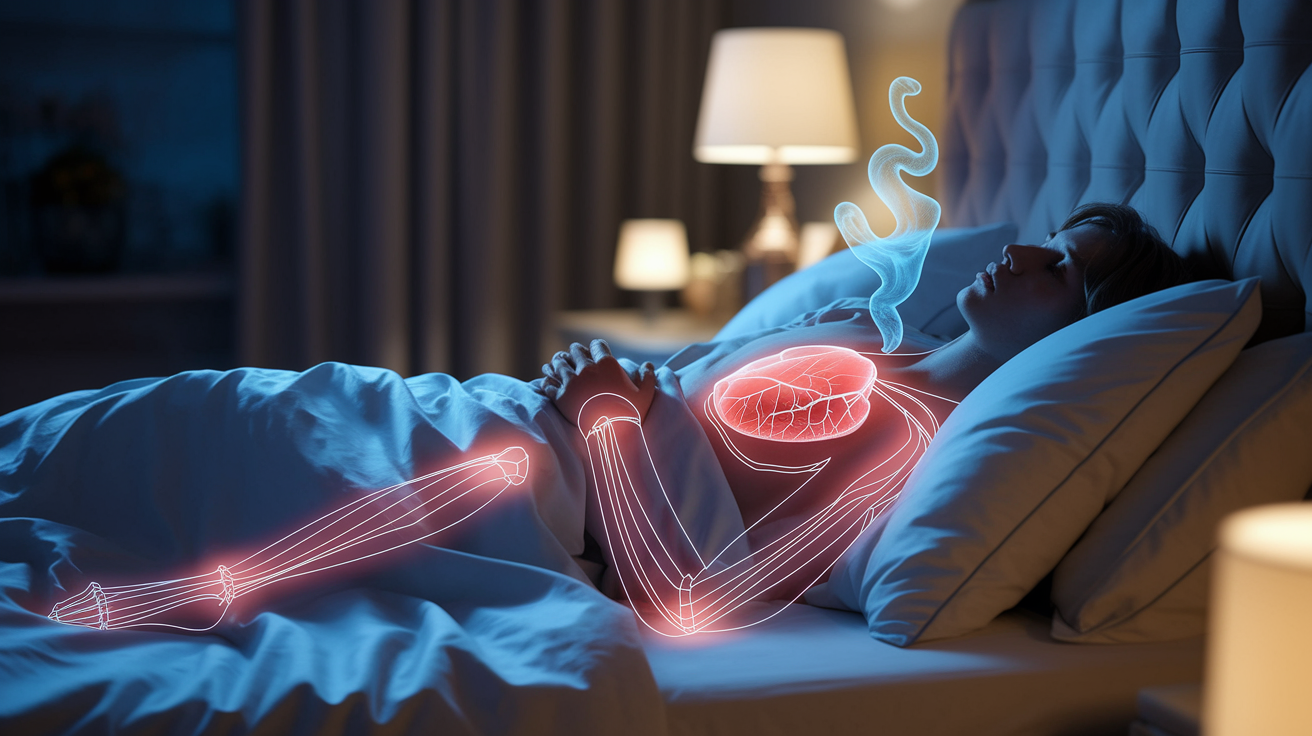
When you lie flat, your body goes through some subtle shifts that can make anxiety way more noticeable than it is during the day. Blood moves from your legs and lower body back up toward your chest and head, which means your heart’s got a bit more volume to push with each beat. For some people, that shows up as a stronger heartbeat or this weird fullness in the chest. Your breathing changes too. Breaths get shallower when you’re horizontal, and if you’re already a little wound up, you might start breathing faster without even realizing it. That can bring on lightheadedness, tingling, or this feeling like you can’t quite get enough air.
And here’s the thing: lying down strips away pretty much all the distractions that keep your mind busy during the day. No work tasks, no conversations, no movement. Your attention just turns inward. You start noticing your heartbeat, the rhythm of your breathing, tension in your muscles, any odd sensation. Normal body stuff suddenly feels loud and kind of alarming. When your brain decides these sensations are a threat, your autonomic nervous system kicks in with adrenaline. Heart speeds up, chest tightens, muscles prime for action. You end up creating the exact symptoms you were worried about.
Psychologically, bedtime is when all the stuff you didn’t process during the day comes up. Racing thoughts, worst-case scenarios, replaying conversations. If you’ve been pushing through stress all day, your brain catches up the second you stop moving. That mental noise keeps your nervous system on high alert, making it almost impossible to relax into sleep.
Six things that make anxiety worse when you’re lying down:
- You notice your heartbeat and breathing way more because there’s no external noise or stimulation
- Blood shifts make your heart’s work more obvious
- Shallow or wonky breathing can feel like panic or actually trigger it
- Daytime distractions disappear, so intrusive thoughts take over
- Your autonomic nervous system reacts to what it thinks are internal threats
- Your bed or bedtime itself has become linked to past panic episodes
Medical Conditions That Can Trigger Anxiety When Lying Down
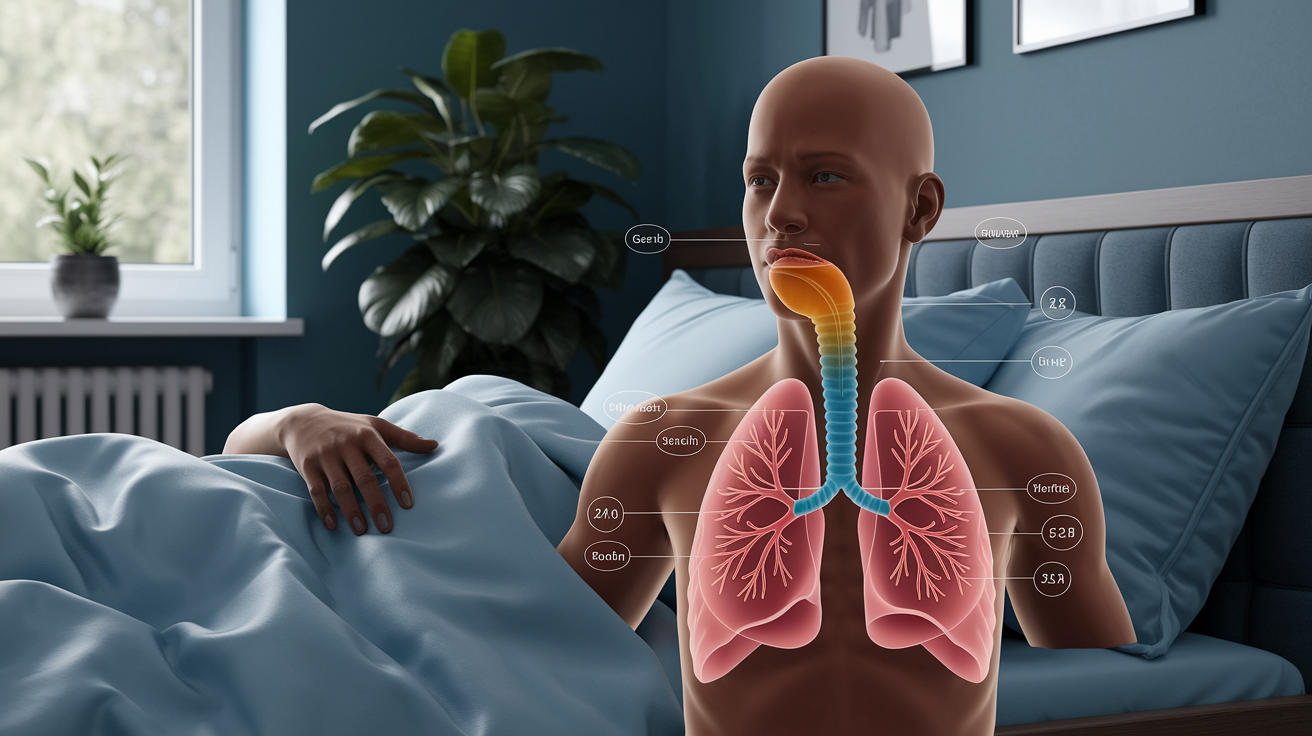
A bunch of medical conditions create physical sensations when you lie flat that either feel just like anxiety or straight-up provoke it. GERD is probably the most common. When stomach acid flows back into your esophagus while you’re horizontal, it can burn, make you feel like you’re choking, or tighten your throat. Those sensations, especially chest tightness and trouble swallowing, are really easy to mistake for panic. And the fear of what’s happening can snowball into a full anxiety response. Some people get silent reflux without classic heartburn, so the connection’s even harder to spot.
Obstructive sleep apnea is another big player. Your airway collapses or narrows repeatedly during sleep, oxygen dips, and your brain partly wakes you up to get breathing going again. Those micro-awakenings come with a shot of adrenaline, racing heart, gasping, or this suffocating feeling. All of which are identical to a panic attack. Lots of people with undiagnosed sleep apnea report sudden nighttime anxiety, especially if they wake up abruptly feeling like they can’t breathe. Hormonal shifts around periods, perimenopause, or thyroid problems can also cause nighttime palpitations, sweating, and restlessness that worsen anxiety.
Cardiovascular stuff like arrhythmias and orthostatic changes are less common but worth ruling out. Lying flat increases the heart’s workload a little, and certain rhythm issues become more obvious at rest. Conditions like POTS can cause a rapid heart rate and dizziness when you change positions. Nocturnal asthma or COPD can produce shortness of breath and chest tightness that wake you in distress.
How to Tell If It’s Anxiety or a Physical Condition

Figuring out whether it’s anxiety or a medical issue is tough because the symptoms look so similar. Anxiety-driven episodes usually come on fast, peak within minutes, and often calm down once you get up, move around, or use a calming technique. They’re often tied to stress, worry, or something you can identify, like a rough day, late-afternoon caffeine, or lying awake replaying a conversation. Physical conditions tend to follow a more predictable pattern. Symptoms that get worse with exertion, happen at the same time each night, or don’t respond at all to relaxation or distraction.
Timing and other symptoms give you more clues. If your chest tightness comes with a sour taste, cough, or throat irritation, think reflux. If you wake up gasping or your partner says you snore or stop breathing, consider sleep apnea. If your heart only races when you stand up or change position, that points toward an autonomic or cardiovascular cause. Anxiety usually brings a bunch of mental symptoms too: intense fear, dread, racing thoughts. Purely medical conditions might feel physically terrible but not emotionally catastrophic.
| Indicators | More Likely Anxiety | More Likely Medical |
|---|---|---|
| Onset and duration | Sudden, peaks in minutes, eases with calming techniques | Gradual or positional, persists despite relaxation, may worsen with exertion |
| Triggers and patterns | Linked to stress, worry, caffeine, or past panic; improves when distracted | Occurs predictably (same time nightly, after eating, when lying flat) |
| Associated symptoms | Racing thoughts, sense of doom, tingling, dizziness, fear of losing control | Sour taste or cough (reflux), snoring or gasping (apnea), exertional chest pain (cardiac) |
| Response to movement or position | Often improves when you sit up, get out of bed, or engage in a calming activity | May worsen or improve with specific positions (e.g., propped up relieves reflux or orthopnea) |
Diagnostic Steps and When to Seek Care
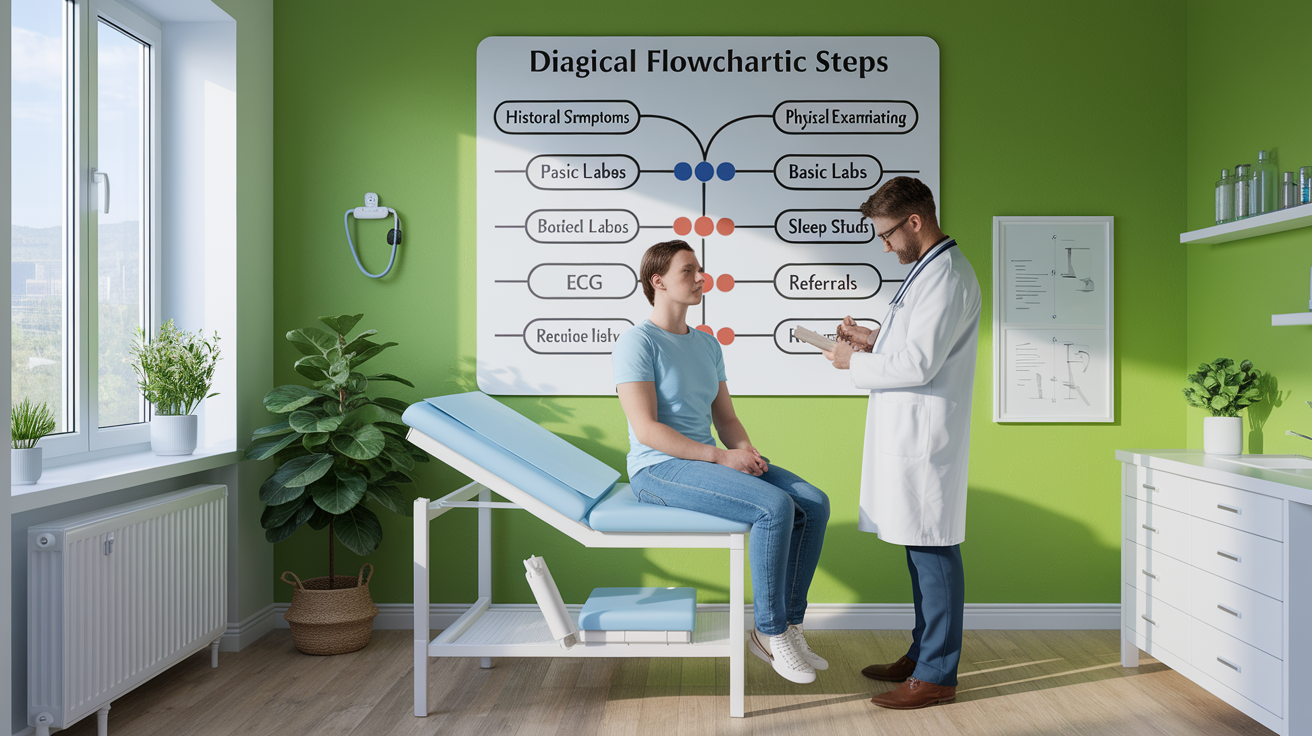
If nighttime anxiety is new, severe, or comes with physical red flags, get a medical evaluation first. Your provider will probably start with a detailed history: when symptoms started, what they feel like, how long they last, and whether anything makes them better or worse. Plus a physical exam to check your heart, lungs, and thyroid. Basic lab work often includes a complete blood count, thyroid function tests, and sometimes blood sugar or electrolyte levels to rule out metabolic causes. An ECG can catch rhythm problems, and if reflux seems likely, your provider might suggest a trial of acid-reducing medication or refer you for further GI evaluation.
If your symptoms point to disrupted breathing at night (snoring, gasping, witnessed pauses, or severe daytime fatigue), a sleep study can diagnose obstructive sleep apnea or other sleep disorders. Home sleep tests are available for straightforward cases. For anxiety that seems purely psychological but won’t quit or is really disabling, a mental health screening or referral to a therapist trained in cognitive behavioral therapy for anxiety or insomnia is the right move.
Seek care within a few days to a couple of weeks if your sleep anxiety keeps you from getting seven to eight hours most nights, causes daytime impairment like trouble concentrating or overwhelming fatigue, or has lasted several weeks without improvement. If you’re not sure whether your symptoms are anxiety or something else, err on the side of evaluation. Better to rule out a treatable medical condition than assume it’s “just anxiety” when it’s not.
Effective Strategies to Reduce Anxiety When Lying Down
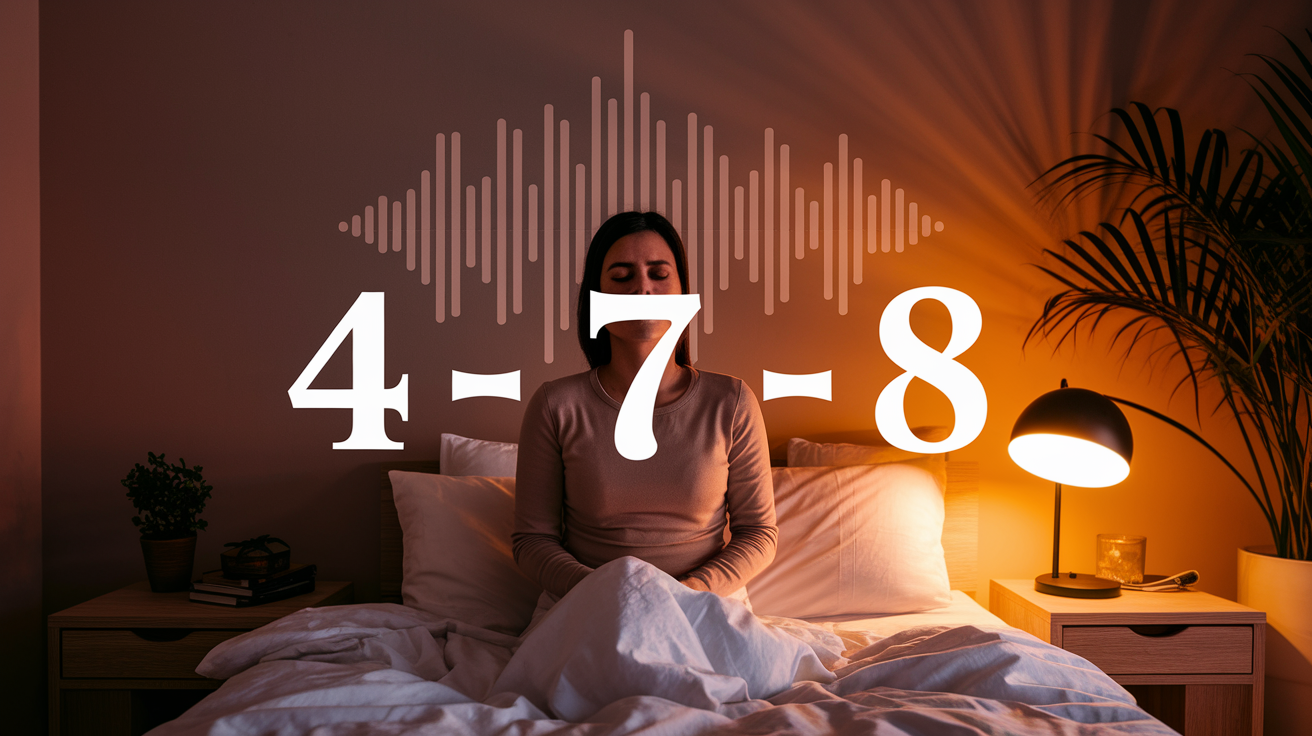
Practical techniques that calm your nervous system and break the nighttime worry cycle can make a real difference. Start by anchoring your breathing. Try the 4-7-8 pattern: inhale through your nose for four seconds, hold for seven, exhale slowly through your mouth for eight. Repeat four to six cycles. That longer exhale activates the parasympathetic nervous system and signals your body it’s safe to rest. Progressive muscle relaxation works well too. Tense each muscle group (feet, calves, thighs, abdomen, hands, shoulders) for five seconds, then release and notice the contrast. Spend ten to twenty minutes on this routine before bed, not in bed.
Stimulus control is important if your bed’s become a place you associate with panic. Use your bed only for sleep (and sex). If you’re lying awake anxious for more than fifteen or twenty minutes, get up, go to another room, and do something boring and low-light. Fold laundry, read something dull, listen to a calming podcast. Stay there until you feel genuinely sleepy again. This stops your brain from linking the bed with wakefulness and dread. Keep your bedroom cool, dark, and quiet. Avoid screens for thirty to sixty minutes before your target bedtime since blue light and stimulation keep your brain alert.
Seven actionable steps to reduce anxiety when lying down:
- Practice 4-7-8 or diaphragmatic breathing for ten minutes before bed to downregulate your nervous system
- Use progressive muscle relaxation or a body scan to release physical tension
- Get out of bed if you’ve been lying awake anxious for fifteen to twenty minutes, return only when sleepy
- Keep a notepad by your bed to quickly jot down intrusive thoughts or worries, then set them aside until morning
- Avoid caffeine after early afternoon (it’s got a half-life of five to six hours) and limit alcohol close to bedtime
- Stick to a consistent sleep and wake time, even on weekends, to stabilize your internal clock
- Create a wind-down routine: dim lights, calming music, light stretching, or a warm shower to signal your body that sleep is coming
Expert Guidance and Situations Requiring Immediate Attention

Most nighttime anxiety isn’t dangerous, but certain symptoms require urgent evaluation because they can signal a medical emergency. If you get severe chest pain, especially if it radiates to your arm, jaw, or back, or comes on with exertion, don’t wait. Same goes for fainting, sudden severe shortness of breath that doesn’t ease when you sit up, a new irregular or very rapid heartbeat that feels chaotic, or any neurological symptoms like weakness, numbness, vision changes, or confusion.
Even without those red flags, persistent or worsening anxiety that disrupts your sleep most nights, causes significant daytime impairment, or makes you afraid to go to bed deserves professional assessment. Anxiety and sleep problems are treatable. Early intervention, whether that’s therapy, medication, treatment of an underlying sleep or medical disorder, or a combination, prevents chronic insomnia and the cycle of fear around bedtime from becoming entrenched.
Five warning signs that require immediate medical attention:
- Severe chest pain, especially with exertion, sweating, nausea, or pain radiating to the arm or jaw
- Fainting, near-fainting, or sudden collapse
- Sudden, severe shortness of breath that doesn’t improve when you sit up or move
- New onset of a very rapid, irregular, or chaotic heartbeat
- Neurological symptoms such as weakness, numbness, slurred speech, confusion, or vision changes
Final Words
That tight, restless feeling when you lie down has reasons — shifts in blood flow, breathing changes, more body awareness, and rumination. You also read about medical triggers like reflux and sleep apnea, how to tell anxiety vs a physical issue, tests doctors may run, and concrete bedtime tools.
If you’re trying to pin down sudden anxiety when lying down causes, track timing, triggers, and what calms you. Small steps often help, and getting help when needed can lead to better sleep and calmer nights.
FAQ
Q: What causes anxiety at night and why does it kick in when I lie down?
A: Anxiety at night or when you lie down is often caused by body shifts (blood redistribution, changed breathing, stronger heart sensations) and mental factors (rumination, fewer distractions), plus medical triggers like reflux or sleep apnea.
Q: Can sleep anxiety be cured?
A: Sleep anxiety can often be managed and sometimes resolve, but a complete cure depends on the cause; therapy, breathing work, better sleep habits, and treating medical issues often help, and see a clinician if symptoms are severe.
Comments are closed